
Diving at Clifton Gardens (Australia)
Clifton Gardens presents a surprisingly accessible shore dive, located within Sydney Harbour and allegedly protected by a shark net enclosure. A well-regarded location for macro photography, its treasures often require patience to uncover. Calm, shallow waters invite exploration around the historical pier and surrounding nets, where much smaller, well-hidden marine life resides. Easy access makes it a popular spot for local divers seeking diverse subjects close to the city.
As evening covers Clifton Gardens, the local air temperature is measured at 9°C. The current wave height at the surface is recorded at 1.1 m. These late-day readings characterize the surface conditions for the night.
Dive Site Location & Key Facts
Dive Site Overview
Experiencing Clifton Gardens takes you to a site steeped in local history, one that evolved from a popular picnic ground established in 1863 into a cherished Sydney Harbour destination. Its past included a prominent wharf and bathing enclosure; remnants of these still shape the underwater landscape.
Though the grand dancing hall and skating rink vanished long ago, the current environment maintains a distinctive charm, now upheld by the local council as an excellent family-friendly area. For divers, a sheltered setting beneath the pier and within its historical remnants offers a tranquil experience, primarily geared towards observing macro life. Dive sequences generally follow the existing jetty's outline.
A persistent net structure underneath creates an artificial reef, attracting a diverse array of smaller organisms. Divers typically explore around 3 m (10 ft) to a maximum of 9 m (30 ft), making it a remarkably shallow dive.
Optimal conditions often align with high tide, which provides better water depth and improved visibility. Navigating the silty bottom without disturbing sediment is crucial.
Extended bottom times are possible, encouraging slow, deliberate exploration focused on spotting camouflaged creatures. Gentle currents here contribute to an accessible entry-level dive, yet patience is crucial to uncover its hidden treasures.
Conditions are Good
Optimal conditions expected
Current conditions near Clifton Gardens show 9° air, 18° sea temperature, 1.0 m waves, and 27 km/h wind. Forecast data is refreshed regularly to ensure accuracy.
Best Time to Dive
Planning your dive at Clifton Gardens frequently benefits from aligning with higher tides for improved depth and clarity, particularly crucial in the site's shallow reaches. Climate data indicates 'Good' dive scores often occur between February and March, and then from June through October. Air temperatures during warmer months, such as January and February, average around 22-23°C (72-73°F). Cooler winter months like June and July see averages closer to 12-13°C (54-55°F). Rainfall generally remains moderate year-round; no single month consistently shows heavy precipitation that would significantly impact conditions. Water temperature varies seasonally, yet specific averages are not consistently reported for this protected harbour site.
PEAK SEASON SCORE
Scores combine air & water temps, waves, wind & rainfall for overall conditions.
BEST MONTHS TO DIVE
Monthly records compiled from satellite and marine observation nodes over the last 3 years. Data provided by Open-Meteo and MET Norway.
Dive Experience & Conditions
Beginning your dive at Clifton Gardens is straightforward, often involving an easy walk from the parking area to the wharf, followed by a giant stride into the water from steps. Once submerged, the dive sequence typically involves exploring the pilings of the wharf and the netting that runs beneath it, which provides ample substrate for marine organisms. Progressing slowly is key, as much of the macro life is camouflaged or well-hidden. Visibility at this site is fair, but it can fluctuate significantly depending on recent weather and tidal movements. It's a shallow dive, often staying within the 3-9 m (10-30 ft) range, making extended bottom times possible for careful observers. Considering the silty bottom, good buoyancy is important to avoid stirring up sediment.
Dive Difficulty & Safety Guidelines
Even though Clifton Gardens is an excellent site for beginners, its relatively low complexity might make it less compelling for highly experienced divers during daylight hours. A primary dive area operates inside a bathing enclosure, historically protected by a shark net. Divers are encouraged to exercise patience; many site inhabitants are masters of camouflage, rewarding a slow, deliberate exploration.
Diving at high tide is often preferable, providing better water depth over the shallow bottom. Advisable is carrying slightly more weight than usual to maintain good buoyancy control in the shallow water, preventing unintentional surfacing at a dive's end.
Recommended Equipment
- Dive Computer
- Hard-soled Dive Boots
This gear list is based on verified equipment signals for Clifton Gardens, Australia. Always confirm final gear choices with your dive operator, guide, or liveaboard.
Recommended Dive Suit
5-7mm wetsuit is often considered an appropriate level of exposure protection for conditions like these. Strong cold advisory: dress warmly immediately after exiting the water.
Divers entering the water at Clifton Gardens today can expect temperatures near 18°C (64°F) beneath the surface. Surface air temperatures are resting at 9°C (48°F).
Environmental models indicate a modest warming trend ahead. A warming trend is expected over the next few days.
Due to technical issues with our weather providers, live updates are temporarily delayed. The data above reflects the conditions at the time of the last successful fetch.
Emergency & Medical Support
Essential information to help you plan your dive trip to Clifton Gardens.

Hyperbaric chambers are a critical part of dive safety infrastructure. Availability varies significantly by region, and not all dive areas have immediate access.
Before diving, it's recommended to:
- confirm nearest medical facilities
- check emergency procedures with local dive operators
- ensure dive insurance covers evacuation if required
Divers Alert Network
Diving emergency assistance available through DAN World.
+1-919-684-9111- 24/7 emergency hotline
- Diving medical assistance
- Evacuation coordination
Emergency contacts are provided for reference. Always verify local emergency services before diving.
Marine Life at Clifton Gardens
Divers' initial encounters frequently involve numerous decorator crabs, masters of disguise meticulously adorned with local flora and fauna. Seahorses are a consistent sighting, often clinging to the pier's netting or pylons, with various color morphs present.
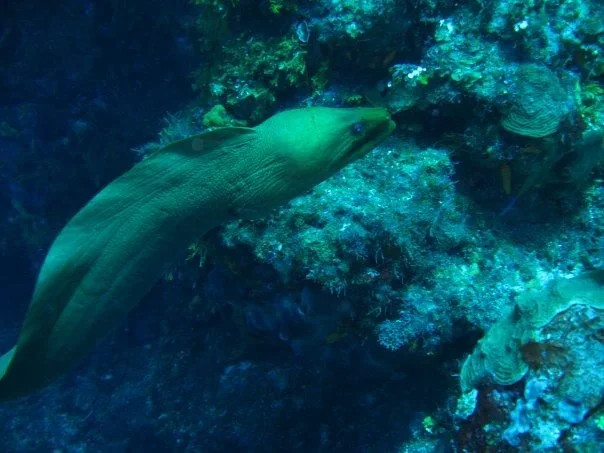
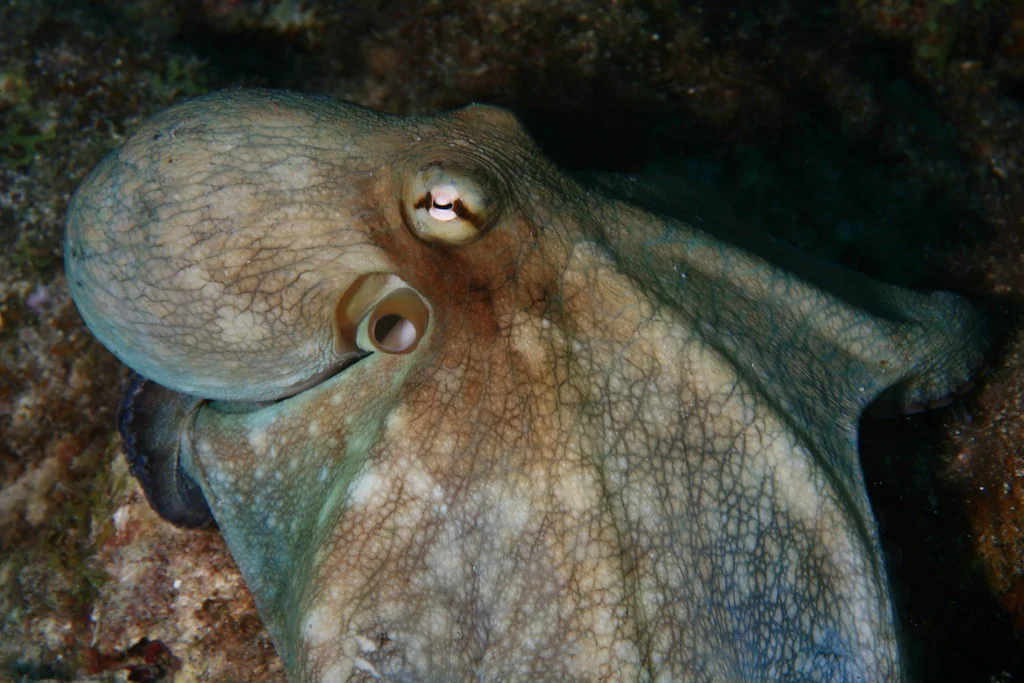
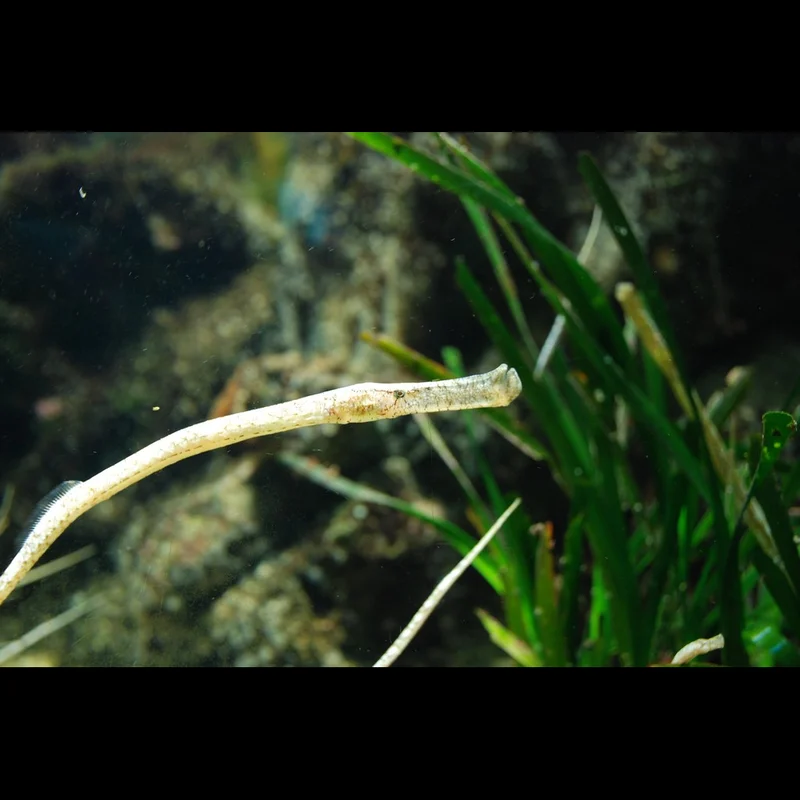
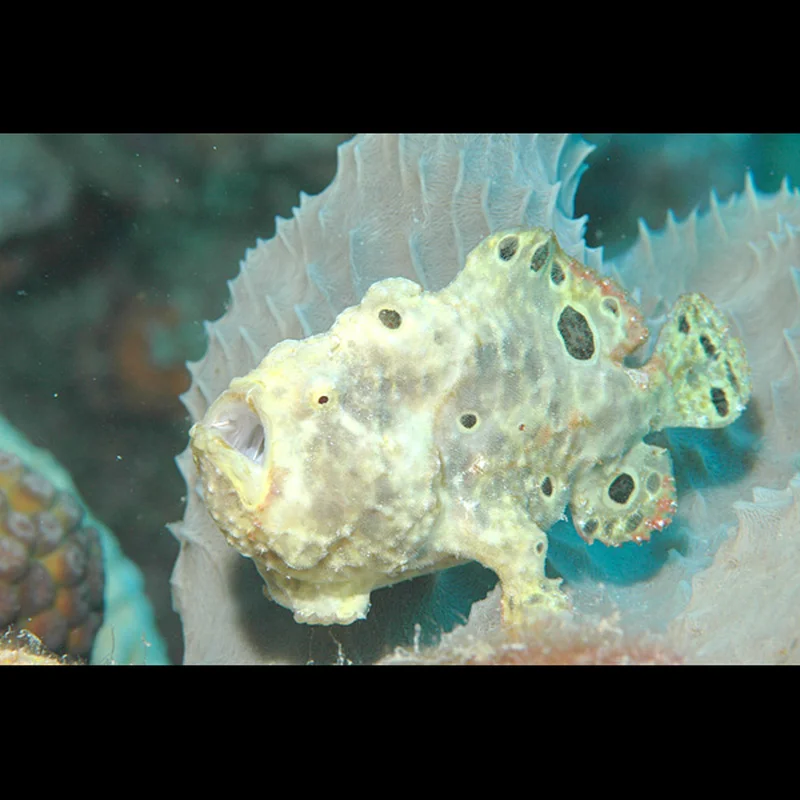
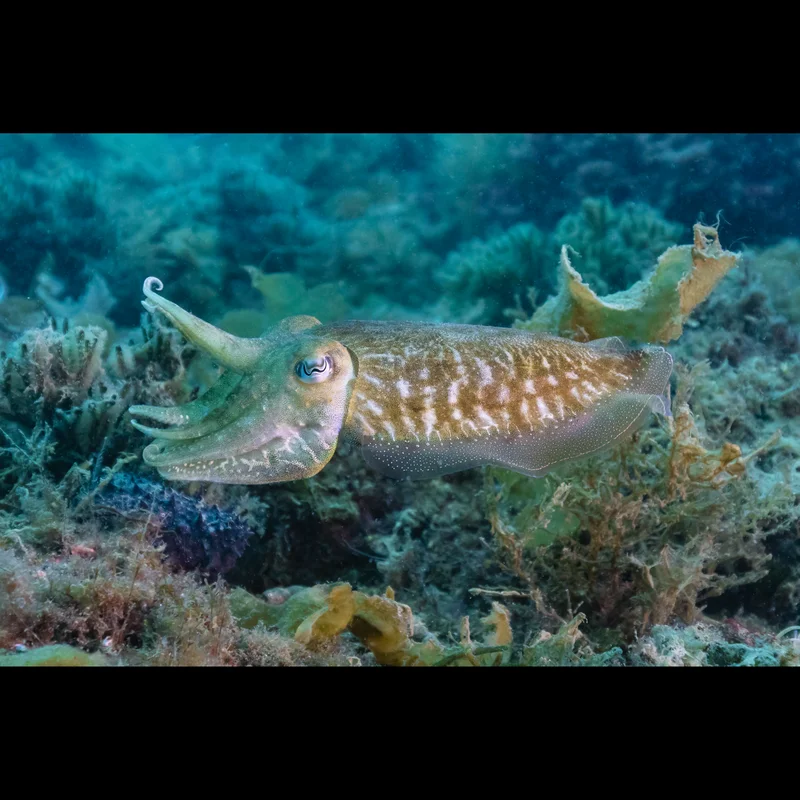
Frogfish, common octopus, and cuttlefish are frequently observed, camouflaged within the structure or on the sandy bottom. You might also spot blennies inhabiting discarded bottles, pipefish among the detritus, and occasionally a bull ray or numb ray resting on the sand. Persistent searching under rubble can reveal shy moray eels.
Dive Sites Near Clifton Gardens
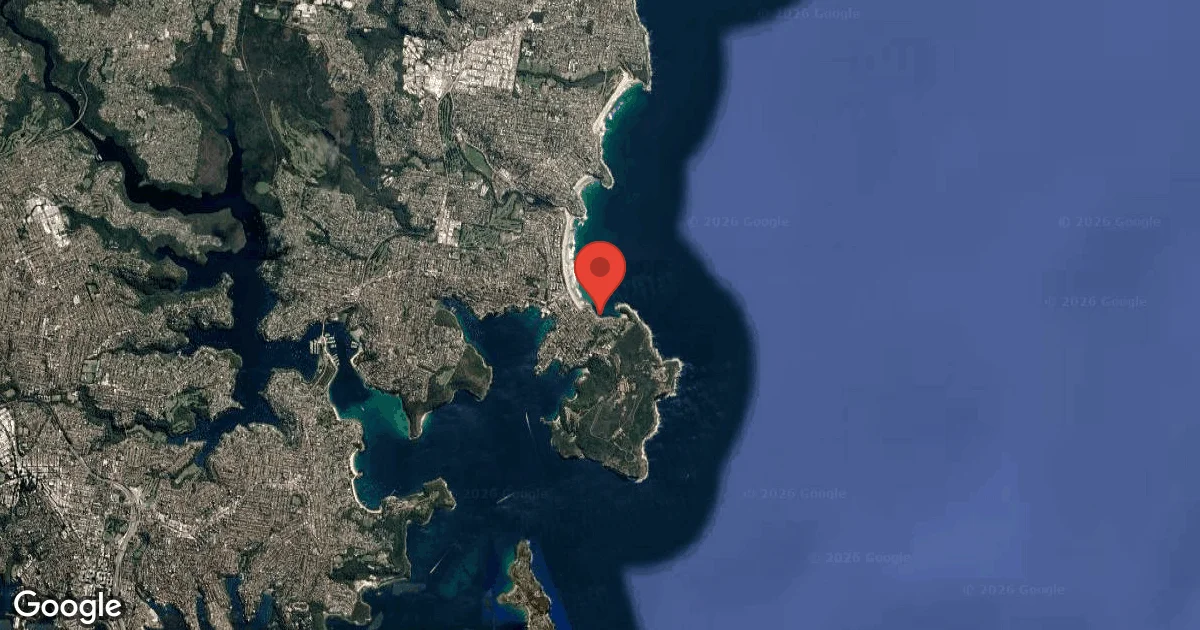
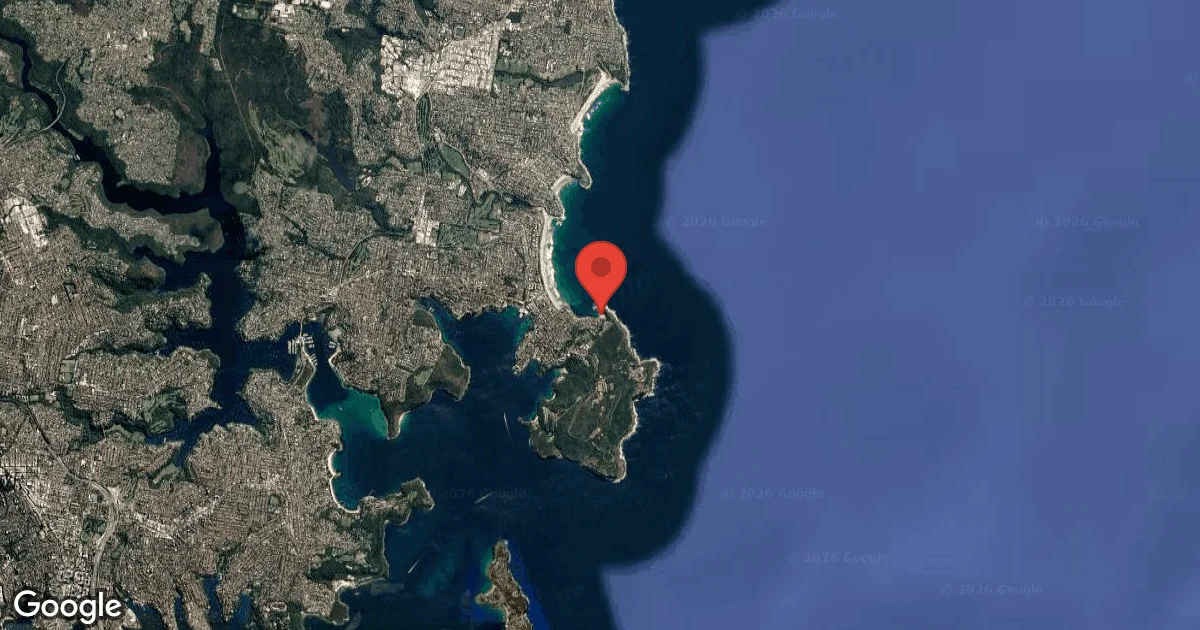
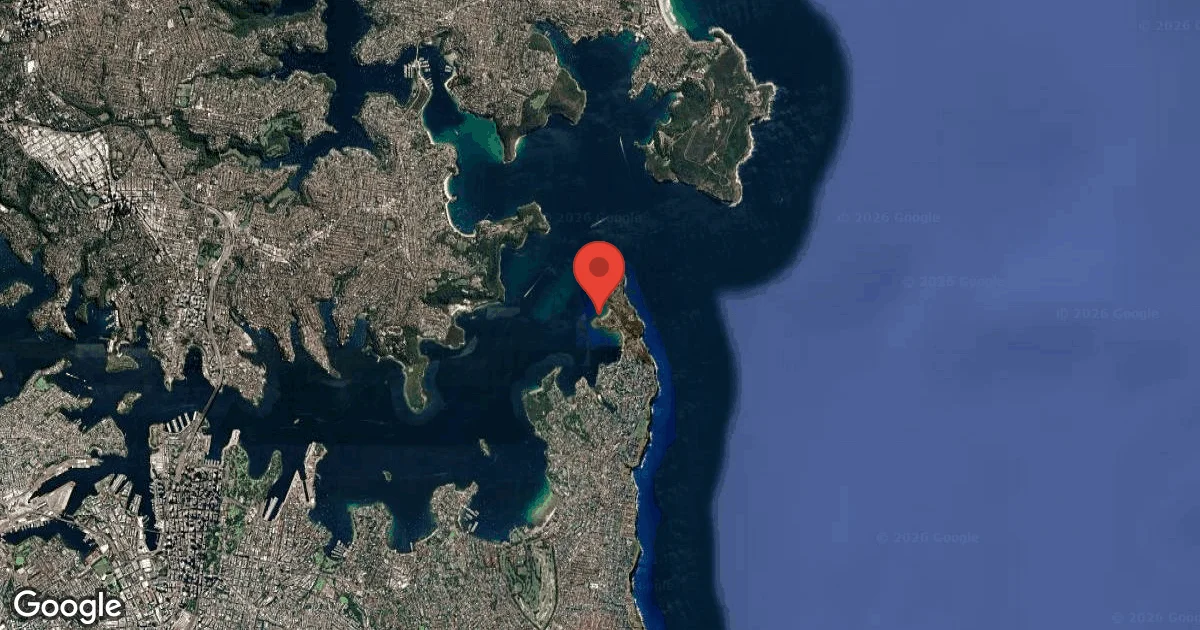
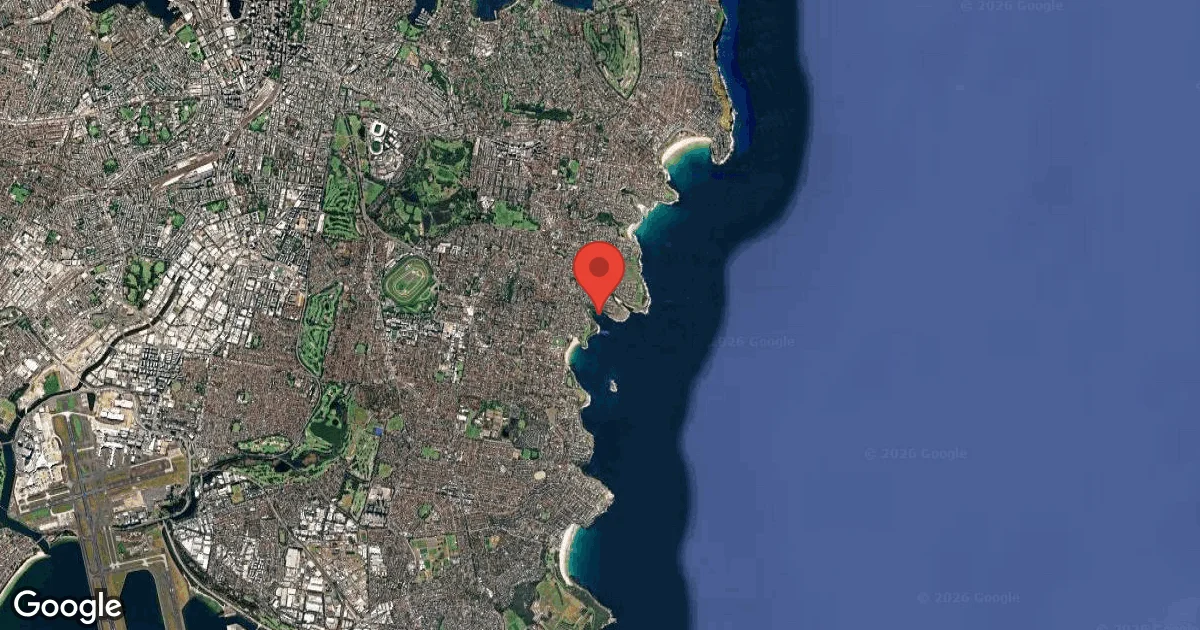
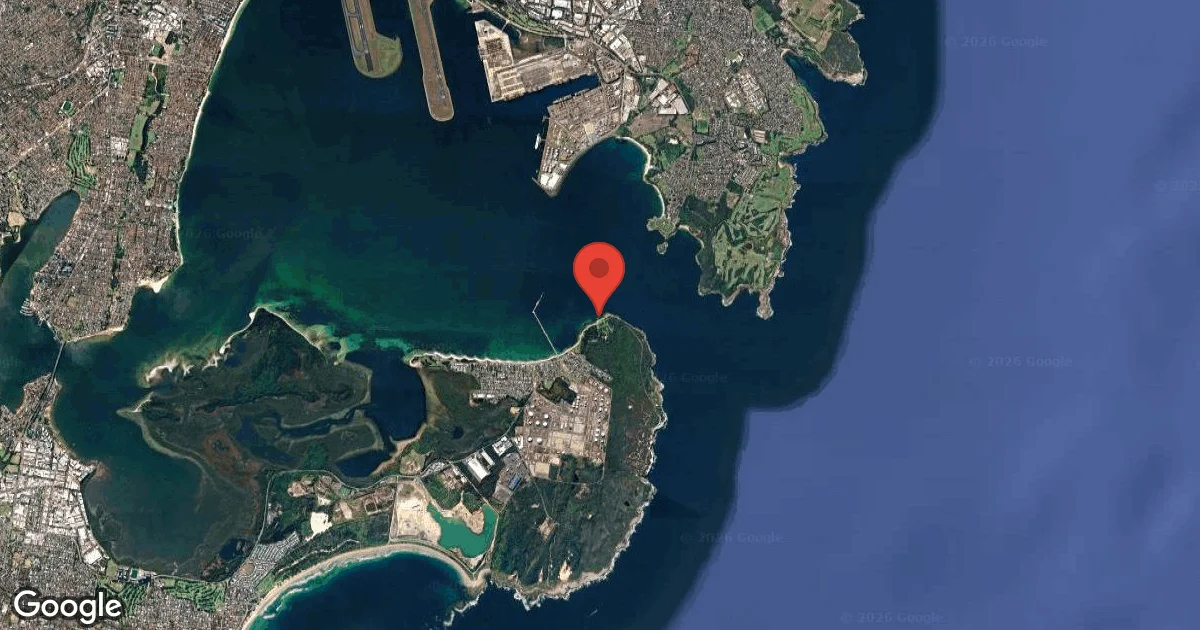
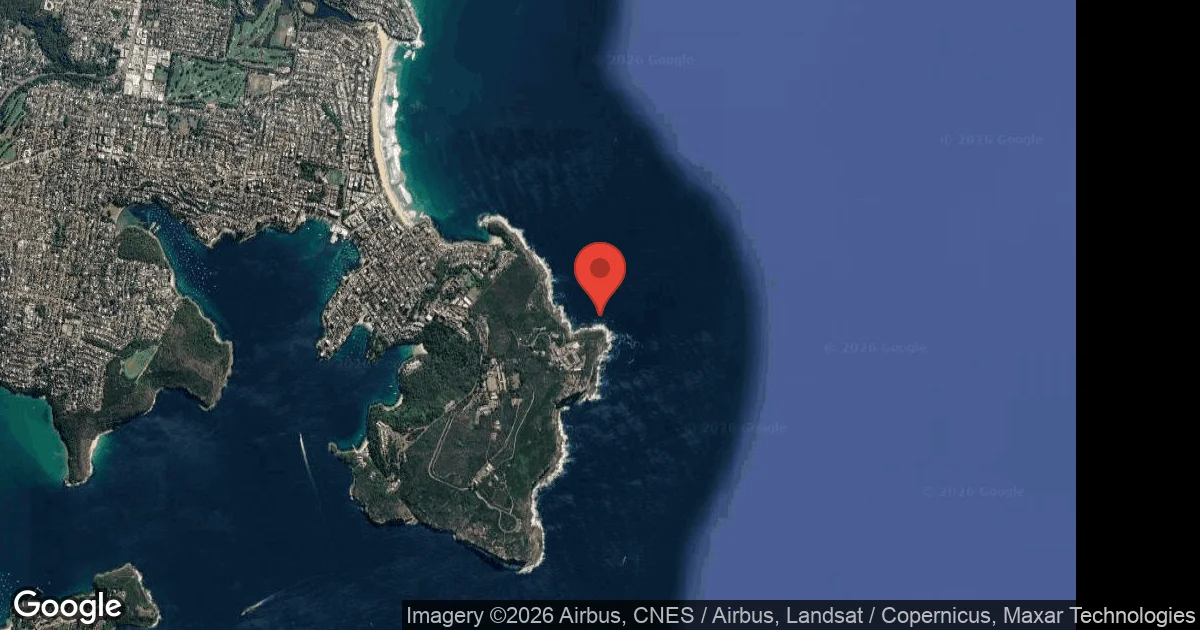
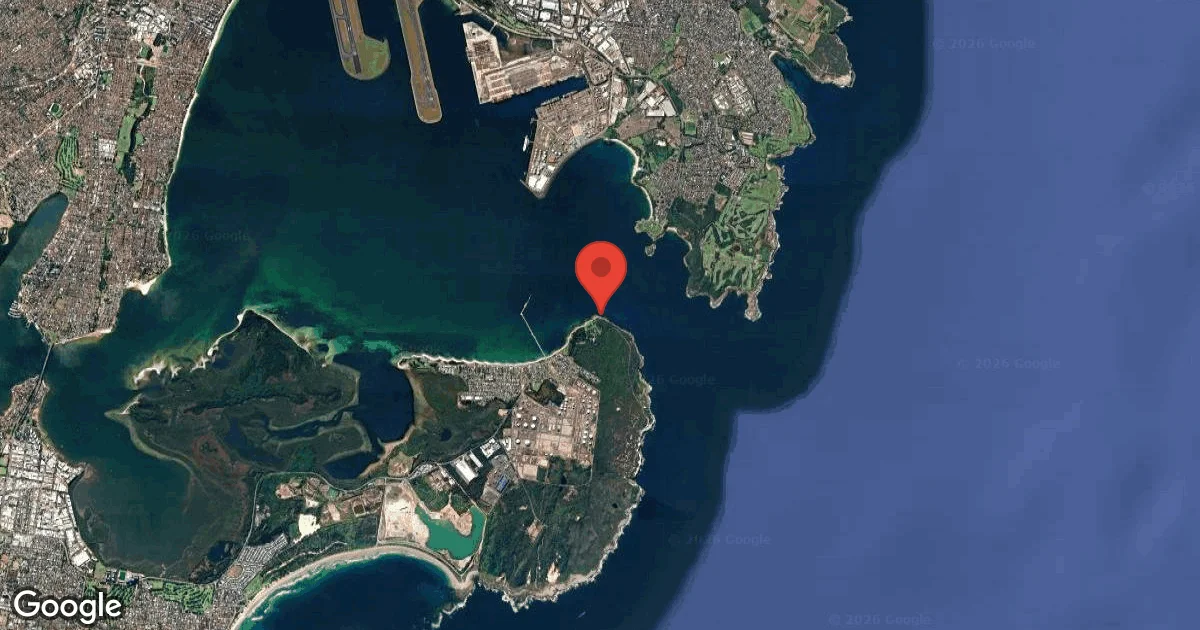
View all dive sites in AustraliaDiscover more underwater gems in this area.
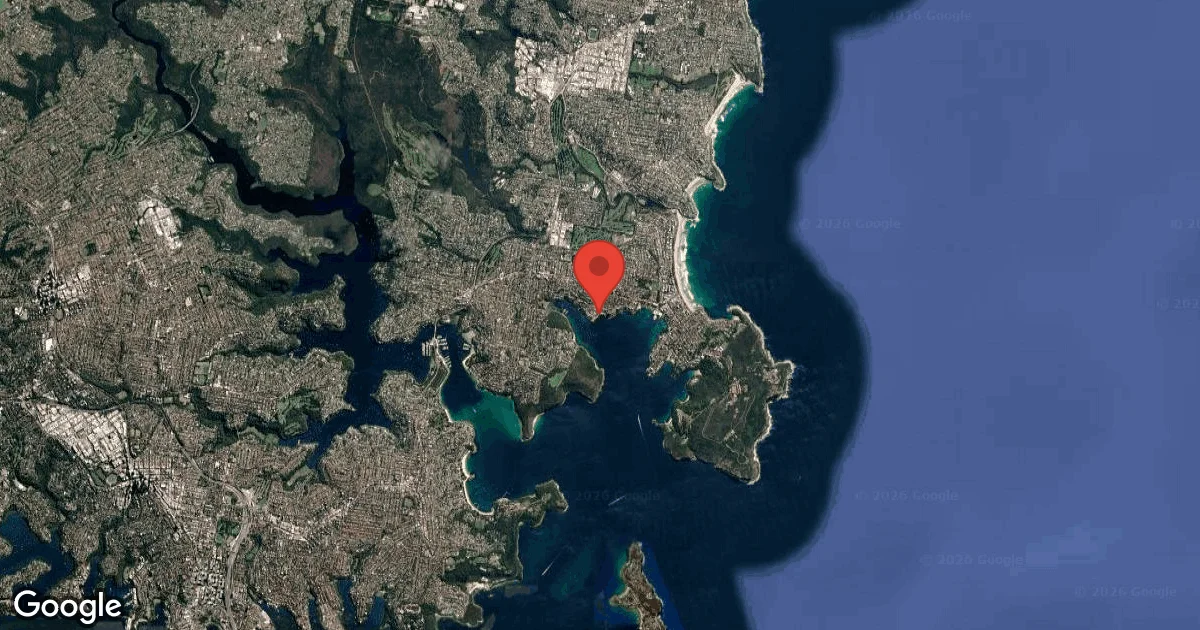
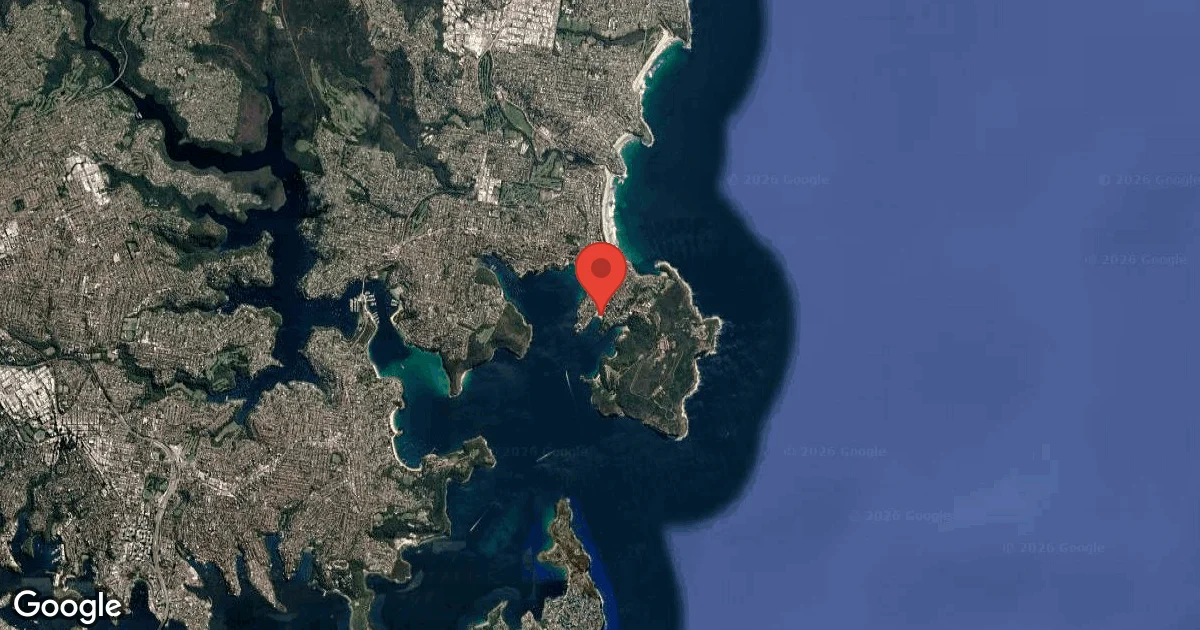
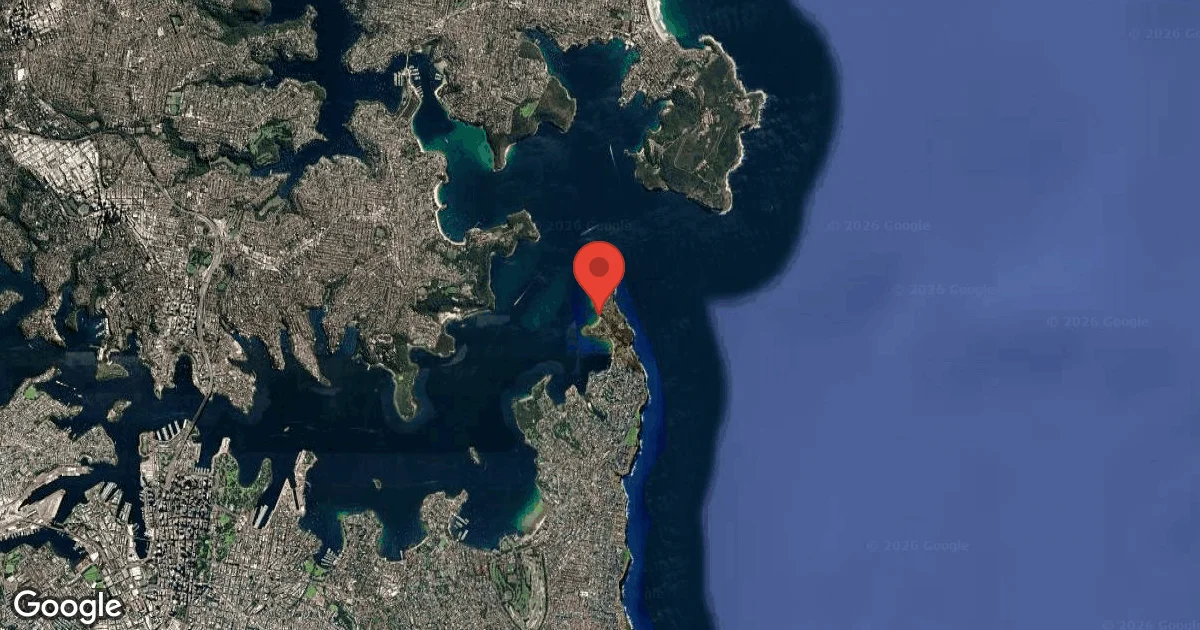
Dive Centers Near Clifton Gardens
Today: 08:00 - 17:00
Nearest Airports
Nearest airports to help plan travel to this dive area.
Search Flights
Check available flights and routes on Expedia, using the nearby airports listed in this section.
Search Flights on ExpediaFrequently Asked Questions
What is the typical depth range for diving at Clifton Gardens?
Diving at Clifton Gardens is quite shallow. Depths typically range from around 3 meters (10 feet) to a maximum of about 9 meters (30 feet).
Is Clifton Gardens suitable for beginner divers?
Yes, Clifton Gardens is considered an excellent site for beginners. Its protected, shallow waters and easy shore access make it a comfortable learning environment for new divers.
When is the best time of day to dive Clifton Gardens?
It is generally preferable to dive Clifton Gardens at high tide. This provides better depth over the shallow bottom, which can improve overall visibility and comfort.
What type of marine life can I expect to see?
Clifton Gardens is known as a macro dive site. You'll likely encounter decorator crabs, seahorses, frogfish, octopus, cuttlefish, blennies, and various rays. Patience helps in spotting these camouflaged creatures.
Can you do night diving at Clifton Gardens?
Yes, night diving at Clifton Gardens is popular. It can offer a different perspective and make it easier to spot certain species like anglerfish, which are more active after dark.
What are the typical water temperatures?
Water temperatures at Clifton Gardens vary seasonally within Sydney Harbour. Specific averages are not consistently reported for this site, but they generally align with seasonal air temperature changes in the region.
What kind of entry and exit should I expect?
The entry and exit are typically easy shore-based. Divers can walk from the parking area to the wharf and enter the water via steps or a giant stride.
Planning to dive Clifton Gardens?
Send one inquiry and receive offers directly from the best verified local dive operators.
Conditions are Good
Optimal conditions expected
Current conditions near Clifton Gardens show 9° air, 18° sea temperature, 1.0 m waves, and 27 km/h wind. Forecast data is refreshed regularly to ensure accuracy.