
Diving at Shelly Beach (Australia)
Shelly Beach in Australia stands out for its vibrant underwater ecosystem, a thriving part of the Cabbage Tree Bay Aquatic Reserve. This protected site boasts over 160 recorded fish species, ensuring a dynamic encounter on every dive. Divers often come across Wobbegong Sharks, Port Jackson Sharks, and common octopuses among the diverse population. Its easy accessibility makes it a premier spot for observing rich coastal biodiversity.
Evening condition tracking at Shelly Beach features an air temperature of 13.5°C. We have recorded wave heights measuring 0.8 m during this period. These figures outline the environmental parameters currently present.
Dive Site Location & Key Facts
Dive Site Overview
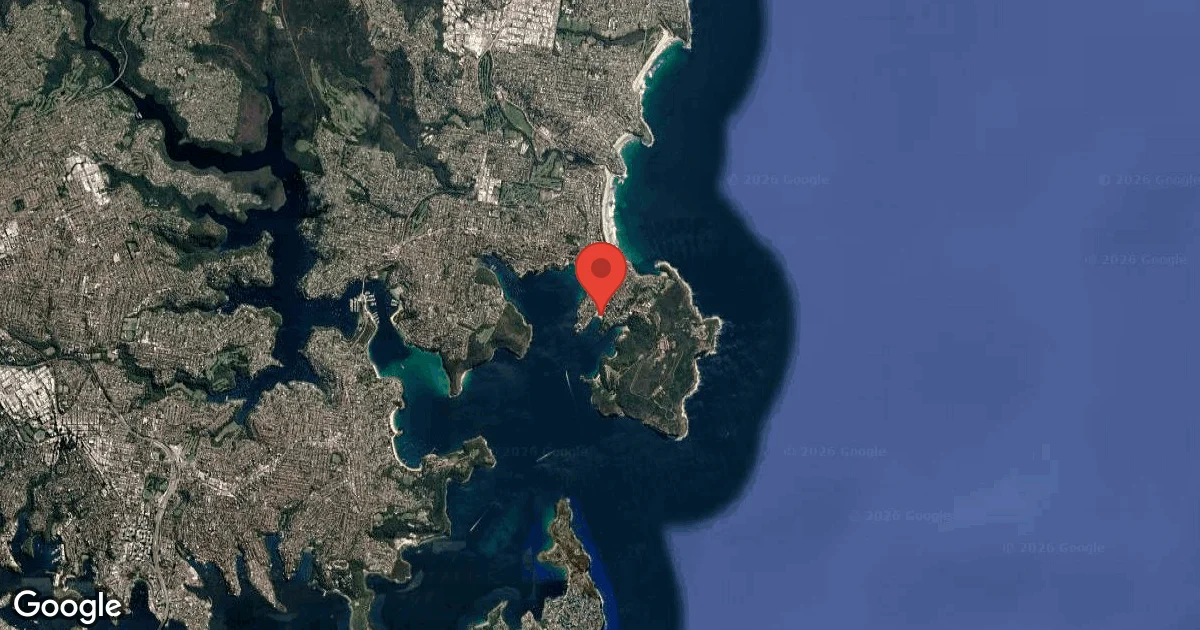
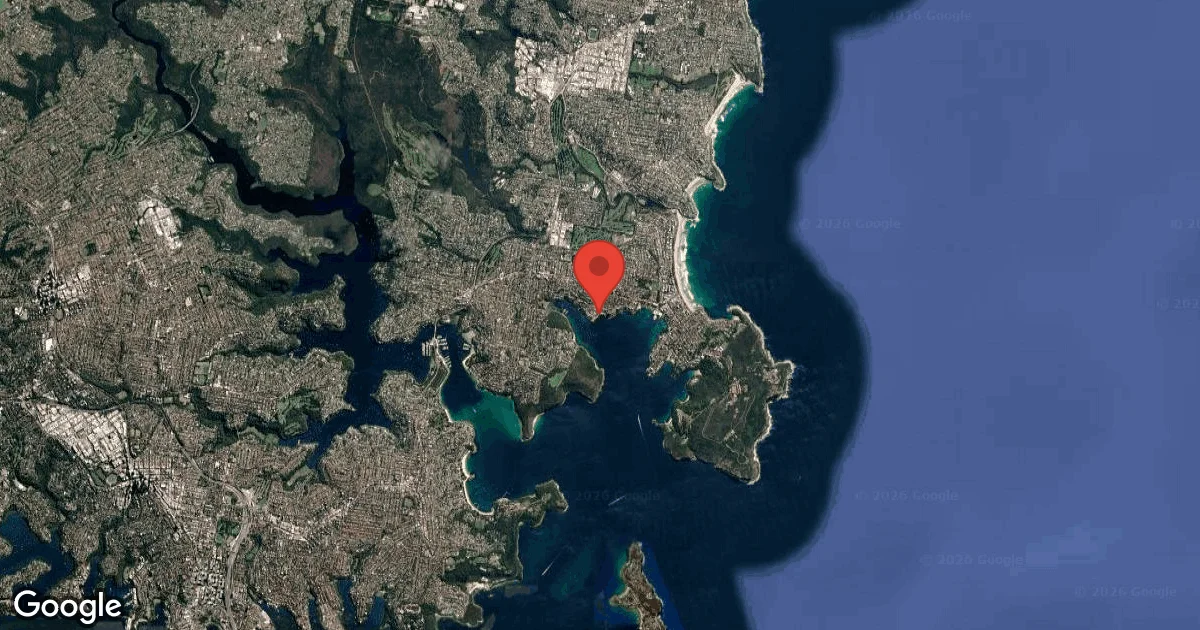
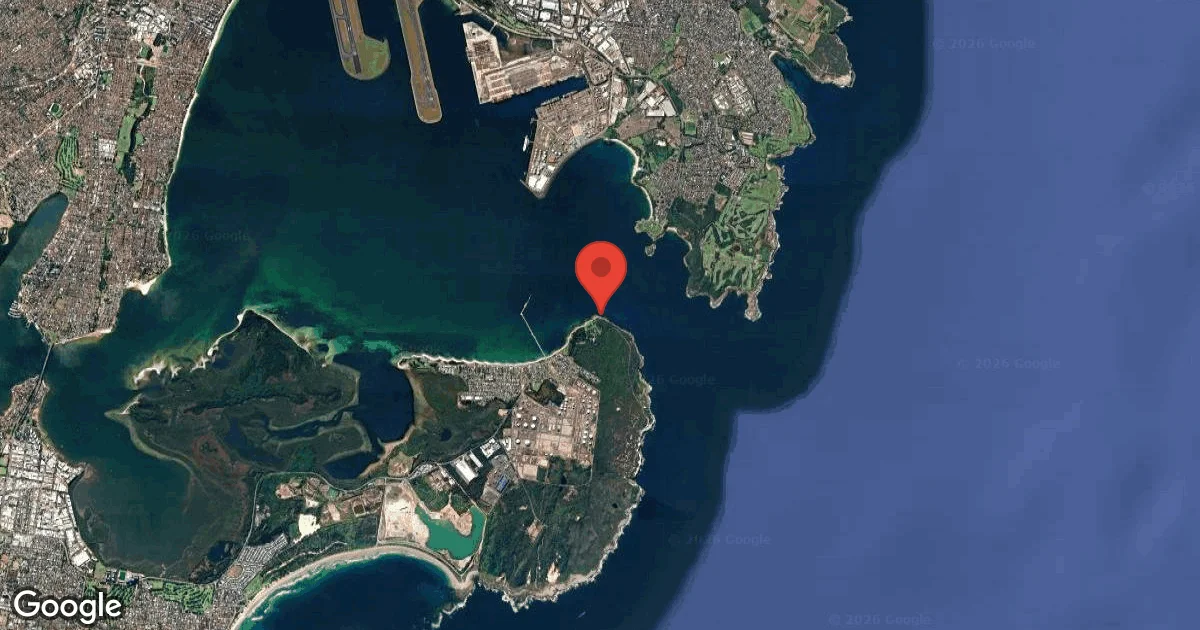
Imagine an underwater world easily reachable from shore, where marine life flourishes in a calm, protected environment. Shelly Beach, nestled within Sydney's Cabbage Tree Bay Aquatic Reserve, provides exactly that, making it a highly regarded shore dive.
This unique west-facing beach in New South Wales offers remarkable shelter from most prevailing weather, often translating into clear, comfortable diving conditions. Divers can expect a gradual descent along the sandy bottom and reef walls, reaching a maximum depth of around 14 m (45 ft). The site is praised for its accessibility, suitable for both beginners learning to dive and experienced divers looking for relaxed exploration.
You'll navigate varied underwater landscapes, from rocky reefs to seagrass beds, supporting the diverse community of over 160 fish species documented here. Encounters with resident Wobbegong Sharks and Port Jackson Sharks are common, often resting on the seabed.
It's a peaceful experience, often described as a whole other world, where you can easily spend 40 minutes observing the bustling environment.
Conditions are Good
07:00 - 14:00
Optimal conditions expected
Current conditions near Shelly Beach show 13° air, 18° sea temperature, 0.8 m waves, and 27 km/h wind. Forecast data is refreshed regularly to ensure accuracy.
Best Time to Dive
Planning your dive around stable weather patterns is advisable for optimal visibility and comfortable conditions. While Shelly Beach offers protection, calm seas generally improve underwater clarity. Months from February through October often show a 'Good' dive score, indicating favorable conditions for exploration. During these periods, air temperatures range from cooler averages of around 12.5°C (54°F) in June-July to pleasant highs of 22.5°C (72°F) in February. Rainfall is generally low year-round, with average monthly rainfall typically between 1.3 mm (0.05 in) in October and 5.3 mm (0.2 in) in January. Low rain statistics suggest minimal runoff affecting visibility. Winter months might offer crisper water, potentially enhancing long-range underwater views, though air temperatures will be cooler. Summer brings warmer air, but occasional larger swells could affect clarity.
PEAK SEASON SCORE
Scores combine air & water temps, waves, wind & rainfall for overall conditions.
BEST MONTHS TO DIVE
Monthly records compiled from satellite and marine observation nodes over the last 3 years. Data provided by Open-Meteo and MET Norway.
Dive Experience & Conditions
Starting with an easy shore entry into a shallow, protected bay, Shelly Beach offers a typically gentle dive profile. Its seabed gradually slopes, making conditions ideal for novice divers or those seeking a relaxed outing. Depths vary, with shallower sections around 8 m (26 ft) offering extended bottom times, while the outer areas extend to maximum recreational depths. As the sole west-facing beach in New South Wales, this site benefits from natural protection against many prevailing easterly swells, often resulting in calmer conditions and enhanced visibility. Water temperatures aren't consistently reported but typically follow regional patterns, influencing thermal protection choices. Expect a clear, unhurried diving experience, allowing ample time to observe abundant marine life across varied terrains, including sandy expanses and rocky reef formations.
Dive Difficulty & Safety Guidelines
Approaching Shelly Beach with a respectful understanding of its aquatic reserve status ensures a safe and rewarding experience. Divers should be mindful of other water users, as the bay is also popular for snorkeling and swimming, especially during peak times. While considered a protected site, conditions can still vary; assessing swell and current before entry is always a prudent step.
Shore entry is straightforward, typically involving a short walk across the sand with gear. Familiarize yourself with local regulations for Cabbage Tree Bay, as it is a protected area designed to conserve its diverse ecosystem.
Staying within certification limits and diving with a buddy are fundamental practices here, allowing full appreciation of the rich underwater environment responsibly.
Recommended Equipment
- Dive Computer
- Hard-soled Dive Boots
This gear list is based on verified equipment signals for Shelly Beach, Australia. Always confirm final gear choices with your dive operator, guide, or liveaboard.
Recommended Dive Suit
Divers planning relaxed exploration may appreciate the warmth of 5-7mm wetsuit. A hood or vest is suggested for sensitive divers due to surface winds. A thermal robe or jacket is recommended between dives. Divers often notice that perceived temperature can feel cooler during deeper or longer dives.
At the moment, divers exploring Shelly Beach will likely experience water temperatures near 18°C (64°F). Surface air temperatures are resting at 13°C (56°F).
Temperatures look set to gradually increase over the next several days. A warming trend is expected over the next few days.
Emergency & Medical Support
Essential information to help you plan your dive trip to Shelly Beach.

Hyperbaric chambers are a critical part of dive safety infrastructure. Availability varies significantly by region, and not all dive areas have immediate access.
Before diving, it's recommended to:
- confirm nearest medical facilities
- check emergency procedures with local dive operators
- ensure dive insurance covers evacuation if required
Divers Alert Network
Diving emergency assistance available through DAN World.
+1-919-684-9111- 24/7 emergency hotline
- Diving medical assistance
- Evacuation coordination
Emergency contacts are provided for reference. Always verify local emergency services before diving.
Marine Life at Shelly Beach
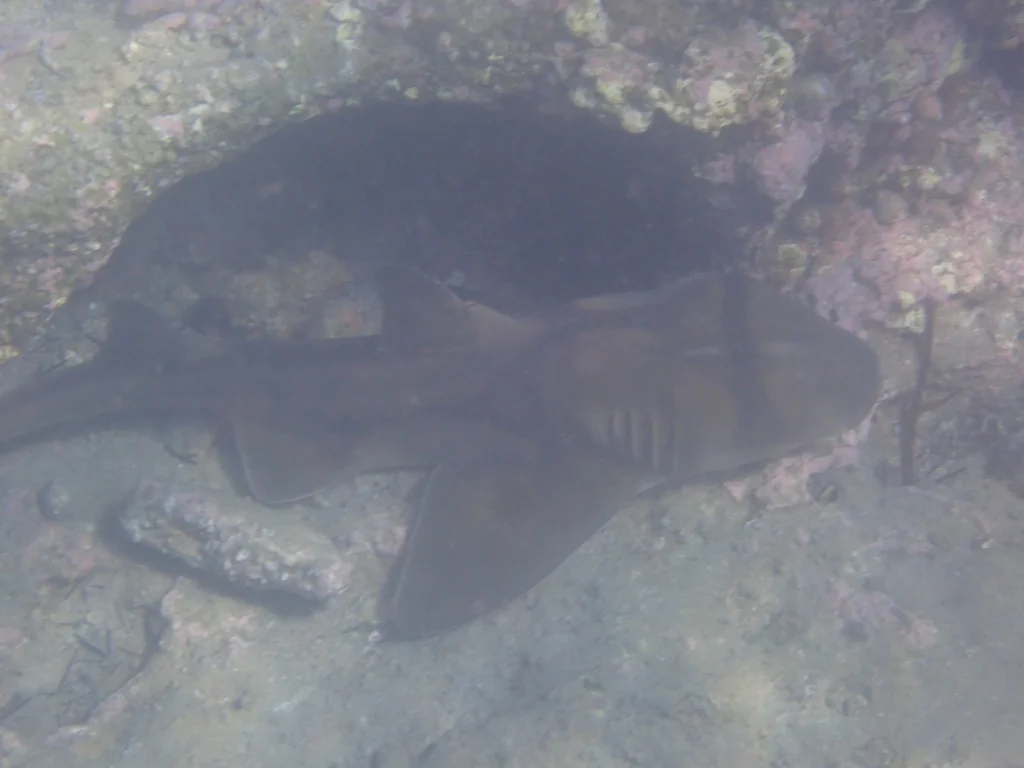
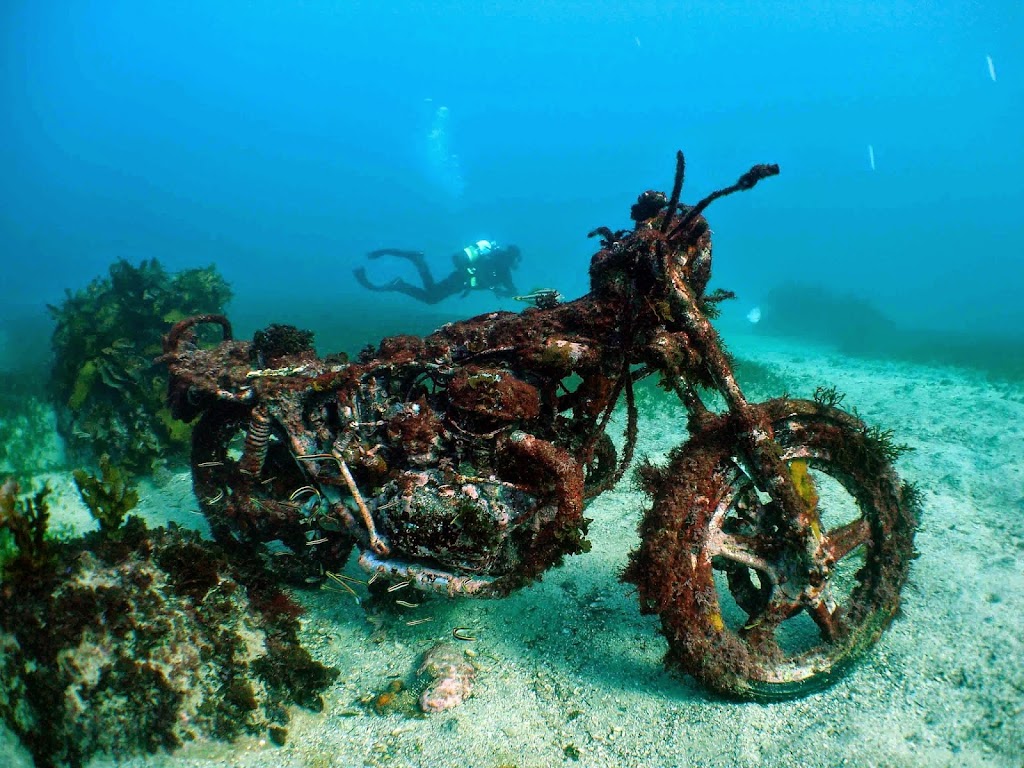
Shelly Beach's underwater landscape is a canvas for an impressive array of marine life. Along the sandy bottom and rocky reefs, divers frequently encounter well-camouflaged Wobbegong Sharks, often resting in crevices.
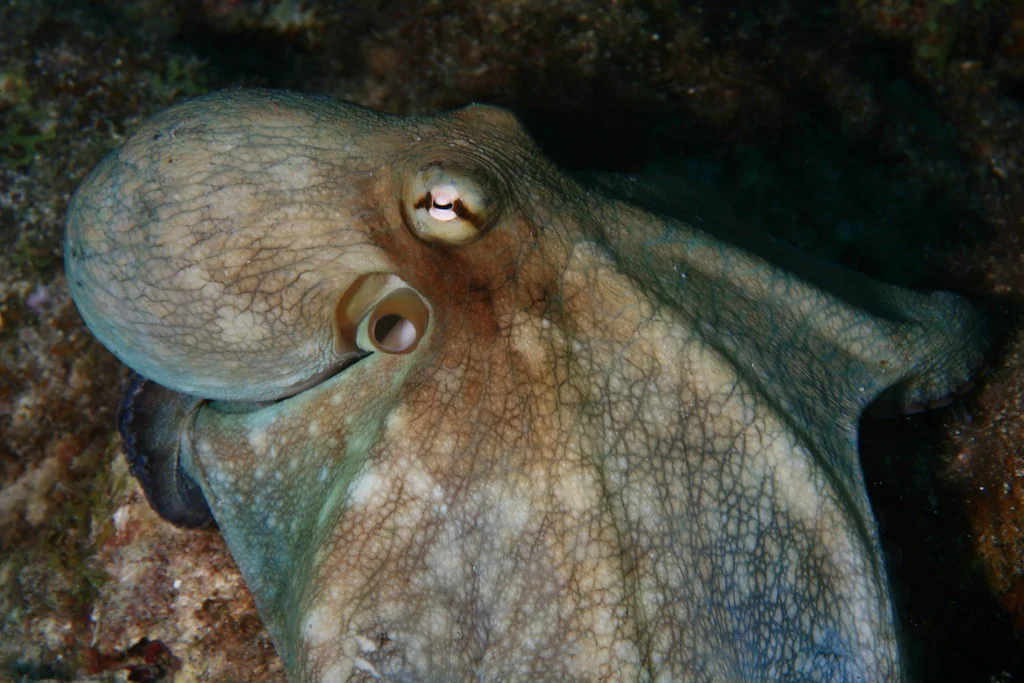
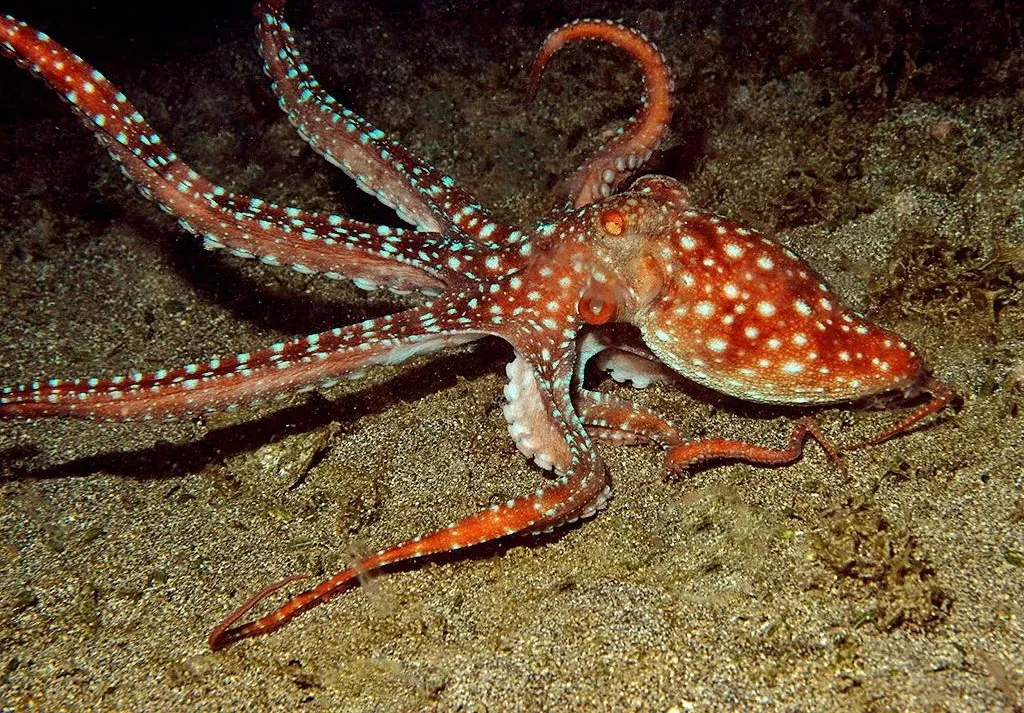
Port Jackson Sharks are also a common sight, particularly during seasonal aggregation. Look closer, and common octopuses might reveal themselves from hiding spots among the rocks.
Supporting over 160 fish species, including various Rays, Flatheads, Leatherjackets, and Old Wives, the reserve thrives. Seasonal visitors like Giant Cuttlefish and Dusky Whalers further enrich the vibrant ecosystem, making every dive a discovery within this biodiverse bay.

Dive Sites Near Shelly Beach
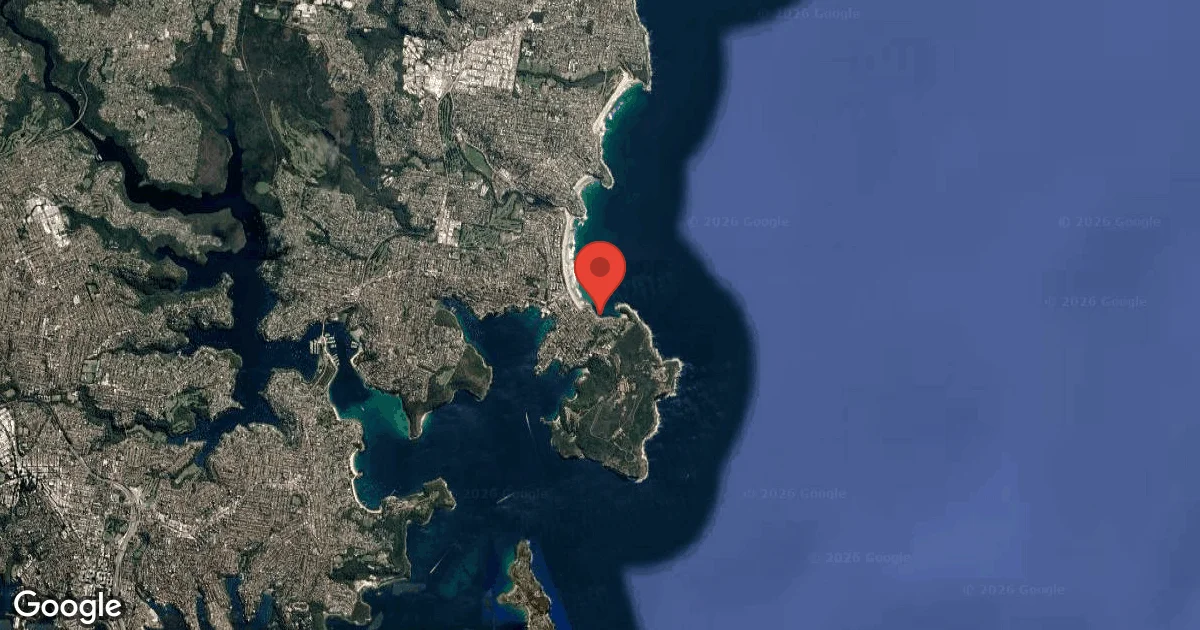
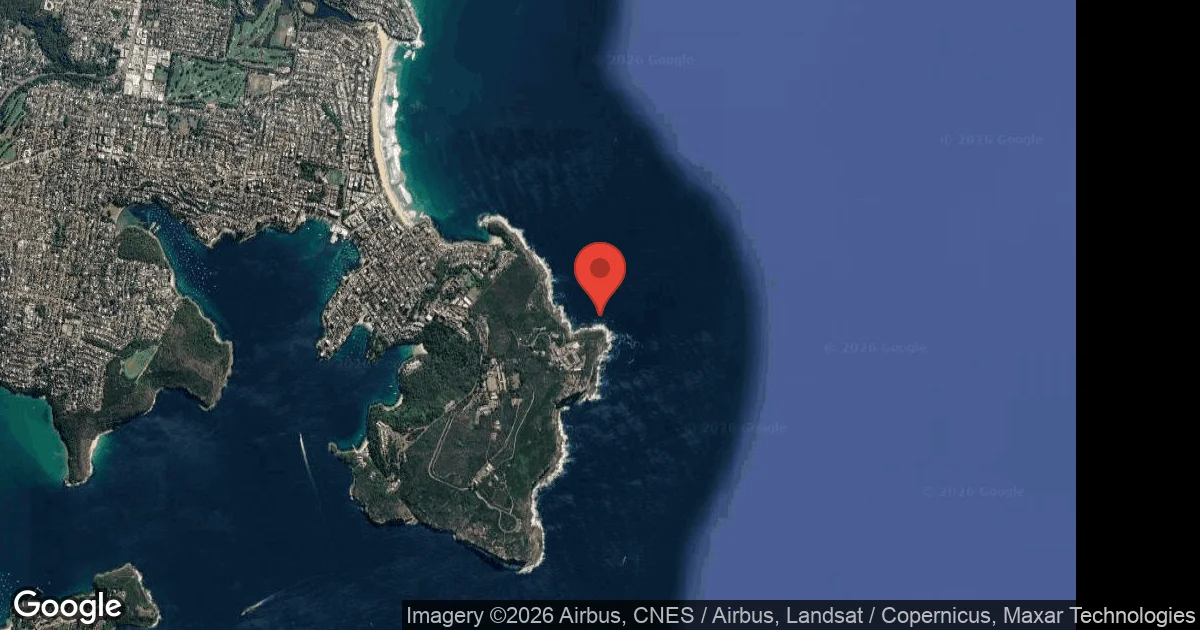
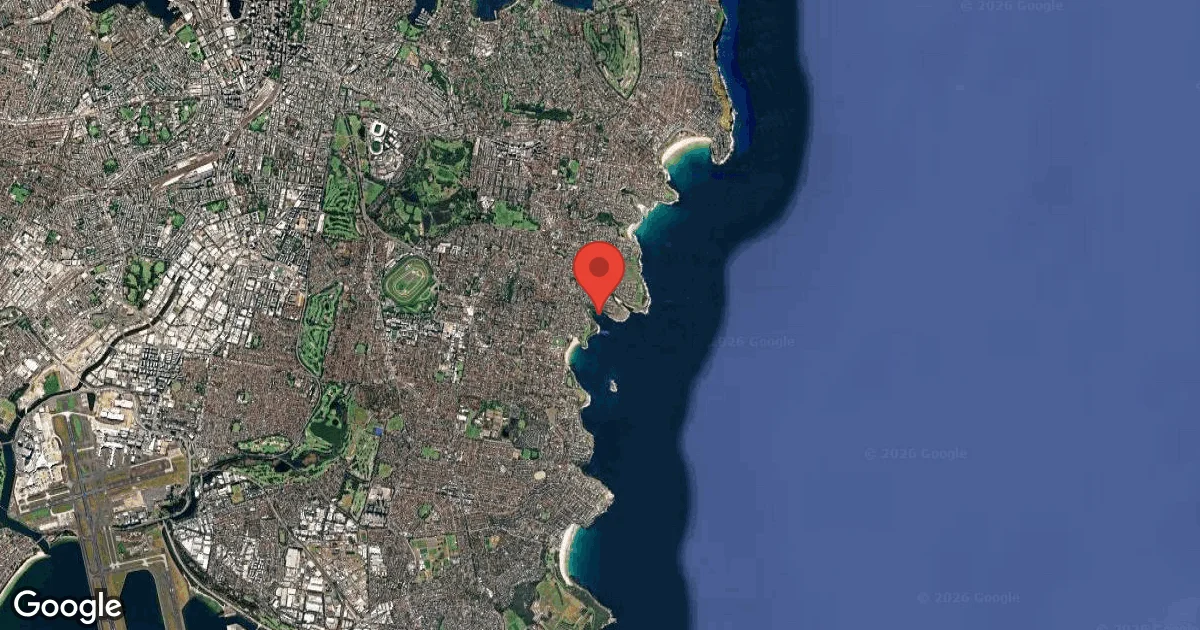
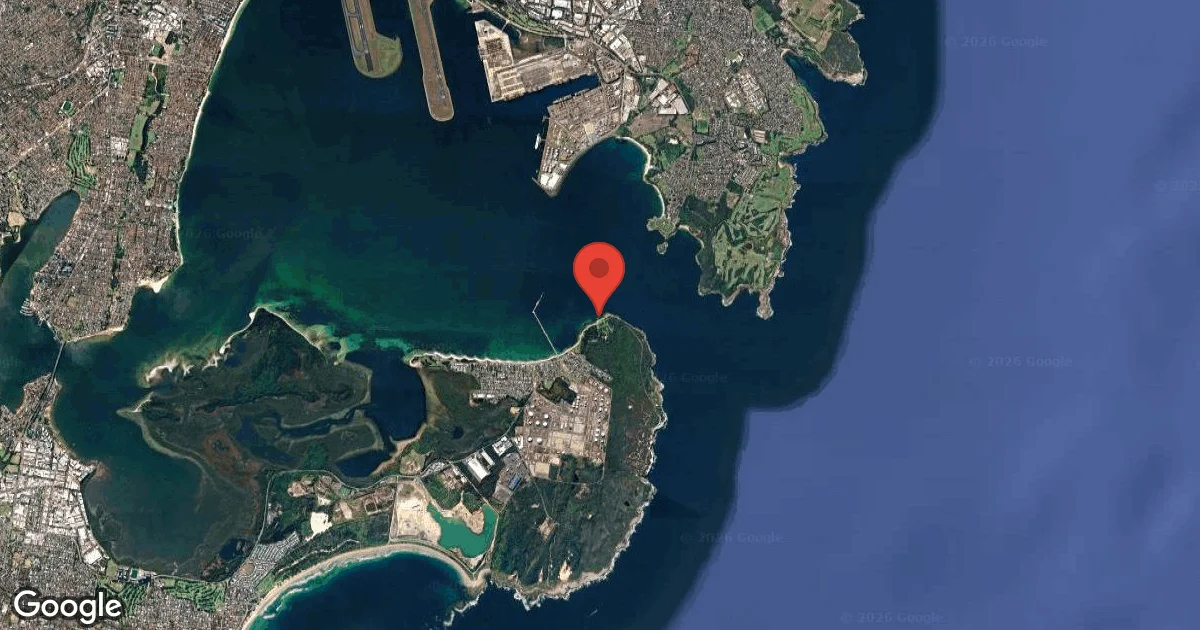
View all dive sites in AustraliaDiscover more underwater gems in this area.
Dive Centers Near Shelly Beach
Today: 08:00 - 17:00
Nearest Airports
Nearest airports to help plan travel to this dive area.
Search Flights
Check available flights and routes on Expedia, using the nearby airports listed in this section.
Search Flights on ExpediaFrequently Asked Questions
Is Shelly Beach suitable for beginner divers?
Yes, absolutely. Its easy shore entry and protected, shallow bay make it an ideal location for learning to dive and for new divers to gain experience. A gradual slope of the seabed provides a comfortable environment for skills practice and exploration.
What is the typical maximum depth at Shelly Beach?
Dive site generally offers a maximum depth of around 14 m (45 ft). Shallower sections, ideal for training, are closer to 8 meters, providing ample opportunity for extended bottom times within recreational limits.
What marine life might I encounter at Shelly Beach?
Divers frequently spot Wobbegong Sharks and Port Jackson Sharks resting on the seabed. You're also likely to see common octopuses, various rays, flatheads, and a wide array of fish species, given the reserve's biodiversity.
How protected is Shelly Beach from ocean conditions?
Shelly Beach is uniquely west-facing, which offers significant protection from prevailing easterly swells, making it one of New South Wales' most sheltered dive sites. This natural protection often results in calmer waters and better visibility compared to more exposed locations.
Are there any facilities available at Shelly Beach?
Yes, there are amenities near the beach. A cafe is present, providing options for food and drinks, which can be convenient for divers taking a break or after their dives.
Can I do night dives at Shelly Beach?
Yes, Shelly Beach is considered fantastic for both day and night dives within the Cabbage Tree Bay Aquatic Reserve. The sheltered conditions and abundant marine life offer a different, often captivating experience after sunset.
Planning to dive Shelly Beach?
Send one inquiry and receive offers directly from the best verified local dive operators.
Conditions are Good
07:00 - 14:00
Optimal conditions expected
Current conditions near Shelly Beach show 13° air, 18° sea temperature, 0.8 m waves, and 27 km/h wind. Forecast data is refreshed regularly to ensure accuracy.