
Diving at Blue Fish Point (Australia)
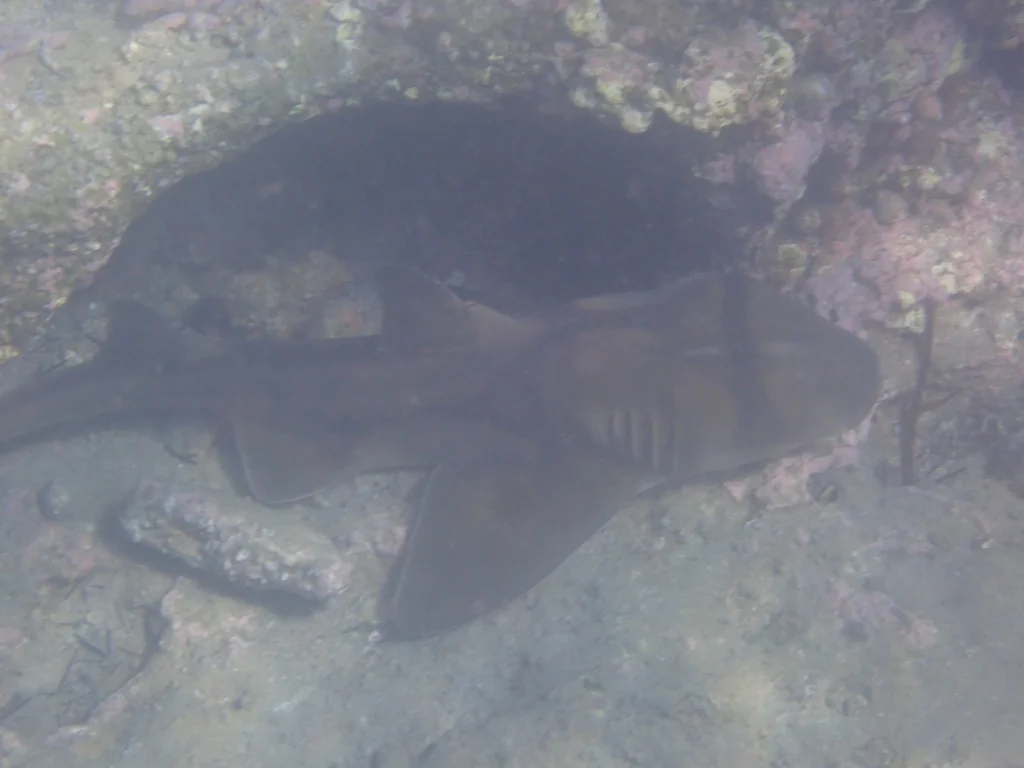
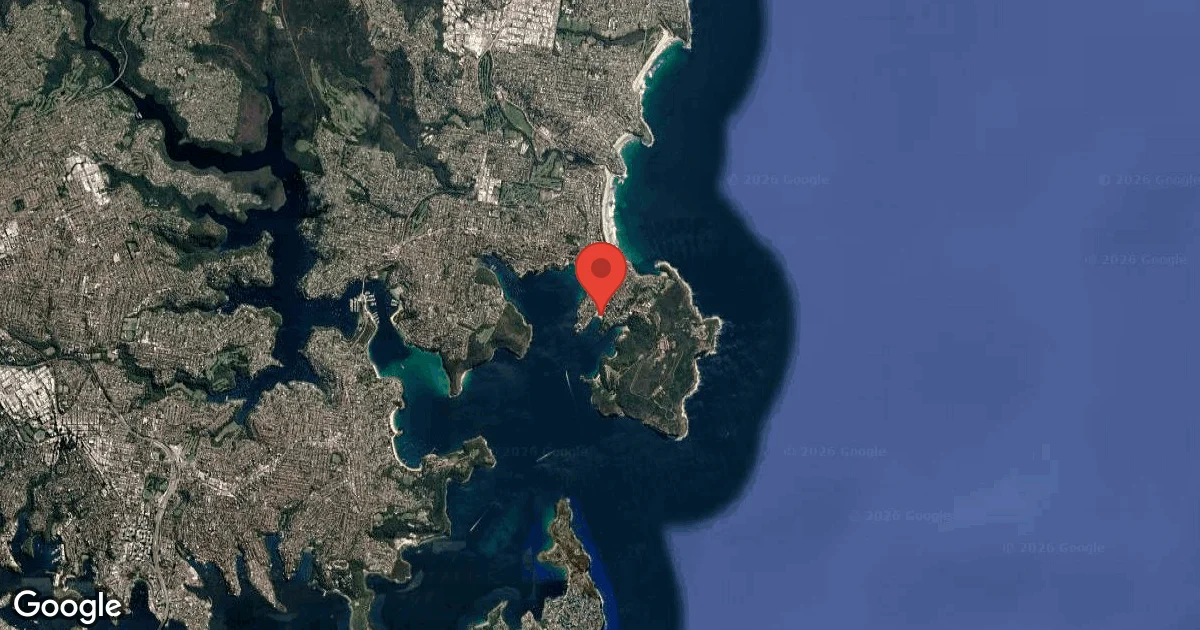
Blue Fish Point, just north of Sydney Harbour Heads, is a site for diverse marine encounters. Divers regularly find wobbegong and Port Jackson sharks resting among the boulder fields and sandy bottoms. The site's walls and ledges also provide habitat for giant cuttlefish and weedy seadragons, presenting varied photographic opportunities. Its rich ecosystem attracts large schools of pelagic fish, making each dive an active viewing experience.
Evening condition tracking at Blue Fish Point features an air temperature of 22.5°C. We have recorded wave heights measuring 0.9 m during this period. These figures outline the environmental parameters currently present.
Dive Site Location & Key Facts
Dive Site Overview
Descending into the waters of Blue Fish Point, divers enter a dynamic underwater landscape that combines sheer walls with intriguing boulder fields and sand patches. This site offers multiple distinct dive zones, each presenting unique features and marine inhabitants.
Depths generally range from 10 m to 24 m / 33 ft to 79 ft, accommodating various exploration levels. You might start in a sheltered bay, navigating through flat rock structures and ledges that conceal a variety of Sydney marine life. Farther east, towards the point, large schools of pelagic fish often gather, creating impressive displays.
A circular route can lead back towards soft coral and sponge gardens, where patient divers may spot weedy seadragons among blue tulips sponges. Another section features a medium-sized boulder field at 18 m to 20 m, where fiddler rays are commonly observed.
This area's ledges and caves are also home to blue devil fish. With average dive times spanning 35 to 70 minutes, depending on the site, divers have ample opportunity to explore the intricate structures and observe the resident marine ecosystem.
The dive often concludes by drifting along a several-hundred-meter-long rock wall, encountering additional species.
Conditions are Good
07:00 - 14:00
Optimal conditions expected
Current conditions near Blue Fish Point show 22° air, 18° sea temperature, 0.9 m waves, and 26 km/h wind. Forecast data is refreshed regularly to ensure accuracy.
Best Time to Dive
Optimal diving conditions at Blue Fish Point often coincide with periods of clearer visibility, which can range widely from 5 m to 25 m. While the site is generally considered diveable year-round, conditions vary. Water temperatures typically hold between 17-21°C / 63-70°F, making a wetsuit a common choice. Air temperatures shift seasonally; for example, January sees averages around 22.5°C / 72°F, while July drops to about 12.5°C / 54°F. Rainfall is generally low throughout the year, with averages like 5.3 mm in January and 2.0 mm in July, reducing the likelihood of surface runoff impacting visibility. Waves also fluctuate, usually between 1.1 m and 1.5 m. The period from February to October consistently shows "Good" dive scores based on historical data, suggesting favorable general conditions. Months like November and January are rated "Moderate." Planning your trip during the cooler months can sometimes offer exceptional visibility, as reported during Sydney winters.
PEAK SEASON SCORE
Scores combine air & water temps, waves, wind & rainfall for overall conditions.
BEST MONTHS TO DIVE
Monthly records compiled from satellite and marine observation nodes over the last 3 years. Data provided by Open-Meteo and MET Norway.
Dive Experience & Conditions
Upon descending at Blue Fish Point, divers are often greeted by a "mess" of boulders, forming swim-throughs and overhang features, especially at the southern end of the eastern-facing wall. Depths here range from 16 m to about 20 m. Currents are variable, sometimes registering 0 to 2 knots, with a typical average of 1 to 2 knots, requiring awareness and possibly drift diving techniques. Divers might find themselves anchoring in boulder fields before exploring the impressive 20-meter-tall shear wall. This area is excellent for spotting wobbegong sharks at the rock and sand line. Advanced Diver certification is recommended for this site, given the depths and potential currents. Conditions are generally calmest with westerly-northerly winds. Visibility can be quite dynamic, enhancing the sense of exploration as one moves deeper or along the wall.
Dive Difficulty & Safety Guidelines
Managing the dynamic conditions at Blue Fish Point requires divers to be well-prepared and follow local guide instructions closely. Currents, while often manageable, can reach 1-2 knots, necessitating careful navigation and potentially requiring a surface marker buoy (SMB) for drift dives.
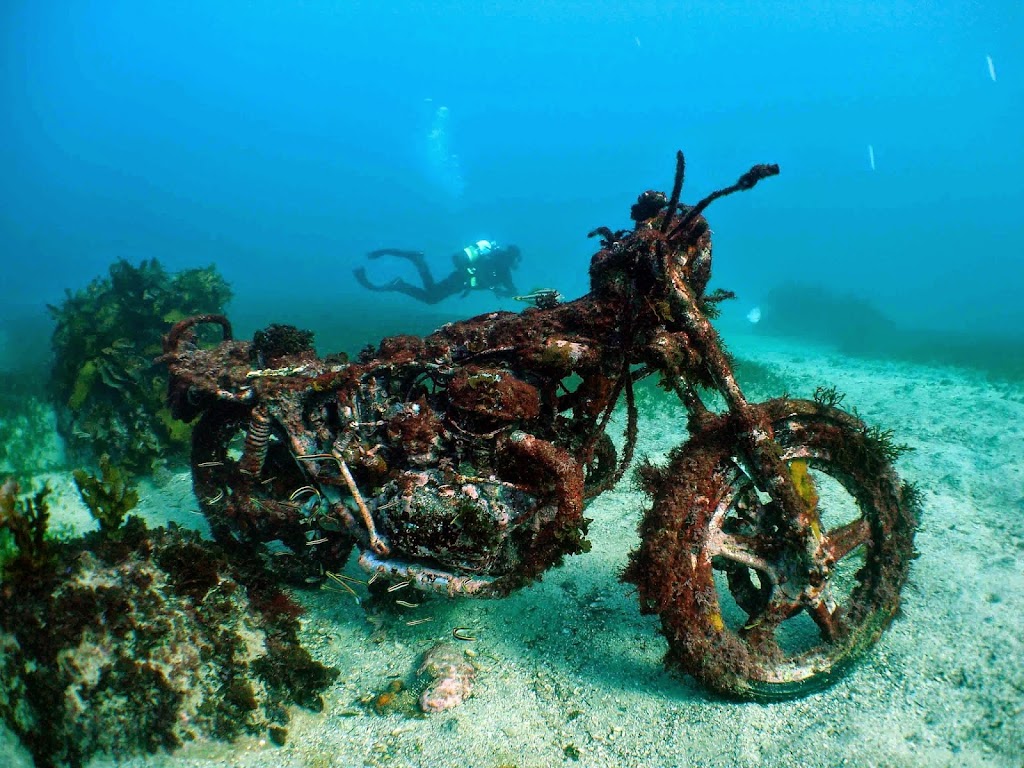
The site's rock wall sections, while stunning, have also been associated with dangers for rock fishermen; lost fishing gear, including rods, can be encountered. Advanced diver qualifications are recommended due to the depths and variable conditions.
Always check local forecasts for wind and swell before planning a dive. Dive masters and guides assess conditions, ensuring the dive proceeds safely and within divers' capabilities. Time limits should also be strictly adhered to.
Recommended Equipment
- Dive Computer
- DSMB
This gear list is based on verified equipment signals for Blue Fish Point, Australia. Always confirm final gear choices with your dive operator, guide, or liveaboard.
Recommended Dive Suit
Repeated dives during the same day can gradually reduce overall body warmth.
Environmental readings suggest that the waters surrounding Blue Fish Point are about 18°C (64°F) at the moment. Surface air temperatures are resting at 22°C (72°F). Divers spending extended time underwater often rely on 5mm wetsuit for balanced warmth and flexibility. A hood or vest is suggested for sensitive divers due to surface winds. Surface intervals may feel cooler.
Weather models indicate a small drop in surface temperatures later this week. A significant temperature drop is forecast; strongly suggest bringing a backup warmer suit option. A thicker wetsuit may be worth considering for extended dives.
Emergency & Medical Support
Essential information to help you plan your dive trip to Blue Fish Point.

Hyperbaric chambers are a critical part of dive safety infrastructure. Availability varies significantly by region, and not all dive areas have immediate access.
Before diving, it's recommended to:
- confirm nearest medical facilities
- check emergency procedures with local dive operators
- ensure dive insurance covers evacuation if required
Divers Alert Network
Diving emergency assistance available through DAN World.
+1-919-684-9111- 24/7 emergency hotline
- Diving medical assistance
- Evacuation coordination
Emergency contacts are provided for reference. Always verify local emergency services before diving.
Marine Life at Blue Fish Point
Immediately apparent are the resident bottom-dwelling sharks; wobbegong sharks are commonly found camouflaged among rocks, and Port Jackson sharks frequent the area. As you explore the boulder fields and ledges, keep an eye out for giant cuttlefish, especially in deeper sections.
The site is a rich habitat for various reef fish, including red and magpie morwong, bream, and whiting. Schools of pelagic fish, such as kingfish and tailor, are often observed in the open water sections.
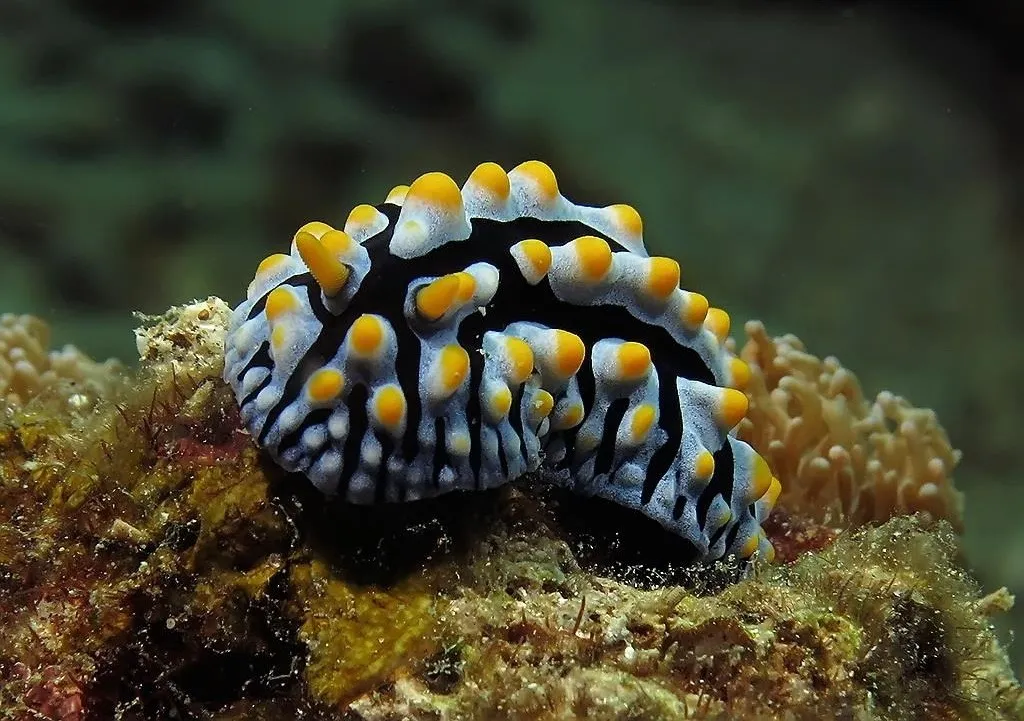
Look into crevices for blue devil fish, and scan the sand patches for fiddler rays and large bull rays. Weedy seadragons are an elusive but rewarding find, particularly near the blue tulips sponges.

Dive Sites Near Blue Fish Point
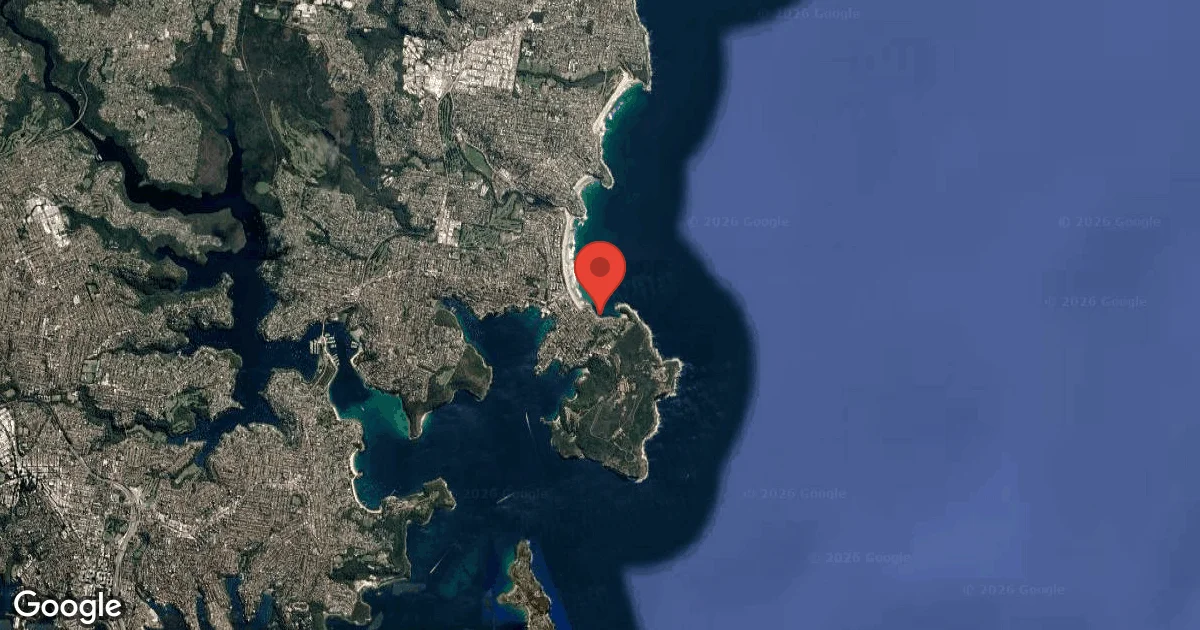
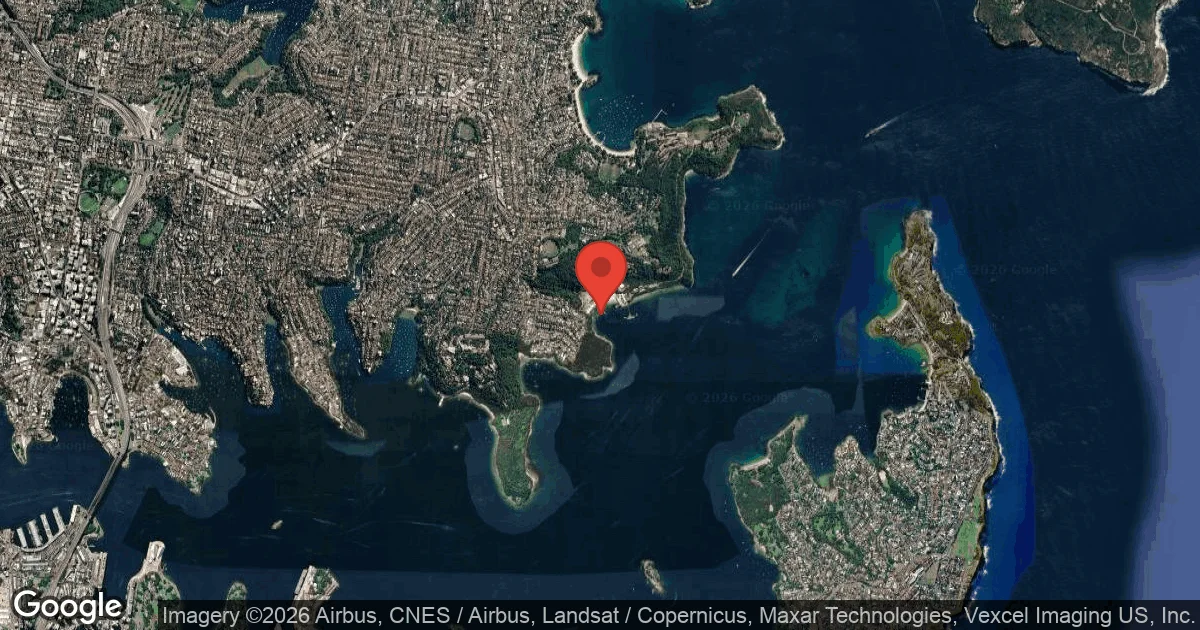
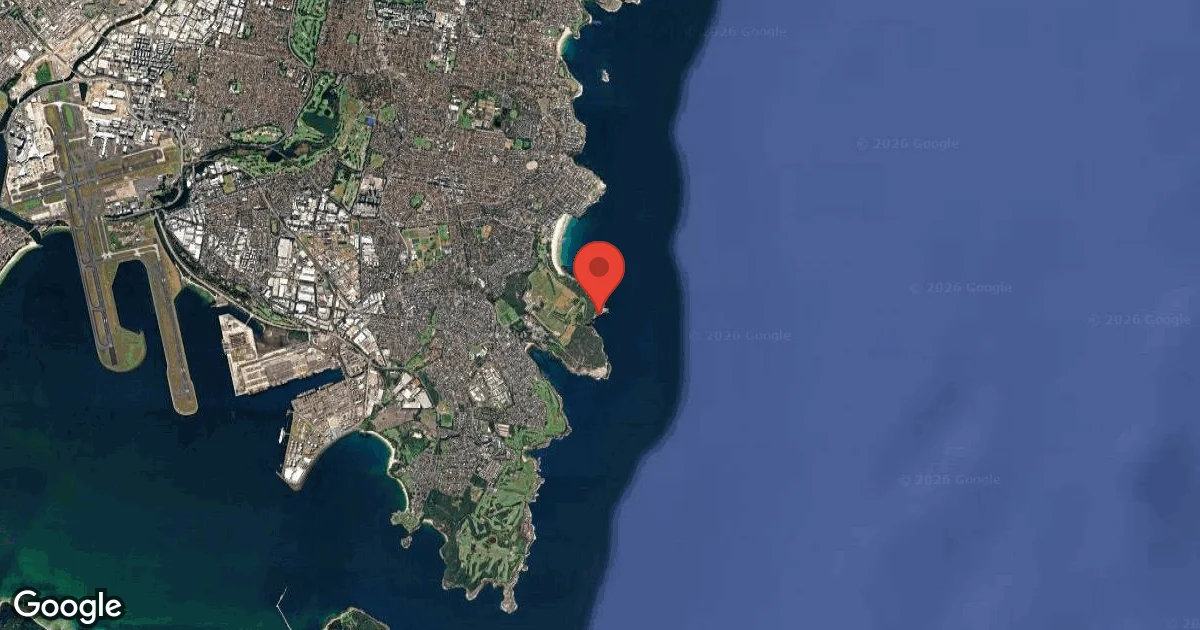
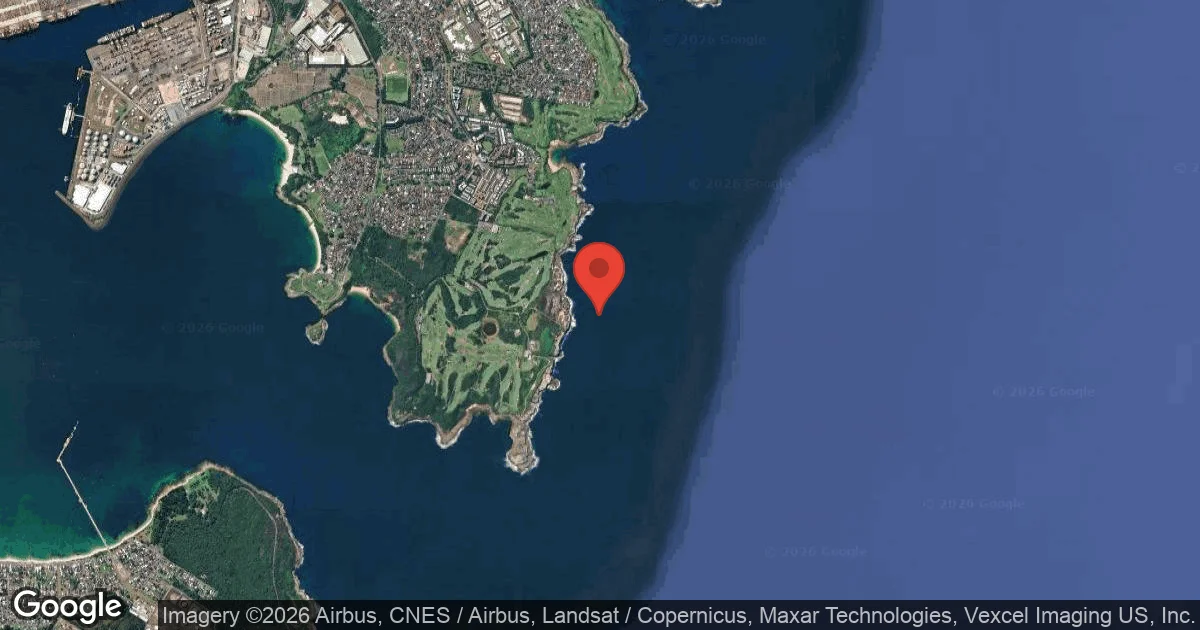
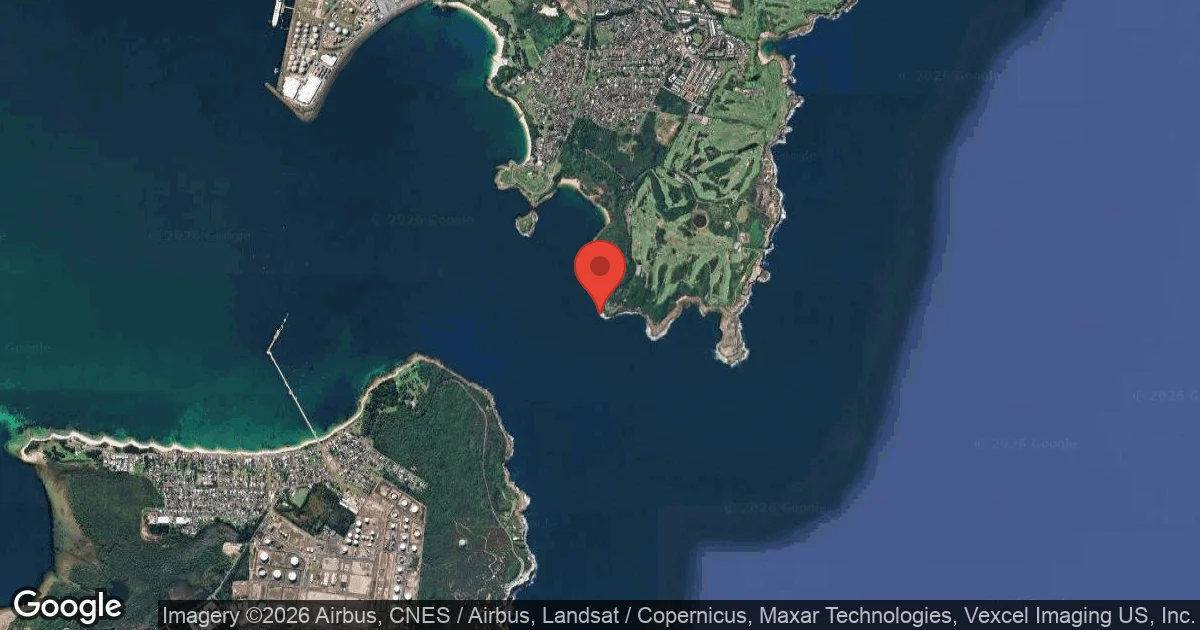
View all dive sites in AustraliaDiscover more underwater gems in this area.
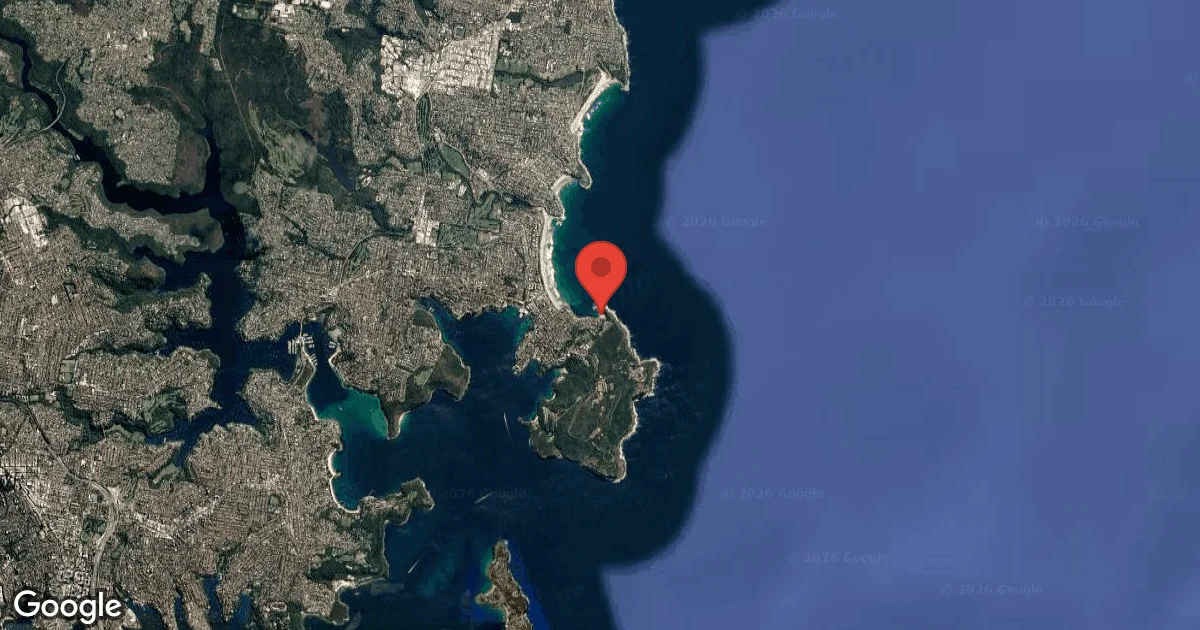
Dive Centers Near Blue Fish Point
Today: 08:00 - 17:00
Nearest Airports
Nearest airports to help plan travel to this dive area.
Search Flights
Check available flights and routes on Expedia, using the nearby airports listed in this section.
Search Flights on ExpediaFrequently Asked Questions
What is the typical depth range at Blue Fish Point?
Dives at Blue Fish Point generally range from 10 meters to 24 meters, with some areas featuring depths around 16 to 20 meters, making it suitable for advanced divers.
What are the water temperatures like at this dive site?
Water temperatures at Blue Fish Point typically range from 17-21°C / 63-70°F, varying with the season. Exposure protection like a full wetsuit is recommended.
What kind of marine life can I expect to see?
Divers often encounter wobbegong and Port Jackson sharks resting on the bottom. Other highlights include giant cuttlefish, various reef fish, large schools of pelagic fish, and potentially weedy seadragons and several ray species.
What is the typical visibility at Blue Fish Point?
Visibility at Blue Fish Point can be quite variable, ranging from 5 meters to an excellent 25 meters, depending on recent weather and ocean conditions. Winter months can sometimes offer clearer water.
Are there strong currents at Blue Fish Point?
Currents at the site are dynamic, typically ranging from 0 to 2 knots, with an average around 1-2 knots. Dive operators will assess conditions, and some dives may be planned as drifts.
When is the best time to dive Blue Fish Point?
Blue Fish Point is considered diveable year-round. However, the period from February to October often receives 'Good' dive scores due to generally favorable conditions, including lower rainfall and moderate waves.
Is Blue Fish Point accessible by boat?
Yes, Blue Fish Point is typically accessed via dive charters from Sydney. Boat dives allow access to the various distinct dive sites around the point.
Planning to dive Blue Fish Point?
Send one inquiry and receive offers directly from the best verified local dive operators.
Conditions are Good
07:00 - 14:00
Optimal conditions expected
Current conditions near Blue Fish Point show 22° air, 18° sea temperature, 0.9 m waves, and 26 km/h wind. Forecast data is refreshed regularly to ensure accuracy.