
Diving at Camp Cove (Australia)
Camp Cove presents a generally shallow and protected dive environment, making it a favored spot for a range of skill levels, including dive training. The site primarily features a small reef and seagrass beds, typically explored at depths that accommodate easy navigation and observation. Its calm, sheltered waters allow for comfortable dives, even when open ocean conditions are less favorable, providing a reliable alternative for local divers.
Tonight's objective overview for Camp Cove shows an air temperature of 26°C. The measured surface conditions include wave heights around 0.9 m. This environmental data is logged for the close of the day.
Dive Site Location & Key Facts
Dive Site Overview
Camp Cove's underwater topography offers divers a choice between three distinct areas: the Eastern End, the Western End, and a central reef system. A main reef structure, about 40 meters offshore, extends for approximately 50 meters and acts as a primary point of interest.
Divers typically explore depths in the range of 5-15 m / 15-50 ft, making it accessible for various skill levels and a common site for training. Extensive sandy bottoms interspersed with vibrant seagrass beds form this site's foundation, transitioning to more rocky formations around the reef. The Eastern End, for example, is noted for its varied underwater features, potentially leading to diverse marine encounters.
Western and middle reef areas offer similar gentle slopes and protected crevices. Placement within Sydney Harbour ensures calm conditions, acting as a natural sanctuary from significant ocean swells.
These sheltered characteristics contribute to its popularity, especially when more exposed sites are experiencing challenging conditions.
Conditions are Good
Optimal conditions expected
Current conditions near Camp Cove show 26° air, 18° sea temperature, 1.0 m waves, and 27 km/h wind. Forecast data is refreshed regularly to ensure accuracy.
Best Time to Dive
Optimal diving often aligns with periods of reduced rainfall and more stable winds, generally observed from February to March and June to October, when dive scores rate "Good." Average air temperatures range from 22-23°C / 72-73°F in summer months to 12-17°C / 54-63°F in winter. Water temperatures are not consistently reported but generally track air temperatures, cooling significantly in winter. Visibility, averaging several meters, can extend notably on clear days but often drops significantly after heavy rains, sometimes to just a couple of meters, impacting the dive experience. Camp Cove is particularly well-suited when southerly winds make open ocean conditions too rough, protected as it is from most swells.
PEAK SEASON SCORE
Scores combine air & water temps, waves, wind & rainfall for overall conditions.
BEST MONTHS TO DIVE
Monthly records compiled from satellite and marine observation nodes over the last 3 years. Data provided by Open-Meteo and MET Norway.
Dive Experience & Conditions
Entering Camp Cove's calm waters is generally straightforward from the beach, providing easy access for all divers. Upon descent, conditions are often tranquil, making this an excellent location for skill development or initial night dive experiences. Protected within the harbour, waters largely remain unaffected by large ocean swells. Visibility tends to average moderately, though it varies considerably based on recent rainfall, sometimes extending impressively in optimal conditions or decreasing notably after heavy downpours. Divers moving through these areas will navigate over sandy patches and around small reef structures, encountering a gentle underwater environment that appeals to photographers and macro enthusiasts.
Dive Difficulty & Safety Guidelines
Navigating Camp Cove requires attention to visibility fluctuations. Conditions can reduce significantly, sometimes to just a few meters, particularly after heavy rainfall. Divers should always assess current weather and recent precipitation to anticipate underwater clarity.
Positioned within the harbour, it's generally protected from cyclonic northern swells, offering a sheltered alternative when offshore sites are too rough. While no specific hazards are consistently reported for this site, standard safe diving practices, including dive planning and buddy system adherence, are always paramount.
Recommended Equipment
- Dive Computer
- Hard-soled Dive Boots
This gear list is based on verified equipment signals for Camp Cove, Australia. Always confirm final gear choices with your dive operator, guide, or liveaboard.
Recommended Dive Suit
In these water temperatures, 5mm wetsuit is a common choice for recreational diving. Longer dive profiles can make thermal protection more important than short exploratory dives.
Conditions at Camp Cove currently place the water temperature near 18°C (64°F). Surface air temperatures are resting at 26°C (79°F).
A modest cooling trend is expected in the upcoming forecast. A significant temperature drop is forecast; strongly suggest bringing a backup warmer suit option. Bringing an additional thermal layer can be helpful if conditions change.
Emergency & Medical Support
Essential information to help you plan your dive trip to Camp Cove.

Hyperbaric chambers are a critical part of dive safety infrastructure. Availability varies significantly by region, and not all dive areas have immediate access.
Before diving, it's recommended to:
- confirm nearest medical facilities
- check emergency procedures with local dive operators
- ensure dive insurance covers evacuation if required
Divers Alert Network
Diving emergency assistance available through DAN World.
+1-919-684-9111- 24/7 emergency hotline
- Diving medical assistance
- Evacuation coordination
Emergency contacts are provided for reference. Always verify local emergency services before diving.
Marine Life at Camp Cove
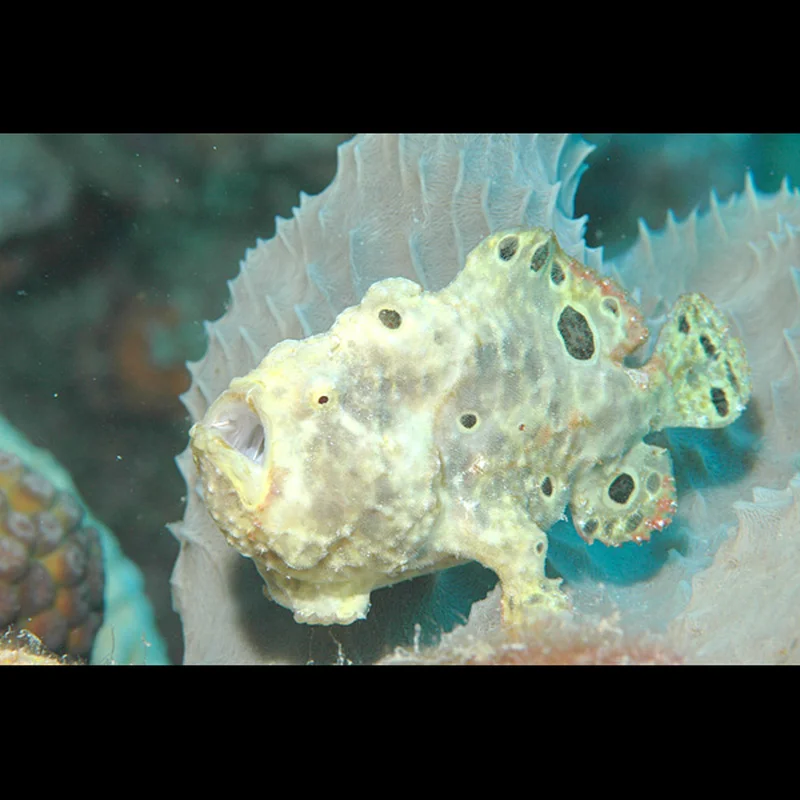
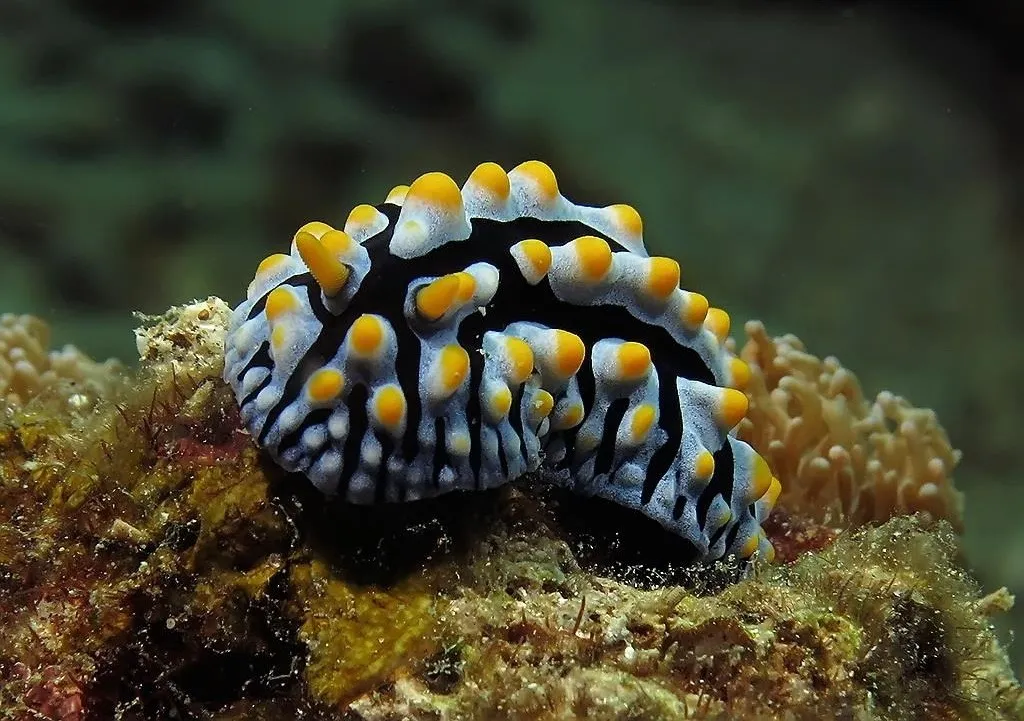
Entering the water, divers are often greeted by grubfish and silver bream activity near sandy bottoms. Closer inspection of reef and seagrass beds frequently reveals camouflaged frogfish, various nudibranchs, and intricate patterns of snakeskin wrasse.
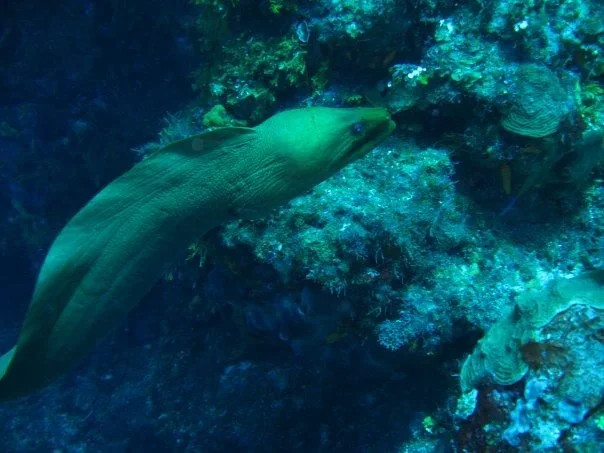
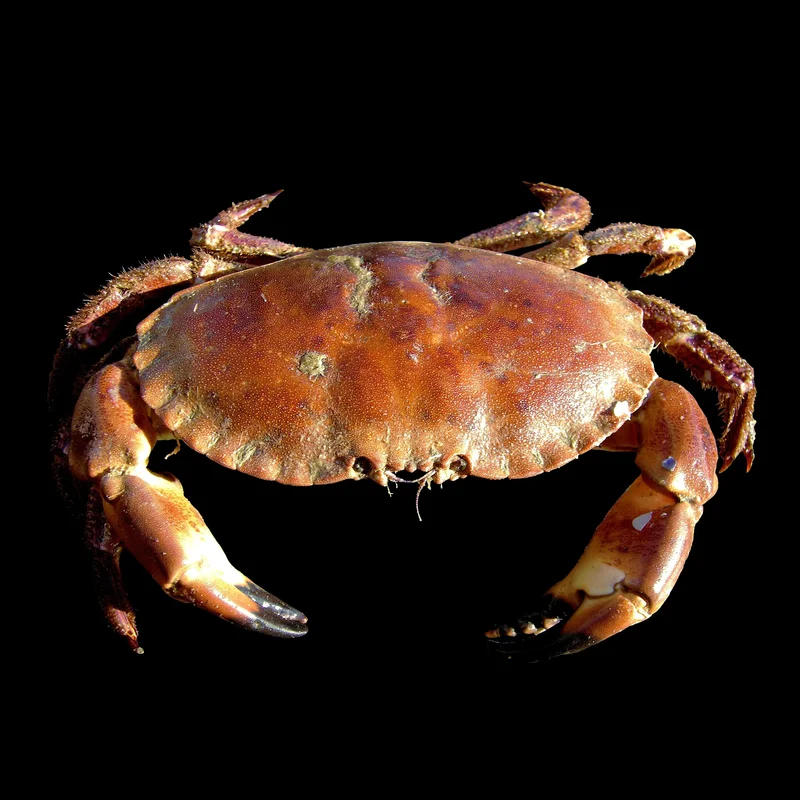
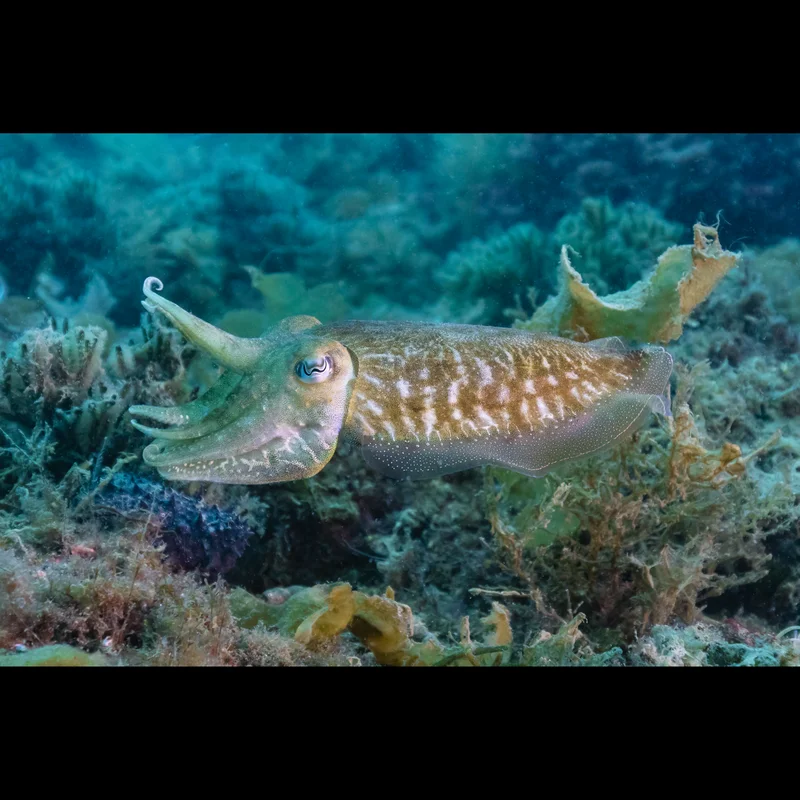
Keep an eye out for unique residents such as Whites Seahorses, common stingarees, and even black spikey anglerfish utilizing their kelp-like lures. Moray eels, starfish, crabs, cuttlefish, octopus, and squid also regularly appear, especially during dusk or night dives.
Dive Sites Near Camp Cove
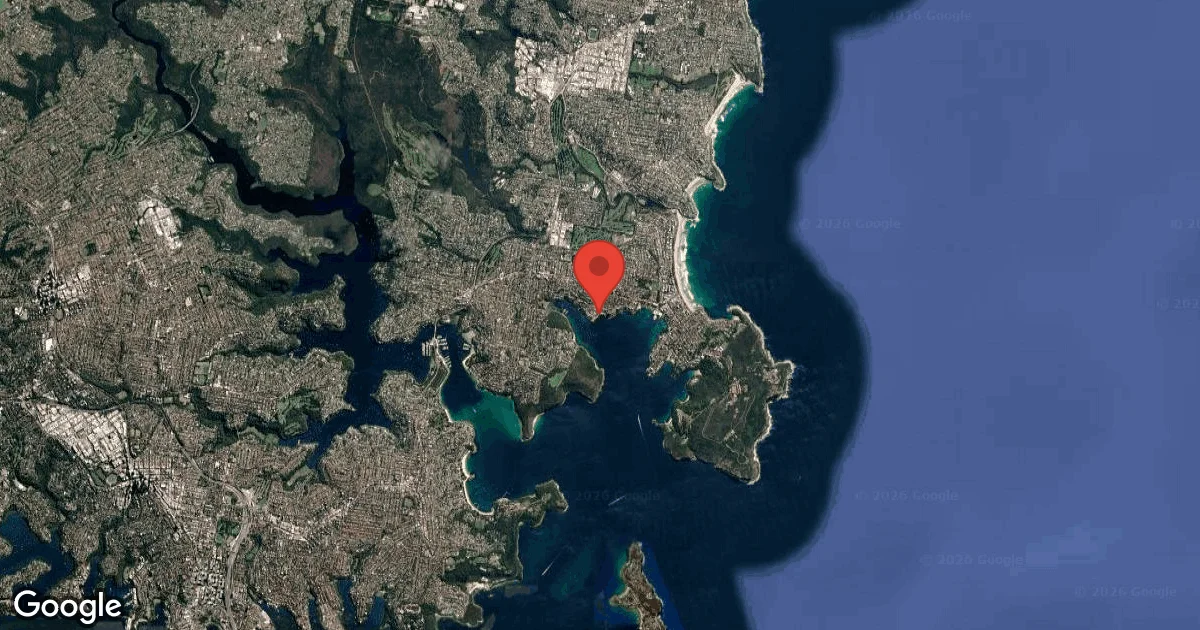
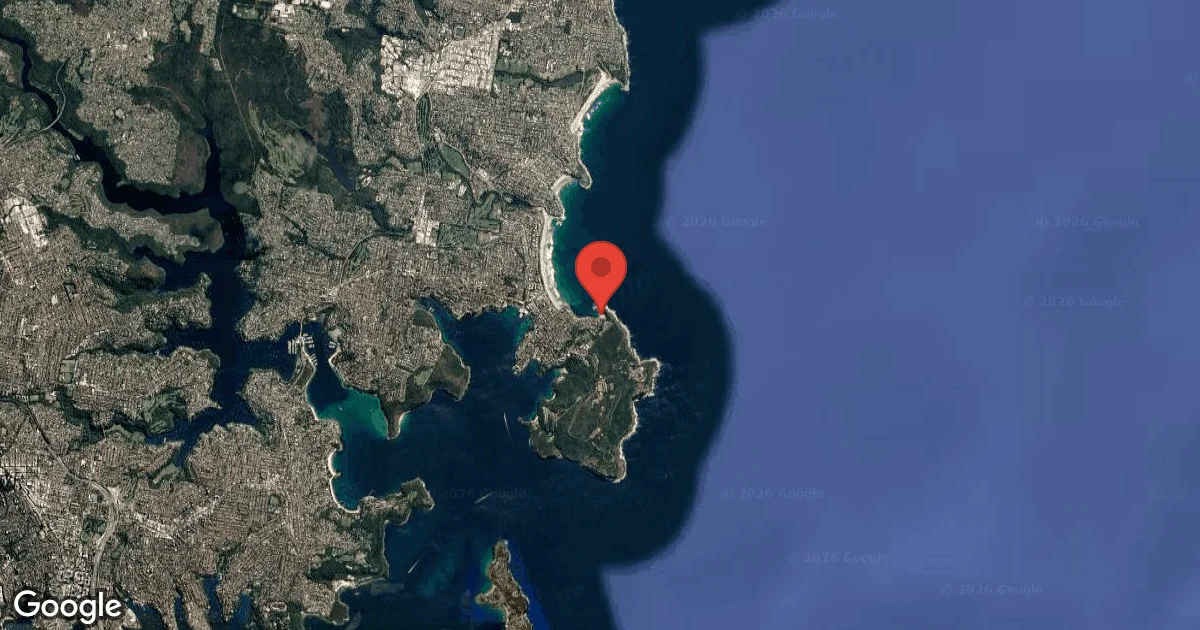
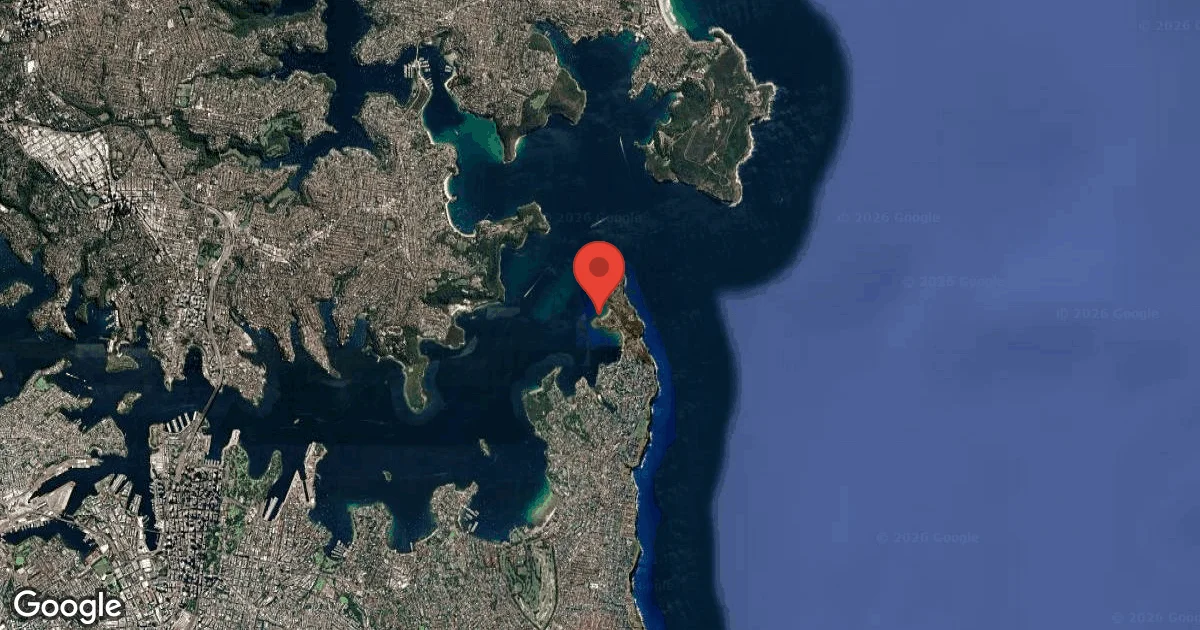
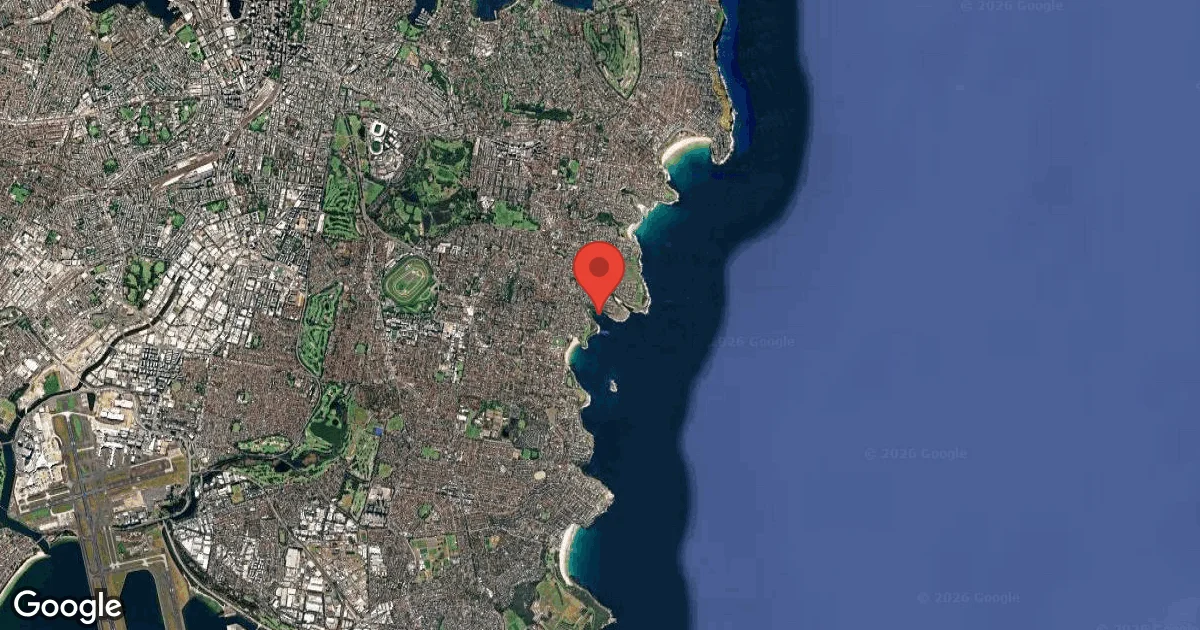
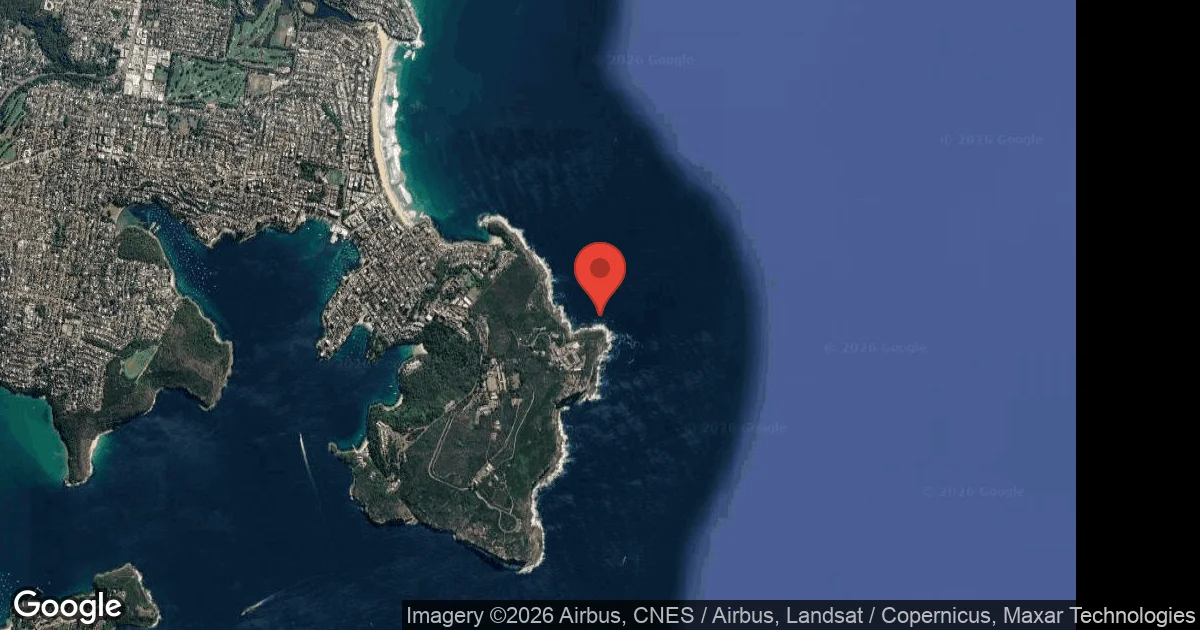
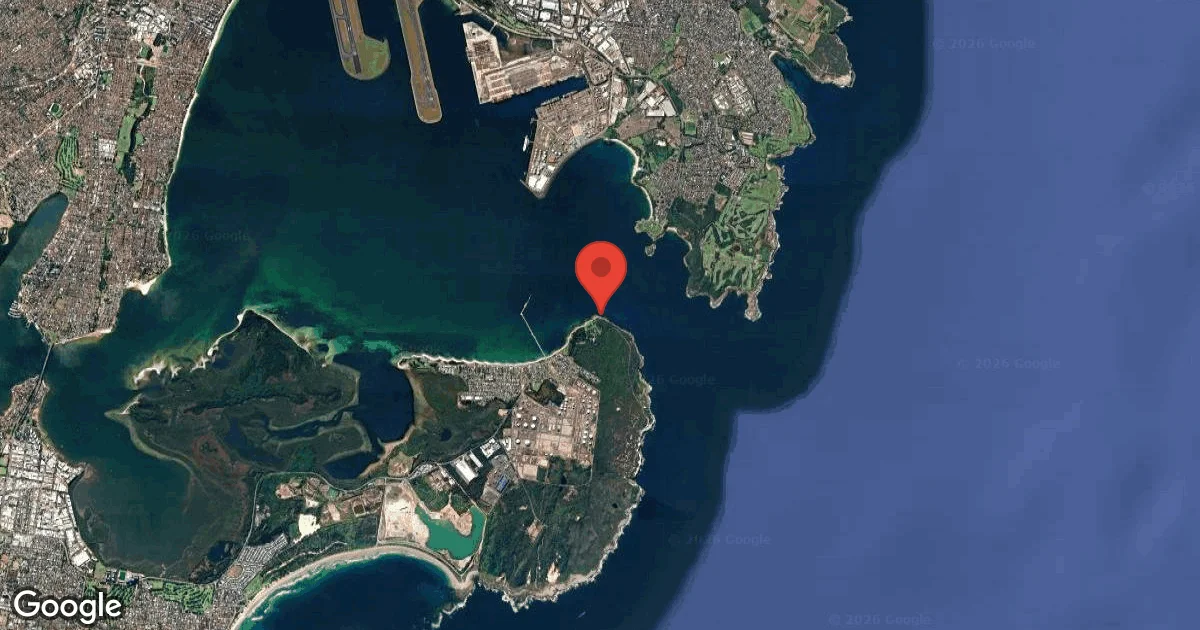
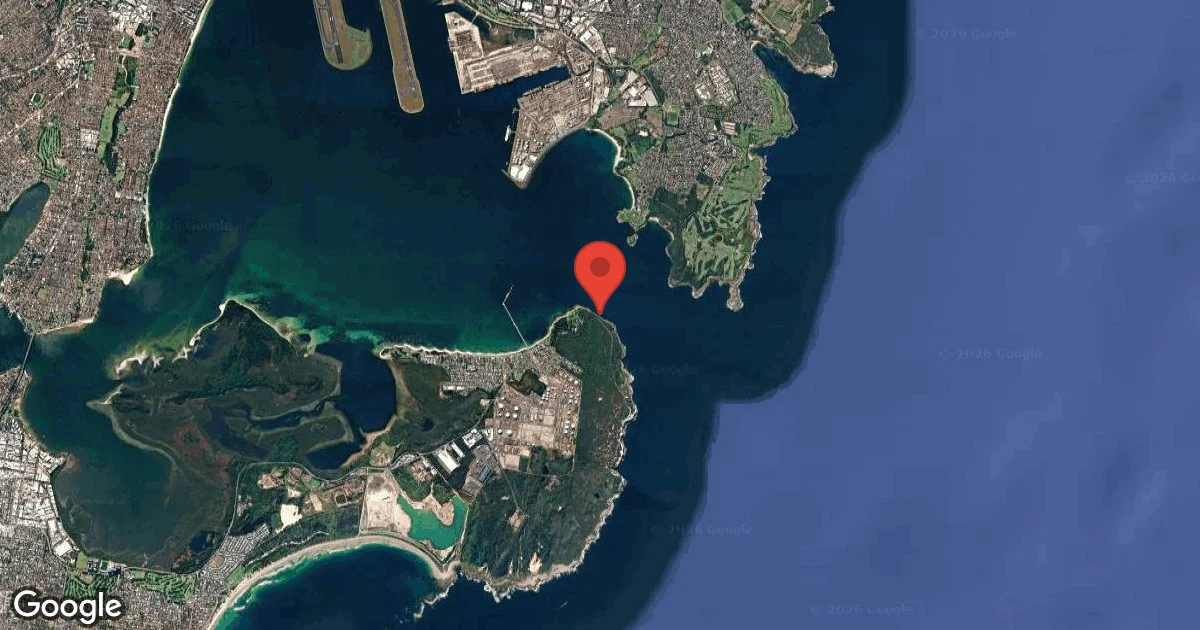
View all dive sites in AustraliaDiscover more underwater gems in this area.
Dive Centers Near Camp Cove
Today: 08:00 - 17:00
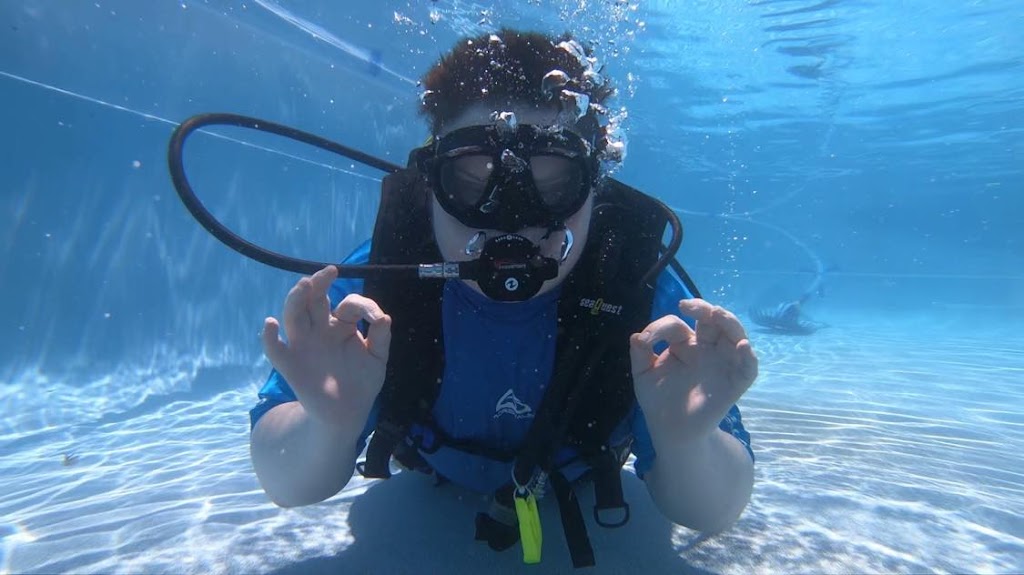
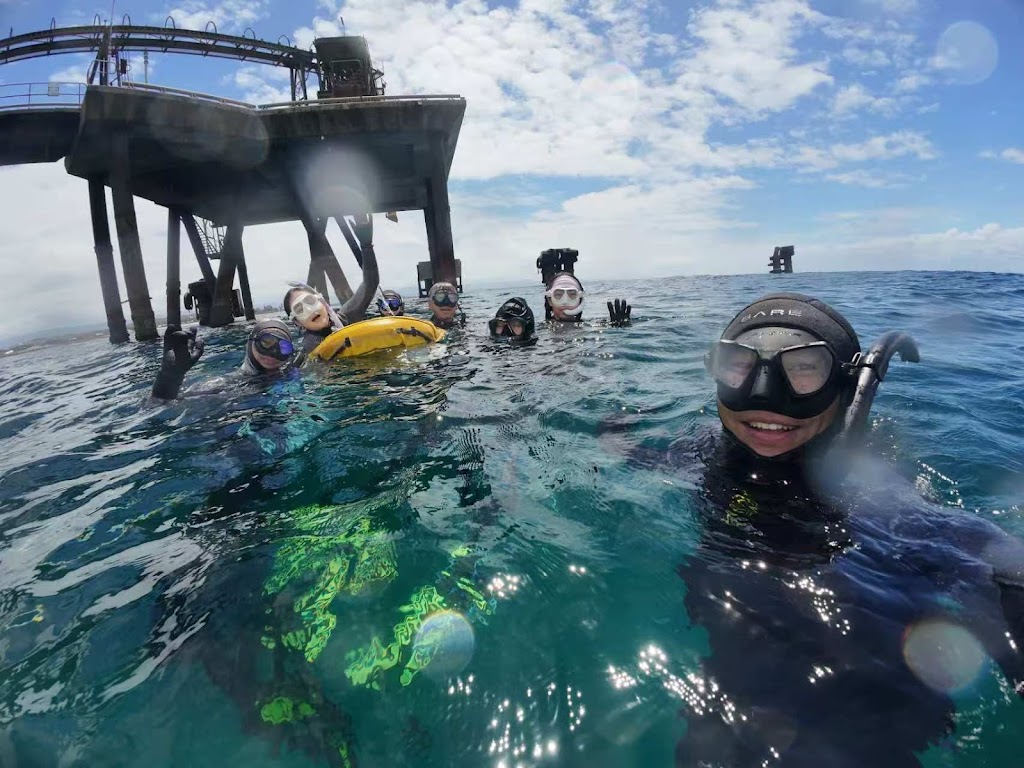
Nearest Airports
Nearest airports to help plan travel to this dive area.
Search Flights
Check available flights and routes on Expedia, using the nearby airports listed in this section.
Search Flights on ExpediaFrequently Asked Questions
What makes Camp Cove suitable for beginner divers?
Camp Cove is known for its calm, protected waters and easy entry/exit from the beach. These conditions provide an ideal environment for dive training and for divers new to specific skills, such as night diving.
How does weather impact diving conditions at Camp Cove?
Camp Cove's conditions are highly dependent on prevailing weather. Visibility can drop significantly after heavy rainfall, sometimes to just a couple of meters. However, its sheltered harbour location makes it an excellent option when southerly winds create rough seas elsewhere.
What kind of marine life can be seen during a night dive?
Night dives at Camp Cove offer opportunities to encounter creatures like sea horses, pipefish, octopus, and squid, which are often more active after dark. The calm conditions enhance visibility for observing these nocturnal behaviors.
Is there easy access to the dive site?
Yes, Camp Cove offers easy entry and exit directly from the beach, which contributes to its popularity. This accessibility makes it convenient for divers carrying gear or conducting training sessions.
What are the main dive areas at Camp Cove?
Camp Cove offers divers exploration of three distinct areas: Eastern End, Western End, and a central reef system. Each area presents slightly different features across sandy bottoms and seagrass beds, offering varied exploration opportunities.
What is the typical visibility range at Camp Cove?
Visibility at Camp Cove typically averages 4-5 m / 13-16 ft. On optimal days, divers might experience clarity up to approximately twice that, though it can decrease substantially after periods of rain.
Planning to dive Camp Cove?
Send one inquiry and receive offers directly from the best verified local dive operators.
Conditions are Good
Optimal conditions expected
Current conditions near Camp Cove show 26° air, 18° sea temperature, 1.0 m waves, and 27 km/h wind. Forecast data is refreshed regularly to ensure accuracy.