
Diving at Roe Reef (Australia)
Roe Reef offers variable conditions for divers exploring its limestone formations and coral gardens off Western Australia. While generally considered an accessible site, strong swells can influence the experience, particularly around its shallower sections and cavern entrances. Water temperatures are not consistently reported, however, visibility often extends to 12 m (40 ft). Divers should plan according to prevailing weather to best enjoy its widespread reef and various formations.
As evening covers Roe Reef, the local air temperature is measured at 21°C. The current wave height at the surface is recorded at 1.3 m. These late-day readings characterize the surface conditions for the night.
Dive Site Location & Key Facts
Dive Site Overview
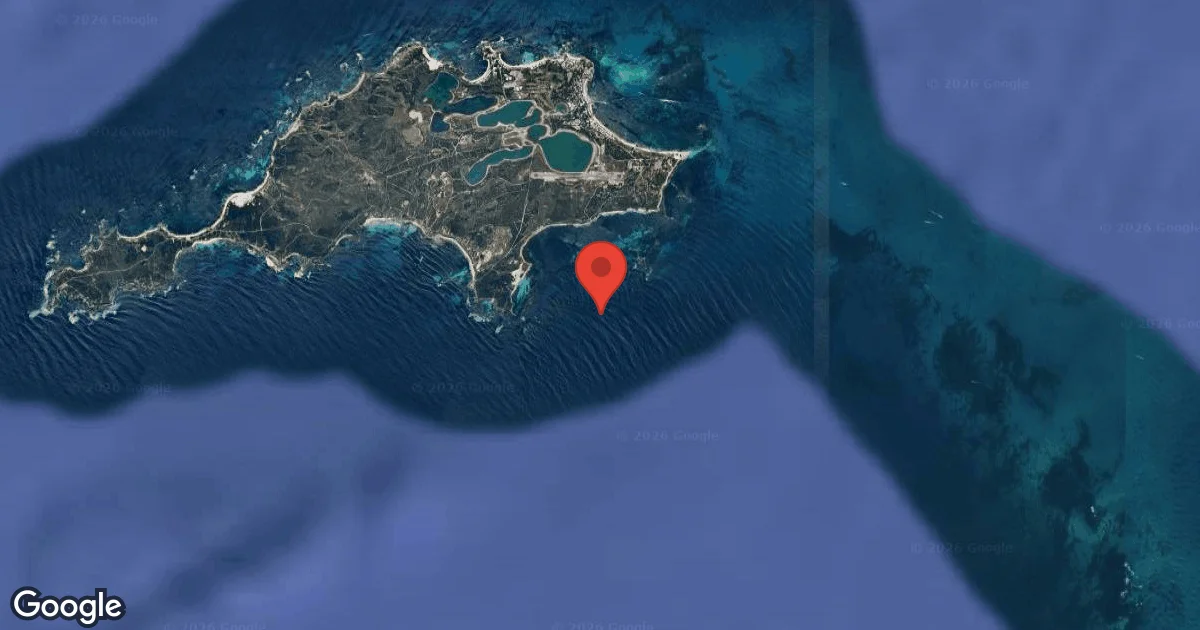
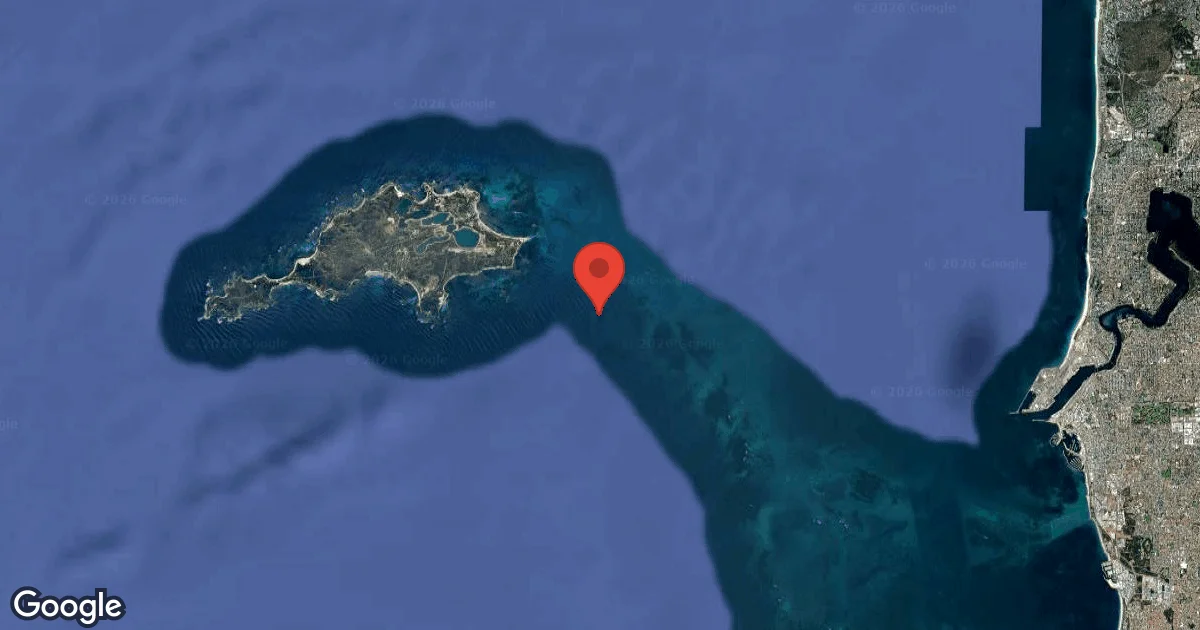
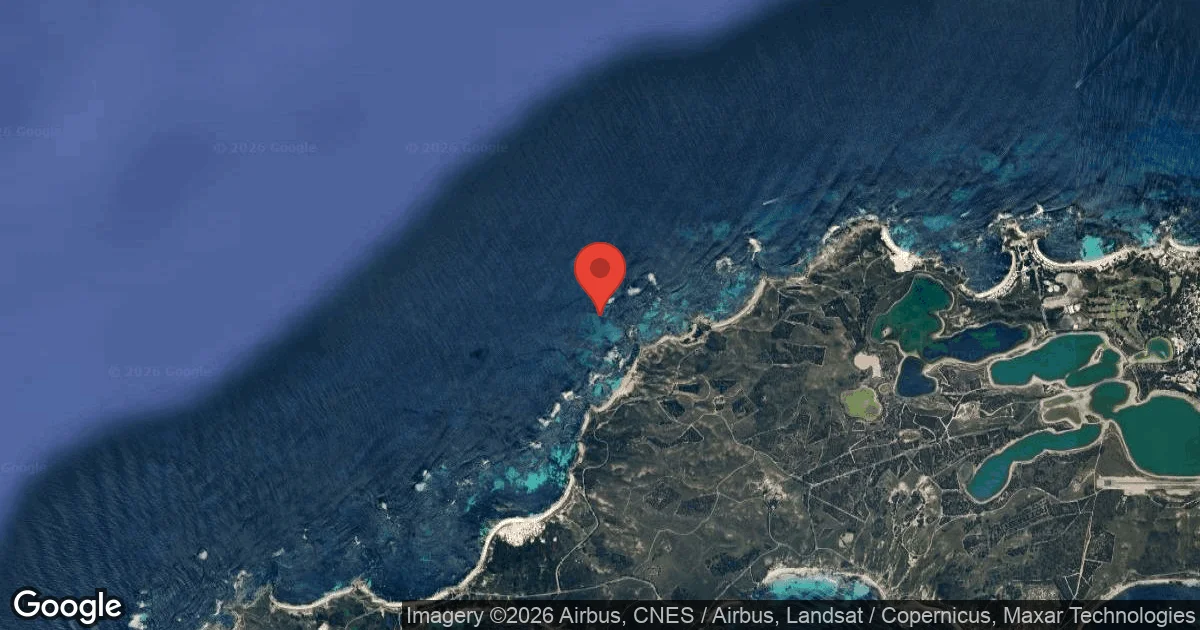
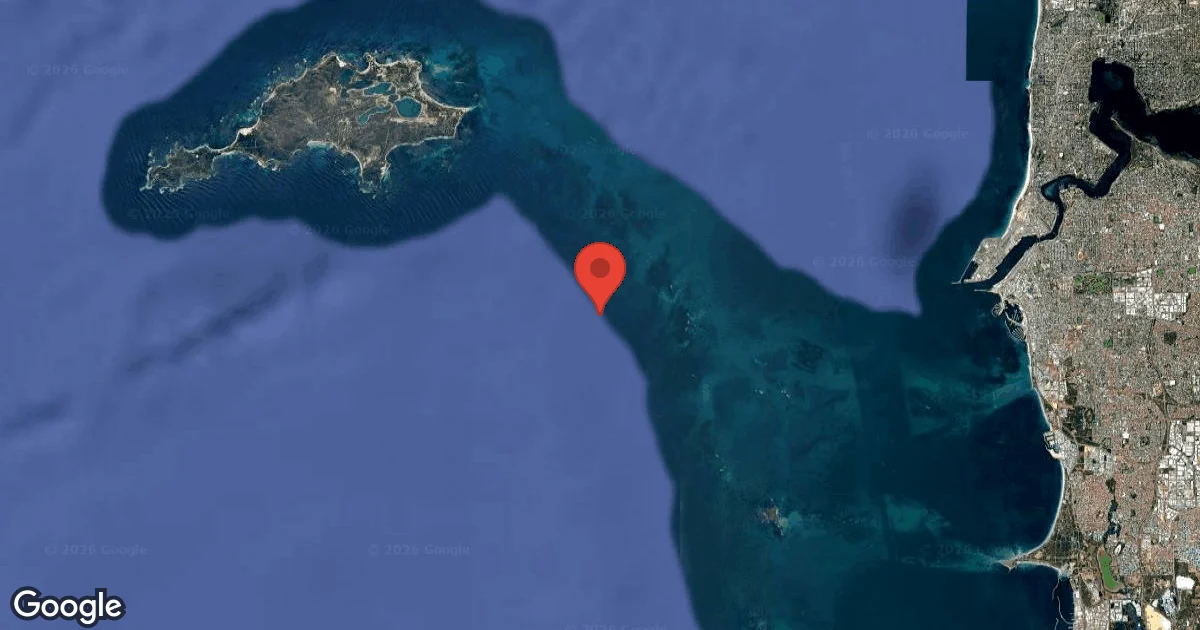
Distinguished by its extensive limestone formations, Roe Reef has steadily gained appreciation for its expansive underwater landscape near Perth, Western Australia. This site creates a dynamic environment, featuring numerous coral-covered structures, small caverns, and brief swim-throughs.
Unfolding across a wide area, the reef invites exploration of its spacious terrain, including sections described as not very deep. Divers frequently encounter an enormous arch draped in corals, providing an iconic visual element. With a maximum depth of 18 m (60 ft), the site accommodates novice divers, allowing them to navigate comfortably through varied topography ranging from colorful walls to intriguing canyons.
Its varied structure supports a rich array of small fish and abundant marine life, making it a productive spot for underwater observation. Roe Reef's appeal lies in its blend of accessible depths and engaging geological features, offering a comprehensive dive experience suitable for different skill levels looking to explore a vibrant reef system.
Conditions are Poor
High Swell Advisory. Not recommended.
Current conditions near Roe Reef show 21° air, 19° sea temperature, 3.8 m waves, and 41 km/h wind. Forecast data is refreshed regularly to ensure accuracy.
Best Time to Dive
Planning a dive at Roe Reef means considering how seasonal weather patterns influence the underwater experience. Although diving is possible throughout the year, specific months often offer more favorable conditions. The warmest air temperatures occur in January and February, averaging around 22°C (72°F), which might appeal to those preferring milder surface conditions. However, the dive score during these months is generally poor due to higher waves and winds. For more moderate dive conditions, March and November often stand out. March experiences air temperatures around 22°C (72°F) with moderate rain (0.71 mm), while November sees similar air temperatures of 19°C (66°F) and minimal rain (0.3 mm). July is typically the coldest month, with air temperatures dropping to approximately 16.5°C (62°F), and it also presents the highest wave heights, making diving potentially unsafe. Divers seeking calmer seas and better visibility should target periods outside the winter months, avoiding June, July, and August, when wave heights significantly increase and rain is more frequent, peaking in June at 5.61 mm.
PEAK SEASON SCORE
Scores combine air & water temps, waves, wind & rainfall for overall conditions.
BEST MONTHS TO DIVE
Monthly records compiled from satellite and marine observation nodes over the last 3 years. Data provided by Open-Meteo and MET Norway.
Dive Experience & Conditions
Approaching Roe Reef, divers can anticipate a varied underwater topography that makes for an engaging exploration. Spacious terrain allows divers to navigate comfortably through its open reef areas and shallower sections that often boast strong colors. Visibility often reaches about 12 meters, though it varies with prevailing ocean swell. Descending, they encounter numerous limestone formations, featuring small caverns and short swim-throughs that add an element of adventure. A maximum depth of 18 m (60 ft) keeps the site well within recreational limits, making it suitable for novice divers. Conditions, particularly swell and current, are not consistently reported and can fluctuate, affecting ease of entry and navigation within the overhead environments. Divers should remain aware of potential light current and surge, particularly when exploring the impressive coral-covered arch or navigating through the various canyons and walls that characterize this extensive reef system.
Dive Difficulty & Safety Guidelines
Roe Reef offers an accessible experience for novice divers, but requires adherence to safety protocols, especially when encountering its distinctive features. Given the presence of small caverns and swim-throughs, divers should possess appropriate overhead environment training or maintain strict visual contact with the open water. Currents and surge are generally light, though they can become moderate depending on local conditions, especially around the exposed sections of the reef.
Divers should assess the sea state before entry, as strong swells can impact the safety of cave exploration. Advisable to carry a dive light for exploring dimmer areas within the limestone structures, even if they are short swim-throughs.
Always dive within your certification limits and consider the variable conditions before planning to enter any overhead spaces. Plan your gas management and turn pressure conservatively to account for navigation within confined areas.
Recommended Equipment
Overhead environment. Do not enter beyond training and gas planning limits.
- Dive Computer
- DSMB
- Primary & Backup Lights
- Reel / Spool
- Cutting Tool
This gear list is based on verified equipment signals for Roe Reef, Australia. Always confirm final gear choices with your dive operator, guide, or liveaboard.
Recommended Dive Suit
5mm wetsuit is widely used for recreational dives in waters of this temperature. Consider warmer surface protection (like a boat coat) due to brisk winds. Surface intervals may feel cooler. Those diving at Roe Reef today will likely encounter water temperatures in the region of 19°C (65°F). Surface air temperatures are resting at 21°C (70°F).
Surface temperatures may decrease slightly later in the week. Cooler days are ahead; you might want a warmer option for later in the week. Some divers bring an extra layer for surface intervals between dives.
Water temperatures can occasionally shift throughout the day depending on currents and depth layers.
Due to technical issues with our weather providers, data hasn't been fetched for over 48 hours. The data above reflects the conditions at the time of the last successful fetch.
Emergency & Medical Support
Essential information to help you plan your dive trip to Roe Reef.

Hyperbaric chambers are a critical part of dive safety infrastructure. Availability varies significantly by region, and not all dive areas have immediate access.
Before diving, it's recommended to:
- confirm nearest medical facilities
- check emergency procedures with local dive operators
- ensure dive insurance covers evacuation if required
Divers Alert Network
Diving emergency assistance available through DAN World.
+1-919-684-9111- 24/7 emergency hotline
- Diving medical assistance
- Evacuation coordination
Emergency contacts are provided for reference. Always verify local emergency services before diving.
Marine Life at Roe Reef
Diving Roe Reef presents opportunities to observe a diverse range of marine inhabitants across its vibrant coral and limestone landscape. The site is particularly noted for abundant animal life and a variety of small fish, including colorful nudibranchs that thrive on the reef.
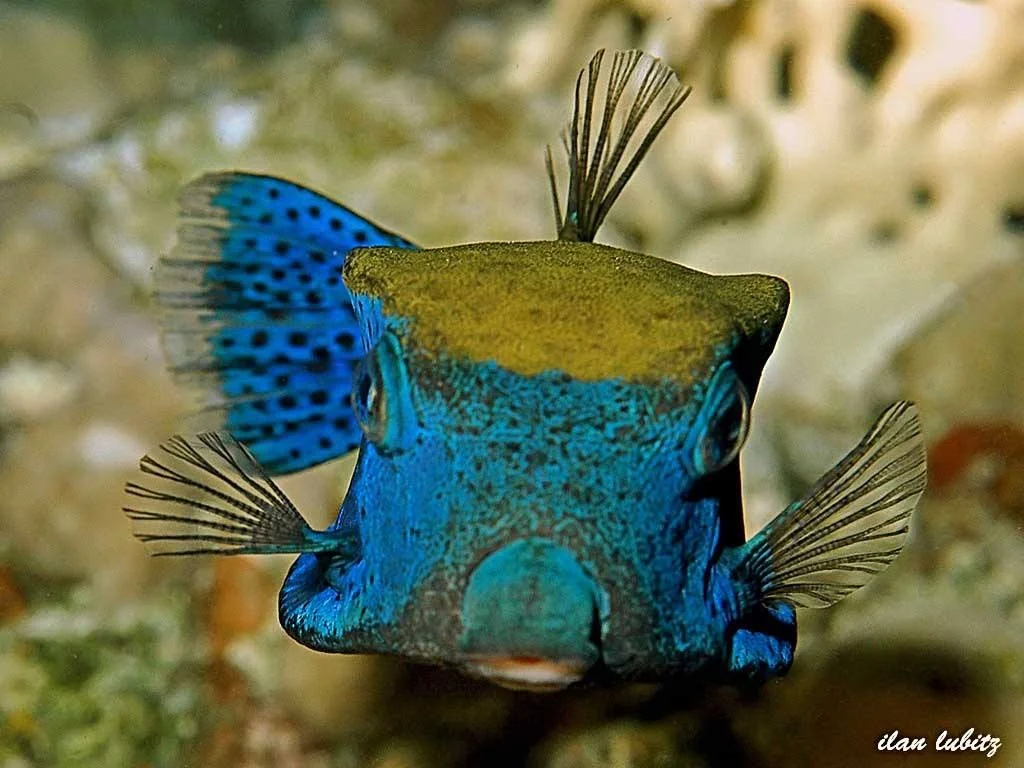
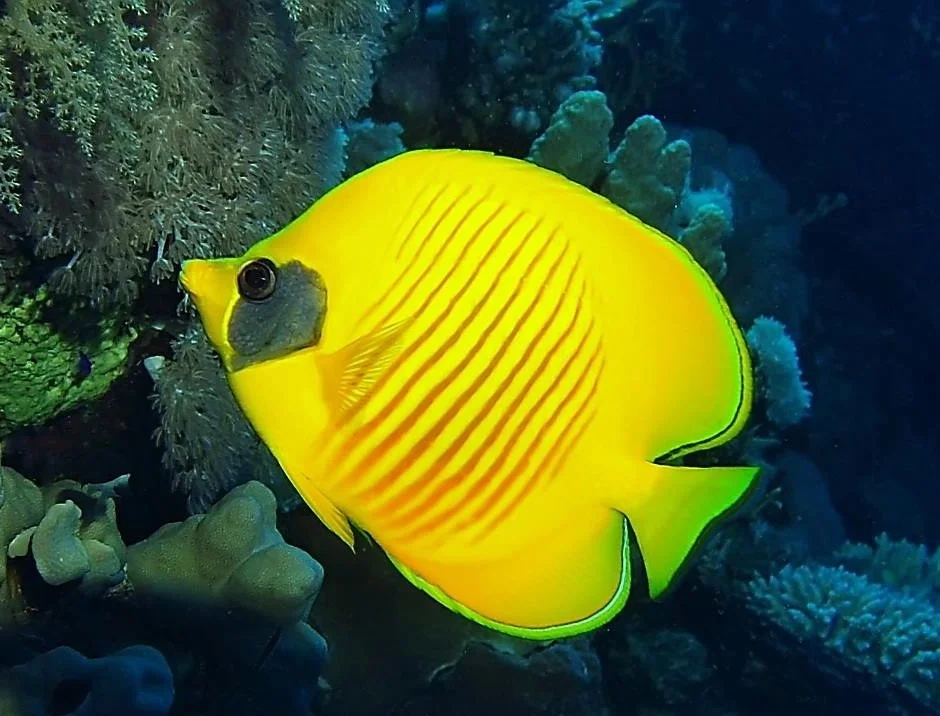
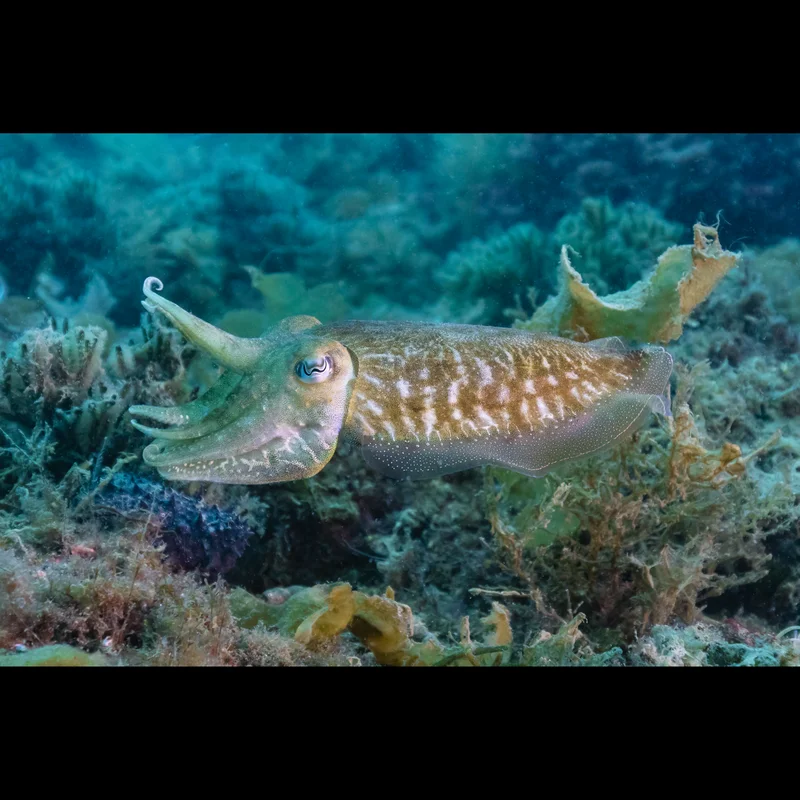
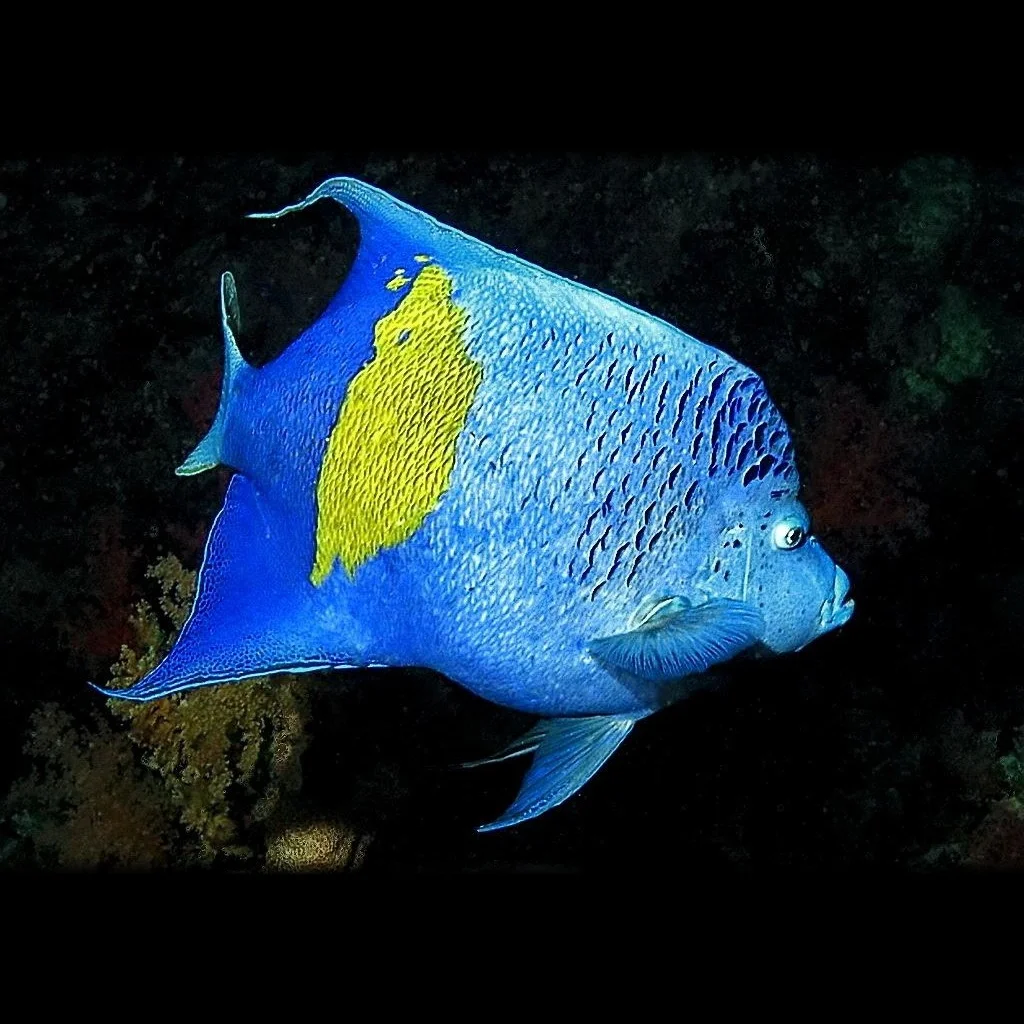
Divers often spot boxfish, blue devilfish, butterflyfish, cuttlefish, leatherjackets, and surgeonfish navigating the coral gardens. Angelfish add splashes of color, while the occasional wobbegong shark or striking glass-eye fish can be encountered in quieter areas.
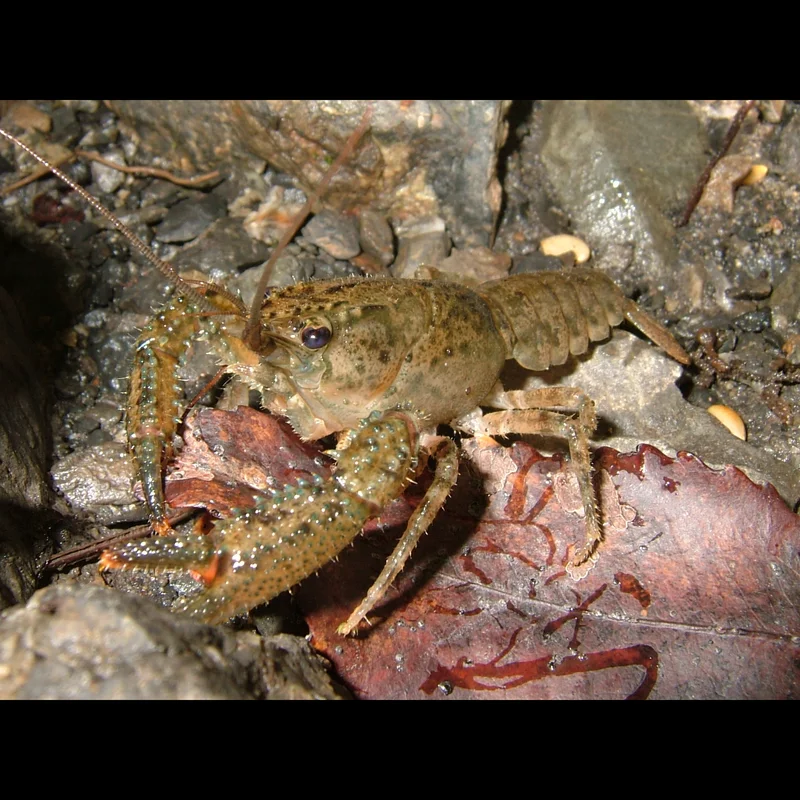
For those interested in macro photography, the reef is a rewarding location to find tiny tropical fish and other small creatures. Crayfish are also frequently sighted, adding to the richness of the site's ecosystem.
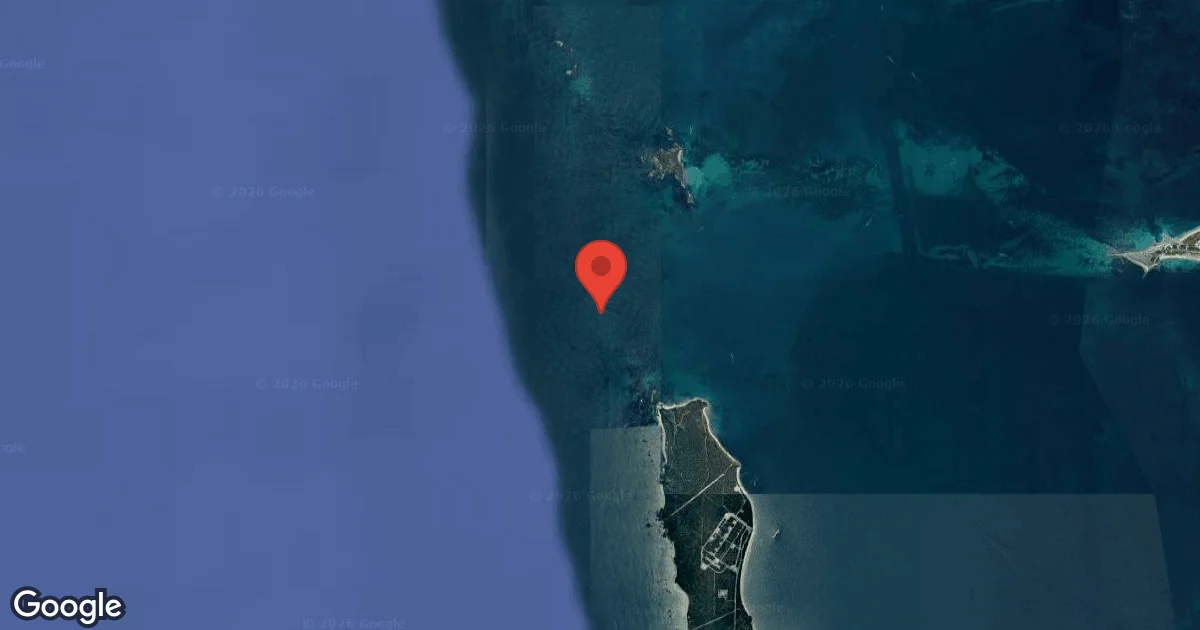
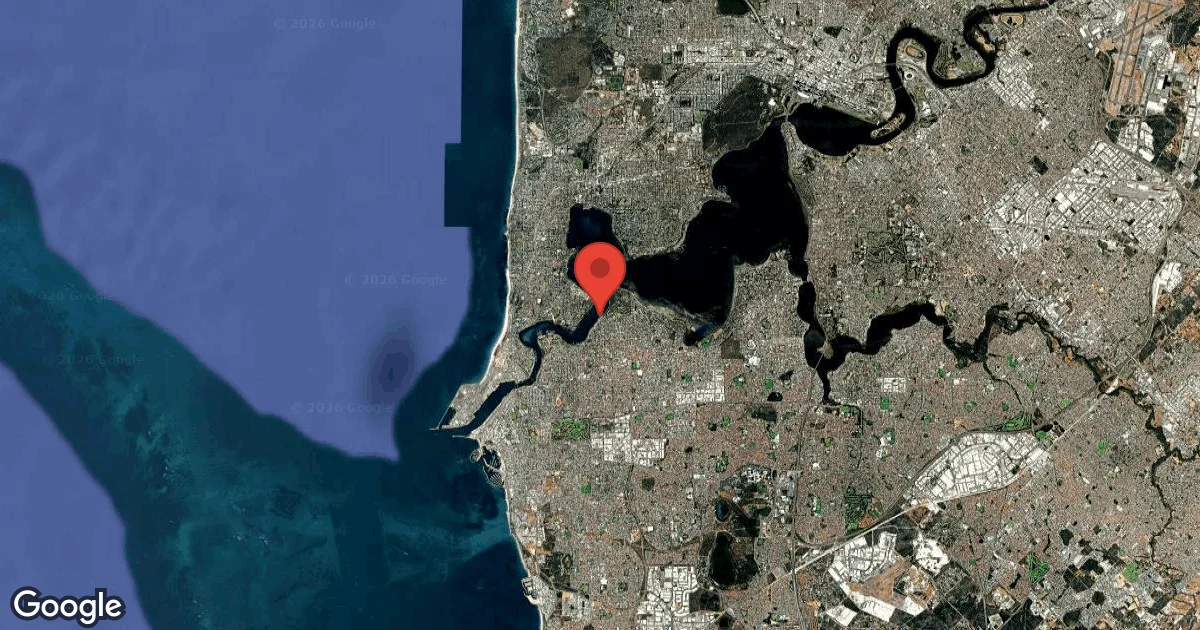
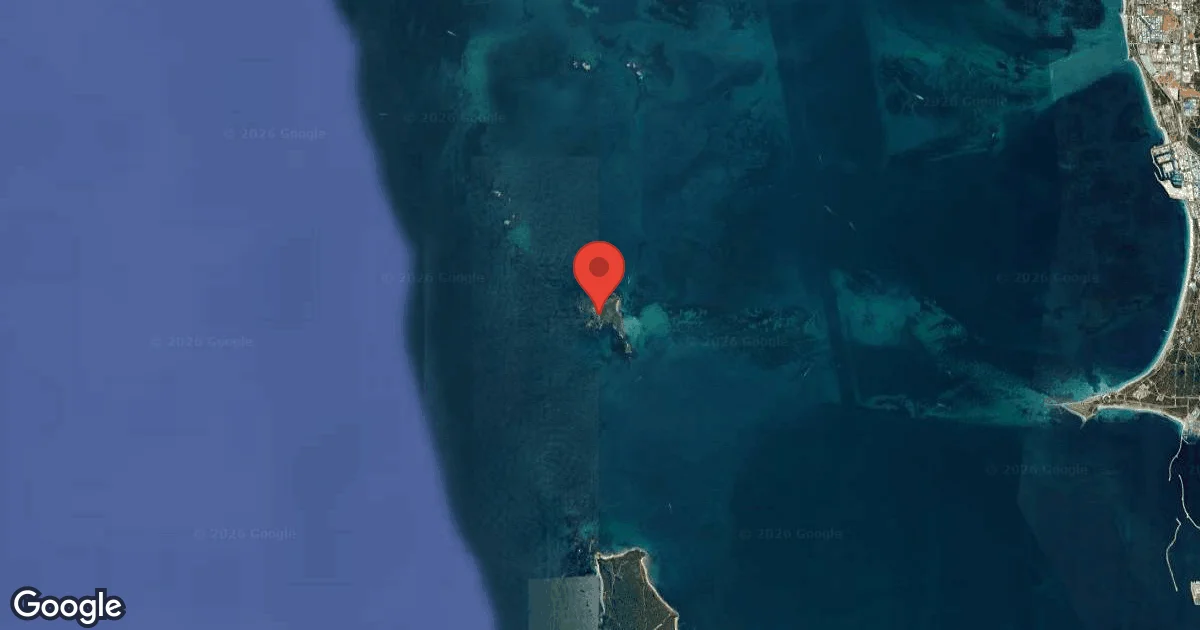
Dive Sites Near Roe Reef
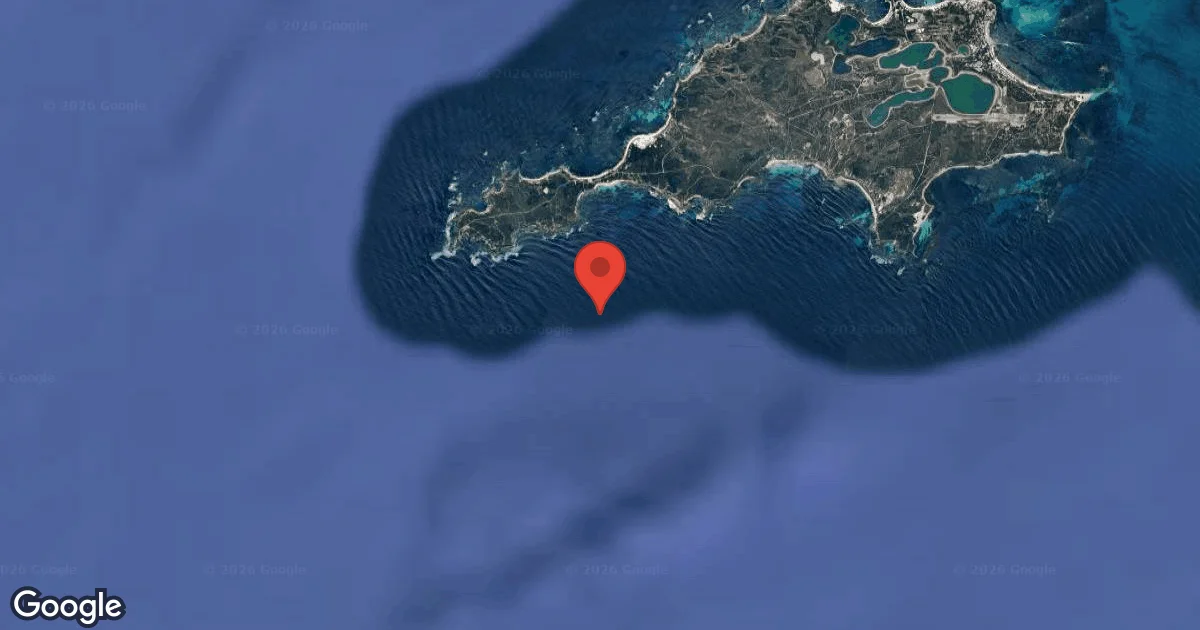
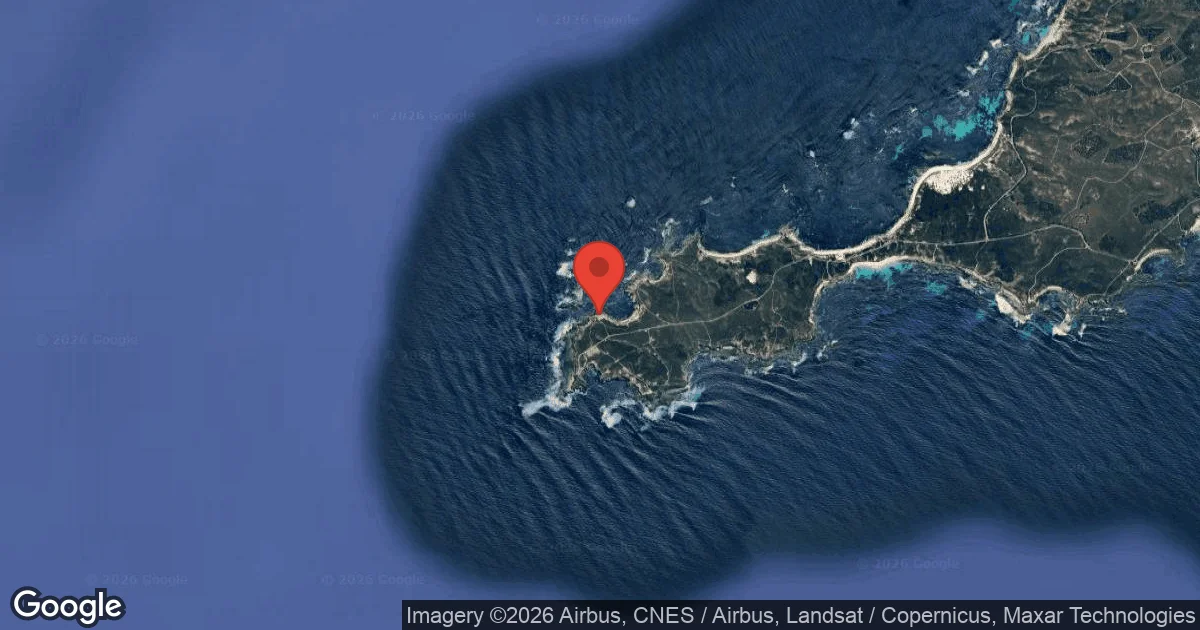
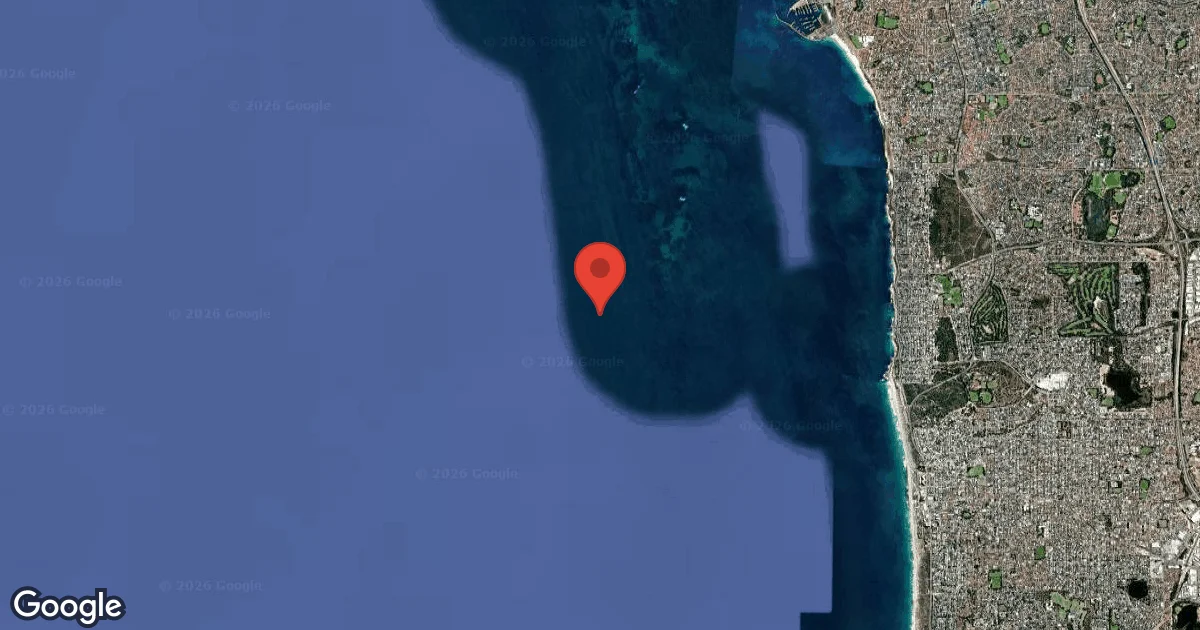
View all dive sites in AustraliaDiscover more underwater gems in this area.
Dive Centers Near Roe Reef
Today: 09:00 - 16:00
Nearest Airports
Nearest airports to help plan travel to this dive area.
Search Flights
Check available flights and routes on Expedia, using the nearby airports listed in this section.
Search Flights on ExpediaFrequently Asked Questions
What is the maximum depth at Roe Reef?
Roe Reef reaches a maximum depth of 18 m (60 ft). This makes it an accessible site suitable for novice divers and recreational limits.
Are there any overhead environments at Roe Reef?
Yes, the reef features small caverns and short swim-throughs. Divers should have appropriate training or maintain an open water visual during these explorations.
What kind of marine life can I expect to see?
Roe Reef hosts abundant small fish, colorful nudibranchs, and species like boxfish, blue devilfish, and angelfish. Crayfish, wobbegong sharks, and glass-eye fish are also commonly sighted.
Is Roe Reef suitable for freediving?
Yes, Roe Reef is specifically noted as a good site for freediving. Its shallower sections make it particularly appealing for this activity.
What is the typical visibility at the site?
Visibility often reaches around 12 meters, though it varies with prevailing ocean swell.
What are the best months to dive at Roe Reef?
While diving is possible year-round, March and November generally offer more moderate dive conditions. These months experience milder air temperatures and lower rainfall compared to winter.
How are the currents at Roe Reef?
Currents and surge are typically light. However, they can become moderate under certain conditions, particularly in more exposed areas of the reef.
Planning to dive Roe Reef?
Send one inquiry and receive offers directly from the best verified local dive operators.
Conditions are Poor
High Swell Advisory. Not recommended.
Current conditions near Roe Reef show 21° air, 19° sea temperature, 3.8 m waves, and 41 km/h wind. Forecast data is refreshed regularly to ensure accuracy.