
Diving at Helby Bank (Australia)
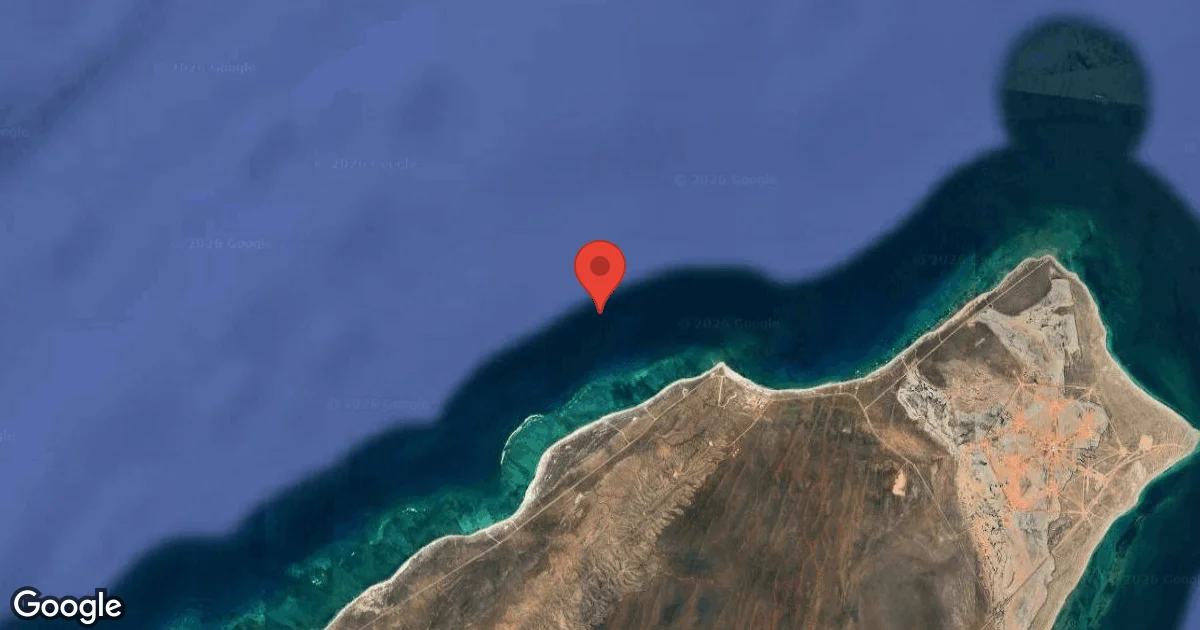
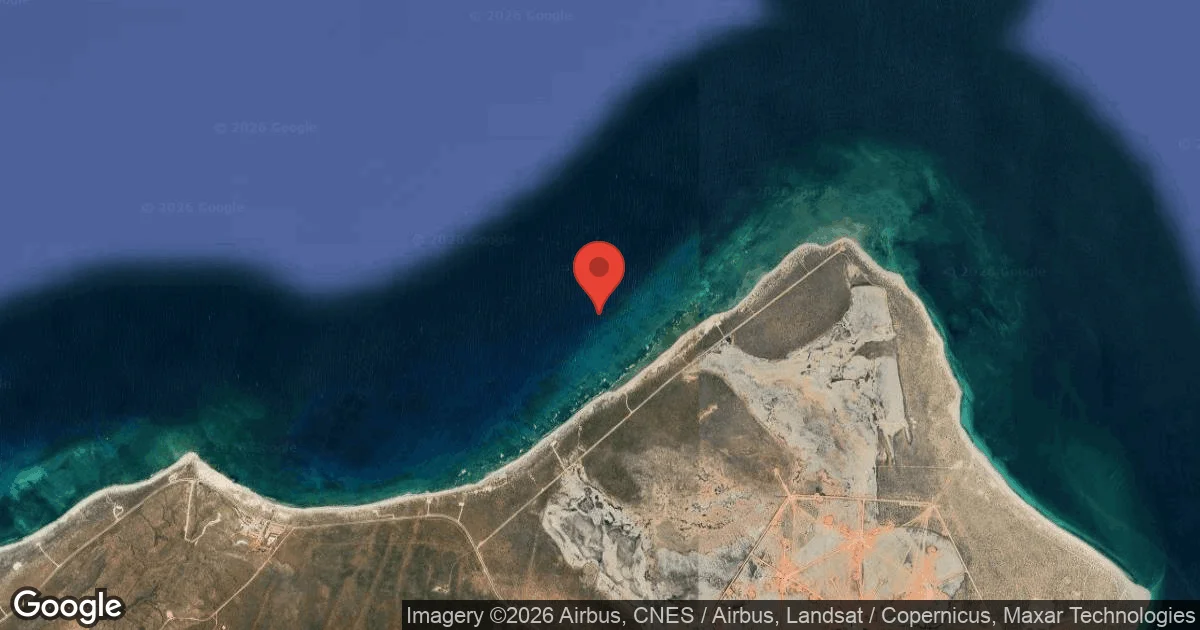
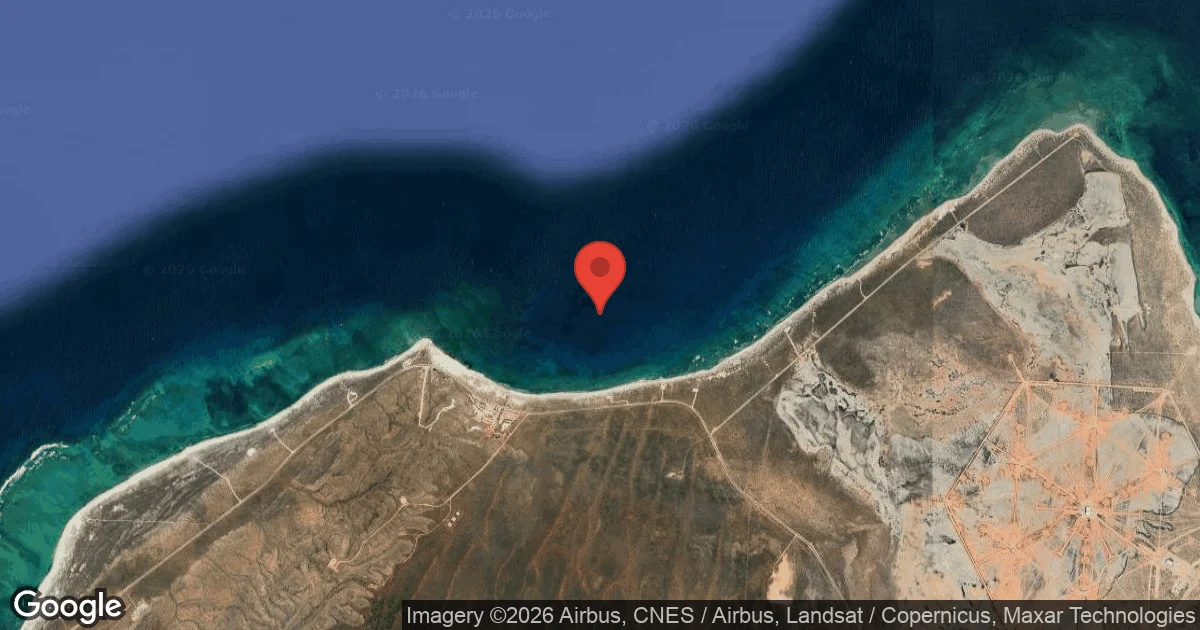
On the north-western side of the Exmouth Peninsula, Helby Bank is a deeper coral formation dropping to about 31 m / 102 ft, a 200 m by 200 m block of reef cut with ledges, cracks and overhangs. Reef sharks and kingfish patrol it. Rated advanced with a deep specialty, it's an exposed, deep reef for experienced divers comfortable past 30 m.
As evening covers Helby Bank, the local air temperature is measured at 20.5°C. The current wave height at the surface is recorded at 1.4 m. These late-day readings characterize the surface conditions for the night.
Dive Site Location & Key Facts
Dive Site Overview
A substantial block of coral, roughly 200 m by 200 m, rises here and falls away to about 31 m / 102 ft, with an average closer to 18 m / 59 ft. Ledges, cracks and overhangs are worked through the formation, giving it relief and shelter for the bigger animals.
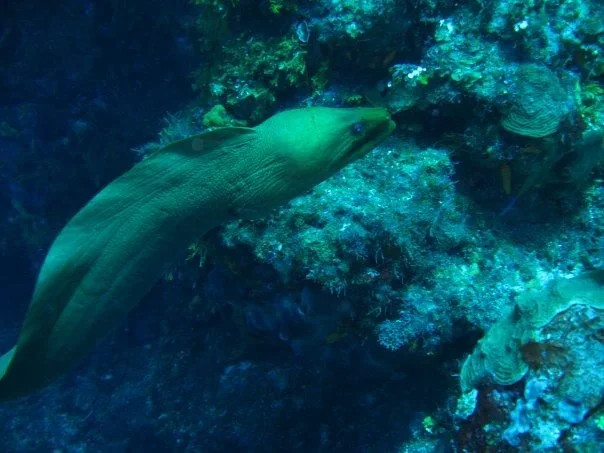
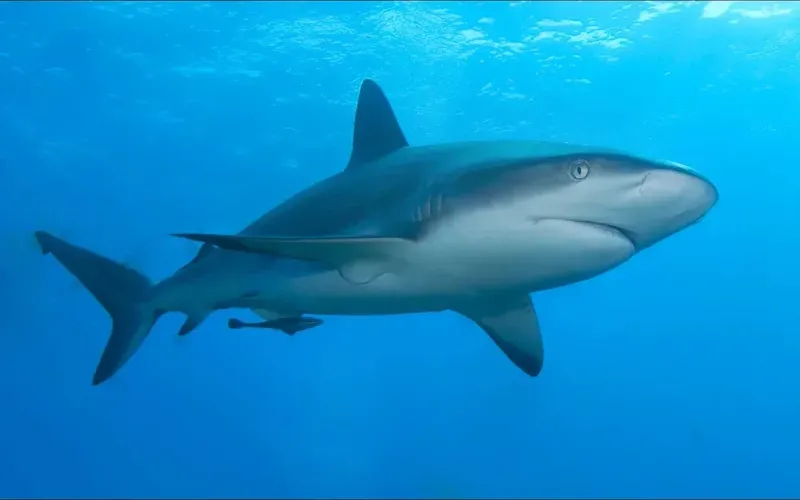
The depth and structure are the draw, and so is the marine life that deeper, exposed reef gathers. Reef sharks patrol the formation and kingfish sweep through, with moray eels set into the cracks. Hanging over the deeper coral as a reef shark cruises past is the kind of moment that justifies the depth and the planning. Access is by boat from Tantebiddi, and the site is exposed to swell, so a calm day matters. This is deep diving, well past 30 m at its lowest, so it sits firmly in advanced, deep-specialty territory. The 200-metre block of coral is big enough that you sample a section instead of circling it, choosing your route by depth and what's about. The deeper edges are where the sharks and kingfish patrol, so plan to spend your deepest time there, then work shallower as your gas allows.
Conditions are Moderate
High Swell Advisory. Not recommended.
Current conditions near Helby Bank show 20° air, 24° sea temperature, 2.2 m waves, and 37 km/h wind. Forecast data is refreshed regularly to ensure accuracy.
Best Time to Dive
Late summer into autumn, around February through April, posts the best scores, and they hold up across much of the year in this warm region. Water is warm at the surface, peaking near 28.6°C / 83°F and sitting around 22.5°C / 73°F at its coolest, though it can feel cooler at depth. Wave height is moderate, in a 1.4–1.9 m / 5–6 ft band, and the site is exposed to swell, so a calm forecast matters more here given the depth. The deciding factors are really the swell and the conditions on the day instead of the calendar, so pick a settled window and plan the deep profile carefully. Surface water is warm, but it can feel cooler at depth, so factor that into both your suit choice and your bottom time.
PEAK SEASON SCORE
Scores combine air & water temps, waves, wind & rainfall for overall conditions.
BEST MONTHS TO DIVE
Monthly records compiled from satellite and marine observation nodes over the last 3 years. Data provided by Open-Meteo and MET Norway.
Dive Experience & Conditions
Plan a deep boat dive over a large coral formation reaching about 31 m / 102 ft, with the ledges, cracks and overhangs giving the structure its interest. With an average closer to 18 m / 59 ft, you can spend time shallower while the deeper edges hold the bigger animals. This is deep diving, so gas planning, no-deco discipline and the right training are central, and the depth past 30 m puts it in deep-specialty territory. A torch helps you look into the cracks and under the overhangs where life shelters. The site is exposed, so an SMB is essential for ascents that may drift in swell. Plan the depth conservatively, watch your gas and time, and let a calm day make the deeper sections workable.
Dive Difficulty & Safety Guidelines
Depth and exposure place this firmly in advanced territory, and the notes record a deep-specialty level. At about 31 m / 102 ft, gas planning, no-deco discipline and deep-diving training are baseline, with the shorter bottom times and tighter margins that depth brings.
The site is exposed to swell, so a calm forecast and an SMB for drifting ascents both matter. Reef sharks are part of the experience and pose no concern with normal respectful behaviour. The ledges and overhangs are features to look into, not overhead environments to penetrate. Keep the plan conservative, dive within your training and gas, and treat the depth as the defining demand of the site.
Recommended Equipment
Deep dive hazard. Increased narcosis and gas consumption risk.
- Dive Computer
- DSMB
- Primary & Backup Lights
This gear list is based on verified equipment signals for Helby Bank, Australia. Always confirm final gear choices with your dive operator, guide, or liveaboard.
Recommended Dive Suit
Temperatures look set to gradually increase over the next several days. A warming trend is expected over the next few days.
Many experienced divers would consider 3-5mm wetsuit an appropriate choice here. Consider warmer surface protection (like a boat coat) due to brisk winds. Surface intervals may feel cooler.
Recent environmental data from Helby Bank indicates water temperatures near 24°C (75°F). Surface air temperatures are resting at 20°C (69°F).
Emergency & Medical Support
Essential information to help you plan your dive trip to Helby Bank.

Hyperbaric chambers are a critical part of dive safety infrastructure. Availability varies significantly by region, and not all dive areas have immediate access.
Before diving, it's recommended to:
- confirm nearest medical facilities
- check emergency procedures with local dive operators
- ensure dive insurance covers evacuation if required
Divers Alert Network
Diving emergency assistance available through DAN World.
+1-919-684-9111- 24/7 emergency hotline
- Diving medical assistance
- Evacuation coordination
Emergency contacts are provided for reference. Always verify local emergency services before diving.
Marine Life at Helby Bank
Reef sharks are the confirmed draw, patrolling the deeper coral, and moray eels are recorded set into the cracks of the formation. The depth and structure gather the bigger animals that make the dive memorable.
Kingfish are noted sweeping through as well, with hard coral across the block, though those sit a touch less certain than the sharks and morays. Hold your position over the deeper coral and let the sharks and kingfish come to you, since the structure concentrates the life at depth.
Dive Sites Near Helby Bank
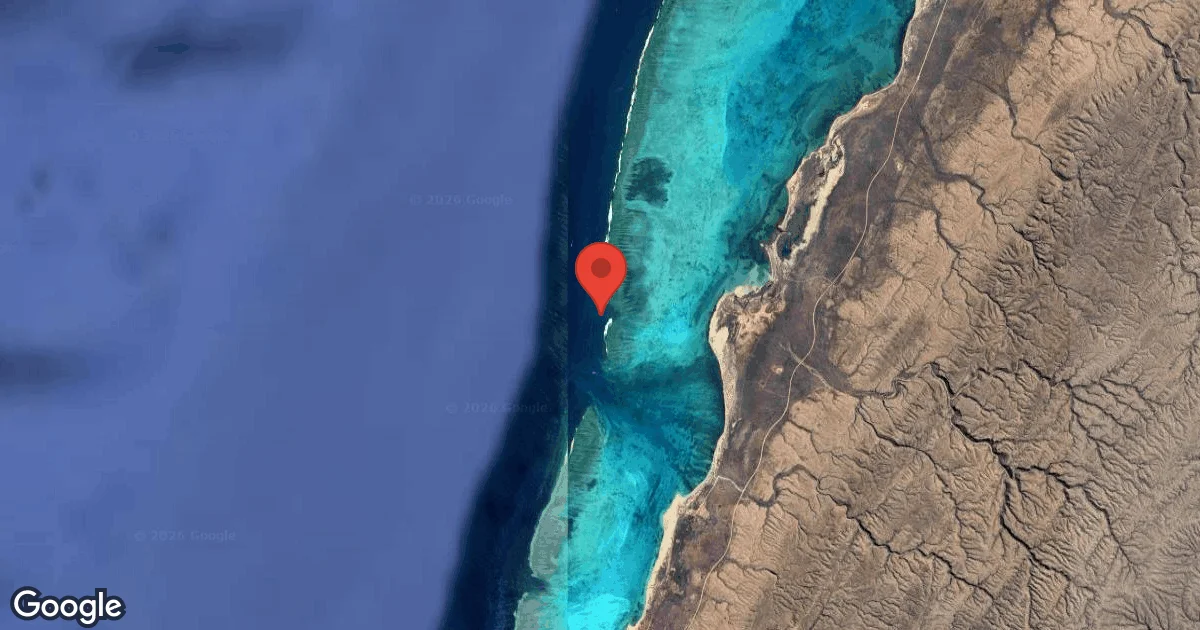
View all dive sites in AustraliaDiscover more underwater gems in this area.
Dive Centers Near Helby Bank
No Dive Centers Local To Helby Bank
Are you a dive center visiting this location? Get listed to reach divers.
Nearest Airports
Nearest airports to help plan travel to this dive area.
Search Flights
Check available flights and routes on Expedia, using the nearby airports listed in this section.
Search Flights on ExpediaFrequently Asked Questions
How deep is Helby Bank?
Deep, about 31 m / 102 ft, averaging closer to 18 m / 59 ft, which is why it's rated advanced with a deep specialty.
What will I see?
Reef sharks patrolling the formation and moray eels in the cracks are confirmed, with kingfish noted sweeping through.
Is it suitable for new divers?
No. The depth past 30 m and the exposure make it an advanced, deep-specialty dive for experienced divers.
Are the reef sharks a concern?
No. They're part of the experience and pose no issue with normal respectful behaviour.
When should I dive it?
Scores are best from February to April, and since the site is exposed and deep, a genuinely calm day is essential.
Planning to dive Helby Bank?
Send one inquiry and receive offers directly from the best verified local dive operators.
Conditions are Moderate
High Swell Advisory. Not recommended.
Current conditions near Helby Bank show 20° air, 24° sea temperature, 2.2 m waves, and 37 km/h wind. Forecast data is refreshed regularly to ensure accuracy.