
Diving at Dibley's Dropoff (Australia)
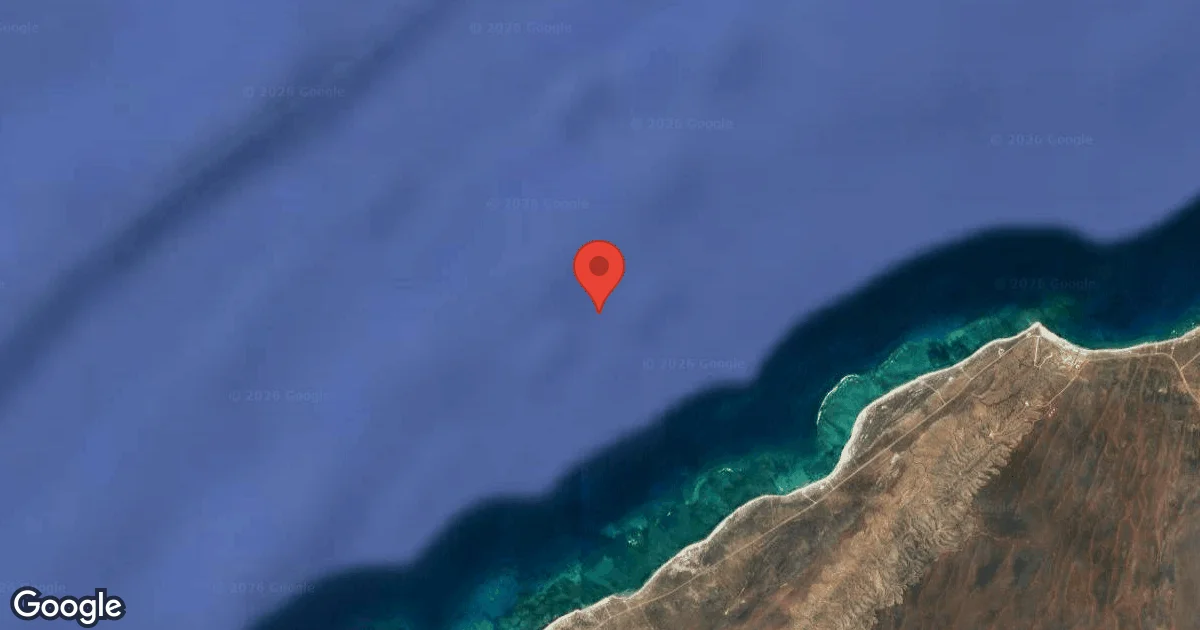
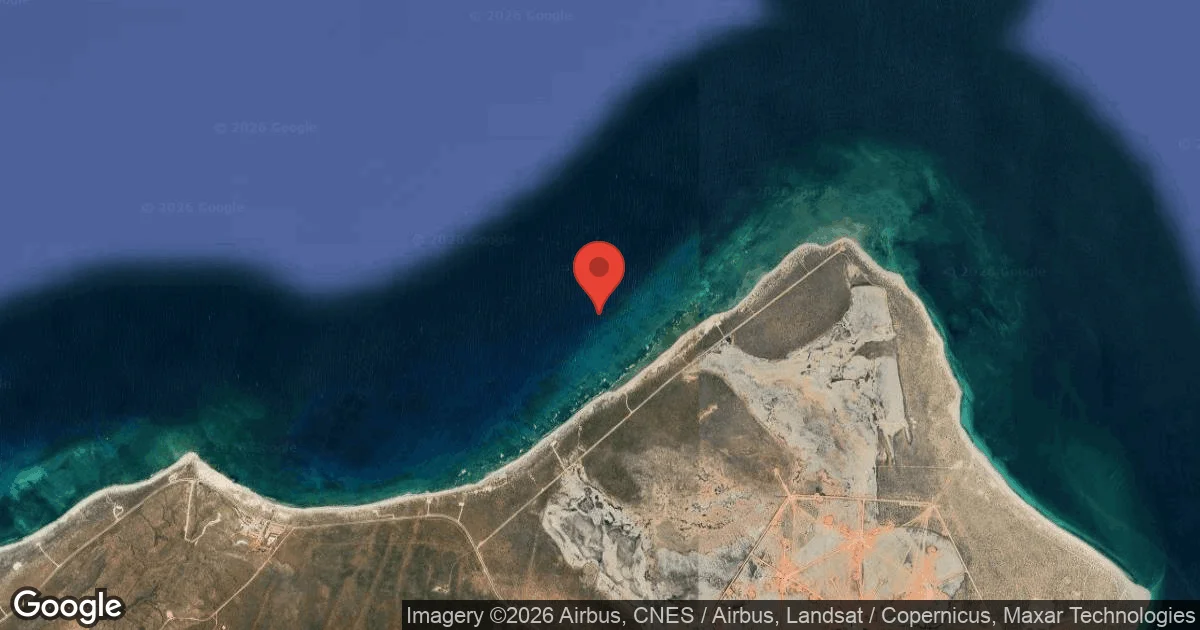
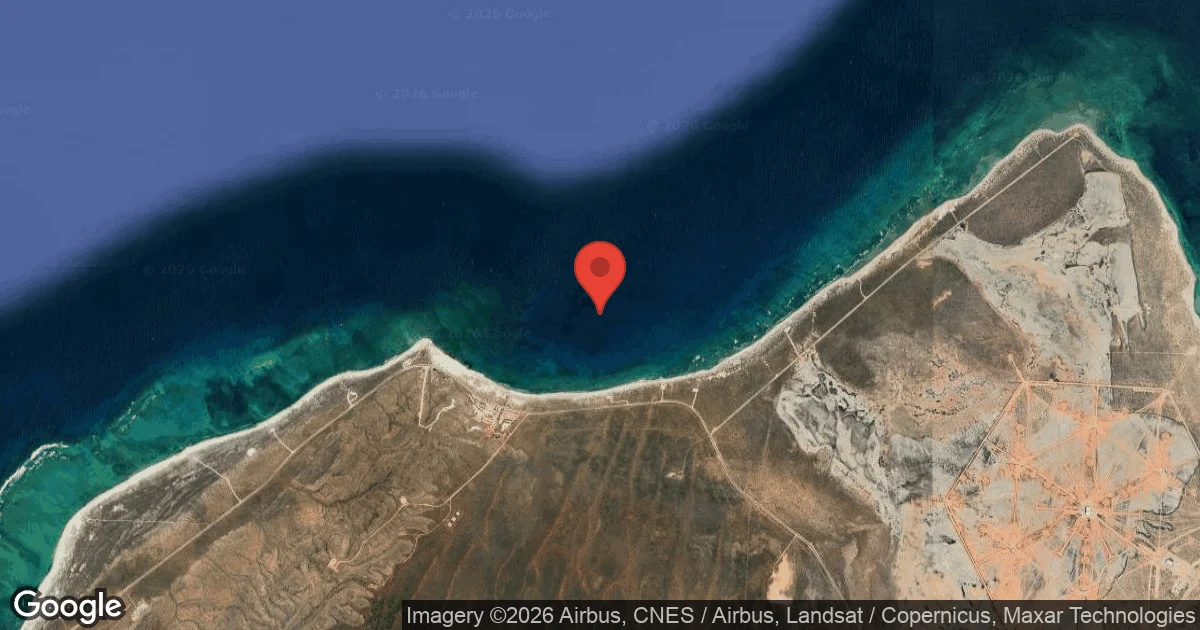
Off Exmouth, about 2 km from shore, Dibley's Dropoff is a wall and pinnacle dive on the reef's edge, dropping to about 27 m / 89 ft, with pinnacles rising up to 10 m off the bottom. It's known for pelagics: manta rays, reef sharks and, in season, humpback whales passing through. Warm water and moderate current make it a rewarding dive for the experienced.
Tonight's objective overview for Dibley's Dropoff shows an air temperature of 20.5°C. The measured surface conditions include wave heights around 1.2 m. This environmental data is logged for the close of the day.
Dive Site Location & Key Facts
Dive Site Overview
On the western edge of the Exmouth peninsula, the reef falls away into a drop-off broken by pinnacles that rise as much as 10 m from the bottom, with gullies running between them, the whole site reaching about 27 m / 89 ft. This is edge-of-the-reef diving, where the structure meets open water and the big animals patrol.
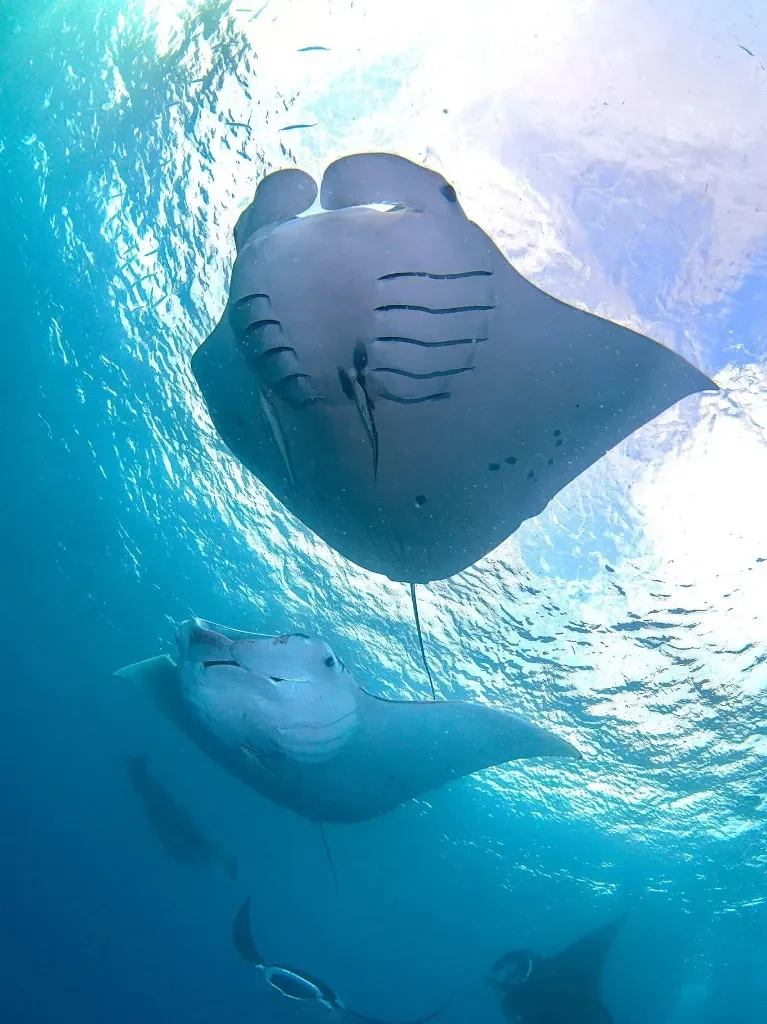
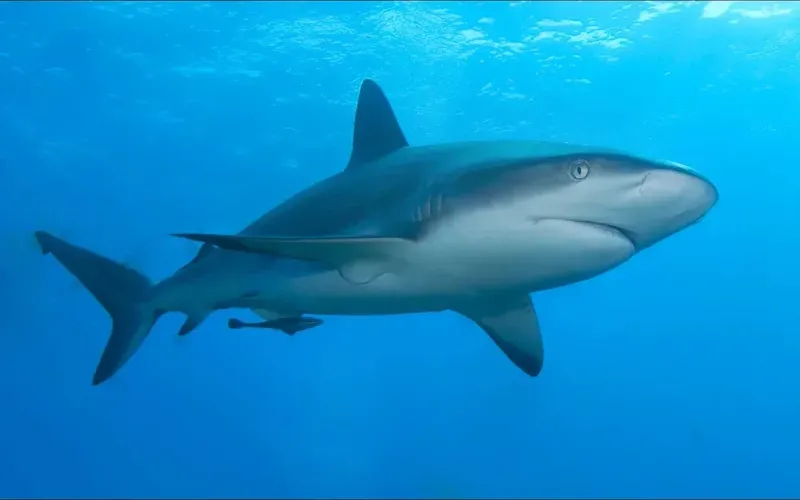
That boundary is why it's known for pelagics. Manta rays glide along the wall, reef sharks work the gullies, and in the right season the song of humpback whales can carry through the water. Hanging on the drop-off as a manta sweeps past, with the blue dropping away beside you, is the kind of dive that lingers. It's a boat trip out, around 15 to 20 km depending on the ramp you leave from, so it's a planned dive, and the depth and exposure make it one for confident divers. This is edge-of-the-reef diving, where the structure meets open water and the big animals patrol the boundary. It's a 15 to 20 km boat run depending on the ramp, so treat it as a planned trip and gear up for depth.
Conditions are Moderate
Optimal conditions expected
Current conditions near Dibley's Dropoff show 20° air, 24° sea temperature, 1.6 m waves, and 37 km/h wind. Forecast data is refreshed regularly to ensure accuracy.
Best Time to Dive
Autumn into early winter, roughly April through June, brings the best scores, and they stay strong across much of the year in this warm region. Water is genuinely warm, peaking near 28.6°C / 83°F and staying around 22.5°C / 73°F even at its coolest, so light exposure protection works year-round. Wave height is low for an exposed wall, in a 1.1–1.6 m / 4–5 ft band, and wind eases through the autumn window. The depth and moderate current are the things to plan around more than the swell, so pick a day with manageable current, and remember the humpback season if hearing whales is on your list. The depth and moderate current shape the dive more than the swell, so pick a day with manageable current and keep the humpback season in mind.
PEAK SEASON SCORE
Scores combine air & water temps, waves, wind & rainfall for overall conditions.
BEST MONTHS TO DIVE
Monthly records compiled from satellite and marine observation nodes over the last 3 years. Data provided by Open-Meteo and MET Norway.
Dive Experience & Conditions
Plan a boat dive along a drop-off and pinnacle field reaching about 27 m / 89 ft, with an average closer to 20 m / 66 ft. You work the wall and the gullies between the pinnacles, keeping the blue on one side and watching for what cruises out of it. Moderate current is part of the picture, so steady current technique and good positioning help you hold station while the pelagics pass. The depth means real gas and no-deco discipline, and an SMB matters for ascents that may finish off the wall. Warm water keeps you comfortable for longer, which is welcome on a dive where patience near the drop-off is what brings the mantas and sharks into view.
Dive Difficulty & Safety Guidelines
Depth and exposure define this dive. Reaching about 27 m / 89 ft on an exposed reef edge with moderate current asks for solid experience, so treat it as a dive for confident, current-comfortable divers even though no formal difficulty is recorded.
Gas planning and no-deco discipline matter at this depth, and an SMB is essential for ascents that may drift off the wall. Moderate current means you should be comfortable holding position and ascending in flow. Swell exposure is the named hazard, so a manageable forecast is part of the plan. The pinnacles and gullies are open structure instead of overhead, so there's no penetration to manage, just depth, current and the discipline they demand.
Recommended Equipment
- Dive Computer
- DSMB
This gear list is based on verified equipment signals for Dibley's Dropoff, Australia. Always confirm final gear choices with your dive operator, guide, or liveaboard.
Recommended Dive Suit
For many recreational divers, 3-5mm wetsuit provides a practical level of insulation in these conditions. Consider warmer surface protection (like a boat coat) due to brisk winds. Surface intervals may feel cooler. Divers who tend to get cold easily may prefer slightly thicker exposure protection.
Conditions at Dibley's Dropoff currently place the water temperature near 24°C (74°F). Surface air temperatures are resting at 20°C (69°F).
Temperatures look set to gradually increase over the next several days. A warming trend is expected over the next few days.
Emergency & Medical Support
Essential information to help you plan your dive trip to Dibley's Dropoff.

Hyperbaric chambers are a critical part of dive safety infrastructure. Availability varies significantly by region, and not all dive areas have immediate access.
Before diving, it's recommended to:
- confirm nearest medical facilities
- check emergency procedures with local dive operators
- ensure dive insurance covers evacuation if required
Divers Alert Network
Diving emergency assistance available through DAN World.
+1-919-684-9111- 24/7 emergency hotline
- Diving medical assistance
- Evacuation coordination
Emergency contacts are provided for reference. Always verify local emergency services before diving.
Marine Life at Dibley's Dropoff
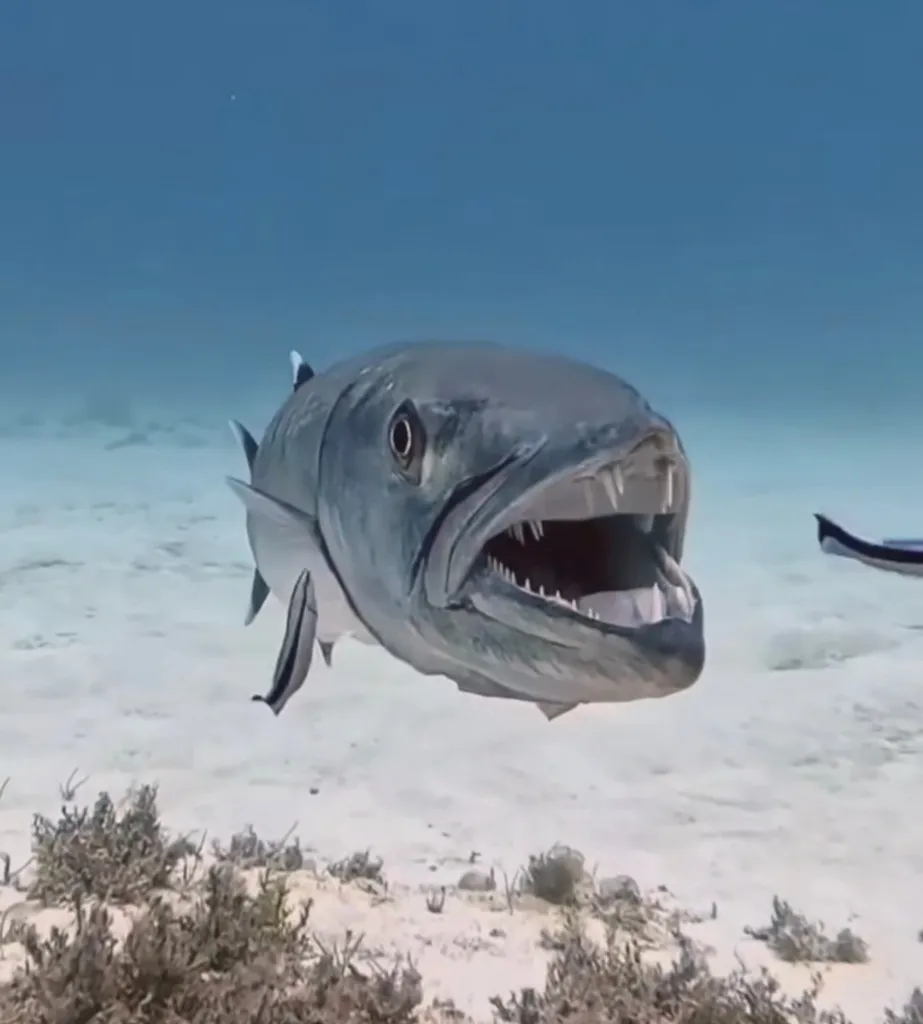
This is a pelagic dive. Manta rays and reef sharks are recorded along the wall, with trevally, barracuda, mackerel and snapper moving through, and humpback whales noted in season. A manta banking along the drop-off, unbothered and close, is the encounter people make the trip for.
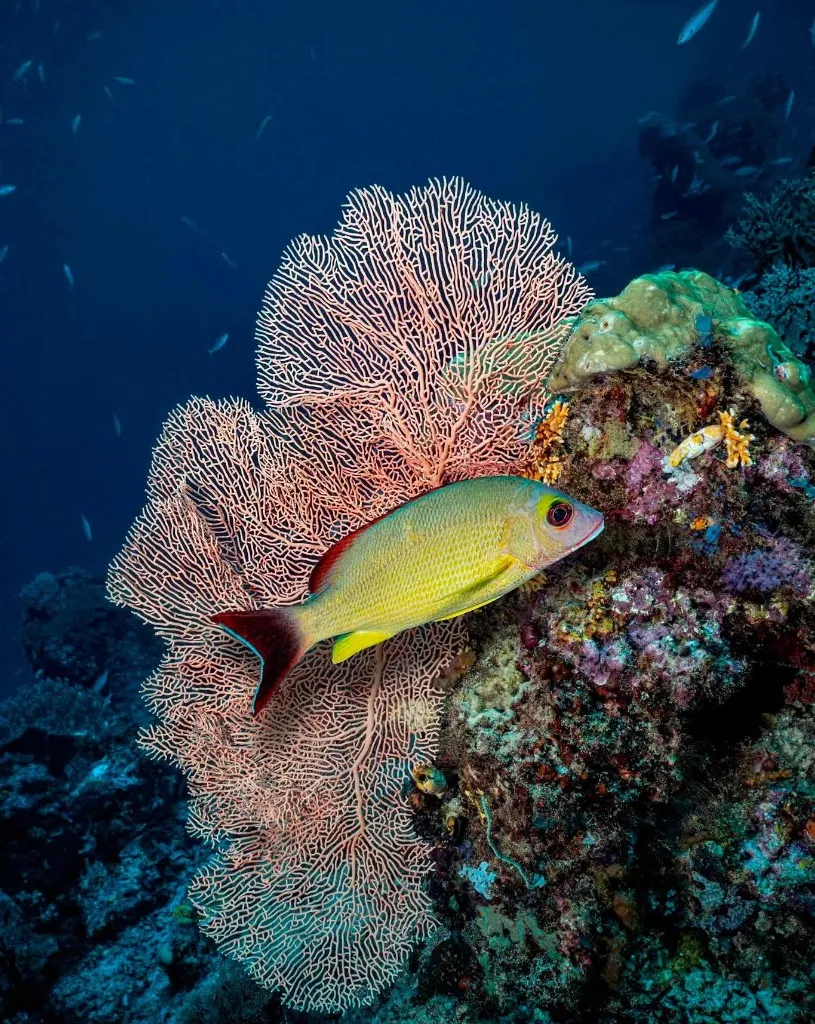
The notes also mention moorish idols, angelfish and other pelagic fish, with a little less certainty. Position yourself on the edge, stay still, and let the open water deliver; the reward here is the big stuff cruising the boundary, not the small finds on the reef.
Dive Sites Near Dibley's Dropoff
View all dive sites in AustraliaDiscover more underwater gems in this area.
Dive Centers Near Dibley's Dropoff
No Dive Centers Local To Dibley's Dropoff
Are you a dive center visiting this location? Get listed to reach divers.
Nearest Airports
Nearest airports to help plan travel to this dive area.
Search Flights
Check available flights and routes on Expedia, using the nearby airports listed in this section.
Search Flights on ExpediaFrequently Asked Questions
What's the big draw at Dibley's Dropoff?
Pelagics on the reef edge: manta rays and reef sharks are recorded along the wall, with humpback whales noted in season.
How deep is it?
About 27 m / 89 ft at the drop-off, averaging closer to 20 m / 66 ft, with pinnacles rising up to 10 m off the bottom.
Is it suitable for new divers?
It's better for experienced divers. The depth, exposed reef edge and moderate current call for confidence with deeper profiles and current.
Will I hear whales?
Humpback whales are noted in season, so during their migration you may hear their song carrying through the water.
How do I get there?
By boat, a roughly 15 to 20 km run depending on which ramp you leave from, so it's a planned trip.
Planning to dive Dibley's Dropoff?
Send one inquiry and receive offers directly from the best verified local dive operators.
Conditions are Moderate
Optimal conditions expected
Current conditions near Dibley's Dropoff show 20° air, 24° sea temperature, 1.6 m waves, and 37 km/h wind. Forecast data is refreshed regularly to ensure accuracy.