
Diving at Popes Eye Marine National Park (Australia)
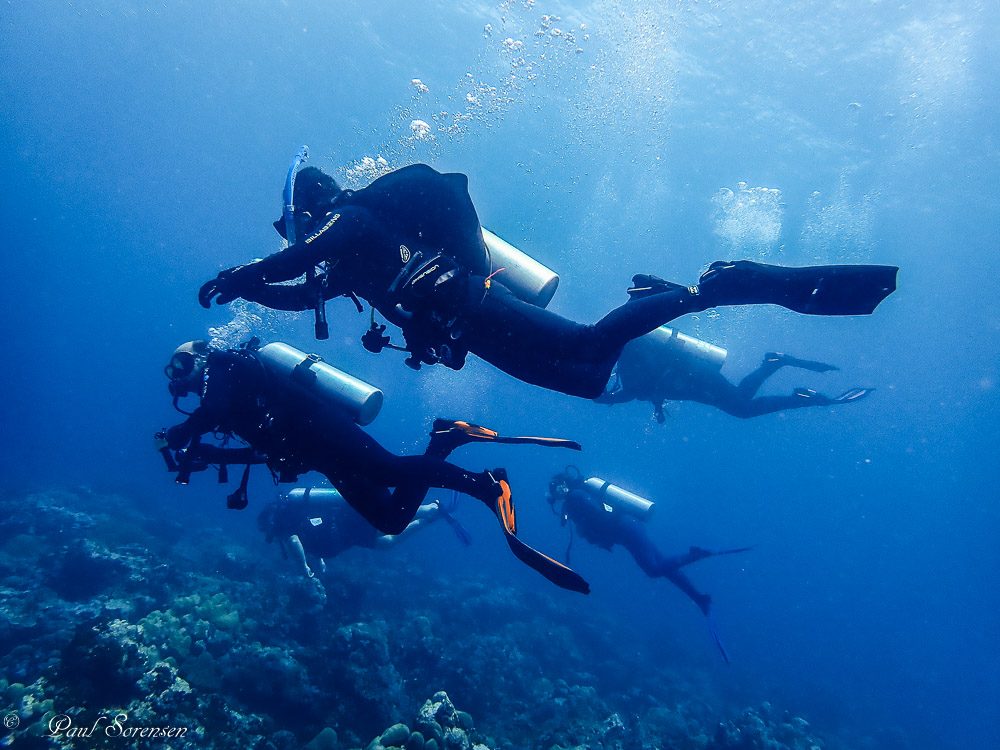
Popes Eye Marine National Park offers a versatile diving experience, catering to various skill levels. Its unique, horseshoe-shaped structure provides sheltered, shallower areas perfect for newer divers seeking an introduction to temperate reef environments. More experienced divers can explore the outer rim, descending to depths of approximately 10 m / 33 ft for broader discovery. This protected site in Port Phillip Heads is a vibrant part of the Great Southern Reef, making it an accessible yet rewarding destination.
Tonight's objective overview for Popes Eye Marine National Park shows an air temperature of 11.5°C. The measured surface conditions include wave heights around 1.6 m. This environmental data is logged for the close of the day.
Dive Site Location & Key Facts
Dive Site Overview
Conceived in the 19th century as a defense fort, Popes Eye today presents a highly distinctive dive site, unique for its never-completed artificial structure. Shaped like a horseshoe, the fort's remains have fully transitioned into the vibrant core of a protected marine national park.
Here, a thriving oasis supports a rich diversity of temperate water fish, along with extensive, colorful seaweed and lush kelp forests. Divers experience a fascinating convergence of man-made history and the ocean's natural resilience. Available are multiple dive profiles: the sheltered inner basin offers exceptionally shallow conditions, ideal for those new to diving or practicing skills.
Further out, the outer rim gently slopes to around 10 m / 33 ft, opening opportunities for more extensive exploration along its reef and wall sections. Depending on prevailing currents and tidal flows, some areas even permit gentle drift dives, adding another layer of dynamic interaction.
As a vital component of the Great Southern Reef, the environment delivers a visually engaging and colorful underwater journey, starkly contrasting its historical military origins with its current ecological significance. Encountering this blend of past and present provides a memorable underwater adventure.
Conditions are Moderate
High Wind Advisory (42km/h). Unsafe surface.
Current conditions near Popes Eye Marine National Park show 12° air, 14° sea temperature, 1.5 m waves, and 42 km/h wind. Forecast data is refreshed regularly to ensure accuracy.
Best Time to Dive
Planning your visit to Popes Eye Marine National Park generally yields a moderate dive experience year-round, as indicated by consistent dive scores. Divers often find the summer and early autumn months (December to April) most comfortable topside, with air temperatures averaging between 16°C and 19.5°C (60.6-67.5°F). Rainfall is typically lower during these periods, ranging from approximately 1.0 mm to 2.1 mm, contributing to more pleasant surface conditions. However, the site’s temperate waters mean cooler temperatures below the surface persist, regardless of the season. Visibility can vary, often improving after periods of settled weather and less rainfall. While diving is possible throughout the year, the spring (September to November) and autumn (March to May) seasons often present a balance of marine activity and agreeable air temperatures, generally between 13°C and 18.5°C (55.8-65.7°F).
PEAK SEASON SCORE
Scores combine air & water temps, waves, wind & rainfall for overall conditions.
BEST MONTHS TO DIVE
Monthly records compiled from satellite and marine observation nodes over the last 3 years. Data provided by Open-Meteo and MET Norway.
Dive Experience & Conditions
Diving at Popes Eye involves navigating conditions that vary with the weather and tides, often featuring distinct current dynamics. This site is exclusively accessed by boat. Maximum depths typically extend to about 10 m / 33 ft along the outer rim, though the inner horseshoe is considerably shallower, making it welcoming for all skill levels. Water temperatures are temperate, generally cooler, reflecting the region's climate. Surface conditions can see average wave heights between 1.5 and 2.0 meters (5-6.5 ft) and wind speeds frequently reaching 22-29 km/h (14-18 mph). These factors can influence surface chop and underwater visibility, which can range from clear to moderate depending on recent weather. Divers can expect a mix of drift, reef, and wall diving as they explore the unique rock formations and the diverse ecosystems they support. Awareness of local tidal patterns is important to optimize the dive experience and manage potential currents, which are not consistently reported but can be significant.
Dive Difficulty & Safety Guidelines
Prioritizing safety at Popes Eye Marine National Park requires divers to adhere to standard safe diving practices. As a protected area, maintaining buoyancy control is paramount to avoid disturbing delicate marine life and damaging the kelp and seaweed formations. Given the potential for varying currents, particularly along the outer sections, a thorough briefing from a local dive operator is highly recommended.
Always verify prevailing conditions and tidal information before entering the water. Since entry is boat-only, ensure your vessel and crew are experienced with the site.
The maximum depth of 10 m / 33 ft makes this a relatively shallow dive, but proper dive planning, buddy checks, and conservative dive profiles remain essential for an enjoyable and incident-free experience.
Recommended Equipment
Current and surface separation risk. Local briefing strongly recommended.
- Dive Computer
- DSMB
- Reel / Spool
This gear list is based on verified equipment signals for Popes Eye Marine National Park, Australia. Always confirm final gear choices with your dive operator, guide, or liveaboard.
Recommended Dive Suit
7mm wetsuit or semidry usually provides adequate warmth in water around this temperature. A hood or vest is suggested for sensitive divers due to surface winds. Strong cold advisory: dress warmly immediately after exiting the water. Water conditions at Popes Eye Marine National Park are currently measured at approximately 14°C (57°F). Surface air temperatures are resting at 12°C (53°F).
Weather models currently point toward consistent diving conditions over the next several days.
Conditions can vary slightly across different parts of the same dive site.
Due to technical issues with our weather providers, live updates are temporarily delayed. The data above reflects the conditions at the time of the last successful fetch.
Emergency & Medical Support
Essential information to help you plan your dive trip to Popes Eye Marine National Park.

Hyperbaric chambers are a critical part of dive safety infrastructure. Availability varies significantly by region, and not all dive areas have immediate access.
Before diving, it's recommended to:
- confirm nearest medical facilities
- check emergency procedures with local dive operators
- ensure dive insurance covers evacuation if required
Divers Alert Network
Diving emergency assistance available through DAN World.
+1-919-684-9111- 24/7 emergency hotline
- Diving medical assistance
- Evacuation coordination
Emergency contacts are provided for reference. Always verify local emergency services before diving.
Marine Life at Popes Eye Marine National Park
Divers at Popes Eye will immediately notice the extensive growth of seaweed and kelp, forming vibrant underwater gardens. This rich habitat supports a thriving community of temperate water fish species, which are particularly colorful and active around the horseshoe-shaped structure.
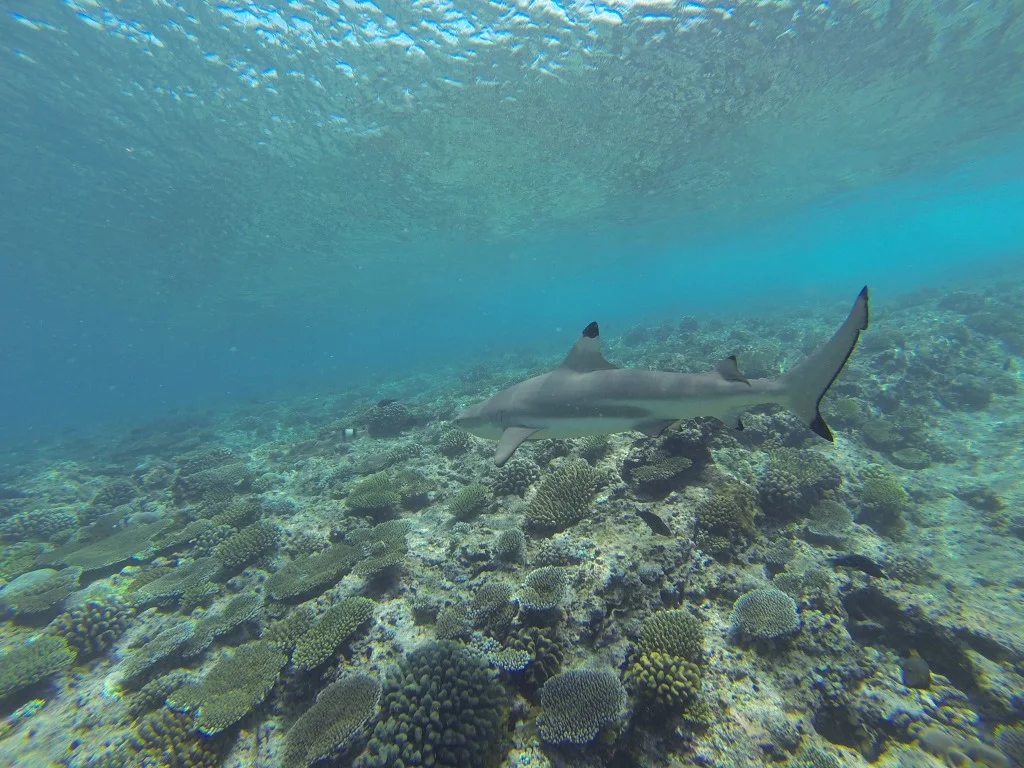
While these kelp forests are a primary draw, depending on the season and luck, there's also the possibility of encountering larger marine visitors. Sightings of various shark species, dolphins, and even turtles are sometimes reported in the broader park area, adding an element of surprise to the dive.

Dive Sites Near Popes Eye Marine National Park
View all dive sites in AustraliaDiscover more underwater gems in this area.
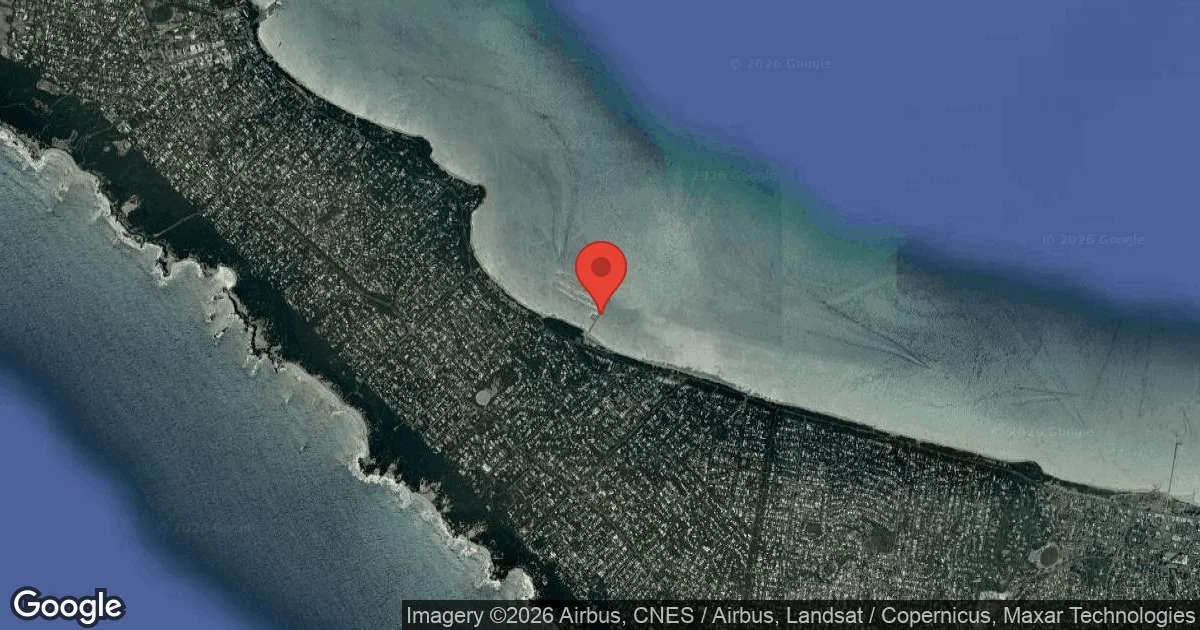
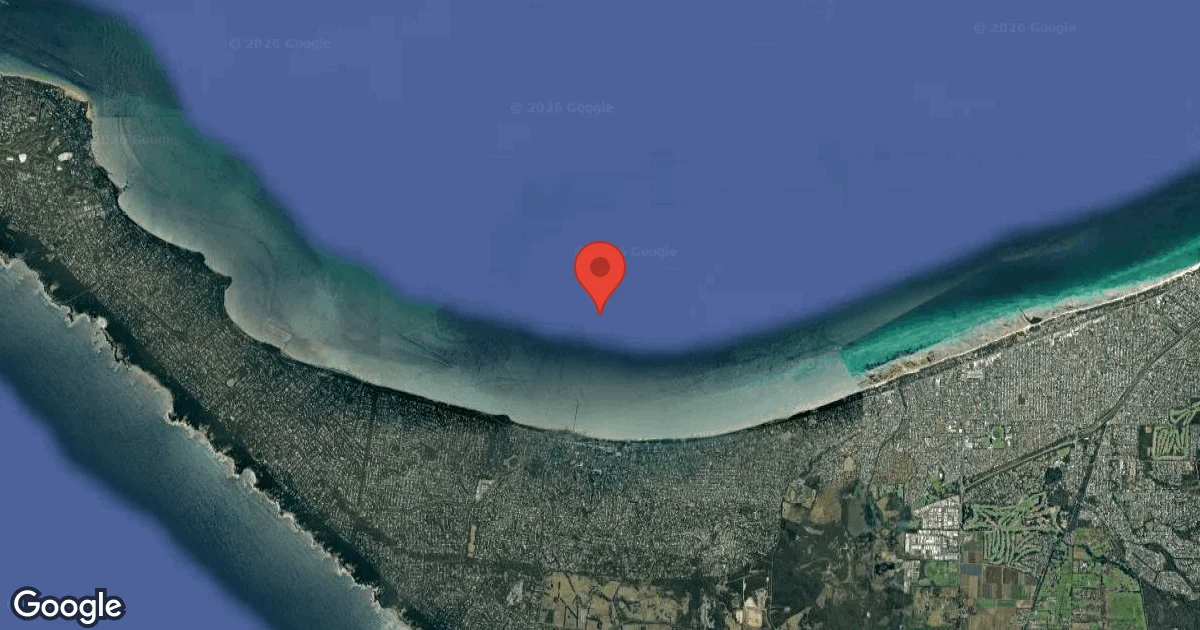
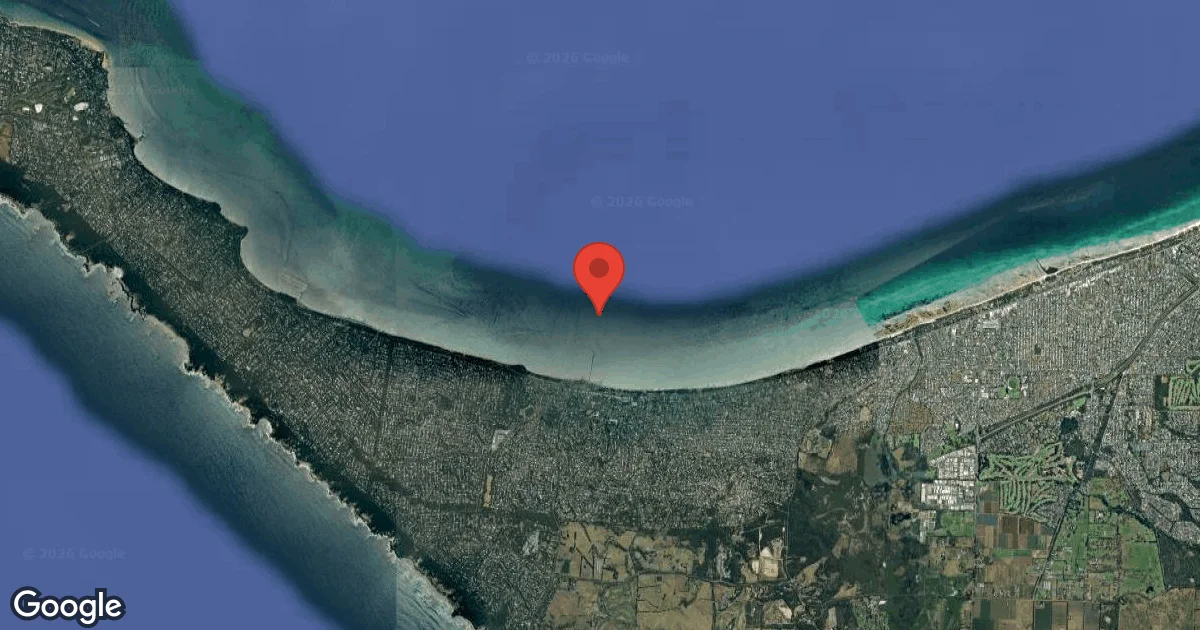
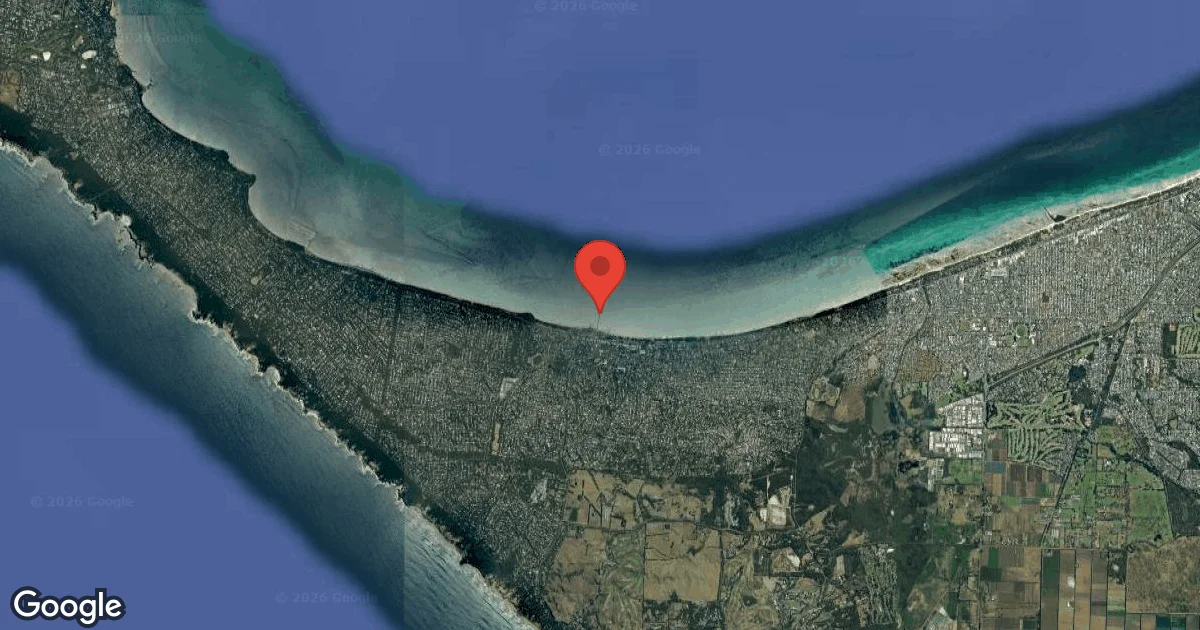
Dive Centers Near Popes Eye Marine National Park
Today: 09:00 - 15:00
Nearest Airports
Nearest airports to help plan travel to this dive area.
Search Flights
Check available flights and routes on Expedia, using the nearby airports listed in this section.
Search Flights on ExpediaFrequently Asked Questions
What is the main attraction of Popes Eye Marine National Park for divers?
The primary draw is its unique artificial, horseshoe-shaped structure that was originally a fort, now completely repurposed by nature. It forms a protected, vibrant temperate reef system filled with diverse marine life.
Is Popes Eye suitable for beginner divers?
Yes, the shallow inner portion of the horseshoe is ideal for beginners due to its sheltered conditions and manageable depths. It provides a great introduction to temperate water diving.
What are the typical depths at this dive site?
Depths range significantly; the inner section is very shallow, while the outer rim of the structure can reach approximately 10 m / 33 ft, offering varying exploration opportunities.
What types of diving experiences can I expect at Popes Eye?
Divers can experience reef and wall diving along the structure, with possibilities for gentle drift dives depending on currents. It’s primarily a boat entry site in saltwater.
What marine life is commonly seen at Popes Eye?
The site flourishes with many temperate water fish species, alongside extensive seaweed and kelp forests. Larger sightings like sharks, dolphins, and turtles are occasionally reported in the wider area.
How are the water conditions at Popes Eye?
Water temperatures are temperate, generally cooler, and visibility can vary with local conditions. Surface conditions can include average wave heights of 1.5-2.0 m / 5-6.5 ft and winds of 22-29 km/h / 14-18 mph.
Is it necessary to dive with a local guide?
While not always mandatory, consulting a dive professional familiar with the site and its current conditions is highly recommended. They can provide essential insights into local tides and safety protocols.
What is the best season to dive Popes Eye?
While dive scores are moderate year-round, late spring to early autumn (November to April) generally offers more comfortable air temperatures and less rain, making surface conditions more pleasant.
Planning to dive Popes Eye Marine National Park?
Send one inquiry and receive offers directly from the best verified local dive operators.
Conditions are Moderate
High Wind Advisory (42km/h). Unsafe surface.
Current conditions near Popes Eye Marine National Park show 12° air, 14° sea temperature, 1.5 m waves, and 42 km/h wind. Forecast data is refreshed regularly to ensure accuracy.