
Diving at Elsa's Reef (Australia)
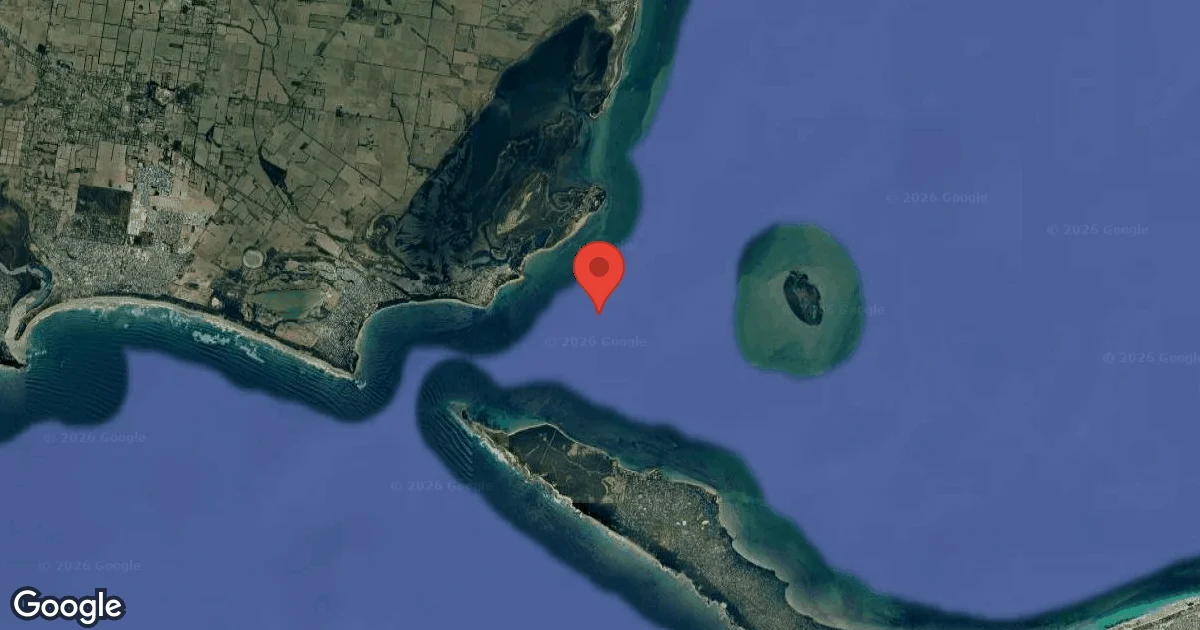
Venturing into Elsa's Reef offers an accessible shore diving experience, originating from Rye Pier in Victoria, Australia. This artificial reef, strategically built with PVC piping and other materials, serves as a designed habitat for fascinating marine life. It's a prime location for those keen on observing unique creatures within a shallow, managed environment, often making it a staple dive for visitors to Rye Pier.
Evening condition tracking at Elsa's Reef features an air temperature of 11.5°C. We have recorded wave heights measuring 2.1 m during this period. These figures outline the environmental parameters currently present.
Dive Site Location & Key Facts
Dive Site Overview
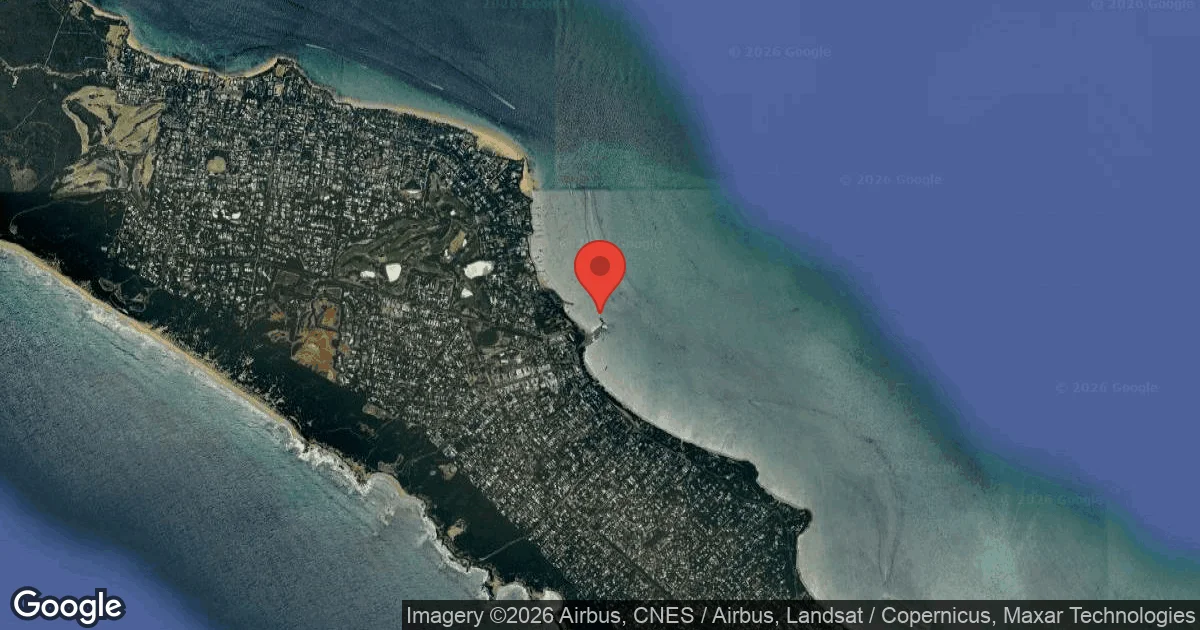
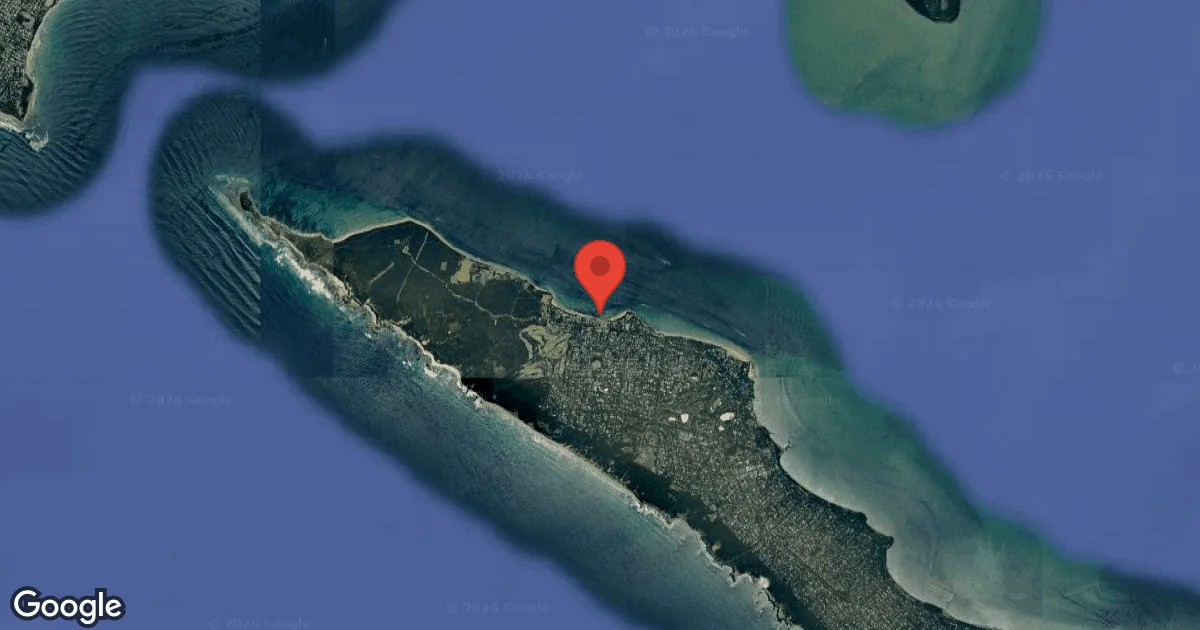
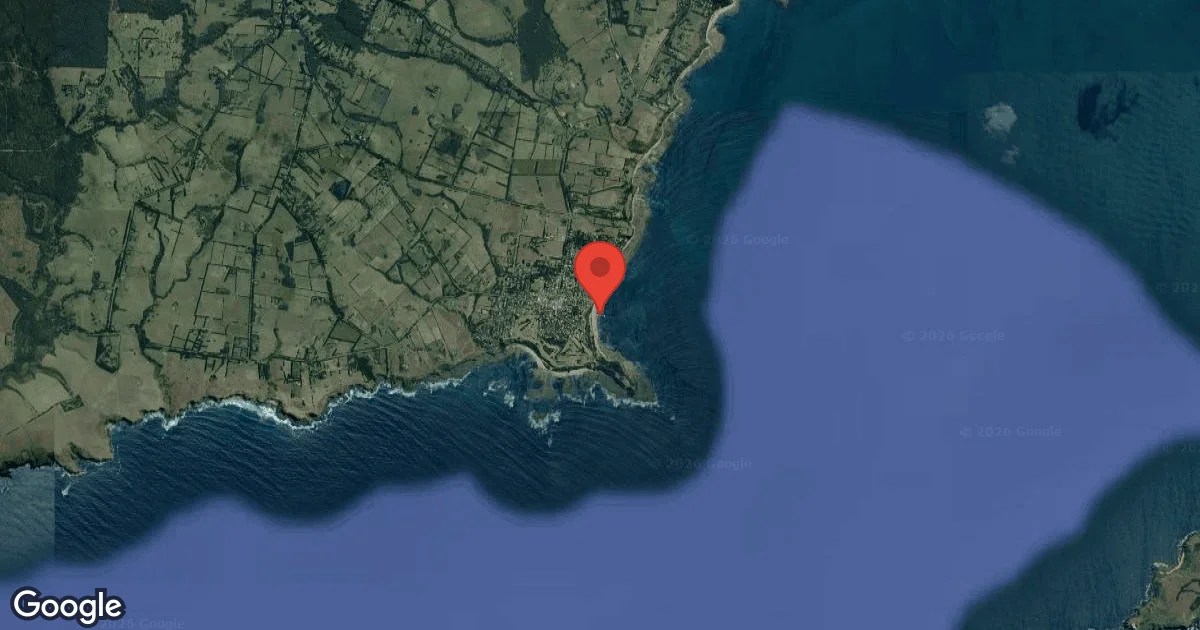
What makes Elsa's Reef truly distinctive is its origin as a human-made structure, specifically designed to foster marine ecosystems. Located just north of Rye Pier, approximately 60 meters (200 ft) from the pier's end, this site features a small artificial reef in about 6 to 7 meters (20 to 23 ft) of water.
Its continuation, Elsa's Reef 2, extends the habitat, primarily attracting various octopus species, particularly the Pale Octopus, to depths reaching 10-12 meters (32-39 ft). Divers can explore structures designed to offer shelter, often finding a large octopus hiding within purpose-placed boxes. The site has garnered attention, even featuring in documentaries, highlighting its effectiveness as a critter-rich dive.
This sandy-bottomed reef dive is generally accessed via shore, providing a straightforward entry point for divers.
Conditions are Moderate
Optimal conditions expected
Current conditions near Elsa's Reef show 12° air, 14° sea temperature, 1.9 m waves, and 35 km/h wind. Forecast data is refreshed regularly to ensure accuracy.
Best Time to Dive
Planning an enjoyable dive at Elsa's Reef means considering the temperamental waters of Victoria. Water temperatures fluctuate significantly, ranging from 21°C (70°F) in summer down to 11°C (52°F) in winter; specific monthly water temperature data is not consistently reported within climate averages. Air temperatures follow a similar pattern, typically between 19°C (66°F) in summer months (January-February) and cooling to around 11°C (52°F) in winter (July-August). Ideal conditions often involve southerly winds and high tide, as strong northerly winds can make diving less favorable. Wave heights average around 2 meters (6.5 ft) throughout the year, with wind speeds commonly between 23-30 km/h (14-19 mph). Dive scores are generally moderate (5-6) for much of the year, dipping to poor (4) in September due to higher average wave heights.
PEAK SEASON SCORE
Scores combine air & water temps, waves, wind & rainfall for overall conditions.
BEST MONTHS TO DIVE
Monthly records compiled from satellite and marine observation nodes over the last 3 years. Data provided by Open-Meteo and MET Norway.
Dive Experience & Conditions
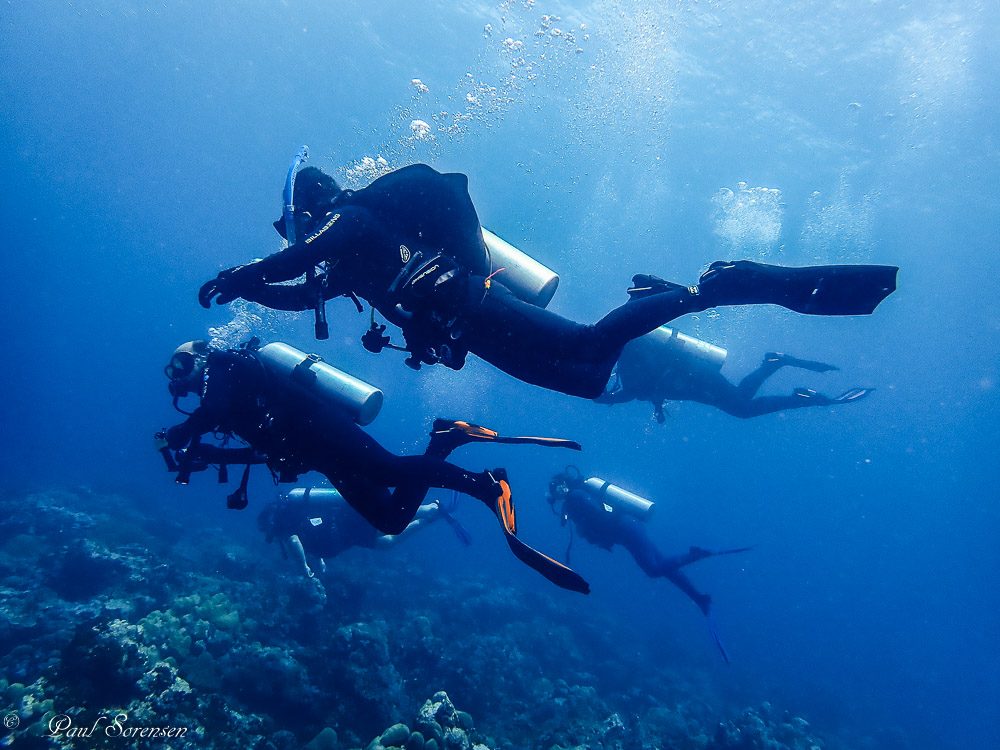
Descending into Elsa's Reef provides a close-up look at a thriving artificial environment. The site presents a maximum depth of approximately 10-12 meters (32-39 ft), making it suitable for recreational divers. Entry is typically from the shore or via boat, with underwater signs once guiding divers from the pier, though some are now missing or faded. Depending on the tide, depths along the nearby trail can vary considerably from half a meter to three meters. Visibility tends to be manageable, allowing for critter spotting, especially among the PVC piping and structures of the artificial reef. While many sites in the broader Mornington Peninsula area are unaffected by tide or swell, conditions at Rye Pier specifically suggest higher tides can be ideal, indicating some tidal influence on the immediate area.
Dive Difficulty & Safety Guidelines
For a safe dive at Elsa's Reef, divers should be aware of potential boat and jet ski traffic, particularly when venturing away from the immediate pier area. Carrying a dive flag or Surface Marker Buoy (SMB) is strongly recommended to enhance visibility to surface vessels. Divers should also be cautious of the marine life, as sightings of blue-ringed octopus are common; maintaining a respectful distance is key.
While the site is accessible for PADI Open Water certified divers, additional training like PADI Night Diver or PADI Underwater Photographer can significantly enhance the experience, allowing exploration during varied conditions and aiding in capturing marine encounters. Familiarizing oneself with the layout of the artificial reef and understanding tidal patterns can also contribute to a smoother dive.
Recommended Equipment
- Dive Computer
This gear list is based on verified equipment signals for Elsa's Reef, Australia. Always confirm final gear choices with your dive operator, guide, or liveaboard.
Recommended Dive Suit
Forecast models show minimal temperature variation in the coming days.
Thermal protection such as 7mm wetsuit or semidry is commonly used in similar temperatures. A hood or vest is suggested for sensitive divers due to surface winds. Strong cold advisory: dress warmly immediately after exiting the water.
At Elsa's Reef, the water is currently sitting around 14°C (57°F). Surface air temperatures are resting at 12°C (53°F).
Due to technical issues with our weather providers, live updates are temporarily delayed. The data above reflects the conditions at the time of the last successful fetch.
Emergency & Medical Support
Essential information to help you plan your dive trip to Elsa's Reef.

Hyperbaric chambers are a critical part of dive safety infrastructure. Availability varies significantly by region, and not all dive areas have immediate access.
Before diving, it's recommended to:
- confirm nearest medical facilities
- check emergency procedures with local dive operators
- ensure dive insurance covers evacuation if required
Divers Alert Network
Diving emergency assistance available through DAN World.
+1-919-684-9111- 24/7 emergency hotline
- Diving medical assistance
- Evacuation coordination
Emergency contacts are provided for reference. Always verify local emergency services before diving.
Marine Life at Elsa's Reef
Elsa's Reef consistently delivers engaging marine encounters, primarily centered around its artificial structures. Octopus, especially Pale Octopus, are nearly guaranteed sightings, often found camouflaged or residing within the purpose-built boxes.
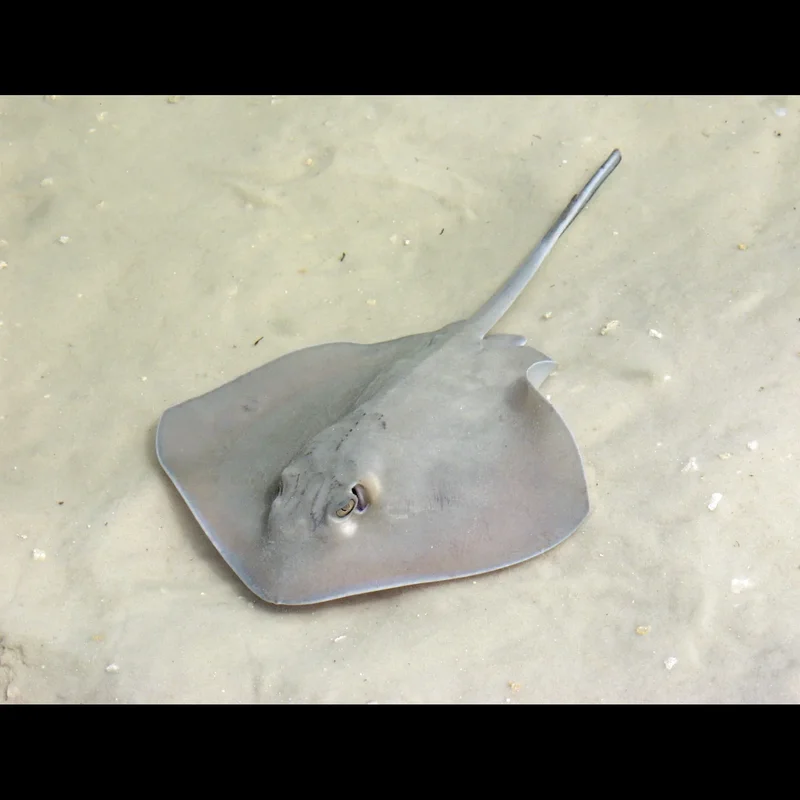
Tassled Anglerfish are another key attraction, blending into their surroundings with remarkable skill. Divers frequently observe stingrays gliding across the sandy bottom and juvenile fish congregating around the reef's shelters.
A word of caution: blue-ringed octopus are also sighted here, adding an element of rare beauty that requires respectful observation from a distance.

Dive Sites Near Elsa's Reef
View all dive sites in AustraliaDiscover more underwater gems in this area.
Dive Centers Near Elsa's Reef
Today: 09:00 - 15:00
Nearest Airports
Nearest airports to help plan travel to this dive area.
Search Flights
Check available flights and routes on Expedia, using the nearby airports listed in this section.
Search Flights on ExpediaFrequently Asked Questions
What is Elsa's Reef?
Elsa's Reef is an artificial reef system, including Elsa's Reef 2, created using PVC piping and other materials. Its purpose is to establish a habitat for various marine creatures, particularly octopus and anglerfish, near Rye Pier in Victoria, Australia.
What is the maximum depth at Elsa's Reef?
The maximum depth at Elsa's Reef and Elsa's Reef 2 ranges between 10 to 12 meters (32 to 39 ft). This makes it a suitable site for recreational diving and photography within a shallow range.
What marine life can I expect to see?
Divers often encounter a variety of marine life, with octopus (including Pale Octopus) and Tassled Anglerfish being consistent highlights. Other common sightings include stingrays, juvenile fish, and blue-ringed octopus.
Is Elsa's Reef suitable for beginner divers?
Yes, Elsa's Reef is suitable for PADI Open Water certified divers due to its shallow depths and relatively calm environment. It offers an excellent opportunity for new divers to practice skills and observe marine life.
How do divers access Elsa's Reef?
The primary access to Elsa's Reef is typically via shore from Rye Pier. Boat entry is also possible. Divers should be aware of boat traffic near the pier when entering or exiting the water.
Are there specific safety guidelines to follow?
Yes, divers should carry a dive flag or SMB for visibility to surface traffic, especially near the pier where boats and jet skis operate. Caution is also advised regarding blue-ringed octopus sightings, maintaining a safe distance.
What are the typical water temperatures?
Water temperatures in Victoria's temperate waters vary significantly, ranging from approximately 21°C (70°F) in summer to 11°C (52°F) in winter. Divers should plan their exposure protection accordingly for these cooler conditions.
Can I dive Elsa's Reef at night?
Night diving is a popular option at Elsa's Reef, offering a different perspective on the marine life. Training like the PADI Night Diver specialty is recommended, and a torch is essential for navigation and spotting nocturnal creatures.
Planning to dive Elsa's Reef?
Send one inquiry and receive offers directly from the best verified local dive operators.
Conditions are Moderate
Optimal conditions expected
Current conditions near Elsa's Reef show 12° air, 14° sea temperature, 1.9 m waves, and 35 km/h wind. Forecast data is refreshed regularly to ensure accuracy.