
Diving at Portsea Pier (Australia)
Portsea Pier remains a highly active dive destination in the Melbourne area, drawing divers for its accessibility and consistent marine encounters. It's a key spot for training new divers, particularly busy during summer, yet offers rewarding experiences for all skill levels. Convenient shore access and nearby amenities often make it a choice for multiple dives.
Evening condition tracking at Portsea Pier features an air temperature of 18.5°C. We have recorded wave heights measuring 1.5 m during this period. These figures outline the environmental parameters currently present.
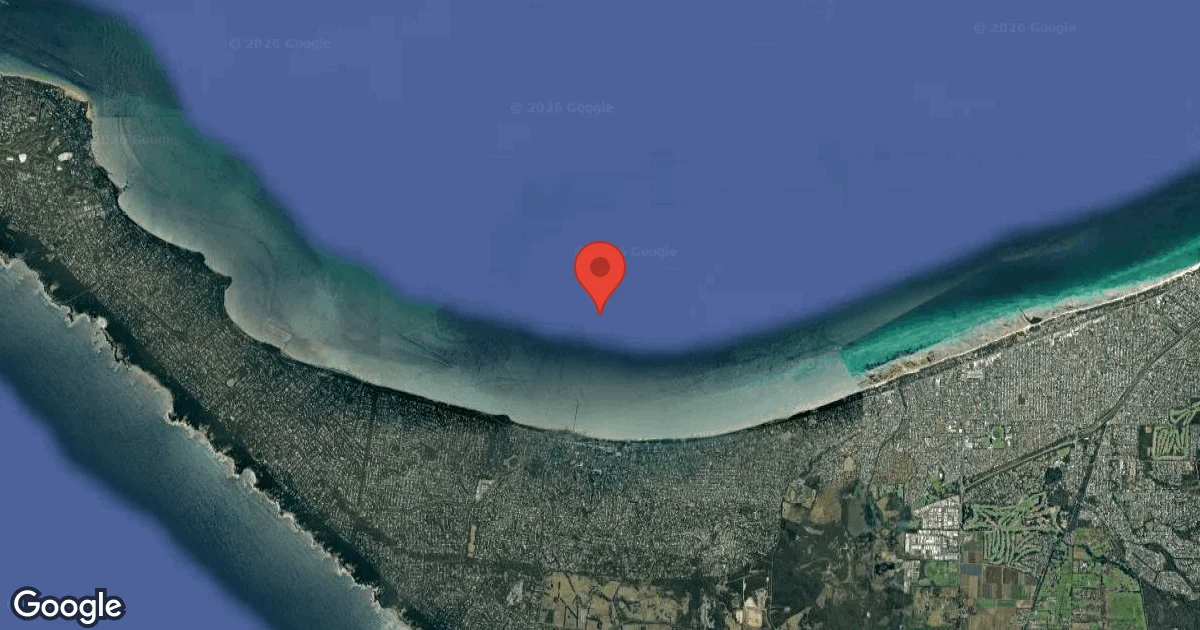
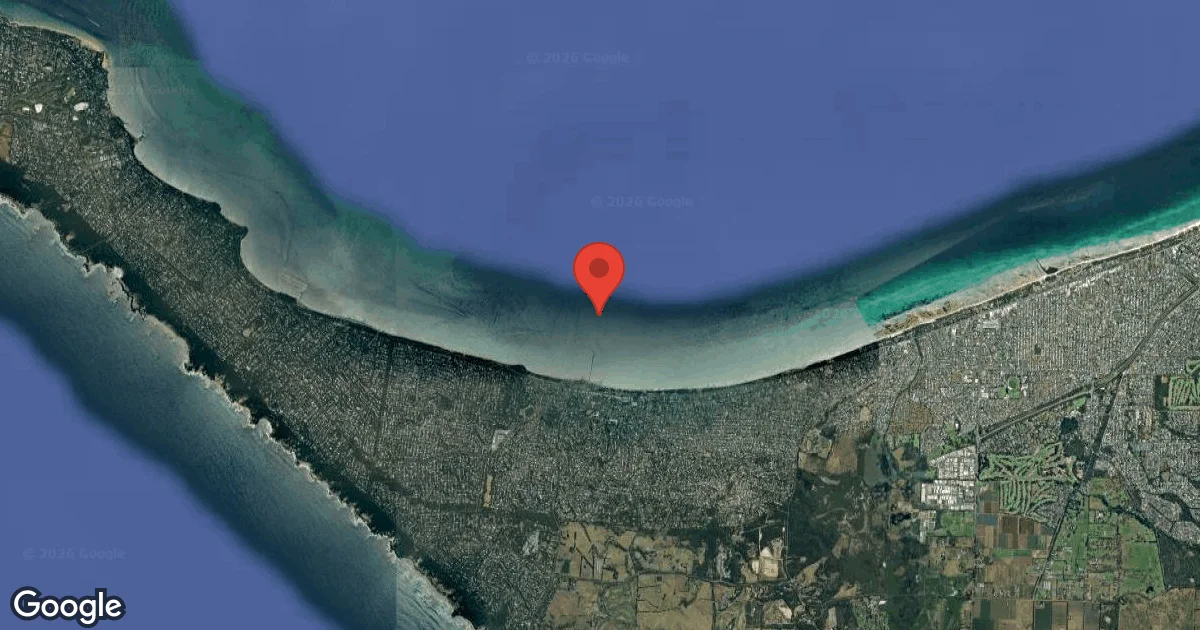
Dive Site Location & Key Facts
Dive Site Overview
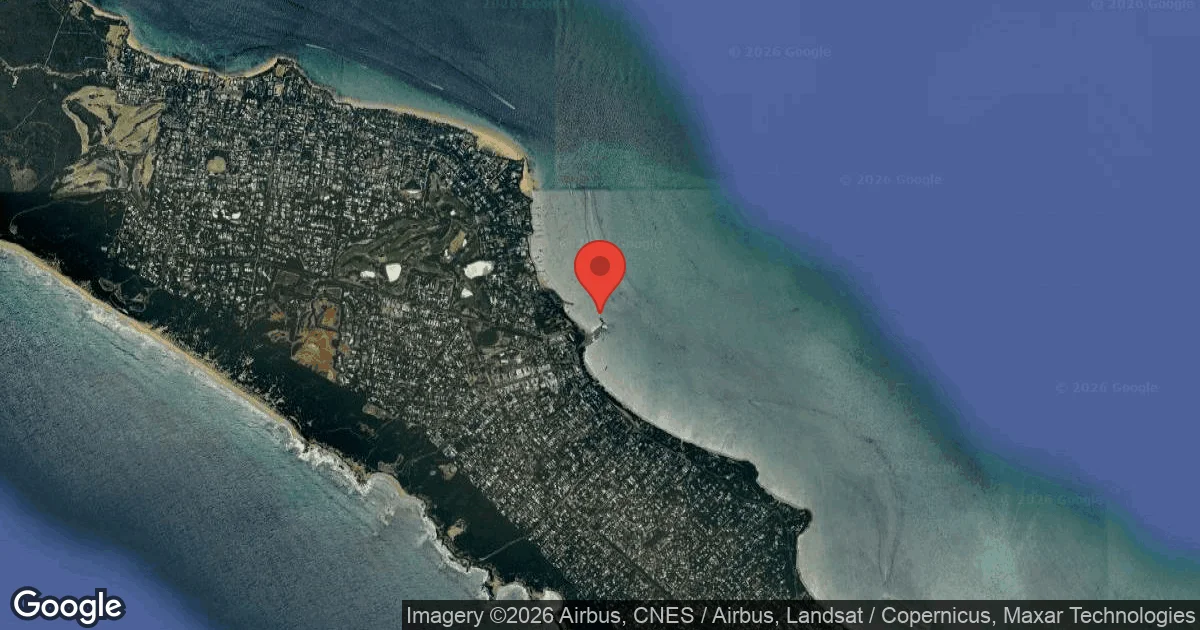
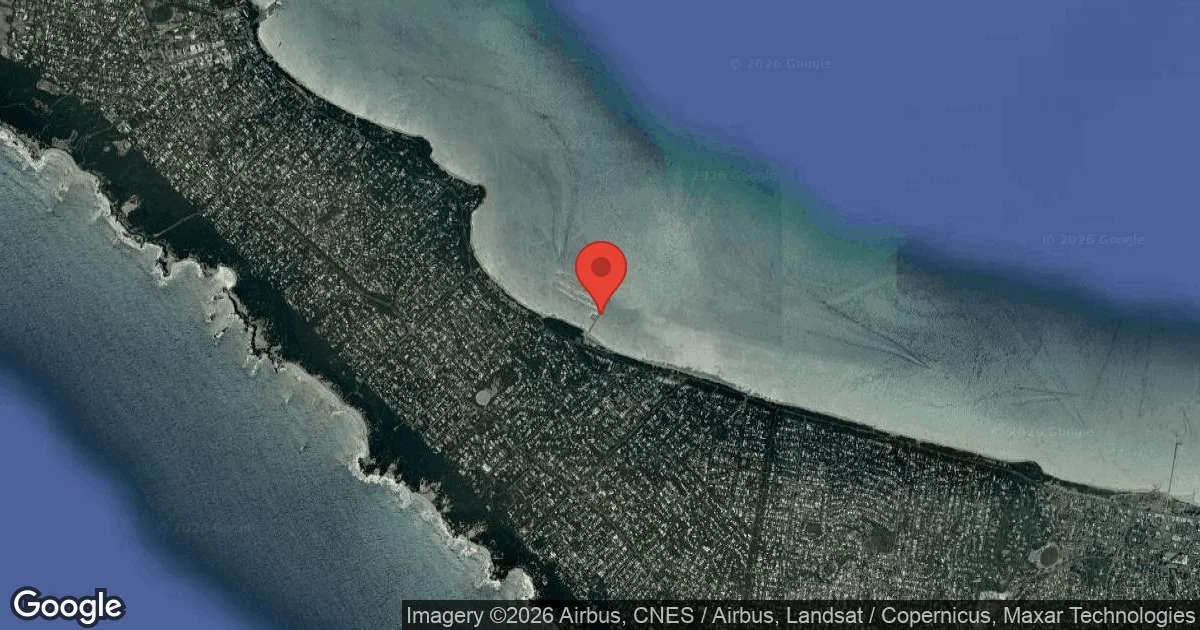
An L-shaped structure extending approximately 300 meters / 985 feet into the bay defines Portsea Pier's underwater exploration. Depths here generally remain shallow, typically ranging from about 1 meter to a maximum of 7 meters, with the pier's furthest point reaching around 3 meters.
Beneath the pier, a predominantly sandy seabed is punctuated by vital patches of kelp and seagrass, expanding towards its terminus. A modest width, around 4 meters, allows ample ambient light to filter through, illuminating the under-pier environment.
Following the 2009 Port Phillip channel deepening program, divers now frequently encounter more pronounced and regular swells. This environmental alteration also contributed to the disappearance of the once sandy Portsea Beach, impacting the overall coastal dynamic.
Despite these historical changes, the pier's pylons serve as intuitive navigational markers, guiding divers through a relatively unadorned but biodiverse habitat. Extensive marine growth on the pylons themselves is not a primary feature, which allows clear views of creatures clinging to the structure and inhabiting the surrounding sandy and seagrass areas.
Conditions are Moderate
High Wind Advisory (42km/h). Unsafe surface.
Current conditions near Portsea Pier show 19° air, 14° sea temperature, 1.7 m waves, and 42 km/h wind. Forecast data is refreshed regularly to ensure accuracy.
Best Time to Dive
Optimal diving at Portsea Pier often aligns with warmer, drier months, typically from December through March, when air temperatures are more comfortable. During this period, average air temperatures range from 18.5-19.5°C / 65-67°F, paired with relatively low rainfall, averaging 1-1.4mm / 0.04-0.06 inches. Dive conditions generally remain 'Moderate' across many months, though September tends to be rated 'Poor' due to increased wave heights, averaging over 2 meters / 6.5 feet. While summer is popular, often leading to a busy pier environment, conditions might feature more frequent swells due to past dredging activities. Divers prioritizing calmer water should check local forecasts to align with periods of minimal wave action. Even outside peak summer, moderate conditions can provide excellent opportunities, especially from April to August, despite cooler average air temperatures of 11-16°C / 52-61°F.
PEAK SEASON SCORE
Scores combine air & water temps, waves, wind & rainfall for overall conditions.
BEST MONTHS TO DIVE
Monthly records compiled from satellite and marine observation nodes over the last 3 years. Data provided by Open-Meteo and MET Norway.
Dive Experience & Conditions
Descending beneath Portsea Pier provides a unique perspective, as ample natural light penetrates the relatively narrow structure. A sandy bottom, punctuated by kelp and seagrass beds particularly at the far end, creates a varied habitat for observation. Visibility varies depending on recent weather and boat traffic, though it often allows for comfortable navigation along the pylons. While strong currents aren't consistently reported, the site can experience more frequent and intense swells since the 2009 dredging project, requiring divers to be mindful of water movement. Depths here remain shallow, typically ranging from 1 to 7 meters (around 3 to 23 feet), making the site suitable for longer, leisurely explorations. Dives are often unhurried, allowing an hour or more to meticulously examine the environment and its inhabitants.
Dive Difficulty & Safety Guidelines
Diving at Portsea Pier requires acute awareness of surface activities, particularly due to heavy boat traffic. A public pier where the Portsea Ferry operates regularly, it's crucial to avoid swimming in the inner pier area and to always deploy a dive float with a dive flag for visibility. Fishermen frequently use the pier; stay clear of their lines, especially during night dives, and be prepared for potential entanglements by carrying a suitable dive knife or line cutter.
Discarded fishing gear, including sinkers and jigs, often litters the seabed. While accessible to divers of all levels, from novice to experienced, always dive with a buddy and exercise extreme caution.
Parking can be challenging, particularly during the day and in summer, with restrictions often in place.
Recommended Equipment
- Dive Computer
- Hard-soled Dive Boots
This gear list is based on verified equipment signals for Portsea Pier, Australia. Always confirm final gear choices with your dive operator, guide, or liveaboard.
Recommended Dive Suit
Recent conditions suggest the water at Portsea Pier remains near 14°C (57°F), offering typical conditions for the area. Surface air temperatures are resting at 19°C (65°F).
Weather models indicate a small drop in surface temperatures later this week. Cooler days are ahead; you might want a warmer option for later in the week. A neoprene vest or hood can add flexibility if temperatures feel cooler underwater.
In water temperatures like these, 7mm wetsuit or semidry typically offers sufficient warmth for most recreational dives. A hood or vest is suggested for sensitive divers due to surface winds. Surface intervals may feel cooler. Some divers naturally tolerate cooler water better than others. Divers planning trips later in the week may want to consider bringing a slightly warmer suit.
Emergency & Medical Support
Essential information to help you plan your dive trip to Portsea Pier.

Hyperbaric chambers are a critical part of dive safety infrastructure. Availability varies significantly by region, and not all dive areas have immediate access.
Before diving, it's recommended to:
- confirm nearest medical facilities
- check emergency procedures with local dive operators
- ensure dive insurance covers evacuation if required
Divers Alert Network
Diving emergency assistance available through DAN World.
+1-919-684-9111- 24/7 emergency hotline
- Diving medical assistance
- Evacuation coordination
Emergency contacts are provided for reference. Always verify local emergency services before diving.
Marine Life at Portsea Pier
Portsea Pier's underwater environment, characterized by its sandy and seagrass-rich bottom, is especially known for Weedy Seadragons. Beyond these iconic creatures, divers can discover a diverse array of life.
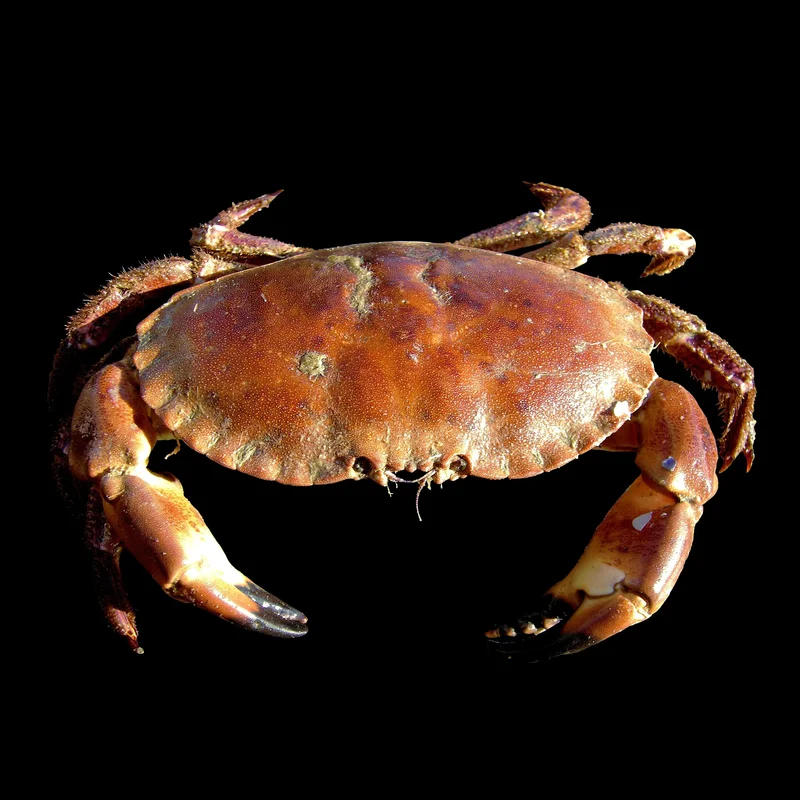
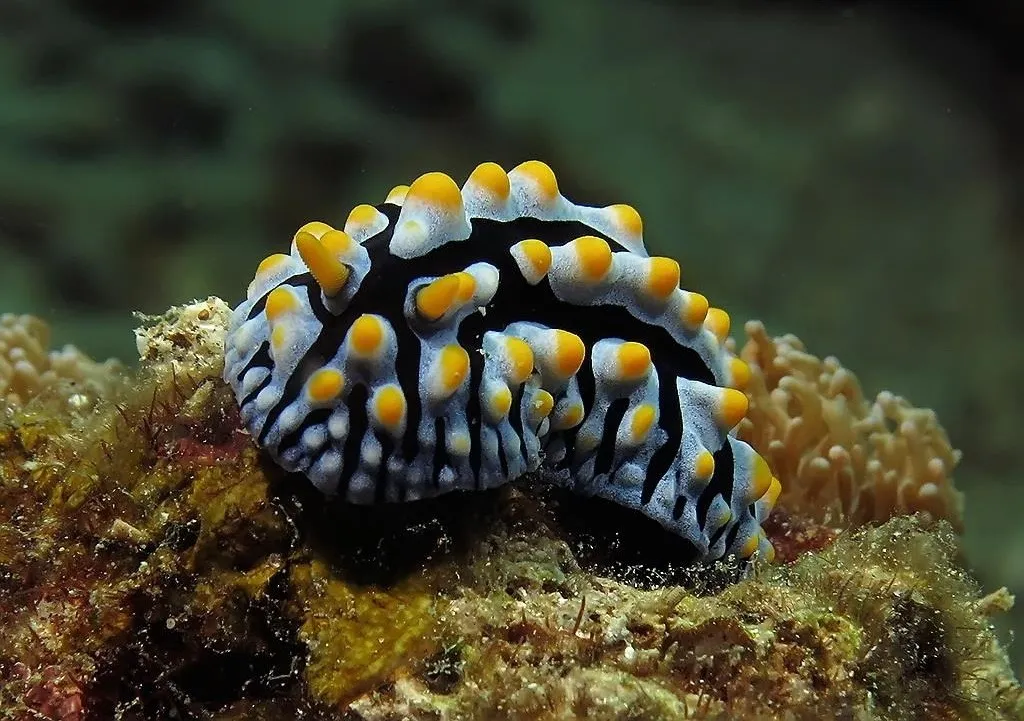
Look for small crabs, biscuit sea stars, shrimp, guppies, and blennies populating the pylons. On the pier's bend, schools of Bluespotted Goatfish are often observed alongside sea hares and nudibranchs.
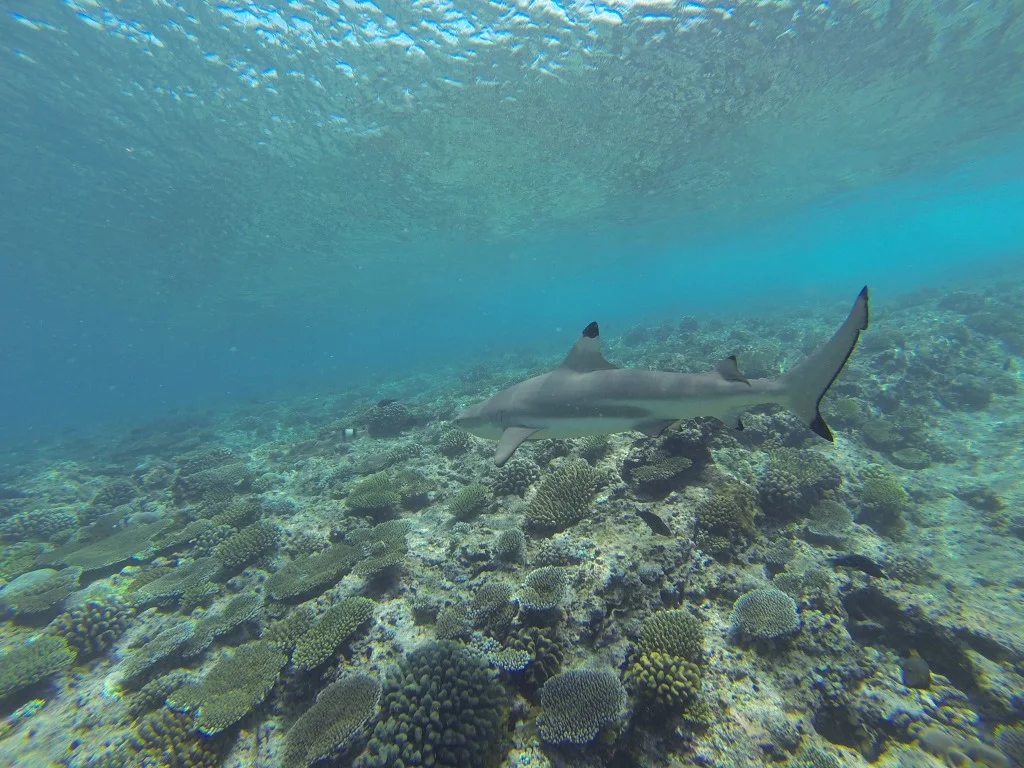
Southern Fiddler Rays, also known as Banjo Sharks, are frequently sighted, and the occasional Southern Blue-ringed Octopus may be present. Even discarded items like old tyres and bottles have become micro-habitats for various creatures.

Dive Sites Near Portsea Pier
View all dive sites in AustraliaDiscover more underwater gems in this area.
Dive Centers Near Portsea Pier
Today: 09:00 - 15:00
Nearest Airports
Nearest airports to help plan travel to this dive area.
Search Flights
Check available flights and routes on Expedia, using the nearby airports listed in this section.
Search Flights on ExpediaFrequently Asked Questions
What is the typical depth at Portsea Pier?
Depths at the pier generally remain shallow, ranging from 1 meter / 3 feet to a maximum of 7 meters / 23 feet. The head of the pier itself is typically around 3 meters deep.
Are Weedy Seadragons commonly seen at Portsea Pier?
Yes, Portsea Pier is very popular for spotting Weedy Seadragons, especially in the larger areas of seagrass and kelp found towards the end of the pier. Many divers visit specifically to observe them.
What are the main safety considerations for diving here?
Key safety points include watching for boat traffic and the Portsea Ferry, using a dive float and flag, and being aware of fishing lines from pier users. Carrying a dive knife or line cutter is highly recommended for potential entanglements.
Is Portsea Pier suitable for night dives?
Portsea Pier is great for night dives, but divers must be especially careful of squid jig fishermen. Staying directly under the pier structure helps to avoid their lines.
What kind of bottom structure can divers expect?
Bottom is predominantly sand with significant patches of kelp and seagrass, particularly at the far end of the pier. Pylons themselves have limited marine growth but host smaller creatures.
Are there facilities available near the pier?
Yes, divers can find toilets, BBQs, and cafes in the park adjacent to the pier. A dive shop sits within a few minutes' walk, making it convenient for repeat dives.
How has the Port Phillip channel dredging impacted the dive site?
Since the 2009 dredging program, divers report more frequent and intense swells at Portsea Pier. The once sandy Portsea Beach also disappeared in the year following the dredging.
Planning to dive Portsea Pier?
Send one inquiry and receive offers directly from the best verified local dive operators.
Conditions are Moderate
High Wind Advisory (42km/h). Unsafe surface.
Current conditions near Portsea Pier show 19° air, 14° sea temperature, 1.7 m waves, and 42 km/h wind. Forecast data is refreshed regularly to ensure accuracy.