
Diving at Elsa's Reef 2 (Australia)
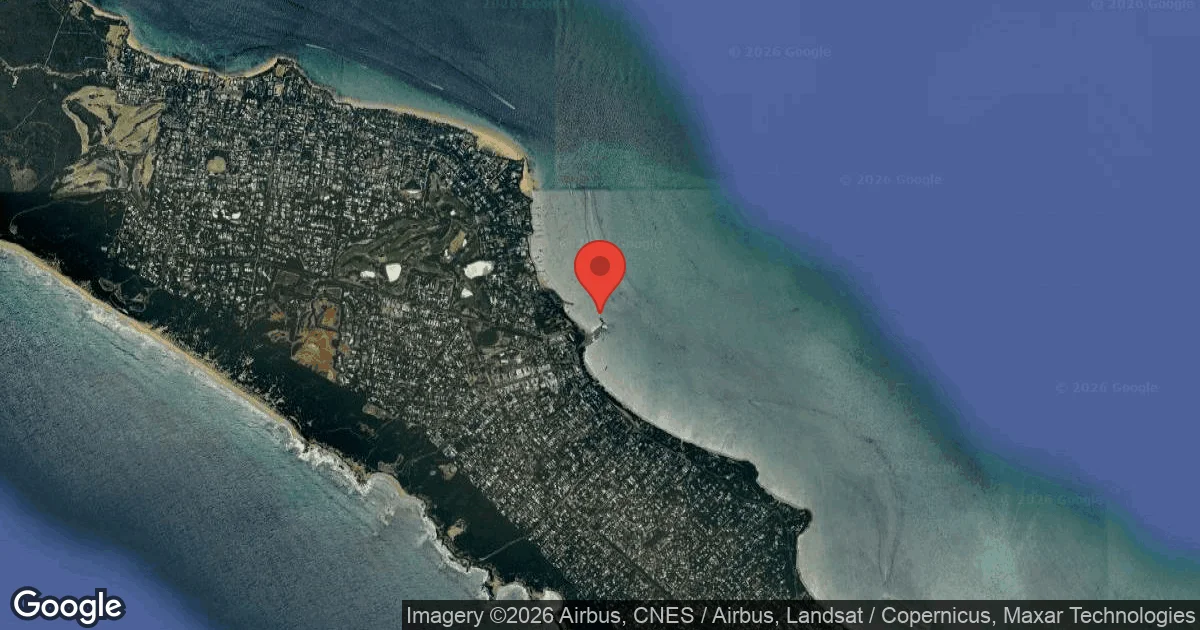
North of Rye Pier, Elsa's Reef 2 functions as a purpose-built artificial reef, specifically designed to foster marine life. Divers entering its cool, salt waters discover an intriguing network of PVC piping and diverse materials. The initial descent transitions from a sandy bottom, guiding them toward established reef structures. These formations are found at a maximum depth of 12 m / 39 ft. This unique site emphasizes habitat creation, consistently providing immediate encounters with its resident population.
Evening condition tracking at Elsa's Reef 2 features an air temperature of 18°C. We have recorded wave heights measuring 2 m during this period. These figures outline the environmental parameters currently present.
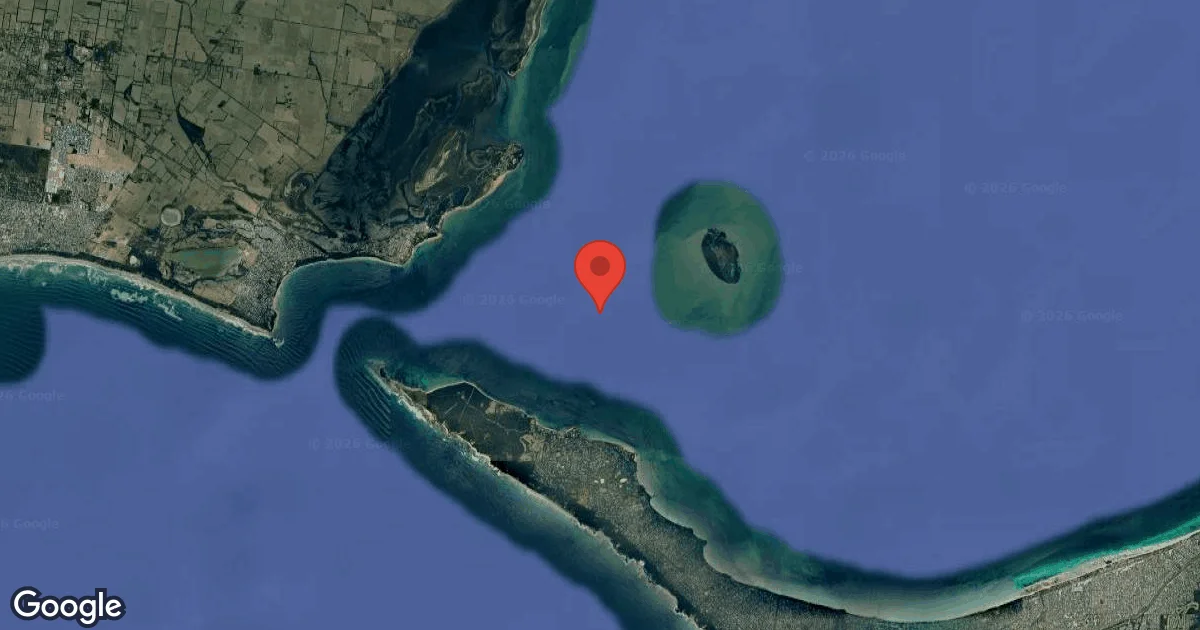
Dive Site Location & Key Facts
Dive Site Overview
Exploring Elsa's Reef 2 offers a compelling artificial reef experience, meticulously crafted from PVC piping and various salvaged materials. This deliberately constructed environment functions as a critical habitat, particularly noted for attracting a thriving population of cephalopods.
The site extends to a maximum depth of 12 m / 39 ft, where its formations rest upon a predominantly sandy ocean floor. Divers typically encounter a gradual transition from this sandy bed, providing an open approach before reaching the intricate reef structures that define the site. These formations create numerous crevices and shelters, encouraging close observation of marine life.
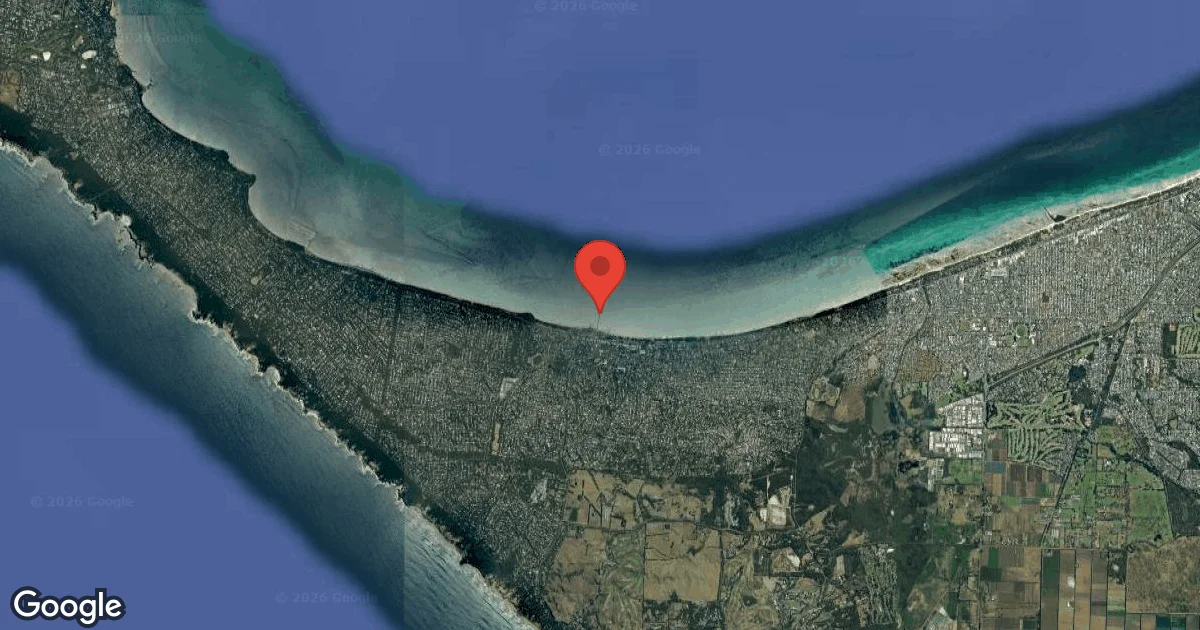
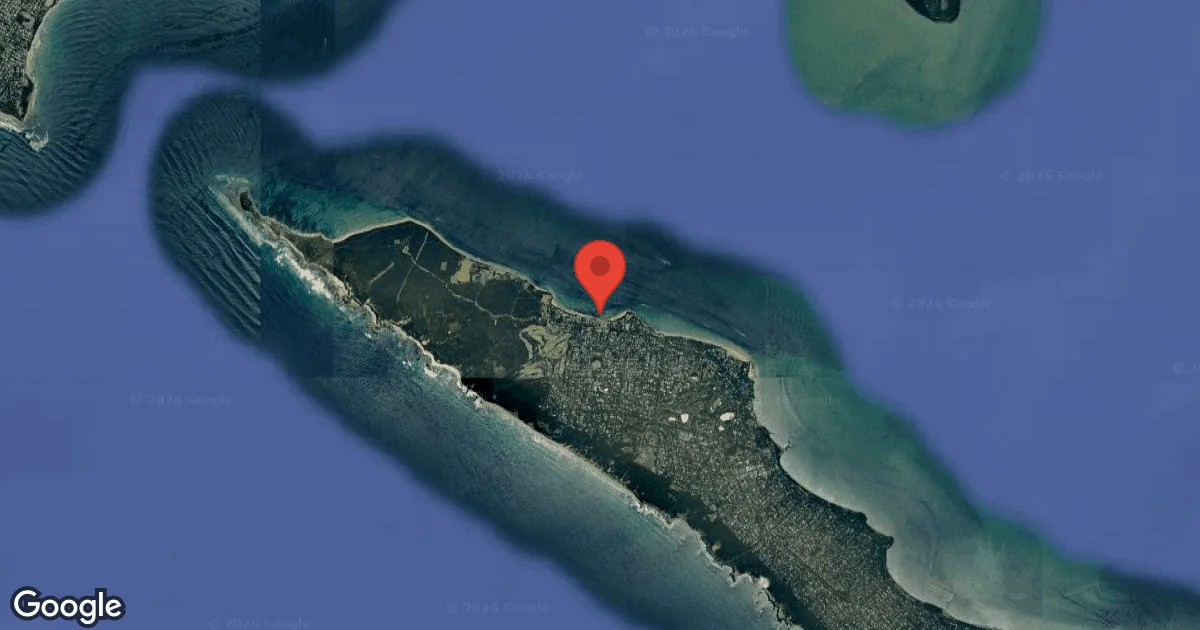
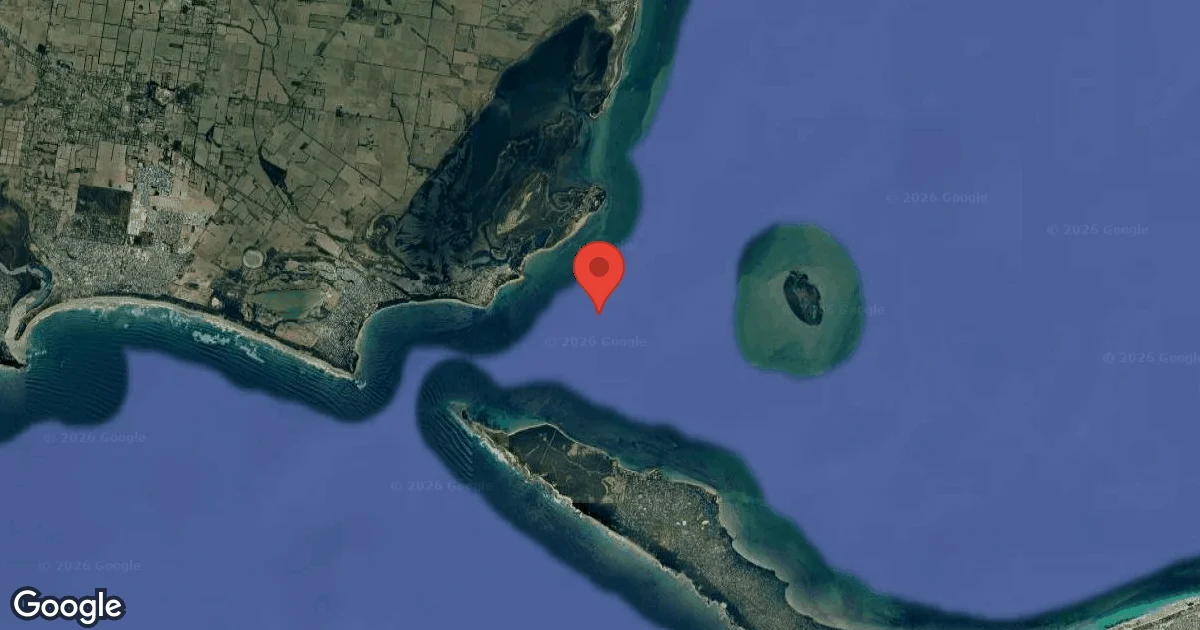
Found north of Rye Pier, the reef integrates seamlessly into a broader network of accessible dive sites within the region, contributing to the diversity of local diving opportunities. Dive types available here include classic reef exploration, sandy bottom excursions, and aspects of open ocean diving, reflecting its distinct design and purpose.
Visibility at the site generally averages 5 to 10 meters, often varying between 16 and 33 feet, influenced by local currents and weather. Water temperatures typically range from 14-20°C / 57-68°F, warranting appropriate thermal protection.
This site is particularly well-suited for divers holding an Open Water certification or higher, offering an engaging yet manageable underwater landscape.
Conditions are Moderate
High Swell Advisory. Not recommended.
Current conditions near Elsa's Reef 2 show 18° air, 14° sea temperature, 2.1 m waves, and 43 km/h wind. Forecast data is refreshed regularly to ensure accuracy.
Best Time to Dive
Planning your visit to Elsa's Reef 2 for optimal conditions usually means targeting periods with calm southerly winds and favorable tidal flows, which generally avoid the stronger northerly weather patterns. Dive scores across the year are frequently reported as 'Moderate.' However, September can see a dip to 'Poor' conditions, primarily due to increased average wave heights reaching 2.5 meters and winds often at 30 km/h. While monthly rainfall averages remain low, typically between 0.9 to 2.9 mm, it is predominantly strong winds and waves that impact underwater clarity at the site. Air temperatures, ranging from 11°C to 19°C, indicate cooler water conditions throughout the year, suggesting that a 7mm wetsuit or a drysuit is a common and practical choice for most divers seeking comfort. Surface conditions are generally more settled during warmer months, which can extend bottom time enjoyment. Monitoring local forecasts for wind direction and strength is crucial for maximizing the diving experience.
PEAK SEASON SCORE
Scores combine air & water temps, waves, wind & rainfall for overall conditions.
BEST MONTHS TO DIVE
Monthly records compiled from satellite and marine observation nodes over the last 3 years. Data provided by Open-Meteo and MET Norway.
Dive Experience & Conditions
Current dynamics at Elsa's Reef 2 vary, influenced by its proximity to the open Port Phillip Bay and local tidal flows. Divers can access the site via boat or shore, requiring an understanding of prevailing conditions, especially when planning a shore entry that might involve considerations near Rye Pier. Water movement can range from mild to moderate, particularly with higher wave heights, averaging 1.9 to 2.5 meters, which are not uncommon. Despite these factors, the salt water conditions generally facilitate exploration of the artificial reef's intricacies. The experience suits divers with Open Water Diver certification, with Night Diver and Underwater Photographer training also beneficial for appreciating its full scope.
Dive Difficulty & Safety Guidelines
Navigating Elsa's Reef 2 requires awareness of potential hazards. While generally a safe site, divers must exercise caution regarding boat and jet ski traffic, particularly if venturing away from main entry points; deploying a dive flag or SMB is imperative. The presence of blue-ringed octopus also necessitates a hands-off approach to all marine life, observing from a respectful distance.
Given the variable wave heights and wind speeds, ranging 23-30 km/h, divers should assess surface conditions before entry, opting for calmer periods to enhance safety and comfort. Always dive within your certification limits and consider the site's entry and exit logistics.
Recommended Equipment
- Dive Computer
This gear list is based on verified equipment signals for Elsa's Reef 2, Australia. Always confirm final gear choices with your dive operator, guide, or liveaboard.
Recommended Dive Suit
Individual comfort in the water can vary significantly from diver to diver, even under the same conditions.
For most recreational dives, 7mm wetsuit or semidry should provide comfortable protection. Consider warmer surface protection (like a boat coat) due to brisk winds. Surface intervals may feel cooler. Forecasts suggest a slight cooling pattern in the days ahead. Cooler days are ahead; you might want a warmer option for later in the week. Carrying a secondary suit is common practice among experienced divers.
Water temperatures across the dive area at Elsa's Reef 2 are presently estimated to be around 14°C (57°F). Surface air temperatures are resting at 18°C (64°F).
Emergency & Medical Support
Essential information to help you plan your dive trip to Elsa's Reef 2.

Hyperbaric chambers are a critical part of dive safety infrastructure. Availability varies significantly by region, and not all dive areas have immediate access.
Before diving, it's recommended to:
- confirm nearest medical facilities
- check emergency procedures with local dive operators
- ensure dive insurance covers evacuation if required
Divers Alert Network
Diving emergency assistance available through DAN World.
+1-919-684-9111- 24/7 emergency hotline
- Diving medical assistance
- Evacuation coordination
Emergency contacts are provided for reference. Always verify local emergency services before diving.
Marine Life at Elsa's Reef 2
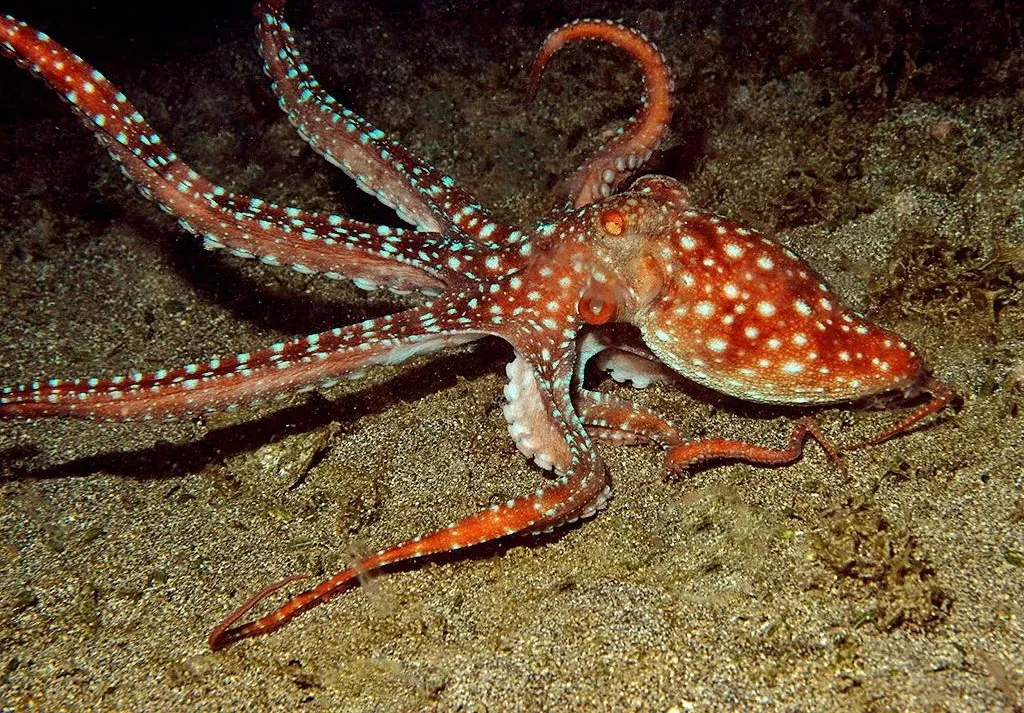
Focusing on marine life, Elsa's Reef 2 stands out for its reliably diverse cephalopod population. Divers are almost guaranteed to encounter Octopus, particularly the Pale Octopus, which use the PVC structures as ideal hiding and hunting grounds.
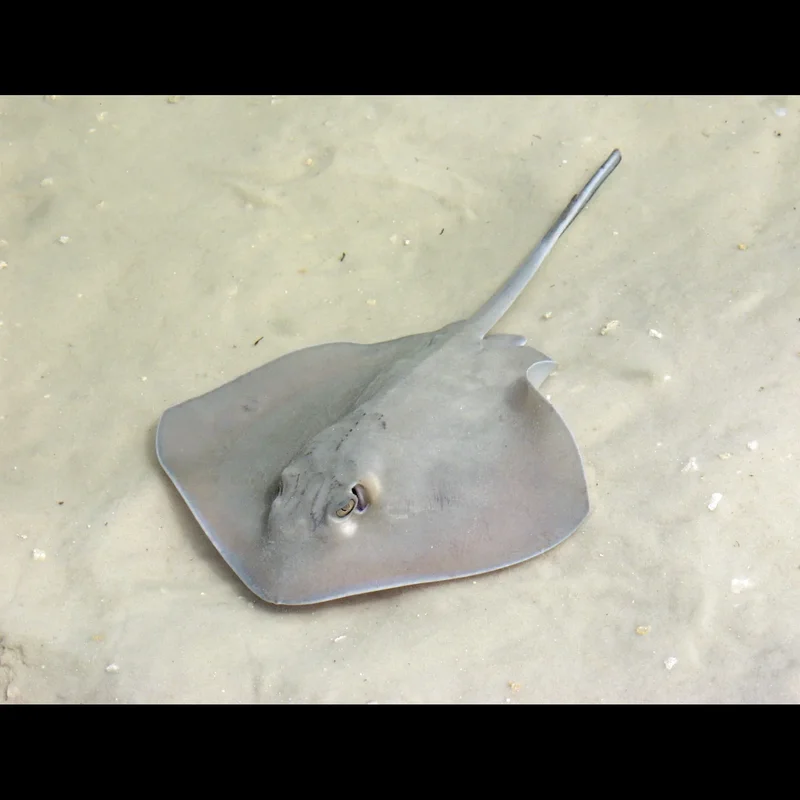
Beyond octopuses, the artificial reef attracts a variety of other creatures, including stingrays gliding across the sandy bottom. Though less common, vigilance might also reveal the camouflaged blue-ringed octopus, adding an element of rare discovery to the dive. Juvenile fish often gather around the reef, enhancing the bustling ecosystem.

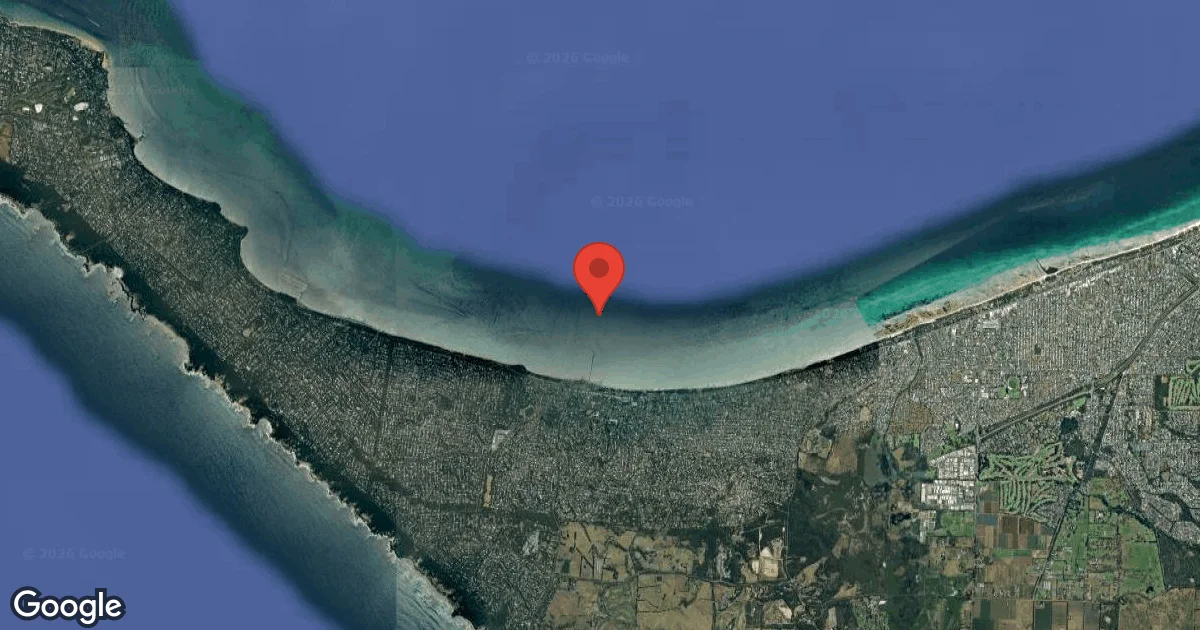
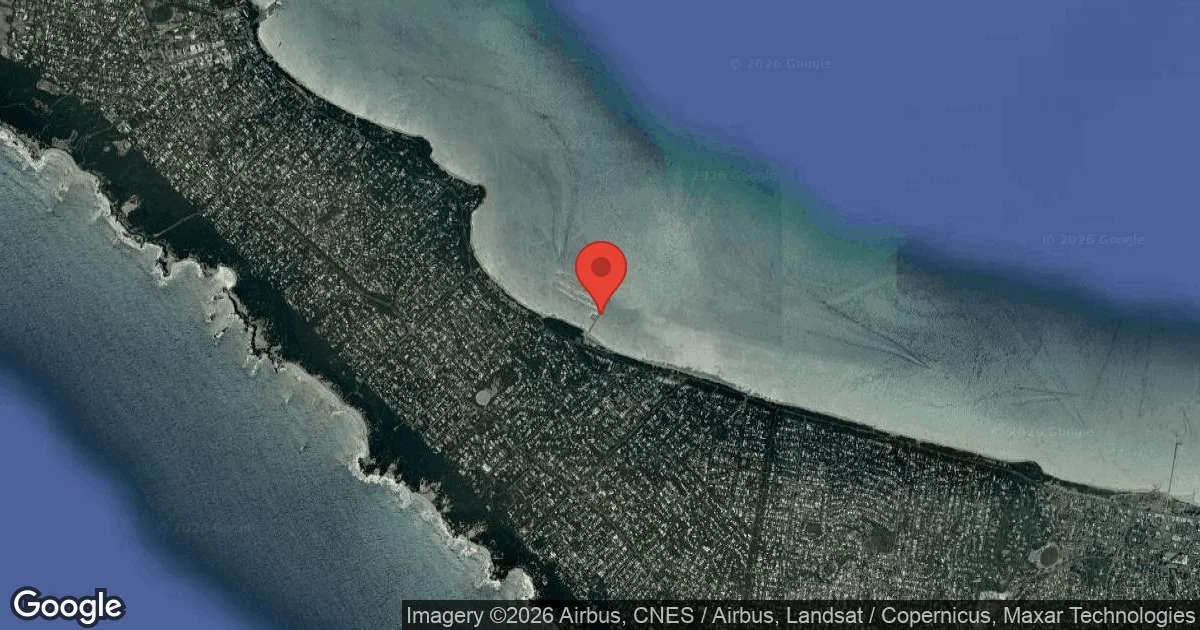
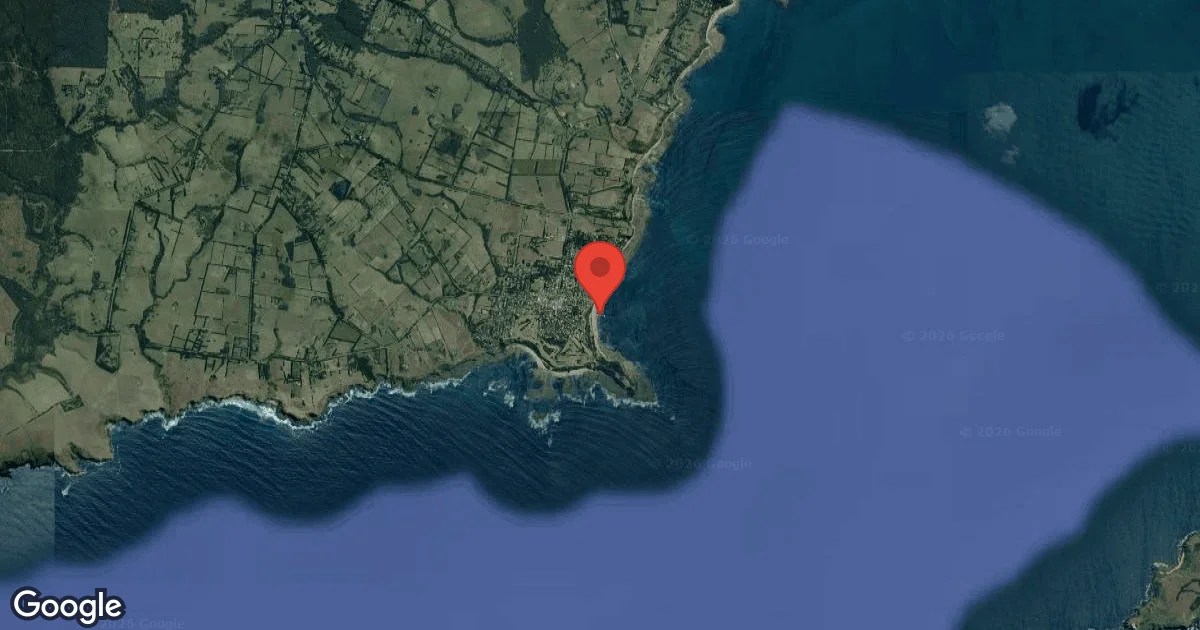
Dive Sites Near Elsa's Reef 2
View all dive sites in AustraliaDiscover more underwater gems in this area.
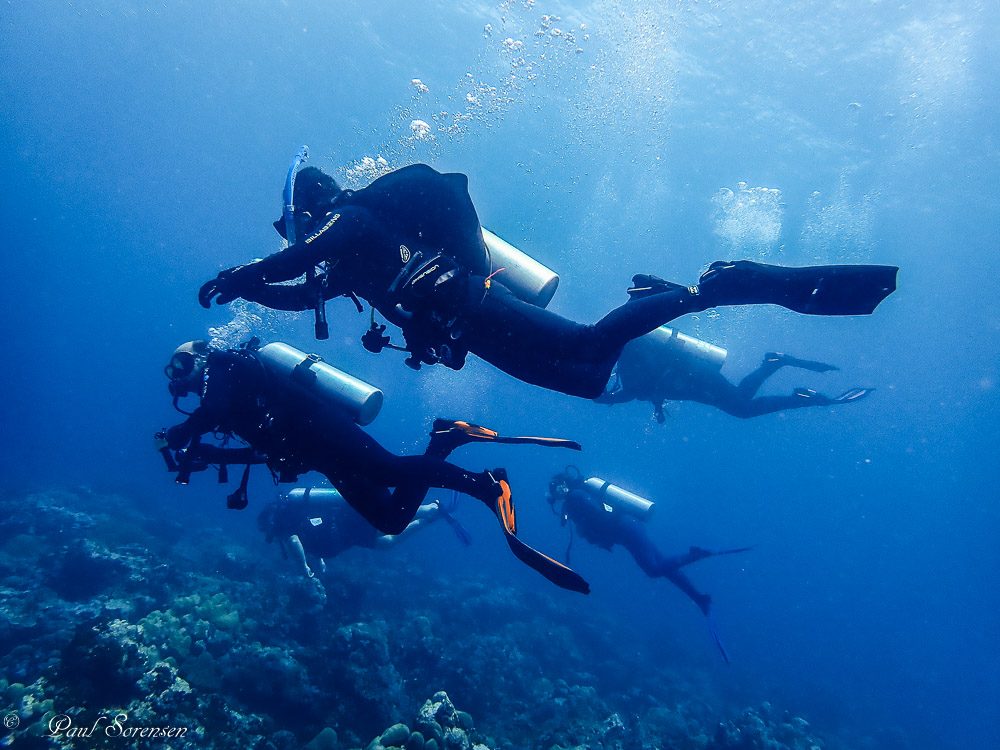
Dive Centers Near Elsa's Reef 2
Today: 09:00 - 15:00
Nearest Airports
Nearest airports to help plan travel to this dive area.
Search Flights
Check available flights and routes on Expedia, using the nearby airports listed in this section.
Search Flights on ExpediaFrequently Asked Questions
What makes Elsa's Reef 2 unique?
It's an artificial reef constructed with PVC piping and other materials to create specific habitats. The site is particularly noted for its almost guaranteed sightings of Pale Octopus, making it a highly reliable spot for cephalopod encounters.
What is the typical depth at Elsa's Reef 2?
The reef structures at Elsa's Reef 2 descend to a maximum depth of 12 meters (around 39 feet). This accessible depth range suits open water certified divers, providing ample opportunity for exploration.
What kind of marine life can be observed here?
The reef is a haven for various species, most notably Pale Octopus, which are consistently present. Stingrays are also commonly seen, and blue-ringed octopus are occasionally spotted, adding to the site's biodiversity.
Is Elsa's Reef 2 suitable for new divers?
Yes, it's suitable for PADI Open Water Diver certified individuals. Its manageable maximum depth and interesting artificial structures provide an engaging yet approachable environment for those with basic certification.
How do divers usually access Elsa's Reef 2?
The site can be accessed both by boat and by shore. Shore entry typically involves navigating from the vicinity of Rye Pier, which may require awareness of local access conditions and pier activities.
What are the recommended conditions for diving this site?
Ideal conditions include calm southerly winds and high tide, as strong northerly winds can make the site challenging. While dive scores are generally moderate, visibility is best when surface conditions are settled and waves are minimal.
What safety precautions should I take?
Always carry a dive flag or SMB to alert surface traffic, especially if diving from shore or away from the main pier area. Observe marine life, particularly the blue-ringed octopus, from a safe distance without physical interaction.
Planning to dive Elsa's Reef 2?
Send one inquiry and receive offers directly from the best verified local dive operators.
Conditions are Moderate
High Swell Advisory. Not recommended.
Current conditions near Elsa's Reef 2 show 18° air, 14° sea temperature, 2.1 m waves, and 43 km/h wind. Forecast data is refreshed regularly to ensure accuracy.