
Diving at Rye Pier (Australia)
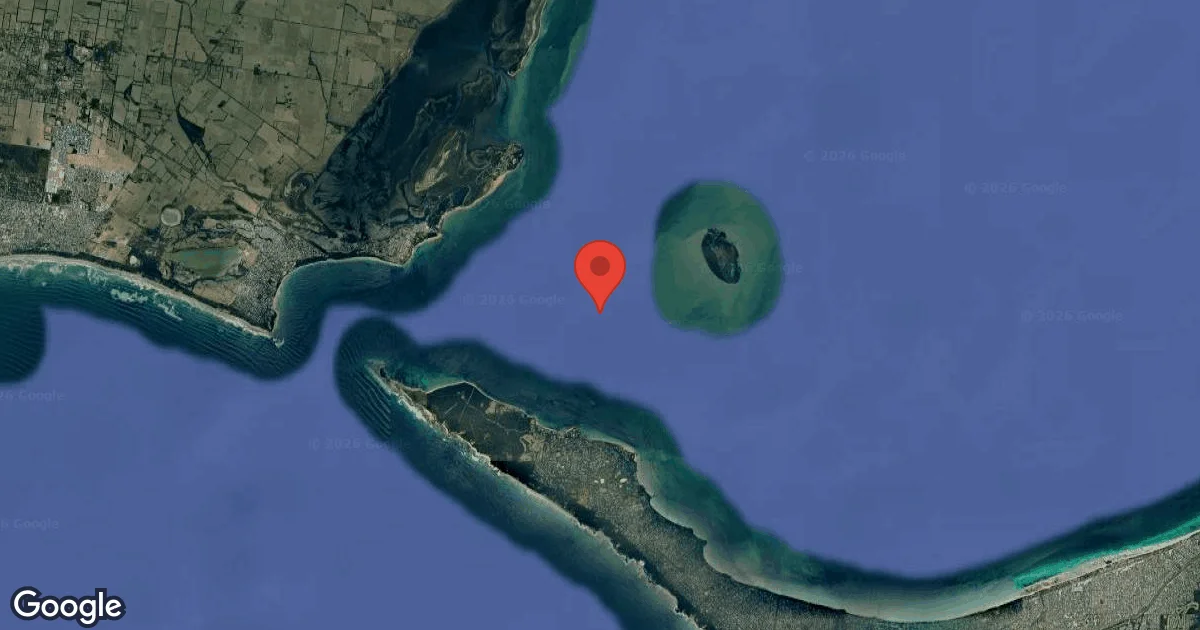
Divers approaching Rye Pier must be aware of current safety measures, including an exclusion zone affecting the first 270 meters of the pier's length, prohibiting access underneath. When venturing away from the main structure, especially towards sites like Elsa's Reef, a Class A dive flag is mandatory due to boat and jet ski traffic. Rye Pier, located on the Mornington Peninsula in Port Phillip, offers extensive shallow diving opportunities, generally reaching a maximum depth of 6m (20 ft).
Evening condition tracking at Rye Pier features an air temperature of 11.5°C. We have recorded wave heights measuring 2 m during this period. These figures outline the environmental parameters currently present.
Dive Site Location & Key Facts
Dive Site Overview
Rye Pier presents a truly distinctive underwater experience, frequently cited as the easiest place to observe seahorses globally. This L-shaped pier stretches roughly 500 meters (1,640 ft) and provides an accessible shore dive site for both day and night excursions.
Beneath its structure, the pylons are richly encrusted with marine growth, creating an intricate habitat. Divers can explore the Octopus's Garden Marine Trail, an interpretive route marked by signs, guiding them through the local ecosystem. Further afield, approximately 50-60 meters (164-197 ft) north of the pier's end, lies Elsa's Reef, an artificial structure composed of various sunken items that harbors octopuses and juvenile fish.
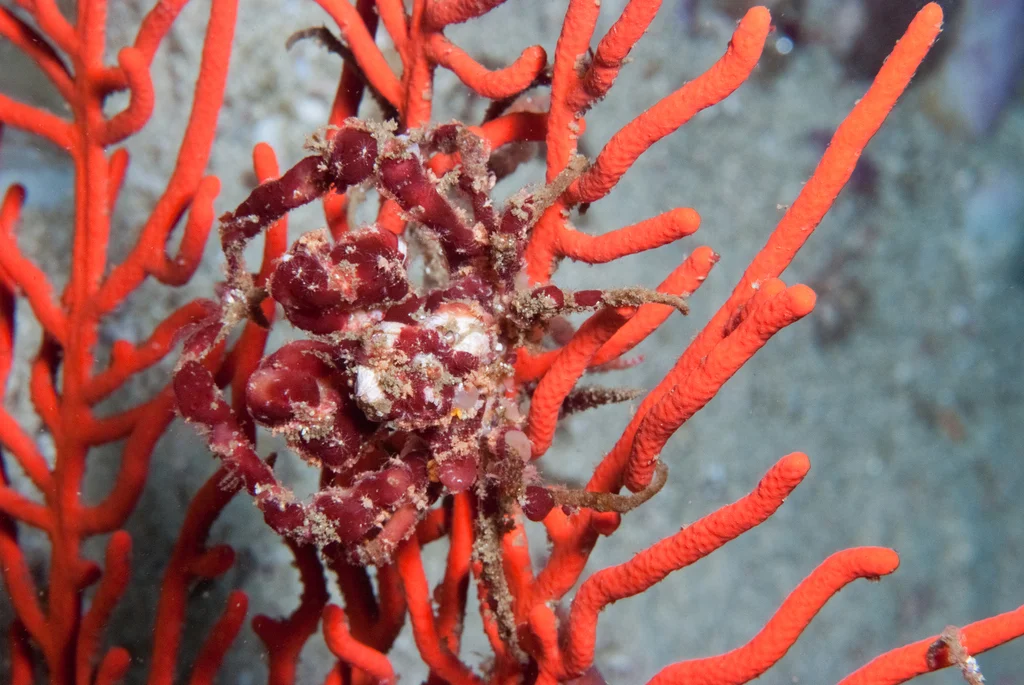
Each winter, typically between May and June, Rye Pier becomes the stage for a natural spectacle: the migration of thousands of Giant Spider Crabs to the shallows for molting. The site's shallow depths, usually ranging from 1m to 6m (3-20 ft), allow for extended bottom times, making it suitable for divers of various skill levels and ideal for macro photography.
Conditions are Moderate
High Wind Advisory (43km/h). Unsafe surface.
Current conditions near Rye Pier show 11° air, 14° sea temperature, 1.9 m waves, and 43 km/h wind. Forecast data is refreshed regularly to ensure accuracy.
Best Time to Dive
Optimizing your dive experience at Rye Pier involves considering both seasonal weather patterns and local conditions. Ideal diving conditions typically occur with southerly winds and a high tide, which can contribute to clearer water and better visibility. Strong northerly winds, however, can make the site not diveable due to chop. Air temperatures during summer months (December-February) generally average around 17-19°C (63-66°F), providing comfortable surface conditions. Winter months (June-August) see cooler air temperatures, averaging 11-12°C (52-54°F). Water temperatures are not consistently reported but will vary seasonally. Rainfall remains consistently low throughout the year, usually ranging from 1-3mm (0.04-0.12 inches) per month, which minimises run-off impacts on visibility. The spectacular Giant Spider Crab migration usually takes place during winter, specifically from May to June, attracting divers seeking this unique event.
PEAK SEASON SCORE
Scores combine air & water temps, waves, wind & rainfall for overall conditions.
BEST MONTHS TO DIVE
Monthly records compiled from satellite and marine observation nodes over the last 3 years. Data provided by Open-Meteo and MET Norway.
Dive Experience & Conditions
Entering the water at Rye Pier often begins from the dedicated lower platform or directly from the shore. The underwater environment transitions from shallower sections, potentially reaching half a meter near the shore, extending to maximum recreational diving depths towards the pier head. Visibility can fluctuate depending on recent weather and tides; calm waters and high tide offer the best clarity. Underneath the pier, the dense marine growth clinging to the pylons provides shelter and sustenance for numerous small creatures. Away from the immediate pier structure, the seabed is predominantly sandy, with occasional patches of seagrass. Following the interpretive signs of the Octopus's Garden marine trail enhances exploration by highlighting key species and features. Night dives here transform the experience, revealing different active species.
Dive Difficulty & Safety Guidelines
A crucial expert tip for diving Rye Pier involves understanding and adhering to current site regulations, especially concerning the ongoing pier reconstruction. An exclusion zone is in effect, prohibiting swimming, diving, or snorkeling under approximately 270 meters of the pier's length from shore for public safety.
Divers planning to access the pier head or Elsa's Reef must do so from the shore or a vessel outside the marked works area and prominently display a Class A dive flag. This is essential for diver safety, given the potential for boat and jet ski traffic, particularly outside the immediate pier area.
Consulting local tide charts and weather forecasts, such as WillyWeather, is also highly recommended to ensure optimal conditions and avoid diving in strong northerly winds.
Recommended Equipment
Overhead / entanglement risk. Wreck penetration requires proper training.
- Dive Computer
- Primary & Backup Lights
- Wreck Reel
- Cutting Tool
- Hard-soled Dive Boots
This gear list is based on verified equipment signals for Rye Pier, Australia. Always confirm final gear choices with your dive operator, guide, or liveaboard.
Recommended Dive Suit
In these water temperatures, 7mm wetsuit or semidry is a common choice for recreational diving. A hood or vest is suggested for sensitive divers due to surface winds. Strong cold advisory: dress warmly immediately after exiting the water. Longer dive profiles can make thermal protection more important than short exploratory dives.
At the moment, divers exploring Rye Pier will likely experience water temperatures near 14°C (57°F). Surface air temperatures are resting at 11°C (53°F).
Environmental conditions appear stable for the near future.
Due to technical issues with our weather providers, live updates are temporarily delayed. The data above reflects the conditions at the time of the last successful fetch.
Emergency & Medical Support
Essential information to help you plan your dive trip to Rye Pier.

Hyperbaric chambers are a critical part of dive safety infrastructure. Availability varies significantly by region, and not all dive areas have immediate access.
Before diving, it's recommended to:
- confirm nearest medical facilities
- check emergency procedures with local dive operators
- ensure dive insurance covers evacuation if required
Divers Alert Network
Diving emergency assistance available through DAN World.
+1-919-684-9111- 24/7 emergency hotline
- Diving medical assistance
- Evacuation coordination
Emergency contacts are provided for reference. Always verify local emergency services before diving.
Marine Life at Rye Pier
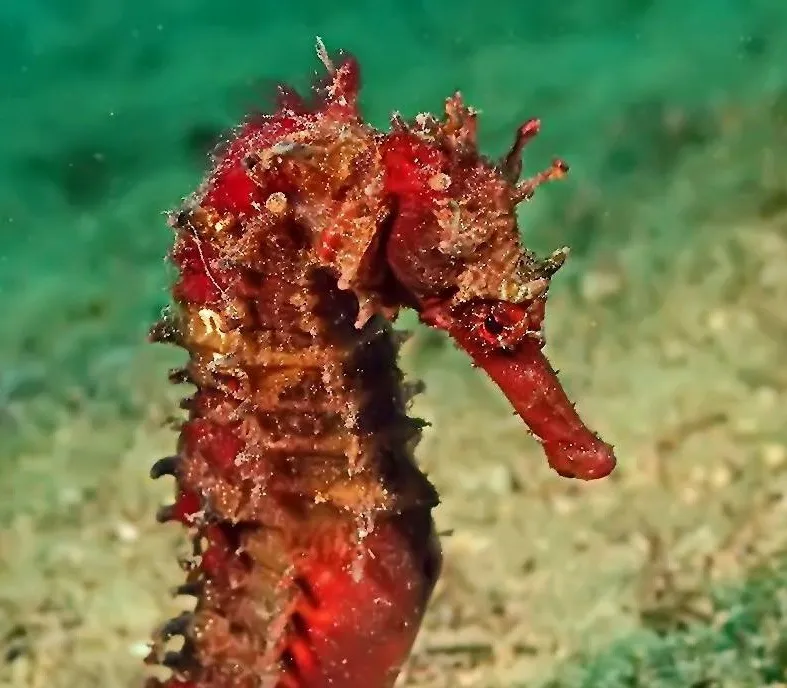
Beneath the pier's structure, a vibrant underwater landscape supports a diverse array of marine life, thriving on the sponge-encrusted pylons and in the sandy and seagrass beds. Rye Pier is particularly noted for its abundance of seahorses, including Big-belly Seahorses, often observed clinging to the pier's supports.
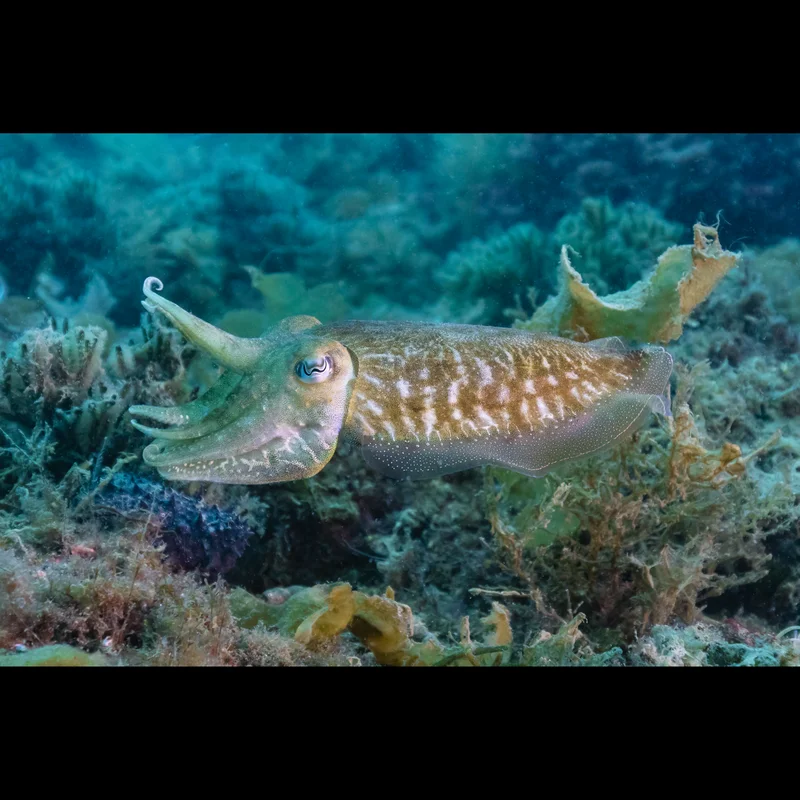
Divers frequently encounter various species of octopus, such as Southern Blue-ringed, Sand, Maori, and Keel octopus, alongside cuttlefish and dumpling squid. Weedy Seadragons, the iconic Victorian marine emblem, can sometimes be spotted gracefully drifting in the seagrass areas.
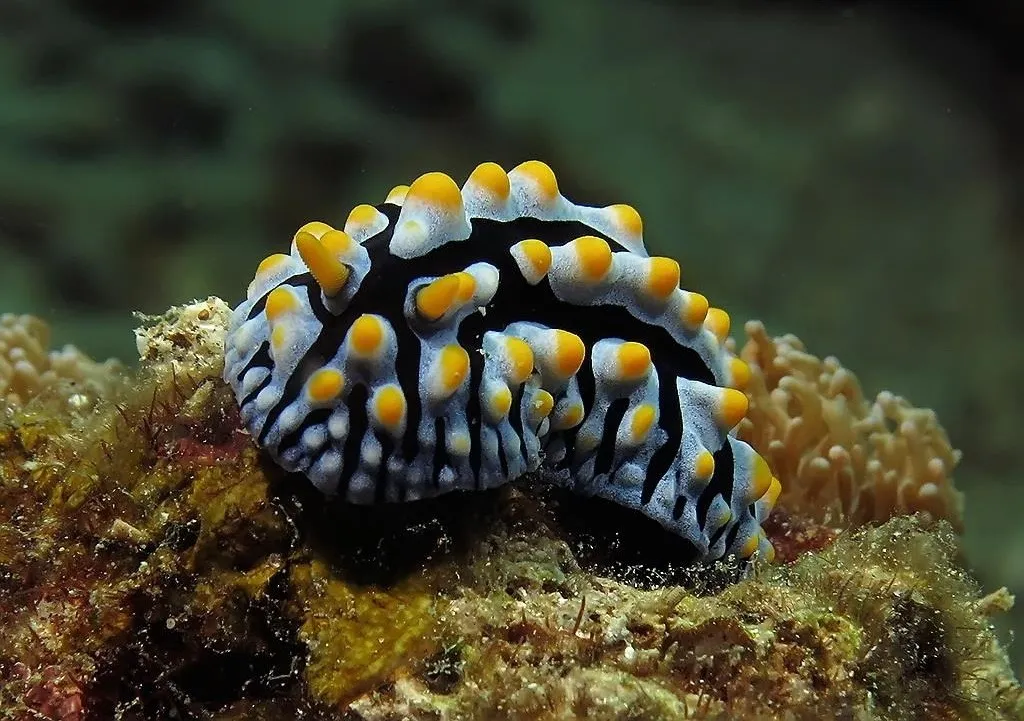
The site is also home to nudibranchs, smooth rays, and a variety of crab species, including the spectacular seasonal aggregation of Giant Spider Crabs.
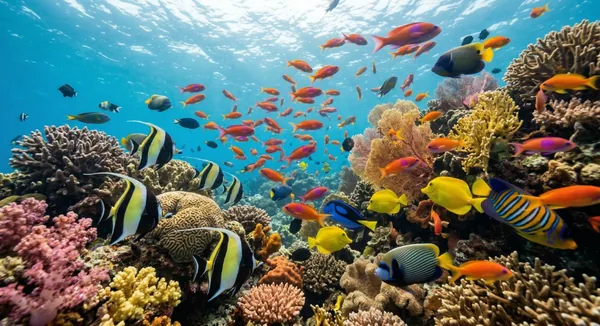
Dive Sites Near Rye Pier
View all dive sites in AustraliaDiscover more underwater gems in this area.
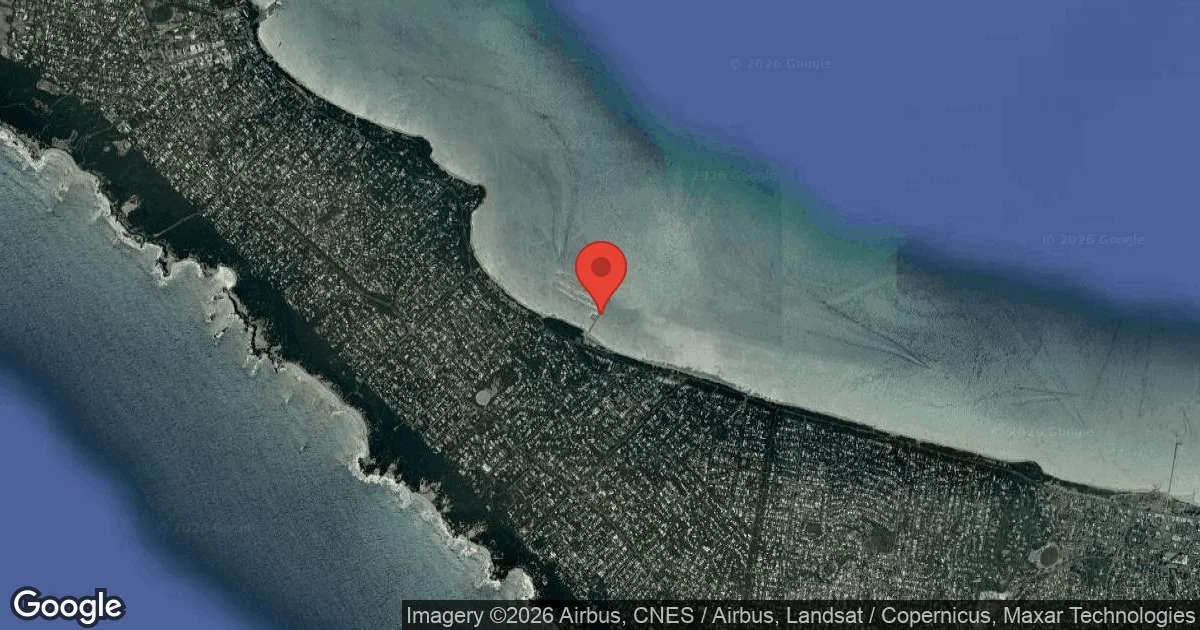
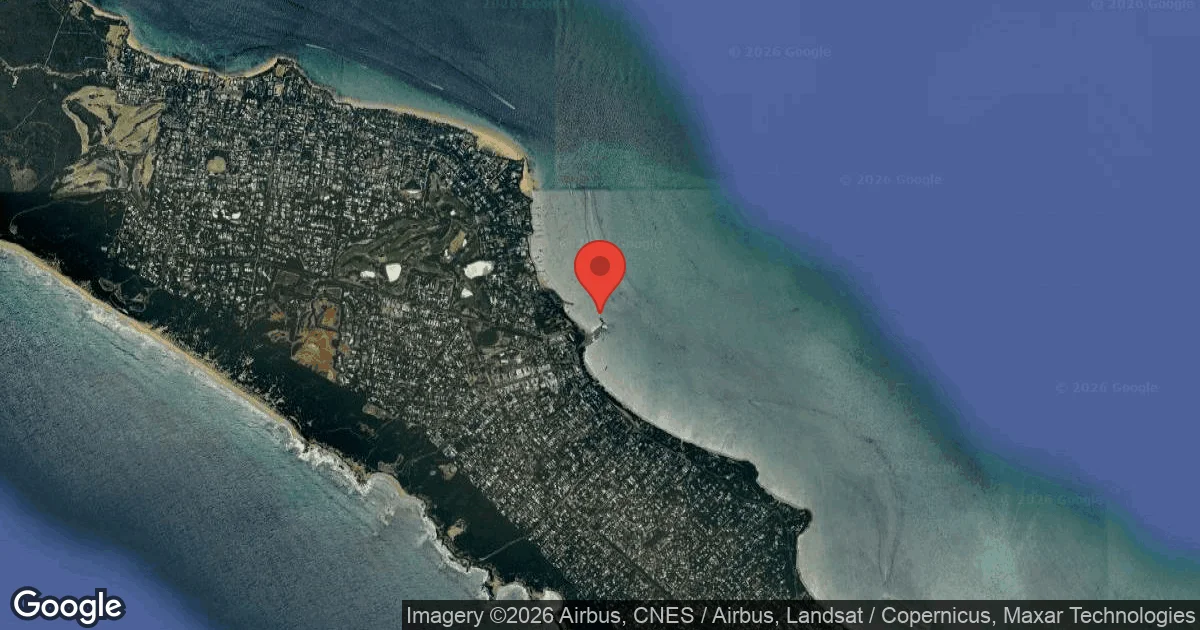
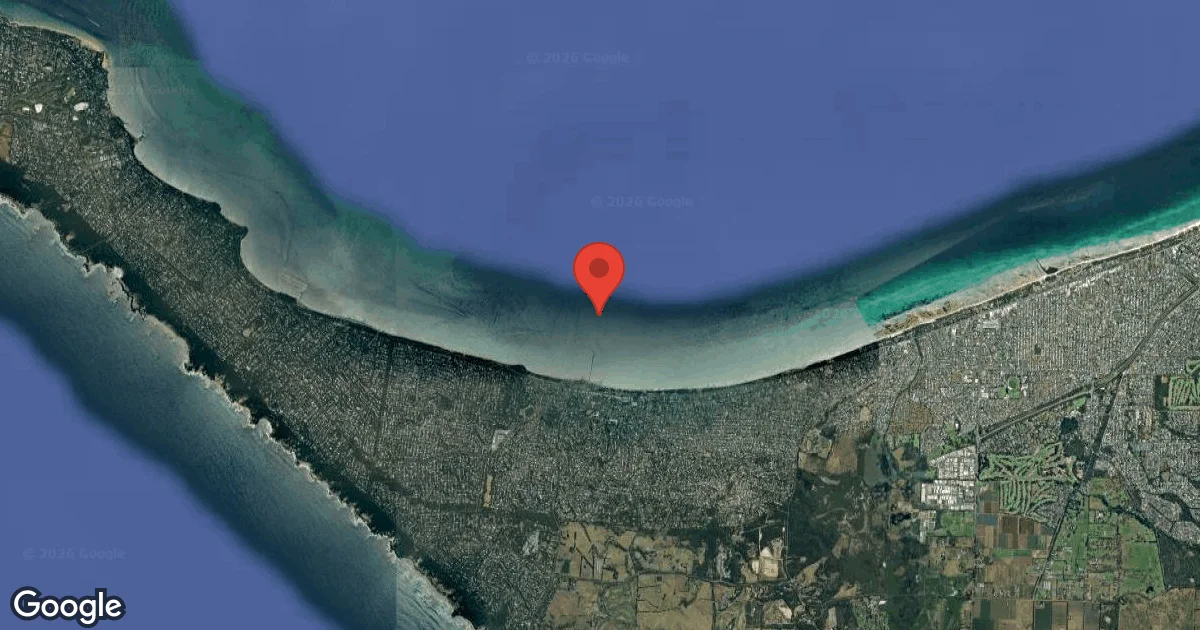
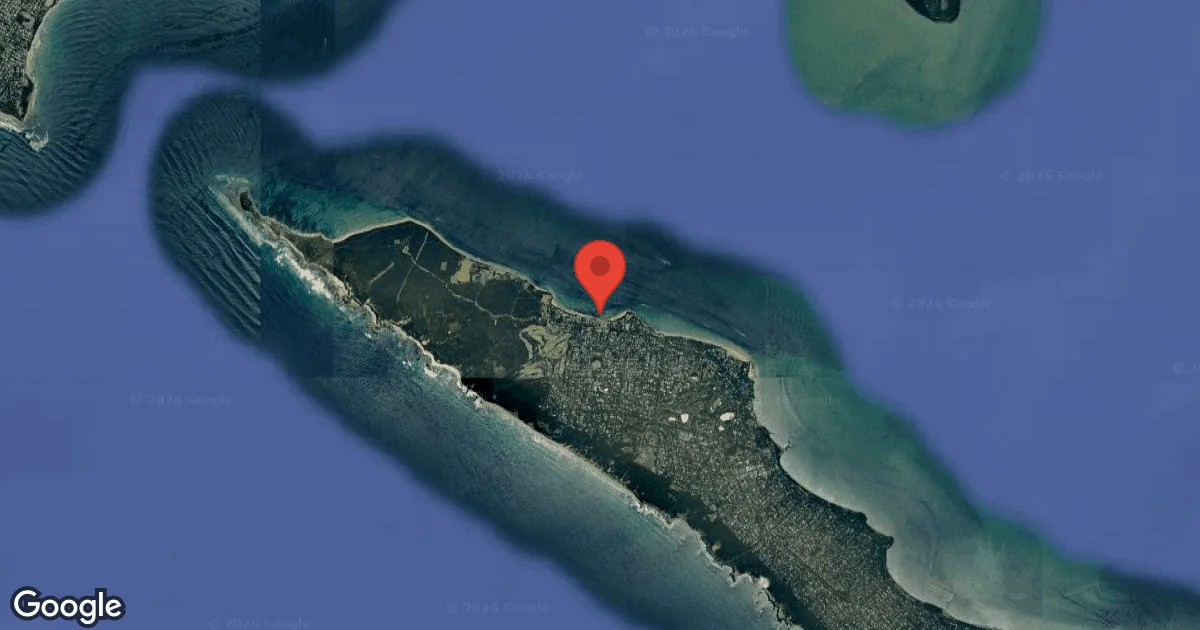
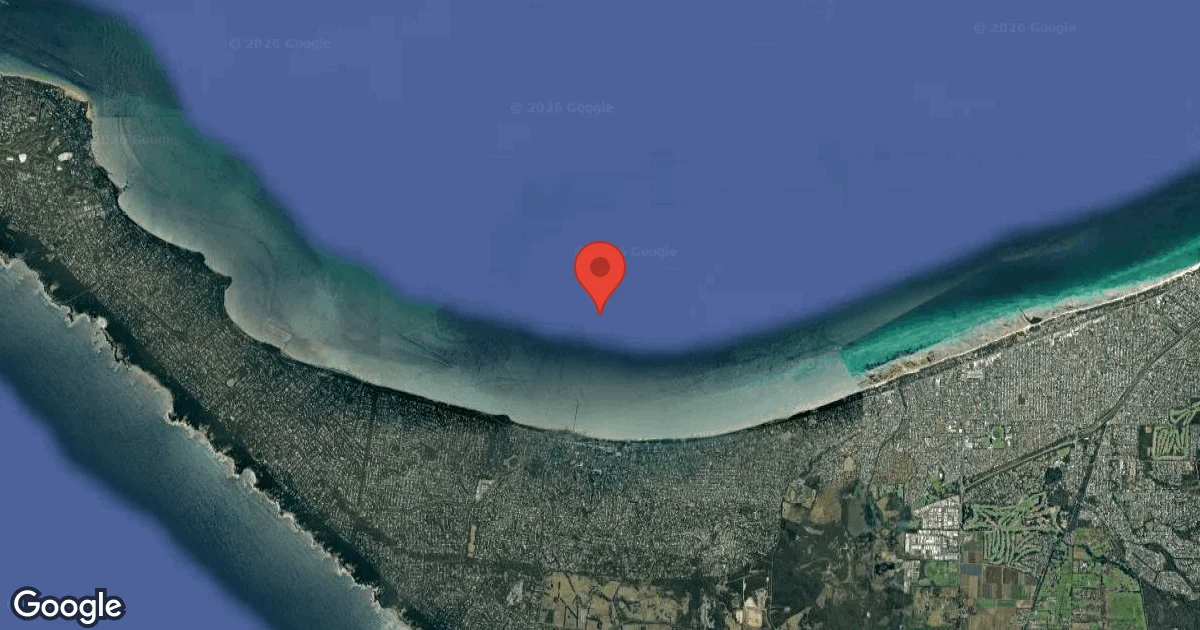
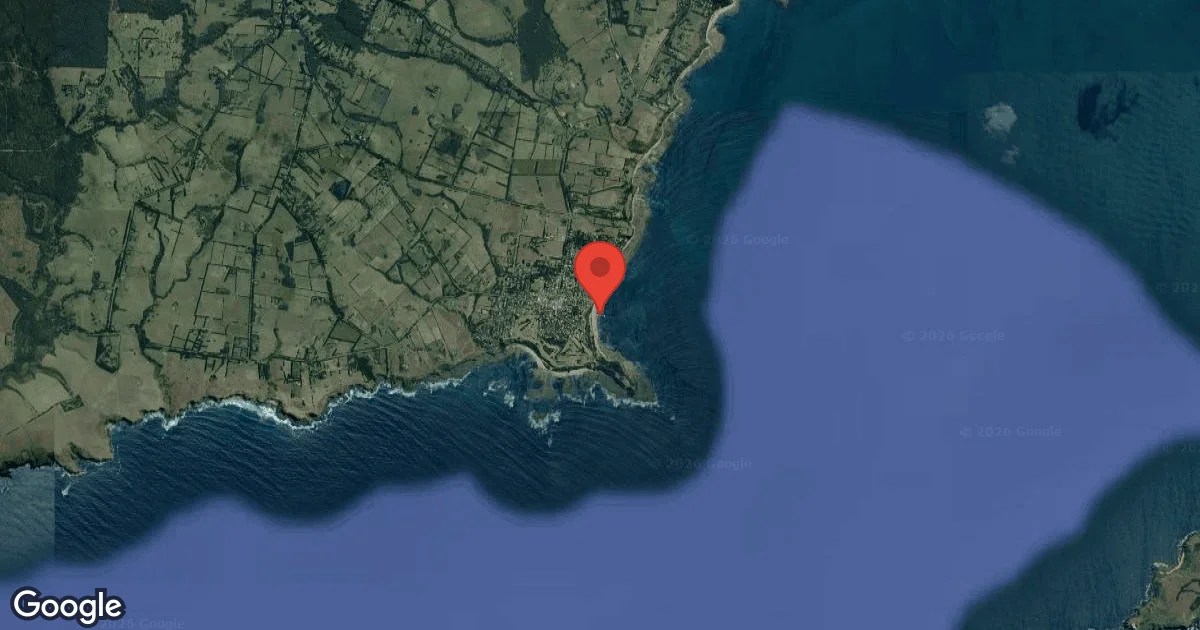
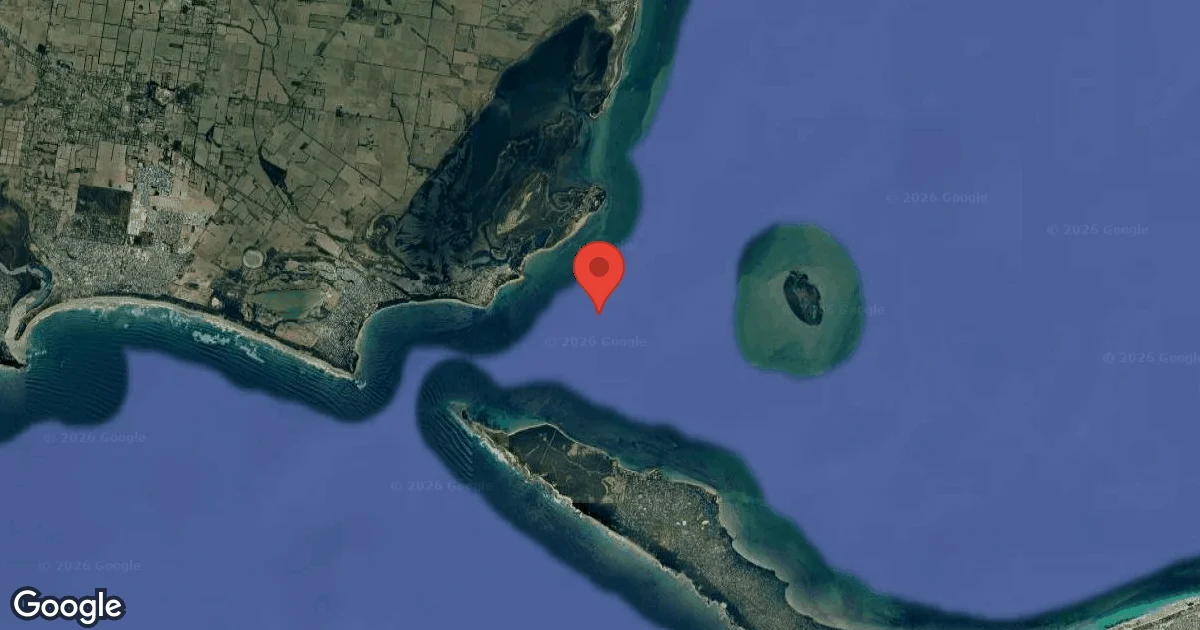
Dive Centers Near Rye Pier
Today: 09:00 - 15:00
Nearest Airports
Nearest airports to help plan travel to this dive area.
Search Flights
Check available flights and routes on Expedia, using the nearby airports listed in this section.
Search Flights on ExpediaFrequently Asked Questions
What is the maximum depth at Rye Pier?
Maximum depths at Rye Pier typically stay within the 2 to 6-meter range, classifying it as a shallow and highly accessible dive site. Near the shore, depths can be quite minimal, often less than one meter.
Is Rye Pier suitable for beginner divers?
Yes, Rye Pier is highly suitable for beginner divers and those undertaking training, thanks to its shallow depths and generally calm conditions, especially on southerly winds. It allows for longer bottom times and a relaxed exploration.
What are the best conditions for diving Rye Pier?
Optimal diving conditions are usually found during high tide with southerly winds, which tend to bring clearer water. Strong northerly winds can make the site less diveable due to increased chop and reduced visibility.
Can I dive at Rye Pier at night?
Yes, Rye Pier is a popular site for night diving. The nocturnal environment reveals a different range of marine life, including hunting octopuses and squid, providing a distinct experience from day dives.
What kind of marine life can I expect to see?
Divers often observe seahorses, various octopuses (including blue-ringed), cuttlefish, nudibranchs, rays, and crabs. Weedy Seadragons can sometimes be found in the seagrass beds, and the winter months feature the Giant Spider Crab migration.
Are there any special attractions beyond the main pier?
Beyond the main pier structure, divers can explore the Octopus's Garden Marine Trail, which features interpretive signs. Additionally, Elsa's Reef, an artificial reef found about 50-60 meters north of the pier's end. This area presents an interesting environment for exploration.
Are there any current access restrictions at Rye Pier?
Yes, there is an ongoing pier reconstruction. An exclusion zone prohibits access under approximately 270 meters of the pier from the shore. Divers must ensure they do not enter this marked work area.
Planning to dive Rye Pier?
Send one inquiry and receive offers directly from the best verified local dive operators.
Conditions are Moderate
High Wind Advisory (43km/h). Unsafe surface.
Current conditions near Rye Pier show 11° air, 14° sea temperature, 1.9 m waves, and 43 km/h wind. Forecast data is refreshed regularly to ensure accuracy.