
Diving at Pedras Secas (Brazil)
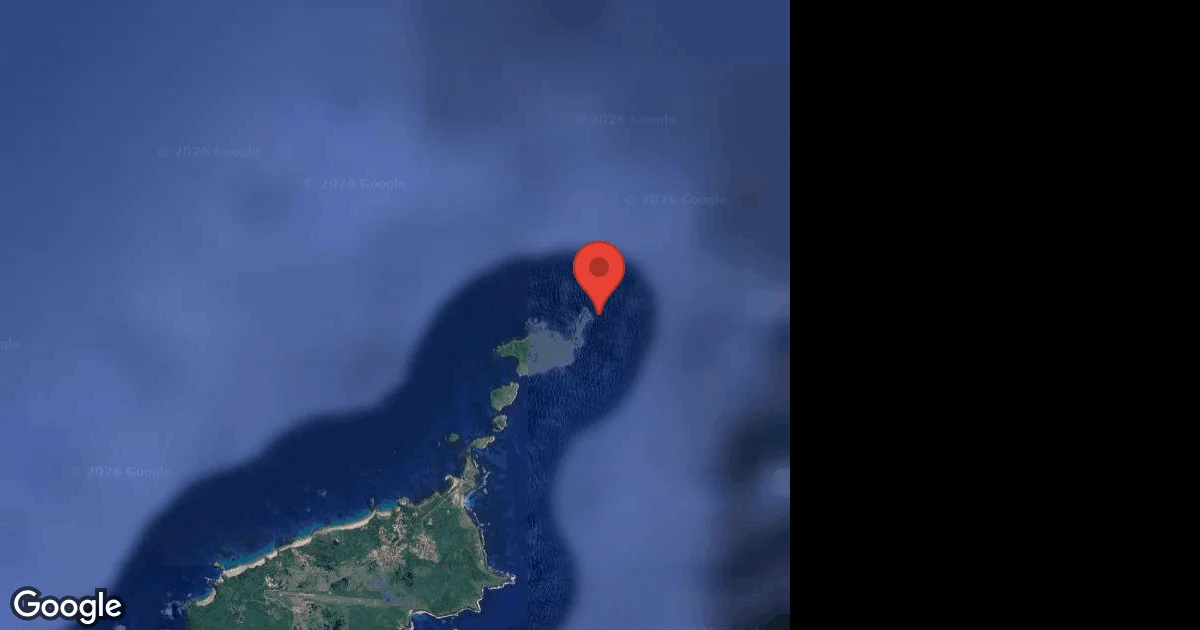
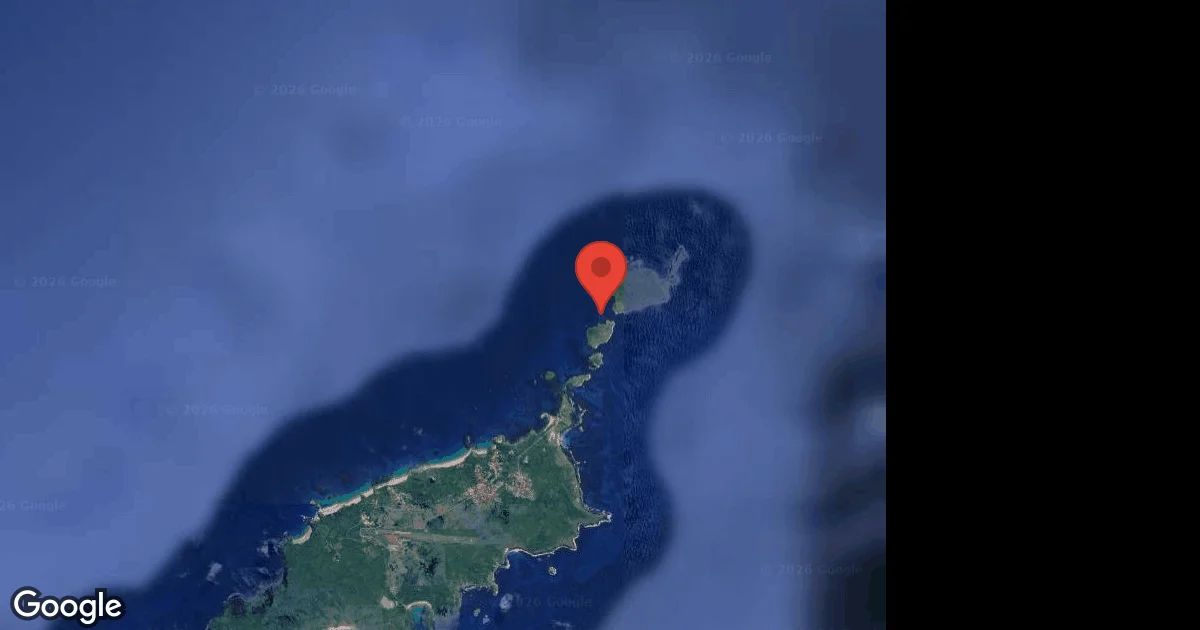
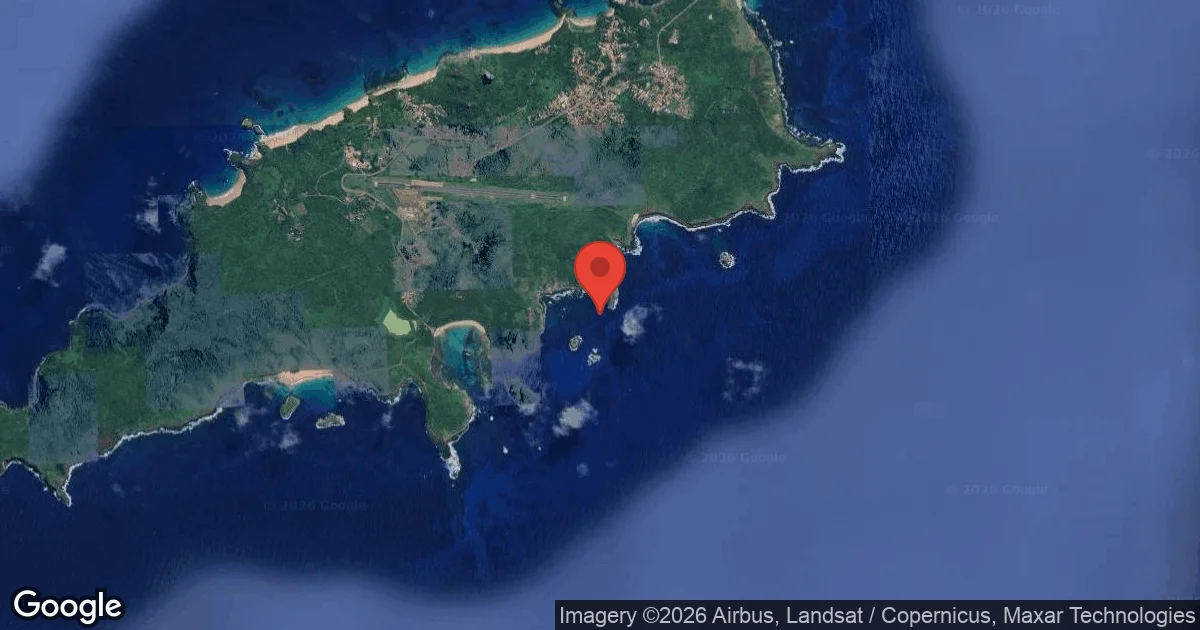
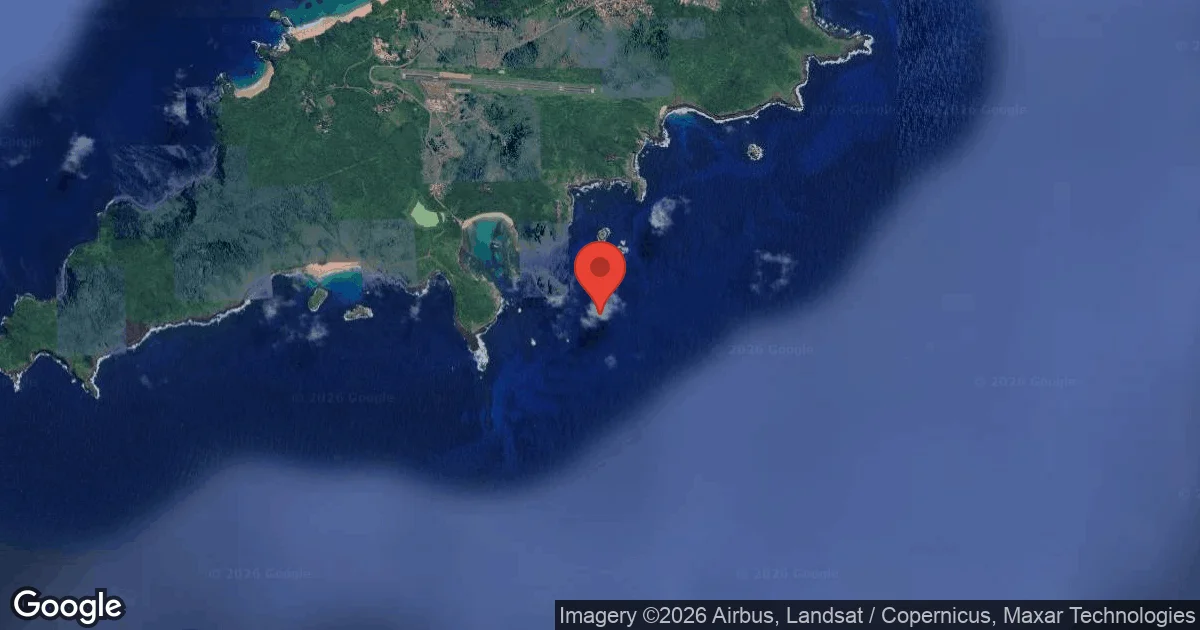
Pedras Secas lies within the protected marine environment of Fernando de Noronha, Brazil, offering divers intricate underwater rock formations. Its dynamic underwater topography, characterized by corridors and arches, defines the experience. This site is subject to mild to moderate currents and occasional moderate surge, influencing dive planning. Visibility typically ranges between 15 m (50 ft) and 30 m, depending on oceanic conditions.
Tonight's objective overview for Pedras Secas shows an air temperature of 26.5°C. The measured surface conditions include wave heights around 1.7 m. This environmental data is logged for the close of the day.
Dive Site Location & Key Facts
Dive Site Overview
An engaging exploration for certified divers awaits within the vibrant waters of Fernando de Noronha. Formed as an underwater labyrinth, substantial rock formations have carved a complex network of corridors, canyons, arches, and smaller caves.
Divers navigating these passages encounter a varied environment with both rocky outcrops and sandy bottoms, creating a rich tapestry for underwater photography. Thorough exploration, rather than a straightforward traverse, is encouraged here, rewarding careful observation of its unique geology.
Fantastic formations make the visit worthwhile, inviting divers to weave through natural tunnels and discover hidden alcoves. The dive site depth varies significantly, allowing exploration around 15 m (50 ft) in many areas, while its deeper sections reach a maximum of 30 m.
This range caters well to intermediate-level divers. Averaging a 45-minute dive time, ample opportunity exists to appreciate the structural complexity and the diverse marine life inhabiting these sheltered spaces.
While some sections are suitable for less experienced individuals, accessing the full scope of this site benefits from a confident intermediate skill set due to the moderate current and potential for surge.
Conditions are Moderate
Optimal conditions expected
Current conditions near Pedras Secas show 27° air, 27° sea temperature, 1.9 m waves, and 35 km/h wind. Forecast data is refreshed regularly to ensure accuracy.
Best Time to Dive
Optimizing a dive trip to Pedras Secas involves understanding the seasonal weather and ocean patterns. The period from September to March typically offers the most favorable conditions for diving. During these months, the average air temperature remains pleasant, generally around 26-27°C (79-81°F), while rainfall is notably minimal, often less than 2mm per month in early and late parts of this window. Water temperatures during this prime season are consistently warm, ranging from 26-30°C (79-86°F) in summer and 24-28°C (75-82°F) in winter months, enhancing comfort for extended dives. Conversely, the months from April through August tend to see a slight increase in wave height and wind speed, with September showing the highest average wave height at 2.2 m. While still diveable, conditions might present more chop at the surface and stronger currents, impacting overall dive scores which are labeled "Poor" during July, August, September, and October. Therefore, for smoother waters and generally better visibility, planning a visit between September and March is advisable.
PEAK SEASON SCORE
Scores combine air & water temps, waves, wind & rainfall for overall conditions.
BEST MONTHS TO DIVE
Monthly records compiled from satellite and marine observation nodes over the last 3 years. Data provided by Open-Meteo and MET Norway.
Dive Experience & Conditions
Descending into Pedras Secas, divers will encounter conditions characterized by a unique interplay of currents and surge. Currents here are typically mild to moderate, though they can vary, occasionally requiring divers to work against the flow. A moderate surge is also present, particularly around the rock formations, adding a dynamic element to navigation within the labyrinthine passages. Site visibility generally spans an impressive 15 m (50 ft) to 30 m, allowing for clear views of the intricate underwater landscape. Water temperatures consistently remain in a comfortable range for tropical diving, from 24-30°C (75-86°F), minimizing the need for heavy thermal protection. Diverse bottom topography includes expansive rocky areas, pockets of sandy bottom, and vibrant coral formations, all contributing to visual interest. Navigating the numerous corridors and caves requires good buoyancy control and situational awareness. This environment is suitable for intermediate-certified divers, given the potential for varying currents and its exploration-heavy nature.
Dive Difficulty & Safety Guidelines
To navigate the site safely, divers require an Intermediate certification due to variable conditions and site complexity. Navigating intricate rock formations, including canyons, arches, and caves, demands competent buoyancy control and awareness of surroundings.
Currents can range from mild to moderate, and a moderate surge is often present, particularly in shallower areas or narrow passages. Divers must always remain within their certified depth limits, especially considering the site's maximum depth of 30 meters.
Entry is exclusively by boat, and all divers need to obtain local diving permits before heading out. Maintaining good communication with your dive guide and buddy, particularly when exploring enclosed spaces like caves, is crucial for a safe and enjoyable experience. Always carry appropriate safety equipment for drift and moderate current conditions.
Recommended Equipment
Current and surface separation risk. Local briefing strongly recommended.
- Dive Computer
- DSMB
- Reel / Spool
This gear list is based on verified equipment signals for Pedras Secas, Brazil. Always confirm final gear choices with your dive operator, guide, or liveaboard.
Recommended Dive Suit
With water temperatures around 27°C (80°F), many divers find a 2-3mm shorty or light wetsuit provides comfortable protection.
Local conditions can vary slightly across different parts of the same dive site.
Conditions are expected to stay fairly consistent in the days ahead.
Emergency & Medical Support
Essential information to help you plan your dive trip to Pedras Secas.

Hyperbaric chambers are a critical part of dive safety infrastructure. Availability varies significantly by region, and not all dive areas have immediate access.
Before diving, it's recommended to:
- confirm nearest medical facilities
- check emergency procedures with local dive operators
- ensure dive insurance covers evacuation if required
Divers Alert Network
Diving emergency assistance available through DAN World.
+1-919-684-9111- 24/7 emergency hotline
- Diving medical assistance
- Evacuation coordination
Emergency contacts are provided for reference. Always verify local emergency services before diving.
Marine Life at Pedras Secas
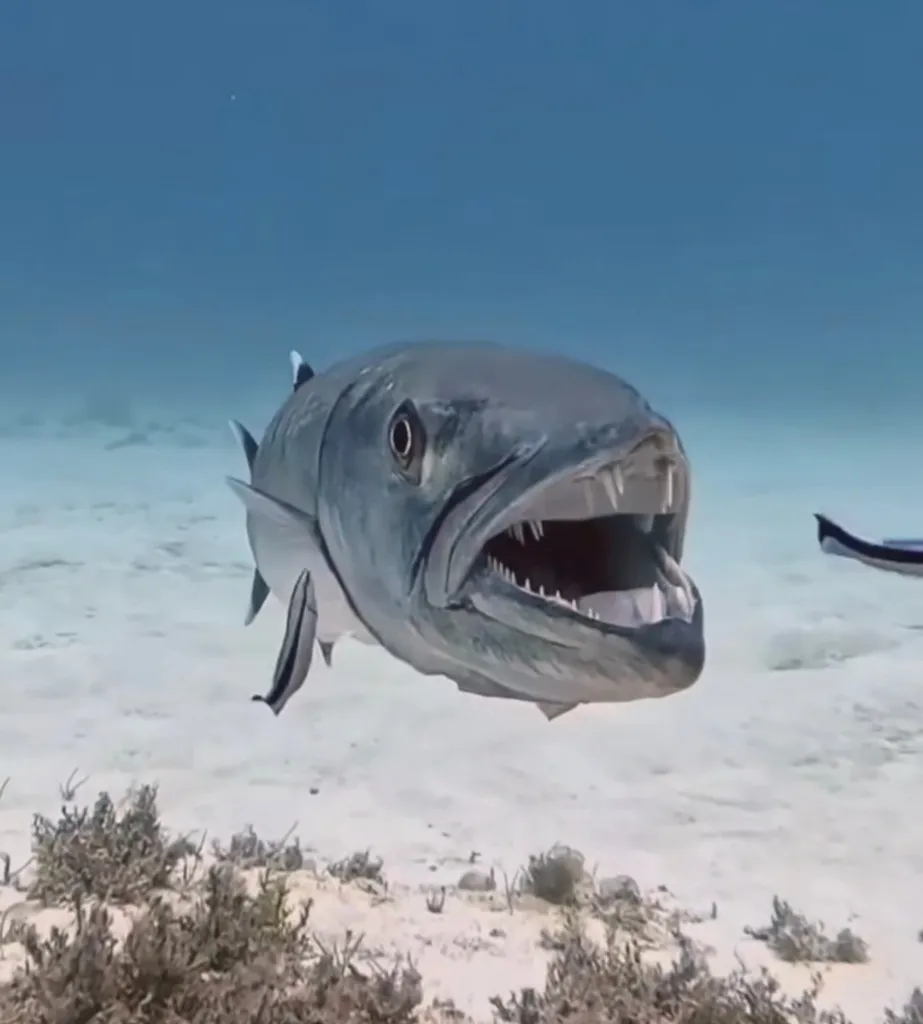
Approaching the rock formations of Pedras Secas, divers often first encounter schools of tropical fish darting amongst the coral reefs. As one explores the labyrinthine structures, barracudas are frequently spotted patrolling the corridors, while rays glide gracefully over sandy bottoms.
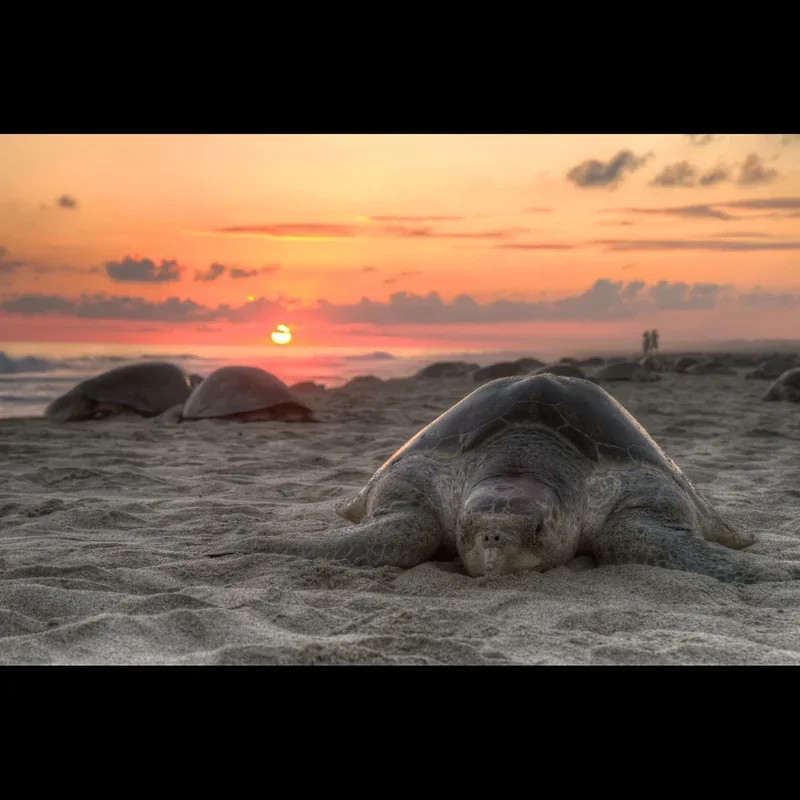
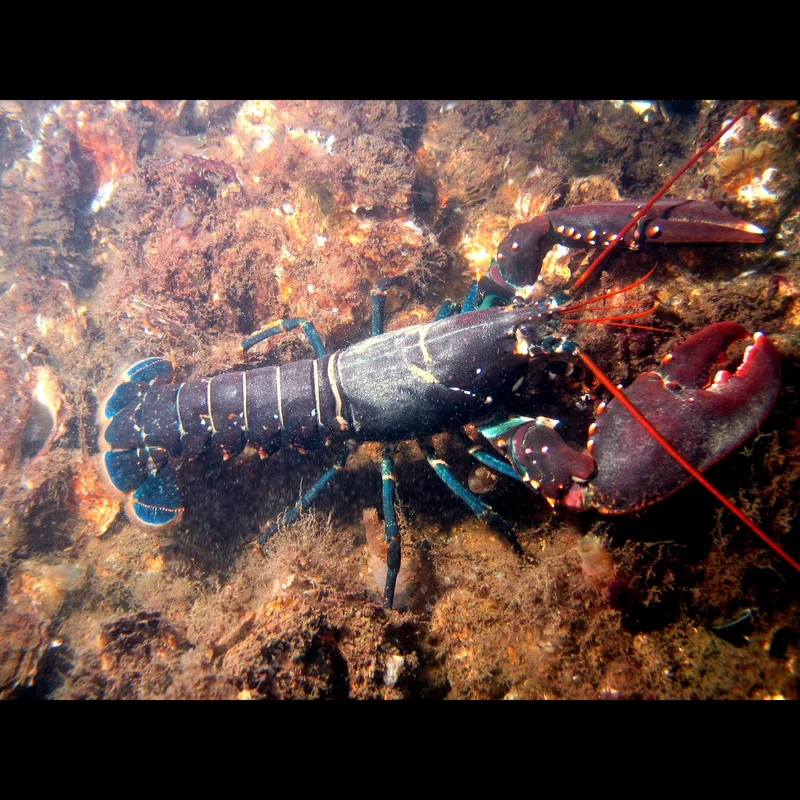
Sea turtles are common residents, often found resting or feeding within the site's more tranquil areas. Lobsters also inhabit the smaller caves and crevices, requiring a keen eye to spot.
The diverse marine ecosystem here benefits from the varied topography, providing shelter and feeding grounds for a rich array of species, including occasional sightings of larger pelagic life.

Dive Sites Near Pedras Secas
View all dive sites in BrazilDiscover more underwater gems in this area.
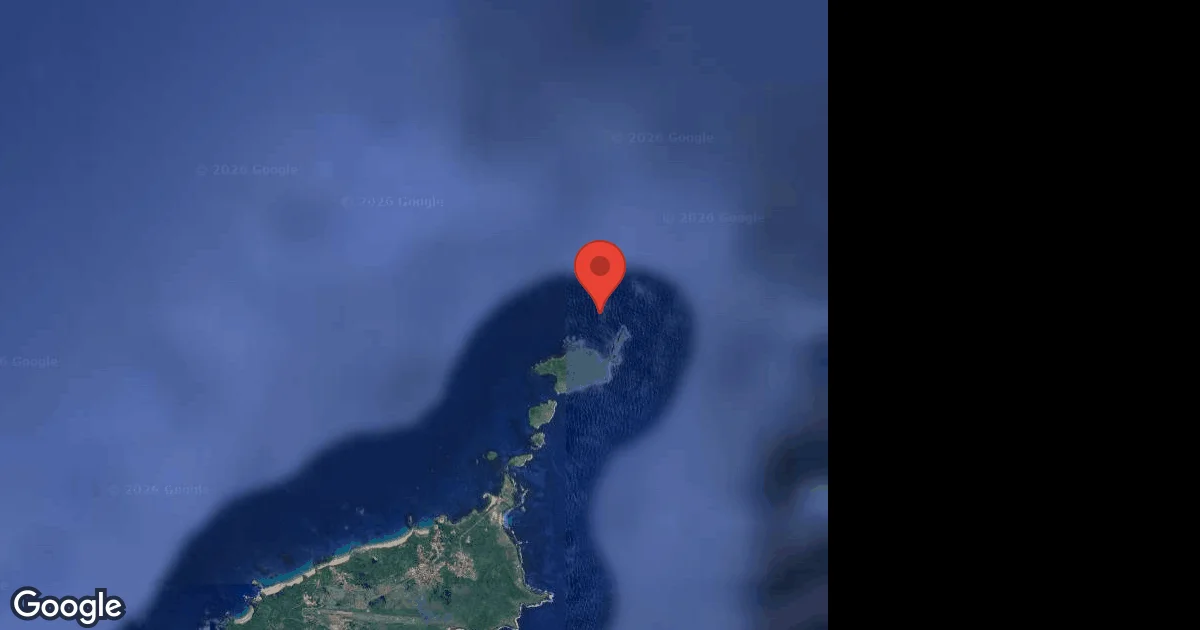
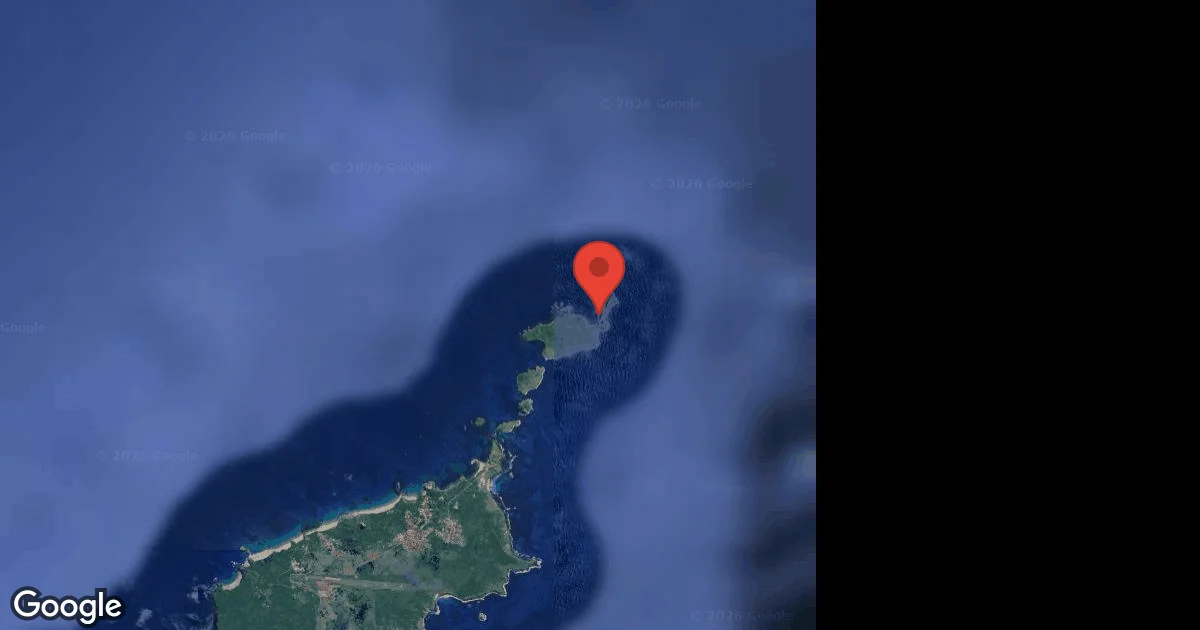
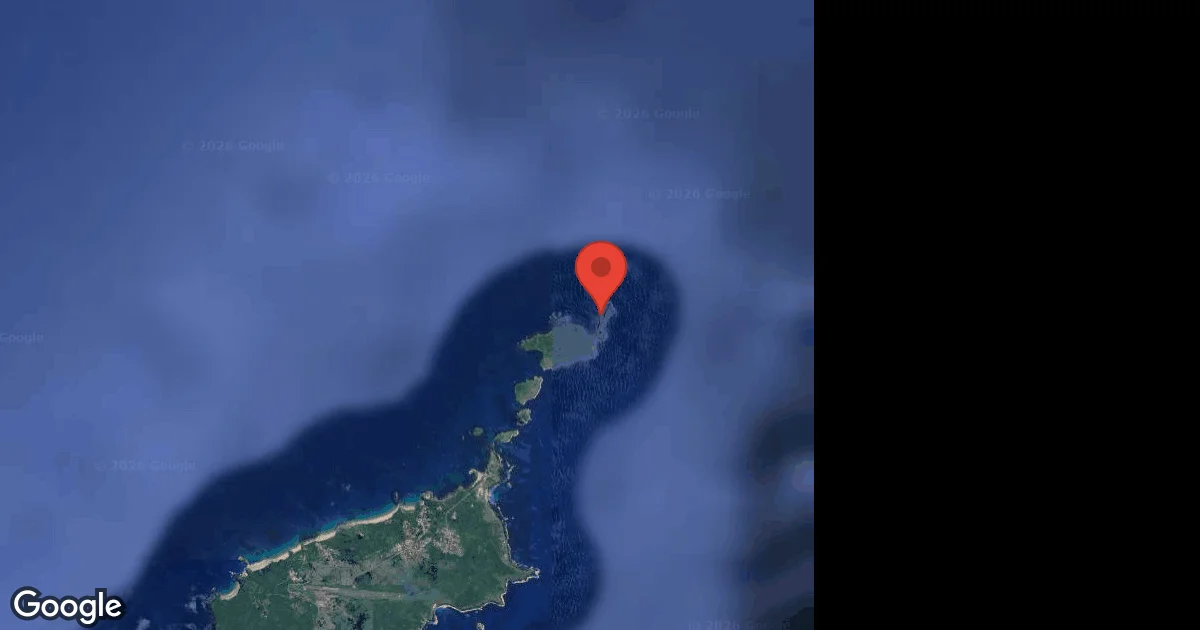
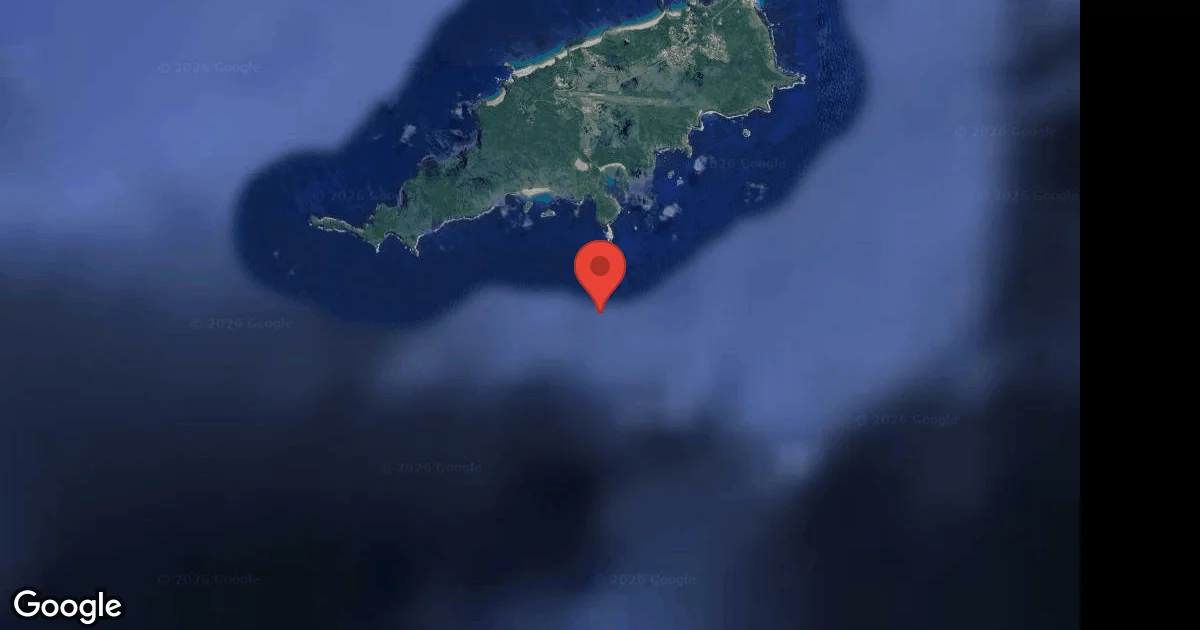
Dive Centers Near Pedras Secas
No Dive Centers Local To Pedras Secas
Are you a dive center visiting this location? Get listed to reach divers.
Nearest Airports
Nearest airports to help plan travel to this dive area.
Search Flights
Check available flights and routes on Expedia, using the nearby airports listed in this section.
Search Flights on ExpediaFrequently Asked Questions
What is the typical depth range at Pedras Secas?
The site offers a varied depth profile, with many appealing sections around 15 m (50 ft). Deeper areas extend to a maximum of 30 meters, suitable for intermediate-certified divers.
Are permits required to dive here?
Yes, diving permits are necessary for Pedras Secas. These permits can be obtained locally through authorized dive operators.
What kind of underwater topography can I expect?
Pedras Secas is characterized by extensive underwater rock formations. These create an intricate network of corridors, canyons, arches, and small caves for divers to explore.
How are the currents at this dive site?
Currents at Pedras Secas are generally mild to moderate. There can also be a moderate surge, particularly around the more exposed rock formations.
What marine life might I see at Pedras Secas?
Divers frequently encounter barracudas, rays, and sea turtles. Lobsters are also common in crevices, alongside diverse tropical fish schools among the coral reefs.
Is Pedras Secas suitable for beginner divers?
For new divers, conditions here present a challenge. The combination of moderate currents, surge, and complex navigation within rock formations generally requires an intermediate skill level.
What are the water temperatures like?
Water temperatures are consistently warm, typically ranging from 24-30°C (75-86°F) throughout the year. This makes for comfortable diving conditions without the need for thick wetsuits.
How is access to the dive site?
Access to Pedras Secas is exclusively by boat. Local dive centers organize trips to this site, departing from Fernando de Noronha.
Planning to dive Pedras Secas?
Send one inquiry and receive offers directly from the best verified local dive operators.
Conditions are Moderate
Optimal conditions expected
Current conditions near Pedras Secas show 27° air, 27° sea temperature, 1.9 m waves, and 35 km/h wind. Forecast data is refreshed regularly to ensure accuracy.