
Diving at Cordilheiras (Brazil)
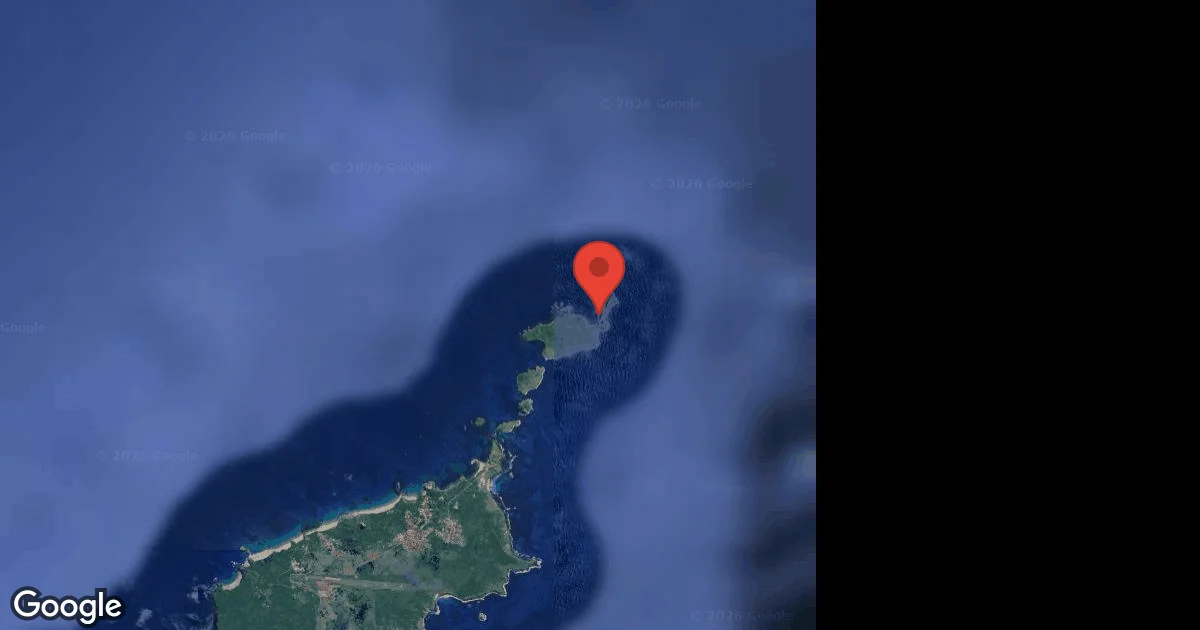
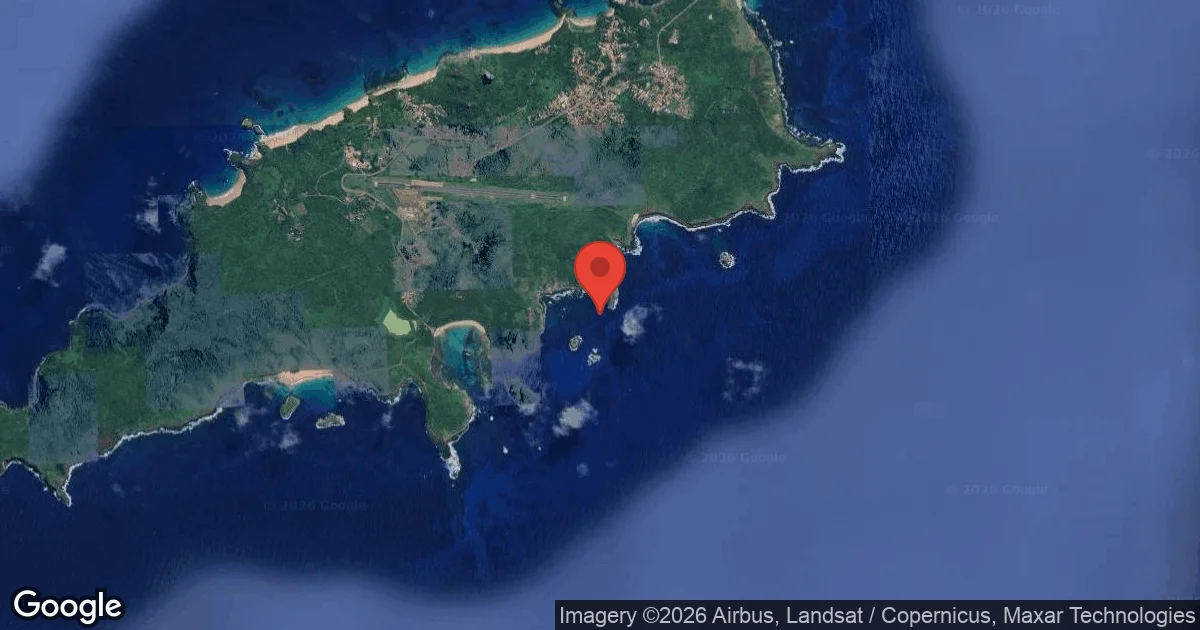
Preparing to navigate Cordilheiras means embracing its distinctive underwater landscape. Divers here encounter a unique challenge framed by massive boulder formations and the allure of hidden swim-throughs. This site, located in the Fernando de Noronha archipelago, calls for keen buoyancy control and an adventurous spirit. Exploring its depths reveals a vibrant ecosystem thriving amidst dramatic rocky structures.
As evening covers Cordilheiras, the local air temperature is measured at 26.5°C. The current wave height at the surface is recorded at 1.7 m. These late-day readings characterize the surface conditions for the night.
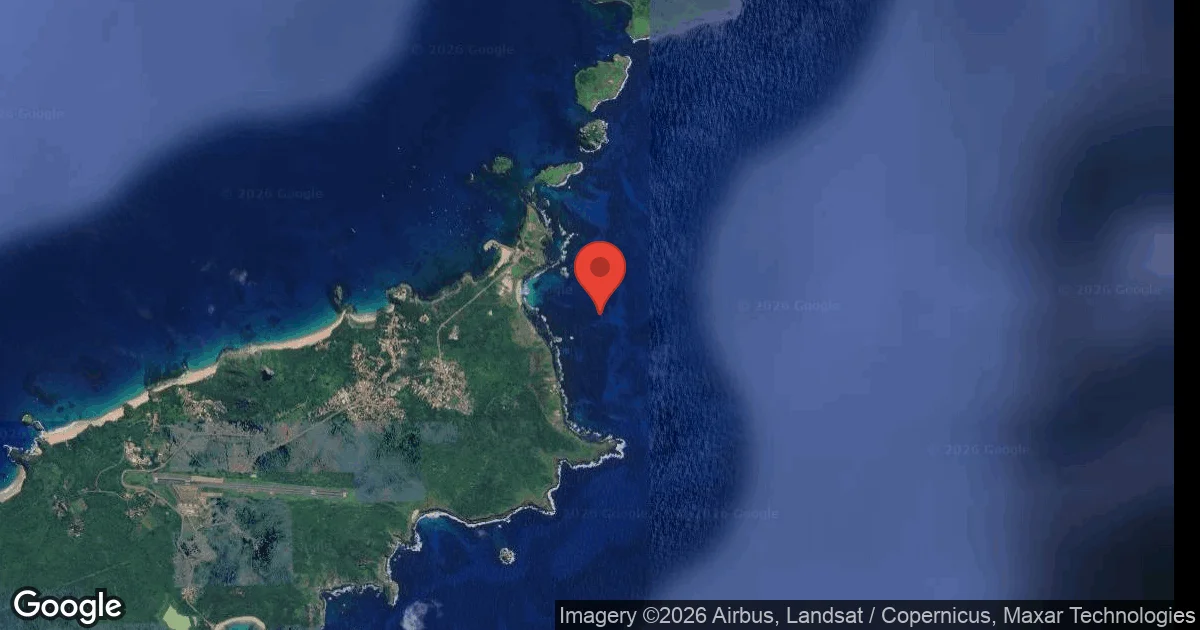
Dive Site Location & Key Facts
Dive Site Overview
Cordilheiras reveals itself as a distinctive reef dive site, primarily defined by its dramatic boulder-strewn bottom. This submerged landscape invites divers into an intricate world, where massive rocky formations create a complex topography.
Exploring the site involves navigating numerous crevices, overhangs, and captivating swim-throughs, adding an engaging, dynamic element to each descent. The structural complexity extends beyond just boulders, encompassing vibrant coral formations that cling to the rocky surfaces, fostering a diverse habitat for marine life. Water temperatures at this location are reliably warm, holding steady at approximately 26-27°C (80°F) throughout the year, ensuring comfortable diving conditions.
Visibility often presents exceptional clarity, typically exceeding 30 meters (100 feet), allowing expansive views of the underwater architecture and its inhabitants. Operating within recreational depth limits, the site caters to various certification levels, though the presence of confined spaces and currents in some sections benefits from confident buoyancy control.
Understanding the site's unique geology and how marine species integrate into this environment enriches the overall experience.
Conditions are Moderate
Optimal conditions expected
Current conditions near Cordilheiras show 27° air, 27° sea temperature, 1.8 m waves, and 35 km/h wind. Forecast data is refreshed regularly to ensure accuracy.
Best Time to Dive
While diving Cordilheiras is possible year-round, conditions vary significantly. For the most favorable open Atlantic conditions, January through March often presents the calmest waters, aligning with higher dive scores. During these months, air temperatures typically range between 27-27.5°C (81-82°F), with moderate rainfall. Conversely, from July through October, the dive score often drops to 'Poor,' as wave heights increase to over 2 meters (6.5 feet) and wind speeds can reach up to 34.6 km/h (21.5 mph). Periods like June and December still offer moderate scores with good air temperatures, averaging around 27°C (81°F) and 27°C (81°F) respectively, making them viable options for those seeking calmer seas outside the peak season.
PEAK SEASON SCORE
Scores combine air & water temps, waves, wind & rainfall for overall conditions.
BEST MONTHS TO DIVE
Monthly records compiled from satellite and marine observation nodes over the last 3 years. Data provided by Open-Meteo and MET Norway.
Dive Experience & Conditions
Beneath the surface at Cordilheiras, divers encounter a distinct sensory environment defined by impressive underwater architecture. Navigating the numerous boulder formations and intriguing swim-throughs provides a dynamic experience. The visibility here is reliably excellent, often allowing for clear views extending beyond 30 meters (100 feet), enhancing the exploration of the rocky topography. Water temperatures remain comfortably warm, typically around 26-27°C (80°F), minimizing the need for thick exposure suits. While Cordilheiras is primarily a reef site, localized currents can sometimes be present, adding a moderate challenge. Its geology creates sheltered areas and exposed sections, offering a varied dive profile.
Dive Difficulty & Safety Guidelines
Approaching Cordilheiras requires a foundational commitment to safe diving practices, especially when exploring its unique geology. Divers should consult with a local dive professional familiar with the site and current conditions before entering the water. Strong buoyancy control is essential for navigating the boulder-strewn bottom and swim-throughs to prevent accidental contact with the delicate coral formations or marine life.
It's advisable to carry a dive computer and surface signaling device. The site does not have specific reported hazards, yet adhering to PADI's Standard Safe Diving Practices is always recommended to ensure a secure and enjoyable experience.
Recommended Equipment
- Dive Computer
This gear list is based on verified equipment signals for Cordilheiras, Brazil. Always confirm final gear choices with your dive operator, guide, or liveaboard.
Recommended Dive Suit
With water temperatures around 27°C (80°F), many divers find a 2-3mm shorty or light wetsuit provides comfortable protection.
Local dive briefings can provide the most accurate guidance.
The forecast outlook suggests that temperatures will stay close to current levels.
Emergency & Medical Support
Essential information to help you plan your dive trip to Cordilheiras.

Hyperbaric chambers are a critical part of dive safety infrastructure. Availability varies significantly by region, and not all dive areas have immediate access.
Before diving, it's recommended to:
- confirm nearest medical facilities
- check emergency procedures with local dive operators
- ensure dive insurance covers evacuation if required
Divers Alert Network
Diving emergency assistance available through DAN World.
+1-919-684-9111- 24/7 emergency hotline
- Diving medical assistance
- Evacuation coordination
Emergency contacts are provided for reference. Always verify local emergency services before diving.
Marine Life at Cordilheiras
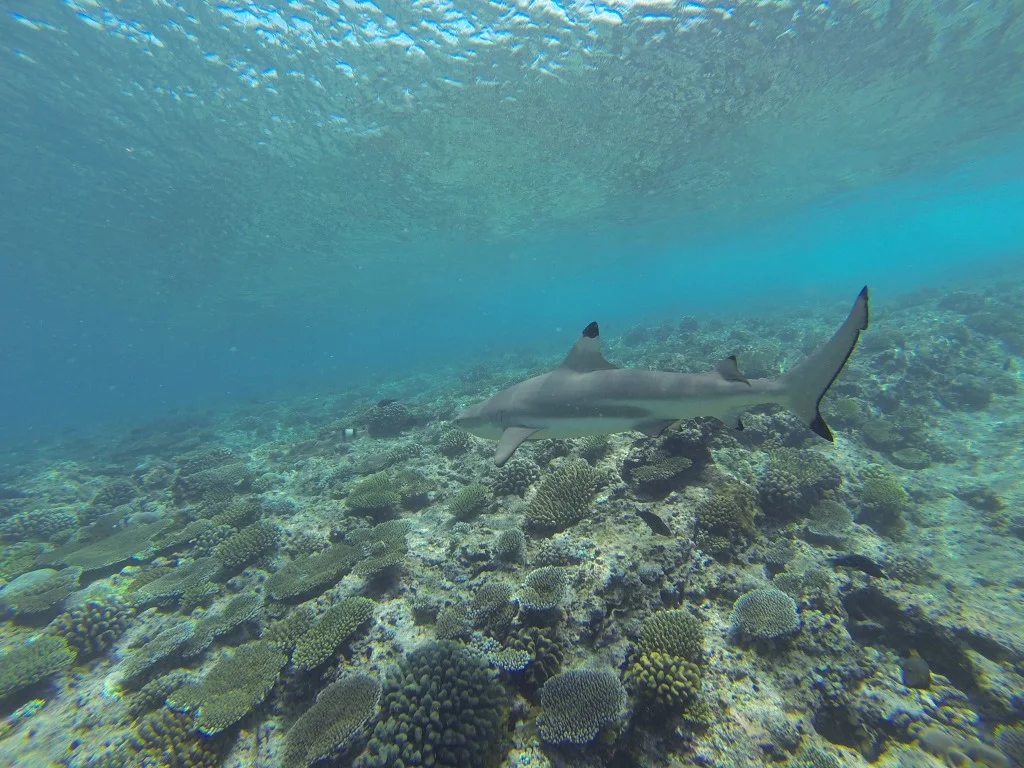
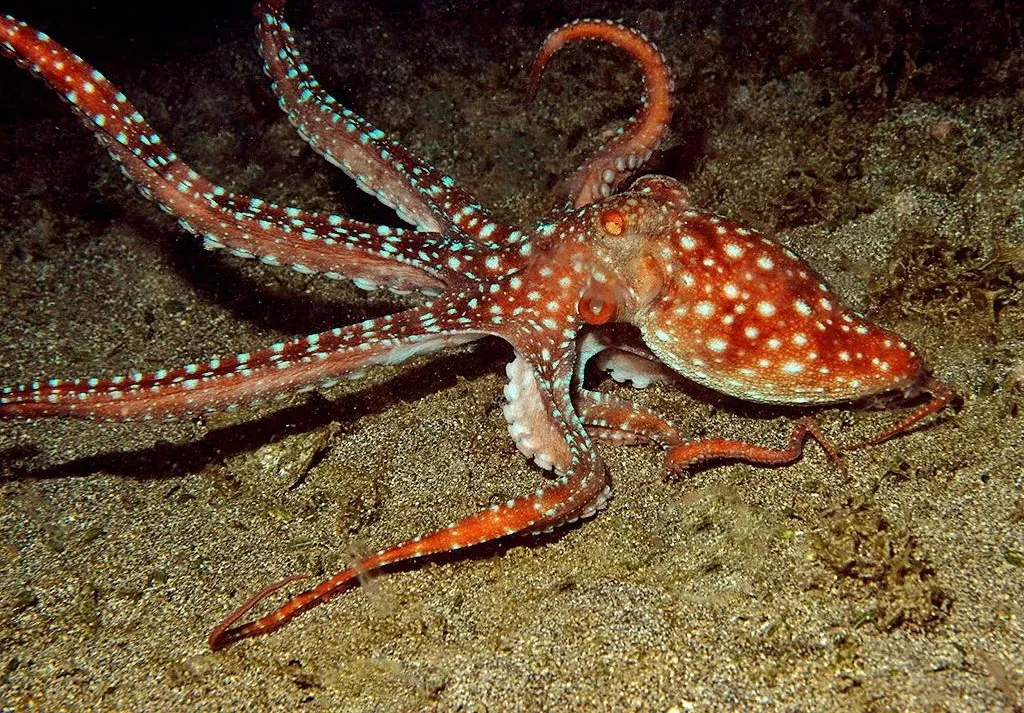
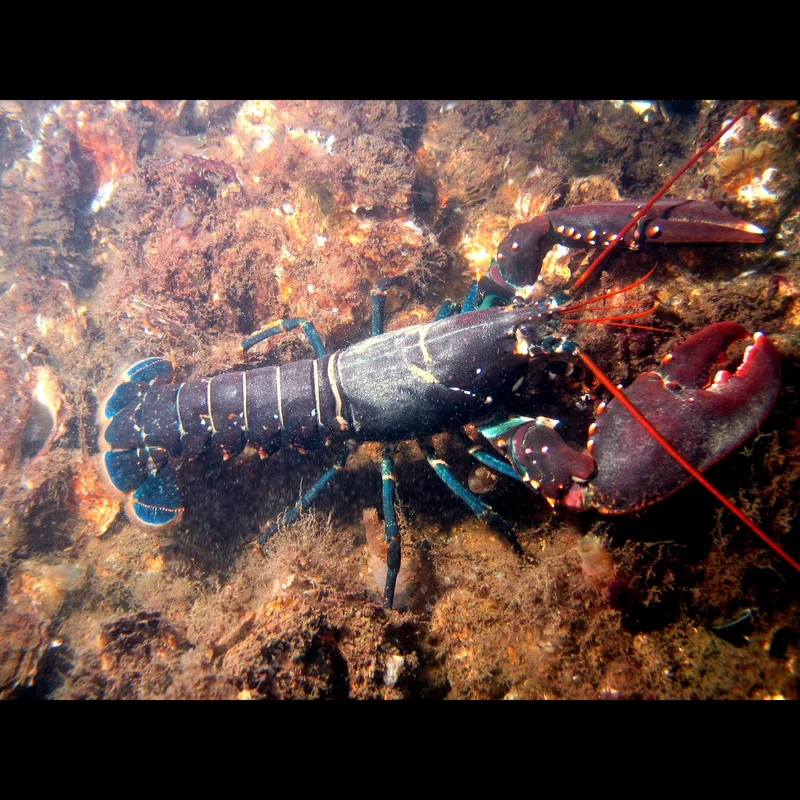
Marine life encounters at Cordilheiras center on the thriving communities within its rocky terrain. Divers frequently spot octopuses camouflaged among the crevices and various species of lobsters tucked into sheltered habitats.
The complex coral formations and boulders provide a rich ecosystem. While not always guaranteed, other common sightings within the wider Fernando de Noronha area include sharks, whales, dolphins, and several species of turtles, which occasionally grace the outer edges of this vibrant reef system.
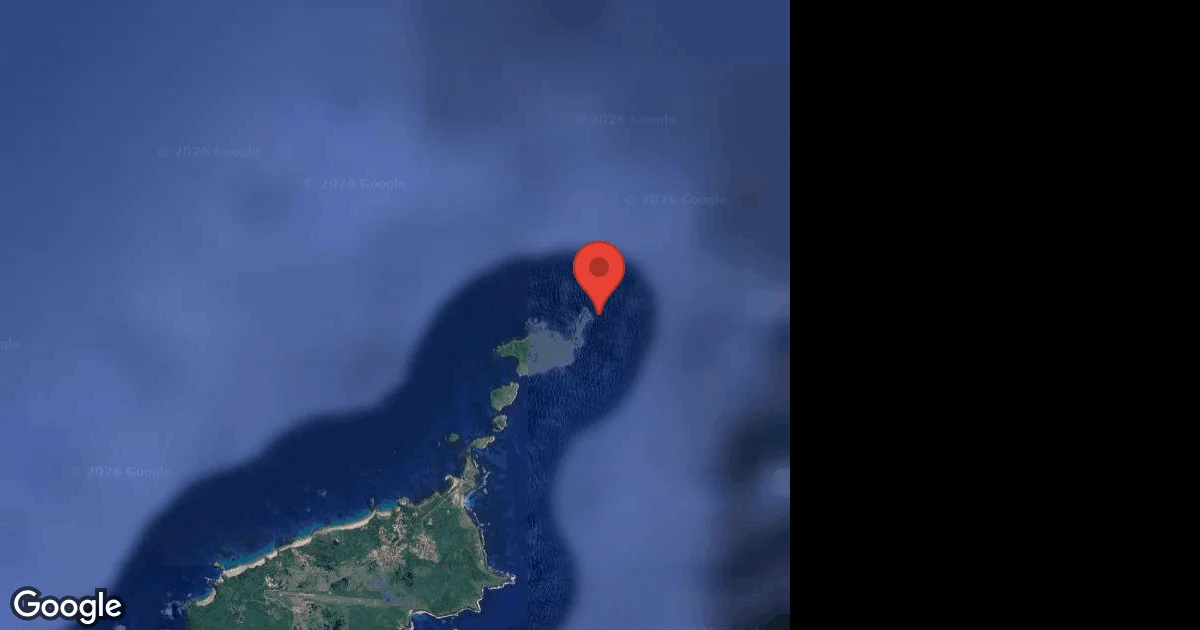
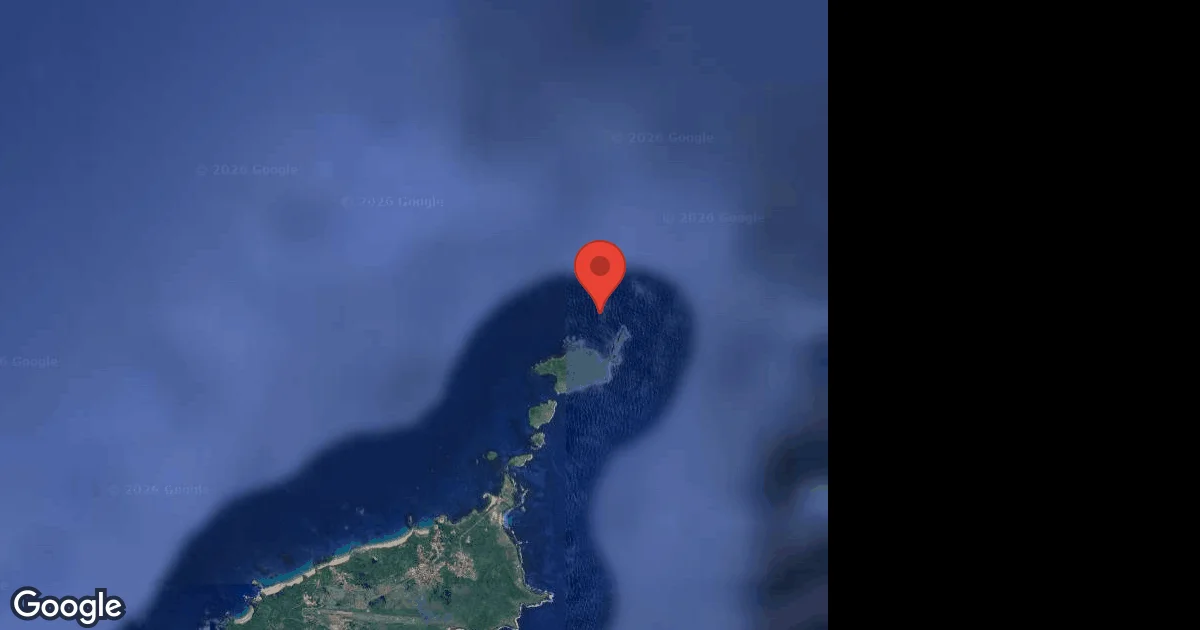
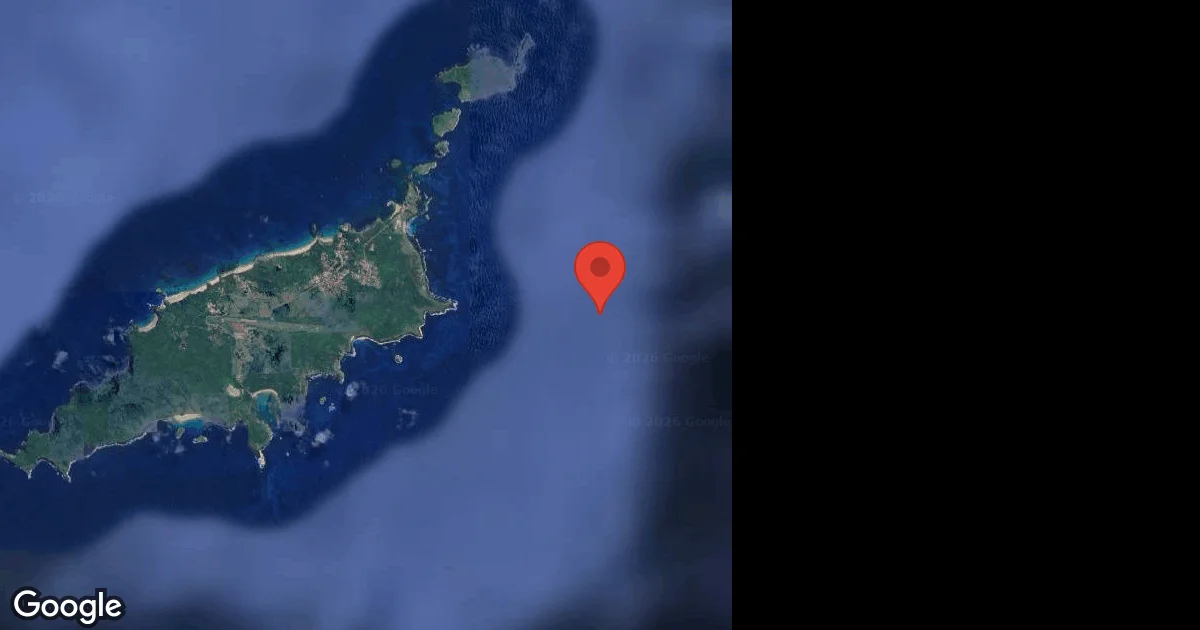
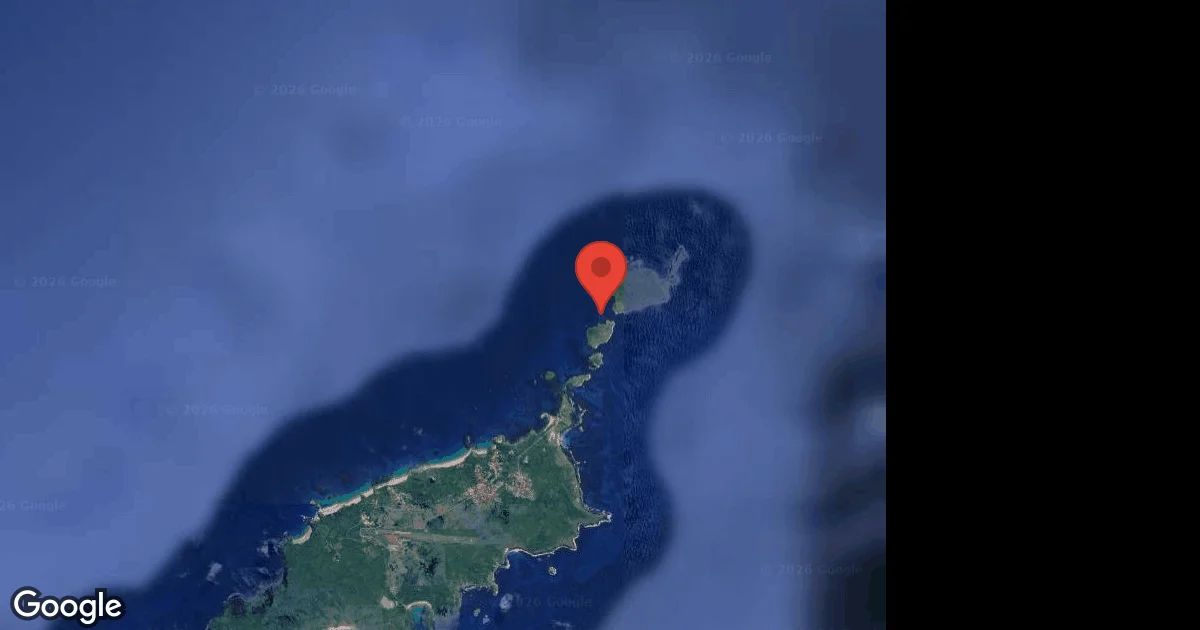
Dive Sites Near Cordilheiras
View all dive sites in BrazilDiscover more underwater gems in this area.
Dive Centers Near Cordilheiras
No Dive Centers Local To Cordilheiras
Are you a dive center visiting this location? Get listed to reach divers.
Nearest Airports
Nearest airports to help plan travel to this dive area.
Search Flights
Check available flights and routes on Expedia, using the nearby airports listed in this section.
Search Flights on ExpediaFrequently Asked Questions
What kind of dive site is Cordilheiras?
Cordilheiras is primarily a reef dive characterized by a dramatic boulder-strewn bottom. It features numerous rocky formations, coral growth, and natural swim-throughs, offering an engaging exploratory dive experience.
What are the typical water conditions at Cordilheiras?
Water temperatures are consistently warm, averaging around 26-27°C (80°F) year-round. Visibility is often excellent, typically exceeding 30 meters (100 feet), providing clear views of the underwater landscape.
What marine life can be expected at Cordilheiras?
Divers often encounter octopuses and various species of lobsters residing within the site's rocky crevices. Additionally, sharks, whales, dolphins, and turtles are common sightings in the broader Fernando de Noronha region and may be observed here.
Is Cordilheiras suitable for beginner divers?
While the site is within recreational depth limits, its boulder-strewn bottom and swim-throughs require good buoyancy control. Beginners with competent skills and under the guidance of a professional can enjoy this site, but careful navigation is key.
What is the best time of year to dive Cordilheiras?
The most favorable conditions for diving the open Atlantic sites, including Cordilheiras, are typically from January to March. During these months, wave heights and wind speeds are generally lower, contributing to better dive scores, although moderate conditions can also be found in June and December.
Are there any specific hazards to be aware of at Cordilheiras?
No specific unique hazards are consistently reported for Cordilheiras. General safe diving practices, including maintaining good buoyancy control and diving within your training limits, are always recommended, especially when exploring the site's complex rock formations.
Planning to dive Cordilheiras?
Send one inquiry and receive offers directly from the best verified local dive operators.
Conditions are Moderate
Optimal conditions expected
Current conditions near Cordilheiras show 27° air, 27° sea temperature, 1.8 m waves, and 35 km/h wind. Forecast data is refreshed regularly to ensure accuracy.