
Diving at Pontal Do Norte (Brazil)
For certified divers exploring Fernando de Noronha, Pontal do Norte presents an engaging reef and drift dive experience within the archipelago's protected inner sea. Accessing this site typically involves boat operations from the main pier, with specific dive routes determined by prevailing sea conditions. Expect a landscape characterized by substantial rock formations, indicative of a site that supports experienced recreational diving.
As evening covers Pontal Do Norte, the local air temperature is measured at 26.5°C. The current wave height at the surface is recorded at 1.7 m. These late-day readings characterize the surface conditions for the night.
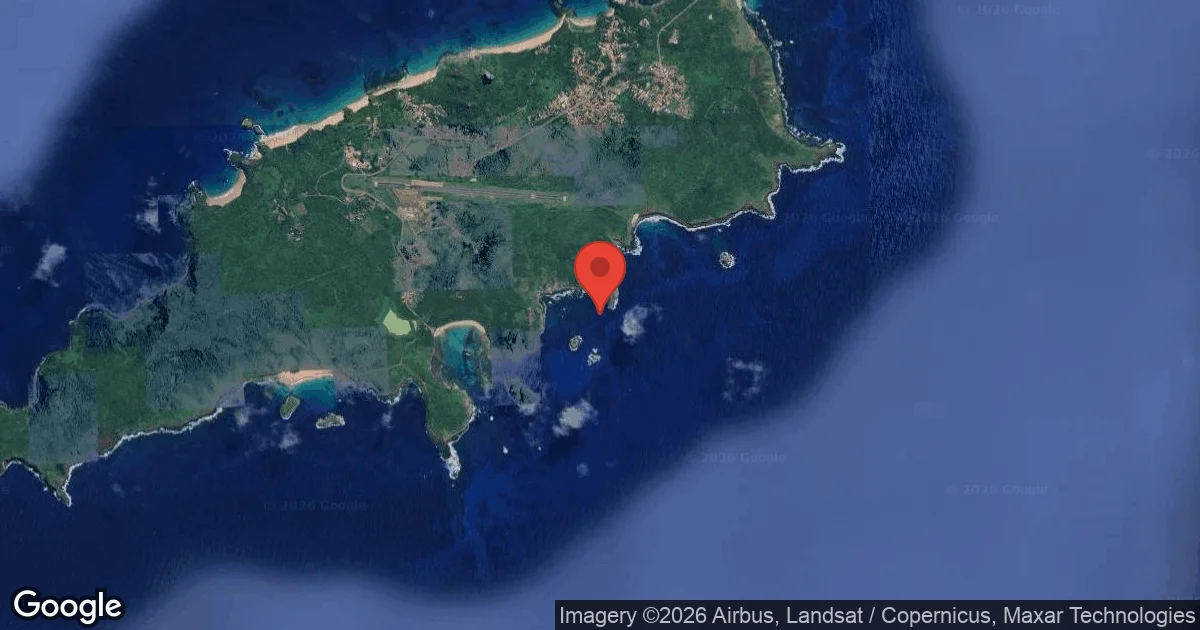
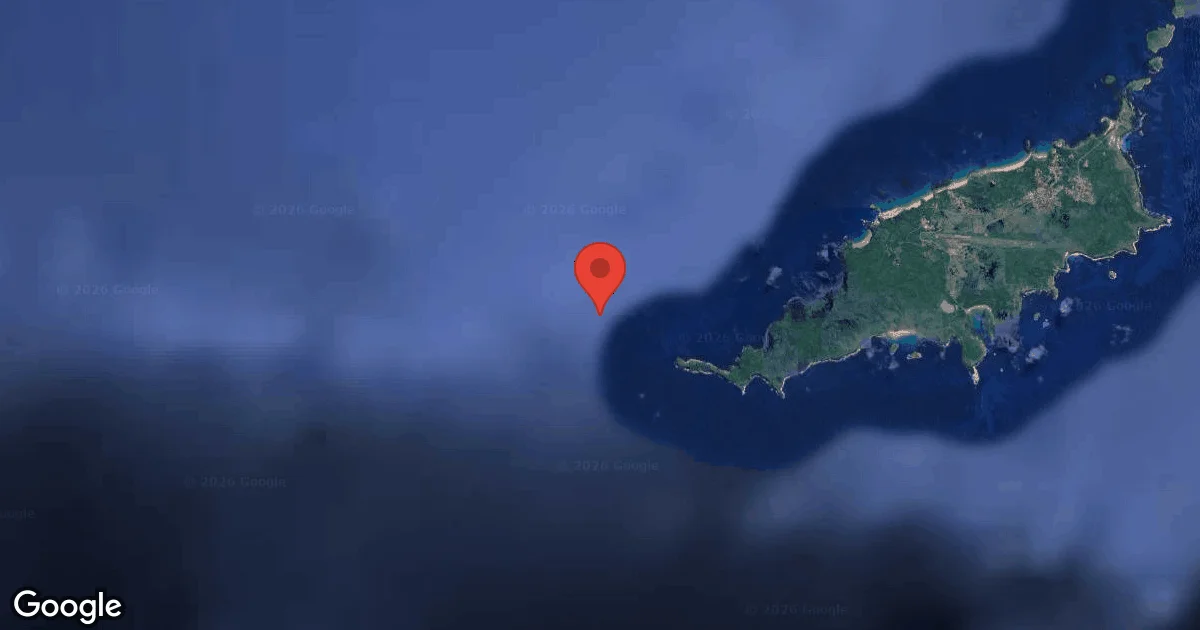
Dive Site Location & Key Facts
Dive Site Overview
Pontal do Norte, a notable dive site within Fernando de Noronha's inner sea, offers divers a dynamic exploration of its underwater topography. This area is recognized for its extensive rock formations, creating complex structures that define the dive.
It's often approached as a drift dive, allowing divers to move with the currents and cover more ground along the reef. Being part of a strictly controlled marine reserve, all dive operations here, and across the archipelago, are carefully managed by park authorities to maintain the pristine natural state.
Diving here is a day-trip activity, setting out by boat from the main pier, usually in the calmer morning hours, and returning in the afternoon. Pontal do Norte is among several key inner sea sites, distinct from the outer sea locations which may have different seasonal condition windows.
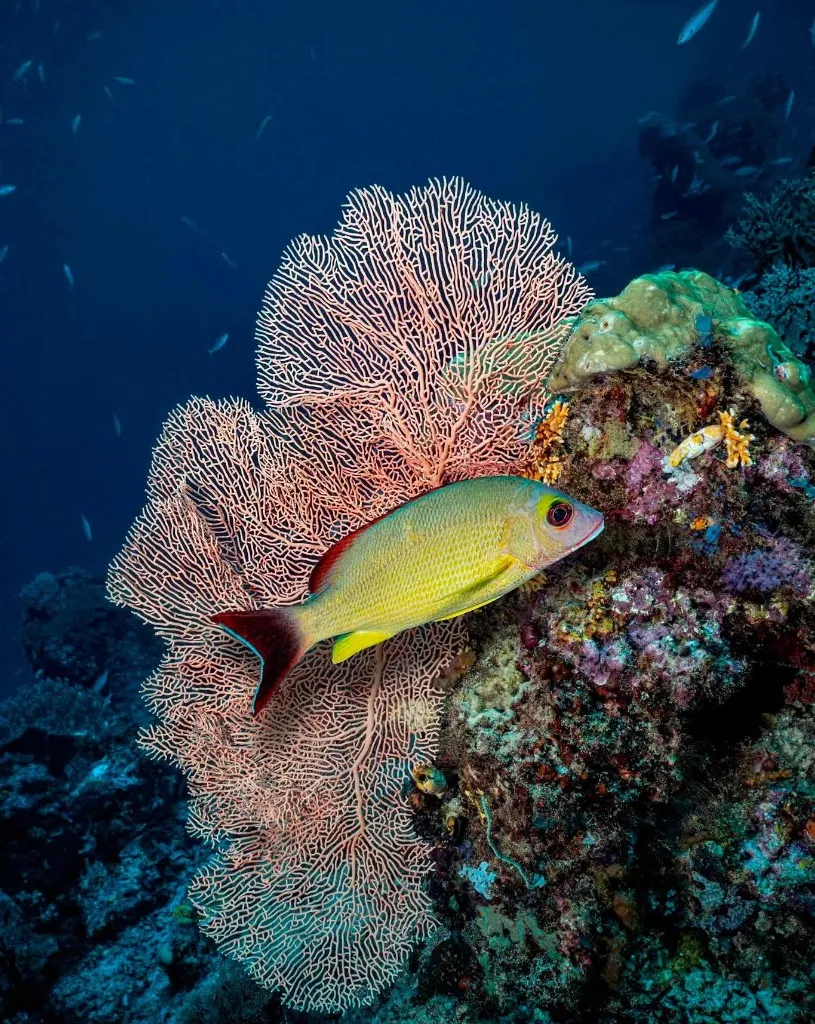
This particular spot provides opportunities to observe the rich biodiversity associated with the Noronha archipelago, known for its healthy coral ecosystems and diverse fish populations.
Conditions are Moderate
Optimal conditions expected
Current conditions near Pontal Do Norte show 27° air, 27° sea temperature, 1.8 m waves, and 35 km/h wind. Forecast data is refreshed regularly to ensure accuracy.
Best Time to Dive
Planning a trip to Pontal do Norte requires considering the broader seasonal patterns of Fernando de Noronha, as dive conditions can fluctuate throughout the year. While the equatorial climate generally permits diving year-round, conditions for inner sea sites might vary. For instance, the outer sea locations often see their best conditions from March to May, which may influence overall visibility and current strength across the region. During the period from July to December, conditions are typically favorable for beginners across the archipelago, suggesting generally calmer seas. Air temperatures consistently remain warm, averaging between 26-27.5°C (79-82°F) year-round. Rainfall is lowest from July to November, averaging less than 1 mm per month, which generally correlates with better surface conditions. Waves average 1.7-2.1 meters (5.6-6.9 ft) and wind speeds range from 22-34 km/h (14-21 mph), impacting boat travel and surface chop. Water temperature isn't consistently reported but generally aligns with the tropical climate, typically warm.
PEAK SEASON SCORE
Scores combine air & water temps, waves, wind & rainfall for overall conditions.
BEST MONTHS TO DIVE
Monthly records compiled from satellite and marine observation nodes over the last 3 years. Data provided by Open-Meteo and MET Norway.
Dive Experience & Conditions
Immersing yourself in Pontal do Norte's waters, divers encounter a realm defined by impressive geological features. The presence of huge rock formations shapes the underwater landscape, providing numerous crevices and overhangs to explore. Currents can be a notable factor, making it an excellent site for drift diving, which allows for effortless movement along the reef. Visibility in the Fernando de Noronha archipelago is often exceptional, with reports of up to 50 m (164 ft), enhancing the sensory experience of the vibrant reef ecosystem. While specific water temperature data for Pontal do Norte is not consistently available, the tropical nature of Fernando de Noronha suggests comfortably warm conditions. This environment supports a diverse array of marine life, making each descent an opportunity for new discoveries.
Dive Difficulty & Safety Guidelines
Maintaining safe diving practices at Pontal do Norte is paramount, especially within the protected confines of Fernando de Noronha's marine reserve. Divers must adhere strictly to the regulations set forth by park authorities, which govern dive sites and routes to preserve the natural environment. Given the potential for drift diving, competent buoyancy control and an awareness of prevailing currents are essential.
All dives are conducted from boats, necessitating strict adherence to pre-dive briefings and boat procedures. Familiarity with local conditions and communication with your dive operator are important for a smooth experience.
The archipelago's status as a protected area means respecting all marine life and avoiding any disturbance to the natural habitat.
Recommended Equipment
Current and surface separation risk. Local briefing strongly recommended.
- Dive Computer
- DSMB
- Reel / Spool
This gear list is based on verified equipment signals for Pontal Do Norte, Brazil. Always confirm final gear choices with your dive operator, guide, or liveaboard.
Recommended Dive Suit
Current diving conditions indicate water temperatures around 27°C (80°F) at Pontal Do Norte. Surface air temperatures are resting at 27°C (80°F).
The forecast outlook suggests that temperatures will stay close to current levels.
Divers who prefer moderate insulation typically choose 2-3mm shorty or light wetsuit in similar environments. Consider warmer surface protection (like a boat coat) due to brisk winds. Many experienced divers adjust their exposure protection depending on the type of dive planned. Stronger winds may also make surface intervals feel cooler than usual.
Emergency & Medical Support
Essential information to help you plan your dive trip to Pontal do Norte.

Hyperbaric chambers are a critical part of dive safety infrastructure. Availability varies significantly by region, and not all dive areas have immediate access.
Before diving, it's recommended to:
- confirm nearest medical facilities
- check emergency procedures with local dive operators
- ensure dive insurance covers evacuation if required
Divers Alert Network
Diving emergency assistance available through DAN World.
+1-919-684-9111- 24/7 emergency hotline
- Diving medical assistance
- Evacuation coordination
Emergency contacts are provided for reference. Always verify local emergency services before diving.
Marine Life at Pontal Do Norte
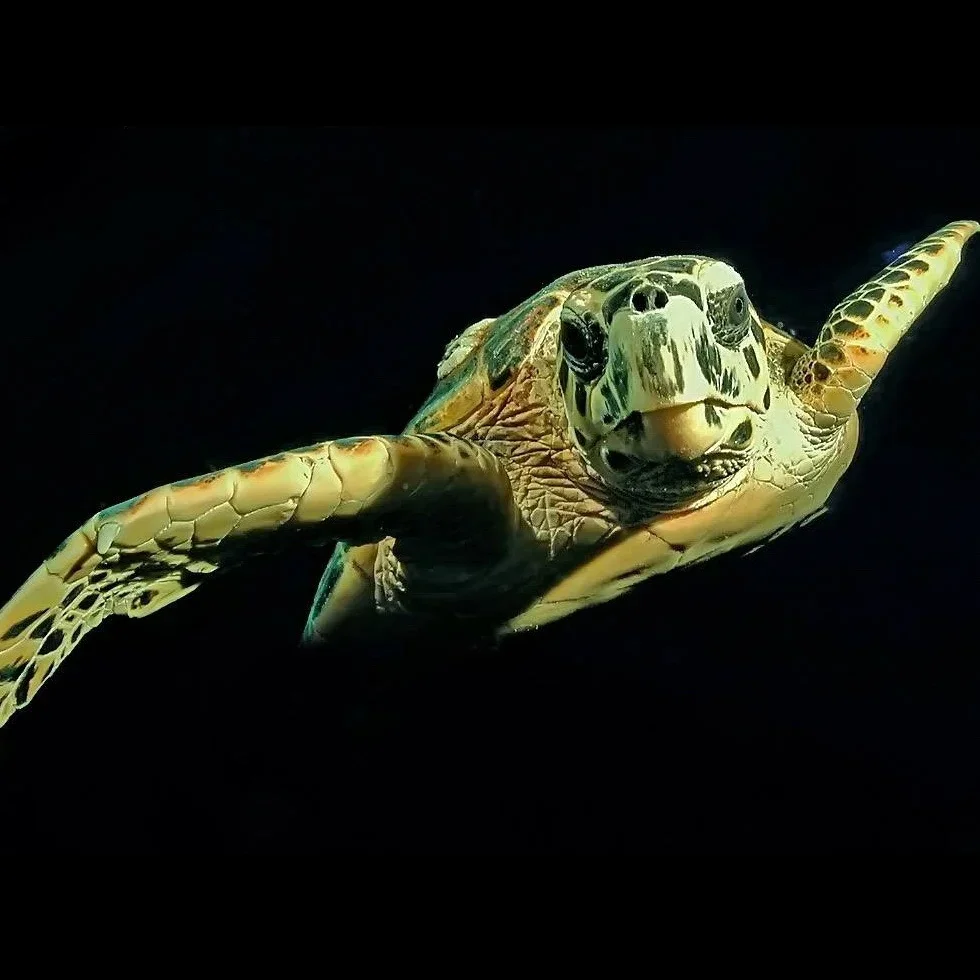
Encounters with diverse marine life are a significant draw at Pontal do Norte, reflecting the rich biodiversity of Fernando de Noronha. Divers frequently report sightings of green and hawksbill sea turtles gracefully navigating the reef.
The archipelago serves as an important shark nursery, increasing the likelihood of observing species like reef and lemon sharks. Large shoals of smaller fish, such as jackfish or snapper, create dynamic underwater spectacles.
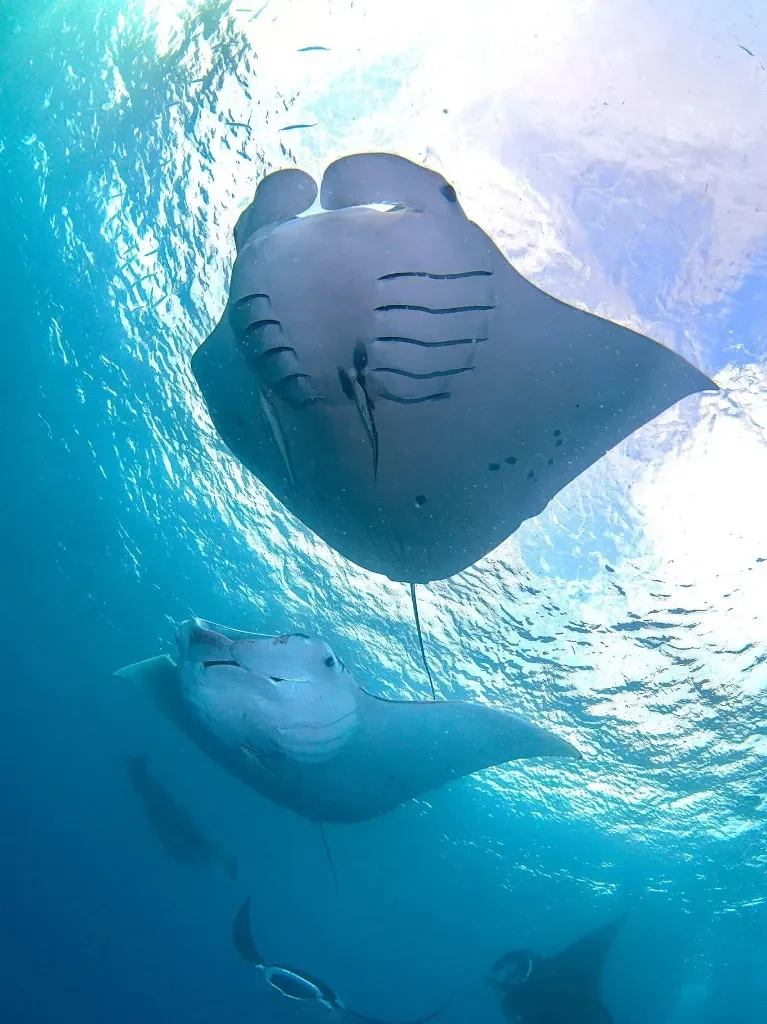
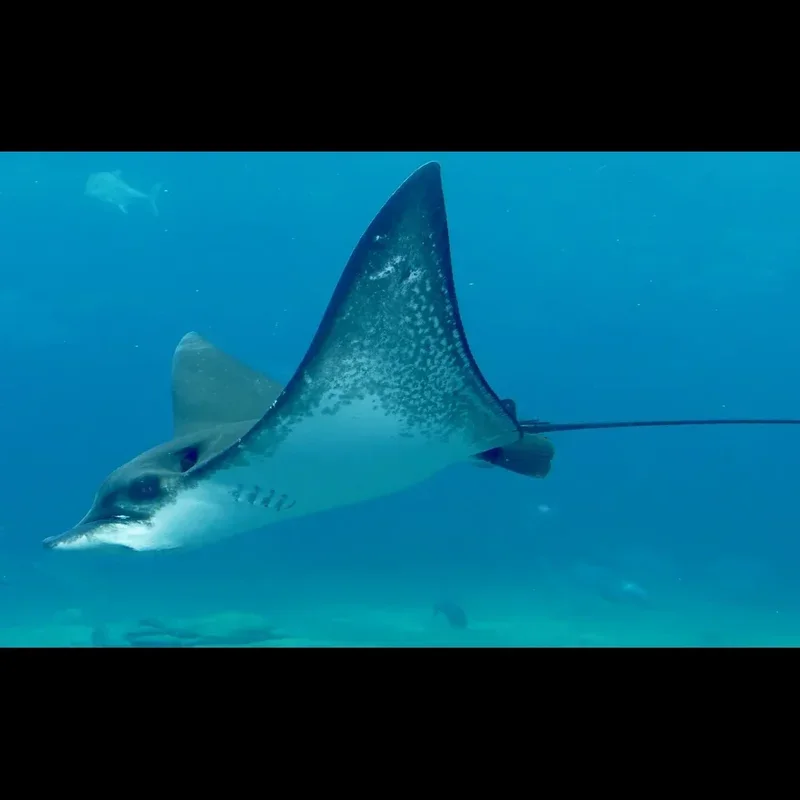
While not guaranteed, the waters may occasionally host spinner dolphins, eagle rays, manta rays, and even humpback whales, particularly during their migratory seasons.

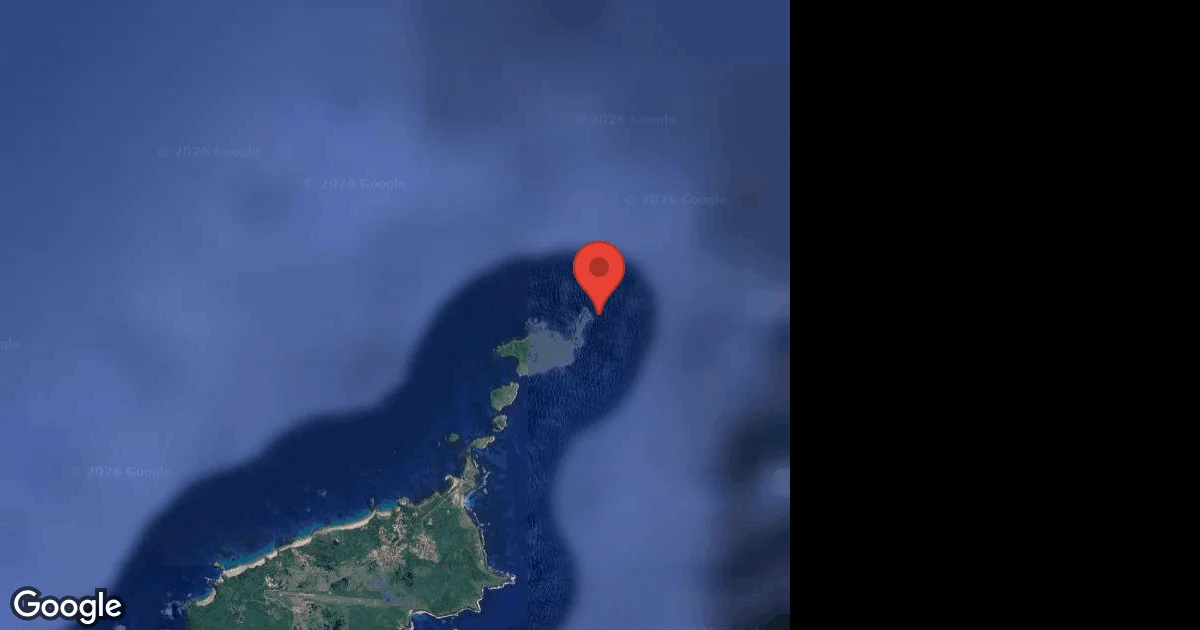
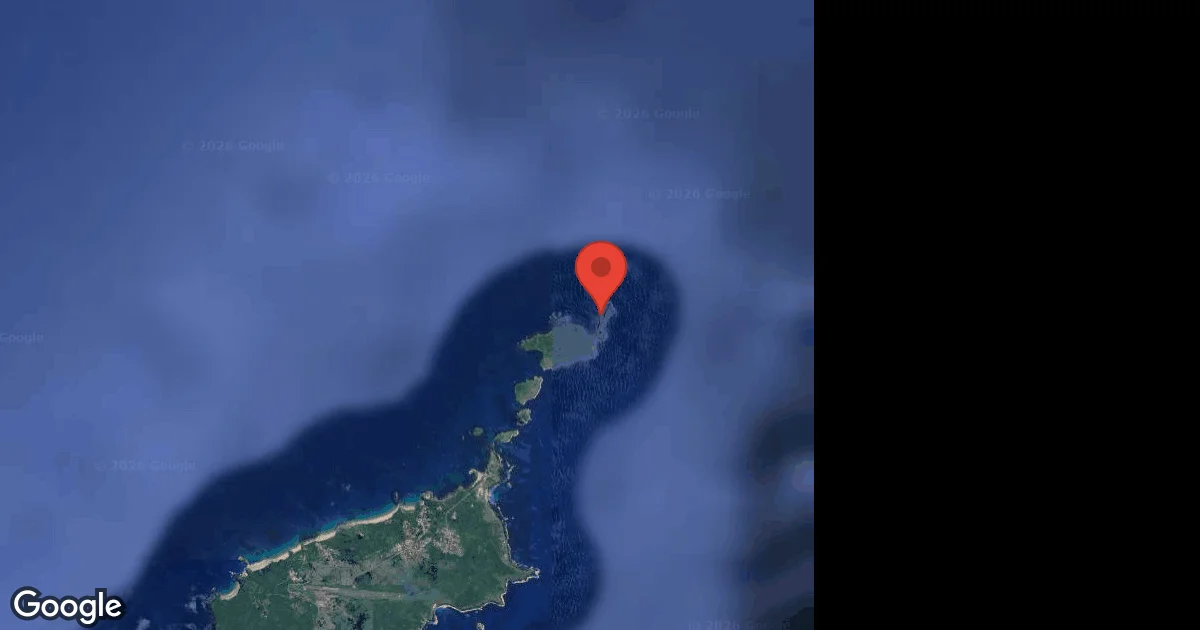
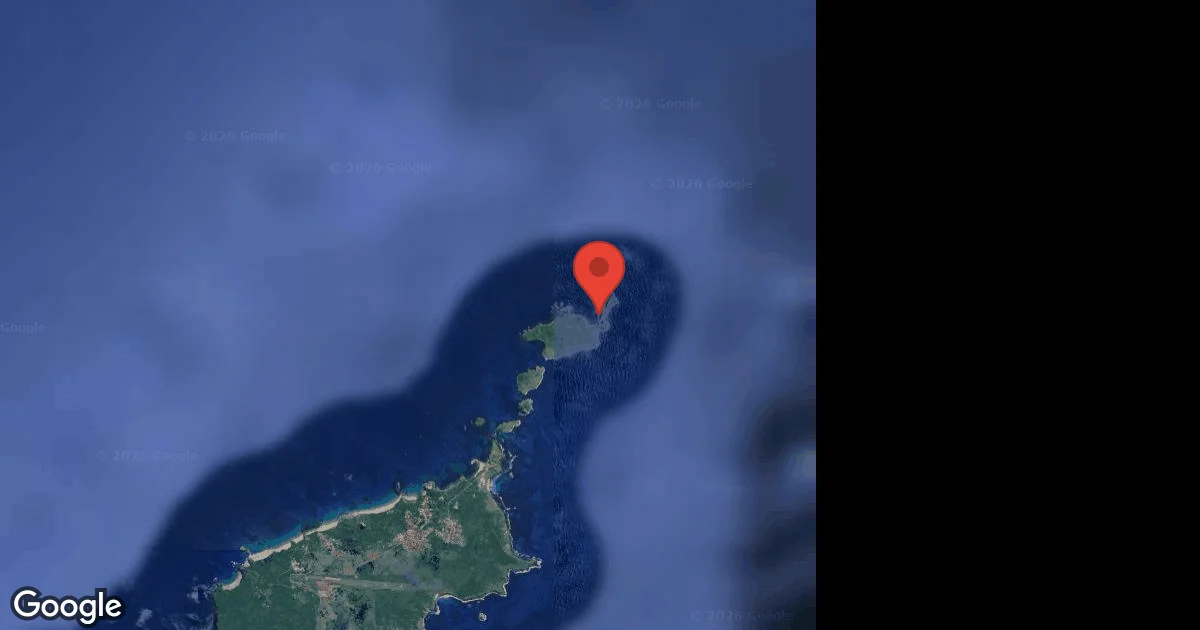
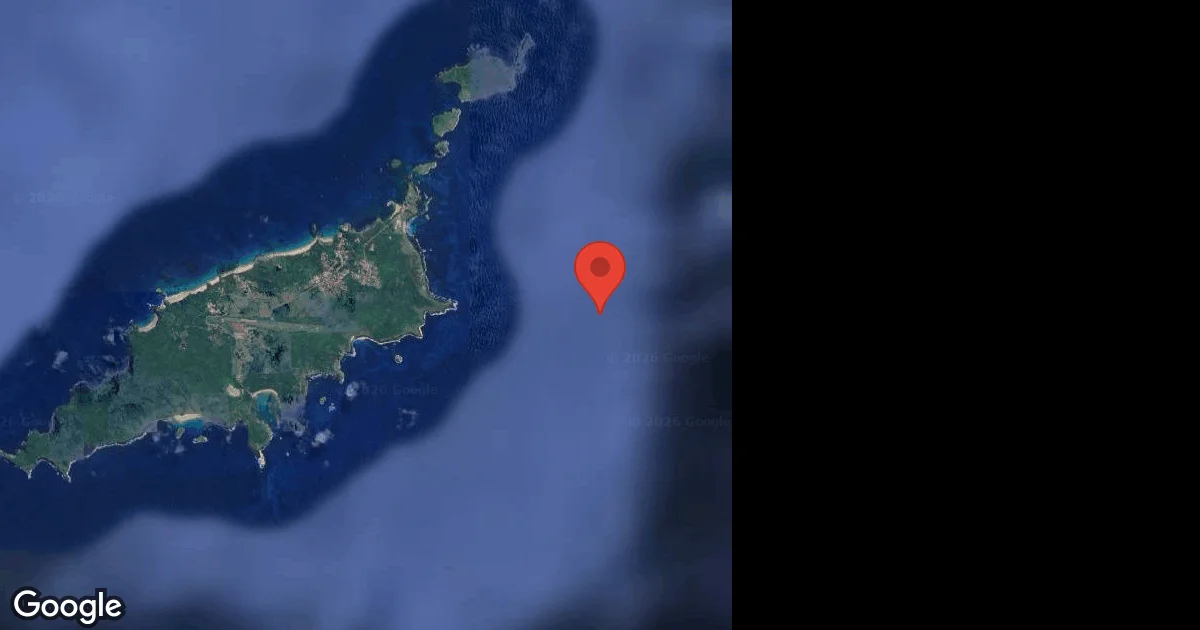
Dive Sites Near Pontal Do Norte
View all dive sites in BrazilDiscover more underwater gems in this area.
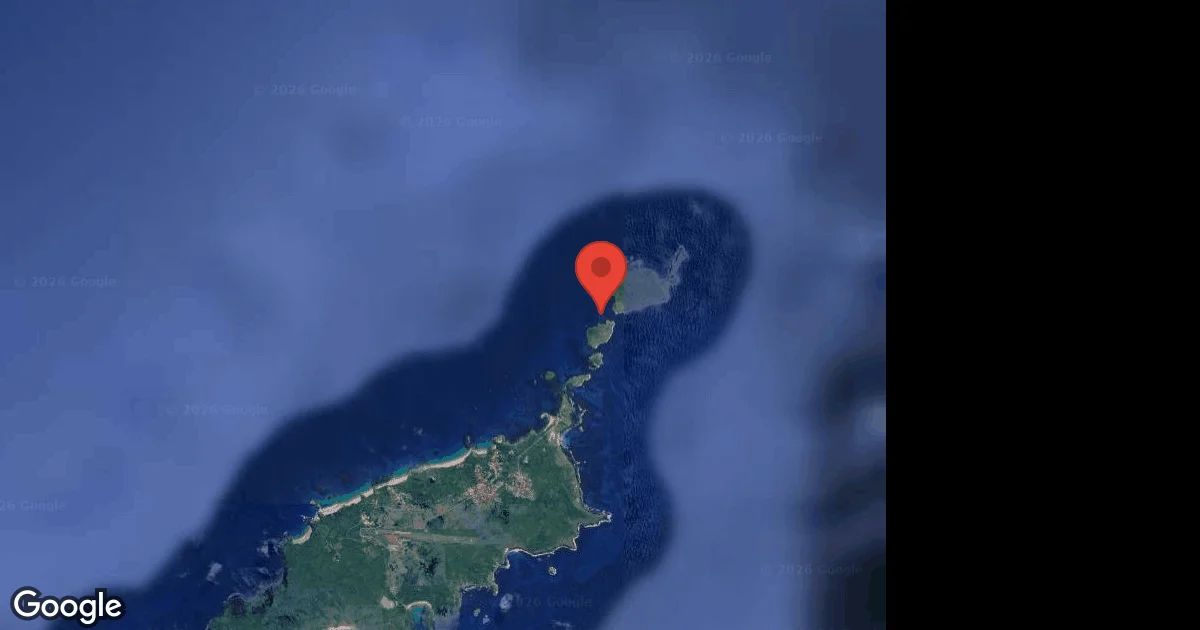
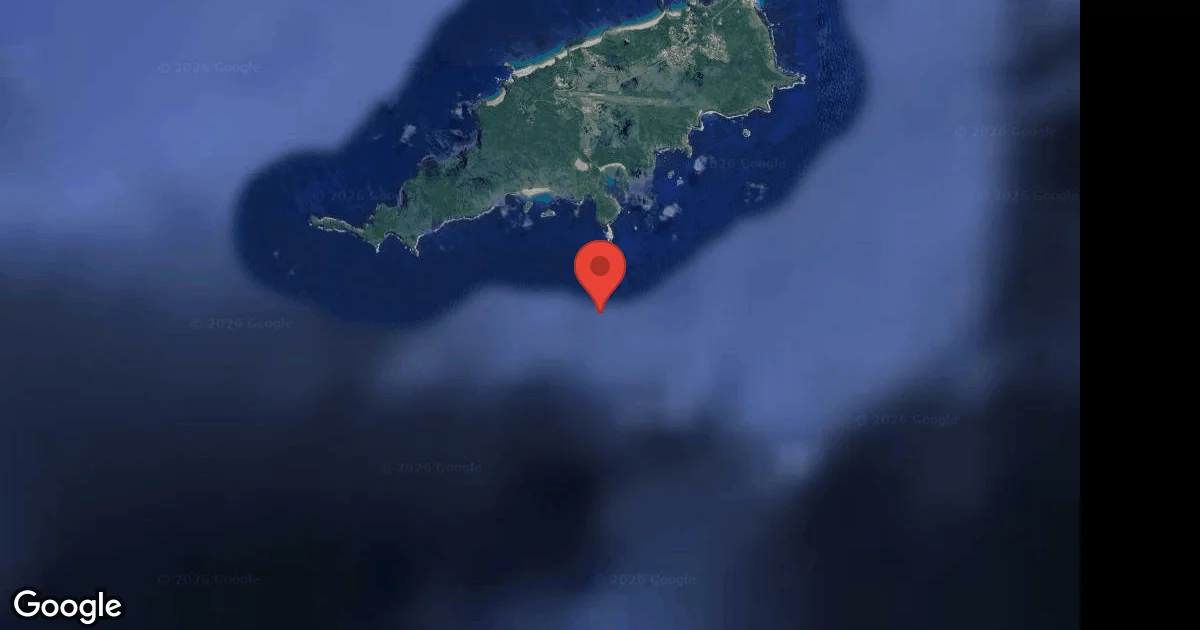
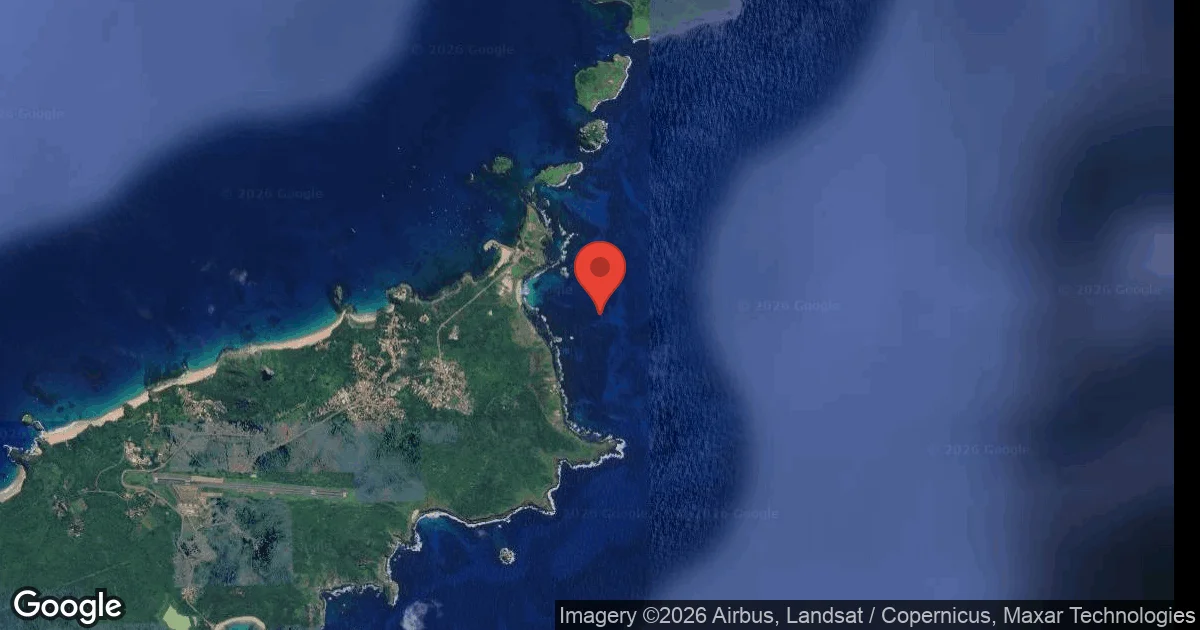
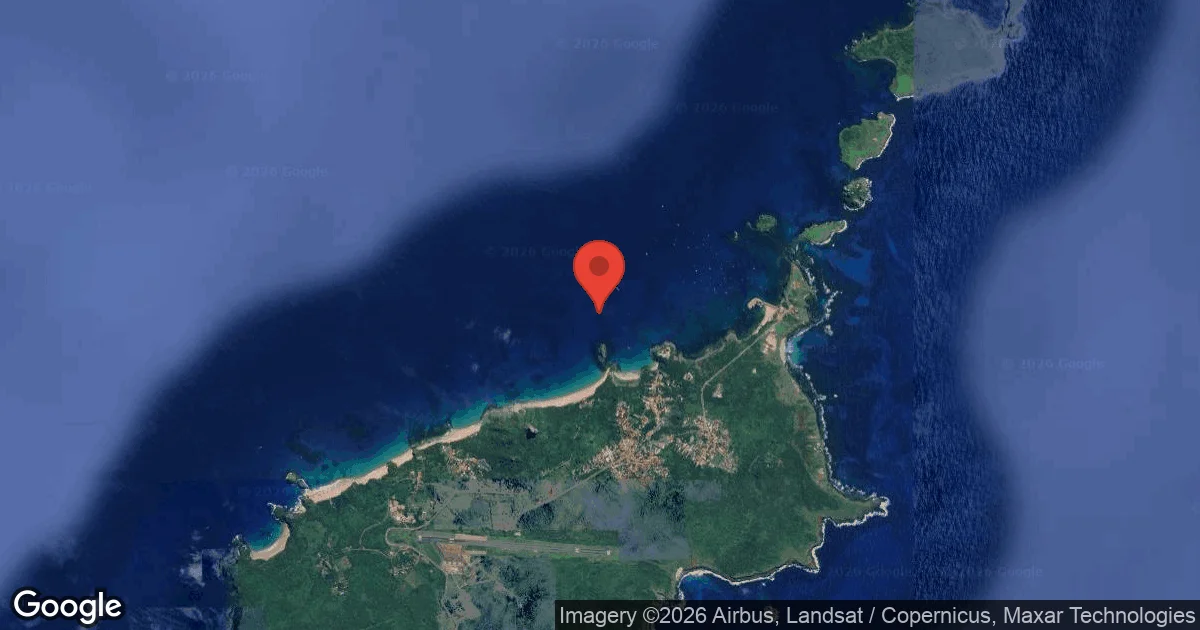
Dive Centers Near Pontal Do Norte
No Dive Centers Local To Pontal Do Norte
Are you a dive center visiting this location? Get listed to reach divers.
Nearest Airports
Nearest airports to help plan travel to this dive area.
Search Flights
Check available flights and routes on Expedia, using the nearby airports listed in this section.
Search Flights on ExpediaFrequently Asked Questions
What types of diving are available at Pontal do Norte?
Pontal do Norte is primarily a site for reef and drift diving. The underwater topography, characterized by significant rock formations, makes it well-suited for certified divers looking for a dynamic experience.
What marine life can I expect to see here?
Divers often encounter green and hawksbill sea turtles, various reef and lemon sharks, and large schools of jackfish or snapper. Spinner dolphins, eagle rays, and even humpback whales are also occasional visitors to the area.
Is Pontal do Norte suitable for beginner divers?
While the Fernando de Noronha archipelago offers sites perfect for beginners, areas with large rock formations like Pontal do Norte are generally more appropriate for certified divers seeking drift or reef experiences. Novice divers might find protected shallow waters elsewhere more suitable.
What is the typical water visibility at this dive site?
Visibility in the Fernando de Noronha waters is often excellent, with reports of up to 50 m (164 ft). Local conditions, however, can cause variations in visibility.
How are dive operations organized for Pontal do Norte?
Diving at Pontal do Norte involves day trips by boat, typically departing from the main pier in the mornings. Dive sites and routes are strictly regulated by park authorities to preserve the marine environment.
What is the water temperature like in Pontal do Norte?
Specific water temperature data for Pontal do Norte isn't consistently reported. However, as part of tropical Fernando de Noronha, divers can generally expect comfortably warm water conditions year-round.
Are there any specific regulations I should be aware of when diving here?
Yes, Pontal do Norte is within a protected marine reserve. Divers must adhere to all park authority regulations, including designated dive sites and routes, and practice responsible interaction with marine life to ensure preservation.
Planning to dive Pontal Do Norte?
Send one inquiry and receive offers directly from the best verified local dive operators.
Conditions are Moderate
Optimal conditions expected
Current conditions near Pontal Do Norte show 27° air, 27° sea temperature, 1.8 m waves, and 35 km/h wind. Forecast data is refreshed regularly to ensure accuracy.