
Diving at Morro de Gaira (Colombia)
Diving Morro de Gaira provides an accessible gateway to the vibrant underwater world off Santa Marta, Colombia. This site serves divers of varying skill levels, from beginners undergoing their initial training to seasoned adventurers exploring deeper sections. It's an area where the geological forces of the Sierra Nevada meet the Caribbean Sea, fostering diverse coral formations and a rich array of reef inhabitants. Planning a dive here means anticipating conditions suitable for broad recreational enjoyment.
Evening condition tracking at Morro de Gaira features an air temperature of 29°C. We have recorded wave heights measuring 1.4 m during this period. These figures outline the environmental parameters currently present.
Dive Site Location & Key Facts
Dive Site Overview
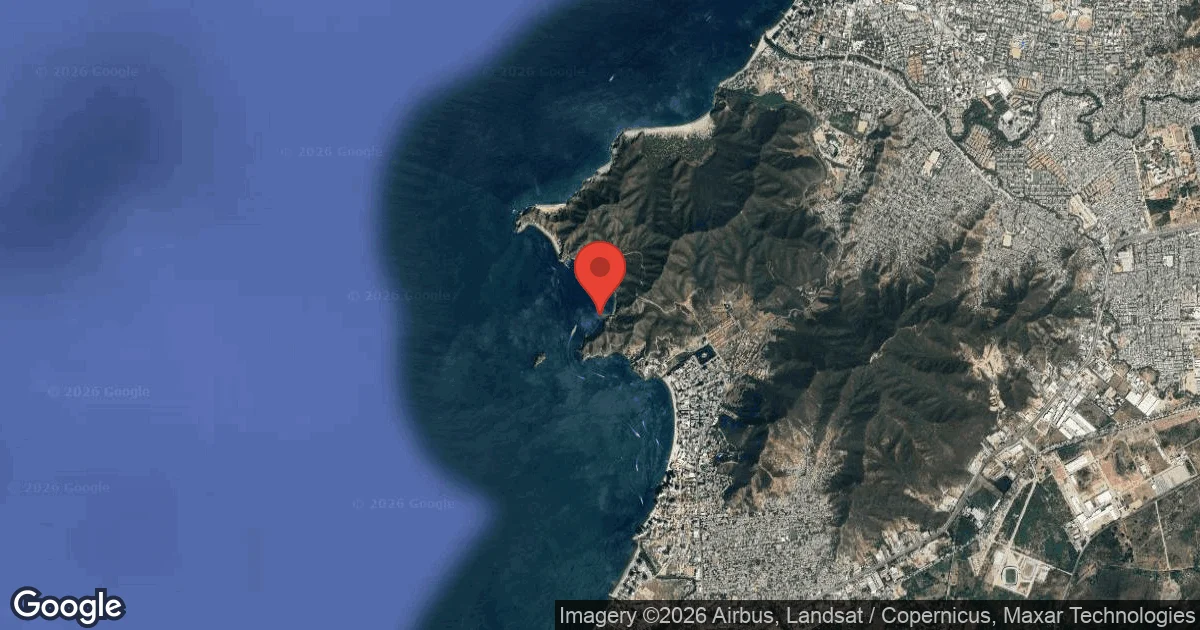
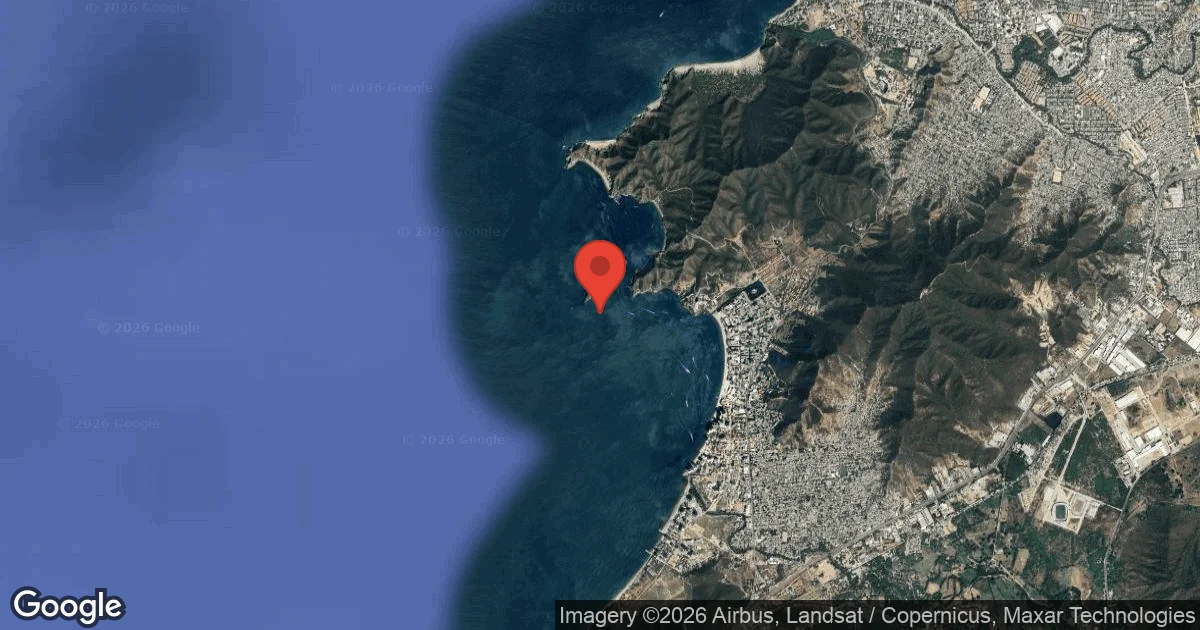
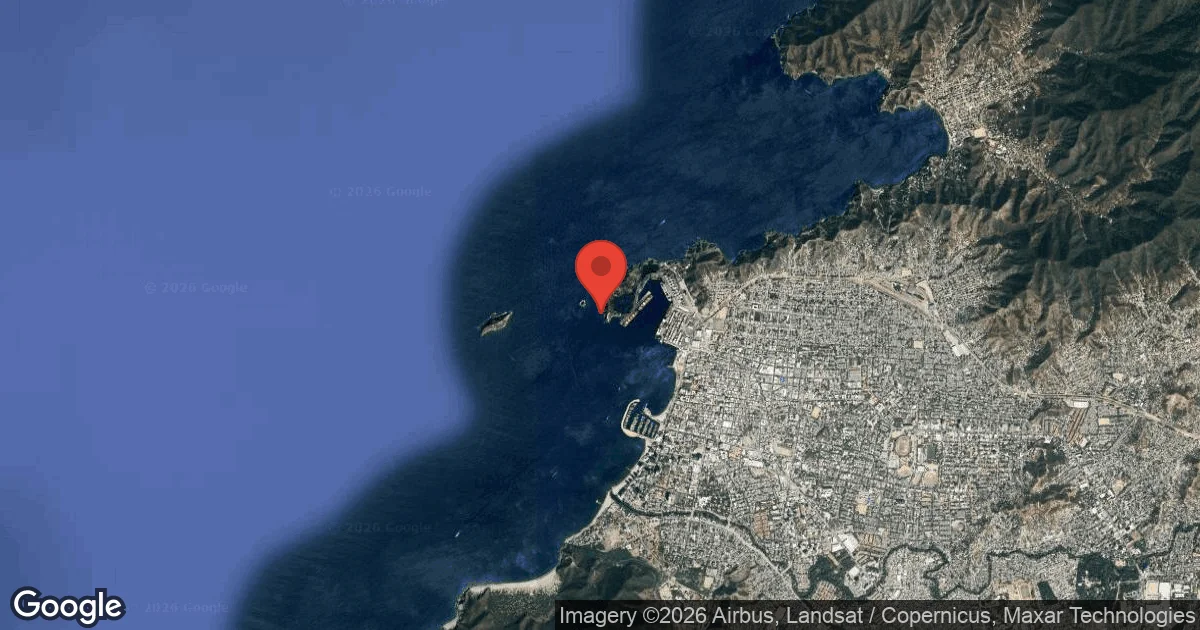
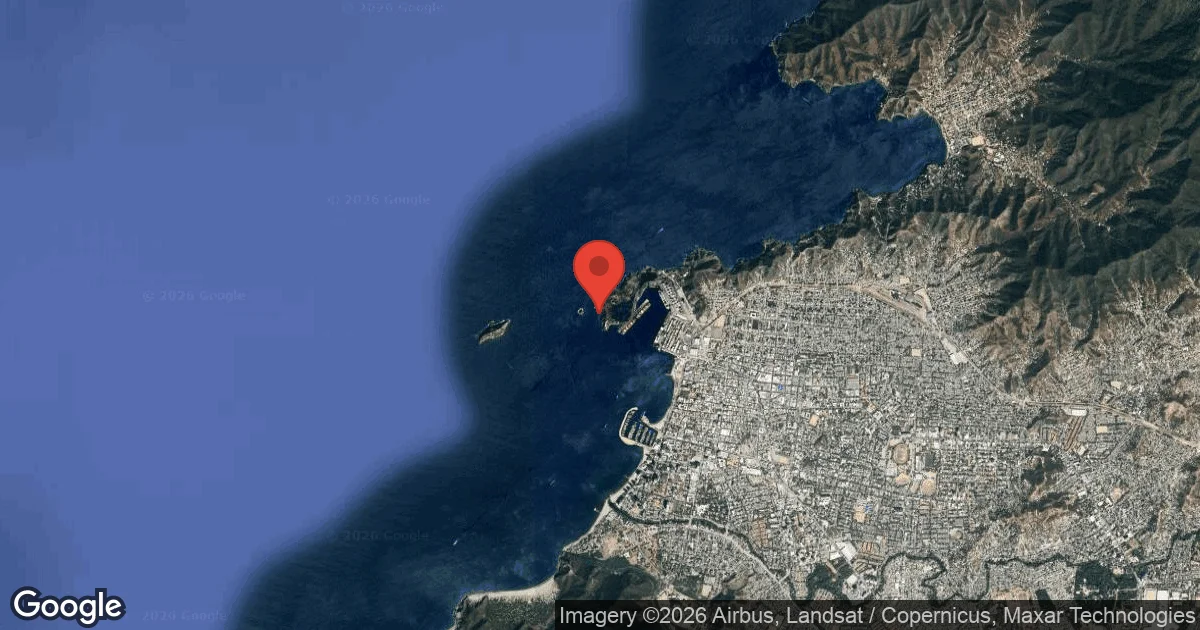
An islet fronting El Rodadero beach, Morro de Gaira is characterized by a fringing coral reef system. Underwater, sizable coral heads and intricate branching corals, including species described as bald corals resembling pink to orange dusters, dominate the landscape.
Divers can explore the entire perimeter of this island, revealing different facets of its topography. Depths at the site cater to recreational diving limits, generally extending to about 30 m (100 ft). Situated within Gaira Bay, conditions are shaped by trade winds and the Sierra Nevada mountain range, which contributes to distinct reef environments.
These isolated conditions have fostered well-developed coral colonies that support an active ecosystem. As a reef dive, its structure provides habitat for a wide range of Caribbean reef fish and invertebrate life.
Visibility at the site can vary, but often allows for clear observation of the reef's structure and its inhabitants. While shallower, pool-like conditions in Gaira Bay are often utilized for practical workshops and beginner training, certified divers will find sections with more noticeable currents, offering a dynamic experience across the reef.
This blend of sheltered areas and mild currents makes it suitable for different levels of diver engagement.
Conditions are Moderate
Optimal conditions expected
Current conditions near Morro de Gaira show 29° air, 30° sea temperature, 1.0 m waves, and 27 km/h wind. Forecast data is refreshed regularly to ensure accuracy.
Best Time to Dive
Seasonal variations affect the diving experience at Morro de Gaira, though good conditions are possible for much of the year. The calmer months for diving, particularly September and October, typically see lower average wave heights, around 0.9 m (3.0 ft) and 0.7 m (2.3 ft) respectively, alongside reduced wind speeds, around 19.6 km/h (12.2 mph) and 18.3 km/h (11.4 mph). During these periods, rain might be slightly higher, with averages around 3.2 mm and 3.5 mm for September and October, but generally not disruptive to diving. Air temperatures remain consistently warm, often hovering between 28-29°C (82-84°F) year-round. Conversely, months like January through March experience stronger trade winds, with average speeds nearing 30 km/h (18.6 mph), which can result in increased wave action, averaging 1.5-1.6 m (4.9-5.2 ft). These conditions may lead to choppier surface conditions and potentially affect visibility, especially for less experienced divers. April, May, July, August, and December also present favorable "Good" dive scores, indicating a broad window for enjoyable dives outside of the calmer peak season. Divers should consider wave heights and wind speeds when planning trips, as these are the primary factors influencing local conditions.
PEAK SEASON SCORE
Scores combine air & water temps, waves, wind & rainfall for overall conditions.
BEST MONTHS TO DIVE
Monthly records compiled from satellite and marine observation nodes over the last 3 years. Data provided by Open-Meteo and MET Norway.
Dive Experience & Conditions
Beginning a dive at Morro de Gaira often involves a boat entry, leading you directly into the reef system. Divers typically encounter depths ranging from shallower sections suitable for training to the maximum recreational depth of around 30 m (100 ft). The absence of specific water temperature data means divers should be prepared for varying thermal conditions, though generally, Caribbean waters are considered warm. Expect currents to be present, particularly in more exposed areas or during certain tidal phases. These conditions can offer exciting drift diving opportunities for experienced individuals. For those new to diving or conducting practical workshops, the sheltered qualities of Gaira Bay provide a more controlled environment. Underwater visibility is not consistently reported, but often allows for good appreciation of the diverse coral structures and the activity of reef fish. A spectrum of dive styles is accommodated here, from relaxed observation in calmer patches to navigating mild drifts over the coral formations.
Dive Difficulty & Safety Guidelines
Diving at Morro de Gaira involves adhering to standard safe diving practices and being aware of the local environment. While no specific hazards are reported for this site, currents can vary and should always be assessed before and during a dive, particularly when exploring sections outside of the sheltered bay. Divers should plan their profiles conservatively, considering the maximum depth achievable at this reef.
Maintaining buoyancy control is crucial to protect the delicate coral formations. It's recommended to dive with a local guide who possesses intimate knowledge of the site's characteristics and current patterns.
All divers should ensure their equipment is well-maintained and in good working order. Additionally, respecting marine life by observing from a distance and avoiding contact is fundamental for both diver safety and ecosystem preservation. Always conduct a thorough buddy check.
Recommended Equipment
- Dive Computer
This gear list is based on verified equipment signals for Morro de Gaira, Colombia. Always confirm final gear choices with your dive operator, guide, or liveaboard.
Recommended Dive Suit
For divers planning standard recreational dives, dive skin or rash guard is usually a suitable option. Consider warmer surface protection (like a boat coat) due to brisk winds. Divers vary widely in how quickly they feel cold underwater.
At the moment, divers exploring Morro de Gaira will likely experience water temperatures near 30°C (86°F). Surface air temperatures are resting at 29°C (84°F).
The forecast outlook suggests that temperatures will stay close to current levels.
Due to technical issues with our weather providers, live updates are temporarily delayed. The data above reflects the conditions at the time of the last successful fetch.
Emergency & Medical Support
Essential information to help you plan your dive trip to Morro de Gaira.

Hyperbaric chambers are a critical part of dive safety infrastructure. Availability varies significantly by region, and not all dive areas have immediate access.
Before diving, it's recommended to:
- confirm nearest medical facilities
- check emergency procedures with local dive operators
- ensure dive insurance covers evacuation if required
Divers Alert Network
Diving emergency assistance available through DAN World.
+1-919-684-9111- 24/7 emergency hotline
- Diving medical assistance
- Evacuation coordination
Emergency contacts are provided for reference. Always verify local emergency services before diving.
Marine Life at Morro de Gaira
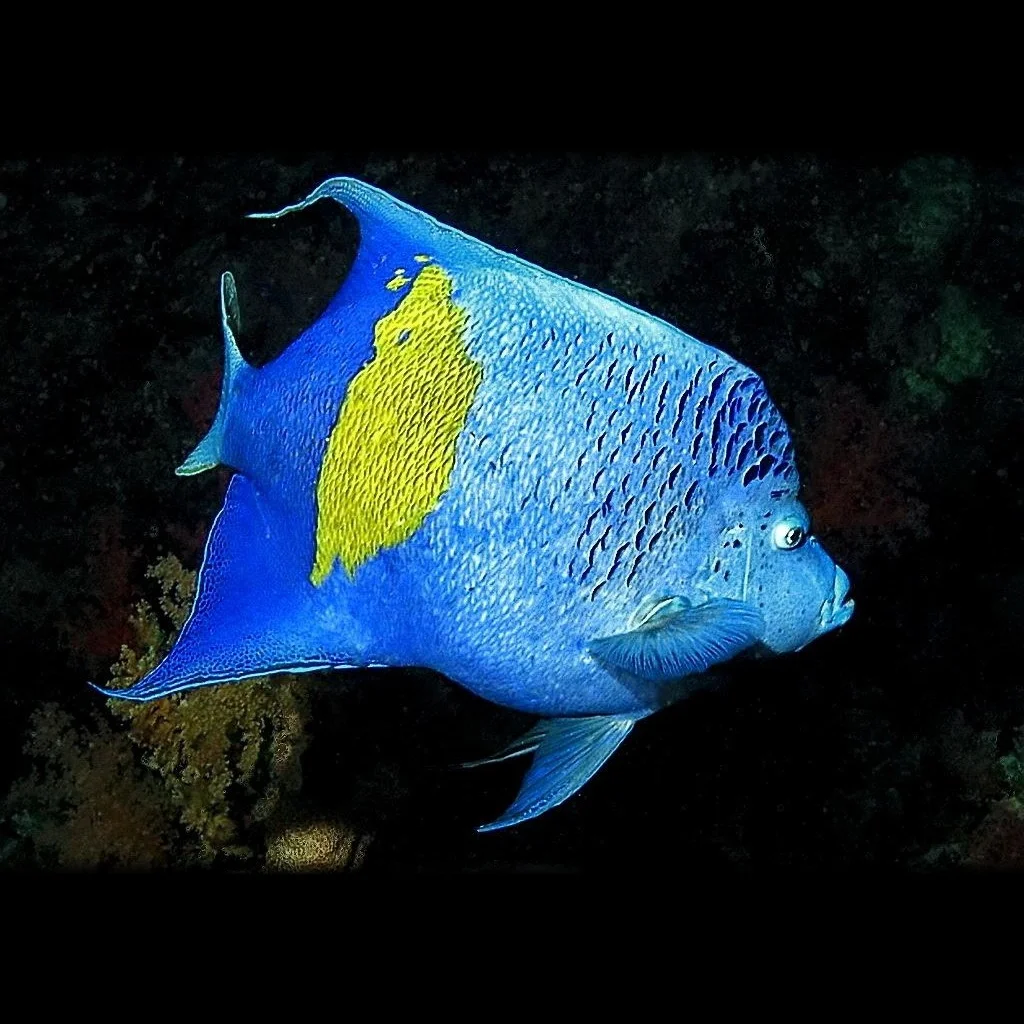
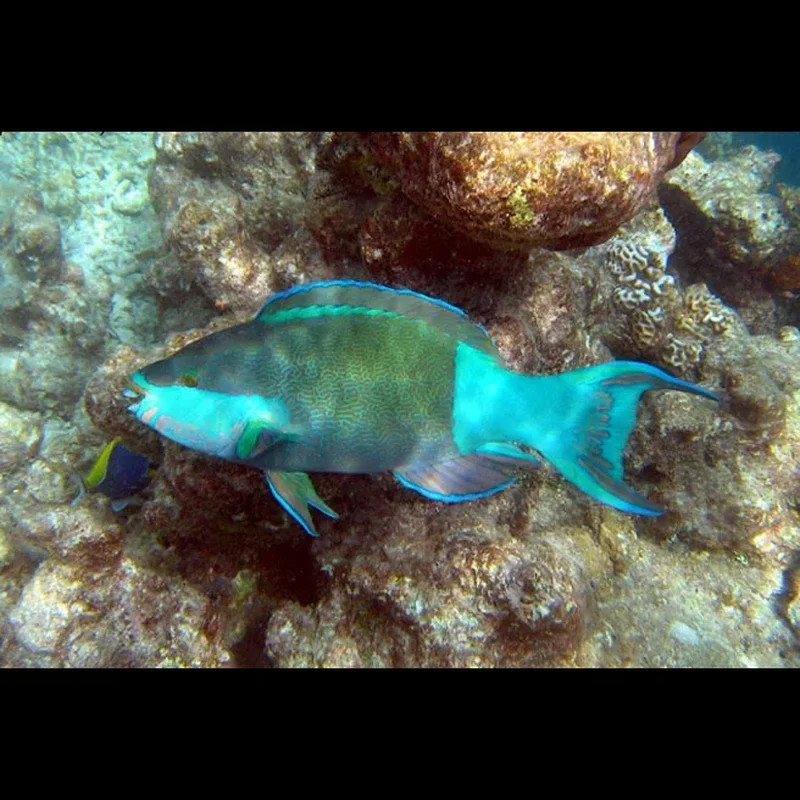
The marine environment around Morro de Gaira is characterized by the presence of most Caribbean reef fish species. Divers frequently observe multiple species of parrot fish, butterfly fish, and angelfish navigating the coral structures.
Schools of surgeons, grunts, and squirrels often congregate, alongside colorful trumpets and bishops. Blue, gray, and crossbow chromes are also commonly spotted.
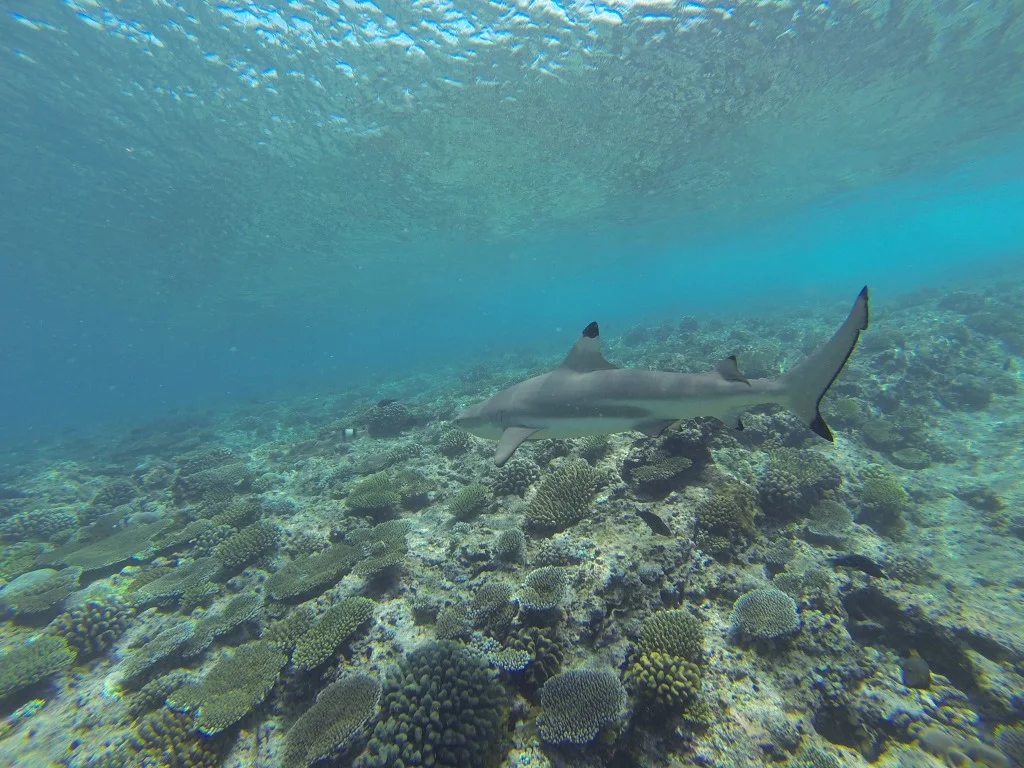
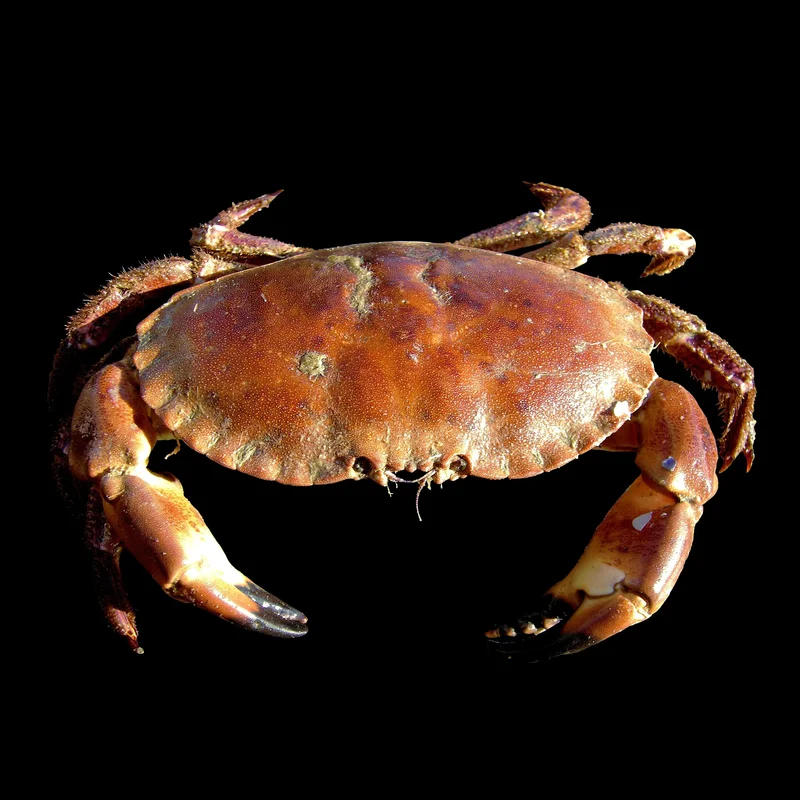
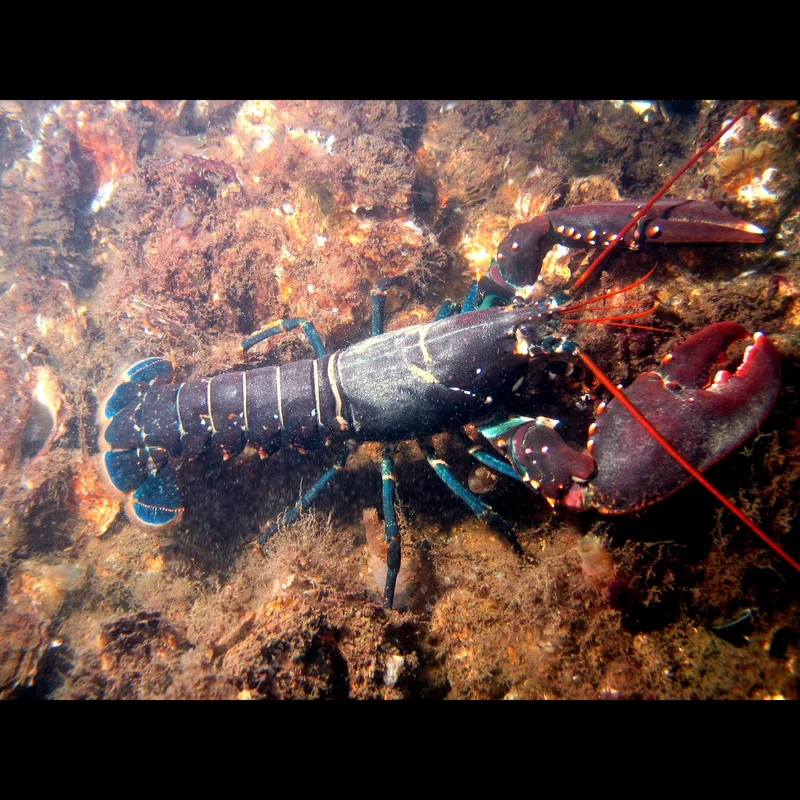
Beyond the fish, the reef supports a variety of invertebrates including brain corals, golf ball corals, octocorals, starfish, sea fans, lobsters, crustaceans, and crabs. While occasional sightings of sharks, turtles, and rays are reported, the primary attraction remains the rich diversity of coral reef inhabitants and the overall health of the coral communities.
Dive Sites Near Morro de Gaira
View all dive sites in ColombiaDiscover more underwater gems in this area.
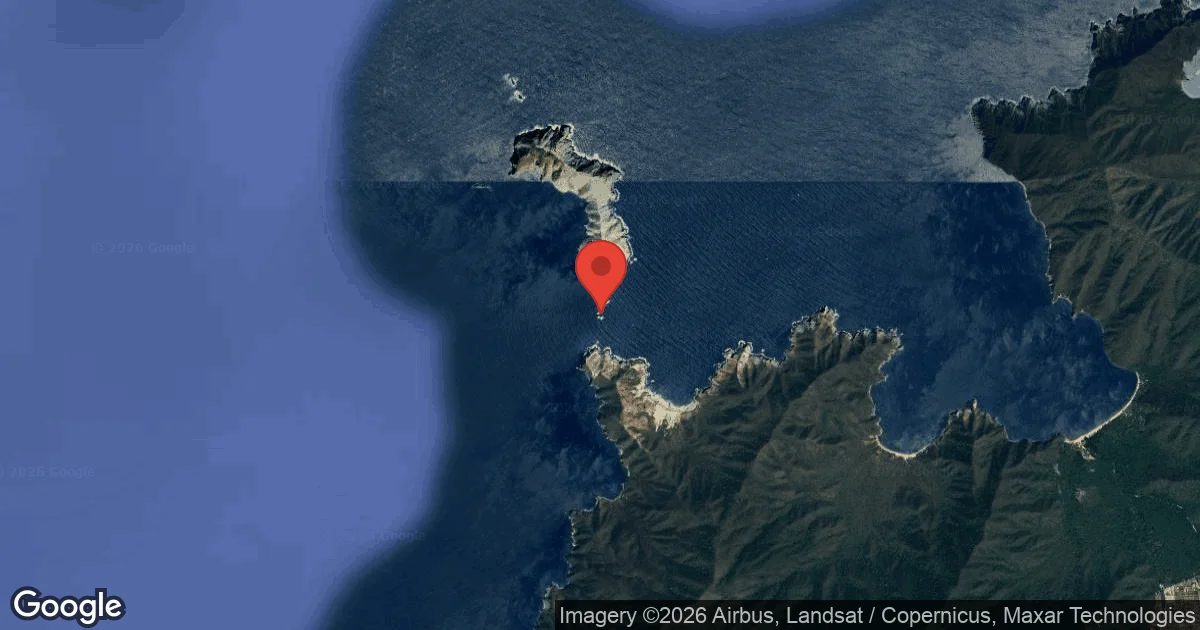
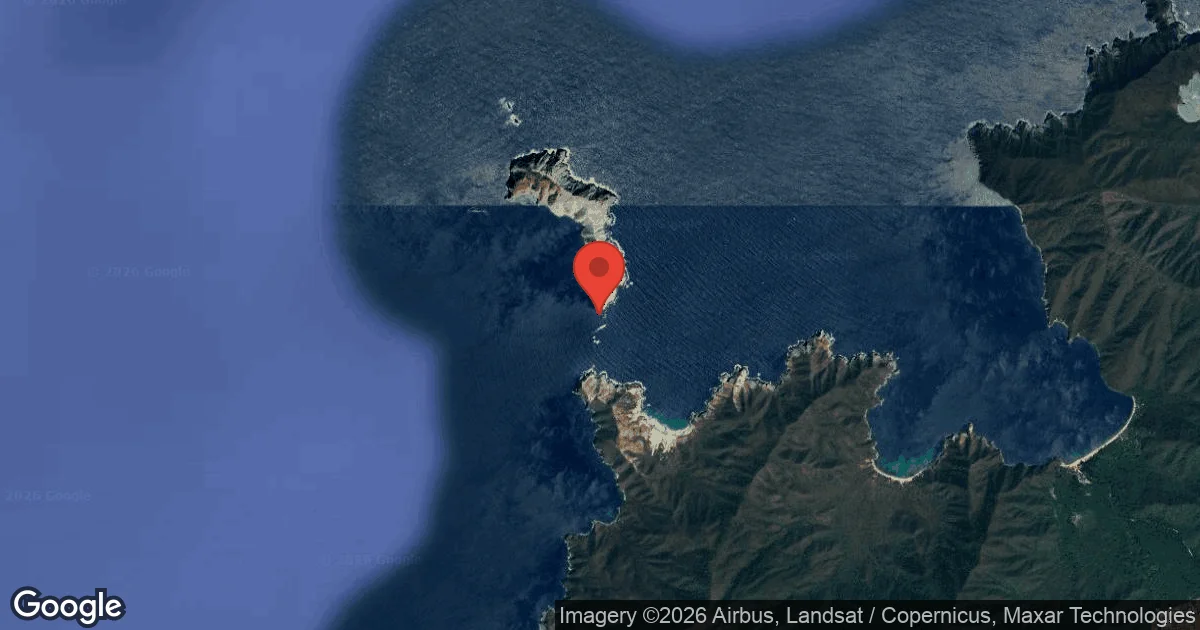
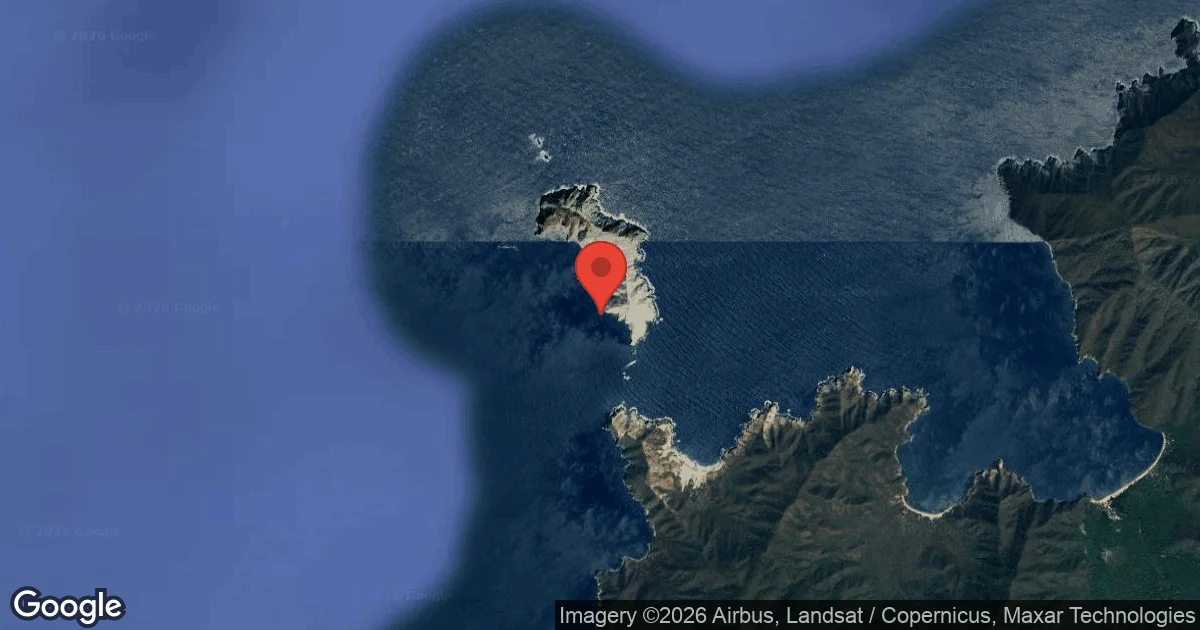
Dive Centers Near Morro de Gaira
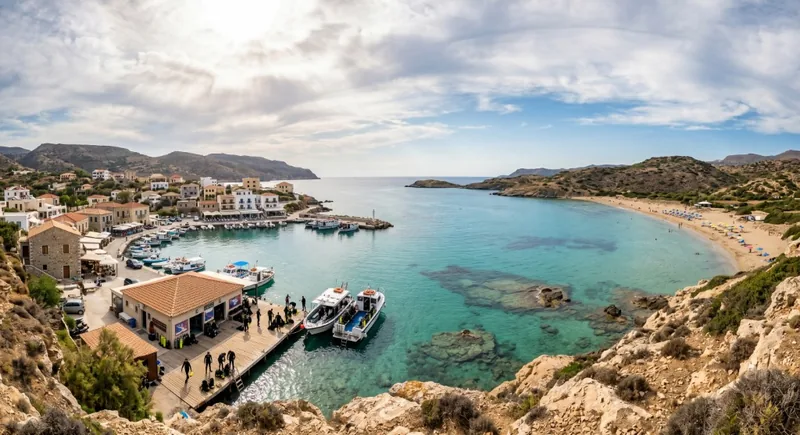
Today: 08:00 - 17:00
Nearest Airports
Nearest airports to help plan travel to this dive area.
Search Flights
Check available flights and routes on Expedia, using the nearby airports listed in this section.
Search Flights on ExpediaFrequently Asked Questions
What is the typical depth range for diving at Morro de Gaira?
Dives at Morro de Gaira generally explore depths within the recreational limit, often extending to about 30 m (100 ft). Shallower sections are suitable for beginner training, while experienced divers can explore the full range of the reef.
What kind of marine life can I expect to see?
The site is home to a diverse array of Caribbean reef fish, including parrot fish, angelfish, butterfly fish, and various schooling species like surgeons and grunts. Invertebrates such as brain corals, sea fans, lobsters, and crabs are also frequently observed.
Are there strong currents at Morro de Gaira?
Currents can vary at Morro de Gaira, with some sections experiencing mild to moderate flows. While Gaira Bay offers sheltered areas, more exposed parts of the reef may present drift diving opportunities depending on conditions.
Is Morro de Gaira suitable for beginner divers?
Yes, Morro de Gaira caters to all levels. Shallow, protected areas are ideal for practical workshops and novice divers, while certified divers can explore deeper sections and areas with more current.
What are the water temperatures like?
Specific water temperature data for Morro de Gaira is not consistently reported. However, as a Caribbean dive site, divers can generally anticipate warm water conditions throughout the year.
What are the best months for diving here?
While conditions are often good year-round, September and October typically offer the calmest conditions with lower waves and winds. April, May, July, August, and December also often provide good diving opportunities.
Planning to dive Morro de Gaira?
Send one inquiry and receive offers directly from the best verified local dive operators.
Conditions are Moderate
Optimal conditions expected
Current conditions near Morro de Gaira show 29° air, 30° sea temperature, 1.0 m waves, and 27 km/h wind. Forecast data is refreshed regularly to ensure accuracy.