
Diving at Playa Brava (Colombia)
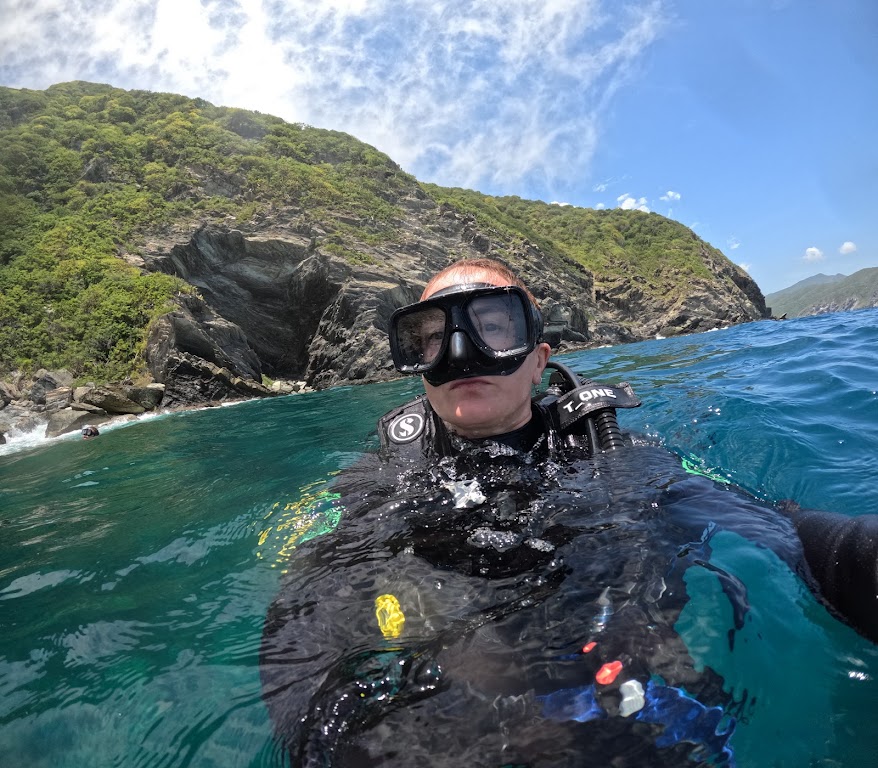
While Playa Brava is famously rugged and untamed above the surface, earning its name 'wild sea' due to potentially unsafe swimming conditions, its underwater realm offers a compelling contrast for certified divers. This secluded stretch of the Colombian Caribbean coast reveals a different character below the waves, with dynamic drift, vibrant reef, and dramatic wall diving opportunities. It beckons those seeking a truly off-the-beaten-path aquatic adventure in Tayrona National Park.
Tonight's objective overview for Playa Brava shows an air temperature of 32.5°C. The measured surface conditions include wave heights around 1 m. This environmental data is logged for the close of the day.
Dive Site Location & Key Facts
Dive Site Overview
Below the surface at Playa Brava, the underwater topography unfolds across diverse structures, inviting exploration of its drift, reef, and wall dive environments. This dive site offers an experience for those who appreciate remote locations.
Accessed primarily by boat, typically from nearby Taganga or Santa Marta, the journey itself reinforces the sense of venturing into a less-explored area of Parque Tayrona. Divers will navigate sections of vibrant reef formations, transitioning into dramatic wall drop-offs that characterize parts of the site. While specific depths are not consistently reported, dives here generally fall within the recreational depth range, typically allowing exploration from shallower reef tops down to approximately 30 m (100 ft).
Currents often dictate the dive profile, making drift diving a common and exhilarating way to experience the area. The site’s relative remoteness means divers experience a pristine environment, where the interplay of currents and structure fosters a dynamic ecosystem.
Expect conditions that challenge and reward, making each dive a discovery rather than a routine descent.
Conditions are Moderate
Optimal conditions expected
Current conditions near Playa Brava show 32° air, 29° sea temperature, 1.1 m waves, and 40 km/h wind. Forecast data is refreshed regularly to ensure accuracy.
Best Time to Dive
Optimizing a dive trip to Playa Brava often revolves around seeking periods of enhanced underwater visibility and calmer seas. Historical climate data indicates that September and October frequently present the most favorable diving conditions, with average dive scores peaking at 8. During these months, wave heights are typically at their lowest, averaging around 0.8 m (2.6 ft) in September and 0.7 m (2.3 ft) in October, contributing to reduced sediment disturbance. Wind speeds also tend to be milder, around 19.6 km/h (12.2 mph) and 18.3 km/h (11.4 mph) respectively, further smoothing surface conditions. Rainfall is moderate during these months, meaning clearer water after any precipitation events. Conversely, months like January, February, and March, while having lower rainfall, experience higher wind speeds and wave heights that can sometimes diminish underwater clarity. Air temperatures remain consistently warm throughout the year, typically ranging from 27.5-29.5°C (82-85°F), ensuring comfortable surface intervals. Water temperatures are not consistently reported but are generally expected to be warm. Planning for September or October therefore offers the best chance for exceptional visibility and a smoother overall dive experience.
PEAK SEASON SCORE
Scores combine air & water temps, waves, wind & rainfall for overall conditions.
BEST MONTHS TO DIVE
Monthly records compiled from satellite and marine observation nodes over the last 3 years. Data provided by Open-Meteo and MET Norway.
Dive Experience & Conditions
Entering the waters around Playa Brava typically involves a boat deployment, as is common for drift and wall diving, directly immersing divers into the dynamic environment. Surface conditions can vary, influenced by average wave heights which fluctuate from 0.7 m (2.3 ft) to 1.5 m (4.9 ft) and wind speeds ranging from 18.3 km/h (11.4 mph) to 30.9 km/h (19.2 mph) throughout the year. Underwater, divers will encounter a mix of reef structures and sheer wall drop-offs that define the dive site. Visibility often depends on recent weather patterns and sea state, but during optimal periods, it can be quite good, extending across the reef and into the deeper sections. While specific water temperatures are not consistently reported, the region's tropical climate suggests comfortably warm conditions, making thermal protection primarily a matter of personal preference and dive duration. Navigating the currents is a key aspect of diving here, allowing for exhilarating drift dives along the extensive underwater features.
Dive Difficulty & Safety Guidelines
Given Playa Brava's remote character and the 'wild sea' nature of its surface conditions, thorough dive planning and adherence to safety protocols are paramount. As a site featuring drift and wall dives, understanding and managing currents is crucial; divers should always stay with their buddy and remain aware of their position relative to the boat. Due to its isolated location within Tayrona National Park, access to immediate emergency services might be delayed compared to more developed sites.
Divers should ensure their equipment is well-maintained and consider carrying signaling devices. Always dive within your certification limits and be conservative with dive profiles.
Relying on experienced local dive operators, who are familiar with the specific nuances of this site and its variable conditions, significantly enhances safety and enjoyment.
Recommended Equipment
Current and surface separation risk. Local briefing strongly recommended.
- Dive Computer
- DSMB
- Reel / Spool
This gear list is based on verified equipment signals for Playa Brava, Colombia. Always confirm final gear choices with your dive operator, guide, or liveaboard.
Recommended Dive Suit
For many recreational divers, dive skin or rash guard provides a practical level of insulation in these conditions. Consider warmer surface protection (like a boat coat) due to brisk winds. Divers who tend to get cold easily may prefer slightly thicker exposure protection.
Conditions at Playa Brava currently place the water temperature near 29°C (84°F). Surface air temperatures are resting at 32°C (90°F).
A modest cooling trend is expected in the upcoming forecast. A significant temperature drop is forecast; strongly suggest bringing a backup warmer suit option. Bringing an additional thermal layer can be helpful if conditions change.
Emergency & Medical Support
Essential information to help you plan your dive trip to Playa Brava.

Hyperbaric chambers are a critical part of dive safety infrastructure. Availability varies significantly by region, and not all dive areas have immediate access.
Before diving, it's recommended to:
- confirm nearest medical facilities
- check emergency procedures with local dive operators
- ensure dive insurance covers evacuation if required
Divers Alert Network
Diving emergency assistance available through DAN World.
+1-919-684-9111- 24/7 emergency hotline
- Diving medical assistance
- Evacuation coordination
Emergency contacts are provided for reference. Always verify local emergency services before diving.
Marine Life at Playa Brava
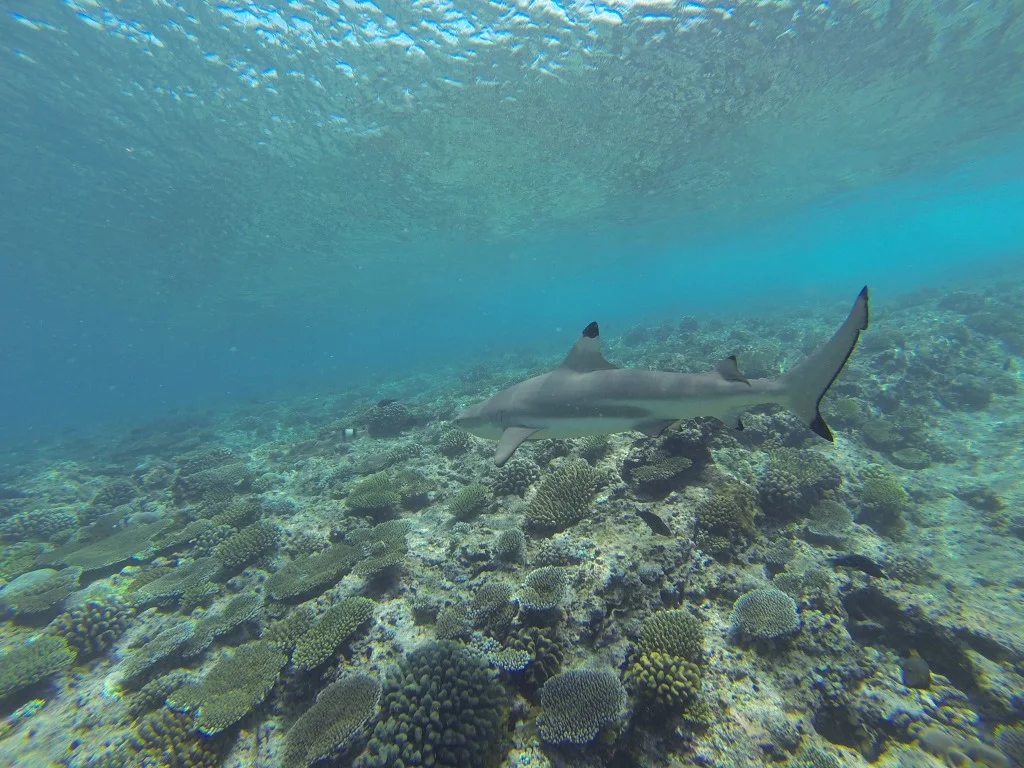
Playa Brava's dive sites are known for attracting larger pelagic species, offering thrilling encounters for observant divers. Sightings of sharks are a possibility, adding an element of excitement to the underwater landscape.
Divers occasionally report encounters with various whale species, especially during migratory seasons, and common dolphin pods traversing the open waters.
Furthermore, different species of turtles are regularly observed grazing on the reef or cruising along the walls. This combination of marine megafauna makes each dive unpredictable and memorable.
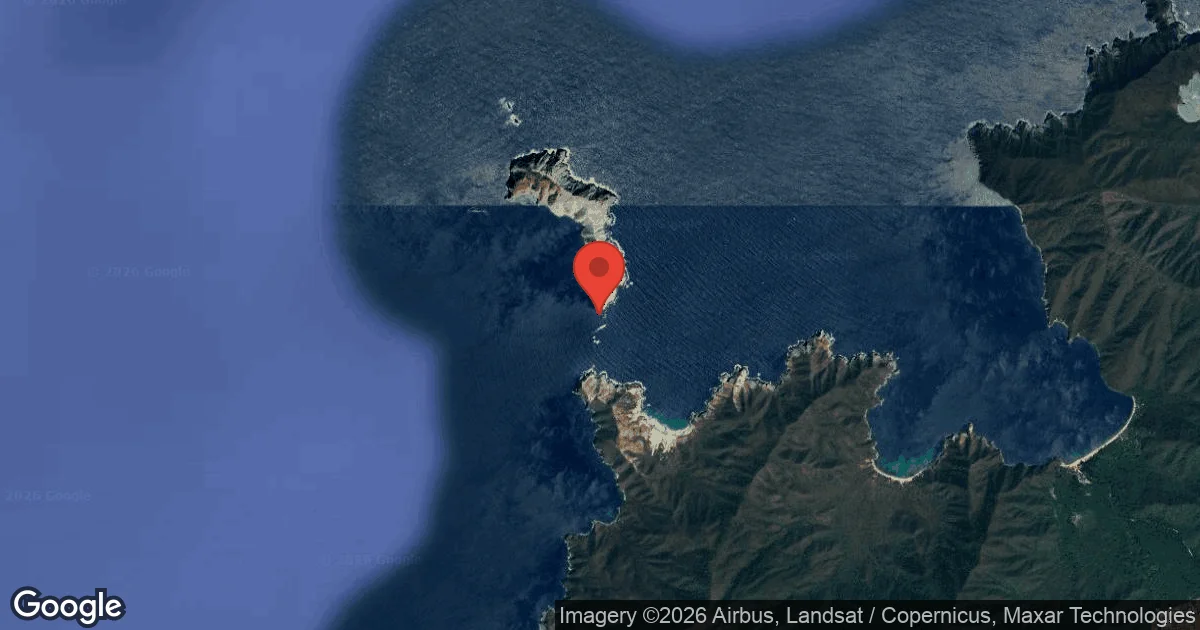
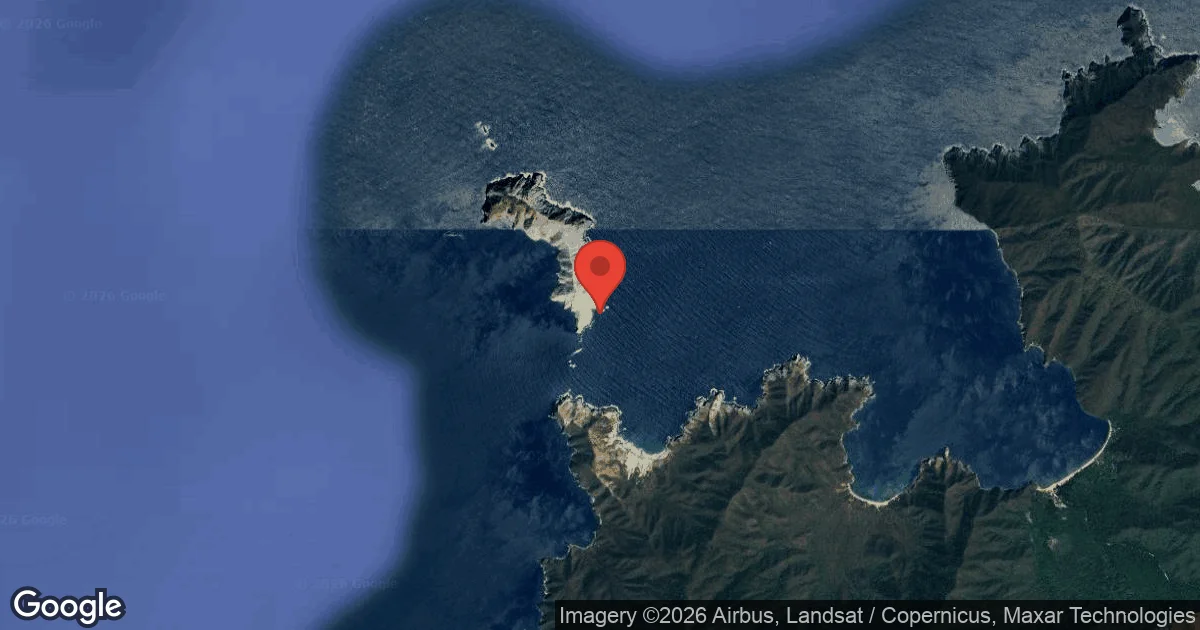
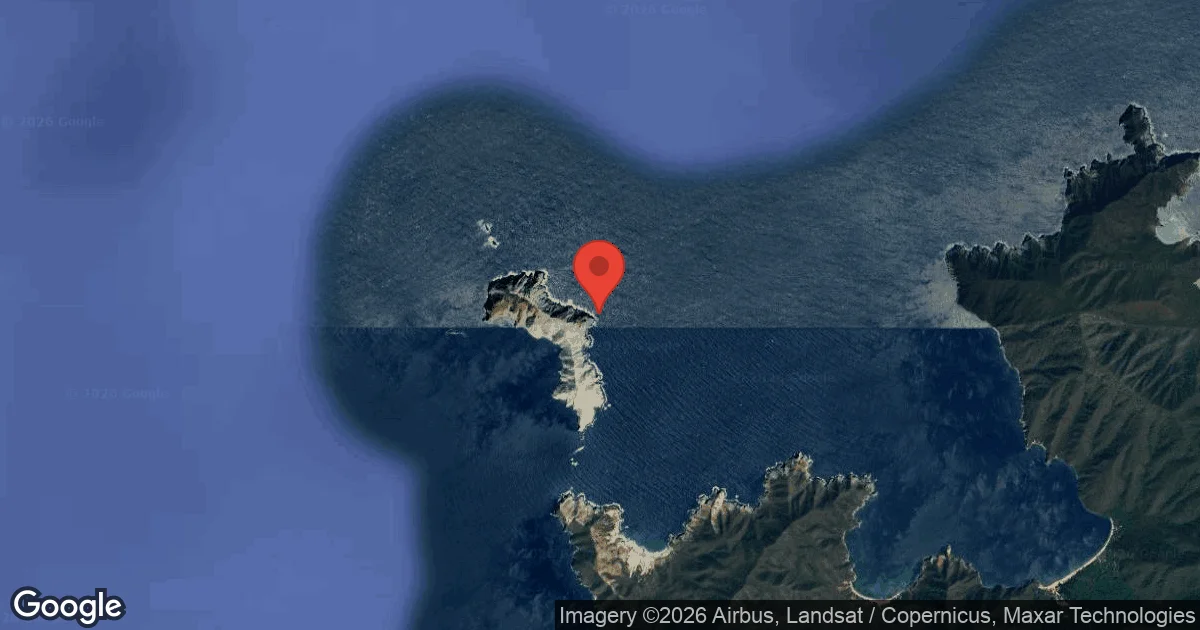
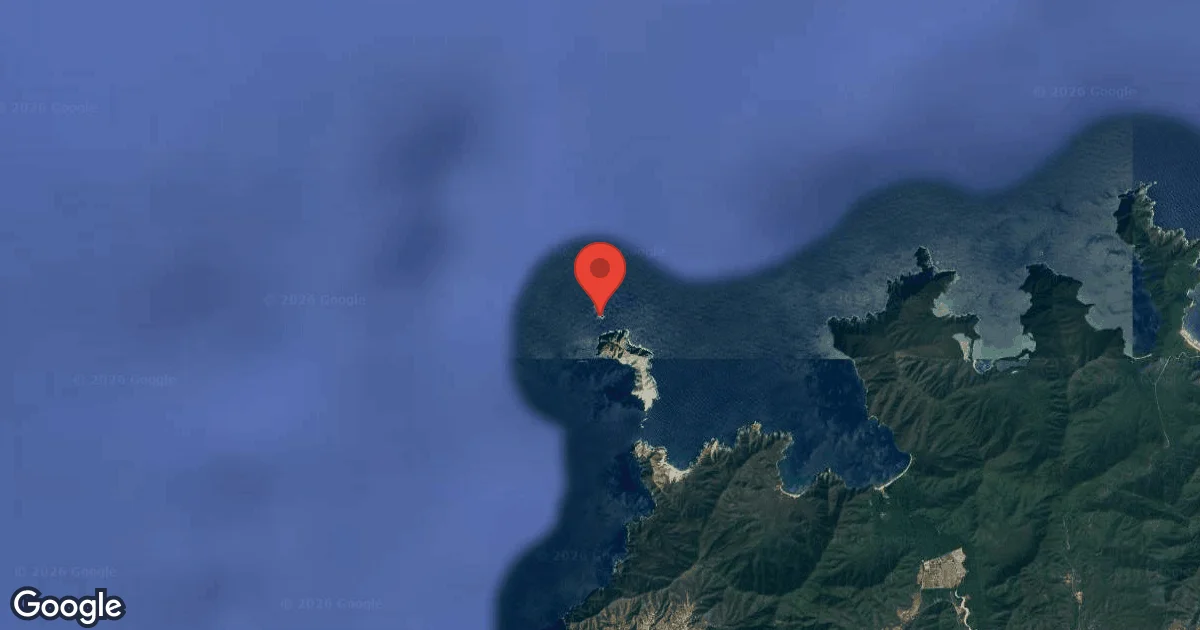
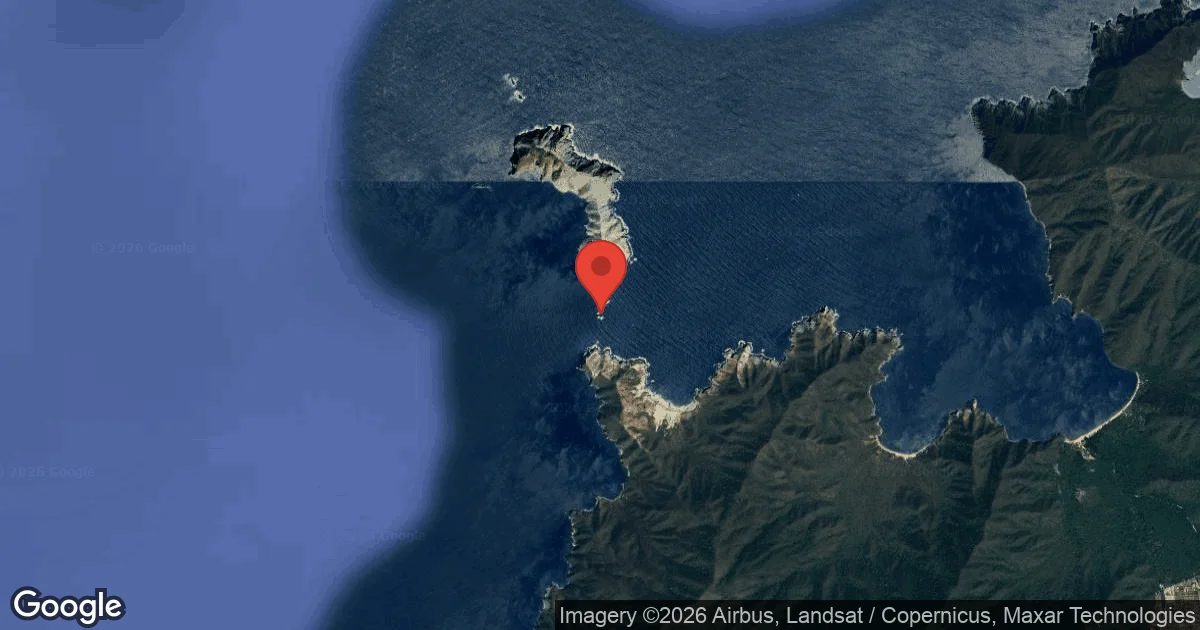
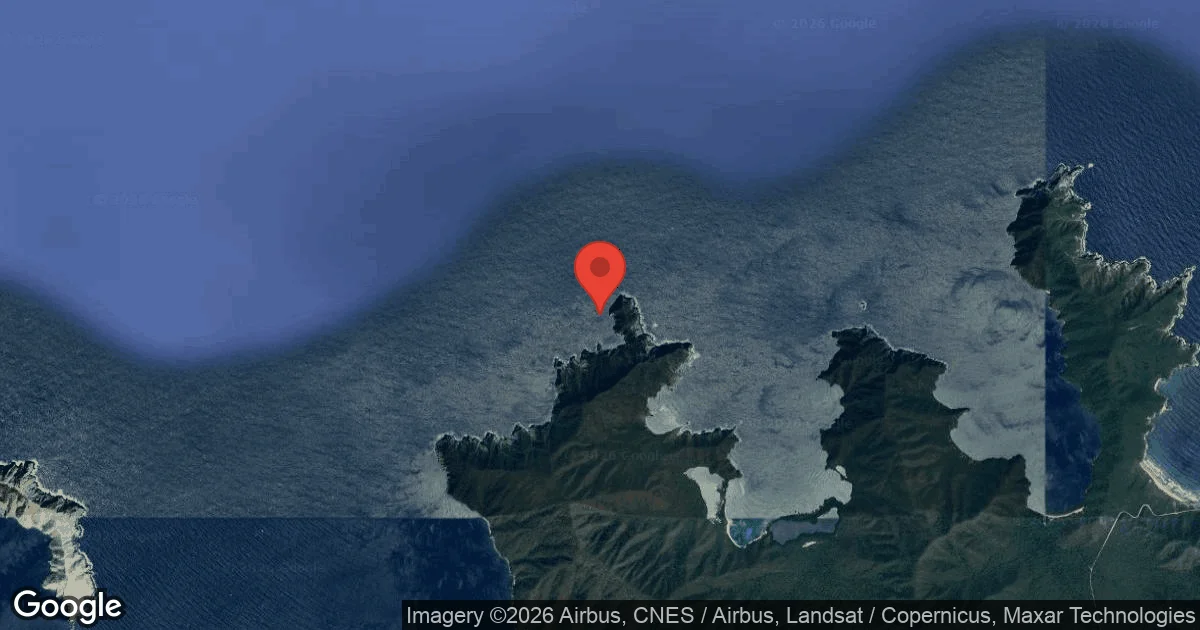
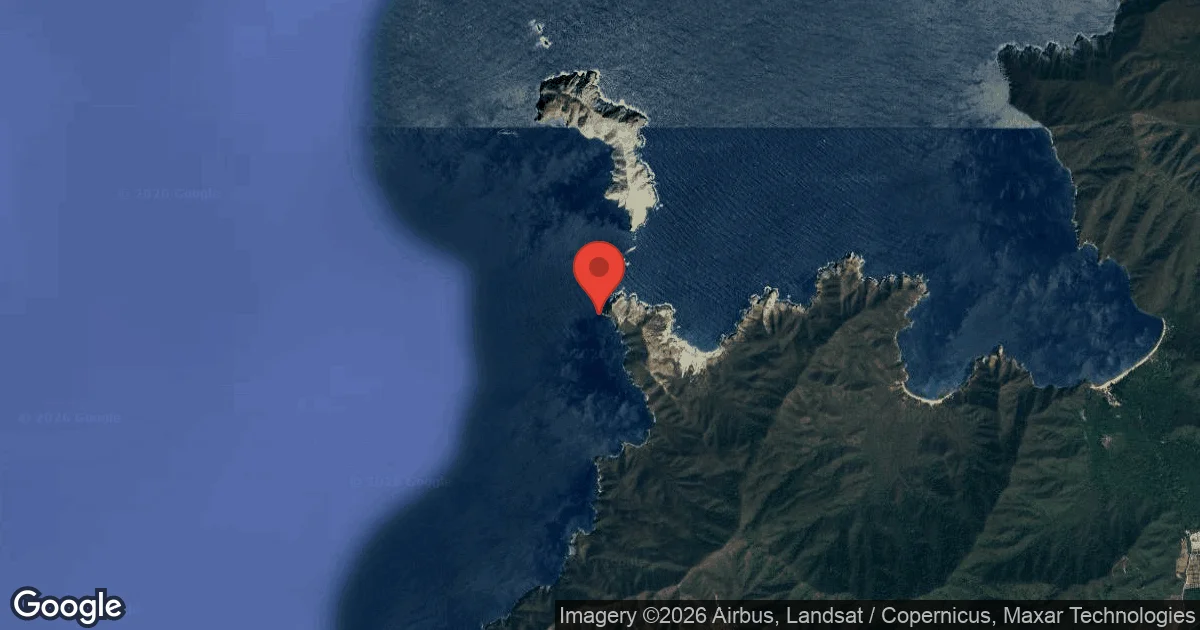
Dive Sites Near Playa Brava
View all dive sites in ColombiaDiscover more underwater gems in this area.
Dive Centers Near Playa Brava
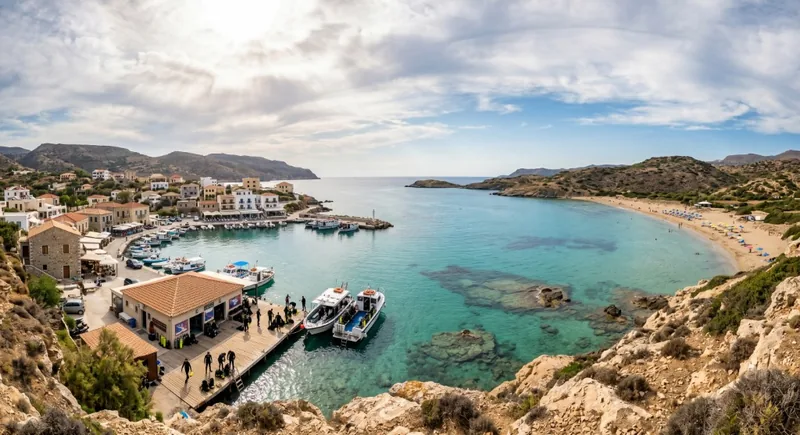
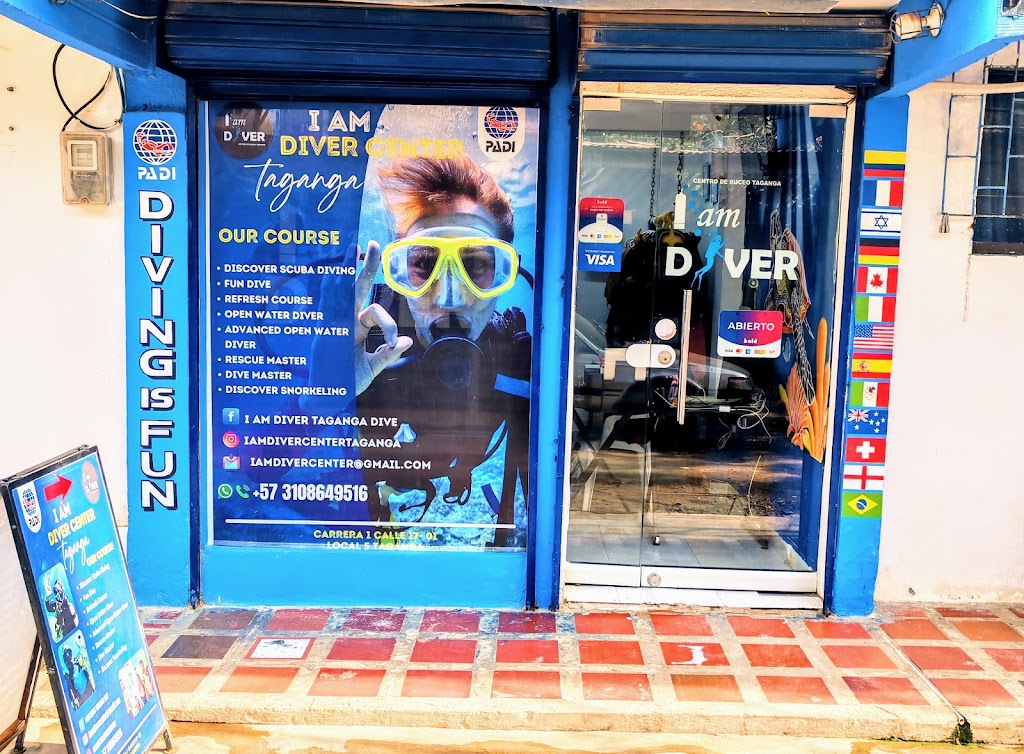
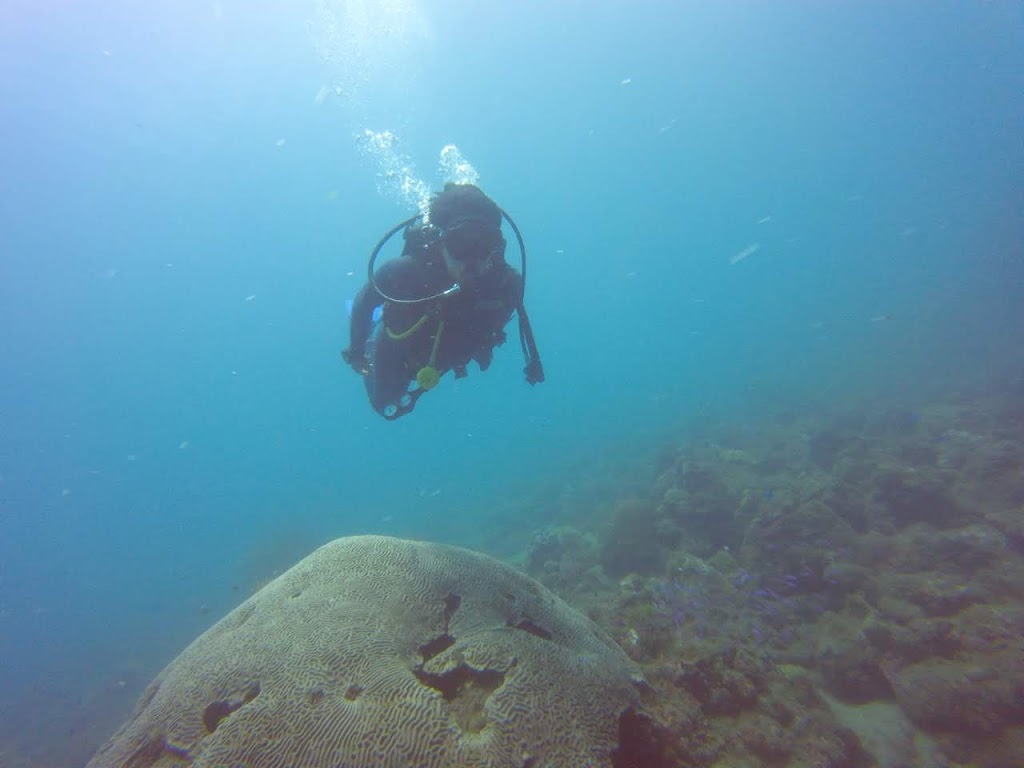
Today: 08:00 - 17:00
Nearest Airports
Nearest airports to help plan travel to this dive area.
Search Flights
Check available flights and routes on Expedia, using the nearby airports listed in this section.
Search Flights on ExpediaFrequently Asked Questions
How do I access Playa Brava for diving?
Playa Brava is typically accessed by boat from nearby towns like Taganga or Santa Marta. The journey takes you to this secluded area within Tayrona National Park, highlighting its remote appeal.
What types of diving can I expect at Playa Brava?
Dive types at Playa Brava commonly include drift, reef, and wall diving. This offers a diverse range of experiences, from exploring vibrant reef formations to descending along dramatic drop-offs.
What marine life might I see?
Divers at Playa Brava have reported sightings of sharks, whales, and dolphins. Various species of turtles are also regularly observed, adding to the rich biodiversity of the site.
What are the typical water conditions?
While specific water temperatures are not consistently reported, the tropical climate ensures comfortably warm conditions. Surface conditions can vary, influenced by wind and wave heights throughout the year.
Is Playa Brava suitable for beginner divers?
Given the potential for currents and the nature of drift and wall diving, Playa Brava is generally recommended for certified divers with some experience, or those diving under professional guidance.
What's the best time of year to dive here?
Based on historical climate data, September and October typically offer the calmest conditions, lowest wave heights, and best visibility, making them optimal months for diving at Playa Brava.
Are there accommodations at Playa Brava?
Yes, Playa Brava offers camping options for those who wish to extend their stay in this secluded part of Tayrona National Park. It's advisable to book accommodations in advance due to its remote nature.
What are the common dive depths?
Dives at Playa Brava generally explore the recreational depth range. Divers can expect to reach around 30 m (100 ft) along the deeper reef and wall sections.
Planning to dive Playa Brava?
Send one inquiry and receive offers directly from the best verified local dive operators.
Conditions are Moderate
Optimal conditions expected
Current conditions near Playa Brava show 32° air, 29° sea temperature, 1.1 m waves, and 40 km/h wind. Forecast data is refreshed regularly to ensure accuracy.