
Diving at El Nataly (Naufragio) (Colombia)
Navigating El Nataly, a sunken yacht, presents a wreck dive primarily defined by its muddy seabed. Divers can expect to explore a maximum depth of 30 m / 98 ft, requiring appropriate training and preparedness for its environment. Conditions here are variable, with water movement and bottom composition directly influencing visibility. Adhering to wreck diving protocols ensures a safe and rewarding exploration of this artificial reef.
As evening covers El Nataly (Naufragio), the local air temperature is measured at 29.5°C. The current wave height at the surface is recorded at 1.2 m. These late-day readings characterize the surface conditions for the night.
Dive Site Location & Key Facts
Dive Site Overview
El Nataly offers a glimpse into a vessel's final resting place, now transformed into a submerged habitat off the coast of Santa Marta, Colombia. A deliberately sunken yacht rests on a muddy bottom here.
Initially serving as a pleasure craft, its transformation provides structural complexity for marine life seeking shelter and foraging opportunities. This artificial reef is specifically identified as a wreck dive, attracting enthusiasts keen to explore its decaying structure. The vessel rests largely intact on the seabed, offering various points of interest for exploration.
Deliberate sinking allowed it to settle evenly, providing a stable foundation for coral growth and a localized ecosystem. The site reaches a maximum depth of 30 m / 98 ft, making it a suitable dive for those with an Advanced Open Water Diver certification.
Divers access this saltwater site exclusively by boat, typically a short journey from shore, ensuring a focused experience on the wreck itself. Exploring the exterior reveals remnants of its previous life as a pleasure craft, now adorned with marine growth.
Conditions are Moderate
Optimal conditions expected
Current conditions near El Nataly (Naufragio) show 29° air, 30° sea temperature, 1.1 m waves, and 32 km/h wind. Forecast data is refreshed regularly to ensure accuracy.
Best Time to Dive
Optimizing a dive trip to El Nataly means aligning with periods of calmer seas and reduced rainfall for enhanced underwater visibility and comfort. Months of September and October generally present the most favorable conditions, with average wave heights dropping to around 0.7-0.9 m and wind speeds typically below 20 km/h. These periods consistently receive good dive scores, enhancing the overall experience and making boat travel more comfortable. Air temperatures remain consistently warm year-round, typically between 27-29°C / 81-84°F, though rain can be heavier from June to November, potentially impacting surface conditions. For drier conditions at the surface, January, March, April, and December consistently see minimal rainfall, making for more comfortable surface intervals and less run-off. Planning around these patterns helps ensure a more predictable and enjoyable dive.
PEAK SEASON SCORE
Scores combine air & water temps, waves, wind & rainfall for overall conditions.
BEST MONTHS TO DIVE
Monthly records compiled from satellite and marine observation nodes over the last 3 years. Data provided by Open-Meteo and MET Norway.
Dive Experience & Conditions
Dropping onto El Nataly, divers will find the sunken yacht resting on a predominantly muddy bottom at its deepest point. The boat entry provides a direct descent to the wreck structure, which acts as a focal point in the underwater landscape. Visibility can vary significantly, influenced by recent weather, currents, and stirred sediment from the bottom. These factors mean that conditions are not always static, requiring divers to be adaptable. While specific water temperature data isn't consistently reported, regional air temperatures suggest consistently warm waters, generally in the mid to upper 20s°C (mid-70s to low-80s°F). Exploring the yacht's exterior reveals its basic structure and the marine growth colonizing its surfaces, offering opportunities for observation. Further penetration of the wreck depends entirely on the diver's certification, experience, and the wreck's current stability and integrity.
Dive Difficulty & Safety Guidelines
Approaching wreck diving demands a commitment to safety and specialized skills. Prior to entering the water, a thorough briefing covering the site's layout and potential hazards is crucial. An Advanced Open Water Diver certification is highly recommended for El Nataly due to its depth and the specific environment of a sunken vessel.
Always carry a Surface Marker Buoy (SMB) to signal your position upon ascent, particularly in areas with boat traffic. Maintaining buoyancy control is paramount to avoid stirring the muddy bottom, which can drastically reduce visibility for all divers.
Recommended Equipment
Overhead / entanglement risk. Wreck penetration requires proper training.
- Dive Computer
- DSMB
- Primary & Backup Lights
- Wreck Reel
- Cutting Tool
This gear list is based on verified equipment signals for El Nataly (Naufragio), Colombia. Always confirm final gear choices with your dive operator, guide, or liveaboard.
Recommended Dive Suit
Subtle variations in currents or depth can sometimes influence perceived water temperature.
Dive skin or rash guard tends to perform well in water temperatures like those currently observed here. Consider warmer surface protection (like a boat coat) due to brisk winds. Surface temperatures may decrease slightly later in the week. Cooler days are ahead; you might want a warmer option for later in the week. Carrying a secondary suit is common practice among experienced divers.
Divers heading to El Nataly (Naufragio) today should expect water temperatures around 30°C (86°F). Surface air temperatures are resting at 29°C (85°F).
Emergency & Medical Support
Essential information to help you plan your dive trip to El Nataly (naufragio).

Hyperbaric chambers are a critical part of dive safety infrastructure. Availability varies significantly by region, and not all dive areas have immediate access.
Before diving, it's recommended to:
- confirm nearest medical facilities
- check emergency procedures with local dive operators
- ensure dive insurance covers evacuation if required
Divers Alert Network
Diving emergency assistance available through DAN World.
+1-919-684-9111- 24/7 emergency hotline
- Diving medical assistance
- Evacuation coordination
Emergency contacts are provided for reference. Always verify local emergency services before diving.
Marine Life at El Nataly (Naufragio)
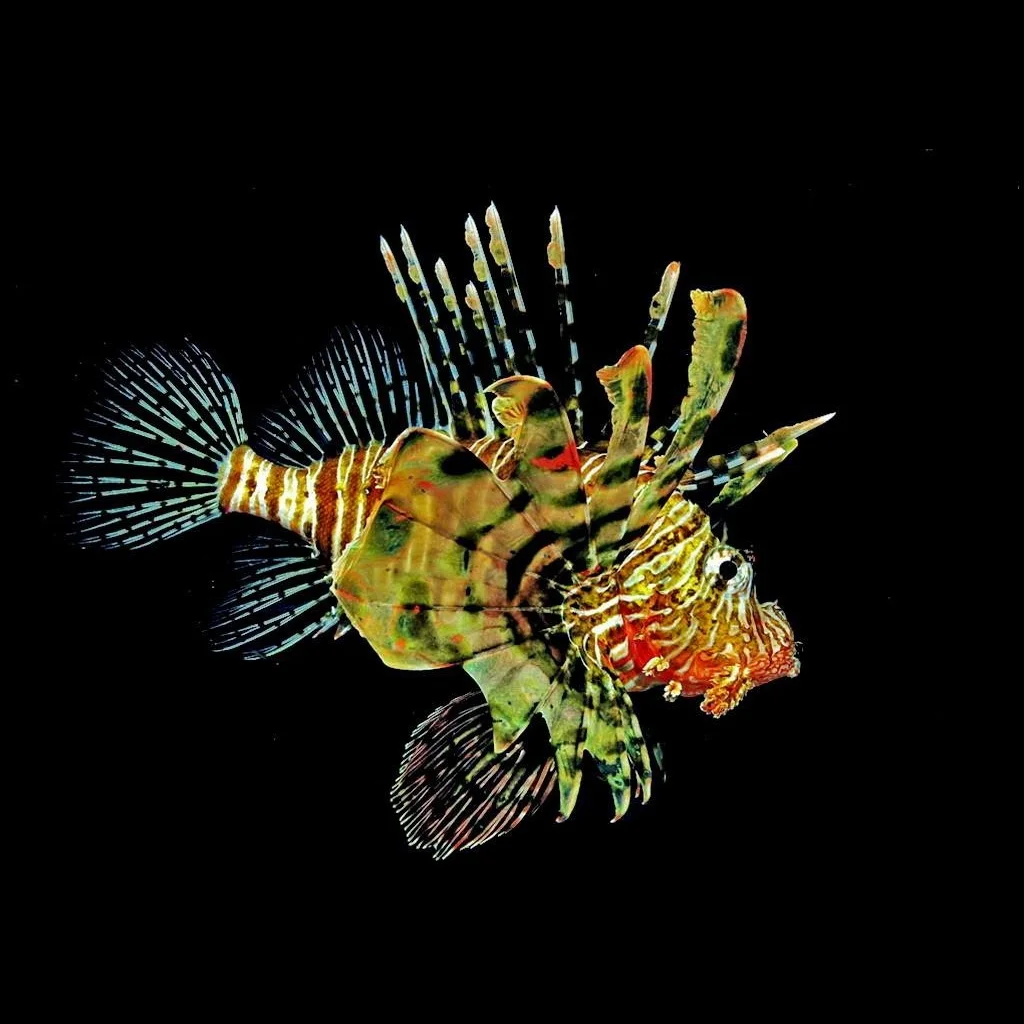
The primary draw for marine life at El Nataly is the prevalence of lionfish, making it a site often visited for their removal. Beyond this, the wreck acts as a localized habitat.
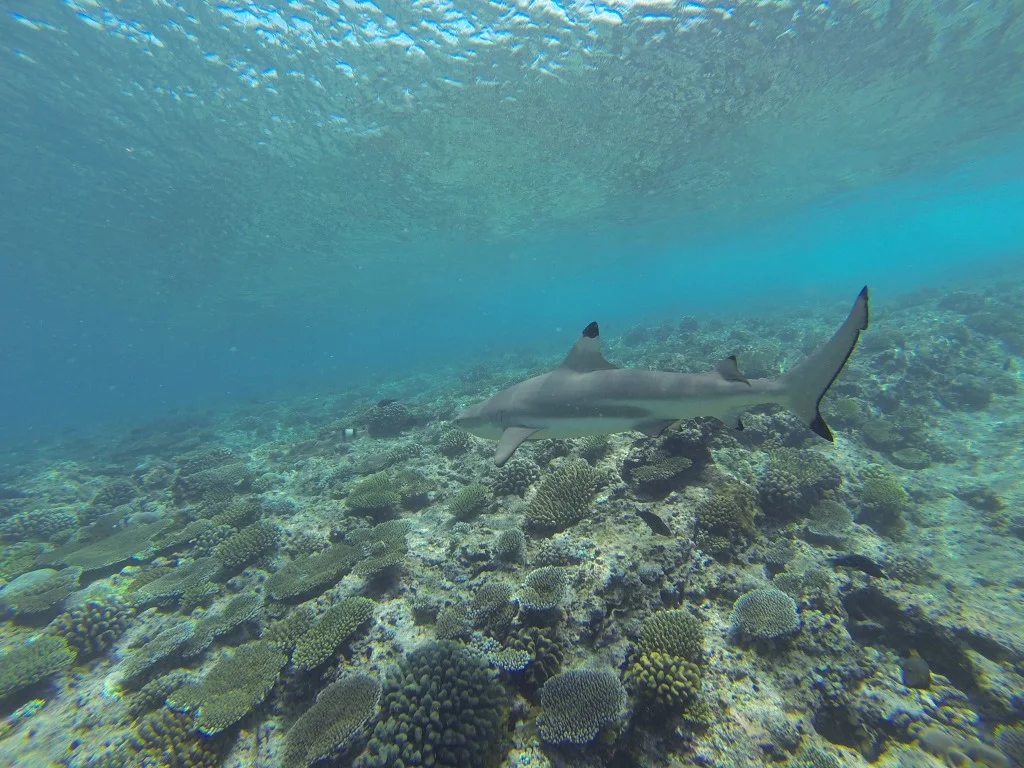
While not direct observations for El Nataly specifically, broader marine environments in the Santa Marta region occasionally feature passing larger species like sharks, whales, dolphins, and various turtles. Such larger animals are transient visitors rather than permanent residents of the wreck itself.
Dive Sites Near El Nataly (Naufragio)
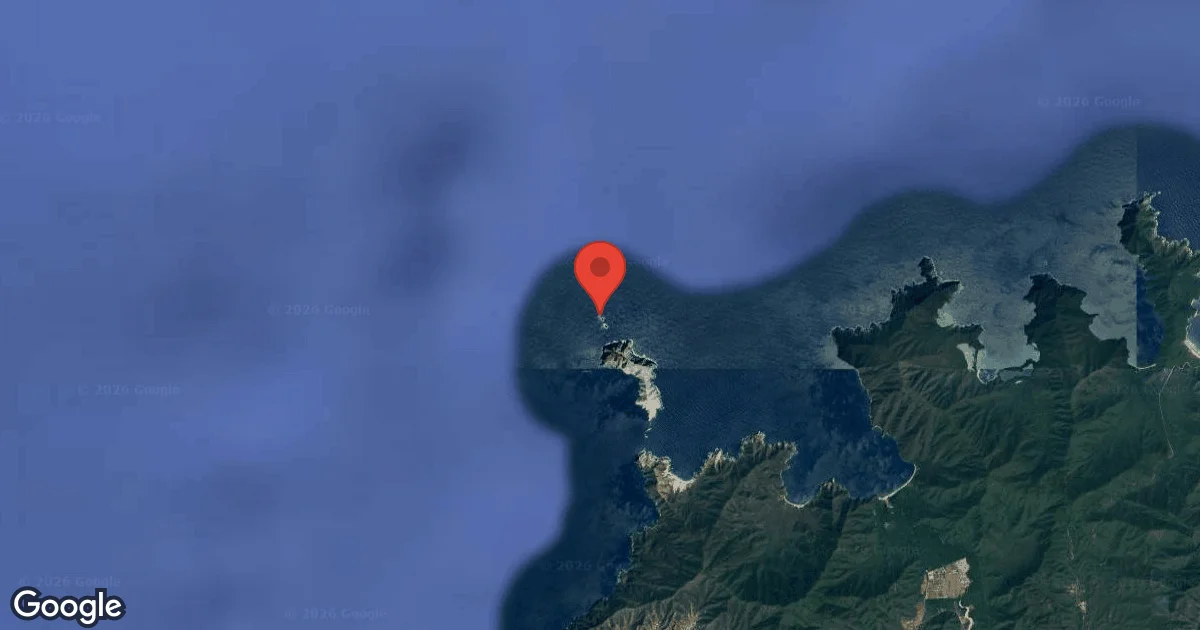
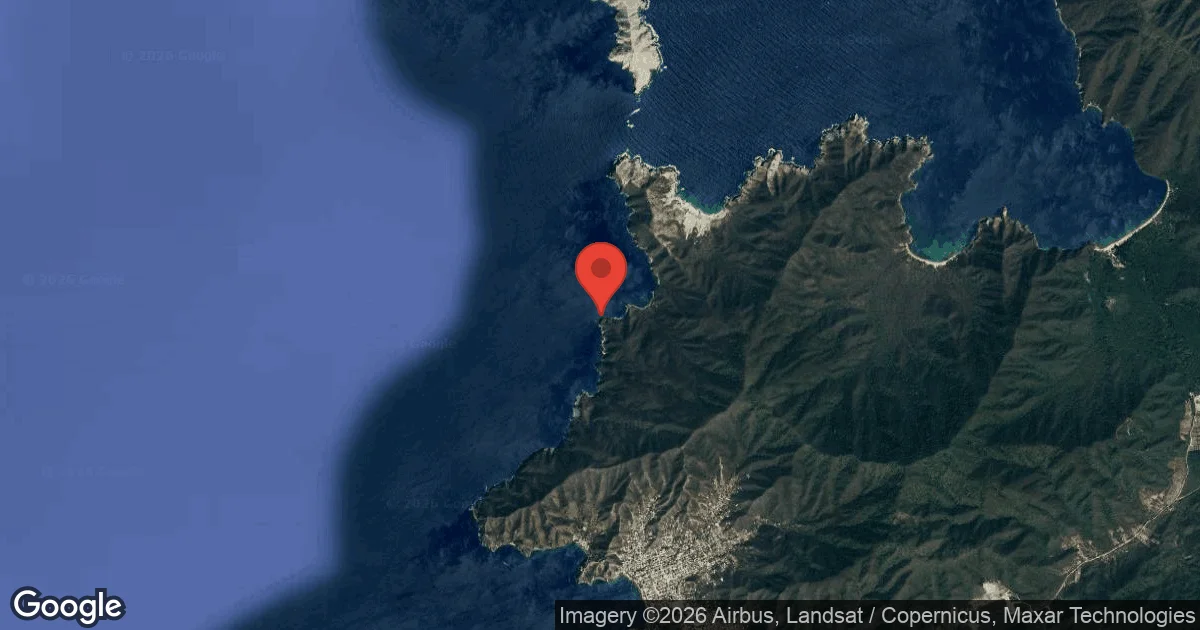
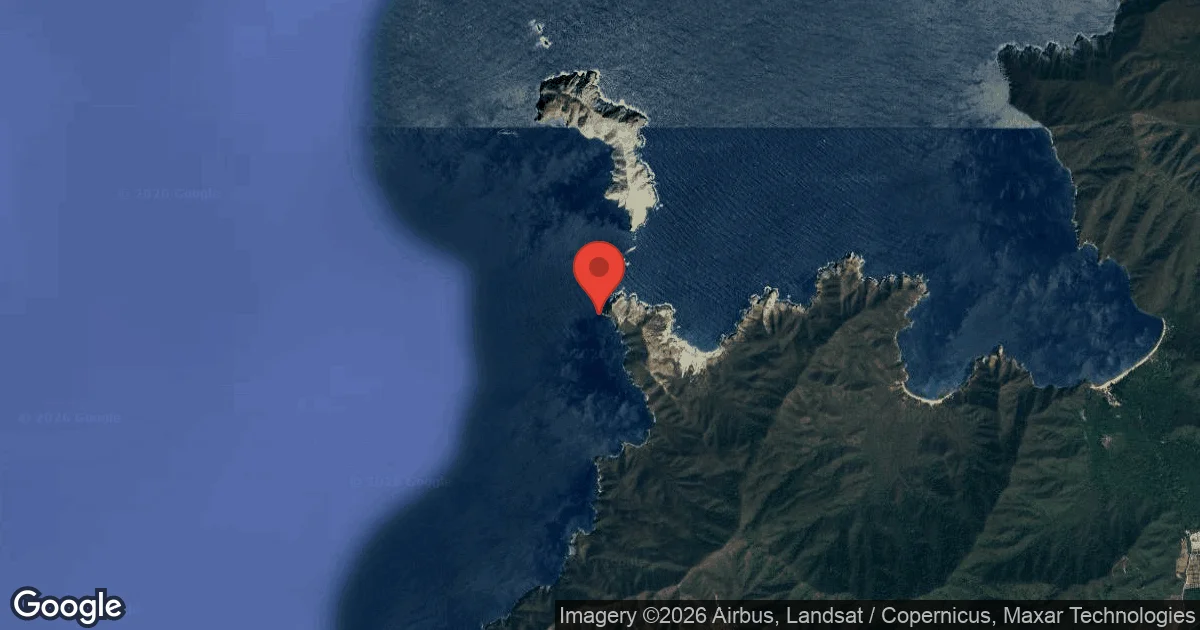
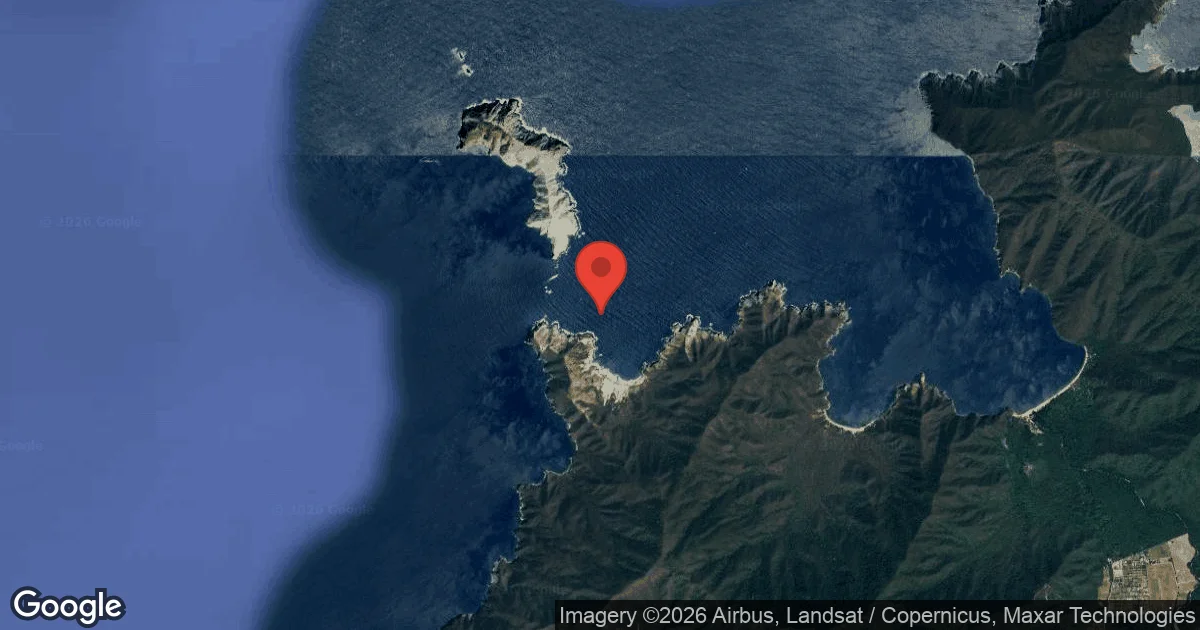
View all dive sites in ColombiaDiscover more underwater gems in this area.
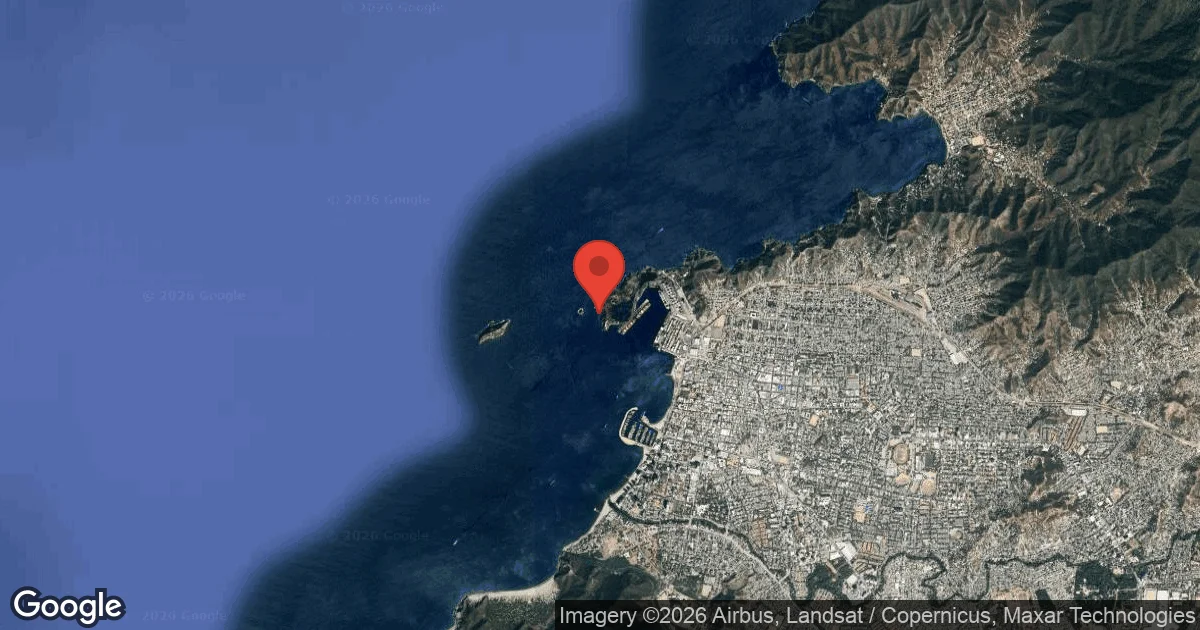
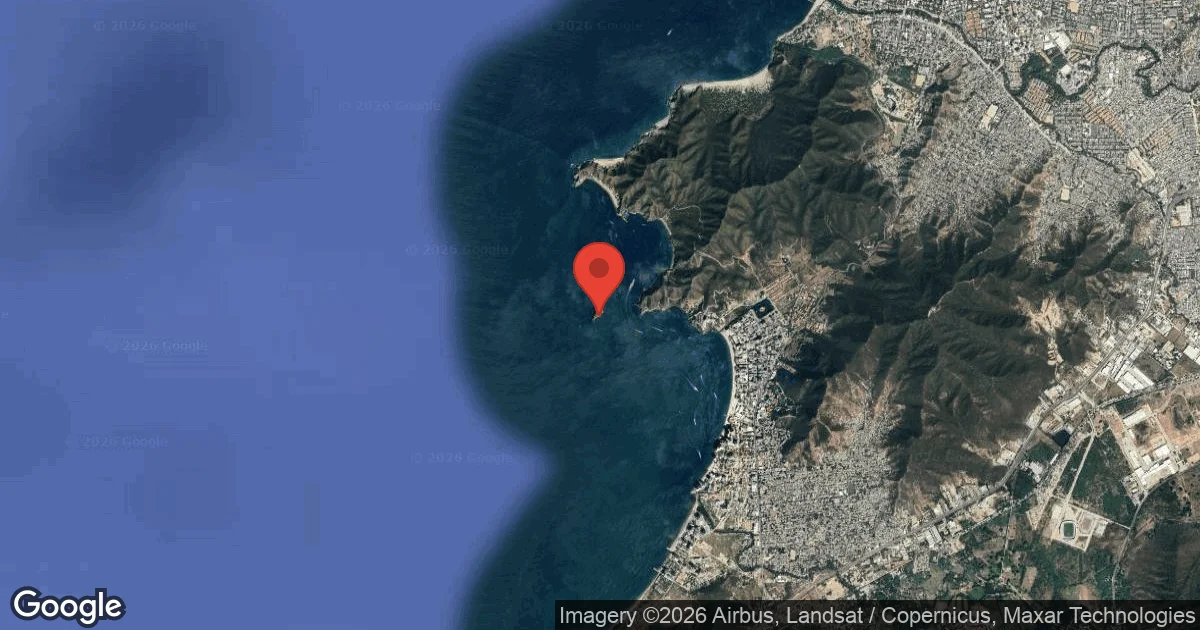
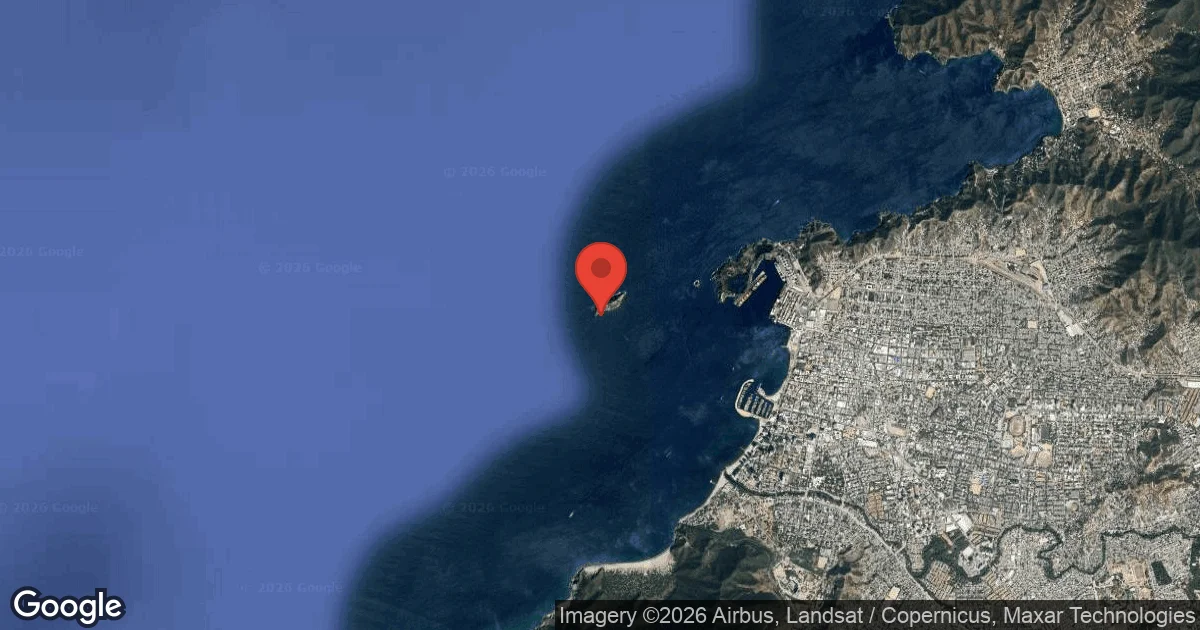
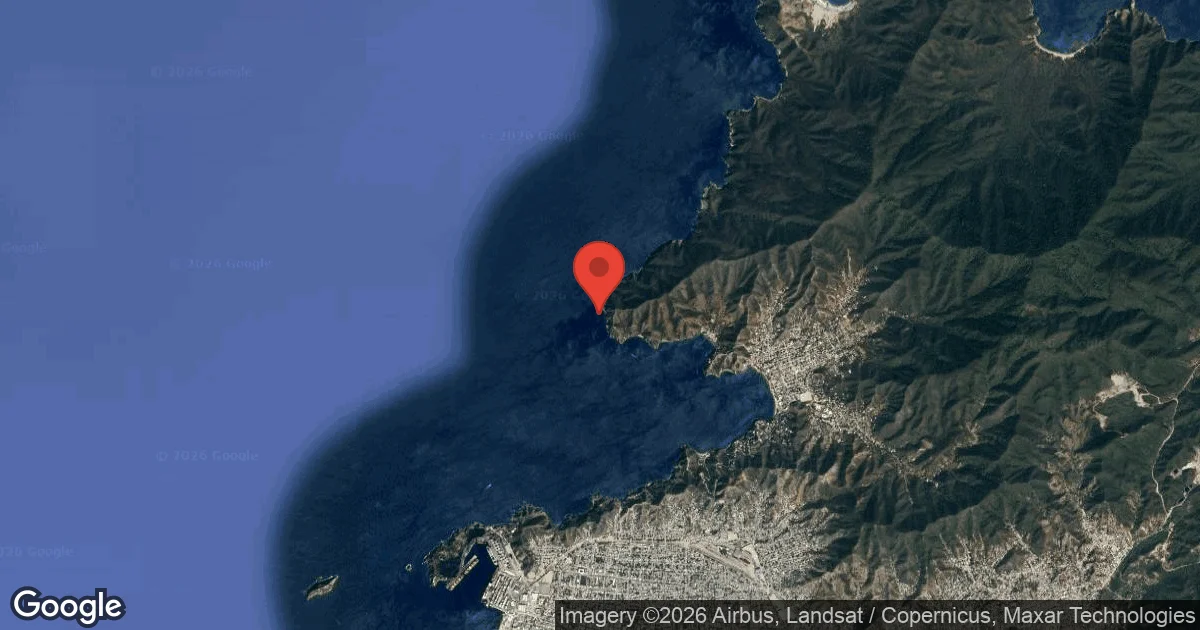
Dive Centers Near El Nataly (Naufragio)
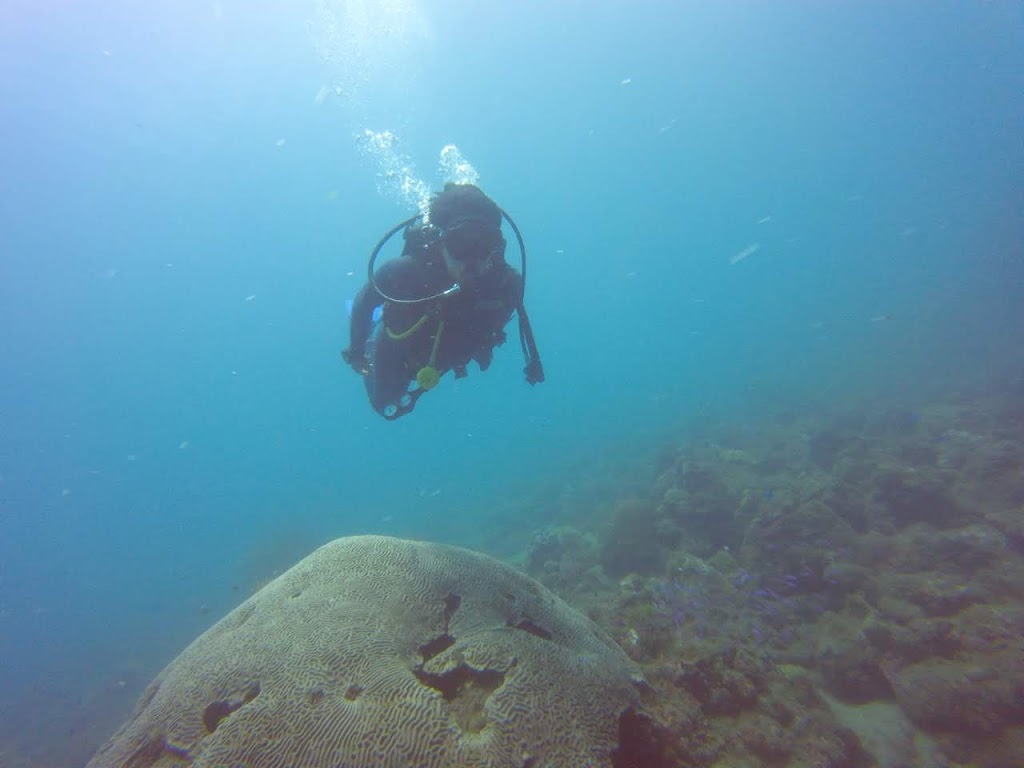
Today: 08:00 - 17:00
Nearest Airports
Nearest airports to help plan travel to this dive area.
Search Flights
Check available flights and routes on Expedia, using the nearby airports listed in this section.
Search Flights on ExpediaFrequently Asked Questions
What type of dive site is El Nataly?
It's a wreck dive, specifically a sunken yacht. This artificial reef rests on a muddy bottom and offers a habitat for various marine species.
What is the maximum depth of the dive?
The maximum depth at El Nataly is 30 m / 98 ft. This depth categorizes it as a deeper dive, requiring appropriate training.
What certification is recommended for this site?
A PADI Advanced Open Water Diver certification is recommended. This ensures divers have the necessary skills for navigating a wreck and handling the site's depth.
How do divers access El Nataly?
Access to El Nataly is exclusively by boat. Operators typically transport divers from the shore to the wreck site.
What marine life can be observed at the wreck?
Lionfish are commonly observed here and are often targeted for removal efforts. Larger marine life like sharks, whales, dolphins, and turtles are general sightings in the broader Santa Marta area and can be transient visitors.
When is the best time of year to dive El Nataly?
The best conditions generally occur in September and October for calmer seas and lower winds. For minimal rainfall, consider January, March, April, or December.
What are the typical water conditions?
The water is saltwater, and temperatures are consistently warm, reflecting the tropical climate. Visibility varies depending on currents and the muddy bottom.
Is a Surface Marker Buoy necessary?
Yes, carrying a Surface Marker Buoy (SMB) is recommended. It's an important safety device for signaling your position to surface vessels, especially during ascents.
Planning to dive El Nataly (Naufragio)?
Send one inquiry and receive offers directly from the best verified local dive operators.
Conditions are Moderate
Optimal conditions expected
Current conditions near El Nataly (Naufragio) show 29° air, 30° sea temperature, 1.1 m waves, and 32 km/h wind. Forecast data is refreshed regularly to ensure accuracy.