
Diving at La Viuda (Costa Rica)
Approaching La Viuda requires appreciating its dual nature: the rock formation's east side presents a sheltered environment suitable for foundational PADI courses, while the western flank offers a gentle slope ideal for advanced training. Understanding these distinct characteristics allows divers to select the optimal area for their skill level, ensuring a productive and enjoyable underwater experience. High tide reveals the rock formation clearing by approximately one meter / three feet.
Evening condition tracking at La Viuda features an air temperature of 27.5°C. We have recorded wave heights measuring 0.2 m during this period. These figures outline the environmental parameters currently present.
Dive Site Location & Key Facts
Dive Site Overview
La Viuda offers a dynamic underwater landscape, centered around a prominent rock formation that at high tide clears the surface by roughly one meter / three feet. Its adaptability is particularly valued, catering to a broad spectrum of diving proficiencies.
On the formation's east side, a sheltered and calmer environment provides an excellent location for fundamental PADI courses, where divers can comfortably develop and refine essential skills. Conversely, the western flank unveils a gentle slope that gradually descends to a maximum depth of 12 meters / 39 feet. Such deeper areas serve as effective training grounds for advanced certifications, supporting courses in areas like navigation or peak performance buoyancy.
All expeditions to La Viuda commence with a boat entry, streamlining access to these diverse underwater zones. As an ocean reef site, it combines opportunities for structured learning with the appeal of exploring natural marine habitats, making it a foundational and versatile spot for many divers in Costa Rica.
Conditions are Good
Optimal conditions expected
Current conditions near La Viuda show 28° air, 30° sea temperature, 0.2 m waves, and 19 km/h wind. Forecast data is refreshed regularly to ensure accuracy.
Best Time to Dive
Optimal visibility is a key factor when planning a dive at La Viuda, generally aligning with the drier months. Conditions are frequently excellent from January through May, and again from July to September, as indicated by consistently high dive scores. During these periods, air temperatures typically range between 25°C and 27°C / 77°F and 81°F, accompanied by minimal rainfall, often less than 9 mm per month. Reduced precipitation contributes significantly to clearer waters and better viewing opportunities. While diving remains good in June, October, and November, these months experience a slight increase in rainfall, potentially impacting visibility; October and November can see up to 15-16 mm of rain. December also shows strong dive scores, with lower rain totals, indicating a favorable transition back into the dry season.
PEAK SEASON SCORE
Scores combine air & water temps, waves, wind & rainfall for overall conditions.
BEST MONTHS TO DIVE
Monthly records compiled from satellite and marine observation nodes over the last 3 years. Data provided by Open-Meteo and MET Norway.
Dive Experience & Conditions
Diving La Viuda provides a distinct sensory experience, transitioning between the more protected eastern side and the gently sloping western reef. Entering the warm, salty waters by boat, divers will find the eastern area conducive to calm skill practice, with the prominent rock formation serving as a clear landmark. Descending along the western slope, the reef contours offer interesting exploration. While specific water temperature data isn't consistently reported for this location, divers typically encounter comfortable conditions in Costa Rican coastal waters. Current levels can vary depending on local weather patterns, occasionally requiring attention, but the site generally maintains a manageable profile, especially on the more sheltered side. Such an environment suits diverse training scenarios, from initial certification to advanced skill refinement.
Dive Difficulty & Safety Guidelines
Managing the dive experience at La Viuda involves understanding the site's varied characteristics and planning accordingly. Given its dual nature—a sheltered east side for beginners and a deeper, gently sloping west side for advanced divers—it's crucial to select the appropriate section for your certification level and comfort. All entries are via boat, requiring familiarity with boat diving procedures.
While no specific hazards are consistently reported, divers should always consult with local dive professionals regarding current conditions, which can influence visibility or current strength. Adhering to PADI Standard Safe Diving Practices, including proper buddy procedures and descent/ascent rates, is paramount for a safe and rewarding dive here.
Recommended Equipment
- Dive Computer
- DSMB
This gear list is based on verified equipment signals for La Viuda, Costa Rica. Always confirm final gear choices with your dive operator, guide, or liveaboard.
Recommended Dive Suit
Divers who spend more time observing marine life often prefer slightly warmer gear.
Environmental readings suggest that the waters surrounding La Viuda are about 30°C (86°F) at the moment. Surface air temperatures are resting at 28°C (82°F). Water temperatures in this range are often well suited to diving with dive skin or rash guard.
Forecast models indicate that diving conditions should remain largely unchanged.
Due to technical issues with our weather providers, live updates are temporarily delayed. The data above reflects the conditions at the time of the last successful fetch.
Emergency & Medical Support
Essential information to help you plan your dive trip to La Viuda.

Hyperbaric chambers are a critical part of dive safety infrastructure. Availability varies significantly by region, and not all dive areas have immediate access.
Before diving, it's recommended to:
- confirm nearest medical facilities
- check emergency procedures with local dive operators
- ensure dive insurance covers evacuation if required
Divers Alert Network
Diving emergency assistance available through DAN World.
+1-919-684-9111- 24/7 emergency hotline
- Diving medical assistance
- Evacuation coordination
Emergency contacts are provided for reference. Always verify local emergency services before diving.
Marine Life at La Viuda
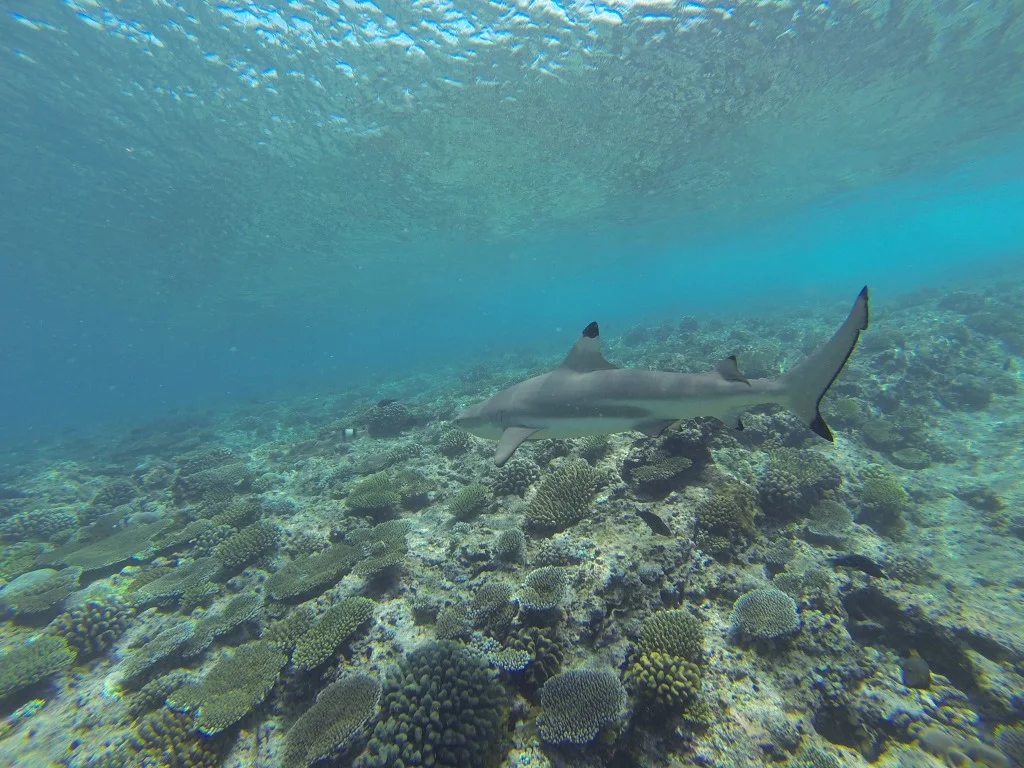
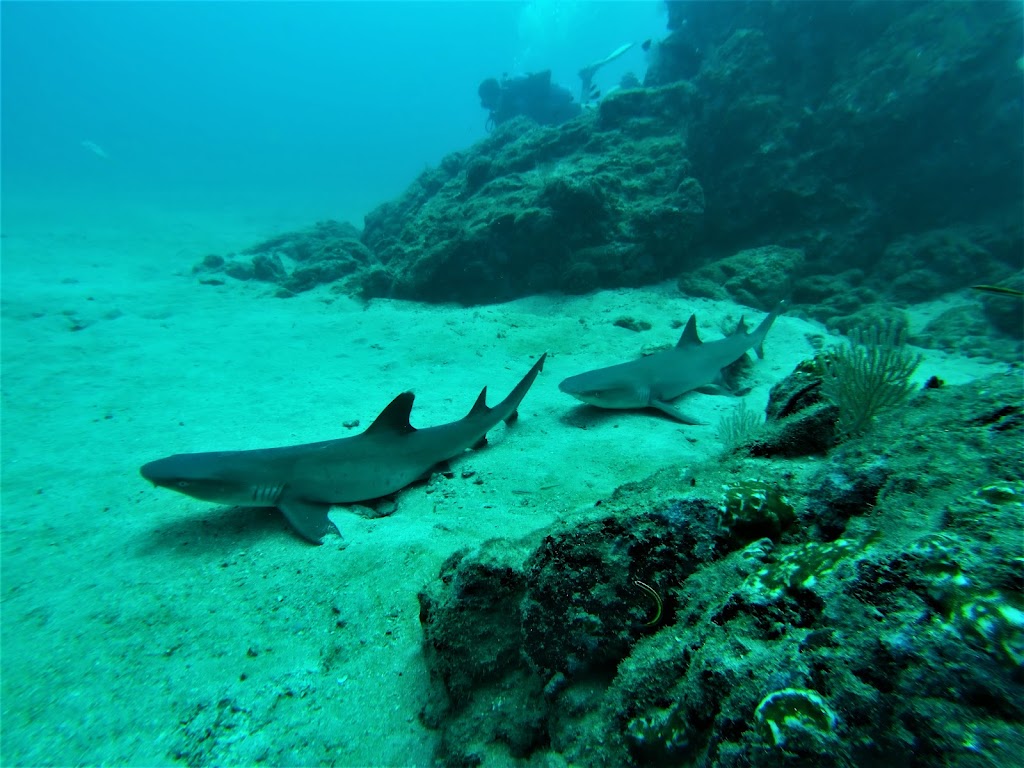
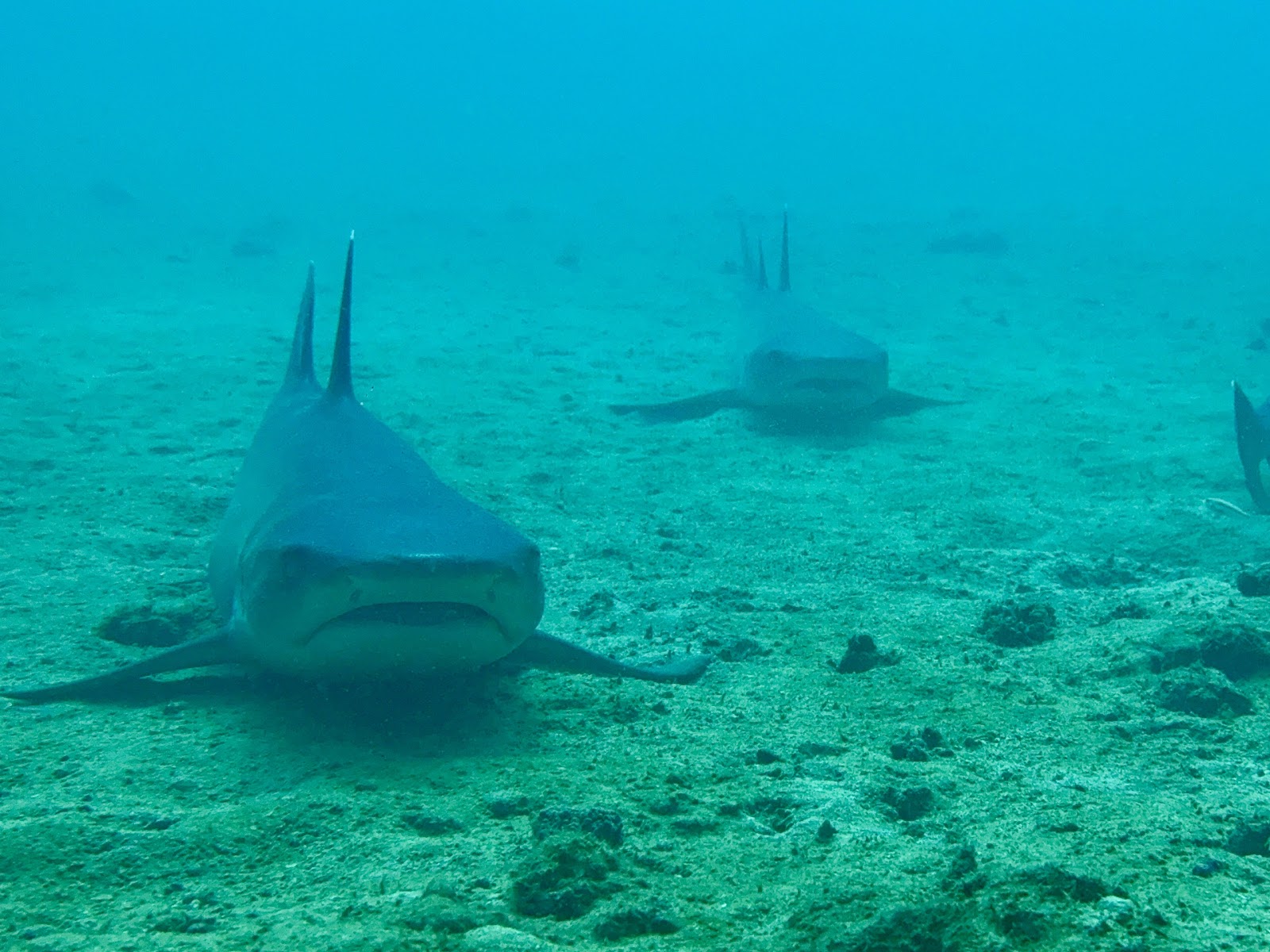
Focusing on the aquatic inhabitants, La Viuda offers encounters with several charismatic species. Divers often observe sharks navigating the reef structure.
Also, the area is known for sightings of larger marine mammals, including various whale and dolphin species, particularly during migratory seasons.
Additionally, the reef provides habitat for turtles, which are frequently spotted cruising through the water or resting among the coral. While individual sightings vary, the potential for encountering these diverse creatures adds significant interest to any dive at this location.
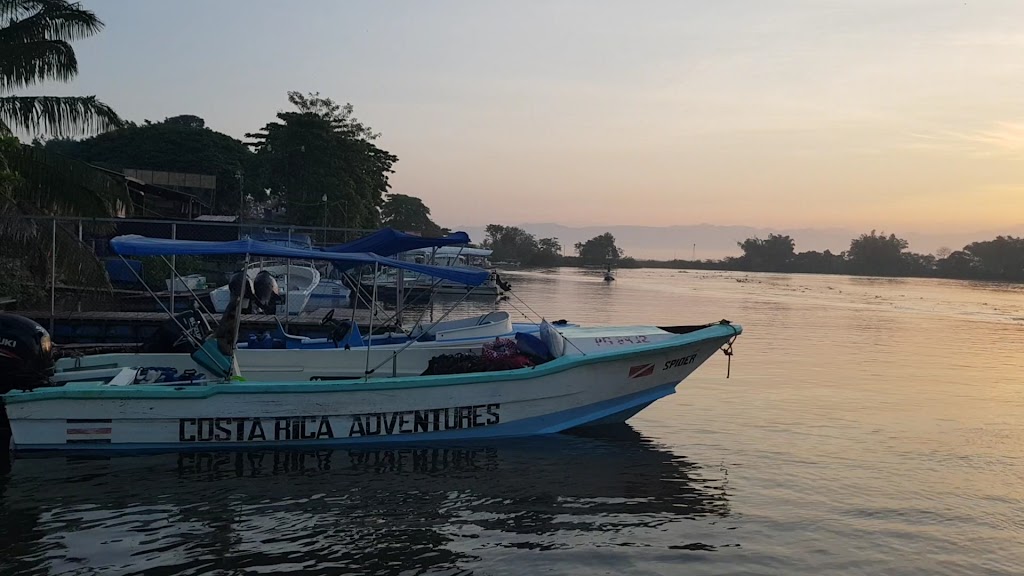
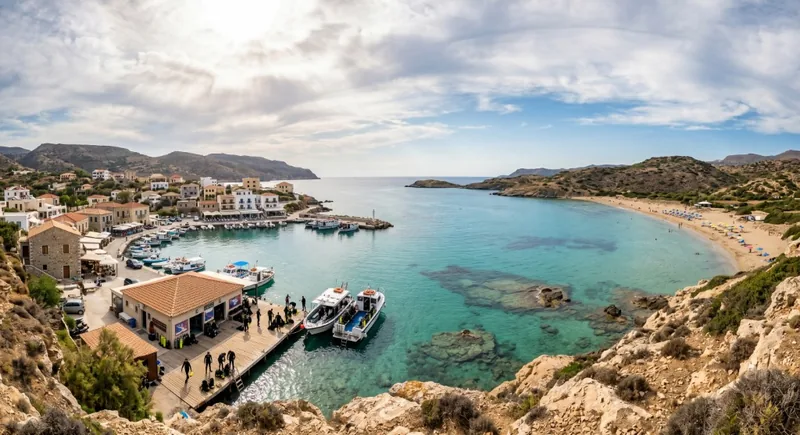
Dive Centers Near La Viuda
Today: 07:00 - 17:00
Nearest Airports
Nearest airports to help plan travel to this dive area.
Search Flights
Check available flights and routes on Expedia, using the nearby airports listed in this section.
Search Flights on ExpediaFrequently Asked Questions
What is the maximum depth at La Viuda?
The maximum depth typically reached at La Viuda is 12 meters / 39 feet. This makes it accessible for a wide range of certified divers, from open water to advanced levels.
What types of marine life can I expect to see?
Divers frequently encounter sharks, along with various species of whales, dolphins, and turtles. These sightings can depend on the season and specific dive conditions.
Is La Viuda suitable for beginner divers?
Yes, the east side of La Viuda is well-suited for basic PADI courses, offering a calm and sheltered environment. More experienced divers can explore the gently sloping western side.
How do I access the dive site?
Access to La Viuda is exclusively by boat. Dive operators from nearby areas will transport divers directly to the site.
What are the typical water conditions like?
The water is salty, and while specific temperatures aren't always reported, conditions are generally comfortable. Visibility tends to be best during the drier months.
Are there specific PADI courses recommended for this site?
Absolutely. The site is suitable for PADI Open Water, Advanced Open Water, and many specialty courses such as Peak Performance Buoyancy and Underwater Navigator, given its varied terrain.
Does the tide affect diving at La Viuda?
Yes, at high tide, the rock formation that defines La Viuda clears the surface by approximately one meter / three feet. This visibility can influence how divers approach the site's structure.
Planning to dive La Viuda?
Send one inquiry and receive offers directly from the best verified local dive operators.
Conditions are Good
Optimal conditions expected
Current conditions near La Viuda show 28° air, 30° sea temperature, 0.2 m waves, and 19 km/h wind. Forecast data is refreshed regularly to ensure accuracy.