Loading...

Diving at Njive Cove (Croatia)
Published
An inviting western Kamenjak cove where drive-up shore access and a gentle 20-meter northern rock slope create effortless Adriatic reef diving for beginners.
Starting the day at Njive Cove, the ambient air temperature is recorded at 15°C. Ongoing monitoring shows wave heights measuring 1.1 m. This data represents the current surface conditions for early activities.
Dive Site Location & Key Facts
Site Characteristics
Interactive map & 360° view for Njive Cove. Alongside the satellite map above, switch to the “360° Shore & Entry” tab (41 m from the map pin) when planning your dive at Njive Cove in Croatia to preview the surrounding coastline or surface approach, check the water entry layout, and spot surface landmarks. Panorama imagery captured Apr 2021; site access and local conditions may have changed since, so always verify on arrival.
Max Depth20m / 66ft
Entry TypeBoat & Shore
Water Typesalt
Dive Types
RecreationalReefTraining
Dive Site Overview
Set along the sunlit western shore of Lower Kamenjak south of Polje Cove, Njive Cove is famous ashore for its rounded white pebbles and translucent turquoise water framed by low Mediterranean macchia. For scuba divers, the ability to drive right down to the coastal parking area makes Njive one of southern Istria's most convenient drive-and-dive locations, equally accessible by short boat run from Premantura or Banjole.
While the central pebble beach draws swimmers in summer, the prime scuba route tracks the northern rocky side of the cove. Stepping in from the pebbles or low rock shelves, divers follow a stony limestone terrain that slopes gradually and predictably down to 20 meters without sudden sheer drop-offs or disorienting navigation.
Because the western side of Kamenjak faces the open Adriatic across from Porer Lighthouse, water clarity at Njive consistently surpasses inner-bay beaches, regularly approaching 20 meters. The combination of bright ambient light, gentle bathymetry, and lively boulder habitat makes the northern reef an outstanding confidence-builder for newly certified divers and underwater photographers.
Njive Cove
Conditions are Moderate
5/10
Confidence: 8/10
Indicates meteorological model agreement and data availability.
DIVE WARNING
High Wind Advisory (47km/h). Unsafe surface.
06:12
18:45
H: 10:45
L: 16:20
Air / Sea Temp
15° / 17°
Wave Height
1.5 m
Wind Speed
47 km/h NE
Rain Chance
50%
Current conditions near Njive Cove show 15° air, 17° sea temperature, 1.5 m waves, and 47 km/h wind. Forecast data is refreshed regularly to ensure accuracy.
Radius: ~12km
Updated: Nov 22, 2026, 17:46 local timeMARINE: OPEN-METEOWEATHER: YR.NO
Best Time to Dive
May through October spans the main diving season, with water temperatures climbing from 17–18°C in May to 24°C in August and holding comfortable 20–22°C warmth through September. Morning dives—especially in June, September, and October—offer glassy western seas and quiet parking right beside the cove before beachgoers arrive.
Backed to the east by the spine of the Kamenjak peninsula, Njive Cove stays nicely sheltered when the northeast Bora wind blows across Istria. Afternoon northwest Maestral breezes and strong southwest Garbin swells push onto the western coast and can generate pebble-beach surf, so morning entries are consistently calmer.
PEAK SEASON SCORE
92/100
ExcellentScores combine air & water temps, waves, wind & rainfall for overall conditions.
BEST MONTHS TO DIVE
JUN
JUL
AUG
DIVE SCORE GUIDE (0–100)
Excellent (90–100)
Very Good (80–89)
Good (70–79)
Moderate (50–69)
Poor (30–49)
Not Recommended (0–29)
Monthly records compiled from satellite and marine observation nodes over the last 3 years. Data provided by Open-Meteo and MET Norway.
Dive Experience & Conditions
Gearing up beside the vehicle track and wading in with neoprene booties over the smooth pebbles is relaxed and unhurried. Keep the northern rocky shoreline on your right shoulder while heading seaward, descending at your own pace down terraced limestone slabs, small overhangs, and boulder pockets toward the 20-meter sand-and-Posidonia border.
Currents inside and immediately outside Njive Cove are typically mild, and above 16 meters summer water temperatures feel uniform and pleasant before a gentle cooling near 18–20 meters. Turn the dive around half tank and ascend lazily through the 5-to-10-meter sunlit boulder zone, where reef fish activity is densest.
Dive Difficulty & Safety Guidelines
Because Njive Cove is one of Cape Kamenjak's most popular summer swimming bays, divers entering from shore must swim underwater beneath any seasonal floating swimmer line when exiting the inner beach zone and tow a surface marker buoy with a dive flag whenever outside the buoyed bathing area.
Watch your footing on wet, rolling beach pebbles while carrying cylinders at entry and exit, and avoid touching dark sea urchins (Paracentrotus lividus and Arbacia lixula) clustered across the shallow rocks.
Recommended Equipment
- Dive Computer
- DSMB
- Hard-soled Dive Boots
This gear list is based on verified equipment signals for Njive Cove, Croatia. Always confirm final gear choices with your dive operator, guide, or liveaboard.
Recommended Dive Suit
Comfort levels can also depend on how active a diver is during the dive.
The water around Njive Cove is currently holding at approximately 17°C (62°F), setting the tone for today's dives. Surface air temperatures are resting at 15°C (59°F). When water temperatures fall within this range, many divers dive comfortably with 5-7mm wetsuit. Strong winds are present; please take strong precautions against rapid cooling during surface intervals. A thermal robe or jacket is recommended between dives.
A modest cooling trend is expected in the upcoming forecast. Cooler days are ahead; you might want a warmer option for later in the week. A thicker wetsuit may be worth considering for extended dives.
Njive Cove conditions last reviewed: 17:46 local time (UTC+1), Nov 22, 2026
Emergency & Medical Support
Essential information to help you plan your dive trip to Njive Cove.

Hyperbaric chambers are a critical part of dive safety infrastructure. Availability varies significantly by region, and not all dive areas have immediate access.
Before diving, it's recommended to:
- confirm nearest medical facilities
- check emergency procedures with local dive operators
- ensure dive insurance covers evacuation if required
24/7 Available
Divers Alert Network
Diving emergency assistance available through DAN Europe.
+39 0642115685- 24/7 emergency hotline
- Diving medical assistance
- Evacuation coordination
Emergency contacts are provided for reference. Always verify local emergency services before diving.
Closest Listed Hyperbaric Chambers (≤ 200 km)
Approximate straight-line distances from this dive site — emergency travel times may vary.
11 km11 kmPoliklinika za baromedicinu OXY – Podružnica Pula
Pula, Croatia+385 52 215 663Details11 kmPoliklinika za baromedicinu OXY – Podružnica Pula
Pula, Croatia · Multiplace
Hours: Mon–Fri 07:30–15:30Facility: Opća bolnica PulaICU On-Site: Not reportedSource: KBC Rijeka / Poliklinika OXYOfficial website
11 km
Poliklinika za baromedicinu OXY – Podružnica Pula
Pula, Croatia+385 52 215 663Details
11 km
Poliklinika za baromedicinu OXY – Podružnica Pula
Pula, Croatia · Multiplace
Hours: Mon–Fri 07:30–15:30
Facility: Opća bolnica Pula
ICU On-Site: Not reported
Source: KBC Rijeka / Poliklinika OXY
Official website75 km75 kmZavod za podvodnu i hiperbaričnu medicinu – KBC Rijeka
Rijeka, Croatia24/7ICU+385 51 407 435Details75 kmZavod za podvodnu i hiperbaričnu medicinu – KBC Rijeka
24/7 ListedICU CapableRijeka, Croatia · Multiplace (8 seated / 2 stretcher ICU)
Hours: 24/7 EmergencyFacility: Klinički bolnički centar Rijeka (Lokalitet Sušak)ICU On-Site: YesSource: KBC Rijeka / Poliklinika OXYOfficial website
75 km
Zavod za podvodnu i hiperbaričnu medicinu – KBC Rijeka
Rijeka, Croatia24/7ICU+385 51 407 435Details
75 km
Zavod za podvodnu i hiperbaričnu medicinu – KBC Rijeka
24/7 ListedICU CapableRijeka, Croatia · Multiplace (8 seated / 2 stretcher ICU)
Hours: 24/7 Emergency
Facility: Klinički bolnički centar Rijeka (Lokalitet Sušak)
ICU On-Site: Yes
Source: KBC Rijeka / Poliklinika OXY
Official website76 km76 kmPoliklinika za baromedicinu OXY – Poslovna jedinica Crikvenica
Crikvenica, Croatia+385 51 785 229Details76 kmPoliklinika za baromedicinu OXY – Poslovna jedinica Crikvenica
Crikvenica, Croatia · Multiplace
Hours: Mon–Fri 07:30–15:30Facility: Thalassotherapia CrikvenicaICU On-Site: Not reportedSource: KBC Rijeka / Poliklinika OXYOfficial website
76 km
Poliklinika za baromedicinu OXY – Poslovna jedinica Crikvenica
Crikvenica, Croatia+385 51 785 229Details
76 km
Poliklinika za baromedicinu OXY – Poslovna jedinica Crikvenica
Crikvenica, Croatia · Multiplace
Hours: Mon–Fri 07:30–15:30
Facility: Thalassotherapia Crikvenica
ICU On-Site: Not reported
Source: KBC Rijeka / Poliklinika OXY
Official websiteChamber data is sourced from official Croatian hospital and baromedicine facility records and has not been independently verified by Dive Navigator. Always contact local emergency services, DAN, your dive operator, or the facility directly before travelling.
Reference onlyMarine Life at Njive Cove
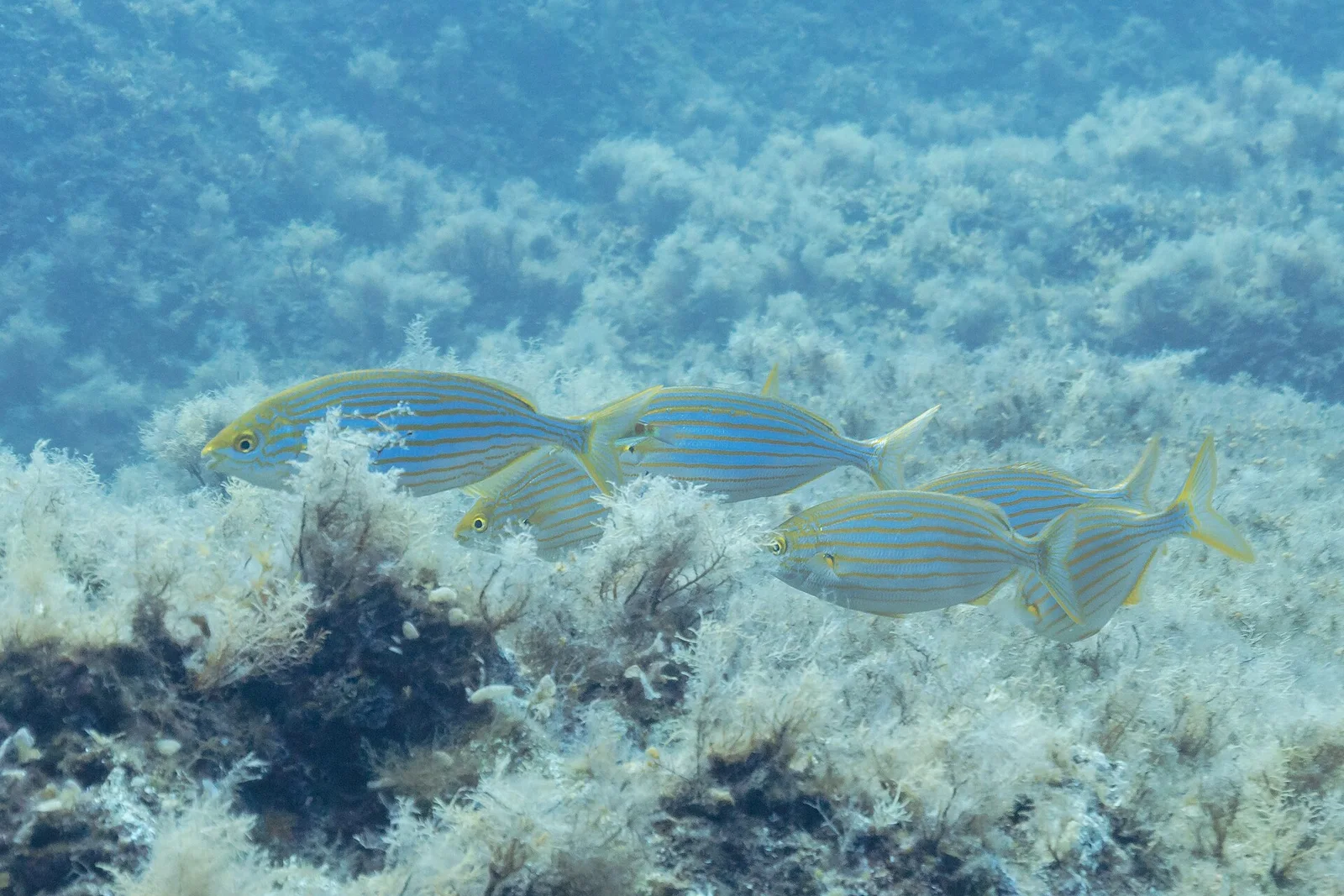
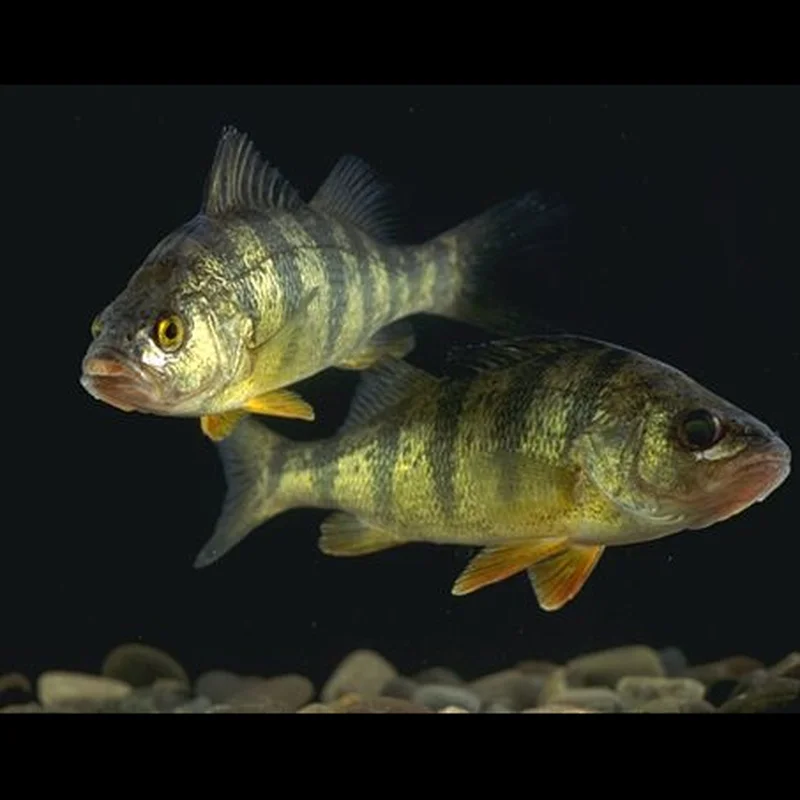
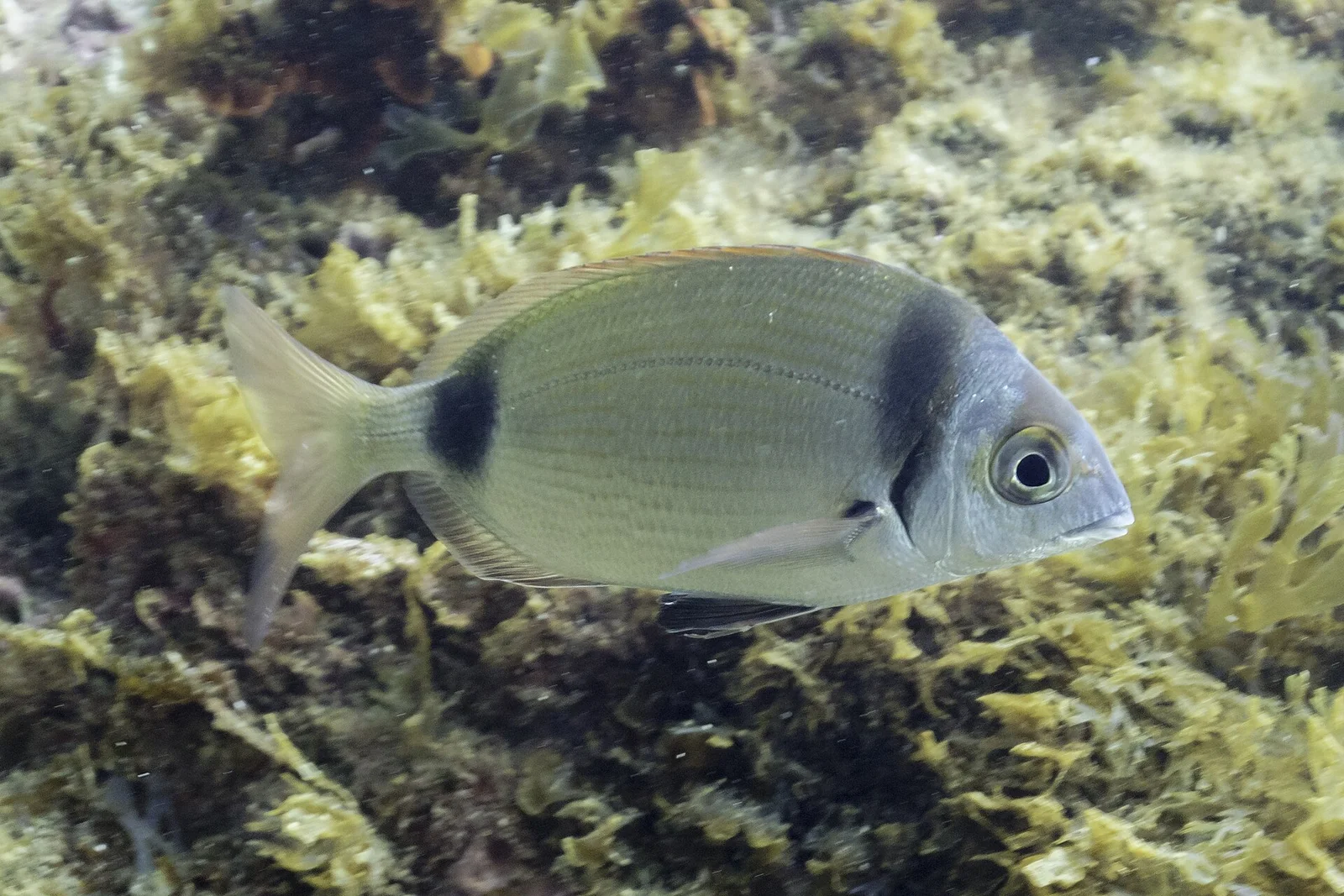
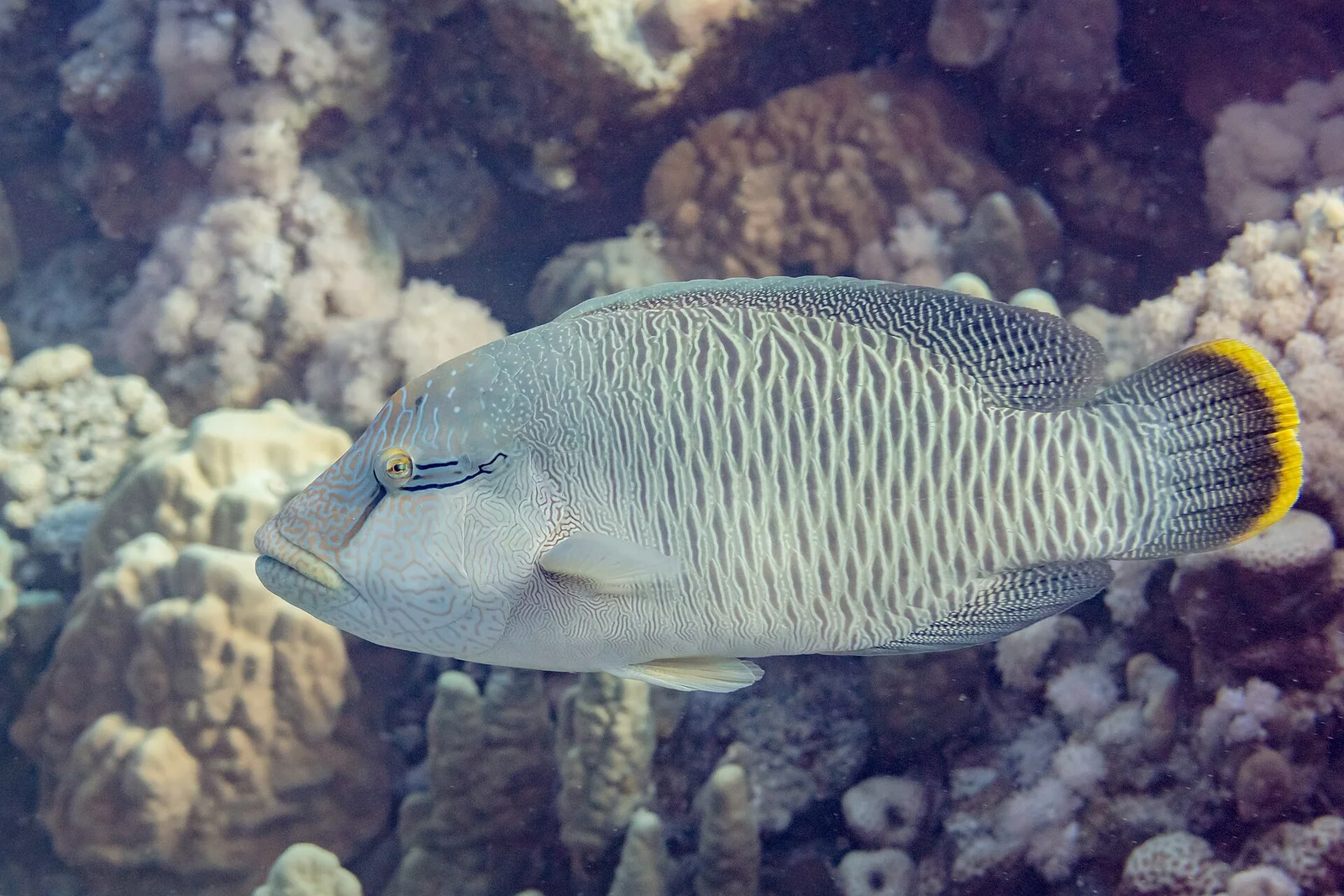
The gradually sloping northern reef hosts a classic, colorful community of coastal Adriatic fishes. Curious painted combers (Serranus scriba), peacock and rainbow wrasses, and dense shoals of salema (Sarpa salpa) graze across sunlit algae-draped boulders while white, saddled, and two-banded seabreams patrol the reef edge.
Inspecting boulder undersides and crevices between 8 and 20 meters turns up resident common octopuses (Octopus vulgaris), small red scorpionfish, hermit crabs, Mediterranean moray or conger juveniles, and black-spotted dotted sea slugs feeding on dark encrusting sponges.

1 / 2
Image contributors:laszlo-photo, Diego Delso + 1 more
Want to contribute photos or local dive knowledge? Learn how to contributeDive Sites Near Njive Cove
View all dive sites in CroatiaDiscover more underwater gems in this area.
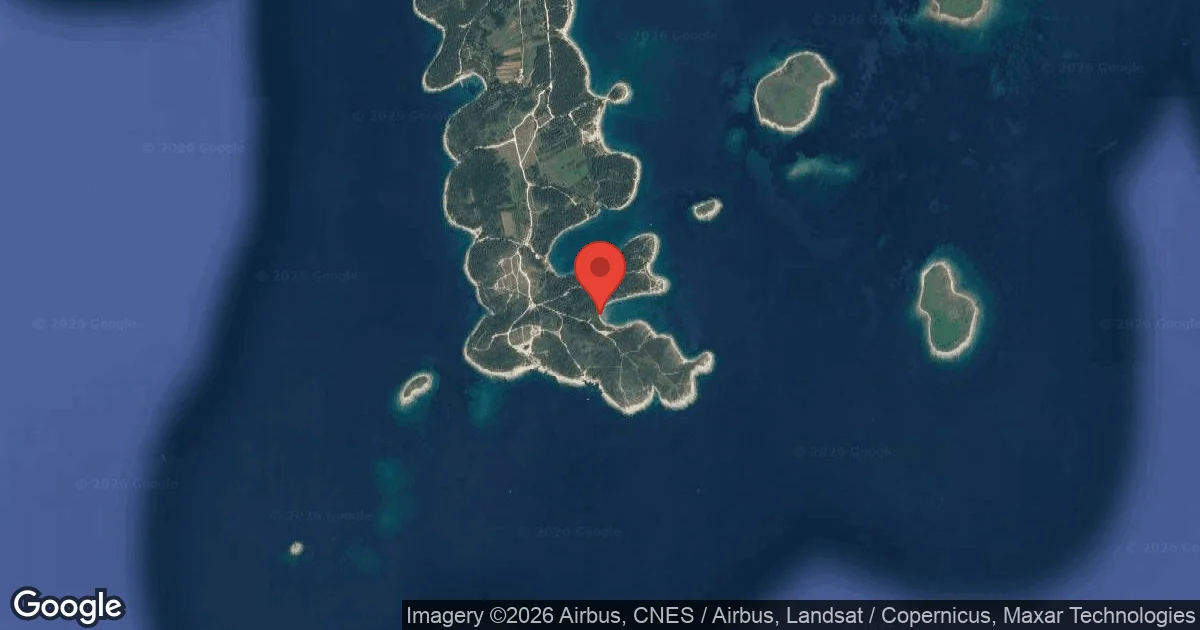
Max 16 m
1.2 km
360°beginnerDebeljak Cove
BeachBoat
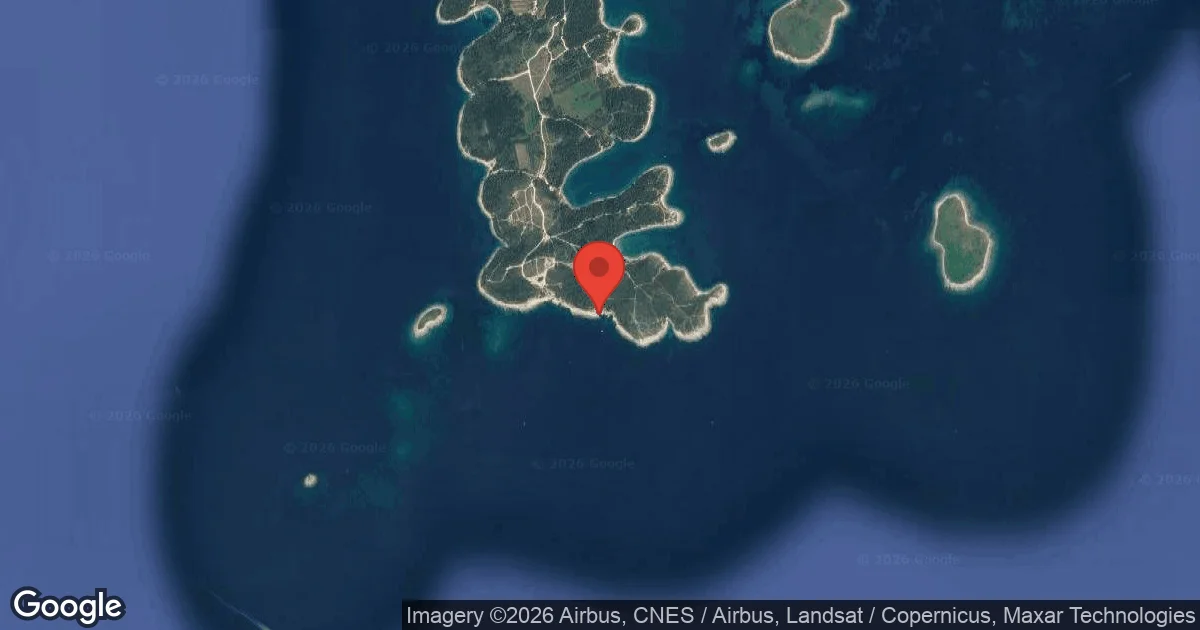
Max 18 m
1.4 km
360°beginnerVelika Kolumbarica
BoatCanyon
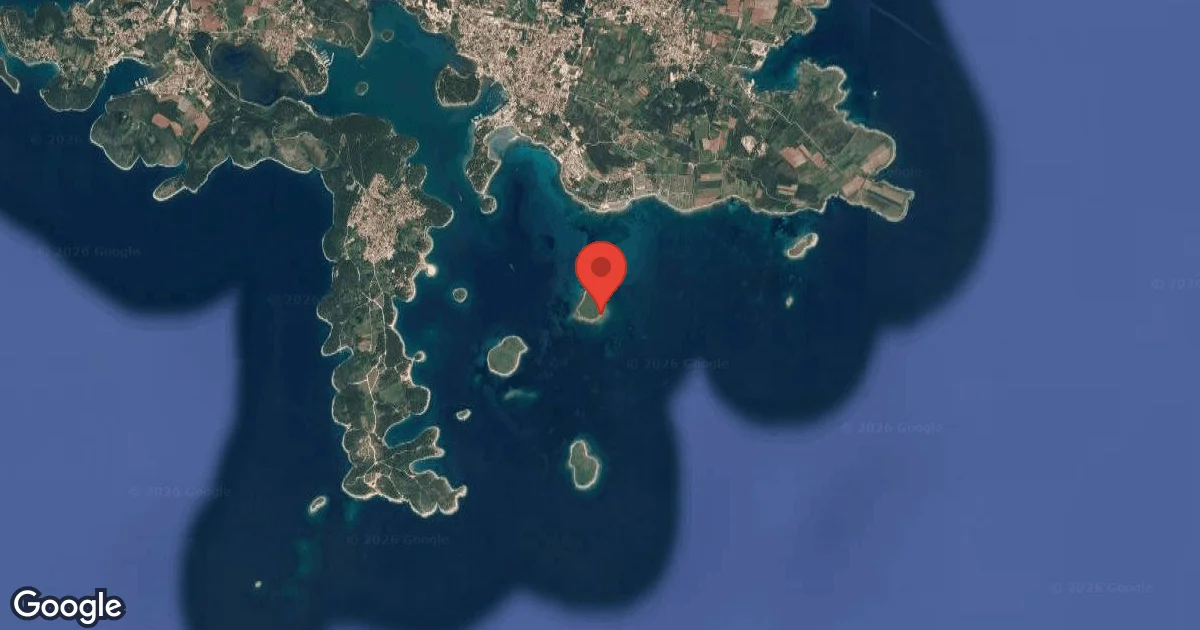
Max 20 m
3.9 km
beginnerBodulaš Island
Anchor DiveBoat
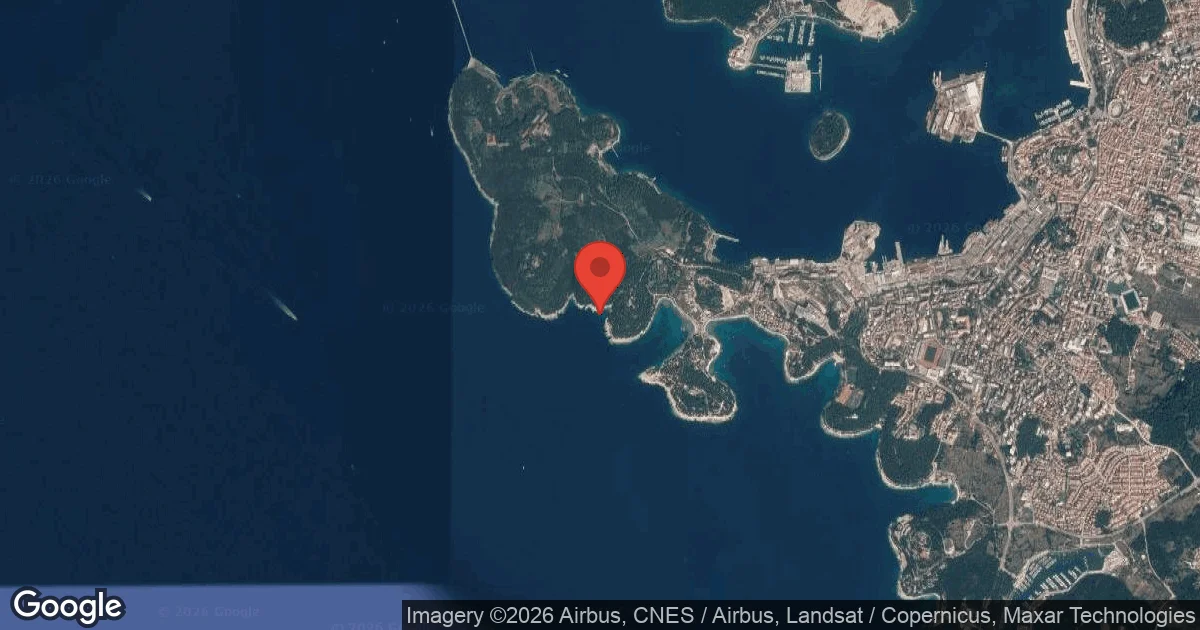
Max 20 m
12.1 km
360°beginnerSeagull Rocks & Valovine Caves
BeachBoat
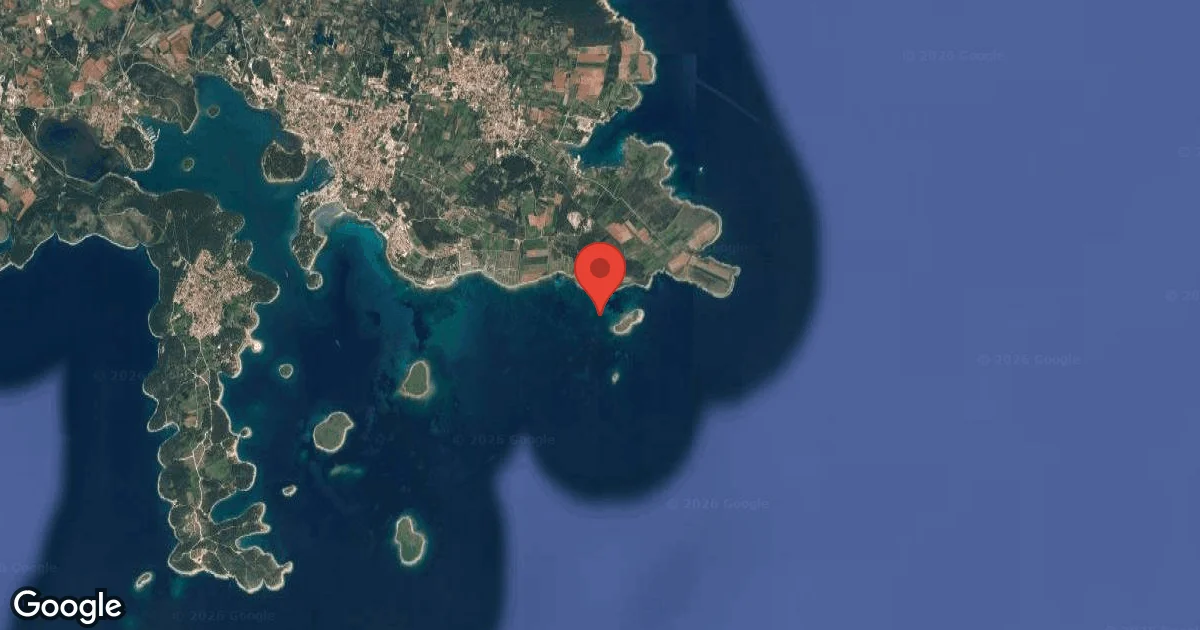
Max 14 m
6.4 km
beginnerLokvica Cove
BeachBoat
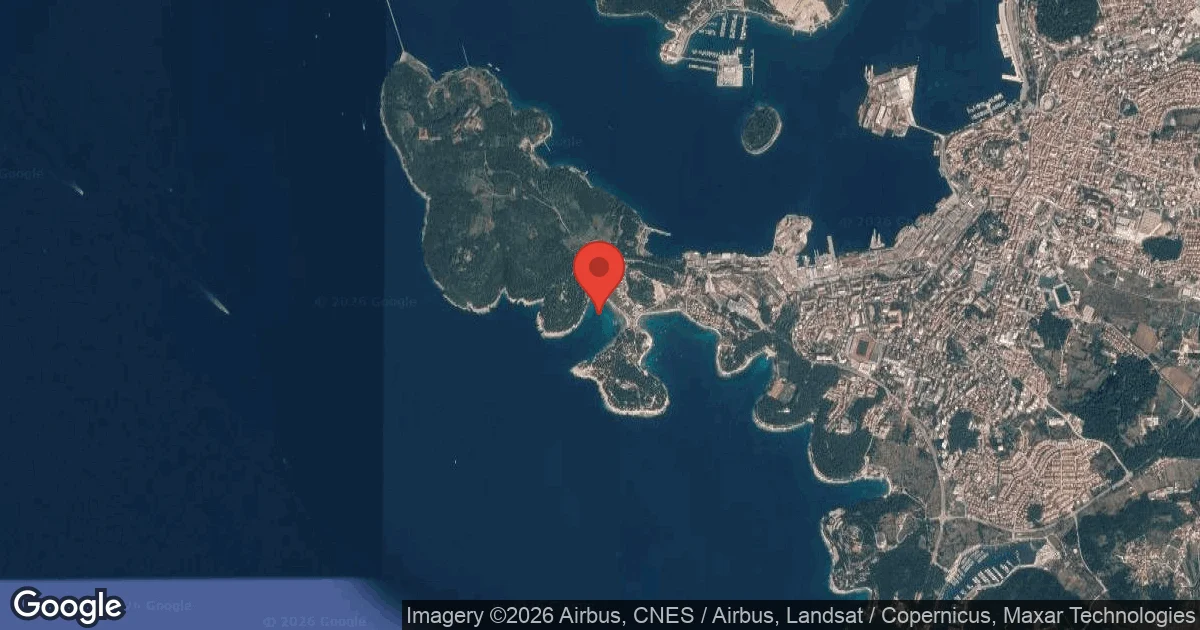
Max 25 m
11.8 km
360°beginnerStoja Reef & Canyons
BoatCanyon
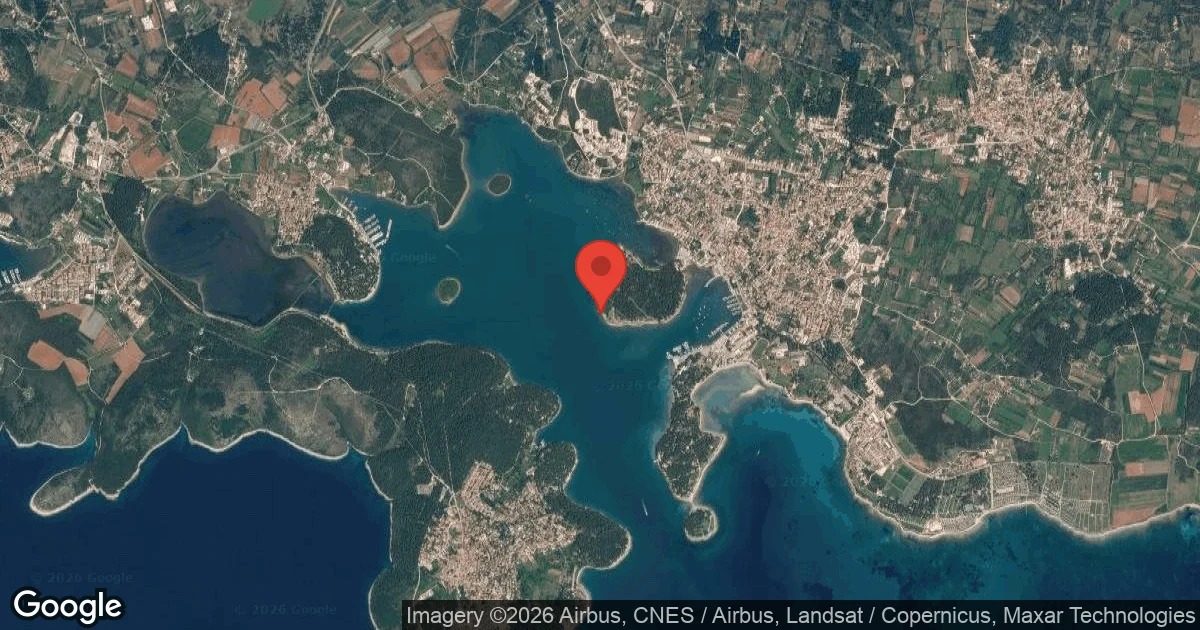
Max 8 m
4.6 km
360°beginnerVižula Archaeological Park
ArchaeologicalBeach
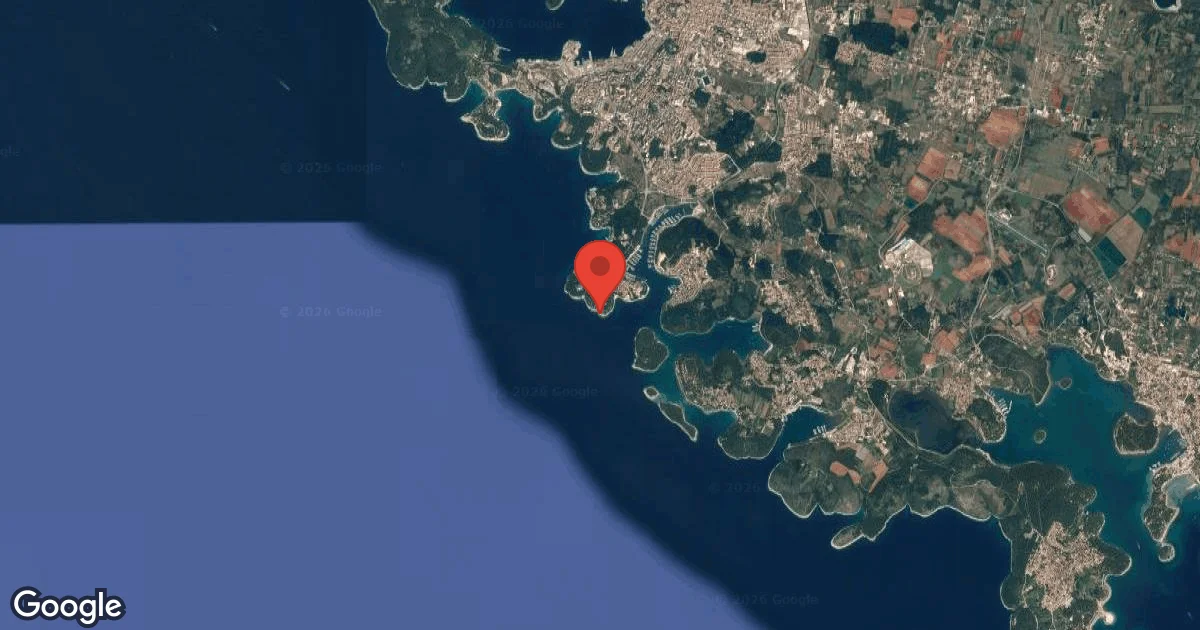
Max 35 m
8.4 km
360°beginnerVerudela Lighthouse
BoatCanyon
Max 16 m
1.2 km
360°beginnerDebeljak Cove
BeachBoat
Max 18 m
1.4 km
360°beginnerVelika Kolumbarica
BoatCanyon
Max 20 m
3.9 km
beginnerBodulaš Island
Anchor DiveBoat
Max 20 m
12.1 km
360°beginnerSeagull Rocks & Valovine Caves
BeachBoat
Max 14 m
6.4 km
beginnerLokvica Cove
BeachBoat
Max 25 m
11.8 km
360°beginnerStoja Reef & Canyons
BoatCanyon
Max 8 m
4.6 km
360°beginnerVižula Archaeological Park
ArchaeologicalBeach
Max 35 m
8.4 km
360°beginnerVerudela Lighthouse
BoatCanyon
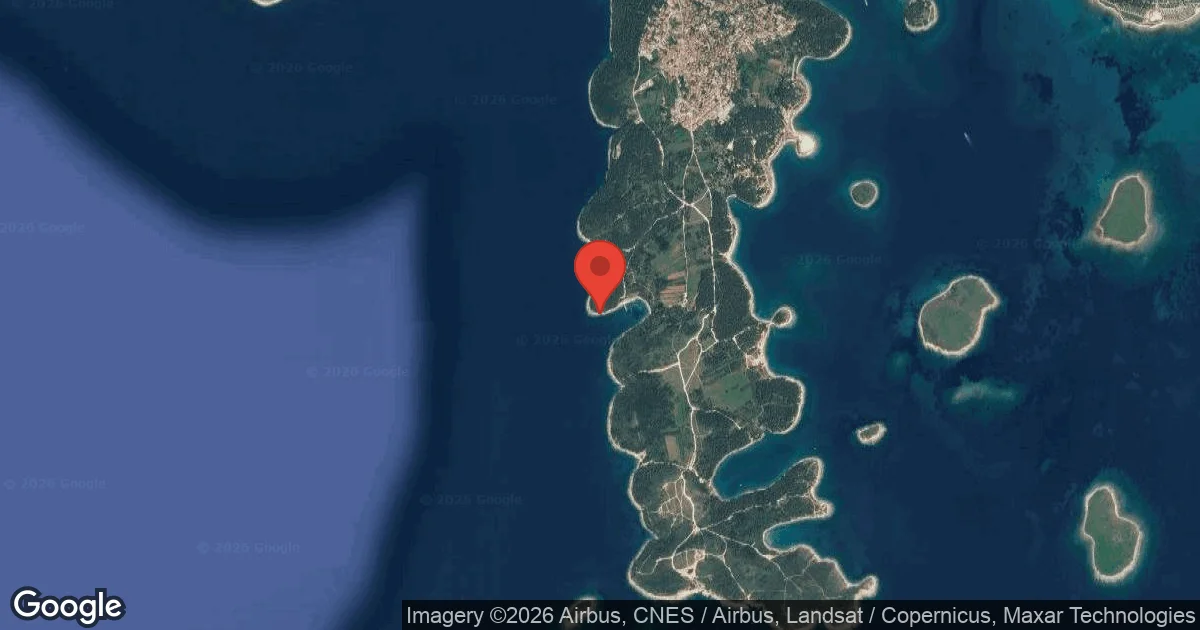
Max 38 m
0.9 km
360°intermediatePolje Cove
BoatOcean
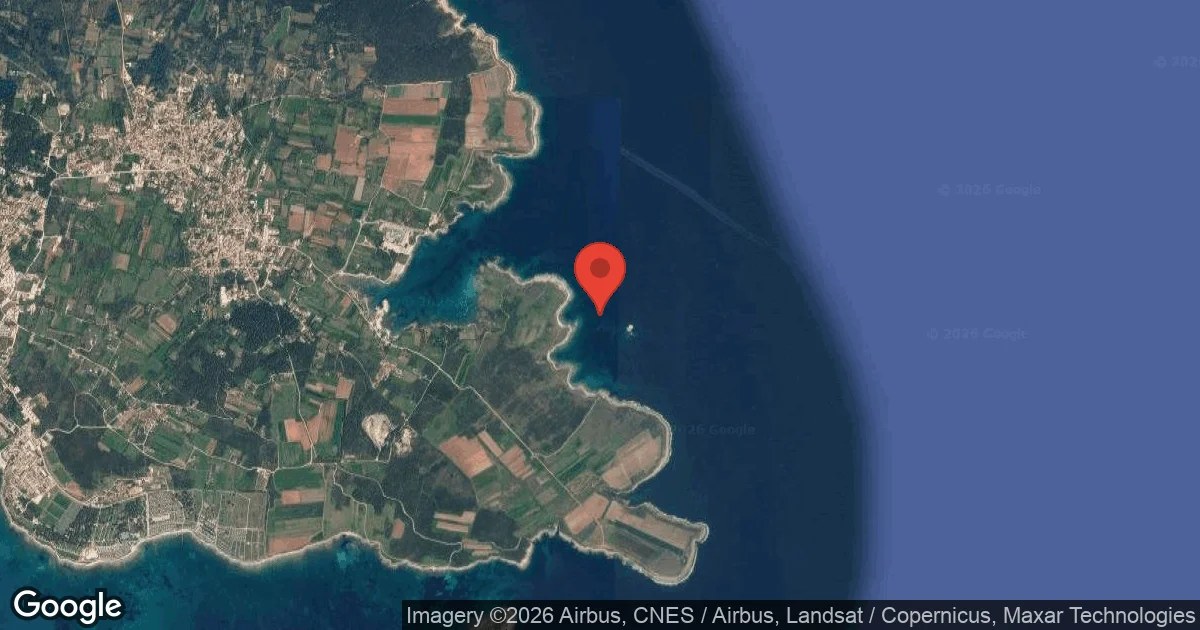
Max 12 m
8.4 km
beginnerCape Uljeva
ArchaeologicalOcean
1 / 2
Dive Centers Near Njive Cove
Working Hours
Sun09:30 - 19:00
Mon09:30 - 19:00
Tue09:30 - 19:00
Wed09:30 - 19:00
Thu09:30 - 19:00
Fri09:30 - 19:00
Sat09:30 - 19:00
Today: 09:30 - 19:00
Sun09:30 - 19:00
Mon09:30 - 19:00
Tue09:30 - 19:00
Wed09:30 - 19:00
Thu09:30 - 19:00
Fri09:30 - 19:00
Sat09:30 - 19:00
4.7| 211 reviews
7.2 km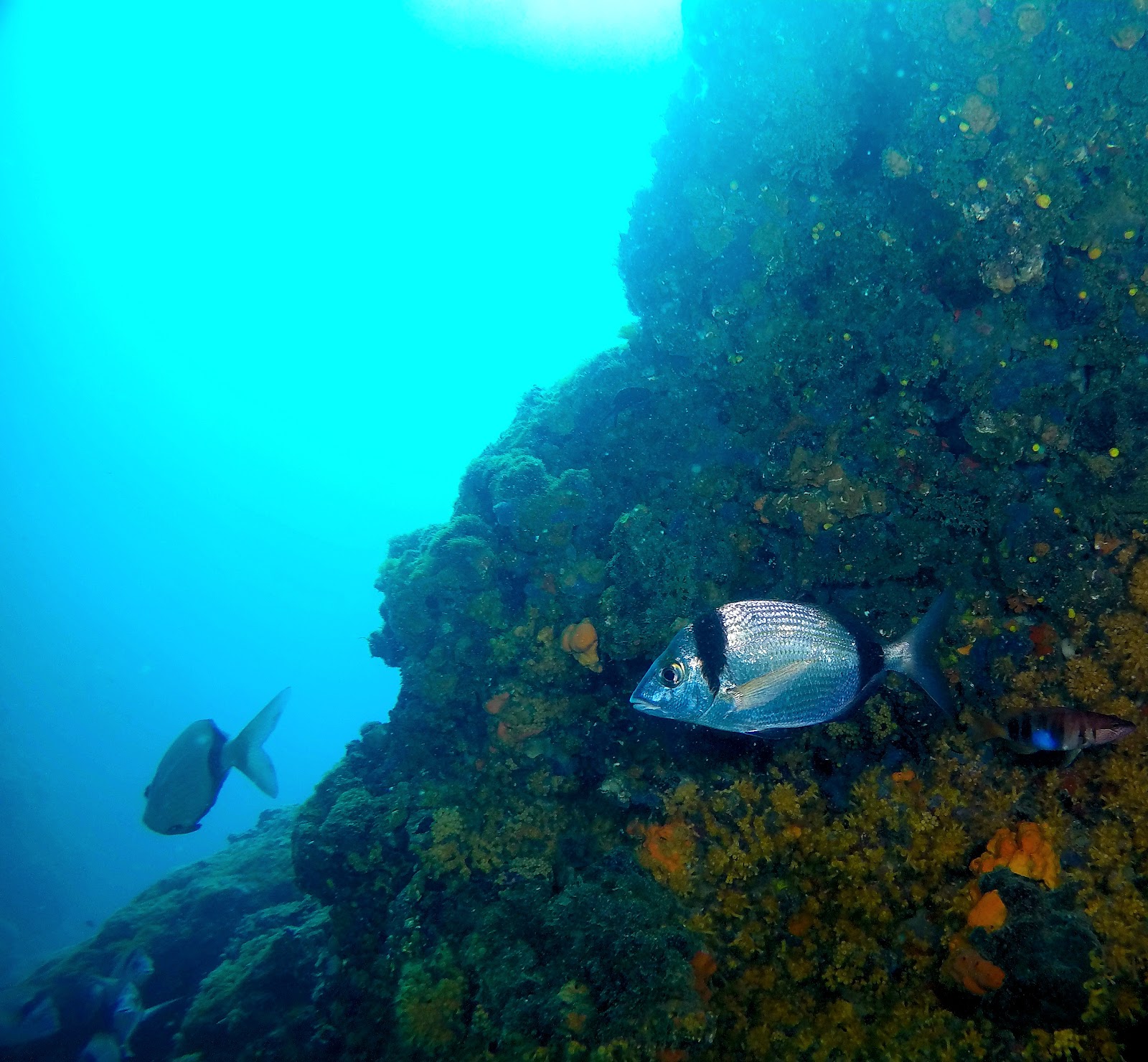
4.7| 129 reviews
8.3 km
4.6| 244 reviews
3.8 km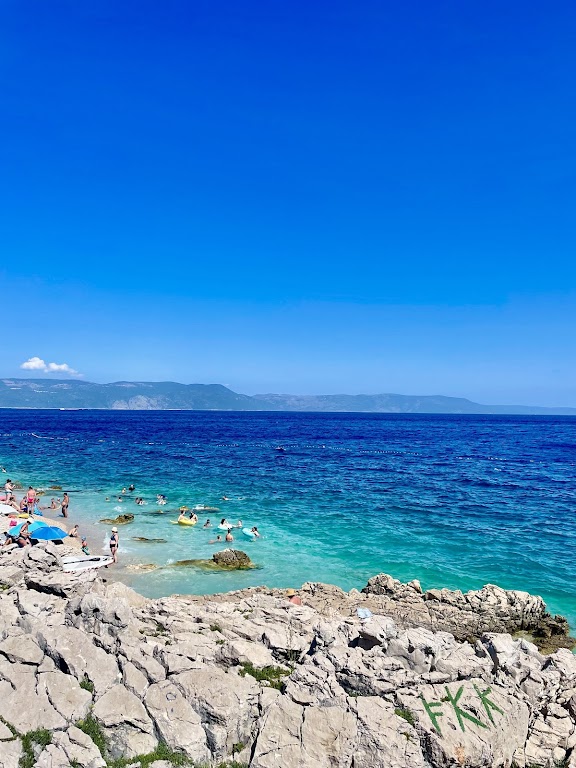
Girandella Diving Centre
4.8(231)• 39.7 km
Triton Diving
4.8(132)• 48.1 km
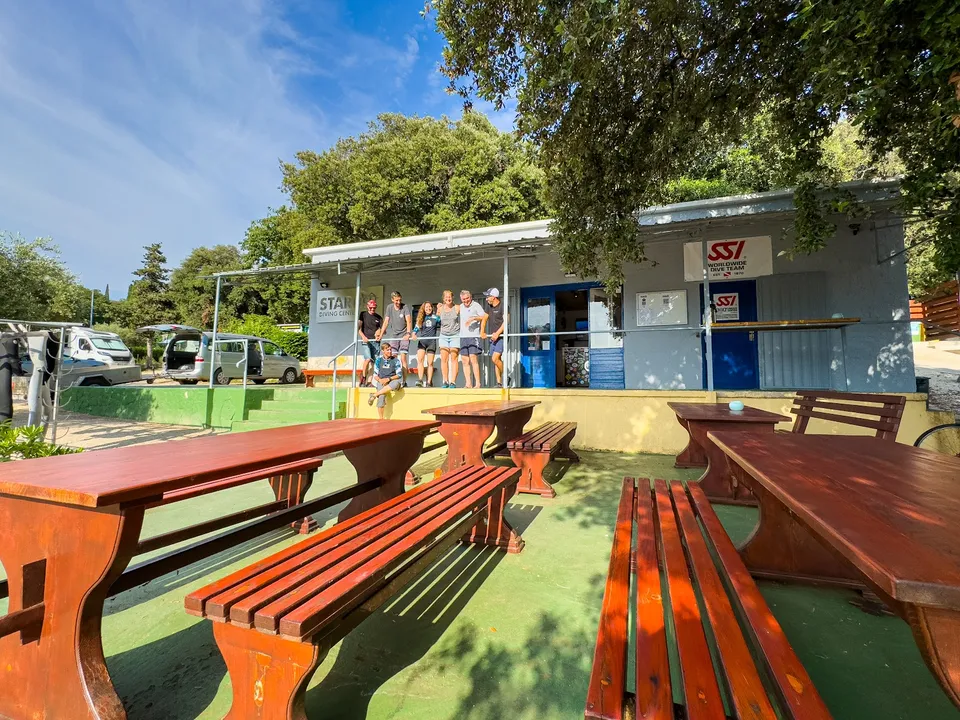
Starfish Diving Center
4.7(240)• 47.2 km
Nearest Airports
Nearest airports to help plan travel to this dive area.
Pula Airport PUY
13 km
Rijeka Airport RJK
72 km
Trieste Airport TRS
122 km
💵 Currency: EUR
Search Flights
Check available flights and routes on Expedia, using the nearby airports listed in this section.
Search Flights on ExpediaAffiliate link · Dive Navigator may earn a commission at no extra cost to you.
Frequently Asked Questions
Which side of Njive Cove is best for scuba diving?
The northern side of the cove offers the best profile, where stony limestone ledges and boulders slope gradually down to 20 meters with abundant coastal marine life.
Can beginners dive Njive Cove comfortably?
Yes. Direct shore access, clear western Kamenjak water, mild currents, and a gradual 2-to-20-meter slope make Njive Cove ideal for Open Water divers and supervised training.
How close can cars park to the water at Njive Cove?
Unpaved Lower Kamenjak roads bring vehicles very close to the shoreline parking area above the pebble beach; a seasonal park vehicle entry fee applies at the cape gate.
When is Njive Cove calmest during the day?
Morning hours—and days with easterly or northeast Bora winds—deliver the flattest water, as afternoon westerly sea breezes can bring light chop into western Kamenjak coves.
Are there swim ropes to watch for in summer?
Yes. During peak bathing months a floating line marks the inner beach swimming zone; divers submerge cleanly along the northern rocks and tow a surface dive flag outside the barrier.
What marine species are easiest to spot here?
Common octopuses, painted combers, ornate and peacock wrasses, grazing schools of salema, seabreams, sea urchins, and sponge-dwelling nudibranchs are seen on nearly every dive.
Trip Inquiry
Planning to dive Njive Cove?
Tell us your dates and diving needs. We'll review your request and seek offers from relevant local dive centers.
Request Dive Offers Free request for offers • No booking obligation
Njive Cove
Conditions are Moderate
5/10
Confidence: 8/10
Indicates meteorological model agreement and data availability.
DIVE WARNING
High Wind Advisory (47km/h). Unsafe surface.
06:12
18:45
H: 10:45
L: 16:20
Air / Sea Temp
15° / 17°
Wave Height
1.5 m
Wind Speed
47 km/h NE
Rain Chance
50%
Current conditions near Njive Cove show 15° air, 17° sea temperature, 1.5 m waves, and 47 km/h wind. Forecast data is refreshed regularly to ensure accuracy.
Radius: ~12km
Updated: Nov 22, 2026, 17:46 local timeMARINE: OPEN-METEOWEATHER: YR.NO


