Loading...

Diving at Cape Uljeva (Croatia)
Published
Explore rugged karstic limestone grooves in 6 meters of clear Ližnjan water where two Roman-era merchant ships and an early modern brick carrier shattered against the rocks.
Starting the day at Cape Uljeva, the ambient air temperature is recorded at 10.5°C. Ongoing monitoring shows wave heights measuring 0.8 m. This data represents the current surface conditions for early activities.
Dive Site Location & Key Facts
Site Characteristics
Max Depth12m / 39ft
Entry TypeBoat & Shore
Water Typesalt
Dive Types
ArchaeologicalReefWreck
Dive Site Overview
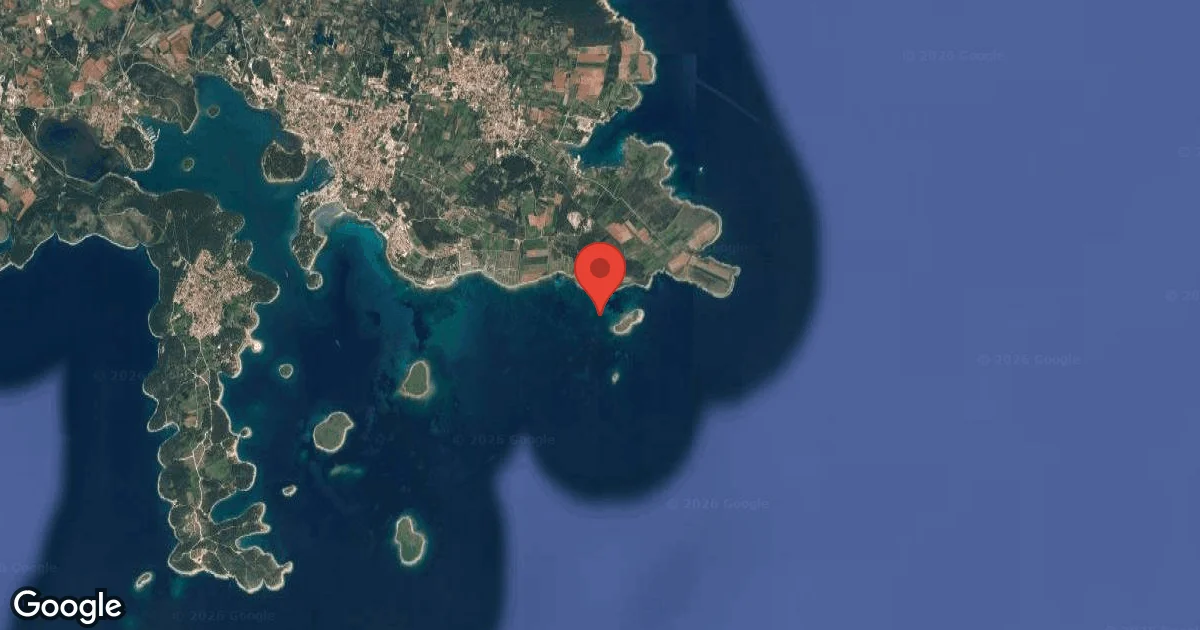
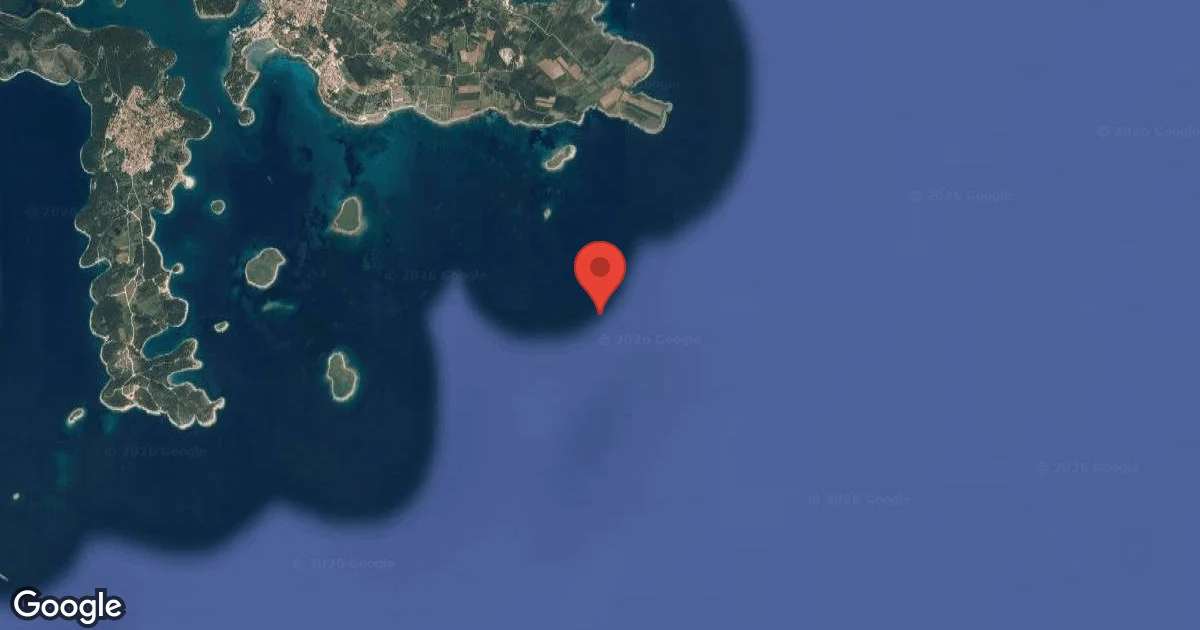
Closing the southern arm of wide Kuje Bay east of Ližnjan, Cape Uljeva (Punta Uljeva) has posed a deceptive hazard to mariners seeking shelter from Kvarner storms since antiquity. Roughly 70 meters off the rocky headland, submerged karstic limestone ridges rise to within 5 and 6 meters of the surface before stepping outward to 12 meters, forming a natural stone trap at the harbor entrance.
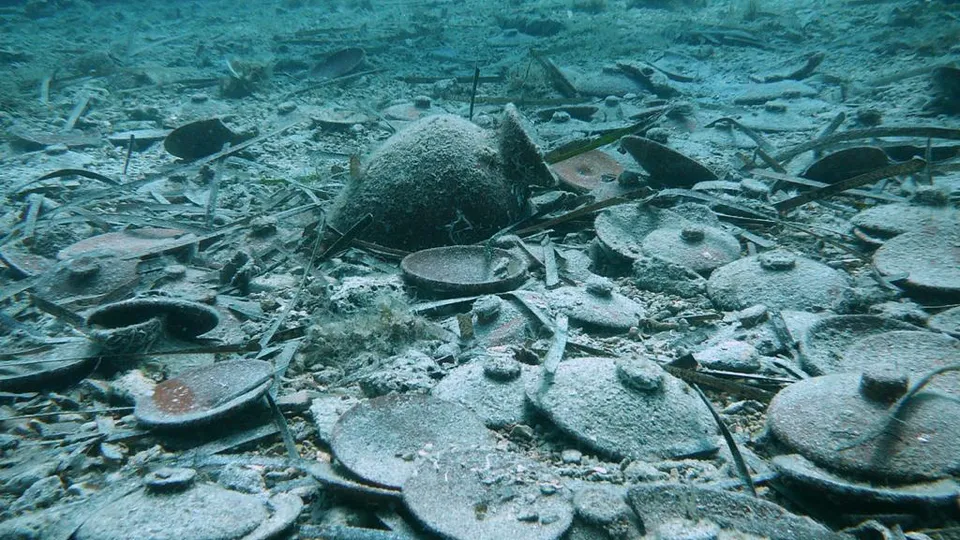
Underwater archaeologists surveying these shallow limestone grooves documented the scattered remains of two distinct ancient merchantmen lying 180 meters apart at 6 meters of depth: Uljeva A, dating to the 1st century BC, and Uljeva B, from the 4th century AD. Because winter Bora waves broke up the wooden hulls against the shallow bedrock centuries ago, there is no intact amphora mound; instead, observant divers spot weathered amphora handles, rims, and Aegean-style kitchenware shards wedged deep inside rocky solution fissures.
Remarkably, history repeated itself on the adjacent Cape Uljeva rocks during the 17th or early 18th century, when a smaller wooden coastal sailing vessel went down carrying handmade bricks, utilitarian pottery, and glass containers—creating a three-wreck archaeological time capsule across a sunlit, beginner-friendly reef.
Cape Uljeva
Conditions are Moderate
6/10
Confidence: 8/10
Indicates meteorological model agreement and data availability.
DIVE WARNING
High Wind Advisory (49km/h). Unsafe surface.
06:12
18:45
H: 10:45
L: 16:20
Air / Sea Temp
10° / 17°
Wave Height
1.0 m
Wind Speed
49 km/h ENE
Rain Chance
0%
Current conditions near Cape Uljeva show 10° air, 17° sea temperature, 1.0 m waves, and 49 km/h wind. Forecast data is refreshed regularly to ensure accuracy.
Radius: ~12km
Updated: Nov 23, 2026, 05:59 local timeMARINE: OPEN-METEOWEATHER: YR.NO
Best Time to Dive
May through October is the prime season to dive Cape Uljeva, when high-pressure summer weather calms the exposed eastern Istrian coast and water temperatures sit between 18°C and 24°C. Clear Kvarner water regularly pushes horizontal visibility to 18–22 meters over the pale karstic limestone.
Because Cape Uljeva faces east-northeast toward the Kvarner Gulf at the mouth of Kuje Bay, it takes the full force of the northeast Bora wind. Never attempt shore or shallow-reef dives here during Bora episodes; pick calm mornings or light westerly wind days when the 6-meter shoal is completely surge-free.
PEAK SEASON SCORE
92/100
ExcellentScores combine air & water temps, waves, wind & rainfall for overall conditions.
BEST MONTHS TO DIVE
JUN
JUL
AUG
DIVE SCORE GUIDE (0–100)
Excellent (90–100)
Very Good (80–89)
Good (70–79)
Moderate (50–69)
Poor (30–49)
Not Recommended (0–29)
Monthly records compiled from satellite and marine observation nodes over the last 3 years. Data provided by Open-Meteo and MET Norway.
Dive Experience & Conditions
Divers can approach by boat from Ližnjan's Kuje harbor or enter from Cape Uljeva's rocky coastal ledges wearing thick-soled booties and swimming roughly 70 meters seaward across the karstic reef terrace. Bright natural sunlight floods the 5-to-12-meter limestone ridges, making navigation effortless as you methodically scan narrow karstic gullies (škrape) for encrusted terracotta and brick fragments.
Currents are generally mild in settled weather, and the shallow 12-meter maximum depth allows unhurried 60-minute dives with zero thermocline chill in summer. Slow down to reef-combing pace—many ancient ceramic shards are coated in pink coralline algae and blend seamlessly into the sculpted limestone.
Dive Difficulty & Safety Guidelines
All ancient amphora shards, coarseware ceramics, handmade bricks, and glass fragments off Cape Uljeva are legally protected Croatian cultural heritage. Photograph discoveries exactly where they lie and never pry, lift, or pocket even small ceramic fragments.
Because Kuje Bay is used by local fishing boats, windsurfers, and seasonal yachts rounding Punta Uljeva, shore and shallow-reef divers must tow a high-visibility surface marker buoy with a dive flag throughout the dive and avoid shallow rocks whenever easterly swell builds.
Recommended Equipment
Overhead / entanglement risk. Wreck penetration requires proper training.
- Dive Computer
- DSMB
- Primary & Backup Lights
- Wreck Reel
- Cutting Tool
- Hard-soled Dive Boots
This gear list is based on verified equipment signals for Cape Uljeva, Croatia. Always confirm final gear choices with your dive operator, guide, or liveaboard.
Recommended Dive Suit
Water temperatures at Cape Uljeva are currently estimated to be around 17°C (62°F), shaping the overall diving conditions for today. Surface air temperatures are resting at 10°C (51°F).
5-7mm wetsuit generally offers enough warmth for most dives under these conditions. Strong winds are present; please take strong precautions against rapid cooling during surface intervals. Strong cold advisory: dress warmly immediately after exiting the water.
Forecast trends indicate little change in overall diving conditions during the next few days.
Cape Uljeva conditions last reviewed: 05:59 local time (UTC+1), Nov 23, 2026
Emergency & Medical Support
Essential information to help you plan your dive trip to Cape Uljeva.

Hyperbaric chambers are a critical part of dive safety infrastructure. Availability varies significantly by region, and not all dive areas have immediate access.
Before diving, it's recommended to:
- confirm nearest medical facilities
- check emergency procedures with local dive operators
- ensure dive insurance covers evacuation if required
24/7 Available
Divers Alert Network
Diving emergency assistance available through DAN Europe.
+39 0642115685- 24/7 emergency hotline
- Diving medical assistance
- Evacuation coordination
Emergency contacts are provided for reference. Always verify local emergency services before diving.
Closest Listed Hyperbaric Chambers (≤ 200 km)
Approximate straight-line distances from this dive site — emergency travel times may vary.
12 km12 kmPoliklinika za baromedicinu OXY – Podružnica Pula
Pula, Croatia+385 52 215 663Details12 kmPoliklinika za baromedicinu OXY – Podružnica Pula
Pula, Croatia · Multiplace
Hours: Mon–Fri 07:30–15:30Facility: Opća bolnica PulaICU On-Site: Not reportedSource: KBC Rijeka / Poliklinika OXYOfficial website
12 km
Poliklinika za baromedicinu OXY – Podružnica Pula
Pula, Croatia+385 52 215 663Details
12 km
Poliklinika za baromedicinu OXY – Podružnica Pula
Pula, Croatia · Multiplace
Hours: Mon–Fri 07:30–15:30
Facility: Opća bolnica Pula
ICU On-Site: Not reported
Source: KBC Rijeka / Poliklinika OXY
Official website68 km68 kmPoliklinika za baromedicinu OXY – Poslovna jedinica Crikvenica
Crikvenica, Croatia+385 51 785 229Details68 kmPoliklinika za baromedicinu OXY – Poslovna jedinica Crikvenica
Crikvenica, Croatia · Multiplace
Hours: Mon–Fri 07:30–15:30Facility: Thalassotherapia CrikvenicaICU On-Site: Not reportedSource: KBC Rijeka / Poliklinika OXYOfficial website
68 km
Poliklinika za baromedicinu OXY – Poslovna jedinica Crikvenica
Crikvenica, Croatia+385 51 785 229Details
68 km
Poliklinika za baromedicinu OXY – Poslovna jedinica Crikvenica
Crikvenica, Croatia · Multiplace
Hours: Mon–Fri 07:30–15:30
Facility: Thalassotherapia Crikvenica
ICU On-Site: Not reported
Source: KBC Rijeka / Poliklinika OXY
Official website68 km68 kmZavod za podvodnu i hiperbaričnu medicinu – KBC Rijeka
Rijeka, Croatia24/7ICU+385 51 407 435Details68 kmZavod za podvodnu i hiperbaričnu medicinu – KBC Rijeka
24/7 ListedICU CapableRijeka, Croatia · Multiplace (8 seated / 2 stretcher ICU)
Hours: 24/7 EmergencyFacility: Klinički bolnički centar Rijeka (Lokalitet Sušak)ICU On-Site: YesSource: KBC Rijeka / Poliklinika OXYOfficial website
68 km
Zavod za podvodnu i hiperbaričnu medicinu – KBC Rijeka
Rijeka, Croatia24/7ICU+385 51 407 435Details
68 km
Zavod za podvodnu i hiperbaričnu medicinu – KBC Rijeka
24/7 ListedICU CapableRijeka, Croatia · Multiplace (8 seated / 2 stretcher ICU)
Hours: 24/7 Emergency
Facility: Klinički bolnički centar Rijeka (Lokalitet Sušak)
ICU On-Site: Yes
Source: KBC Rijeka / Poliklinika OXY
Official websiteChamber data is sourced from official Croatian hospital and baromedicine facility records and has not been independently verified by Dive Navigator. Always contact local emergency services, DAN, your dive operator, or the facility directly before travelling.
Reference onlyMarine Life at Cape Uljeva
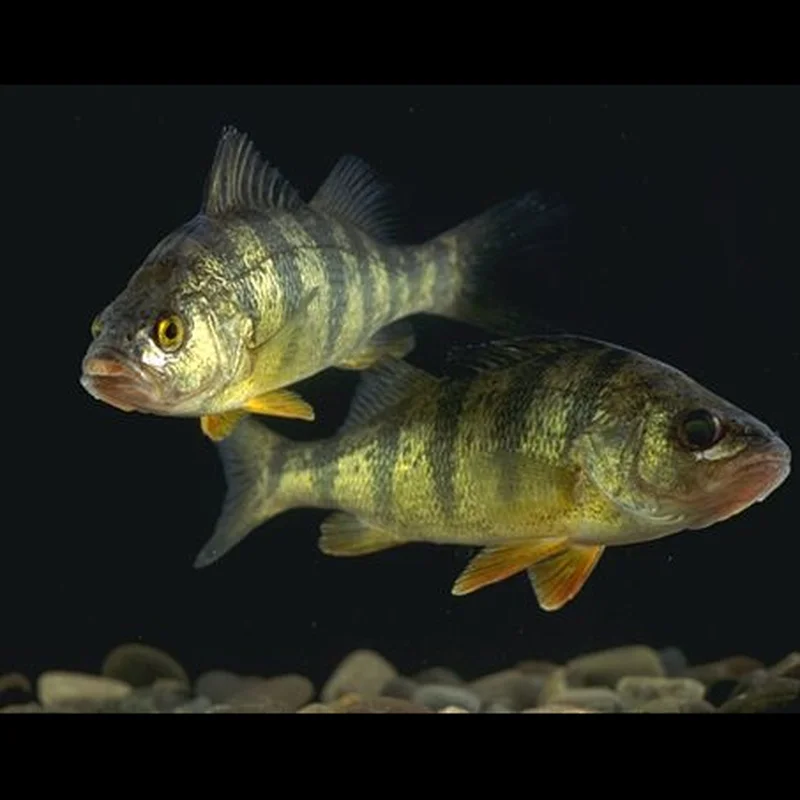
The deeply fissured karstic limestone ridges (škrape) off Cape Uljeva provide prime shelter for coastal Adriatic reef dwellers. Common octopuses (Octopus vulgaris) frequently incorporate ancient brick and ceramic fragments directly into the barricades outside their rocky dens, while painted combers, rainbow wrasses, and peacock wrasses patrol the sunlit reef crests.
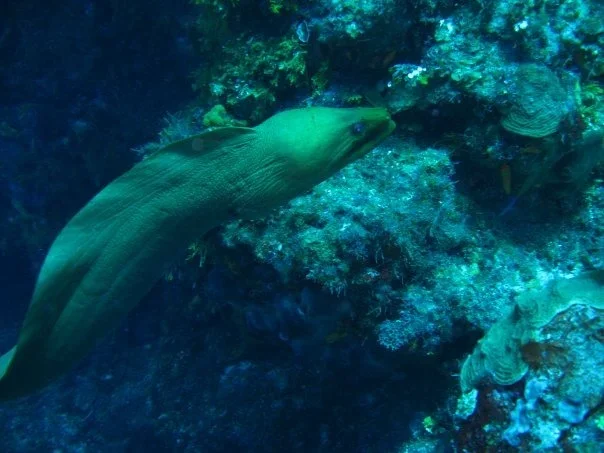
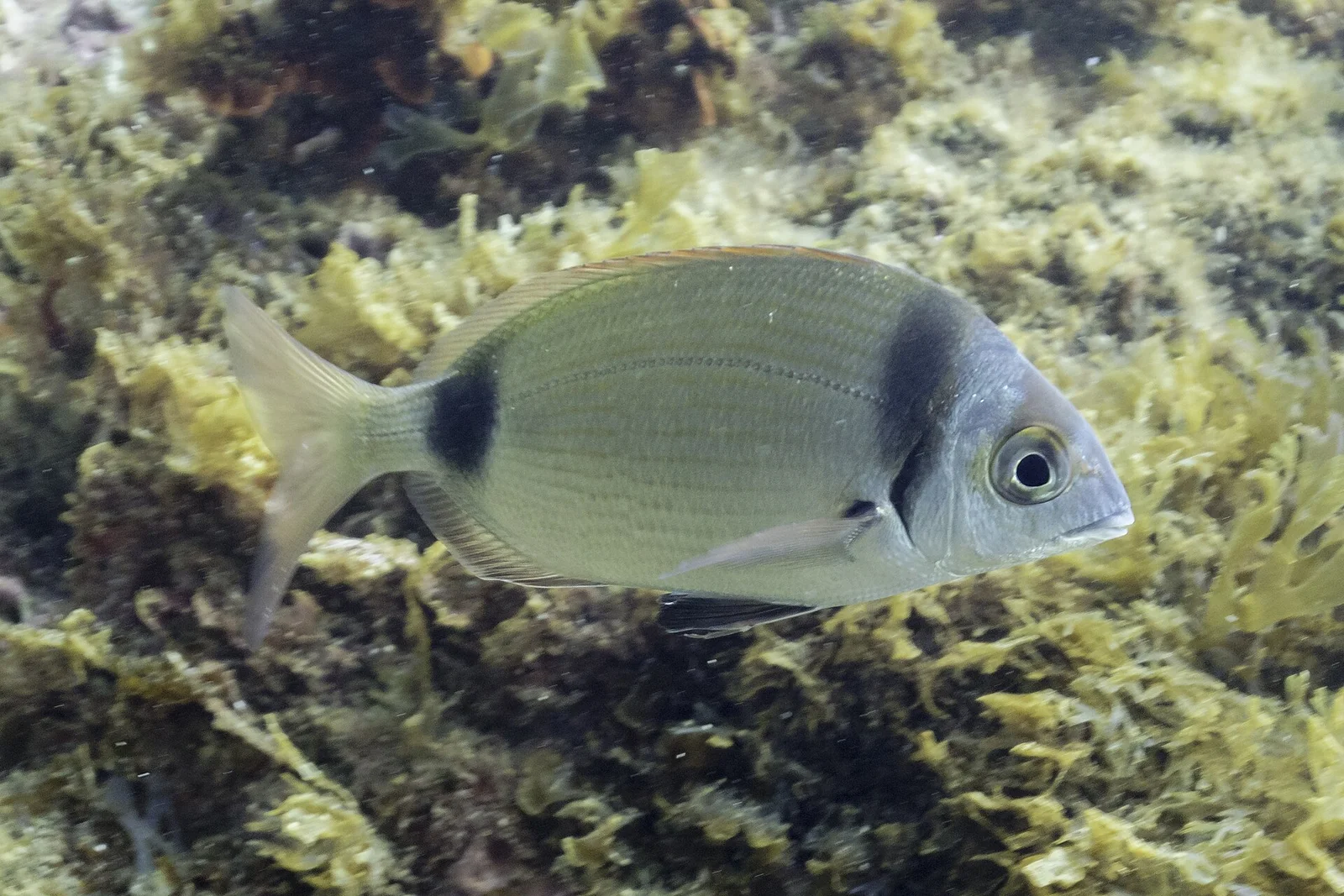
Silvery schools of white seabream (Diplodus sargus) and saddled seabream hover in the slight surge over the 6-meter shoal, accompanied by camouflaged red scorpionfish, gobies, sea urchins, and occasional Mediterranean moray or conger eels tucked beneath deeper 10-to-12-meter ledges.


1 / 2
Image contributors:Diego Delso, laszlo-photo + 1 more
Want to contribute photos or local dive knowledge? Learn how to contributeDive Sites Near Cape Uljeva
View all dive sites in CroatiaDiscover more underwater gems in this area.
Max 14 m
2.4 km
beginnerLokvica Cove
BeachBoat
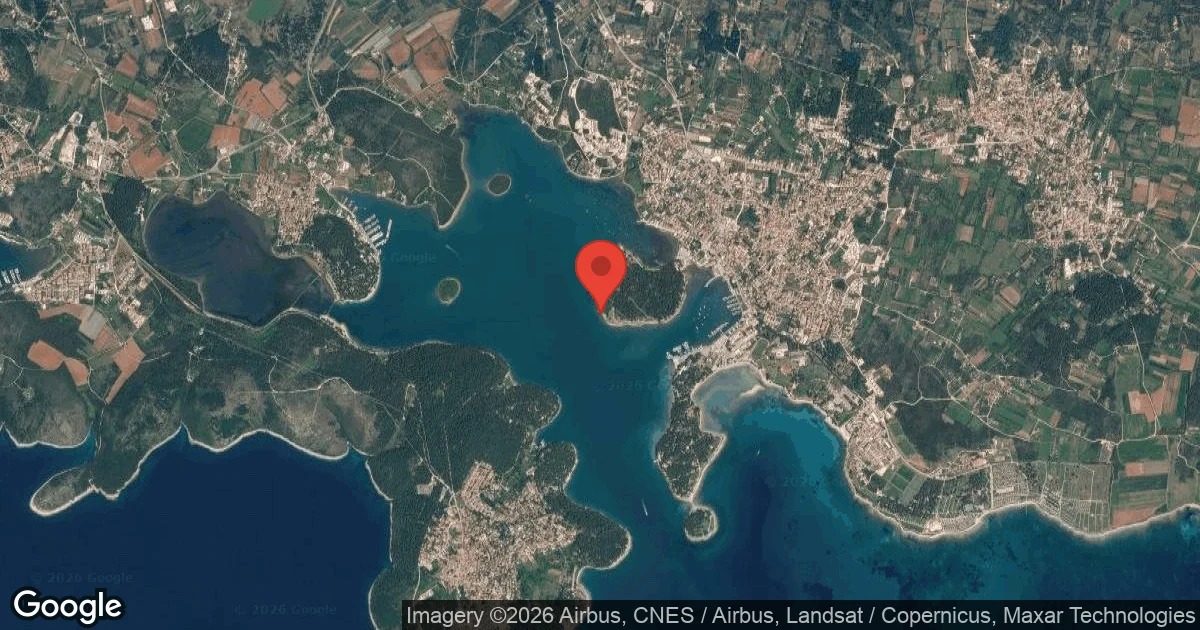
Max 8 m
5.7 km
360°beginnerVižula Archaeological Park
ArchaeologicalBeach
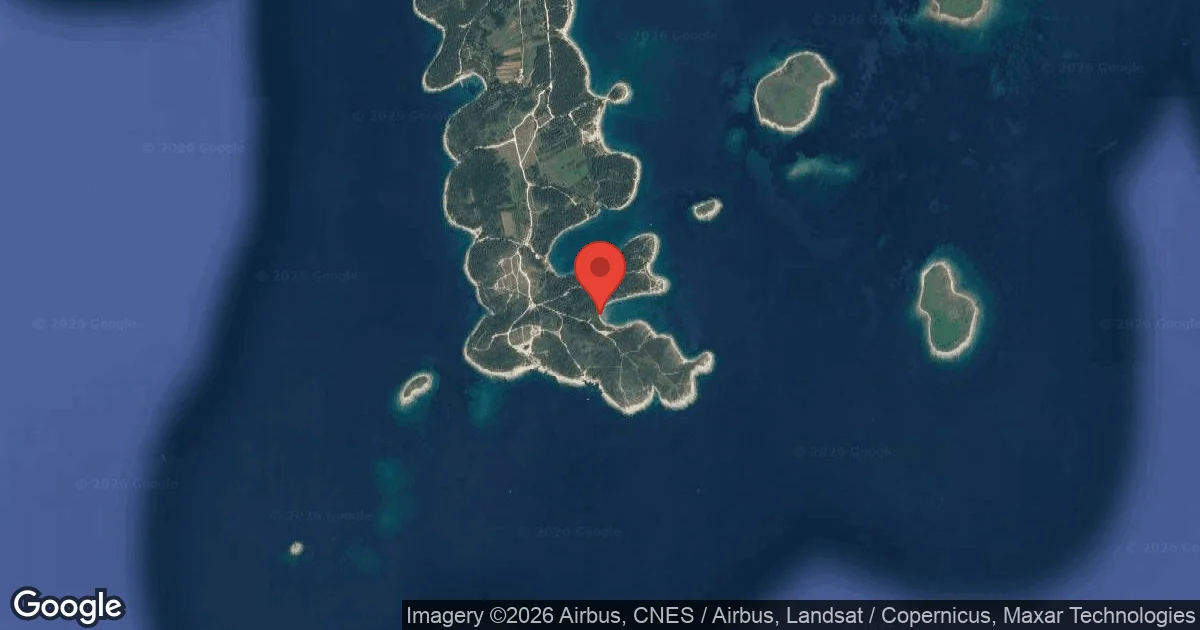
Max 16 m
8 km
360°beginnerDebeljak Cove
BeachBoat
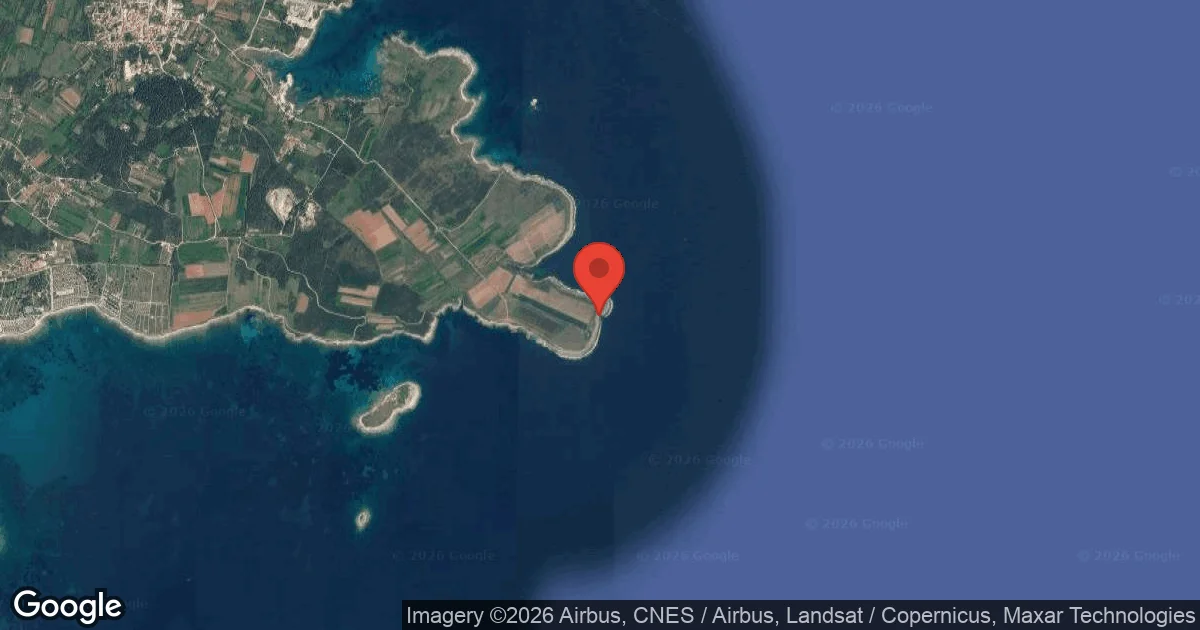
Max 40 m
1.7 km
360°intermediateCape Marlera
BoatOcean
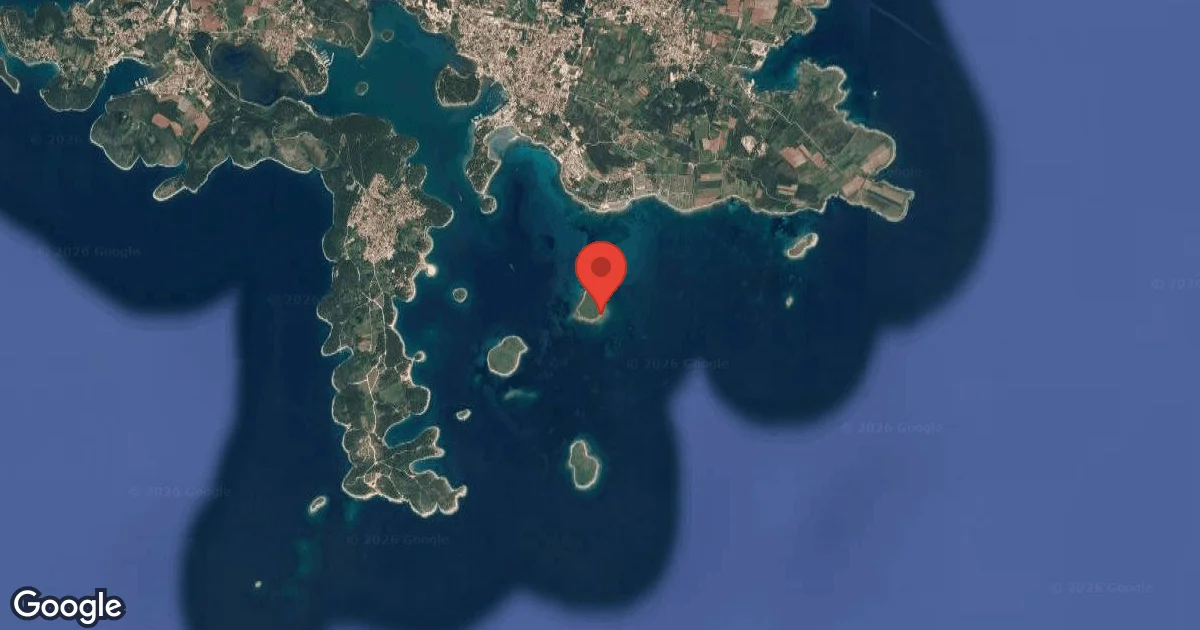
Max 20 m
4.7 km
beginnerBodulaš Island
Anchor DiveBoat
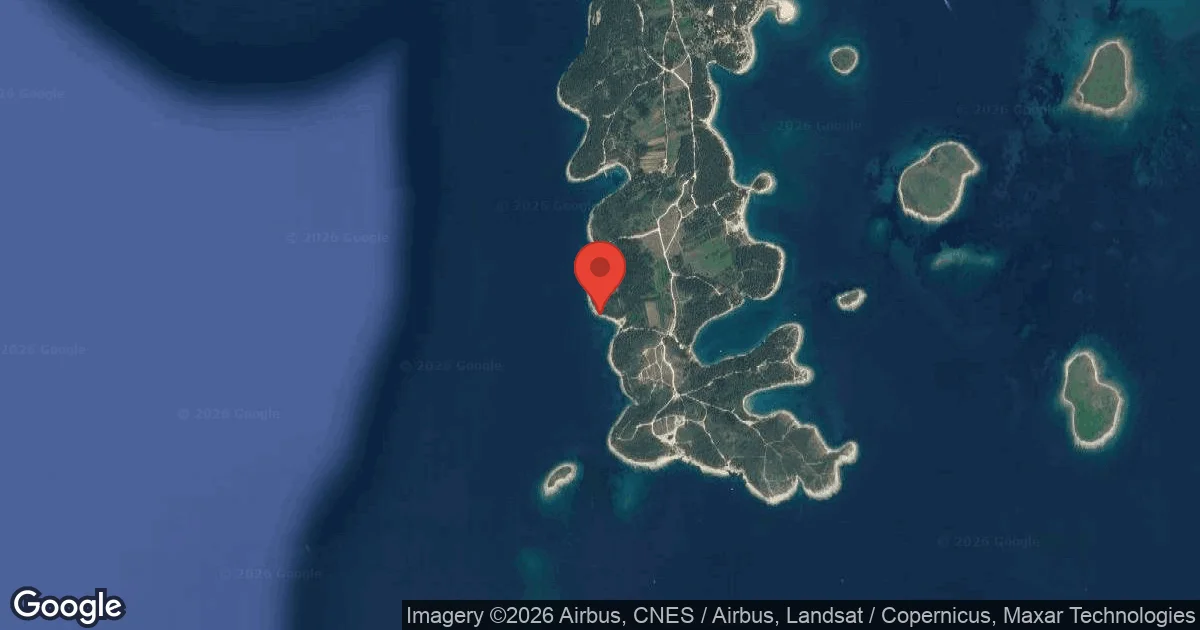
Max 20 m
8.4 km
360°beginnerNjive Cove
BeachBoat
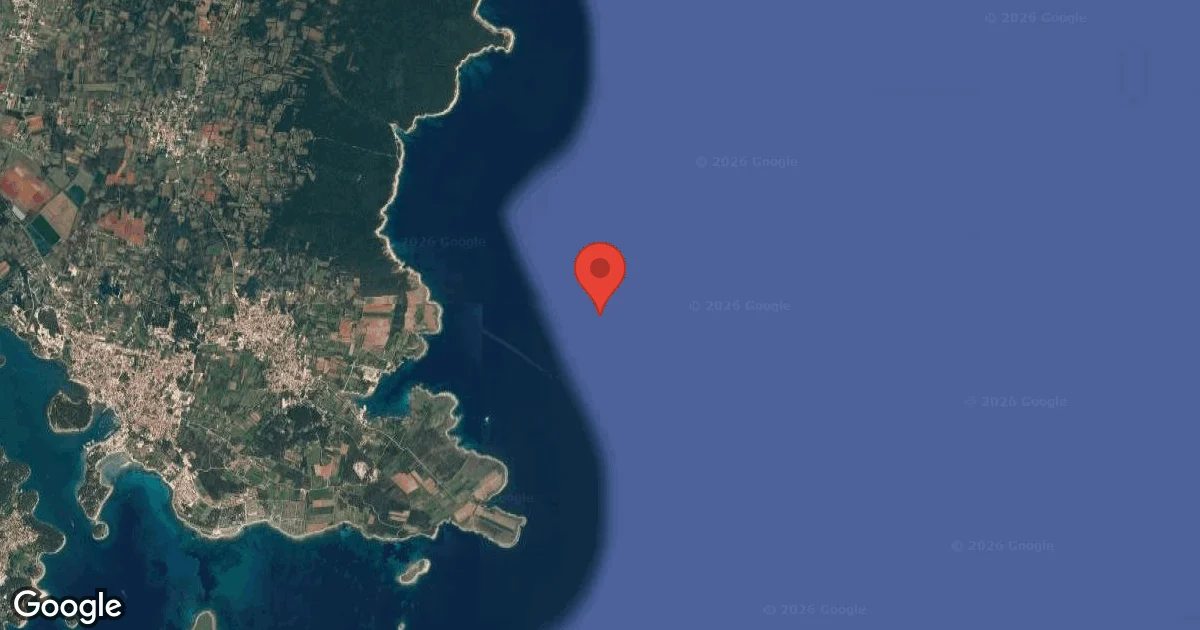
Max 50 m
2.2 km
advancedCesare Rossarol
ArchaeologicalBoat
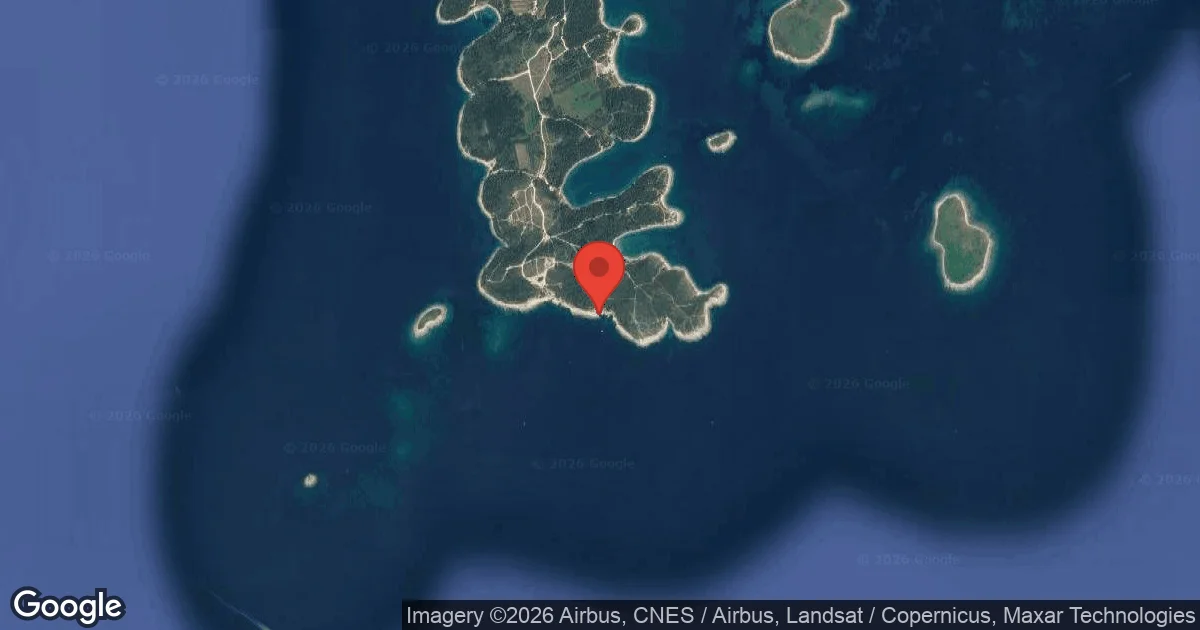
Max 18 m
8.4 km
360°beginnerVelika Kolumbarica
BoatCanyon
Max 14 m
2.4 km
beginnerLokvica Cove
BeachBoat
Max 8 m
5.7 km
360°beginnerVižula Archaeological Park
ArchaeologicalBeach
Max 16 m
8 km
360°beginnerDebeljak Cove
BeachBoat
Max 40 m
1.7 km
360°intermediateCape Marlera
BoatOcean
Max 20 m
4.7 km
beginnerBodulaš Island
Anchor DiveBoat
Max 20 m
8.4 km
360°beginnerNjive Cove
BeachBoat
Max 50 m
2.2 km
advancedCesare Rossarol
ArchaeologicalBoat
Max 18 m
8.4 km
360°beginnerVelika Kolumbarica
BoatCanyon
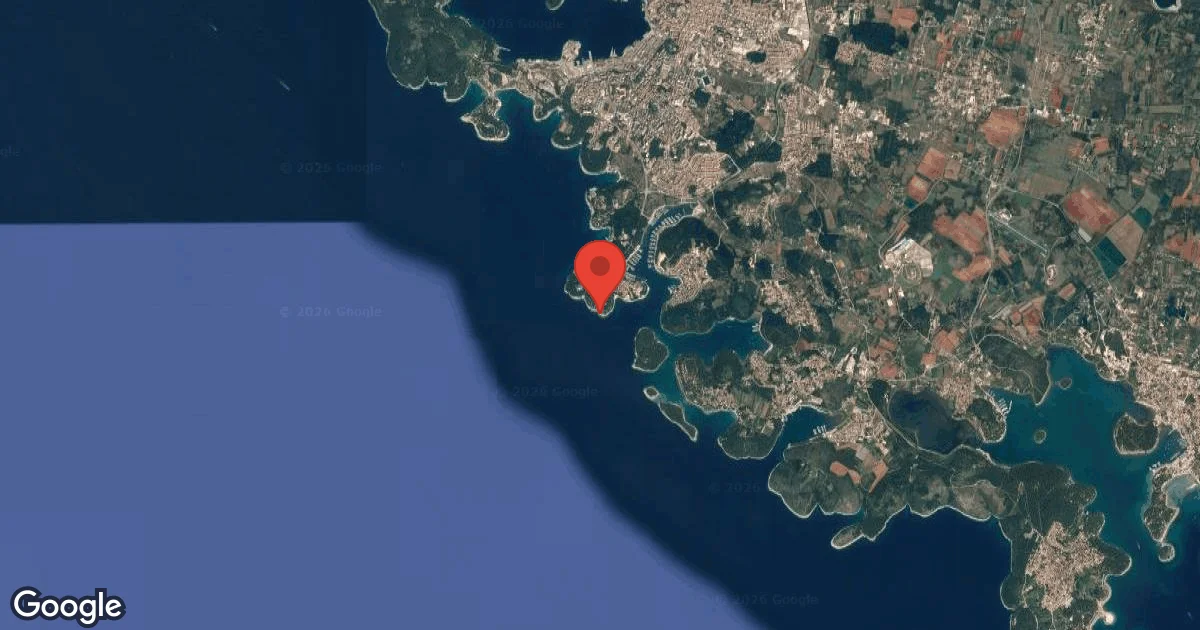
Max 35 m
12.8 km
360°beginnerVerudela Lighthouse
BoatCanyon
Max 38 m
4.3 km
advancedŠeka Levanić
BoatDown Line
1 / 2
Dive Centers Near Cape Uljeva
Working Hours
Sun09:30 - 19:00
Mon09:30 - 19:00
Tue09:30 - 19:00
Wed09:30 - 19:00
Thu09:30 - 19:00
Fri09:30 - 19:00
Sat09:30 - 19:00
Today: 09:30 - 19:00
Sun09:30 - 19:00
Mon09:30 - 19:00
Tue09:30 - 19:00
Wed09:30 - 19:00
Thu09:30 - 19:00
Fri09:30 - 19:00
Sat09:30 - 19:00
4.6| 244 reviews
5.4 km
4.7| 211 reviews
11.7 km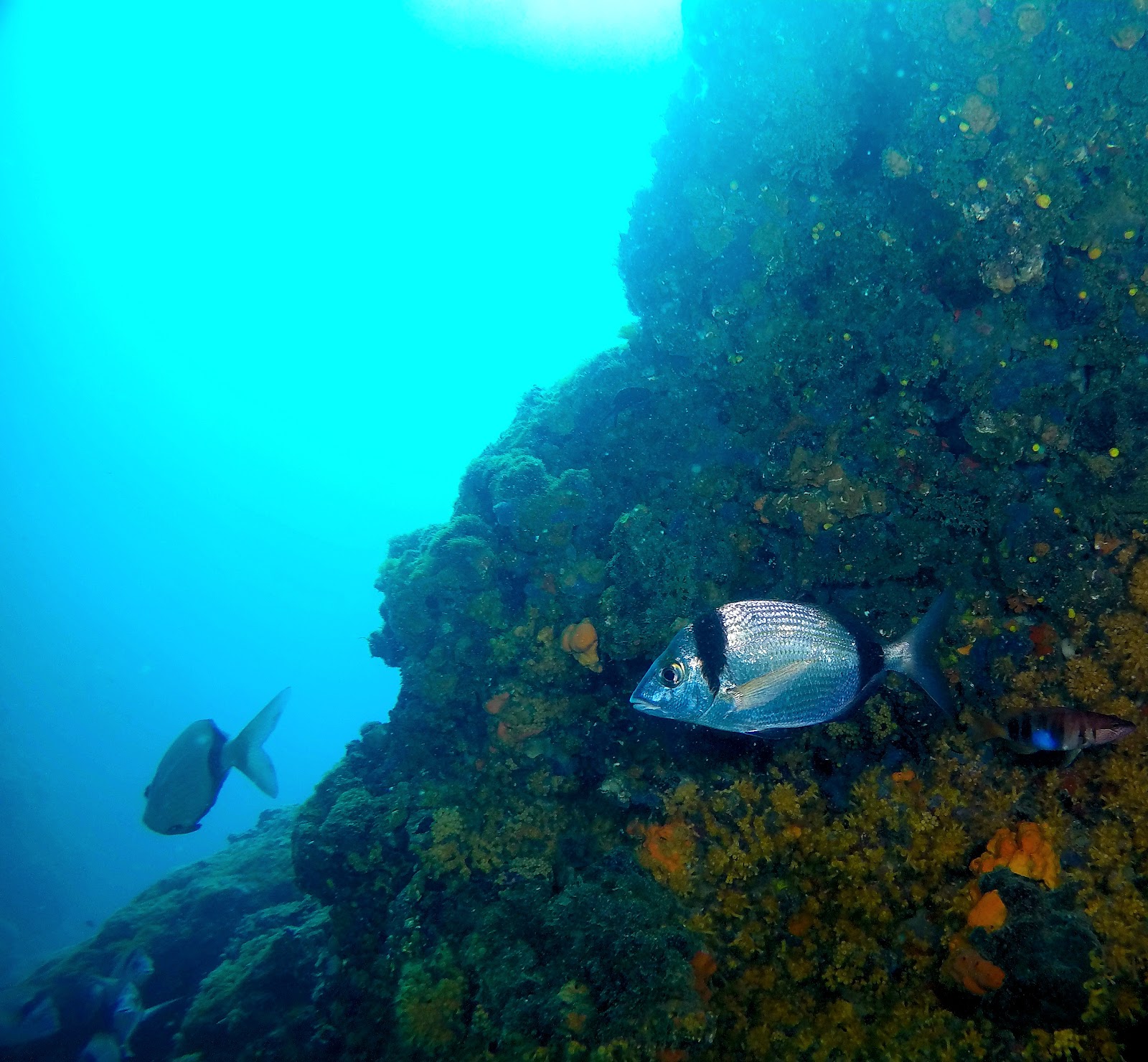
4.7| 129 reviews
12.1 km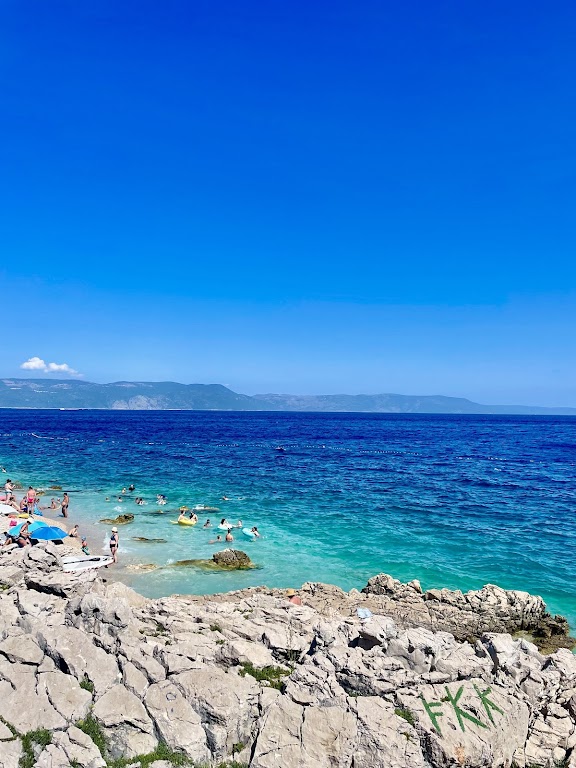
Girandella Diving Centre
4.8(231)• 32.3 km
Triton Diving
4.8(132)• 48.3 km
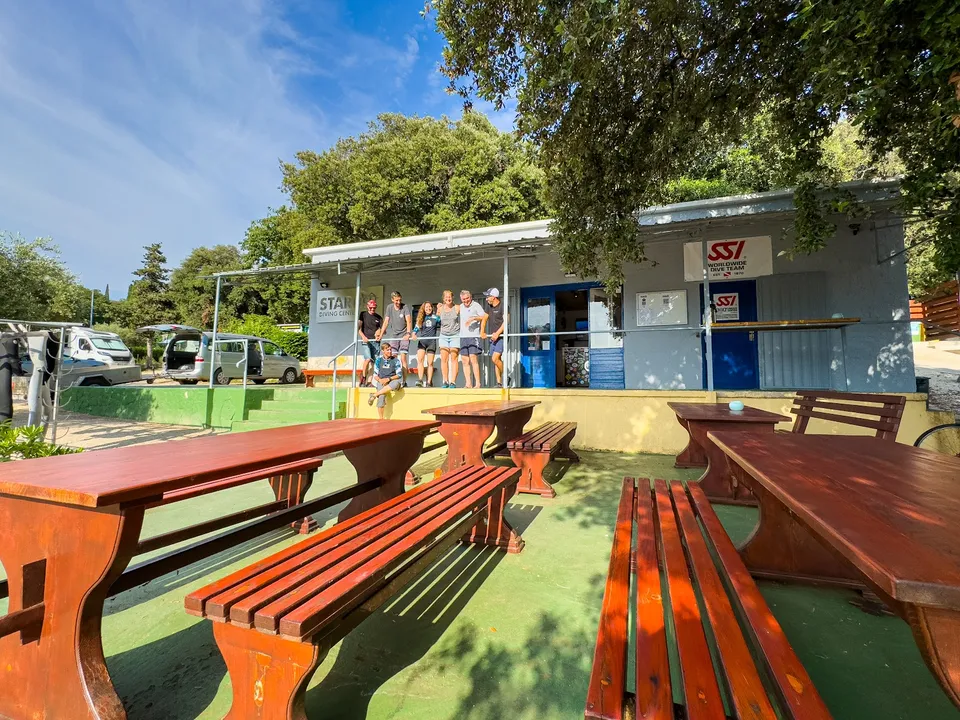
Starfish Diving Center
4.7(240)• 47.6 km
Nearest Airports
Nearest airports to help plan travel to this dive area.
Pula Airport PUY
10 km
Rijeka Airport RJK
63 km
Trieste Airport TRS
119 km
💵 Currency: EUR
Search Flights
Check available flights and routes on Expedia, using the nearby airports listed in this section.
Search Flights on ExpediaAffiliate link · Dive Navigator may earn a commission at no extra cost to you.
Frequently Asked Questions
Are there intact ship hulls at Cape Uljeva?
No. Because the ships grounded on rocky limestone shoals in just 6 meters of water exposed to winter storms, no wooden hulls survive—instead, ceramic, amphora, and handmade brick fragments lie scattered in rocky crevices.
How old are the shipwrecks at Cape Uljeva?
Archaeologists identified two ancient merchant wrecks 180 meters apart—Uljeva A (1st century BC) and Uljeva B (4th century AD)—plus handmade brick, ceramic, and glass cargo from a 17th- or early 18th-century coastal sailboat.
How far from shore do the wreck scatters lie?
The ancient wreck scatters sit roughly 70 meters offshore at a depth of about 6 meters along the karstic shoal outside Punta Uljeva.
Is Cape Uljeva suitable for Open Water divers?
Yes. In calm weather, the 3-to-12-meter depth range, bright sunlight, and clear Kvarner visibility make it an engaging shallow reef and heritage dive for Open Water divers.
Which wind makes Cape Uljeva unsafe to dive?
The northeast Bora wind blows directly onto Ližnjan's Kuje Bay and Cape Uljeva, creating rough breaking waves over the 6-meter rocks; dive only in calm conditions.
Can divers touch or collect pottery fragments?
No. Every ancient shard and early modern brick on the seabed is protected underwater cultural heritage under Croatian law and must be left completely undisturbed.
Trip Inquiry
Planning to dive Cape Uljeva?
Tell us your dates and diving needs. We'll review your request and seek offers from relevant local dive centers.
Request Dive Offers Free request for offers • No booking obligation
Cape Uljeva
Conditions are Moderate
6/10
Confidence: 8/10
Indicates meteorological model agreement and data availability.
DIVE WARNING
High Wind Advisory (49km/h). Unsafe surface.
06:12
18:45
H: 10:45
L: 16:20
Air / Sea Temp
10° / 17°
Wave Height
1.0 m
Wind Speed
49 km/h ENE
Rain Chance
0%
Current conditions near Cape Uljeva show 10° air, 17° sea temperature, 1.0 m waves, and 49 km/h wind. Forecast data is refreshed regularly to ensure accuracy.
Radius: ~12km
Updated: Nov 23, 2026, 05:59 local timeMARINE: OPEN-METEOWEATHER: YR.NO


