Loading...

Diving at Bodulaš Island (Croatia)
Published
An accessible Medulin archipelago islet dive where Cape Špija and the outer limestone reef teem with Adriatic reef fish by day and hunting cephalopods at night.
Current morning readings from Bodulaš Island indicate an air temperature of 10°C. Surface wave heights are averaging around 0.8 m at this time. These local measurements provide a baseline for your daily dive planning.
Dive Site Location & Key Facts
Site Characteristics
Max Depth20m / 66ft
Entry Typeboat
Water Typesalt
Dive Types
RecreationalReefTraining
Dive Site Overview
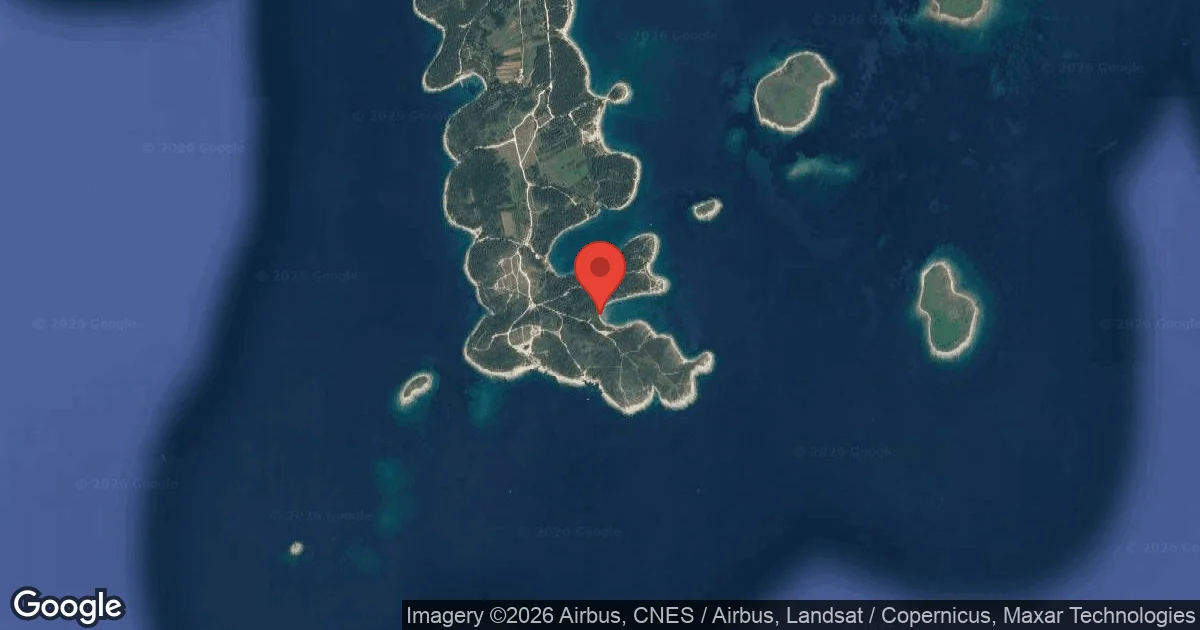
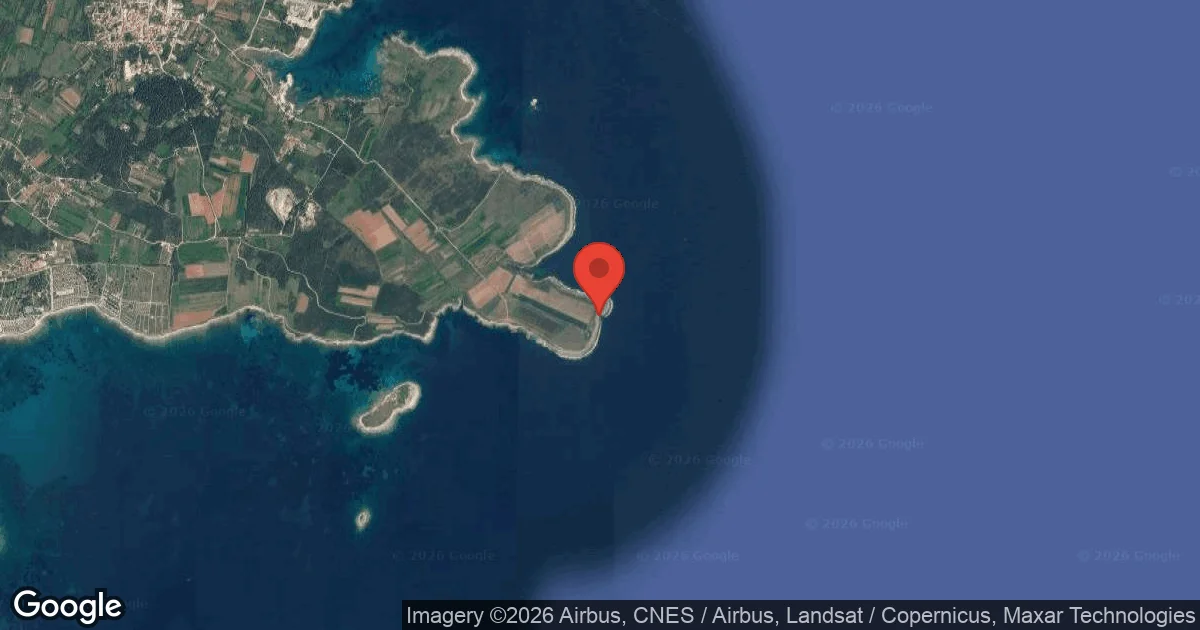
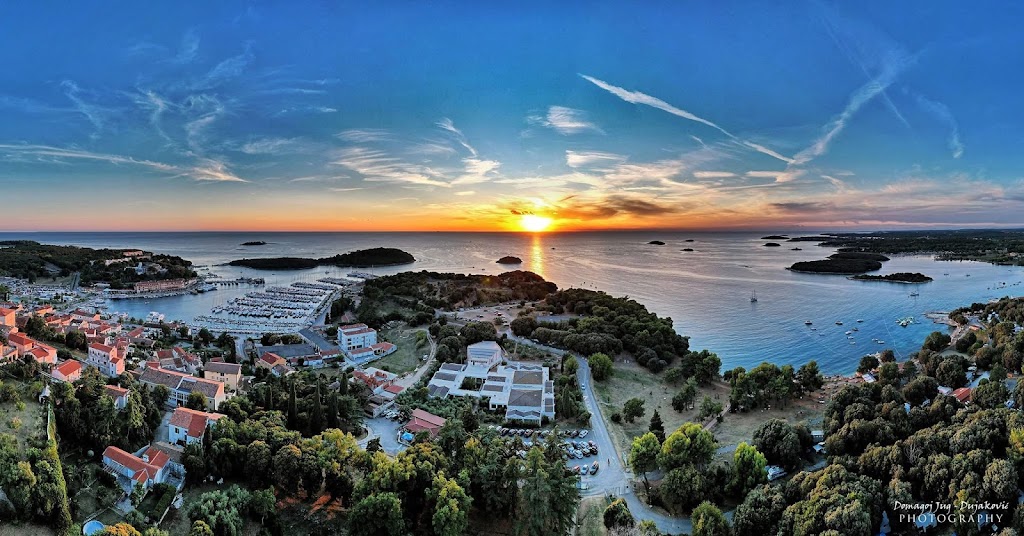
Positioned between Cape Kamenjak and Cape Marlera at the entrance to Medulin Bay, Bodulaš is one of the largest uninhabited islets in the Medulin archipelago. While broad, sunlit sand and seagrass flats ring its sheltered landward side, scuba divers focus on the islet's outer seaward flank and the submerged spur off Cape Špija, reached in 10 to 15 minutes by dive boat from Medulin or Premantura.
Descending from the anchorage in 4 to 6 meters, the seabed steps down over terraced limestone shelves, fractured boulders, and undercut ledges before leveling onto coarse sand and detrital shell beds around 18 to 20 meters. The moderate maximum depth keeps profiles squarely within open-water certification limits while providing plenty of vertical relief to explore.
Because nutrient-rich tidal exchange sweeps gently between the open Kvarner waters and inner Medulin Bay around Cape Špija, Bodulaš supports noticeably higher fish and invertebrate density than inner-bay beaches. Local dive centers schedule the outer reef regularly both as a relaxed daytime reef tour and as one of the archipelago's most reliable boat night dives.
Bodulaš Island
Conditions are Moderate
6/10
Confidence: 8/10
Indicates meteorological model agreement and data availability.
DIVE WARNING
High Wind Advisory (49km/h). Unsafe surface.
06:12
18:45
H: 10:45
L: 16:20
Air / Sea Temp
10° / 17°
Wave Height
1.0 m
Wind Speed
49 km/h ENE
Rain Chance
0%
Current conditions near Bodulaš Island show 10° air, 17° sea temperature, 1.0 m waves, and 49 km/h wind. Forecast data is refreshed regularly to ensure accuracy.
Radius: ~12km
Updated: Nov 23, 2026, 06:26 local timeMARINE: OPEN-METEOWEATHER: YR.NO
Best Time to Dive
May through October provides the most comfortable diving around Bodulaš Island, with surface temperatures rising from 17°C in late spring to 24°C in August and remaining above 20°C well into October. Early summer and early autumn bring crisp 18–20 meter visibility on the outer coast and far quieter anchorage conditions around the islet.
Because Bodulaš sits near the mouth of Medulin Bay, its leeward shore offers partial shelter depending on wind direction, though strong southeast Jugo swells roll directly onto the outer reef and Cape Špija. Calm summer evenings with light breezes create glassy conditions for boat-supported night dives.
PEAK SEASON SCORE
92/100
ExcellentScores combine air & water temps, waves, wind & rainfall for overall conditions.
BEST MONTHS TO DIVE
JUN
JUL
AUG
DIVE SCORE GUIDE (0–100)
Excellent (90–100)
Very Good (80–89)
Good (70–79)
Moderate (50–69)
Poor (30–49)
Not Recommended (0–29)
Monthly records compiled from satellite and marine observation nodes over the last 3 years. Data provided by Open-Meteo and MET Norway.
Dive Experience & Conditions
Dives begin down the boat's anchor line onto the shallow rocky terrace before following the outer reef shoulder with the island either on your left or right shoulder. Mild currents occasionally brush the tip of Cape Špija during tidal shifts, bringing clear open-sea water across the sponge-covered boulders without demanding strenuous finning.
During July and August, a mild thermocline sometimes develops near 16 to 18 meters along the base of the rocky slope, cooling the bottom few meters by three or four degrees. Carrying a compact dive torch even on daytime dives pays off handsomely when inspecting horizontal crevices beneath the limestone slabs before ascending into the warm 5-meter boulder zone for a scenic safety stop.
Dive Difficulty & Safety Guidelines
During July and August, Bodulaš Island attracts day-charter motorboats, kayakers, and recreational anglers anchoring around its coves. Always ascend directly up the dive boat's anchor or mooring line—or deploy a delayed surface marker buoy from 6 meters if surfacing off the reef—and listen carefully for outboard propellers.
On night dives off Cape Špija, confirm that the dive boat displays an illuminated anchor or strobe marker underwater, maintain close buddy contact, and avoid shining bright primary beams directly into the eyes of resting fish or fellow divers.
Recommended Equipment
- Dive Computer
- DSMB
This gear list is based on verified equipment signals for Bodulaš Island, Croatia. Always confirm final gear choices with your dive operator, guide, or liveaboard.
Recommended Dive Suit
Divers who spend more time observing marine life often prefer slightly warmer gear.
Divers exploring Bodulaš Island today will likely encounter water temperatures close to 17°C (62°F). Surface air temperatures are resting at 10°C (50°F). Water temperatures in this range are often well suited to diving with 5-7mm wetsuit. Strong winds are present; please take strong precautions against rapid cooling during surface intervals. Strong cold advisory: dress warmly immediately after exiting the water.
Forecast models indicate that diving conditions should remain largely unchanged.
Bodulaš Island conditions last reviewed: 06:26 local time (UTC+1), Nov 23, 2026
Emergency & Medical Support
Essential information to help you plan your dive trip to Bodulaš Island.

Hyperbaric chambers are a critical part of dive safety infrastructure. Availability varies significantly by region, and not all dive areas have immediate access.
Before diving, it's recommended to:
- confirm nearest medical facilities
- check emergency procedures with local dive operators
- ensure dive insurance covers evacuation if required
24/7 Available
Divers Alert Network
Diving emergency assistance available through DAN Europe.
+39 0642115685- 24/7 emergency hotline
- Diving medical assistance
- Evacuation coordination
Emergency contacts are provided for reference. Always verify local emergency services before diving.
Closest Listed Hyperbaric Chambers (≤ 200 km)
Approximate straight-line distances from this dive site — emergency travel times may vary.
11 km11 kmPoliklinika za baromedicinu OXY – Podružnica Pula
Pula, Croatia+385 52 215 663Details11 kmPoliklinika za baromedicinu OXY – Podružnica Pula
Pula, Croatia · Multiplace
Hours: Mon–Fri 07:30–15:30Facility: Opća bolnica PulaICU On-Site: Not reportedSource: KBC Rijeka / Poliklinika OXYOfficial website
11 km
Poliklinika za baromedicinu OXY – Podružnica Pula
Pula, Croatia+385 52 215 663Details
11 km
Poliklinika za baromedicinu OXY – Podružnica Pula
Pula, Croatia · Multiplace
Hours: Mon–Fri 07:30–15:30
Facility: Opća bolnica Pula
ICU On-Site: Not reported
Source: KBC Rijeka / Poliklinika OXY
Official website72 km72 kmPoliklinika za baromedicinu OXY – Poslovna jedinica Crikvenica
Crikvenica, Croatia+385 51 785 229Details72 kmPoliklinika za baromedicinu OXY – Poslovna jedinica Crikvenica
Crikvenica, Croatia · Multiplace
Hours: Mon–Fri 07:30–15:30Facility: Thalassotherapia CrikvenicaICU On-Site: Not reportedSource: KBC Rijeka / Poliklinika OXYOfficial website
72 km
Poliklinika za baromedicinu OXY – Poslovna jedinica Crikvenica
Crikvenica, Croatia+385 51 785 229Details
72 km
Poliklinika za baromedicinu OXY – Poslovna jedinica Crikvenica
Crikvenica, Croatia · Multiplace
Hours: Mon–Fri 07:30–15:30
Facility: Thalassotherapia Crikvenica
ICU On-Site: Not reported
Source: KBC Rijeka / Poliklinika OXY
Official website72 km72 kmZavod za podvodnu i hiperbaričnu medicinu – KBC Rijeka
Rijeka, Croatia24/7ICU+385 51 407 435Details72 kmZavod za podvodnu i hiperbaričnu medicinu – KBC Rijeka
24/7 ListedICU CapableRijeka, Croatia · Multiplace (8 seated / 2 stretcher ICU)
Hours: 24/7 EmergencyFacility: Klinički bolnički centar Rijeka (Lokalitet Sušak)ICU On-Site: YesSource: KBC Rijeka / Poliklinika OXYOfficial website
72 km
Zavod za podvodnu i hiperbaričnu medicinu – KBC Rijeka
Rijeka, Croatia24/7ICU+385 51 407 435Details
72 km
Zavod za podvodnu i hiperbaričnu medicinu – KBC Rijeka
24/7 ListedICU CapableRijeka, Croatia · Multiplace (8 seated / 2 stretcher ICU)
Hours: 24/7 Emergency
Facility: Klinički bolnički centar Rijeka (Lokalitet Sušak)
ICU On-Site: Yes
Source: KBC Rijeka / Poliklinika OXY
Official websiteChamber data is sourced from official Croatian hospital and baromedicine facility records and has not been independently verified by Dive Navigator. Always contact local emergency services, DAN, your dive operator, or the facility directly before travelling.
Reference onlyMarine Life at Bodulaš Island
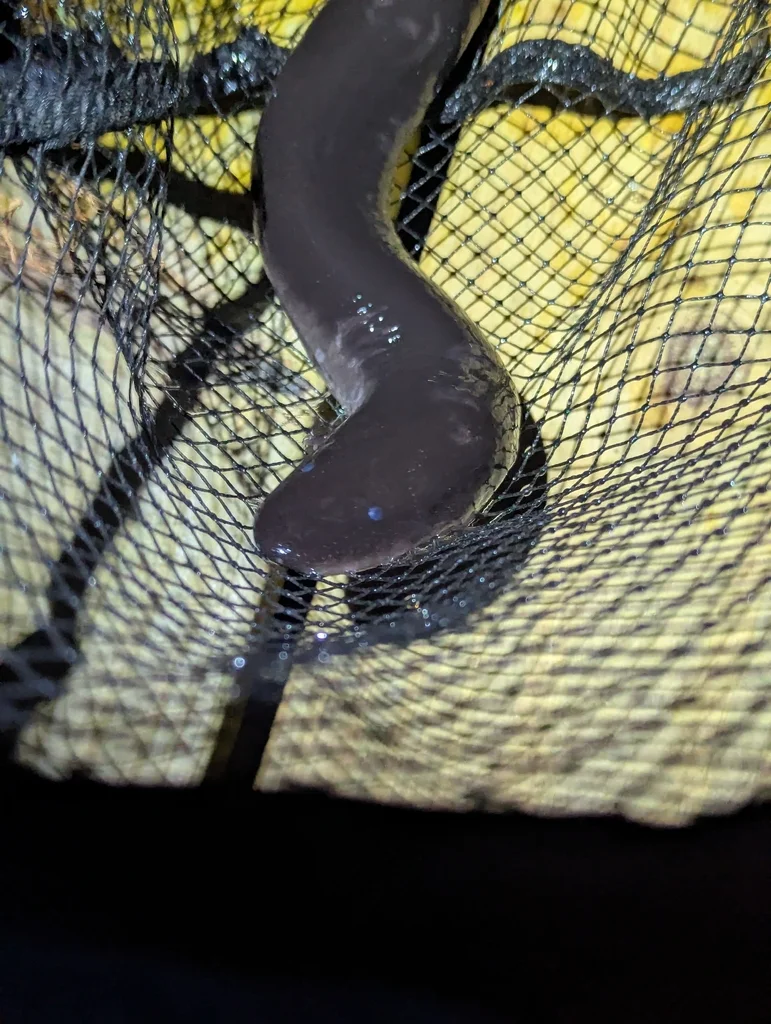
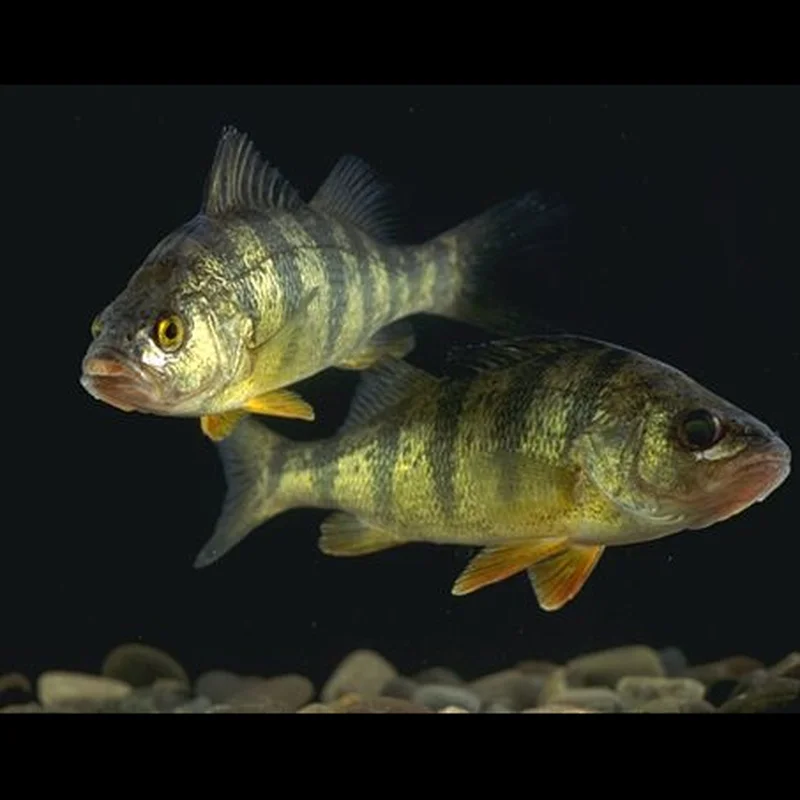
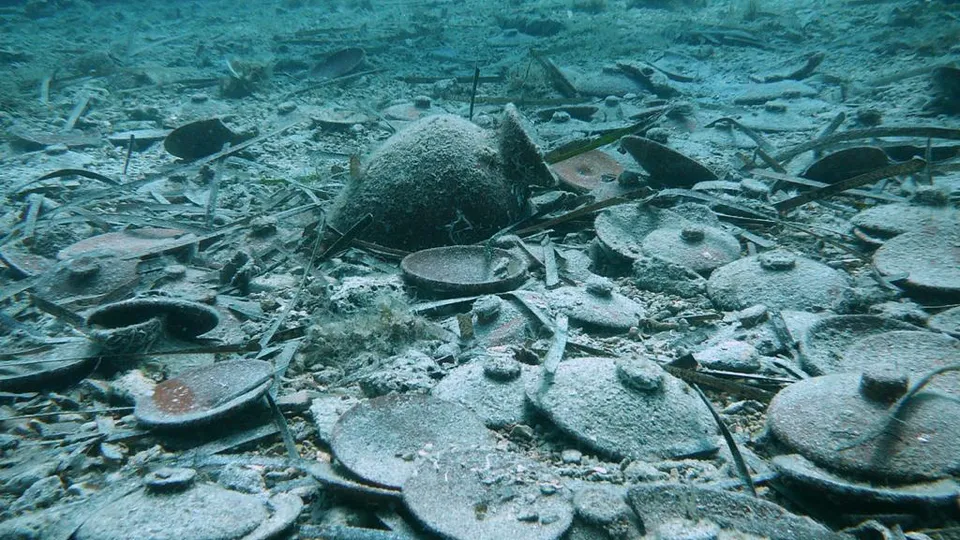
The fractured limestone ledges off Cape Špija shelter abundant benthic life, including common octopuses (Octopus vulgaris) that betray their dens with piles of empty bivalve shells, stout red scorpionfish (Scorpaena scrofa), and inquisitive European conger eels tucked into narrow rock seams. Colorful nudibranchs such as the dotted sea slug (Peltodoris atromaculata) graze regularly on dark Petrosia sponges along shaded rock faces.
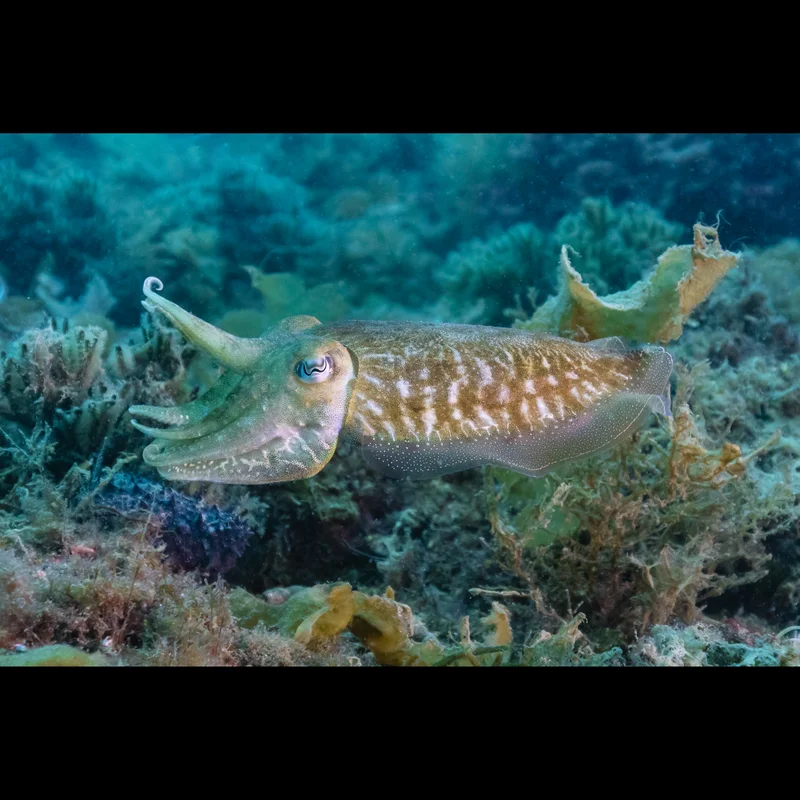
Above the boulders, schools of white seabream, two-banded seabream, saddled seabream, and damselfish cruise through the water column while painted combers and peacock wrasses patrol the Posidonia border. Night dives frequently reveal hunting cuttlefish, spiny spider crabs, squat lobsters, and slipper lobsters creeping across the rock-encrusted ledges.


1 / 2
Image contributors:Diego Delso, laszlo-photo + 1 more
Want to contribute photos or local dive knowledge? Learn how to contributeDive Sites Near Bodulaš Island
View all dive sites in CroatiaDiscover more underwater gems in this area.
Max 16 m
3.3 km
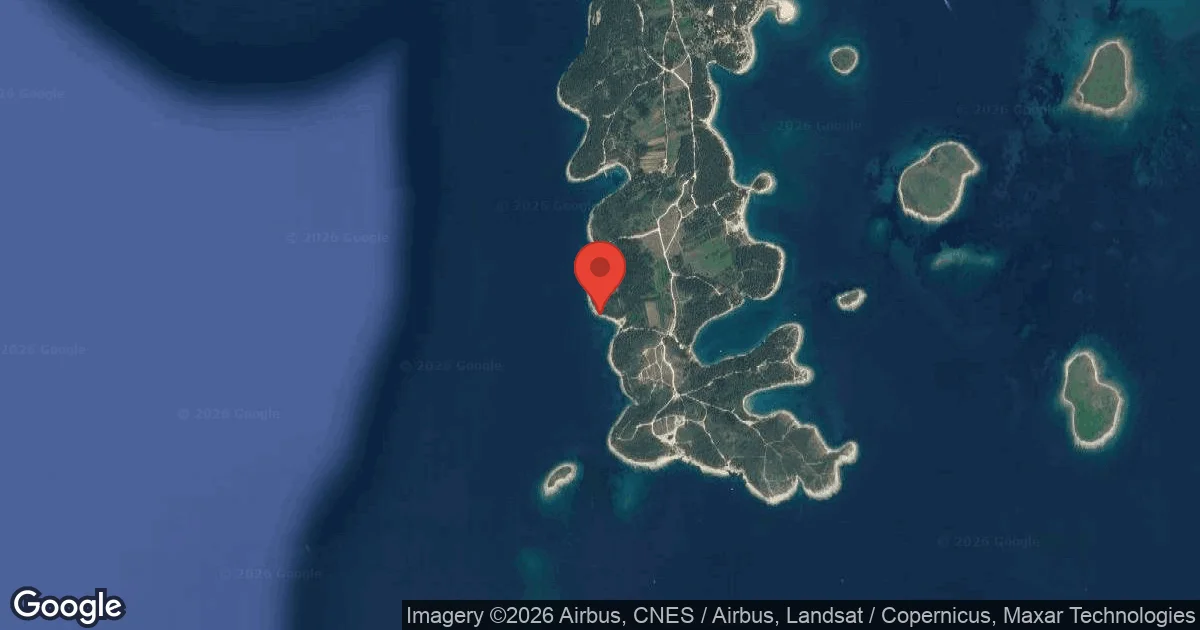
360°beginnerDebeljak Cove
BeachBoat
Max 20 m
3.9 km
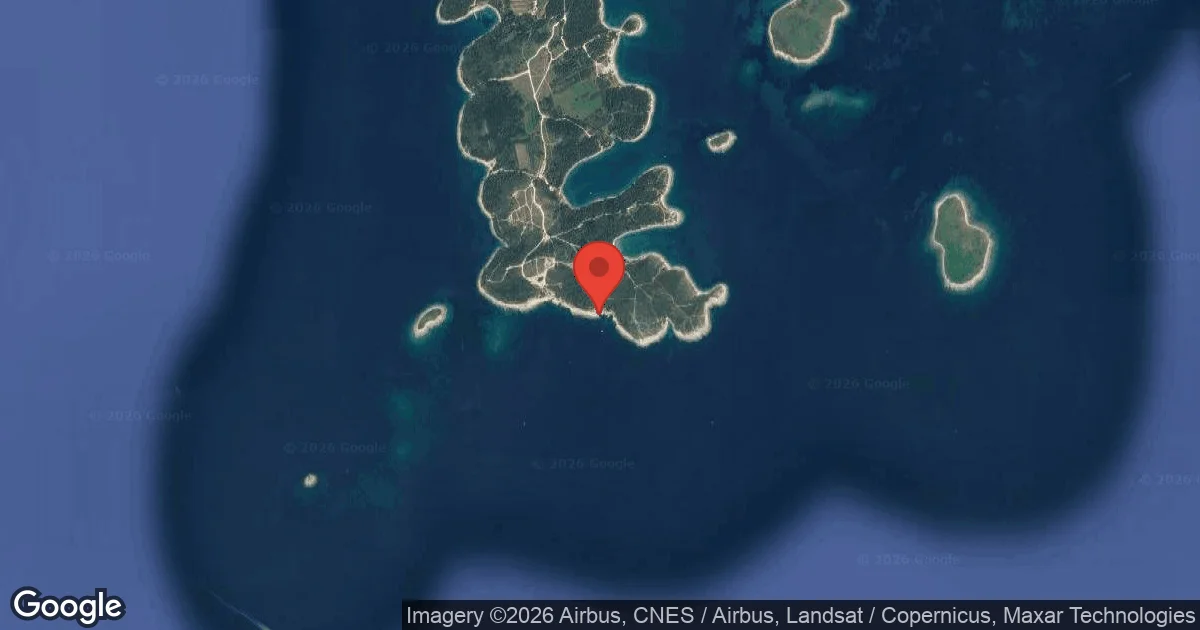
360°beginnerNjive Cove
BeachBoat
Max 18 m
3.7 km
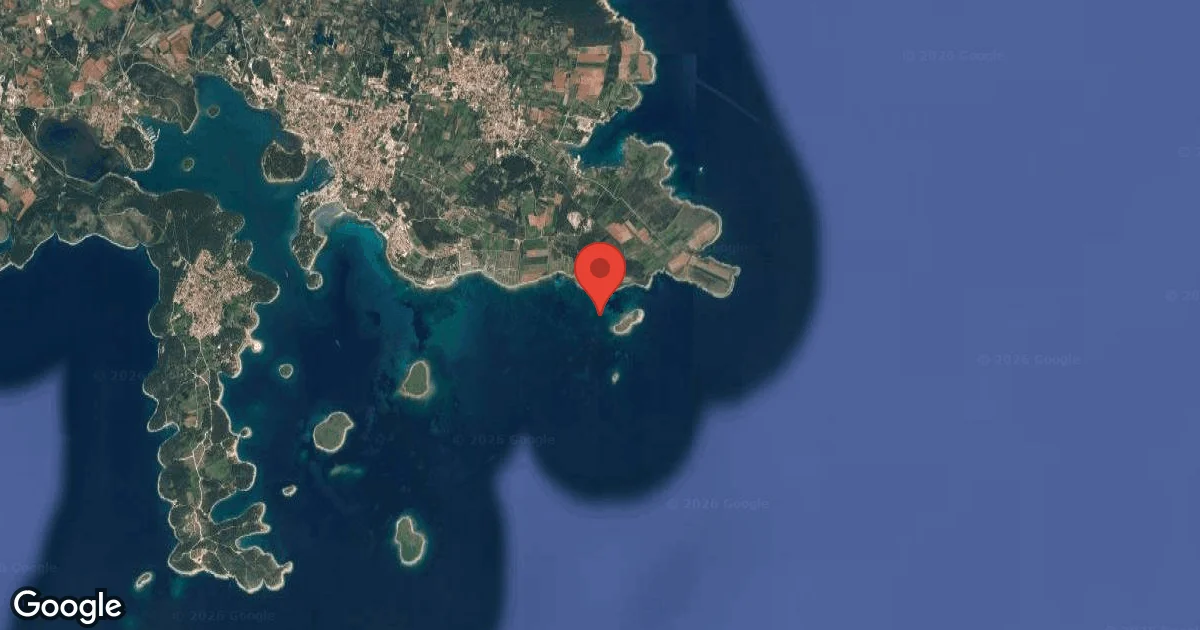
360°beginnerVelika Kolumbarica
BoatCanyon
Max 14 m
2.6 km
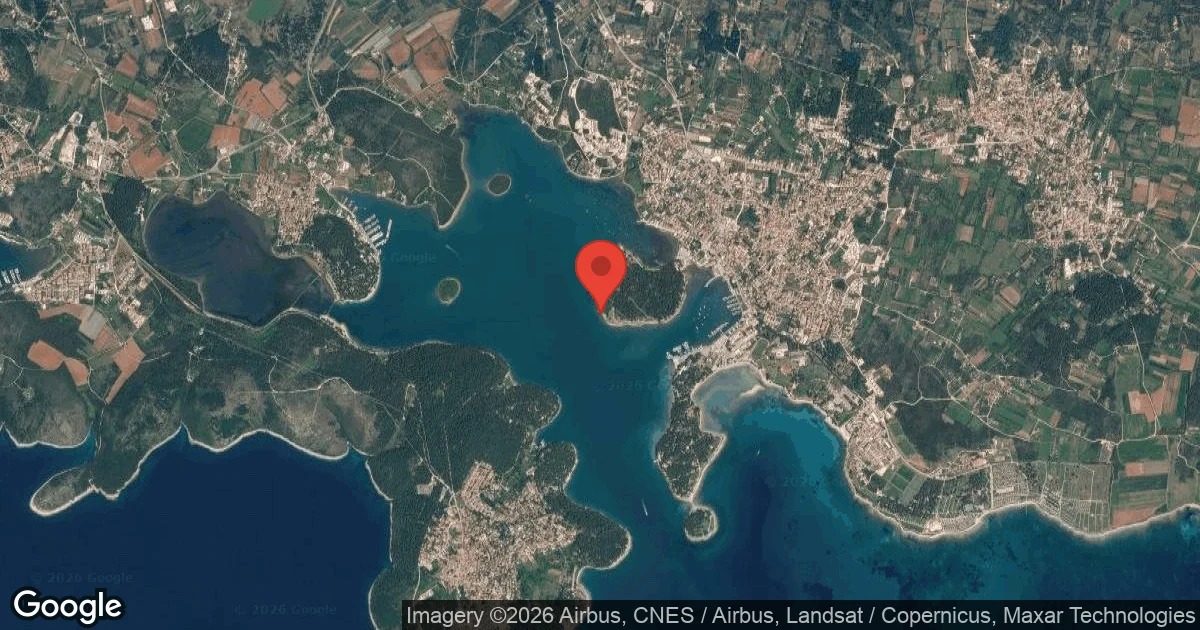
beginnerLokvica Cove
BeachBoat
Max 8 m
3.7 km
360°beginnerVižula Archaeological Park
ArchaeologicalBeach
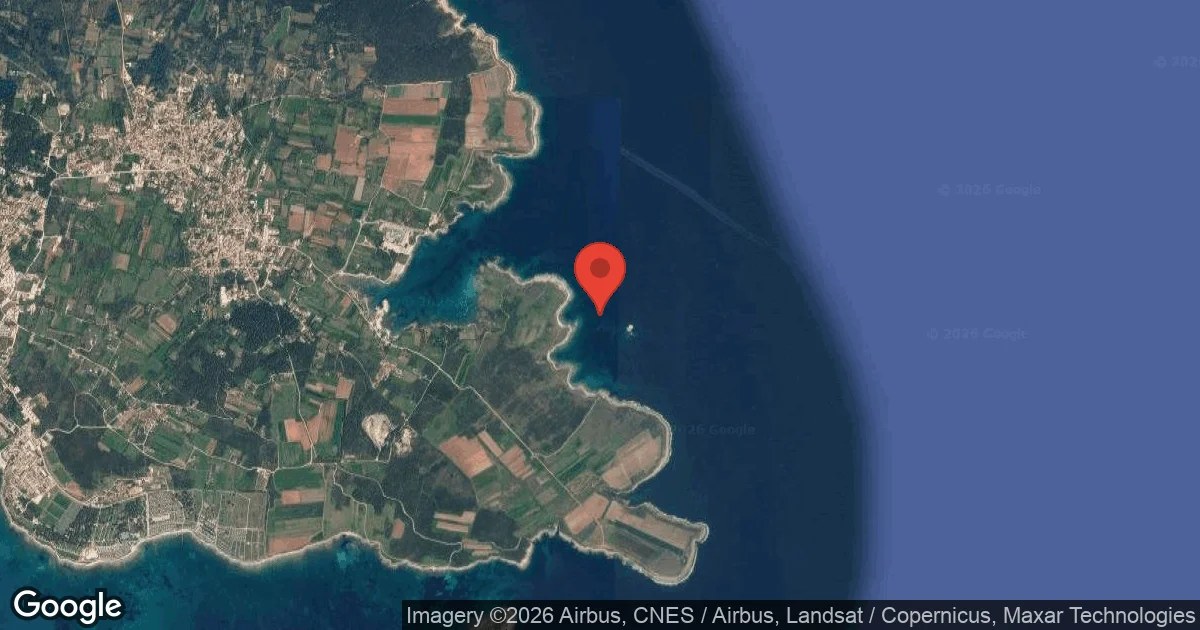
Max 12 m
4.7 km
beginnerCape Uljeva
ArchaeologicalOcean
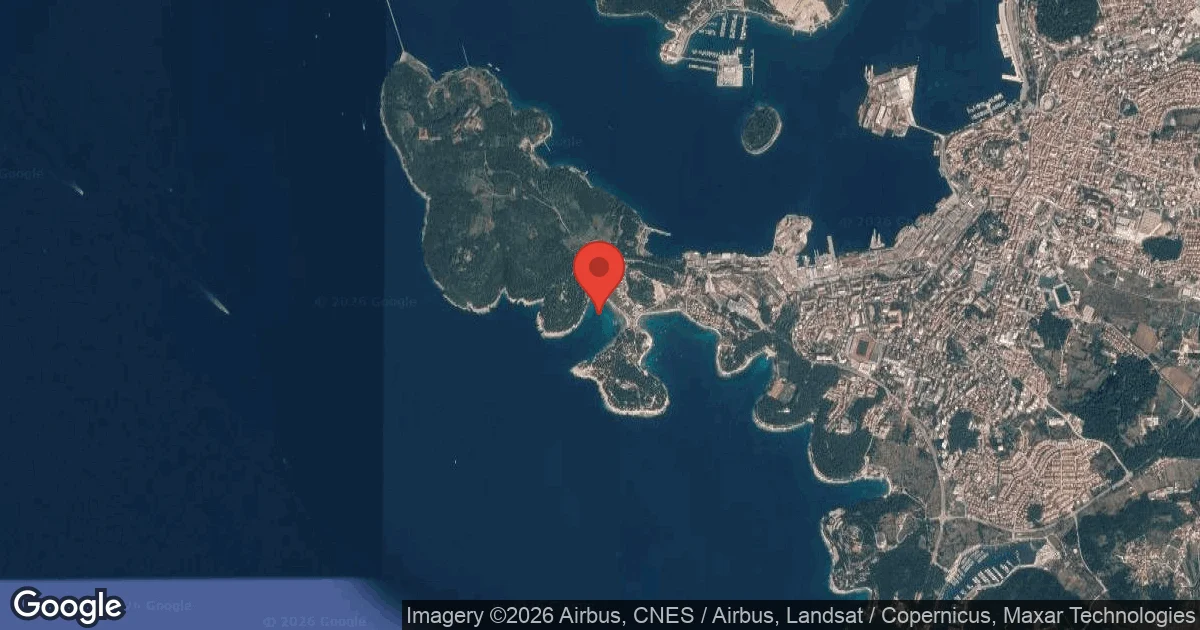
Max 25 m
13.4 km
360°beginnerStoja Reef & Canyons
BoatCanyon
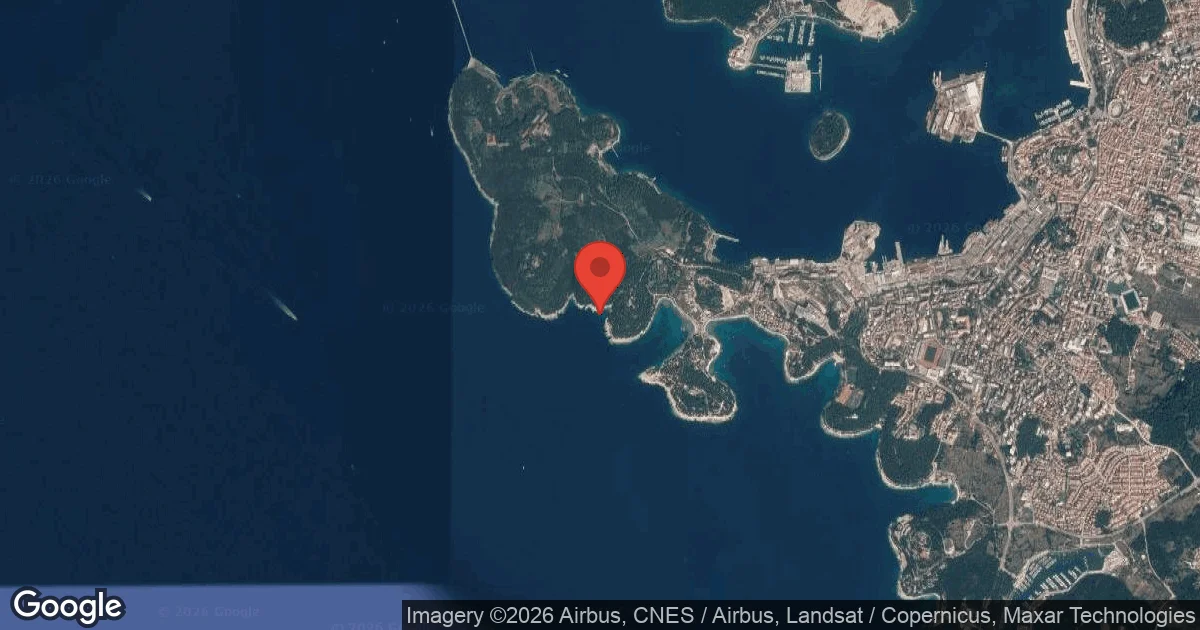
Max 20 m
13.8 km
360°beginnerSeagull Rocks & Valovine Caves
BeachBoat
Max 16 m
3.3 km
360°beginnerDebeljak Cove
BeachBoat
Max 20 m
3.9 km
360°beginnerNjive Cove
BeachBoat
Max 18 m
3.7 km
360°beginnerVelika Kolumbarica
BoatCanyon
Max 14 m
2.6 km
beginnerLokvica Cove
BeachBoat
Max 8 m
3.7 km
360°beginnerVižula Archaeological Park
ArchaeologicalBeach
Max 12 m
4.7 km
beginnerCape Uljeva
ArchaeologicalOcean
Max 25 m
13.4 km
360°beginnerStoja Reef & Canyons
BoatCanyon
Max 20 m
13.8 km
360°beginnerSeagull Rocks & Valovine Caves
BeachBoat
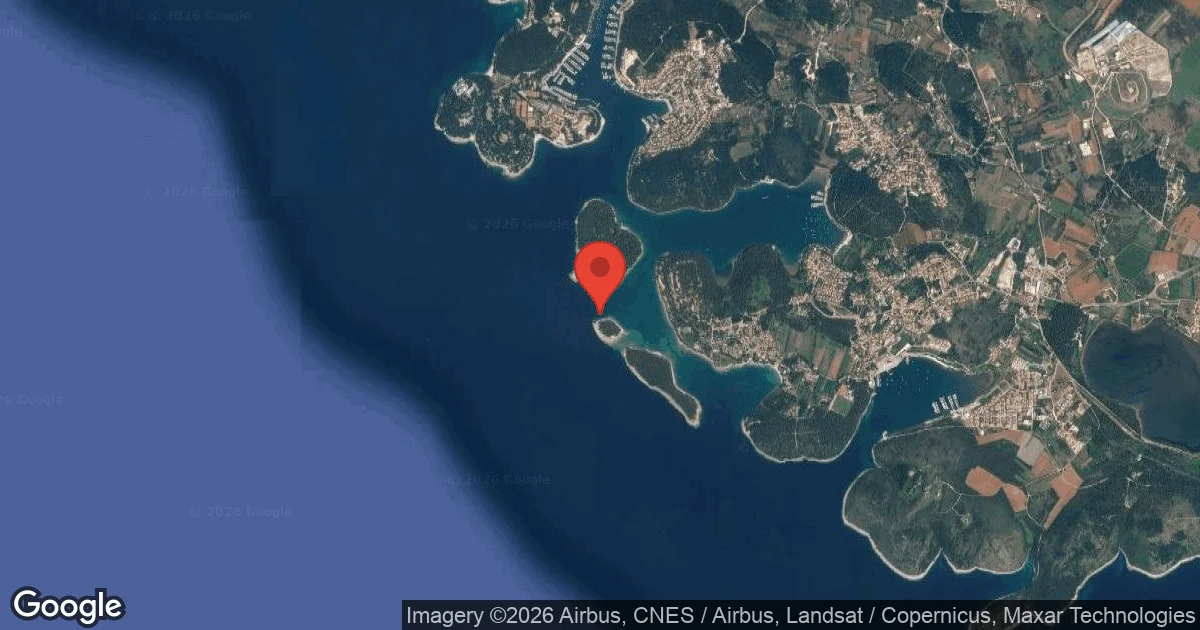
Max 35 m
9.4 km
beginnerFraškerić Island
Anchor DiveBoat
Max 40 m
4.4 km
360°intermediateCape Marlera
BoatOcean
1 / 2
Dive Centers Near Bodulaš Island
Working Hours
Sun09:30 - 19:00
Mon09:30 - 19:00
Tue09:30 - 19:00
Wed09:30 - 19:00
Thu09:30 - 19:00
Fri09:30 - 19:00
Sat09:30 - 19:00
Today: 09:30 - 19:00
Sun09:30 - 19:00
Mon09:30 - 19:00
Tue09:30 - 19:00
Wed09:30 - 19:00
Thu09:30 - 19:00
Fri09:30 - 19:00
Sat09:30 - 19:00
4.6| 244 reviews
2.6 km
4.7| 211 reviews
9.1 km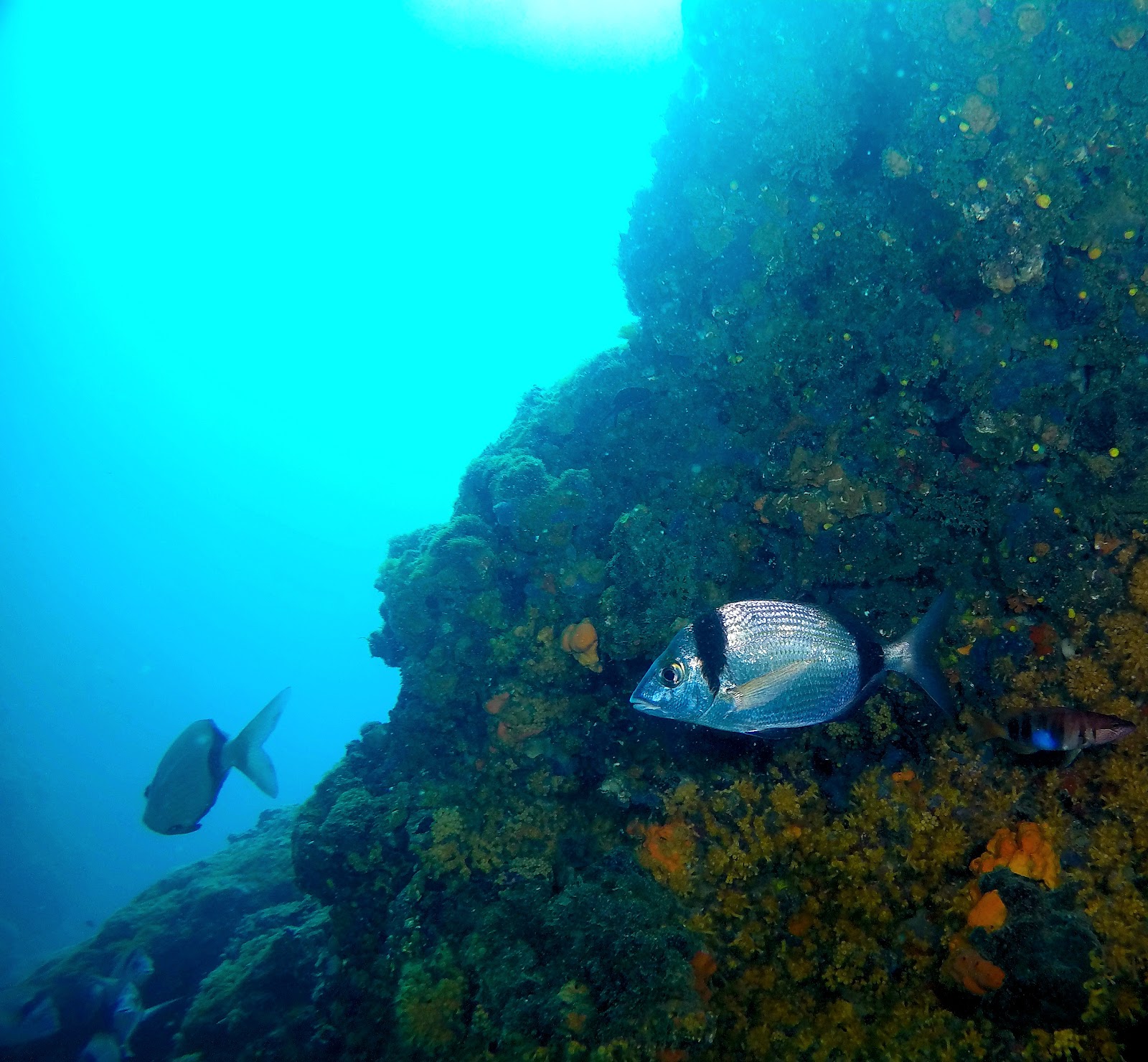
4.7| 129 reviews
9.9 km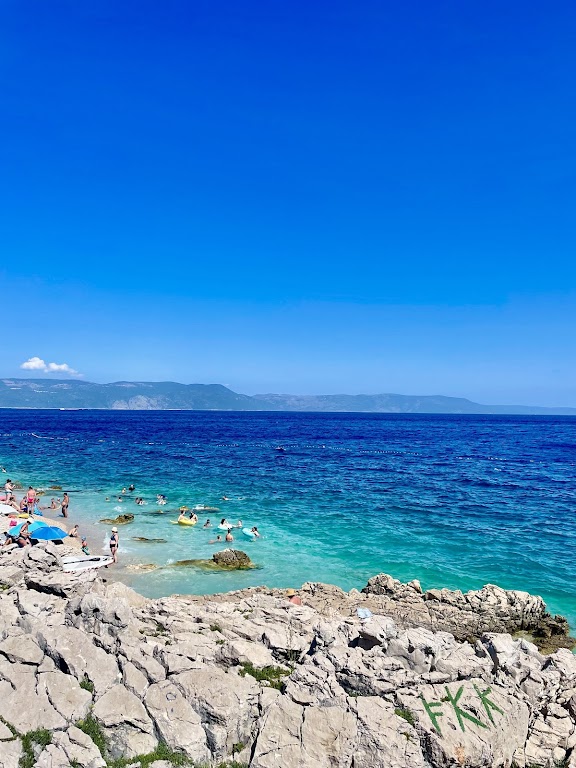
Girandella Diving Centre
4.8(231)• 36.7 km
Triton Diving
4.8(132)• 48.7 km
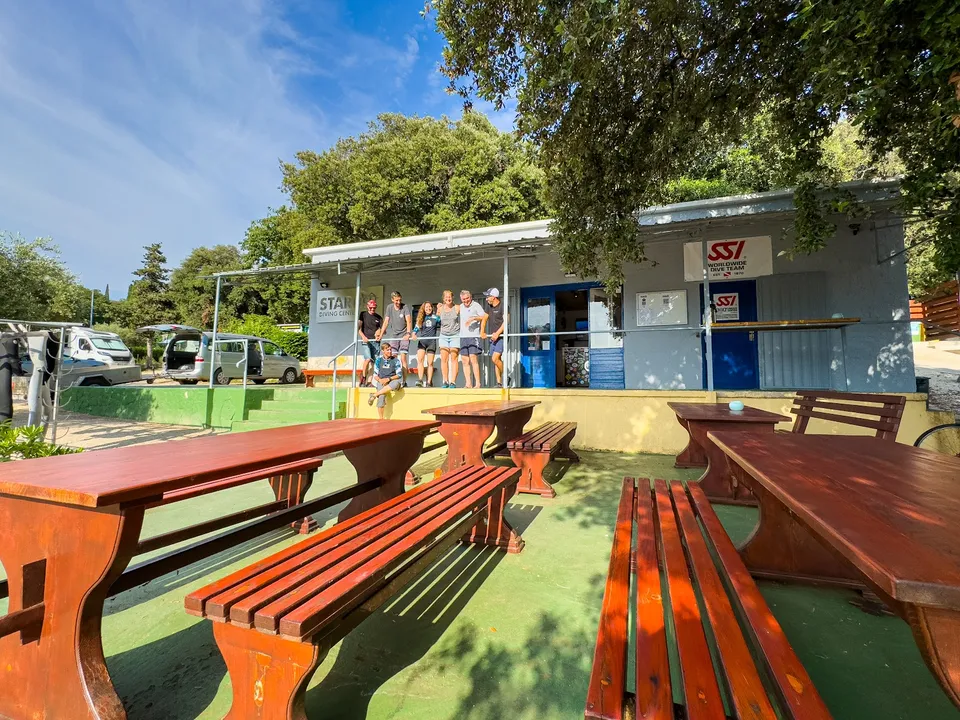
Starfish Diving Center
4.7(240)• 47.9 km
Nearest Airports
Nearest airports to help plan travel to this dive area.
Pula Airport PUY
12 km
Rijeka Airport RJK
68 km
Trieste Airport TRS
121 km
💵 Currency: EUR
Search Flights
Check available flights and routes on Expedia, using the nearby airports listed in this section.
Search Flights on ExpediaAffiliate link · Dive Navigator may earn a commission at no extra cost to you.
Frequently Asked Questions
Which part of Bodulaš Island is best for scuba diving?
Divers concentrate on the outer seaward side of the islet and the rocky underwater spur off Cape Špija, where structured limestone reefs descend to roughly 20 meters.
Can Bodulaš Island be dived from shore?
No. Bodulaš is an uninhabited offshore islet in the Medulin archipelago, so all dives are conducted by boat from nearby Medulin, Pomer, or Premantura.
What certification level is needed for Bodulaš Island?
An Open Water certification is ideal, as the most vibrant reef ledges, overhangs, and seagrass transitions sit comfortably between 4 and 18 meters.
Is Bodulaš Island a good night dive?
Yes. It is one of the Medulin archipelago's premier boat night dives thanks to mild currents, simple reef navigation, and prolific nocturnal octopuses, cuttlefish, eels, and crustaceans.
Are currents strong off Cape Špija?
Currents are generally mild, with only a gentle tidal flow rounding Cape Špija that refreshes visibility and feeds filter-feeding sponges along the outer boulders.
What marine photography subjects stand out here?
Macro and close-focus wide-angle shooters find dotted sea slugs on sponges, octopuses in boulder dens, camouflaged red scorpionfish, and nocturnal cuttlefish.
Trip Inquiry
Planning to dive Bodulaš Island?
Tell us your dates and diving needs. We'll review your request and seek offers from relevant local dive centers.
Request Dive Offers Free request for offers • No booking obligation
Bodulaš Island
Conditions are Moderate
6/10
Confidence: 8/10
Indicates meteorological model agreement and data availability.
DIVE WARNING
High Wind Advisory (49km/h). Unsafe surface.
06:12
18:45
H: 10:45
L: 16:20
Air / Sea Temp
10° / 17°
Wave Height
1.0 m
Wind Speed
49 km/h ENE
Rain Chance
0%
Current conditions near Bodulaš Island show 10° air, 17° sea temperature, 1.0 m waves, and 49 km/h wind. Forecast data is refreshed regularly to ensure accuracy.
Radius: ~12km
Updated: Nov 23, 2026, 06:26 local timeMARINE: OPEN-METEOWEATHER: YR.NO


