Loading...

Diving at Polje Cove (Croatia)
Published
A dual-personality western Kamenjak fishermen's cove offering calm inner-bay seagrass training alongside a steep 38-meter northern headland wall.
Early observations for Polje Cove report a surface air temperature of 10.5°C. The water surface is currently presenting wave heights of 1.2 m. Consider these environmental metrics before beginning your descent.
Dive Site Location & Key Facts
Site Characteristics
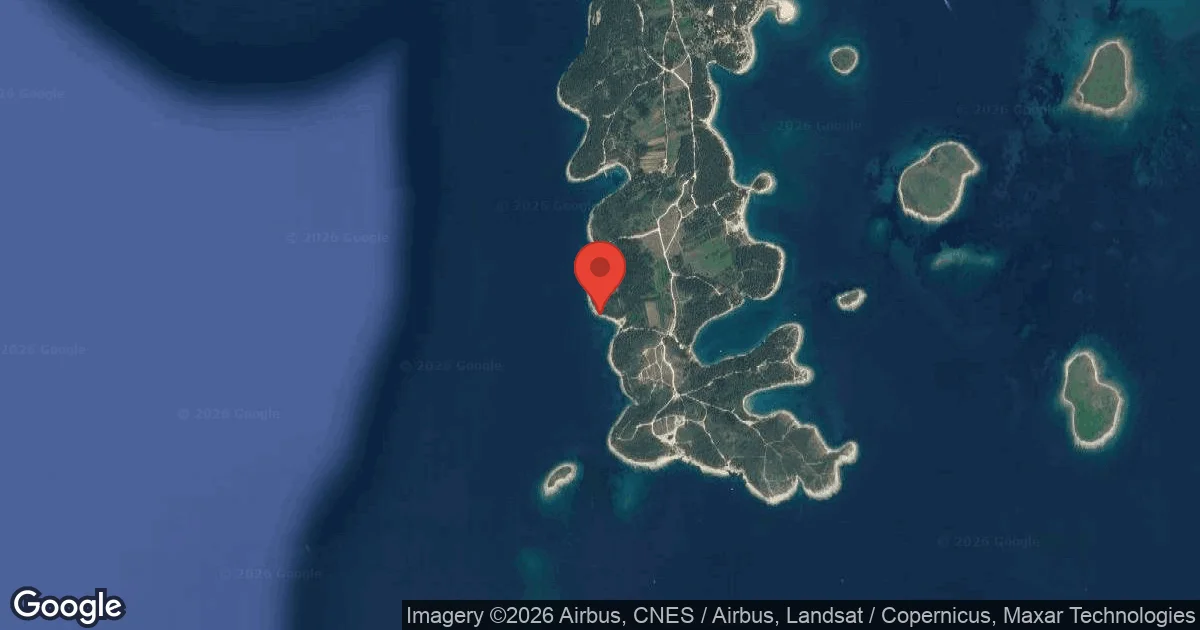
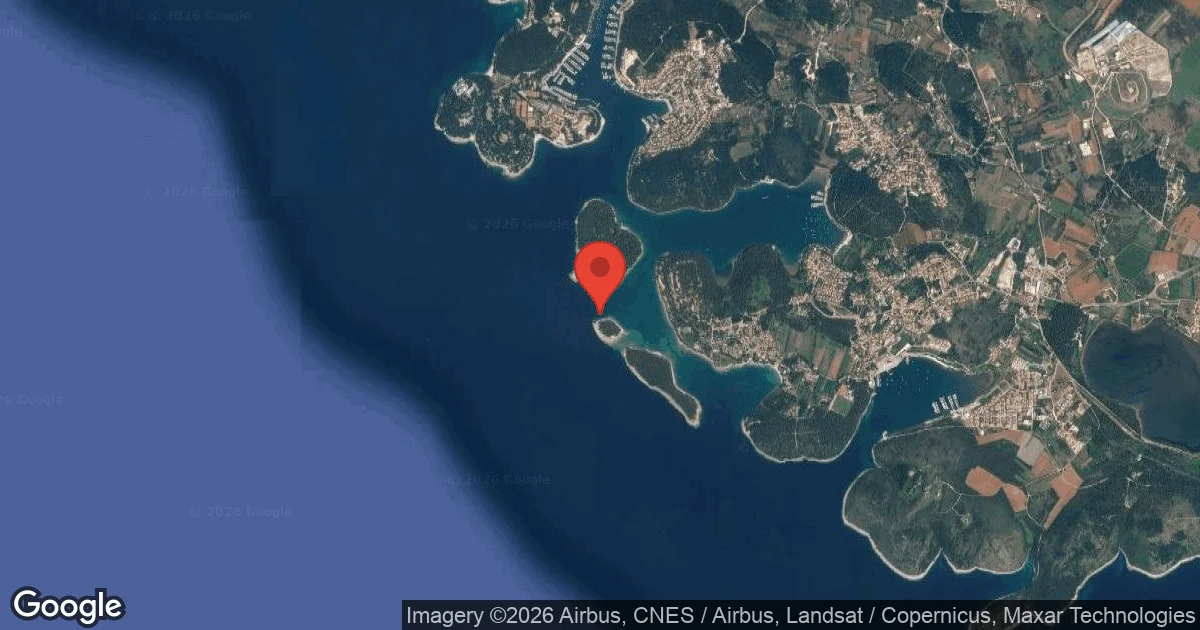
Interactive map & 360° view for Polje Cove. Planning a dive at Polje Cove in Croatia? Together with the dive site map above, use the interactive “360° Shore & Entry” view (79 m from the map pin) to inspect the real-world surroundings, coastal or boat approach, water entry layout, and surface conditions. Panorama imagery captured Jul 2017; site access and local conditions may have changed since, so always verify on arrival.
Max Depth38m / 125ft
Entry TypeBoat & Shore
Water Typesalt
Dive Types
ReefTrainingWall
Dive Site Overview
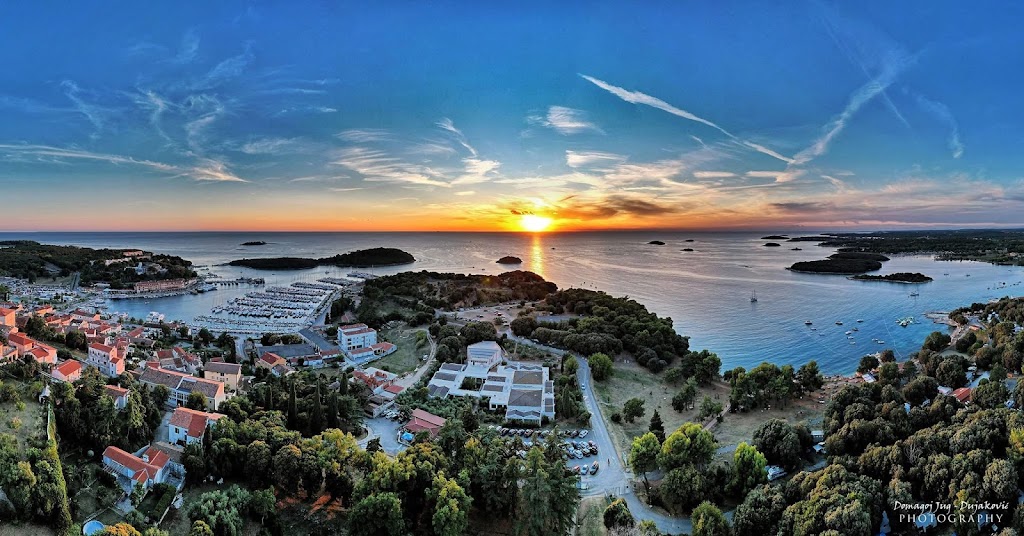
Indented deeply into the western flank of Lower Kamenjak just south of Pinižule Cove, Polje Cove carries centuries of maritime heritage—from ancient Roman anchorage traces to the weathered stone cottages where Premantura fishermen still store nets beside a broad pier originally erected under the Austro-Hungarian Monarchy and rebuilt after winter storm damage.
Beneath the waterline, Polje Cove splits into two completely distinct diving zones. Inside the sheltered bay, shallow sand and lush beds of Mediterranean tapeweed (Posidonia oceanica) slope gently from 2 to 10 meters, providing dive schools with a protected, step-in environment for confined-style skill practice and introductory dives.
Heading outward along the northern shoreline toward the rocky headland shared with Pinižule Cove—approached either from Polje or from Pinižule—transforms the dive completely. Here the limestone terrain steepens into a dramatic, sponge-crusted drop-off that plunges suddenly to 38 meters, rewarding advanced divers with deep overhangs, vertical fissures, and open-sea clarity.
Polje Cove
Conditions are Moderate
6/10
Confidence: 8/10
Indicates meteorological model agreement and data availability.
DIVE WARNING
High Wind Advisory (49km/h). Unsafe surface.
06:12
18:45
H: 10:45
L: 16:20
Air / Sea Temp
10° / 17°
Wave Height
1.2 m
Wind Speed
49 km/h ENE
Rain Chance
0%
Current conditions near Polje Cove show 10° air, 17° sea temperature, 1.2 m waves, and 49 km/h wind. Forecast data is refreshed regularly to ensure accuracy.
Radius: ~12km
Updated: Nov 23, 2026, 03:59 local timeMARINE: OPEN-METEOWEATHER: YR.NO
Best Time to Dive
May through October is the prime season at Polje Cove, when western Kamenjak waters warm from 17°C in late spring to 24°C at the surface in August and visibility along the outer northern cape reaches 18 to 22 meters. Spring and early autumn offer noticeably quieter boat moorings inside the cove and crisp water down the 38-meter wall.
Because the cove opens west-southwest, it enjoys natural shelter from northeast Bora winds behind the Kamenjak ridge. Conversely, strong southwest Garbin storms—the same wave direction that historically damaged the old Austro-Hungarian pier—drive heavy swell directly into the bay and onto the outer headland.
PEAK SEASON SCORE
92/100
ExcellentScores combine air & water temps, waves, wind & rainfall for overall conditions.
BEST MONTHS TO DIVE
JUN
JUL
AUG
DIVE SCORE GUIDE (0–100)
Excellent (90–100)
Very Good (80–89)
Good (70–79)
Moderate (50–69)
Poor (30–49)
Not Recommended (0–29)
Monthly records compiled from satellite and marine observation nodes over the last 3 years. Data provided by Open-Meteo and MET Norway.
Dive Experience & Conditions
Shore-entering divers gearing up near the cove margins enjoy easy access for inner-bay training or can surface-swim/scooter out along the northern rocks before dropping onto the steep cape slope; boat-supported teams often drop directly near the outer northern point to conserve gas for the 38-meter profile.
On the outer headland drop-off, expect a pronounced summer thermocline between 15 and 20 meters where temperatures fall to 15–16°C down to 38 meters. Keep the wall on your right when heading out from Polje (or left if returning) and finish your ascent peacefully along the sunlit 5-meter seagrass and boulder border inside the cove mouth.
Dive Difficulty & Safety Guidelines
Boat traffic inside Polje Cove can be brisk during July and August, as both local fishing boats and visiting pleasure craft moor inside the bay—unfortunately often dropping anchors into fragile Posidonia meadows. Dive boats should anchor only on bare sand patches, and shore divers must tow a surface marker buoy with dive flag and stay well below keel depth near the pier.
If exploring the 38-meter outer northern slope, plan gas reserves conservatively, monitor no-decompression time closely, and carry a primary dive torch to inspect shaded wall crevices safely.
Recommended Equipment
Deep dive hazard. Increased narcosis and gas consumption risk.
- Dive Computer
- DSMB
- Primary & Backup Lights
- Hard-soled Dive Boots
This gear list is based on verified equipment signals for Polje Cove, Croatia. Always confirm final gear choices with your dive operator, guide, or liveaboard.
Recommended Dive Suit
5-7mm wetsuit is often considered an appropriate level of exposure protection for conditions like these. Consider warmer surface protection (like a boat coat) due to brisk winds. Strong cold advisory: dress warmly immediately after exiting the water.
Divers planning a dive at Polje Cove today will likely encounter water temperatures close to 17°C (62°F). Surface air temperatures are resting at 10°C (51°F).
The forecast outlook suggests that temperatures will stay close to current levels.
Polje Cove conditions last reviewed: 03:59 local time (UTC+1), Nov 23, 2026
Emergency & Medical Support
Essential information to help you plan your dive trip to Polje Cove.

Hyperbaric chambers are a critical part of dive safety infrastructure. Availability varies significantly by region, and not all dive areas have immediate access.
Before diving, it's recommended to:
- confirm nearest medical facilities
- check emergency procedures with local dive operators
- ensure dive insurance covers evacuation if required
24/7 Available
Divers Alert Network
Diving emergency assistance available through DAN Europe.
+39 0642115685- 24/7 emergency hotline
- Diving medical assistance
- Evacuation coordination
Emergency contacts are provided for reference. Always verify local emergency services before diving.
Closest Listed Hyperbaric Chambers (≤ 200 km)
Approximate straight-line distances from this dive site — emergency travel times may vary.
10 km10 kmPoliklinika za baromedicinu OXY – Podružnica Pula
Pula, Croatia+385 52 215 663Details10 kmPoliklinika za baromedicinu OXY – Podružnica Pula
Pula, Croatia · Multiplace
Hours: Mon–Fri 07:30–15:30Facility: Opća bolnica PulaICU On-Site: Not reportedSource: KBC Rijeka / Poliklinika OXYOfficial website
10 km
Poliklinika za baromedicinu OXY – Podružnica Pula
Pula, Croatia+385 52 215 663Details
10 km
Poliklinika za baromedicinu OXY – Podružnica Pula
Pula, Croatia · Multiplace
Hours: Mon–Fri 07:30–15:30
Facility: Opća bolnica Pula
ICU On-Site: Not reported
Source: KBC Rijeka / Poliklinika OXY
Official website75 km75 kmZavod za podvodnu i hiperbaričnu medicinu – KBC Rijeka
Rijeka, Croatia24/7ICU+385 51 407 435Details75 kmZavod za podvodnu i hiperbaričnu medicinu – KBC Rijeka
24/7 ListedICU CapableRijeka, Croatia · Multiplace (8 seated / 2 stretcher ICU)
Hours: 24/7 EmergencyFacility: Klinički bolnički centar Rijeka (Lokalitet Sušak)ICU On-Site: YesSource: KBC Rijeka / Poliklinika OXYOfficial website
75 km
Zavod za podvodnu i hiperbaričnu medicinu – KBC Rijeka
Rijeka, Croatia24/7ICU+385 51 407 435Details
75 km
Zavod za podvodnu i hiperbaričnu medicinu – KBC Rijeka
24/7 ListedICU CapableRijeka, Croatia · Multiplace (8 seated / 2 stretcher ICU)
Hours: 24/7 Emergency
Facility: Klinički bolnički centar Rijeka (Lokalitet Sušak)
ICU On-Site: Yes
Source: KBC Rijeka / Poliklinika OXY
Official website76 km76 kmPoliklinika za baromedicinu OXY – Poslovna jedinica Crikvenica
Crikvenica, Croatia+385 51 785 229Details76 kmPoliklinika za baromedicinu OXY – Poslovna jedinica Crikvenica
Crikvenica, Croatia · Multiplace
Hours: Mon–Fri 07:30–15:30Facility: Thalassotherapia CrikvenicaICU On-Site: Not reportedSource: KBC Rijeka / Poliklinika OXYOfficial website
76 km
Poliklinika za baromedicinu OXY – Poslovna jedinica Crikvenica
Crikvenica, Croatia+385 51 785 229Details
76 km
Poliklinika za baromedicinu OXY – Poslovna jedinica Crikvenica
Crikvenica, Croatia · Multiplace
Hours: Mon–Fri 07:30–15:30
Facility: Thalassotherapia Crikvenica
ICU On-Site: Not reported
Source: KBC Rijeka / Poliklinika OXY
Official websiteChamber data is sourced from official Croatian hospital and baromedicine facility records and has not been independently verified by Dive Navigator. Always contact local emergency services, DAN, your dive operator, or the facility directly before travelling.
Reference onlyMarine Life at Polje Cove
The inner cove's Posidonia oceanica meadows nurture pipefish, cuttlefish, annular seabreams, wrasses, and juvenile sparids sheltering among the dense root mats, while octopuses hunt across the rock-and-meadow transition.
Out on the steep 38-meter northern headland, shaded crevices and vertical ledges shelter European conger eels (Conger conger), large red scorpionfish (Scorpaena scrofa), brown meagre, and crustaceans tucked among colorful yellow tube sponges (Aplysina aerophoba), red encrusting sponges, and bryozoan colonies.
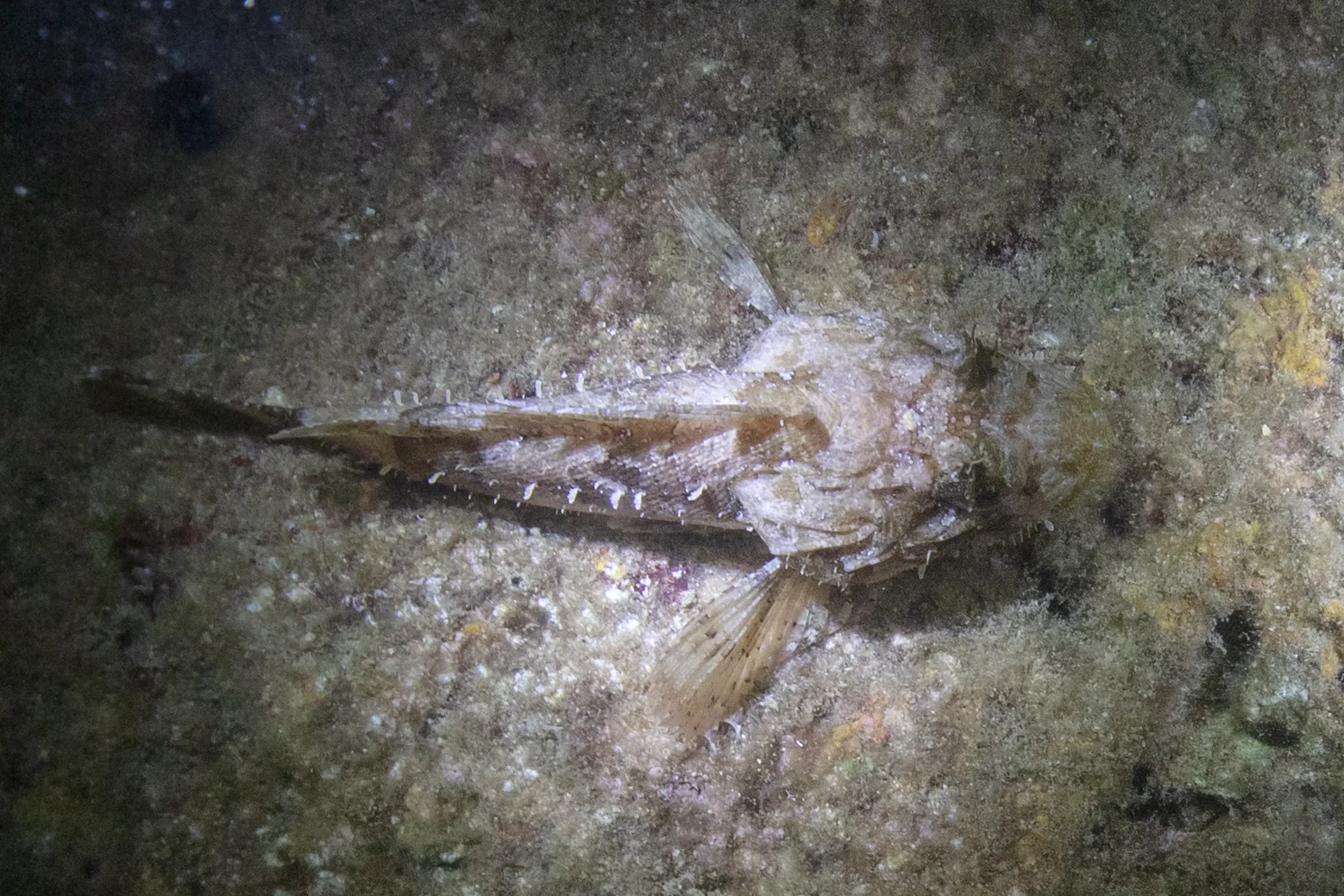
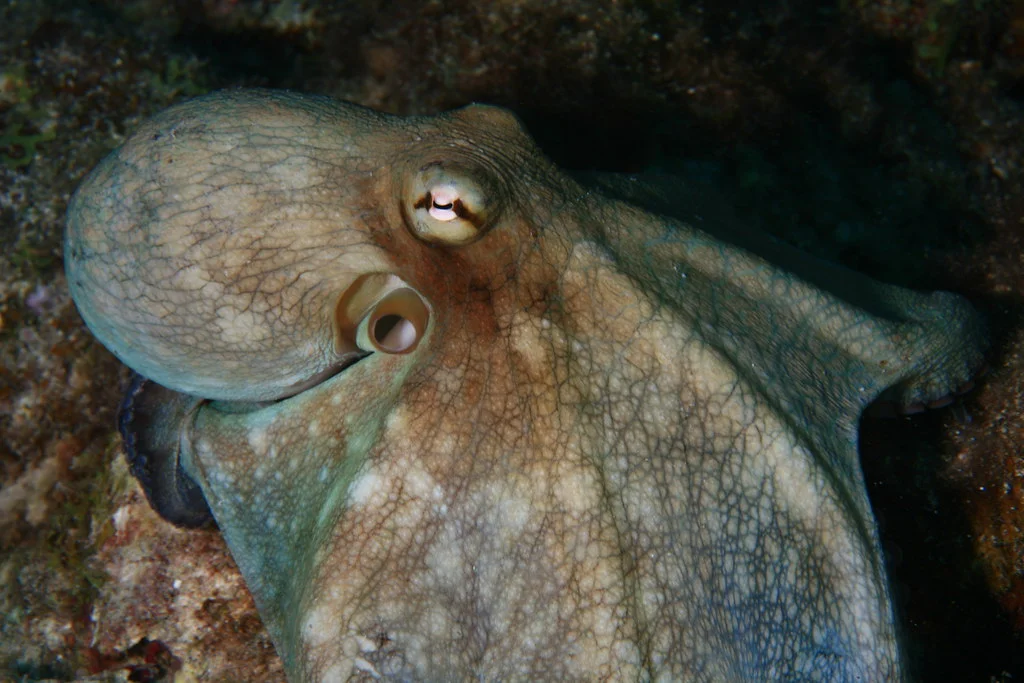
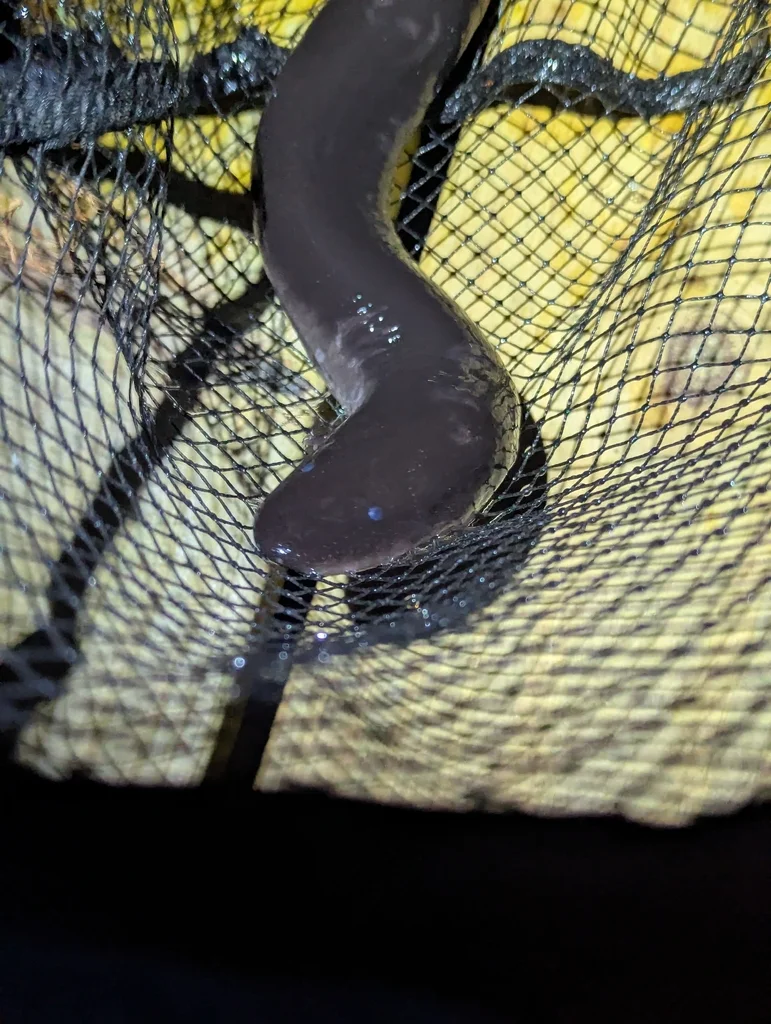
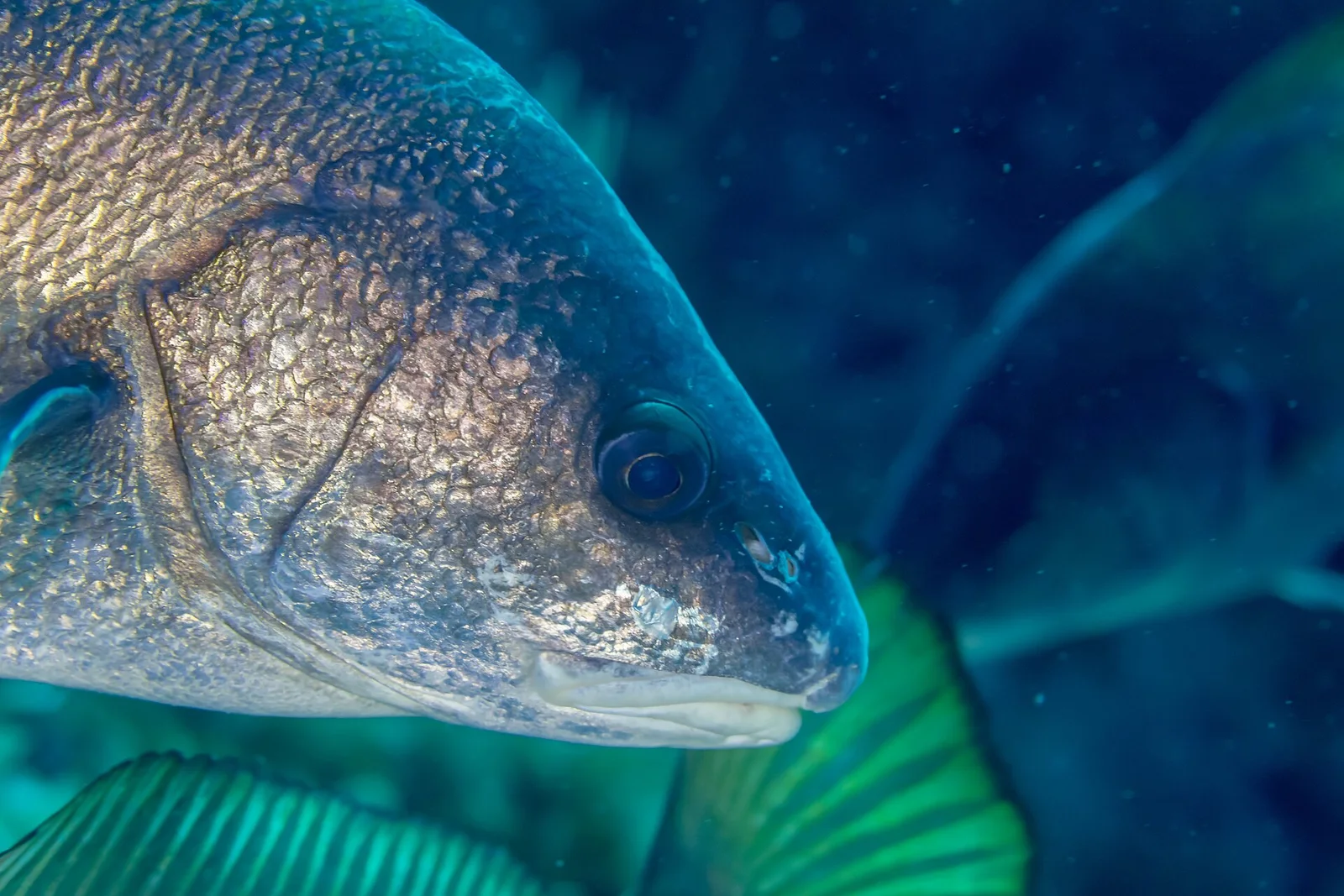
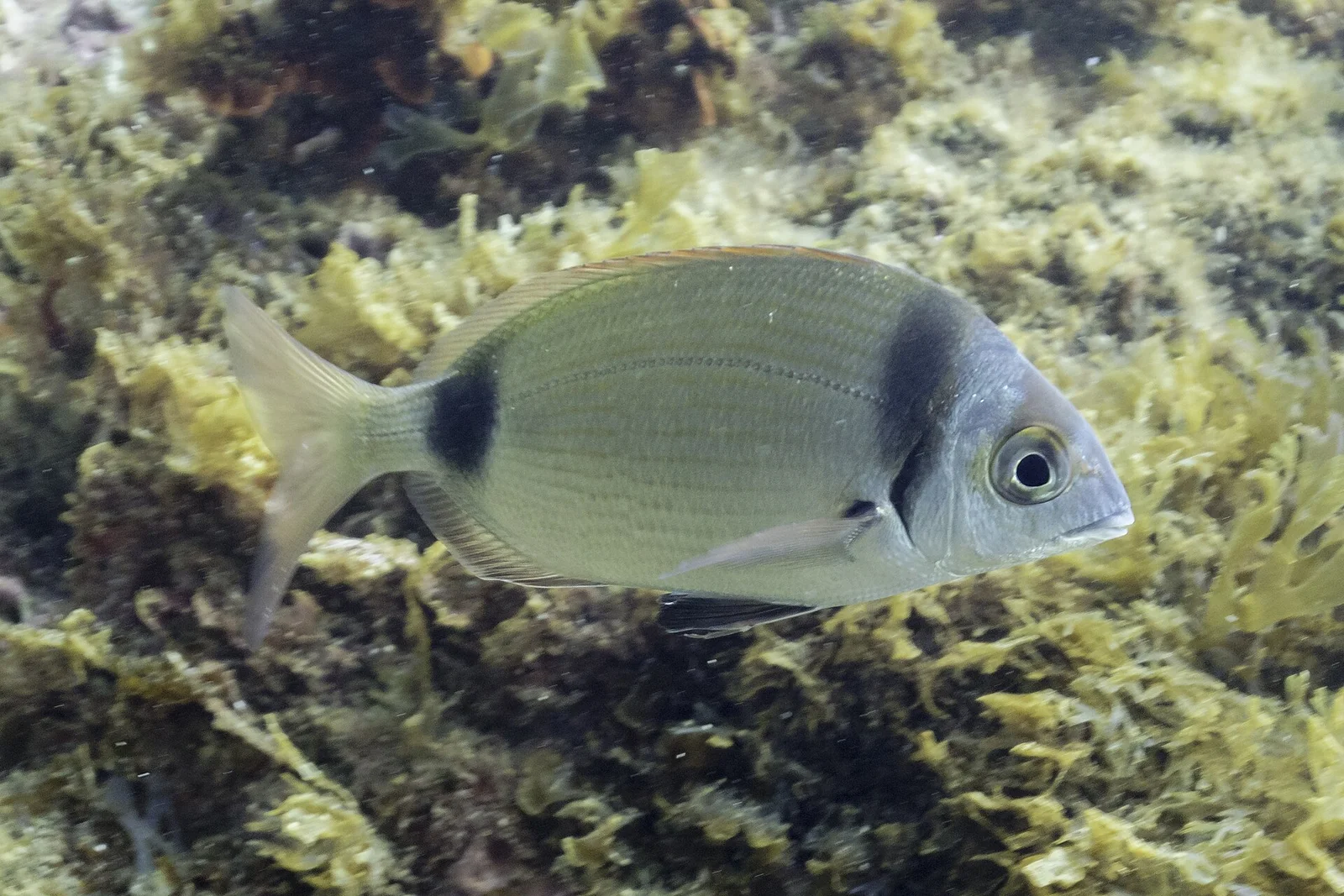
Image contributors:Diego Delso, laszlo-photo
Want to contribute photos or local dive knowledge? Learn how to contributeDive Sites Near Polje Cove
View all dive sites in CroatiaDiscover more underwater gems in this area.
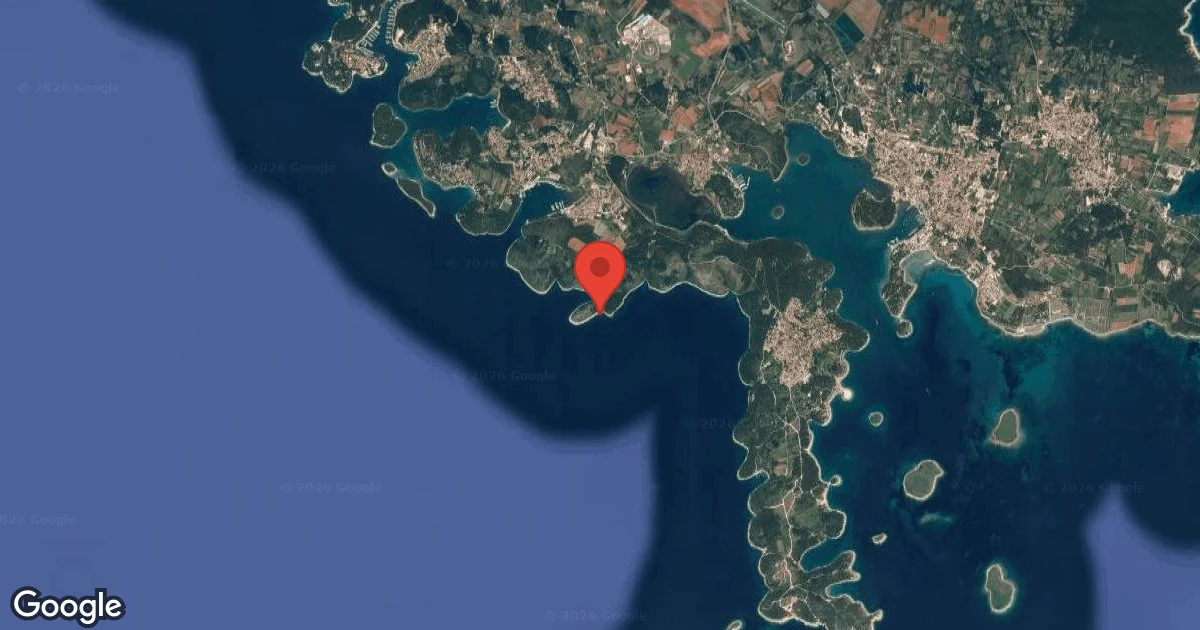
Max 38 m
3 km
360°intermediateRed Rocks Kamenjak
BoatCanyon
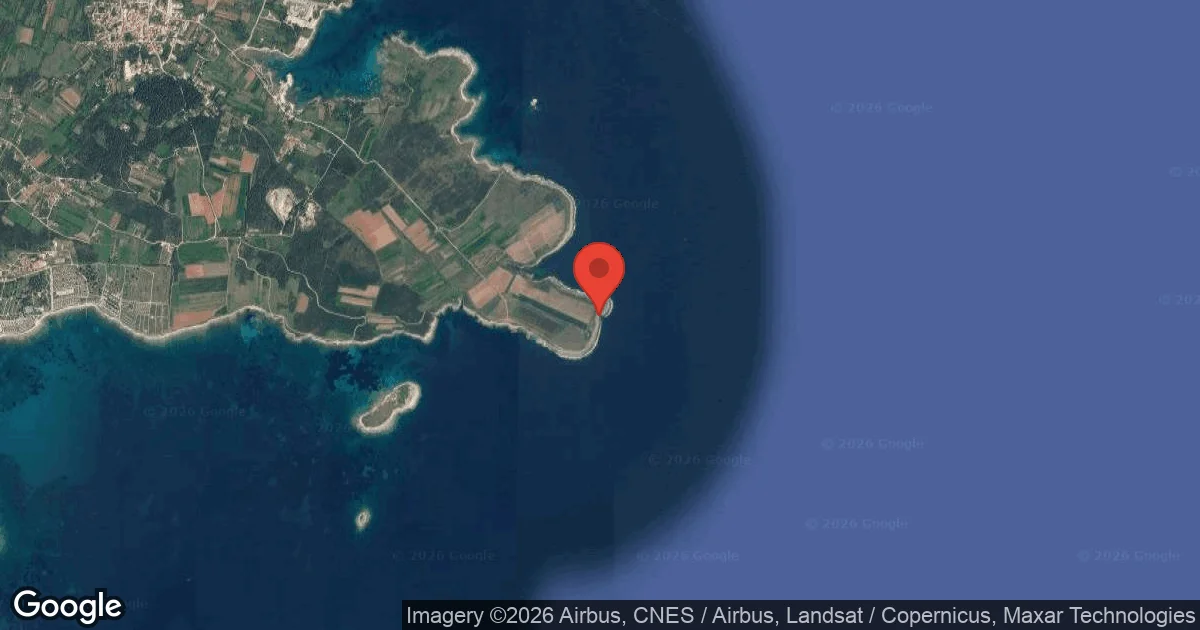
Max 40 m
8.1 km
360°intermediateCape Marlera
BoatOcean
Max 40 m
6.4 km
intermediateWreck Draga
BoatDown Line
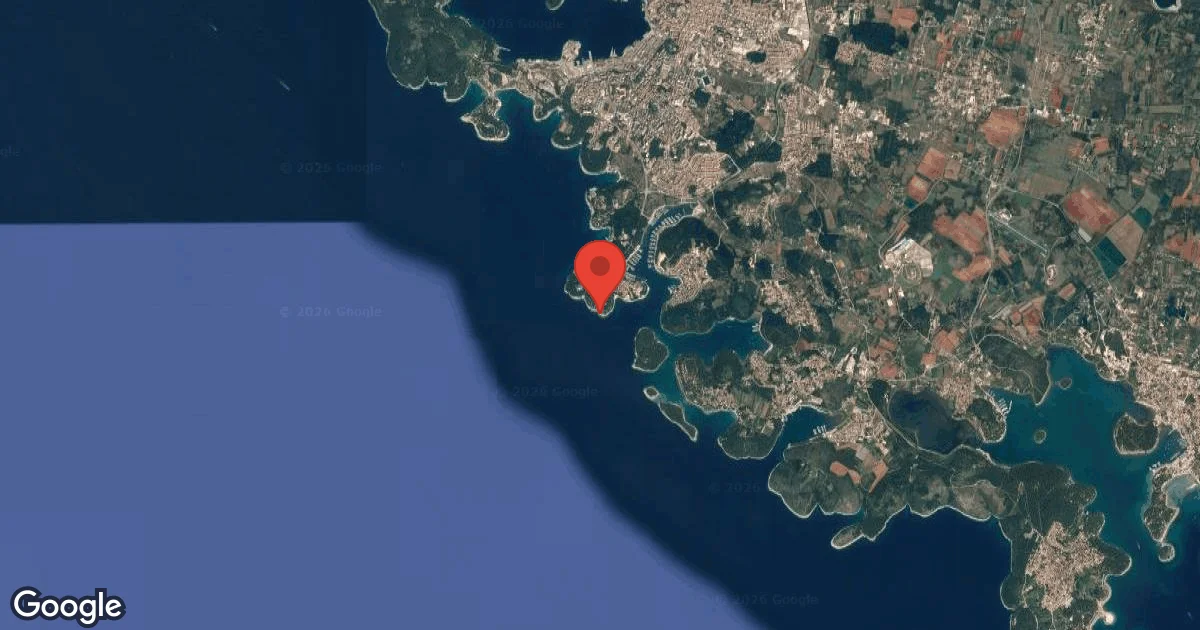
Max 35 m
7.6 km
360°beginnerVerudela Lighthouse
BoatCanyon
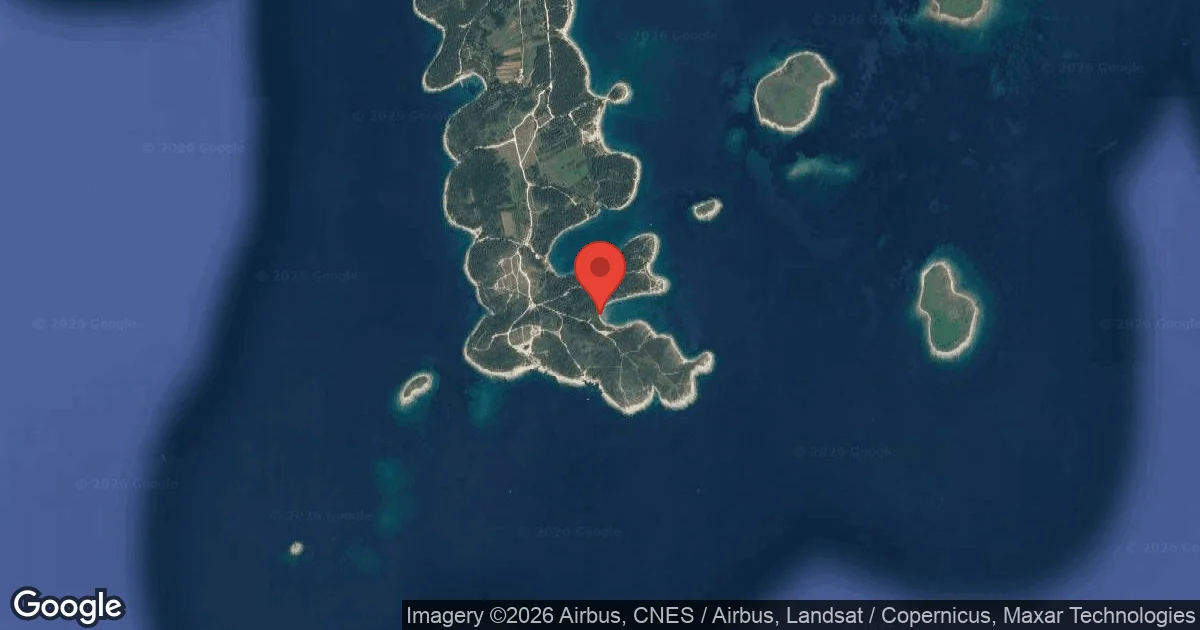
Max 16 m
1.9 km
360°beginnerDebeljak Cove
BeachBoat
Max 38 m
7 km
advancedŠeka Levanić
BoatDown Line
Max 42 m
7.7 km
advancedSubmarine U-81
ArchaeologicalBoat
Max 20 m
0.9 km
360°beginnerNjive Cove
BeachBoat
Max 38 m
3 km
360°intermediateRed Rocks Kamenjak
BoatCanyon
Max 40 m
8.1 km
360°intermediateCape Marlera
BoatOcean
Max 40 m
6.4 km
intermediateWreck Draga
BoatDown Line
Max 35 m
7.6 km
360°beginnerVerudela Lighthouse
BoatCanyon
Max 16 m
1.9 km
360°beginnerDebeljak Cove
BeachBoat
Max 38 m
7 km
advancedŠeka Levanić
BoatDown Line
Max 42 m
7.7 km
advancedSubmarine U-81
ArchaeologicalBoat
Max 20 m
0.9 km
360°beginnerNjive Cove
BeachBoat
Max 35 m
6.5 km
beginnerFraškerić Island
Anchor DiveBoat
Max 30 m
1.9 km
advancedFenoliga Island
ArchaeologicalBoat
1 / 2
Dive Centers Near Polje Cove
Working Hours
Sun09:30 - 19:00
Mon09:30 - 19:00
Tue09:30 - 19:00
Wed09:30 - 19:00
Thu09:30 - 19:00
Fri09:30 - 19:00
Sat09:30 - 19:00
Today: 09:30 - 19:00
Sun09:30 - 19:00
Mon09:30 - 19:00
Tue09:30 - 19:00
Wed09:30 - 19:00
Thu09:30 - 19:00
Fri09:30 - 19:00
Sat09:30 - 19:00
4.7| 211 reviews
6.4 km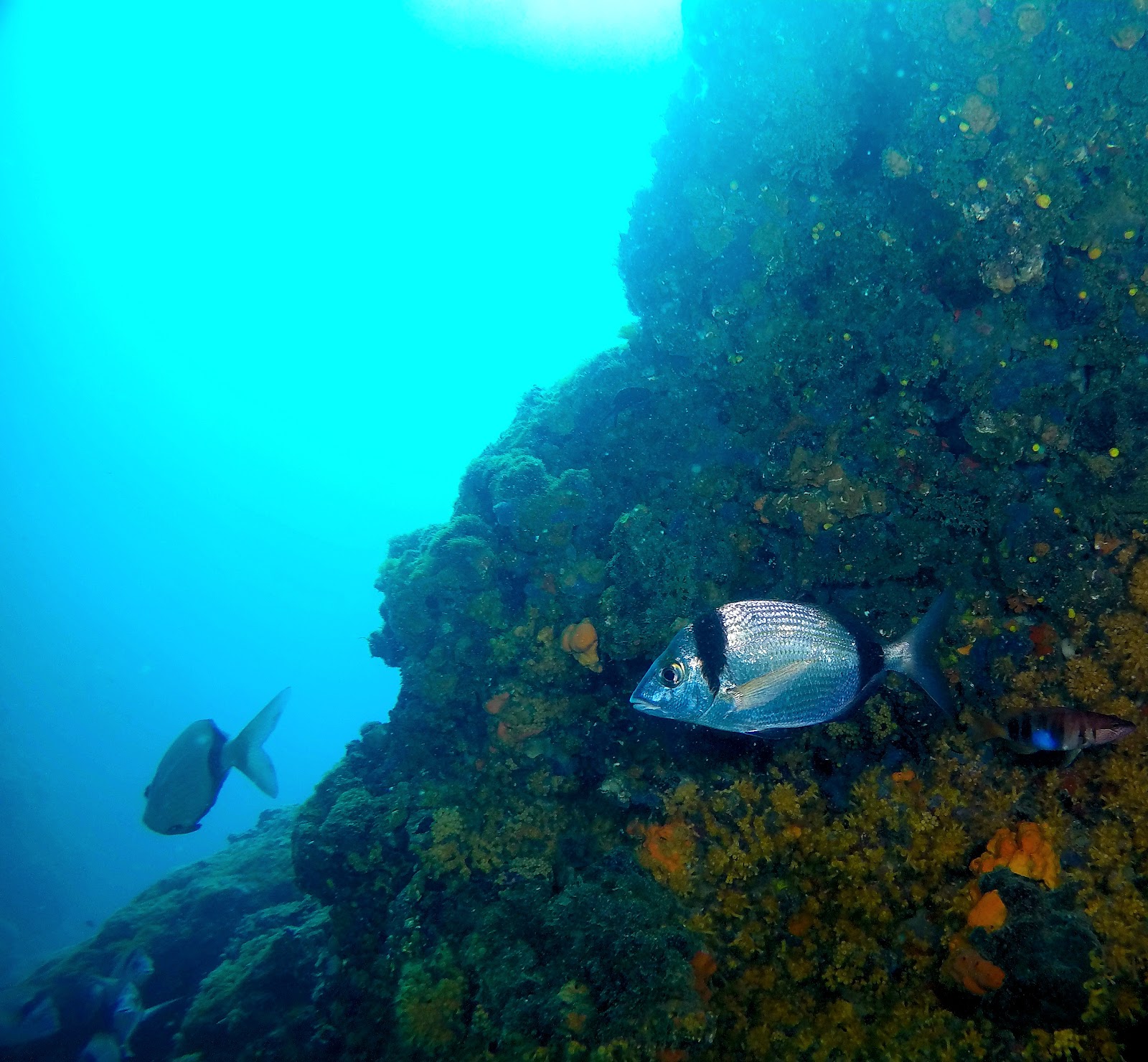
4.7| 129 reviews
7.5 km
4.6| 244 reviews
3.1 km
Girandella Diving Centre
4.8(231)• 39 km
Triton Diving
4.8(132)• 47.2 km
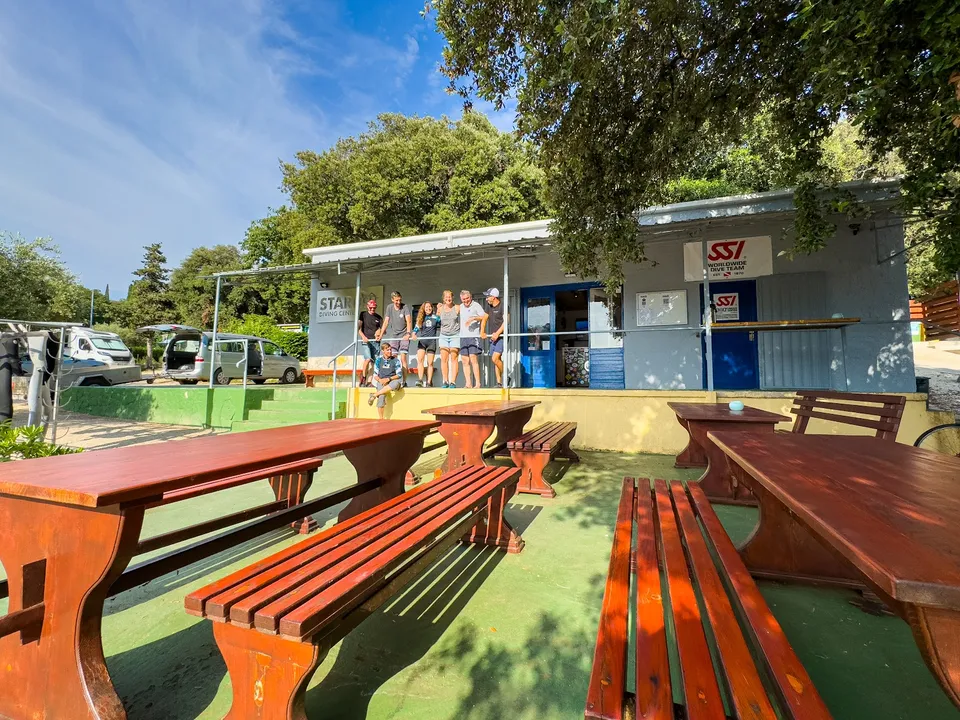
Starfish Diving Center
4.7(240)• 46.3 km
Nearest Airports
Nearest airports to help plan travel to this dive area.
Pula Airport PUY
12 km
Rijeka Airport RJK
71 km
Trieste Airport TRS
121 km
💵 Currency: EUR
Search Flights
Check available flights and routes on Expedia, using the nearby airports listed in this section.
Search Flights on ExpediaAffiliate link · Dive Navigator may earn a commission at no extra cost to you.
Frequently Asked Questions
Can both beginners and advanced divers enjoy Polje Cove?
Yes. Beginners and students train in the calm 2-to-10-meter inner bay, while advanced divers follow the outer northern headland where rocky cliffs drop steeply to 38 meters.
What is the history of the large pier in Polje Cove?
Polje Cove is the traditional gathering harbor of Premantura's fishermen, featuring old stone gear cottages and a prominent pier first built during the Austro-Hungarian Monarchy and later rebuilt after storm waves.
Can you reach the 38-meter northern cape from Pinižule Cove too?
Yes. Divers routinely approach the deep rocky cape either heading north out of Polje Cove or heading south from neighboring Pinižule Cove.
Why should boaters be careful anchoring in Polje Cove?
The indented inner bay holds valuable Posidonia oceanica seagrass meadows that suffer anchor damage from summer pleasure boats; skippers should drop hooks only on clear sand.
Which winds is Polje Cove protected from?
The Kamenjak peninsula shields Polje Cove well from northeast Bora winds, whereas strong southwest swells blow directly into the cove.
Is there a thermocline on the outer cape dive?
Yes. While the inner cove stays warm in summer, descending past 16–20 meters on the outer northern drop-off crosses into cooler 15–16°C Adriatic water.
Trip Inquiry
Planning to dive Polje Cove?
Tell us your dates and diving needs. We'll review your request and seek offers from relevant local dive centers.
Request Dive Offers Free request for offers • No booking obligation
Polje Cove
Conditions are Moderate
6/10
Confidence: 8/10
Indicates meteorological model agreement and data availability.
DIVE WARNING
High Wind Advisory (49km/h). Unsafe surface.
06:12
18:45
H: 10:45
L: 16:20
Air / Sea Temp
10° / 17°
Wave Height
1.2 m
Wind Speed
49 km/h ENE
Rain Chance
0%
Current conditions near Polje Cove show 10° air, 17° sea temperature, 1.2 m waves, and 49 km/h wind. Forecast data is refreshed regularly to ensure accuracy.
Radius: ~12km
Updated: Nov 23, 2026, 03:59 local timeMARINE: OPEN-METEOWEATHER: YR.NO


