Loading...

Diving at Stoja Reef & Canyons (Croatia)
Published
An intricately sculpted limestone house-reef off Pula's Stoja headland where 5-meter canyon swim-throughs open onto a 25-meter fissured drop-off rich in Adriatic macro life.
Current morning readings from Stoja Reef & Canyons indicate an air temperature of 9.5°C. Surface wave heights are averaging around 0.6 m at this time. These local measurements provide a baseline for your daily dive planning.
Dive Site Location & Key Facts
Site Characteristics
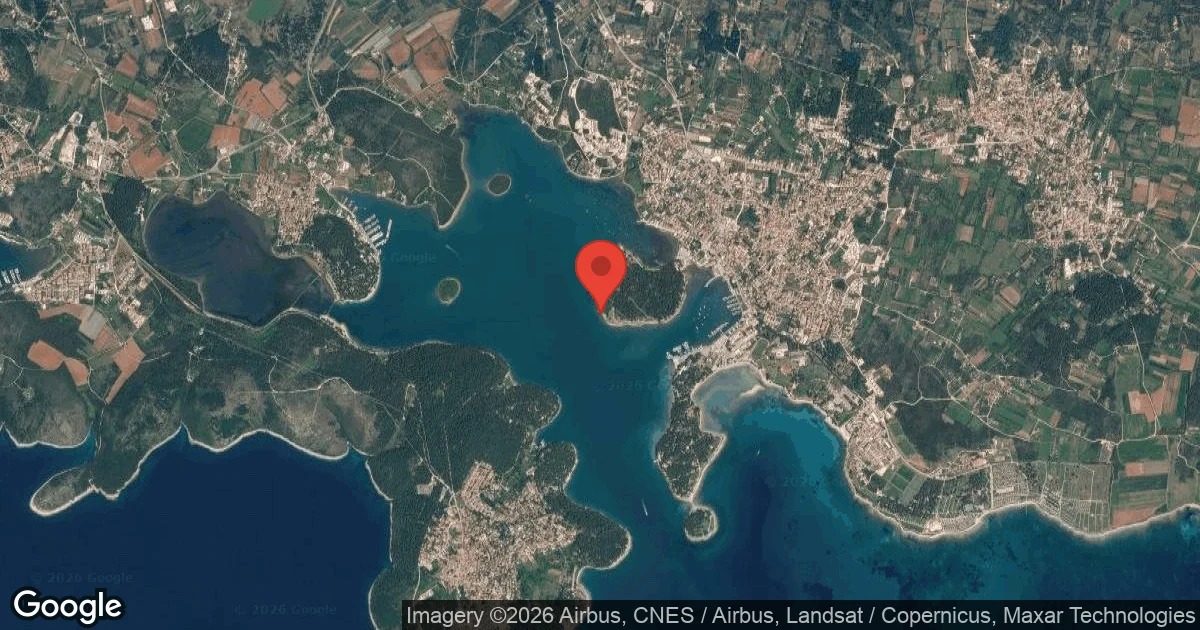
Interactive map & 360° view for Stoja Reef & Canyons. Alongside the satellite map above, switch to the “360° Shore & Entry” tab (58 m from the map pin) when planning your dive at Stoja Reef & Canyons in Croatia to preview the surrounding coastline or surface approach, check the water entry layout, and spot surface landmarks. Panorama imagery captured Jun 2024; site access and local conditions may have changed since, so always verify on arrival.
Max Depth25m / 82ft
Entry TypeBoat & Shore
Water Typesalt
Dive Types
ReefTrainingWall
Dive Site Overview
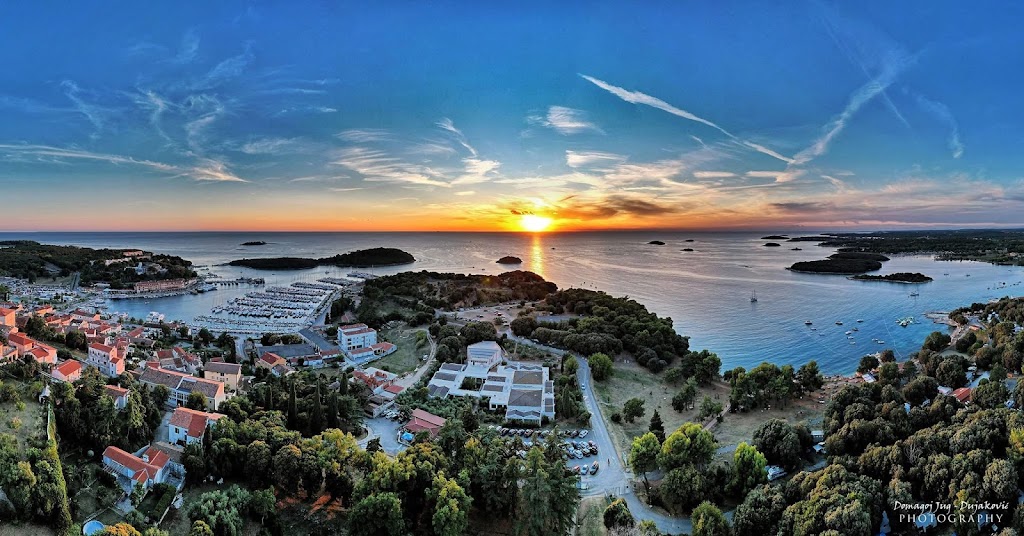
Extending seaward from the northern tip of the Stoja peninsula just three kilometers west of downtown Pula, Stoja Reef & Canyons showcases how lively Istria's coastal karst can be within minutes of shore. Long favored as a flagship house reef by local Pula operators as well as visiting boat charters, the site pairs sheltered shallow entry channels with unexpectedly steep underwater relief.
Right off the rocky cape, divers descend into a sculpted shallow canyon whose limestone walls guide the route seaward to roughly 5 meters. Passing through a pair of short, sunlit natural rock tunnels at the canyon mouth, the terrain falls away abruptly into open blue water along a rugged, cylindrical and stepped reef formation sculpted with narrow gullies, undercuts, and small pocket caves.
The main reef contour drops steeply to 15–20 meters and meets a sandy-rocky seabed at a maximum depth of 25 meters. Because every depth band from 5 to 25 meters offers dense rock structure and sheltered alcoves, instructors prize the upper canyons for skill progression while experienced macro photographers spend entire dives combing the deeper crevices.
Stoja Reef & Canyons
Conditions are Good
7/10
Confidence: 8/10
Indicates meteorological model agreement and data availability.
Best Dive Window
Optimal conditions expected
06:12
18:45
H: 10:45
L: 16:20
Air / Sea Temp
9° / 16°
Wave Height
1.1 m
Wind Speed
31 km/h ENE
Rain Chance
0%
Current conditions near Stoja Reef & Canyons show 9° air, 16° sea temperature, 1.1 m waves, and 31 km/h wind. Forecast data is refreshed regularly to ensure accuracy.
Radius: ~12km
Updated: Nov 23, 2026, 05:58 local timeMARINE: OPEN-METEOWEATHER: YR.NO
Best Time to Dive
Stoja Reef & Canyons dives cleanly from May through October, with late spring and early autumn offering crisp 15-to-20-meter visibility and peaceful shoreline access around the peninsula. Summer brings balmy 23–25°C surface water down to 15 meters, making long multi-level or dusk dives especially comfortable.
Positioned on the northern cape facing across toward Valovine and Muzil, the reef enjoys good protection from southerly and southeasterly winds. Strong westerly or northwesterly chop can create wavewash over the rocky shoreline ledges, so calm mornings provide the easiest shore entries and exits.
PEAK SEASON SCORE
91/100
ExcellentScores combine air & water temps, waves, wind & rainfall for overall conditions.
BEST MONTHS TO DIVE
JUN
JUL
AUG
DIVE SCORE GUIDE (0–100)
Excellent (90–100)
Very Good (80–89)
Good (70–79)
Moderate (50–69)
Poor (30–49)
Not Recommended (0–29)
Monthly records compiled from satellite and marine observation nodes over the last 3 years. Data provided by Open-Meteo and MET Norway.
Dive Experience & Conditions
Shore divers step in over terraced limestone rock shelves with grippy booties and drop immediately into the protected 3-to-5-meter canyon, avoiding long surface swims. Navigating through the short 5-meter tunnels into the steeper outer reef creates an immediate sense of three-dimensional flight as the irregular rock face drops away below.
Currents remain mild along the peninsula, allowing divers to weave slowly through parallel gullies and inspect overhangs at their own pace. Below 16 to 18 meters on the lower reef base, a mild thermocline cools the water by several degrees during midsummer before teams wind back up through the sunlit canyons for a scenic safety stop.
Dive Difficulty & Safety Guidelines
Take care when walking across damp coastal limestone slabs at the entry and exit points, where intertidal algae and sea urchins require thick-soled booties and unhurried footing. Keep a hand free during shore entry and inflate your buoyancy compensator at the water's edge before descending into the shallow canyon.
Small rental motorboats and coastal tours round Cape Stoja regularly between Pula Bay and Verudela. Always tow a surface marker buoy with a dive flag when shore diving, stay close to the rocky reef contour during ascent, and use gentle fin kicks when peering into narrow crevices and tunnel mouths.
Recommended Equipment
- Dive Computer
- DSMB
- Hard-soled Dive Boots
This gear list is based on verified equipment signals for Stoja Reef & Canyons, Croatia. Always confirm final gear choices with your dive operator, guide, or liveaboard.
Recommended Dive Suit
Divers visiting Stoja Reef & Canyons today can expect water conditions around 16°C (62°F). Surface air temperatures are resting at 9°C (49°F).
Many divers choose 5-7mm wetsuit when diving in similar conditions. Consider warmer surface protection (like a boat coat) due to brisk winds. Strong cold advisory: dress warmly immediately after exiting the water.
Surface conditions are expected to warm up slightly in the coming days. A warming trend is expected over the next few days.
Stoja Reef & Canyons conditions last reviewed: 05:58 local time (UTC+1), Nov 23, 2026
Emergency & Medical Support
Essential information to help you plan your dive trip to Stoja Reef & Canyons.

Hyperbaric chambers are a critical part of dive safety infrastructure. Availability varies significantly by region, and not all dive areas have immediate access.
Before diving, it's recommended to:
- confirm nearest medical facilities
- check emergency procedures with local dive operators
- ensure dive insurance covers evacuation if required
24/7 Available
Divers Alert Network
Diving emergency assistance available through DAN Europe.
+39 0642115685- 24/7 emergency hotline
- Diving medical assistance
- Evacuation coordination
Emergency contacts are provided for reference. Always verify local emergency services before diving.
Closest Listed Hyperbaric Chambers (≤ 200 km)
Approximate straight-line distances from this dive site — emergency travel times may vary.
4 km4 kmPoliklinika za baromedicinu OXY – Podružnica Pula
Pula, Croatia+385 52 215 663Details4 kmPoliklinika za baromedicinu OXY – Podružnica Pula
Pula, Croatia · Multiplace
Hours: Mon–Fri 07:30–15:30Facility: Opća bolnica PulaICU On-Site: Not reportedSource: KBC Rijeka / Poliklinika OXYOfficial website
4 km
Poliklinika za baromedicinu OXY – Podružnica Pula
Pula, Croatia+385 52 215 663Details
4 km
Poliklinika za baromedicinu OXY – Podružnica Pula
Pula, Croatia · Multiplace
Hours: Mon–Fri 07:30–15:30
Facility: Opća bolnica Pula
ICU On-Site: Not reported
Source: KBC Rijeka / Poliklinika OXY
Official website73 km73 kmZavod za podvodnu i hiperbaričnu medicinu – KBC Rijeka
Rijeka, Croatia24/7ICU+385 51 407 435Details73 kmZavod za podvodnu i hiperbaričnu medicinu – KBC Rijeka
24/7 ListedICU CapableRijeka, Croatia · Multiplace (8 seated / 2 stretcher ICU)
Hours: 24/7 EmergencyFacility: Klinički bolnički centar Rijeka (Lokalitet Sušak)ICU On-Site: YesSource: KBC Rijeka / Poliklinika OXYOfficial website
73 km
Zavod za podvodnu i hiperbaričnu medicinu – KBC Rijeka
Rijeka, Croatia24/7ICU+385 51 407 435Details
73 km
Zavod za podvodnu i hiperbaričnu medicinu – KBC Rijeka
24/7 ListedICU CapableRijeka, Croatia · Multiplace (8 seated / 2 stretcher ICU)
Hours: 24/7 Emergency
Facility: Klinički bolnički centar Rijeka (Lokalitet Sušak)
ICU On-Site: Yes
Source: KBC Rijeka / Poliklinika OXY
Official website77 km77 kmPoliklinika za baromedicinu OXY – Poslovna jedinica Crikvenica
Crikvenica, Croatia+385 51 785 229Details77 kmPoliklinika za baromedicinu OXY – Poslovna jedinica Crikvenica
Crikvenica, Croatia · Multiplace
Hours: Mon–Fri 07:30–15:30Facility: Thalassotherapia CrikvenicaICU On-Site: Not reportedSource: KBC Rijeka / Poliklinika OXYOfficial website
77 km
Poliklinika za baromedicinu OXY – Poslovna jedinica Crikvenica
Crikvenica, Croatia+385 51 785 229Details
77 km
Poliklinika za baromedicinu OXY – Poslovna jedinica Crikvenica
Crikvenica, Croatia · Multiplace
Hours: Mon–Fri 07:30–15:30
Facility: Thalassotherapia Crikvenica
ICU On-Site: Not reported
Source: KBC Rijeka / Poliklinika OXY
Official websiteChamber data is sourced from official Croatian hospital and baromedicine facility records and has not been independently verified by Dive Navigator. Always contact local emergency services, DAN, your dive operator, or the facility directly before travelling.
Reference onlyMarine Life at Stoja Reef & Canyons
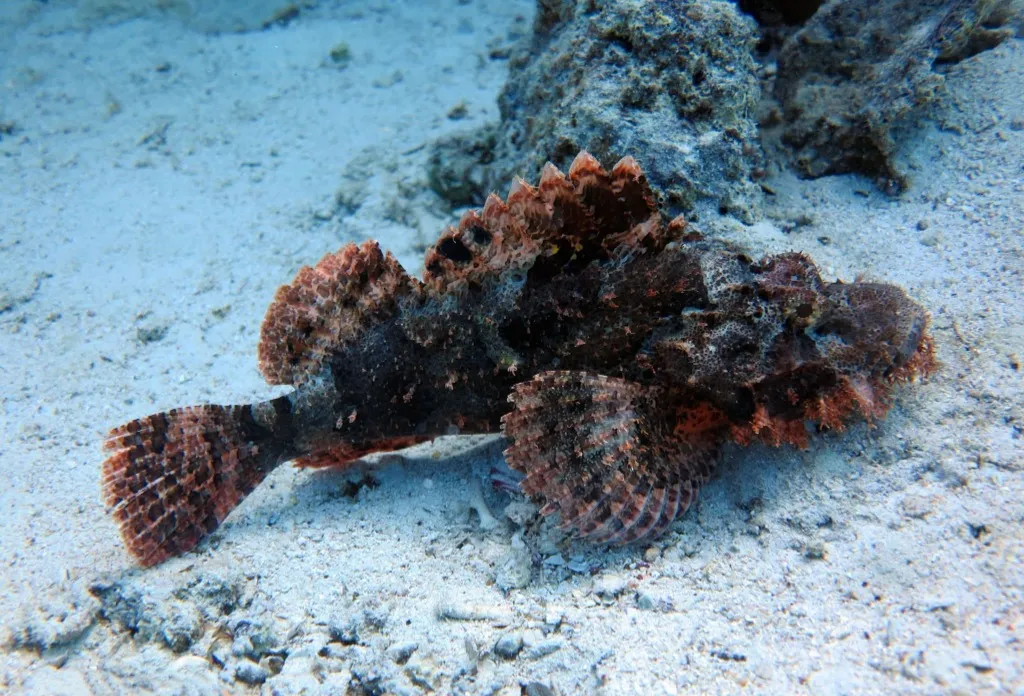
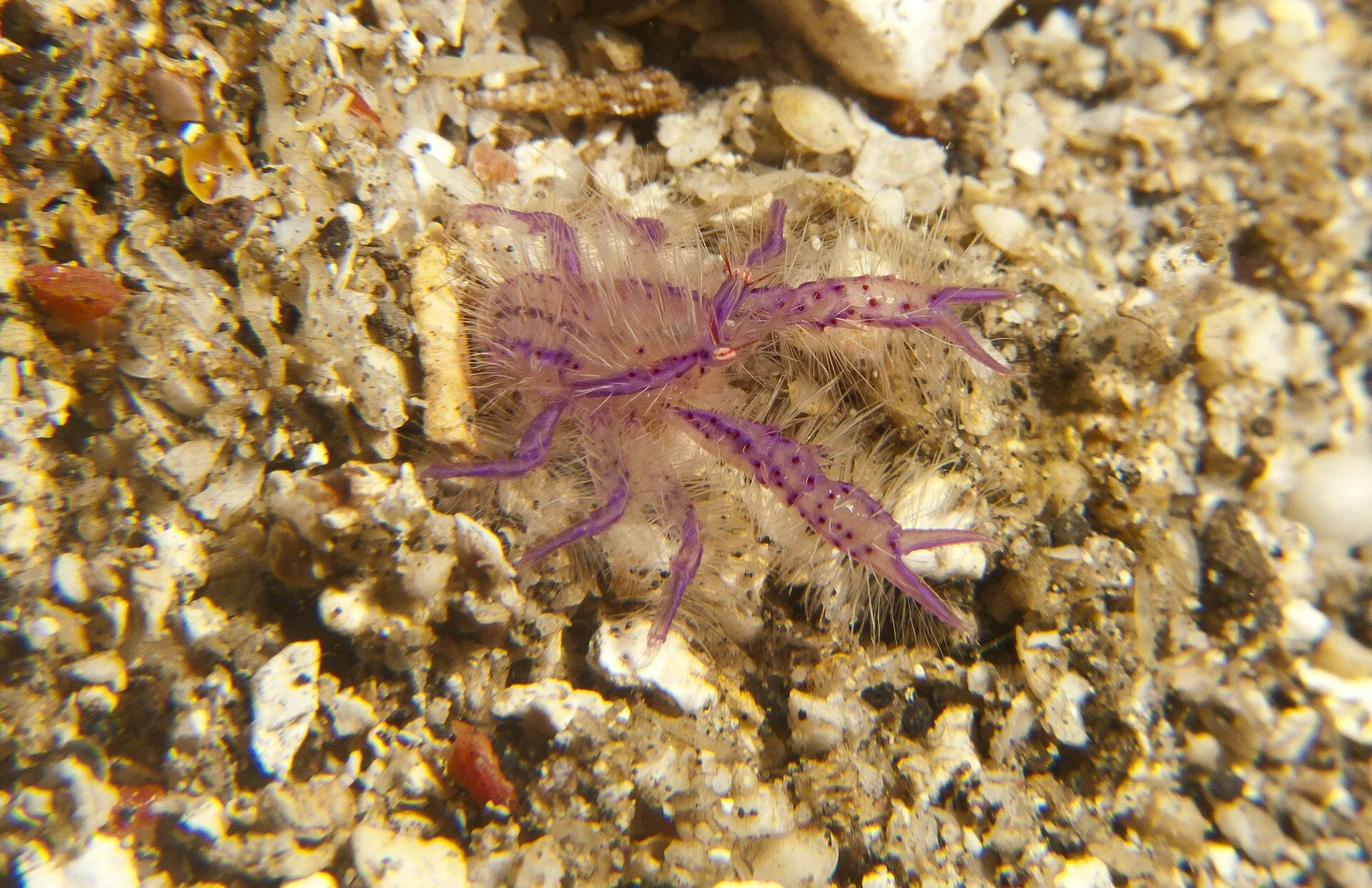
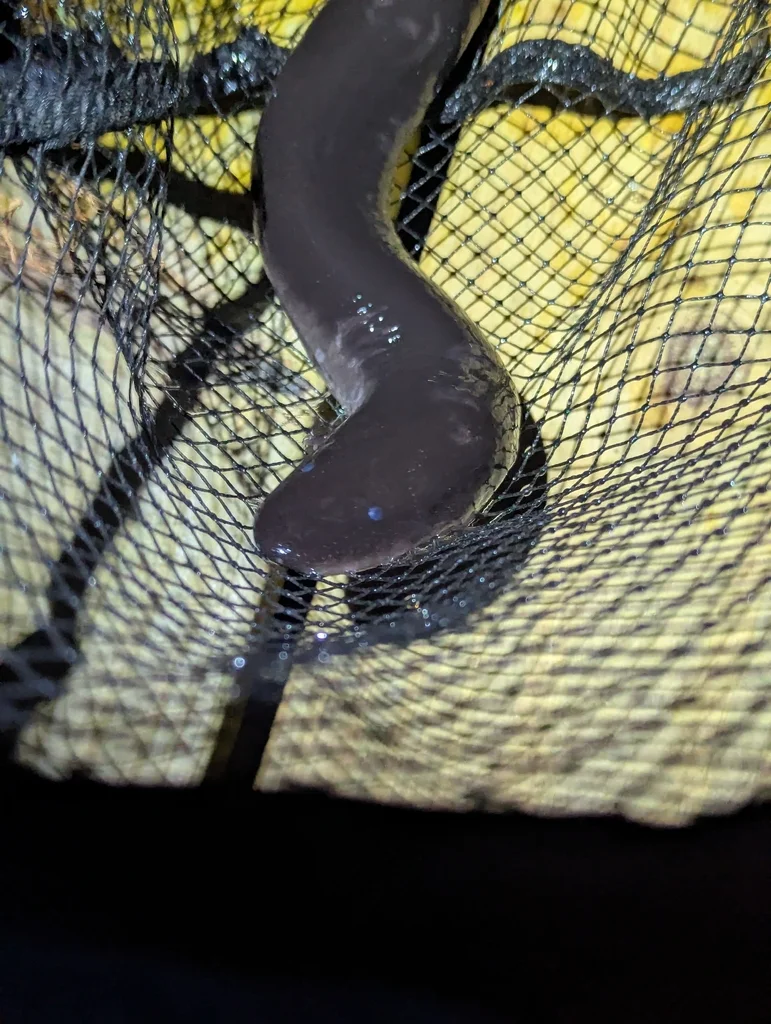
The fractured limestone canyons and shaded overhangs of Stoja Reef harbor an exceptional concentration of crustaceans and mollusks. Shining a torch into horizontal cracks between 10 and 22 meters reveals bright orange-and-violet spinous squat lobsters (Galathea strigosa), European conger eels, and camouflaged black scorpionfish perched beside encrusting sponges.
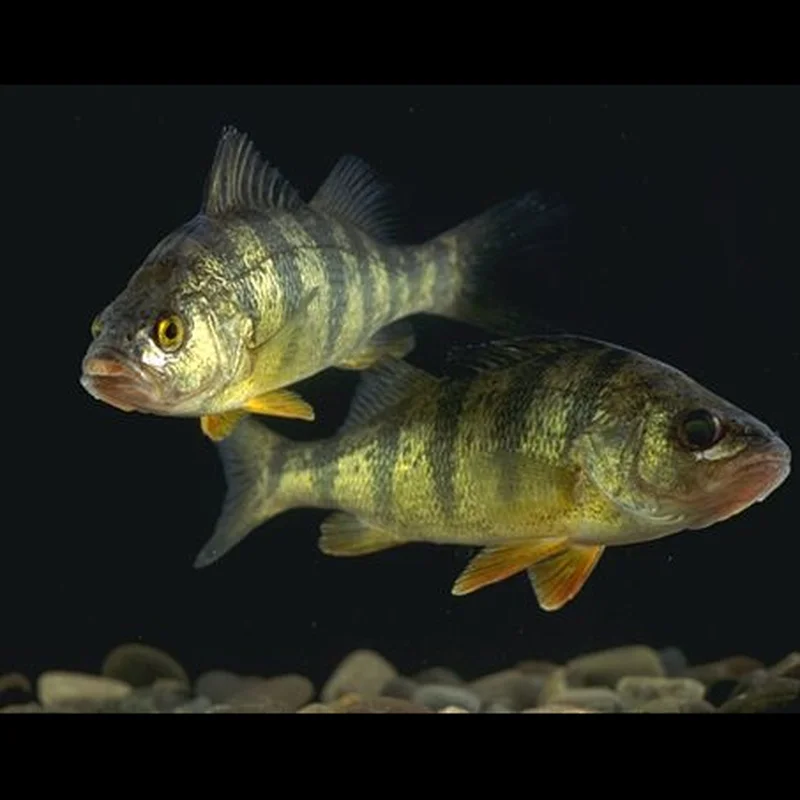
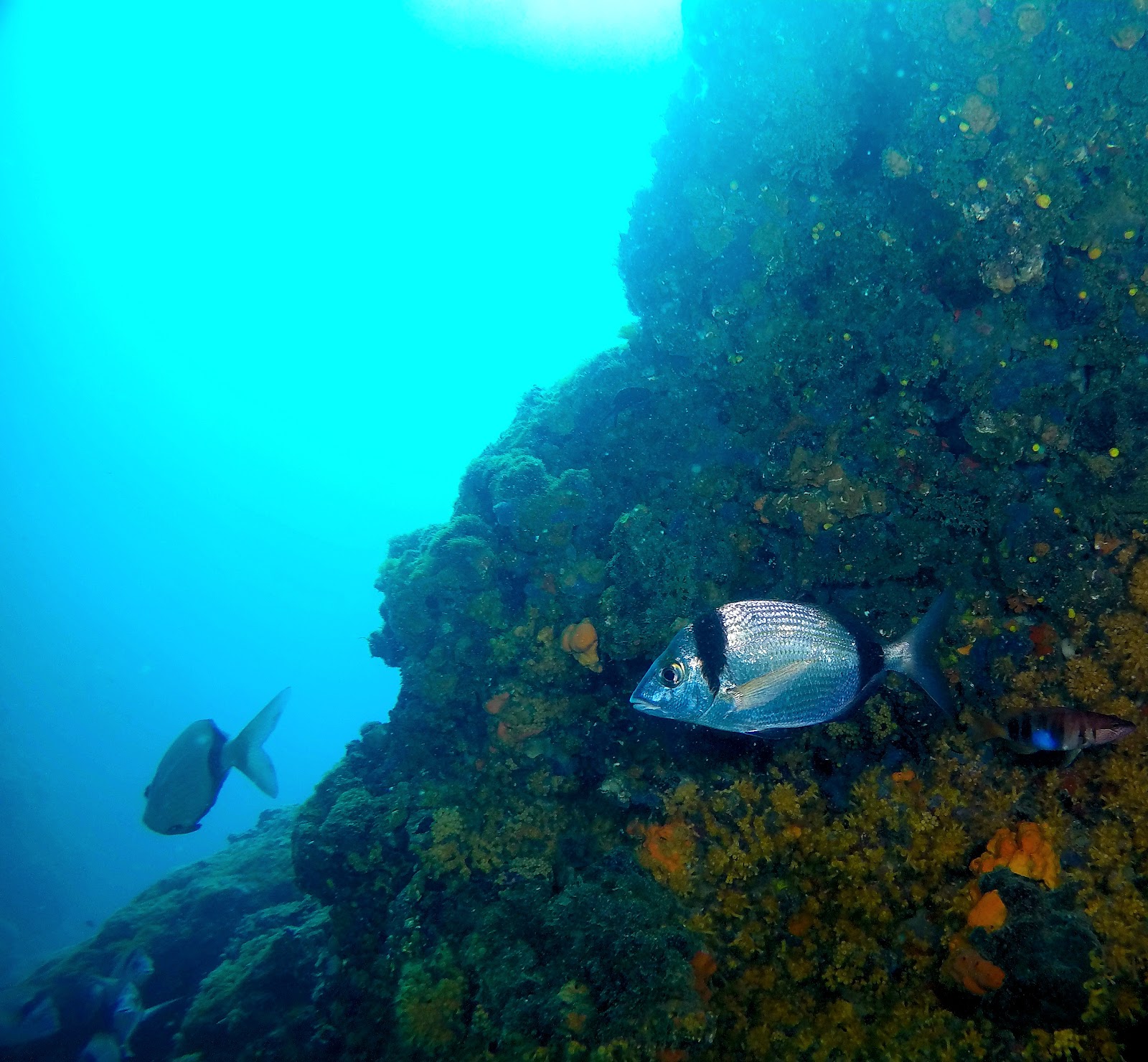
Nudibranch enthusiasts regularly spot dotted sea slugs (Peltodoris atromaculata) and purple flabellinas feeding on hydroids, while common octopuses, cuttlefish, painted combers, two-banded and white seabreams, and schools of damselfish animate the upper reef crest and 5-meter tunnel exits.

1 / 2
Image contributors:laszlo-photo, prilfish + 2 more
Want to contribute photos or local dive knowledge? Learn how to contributeDive Sites Near Stoja Reef & Canyons
View all dive sites in CroatiaDiscover more underwater gems in this area.
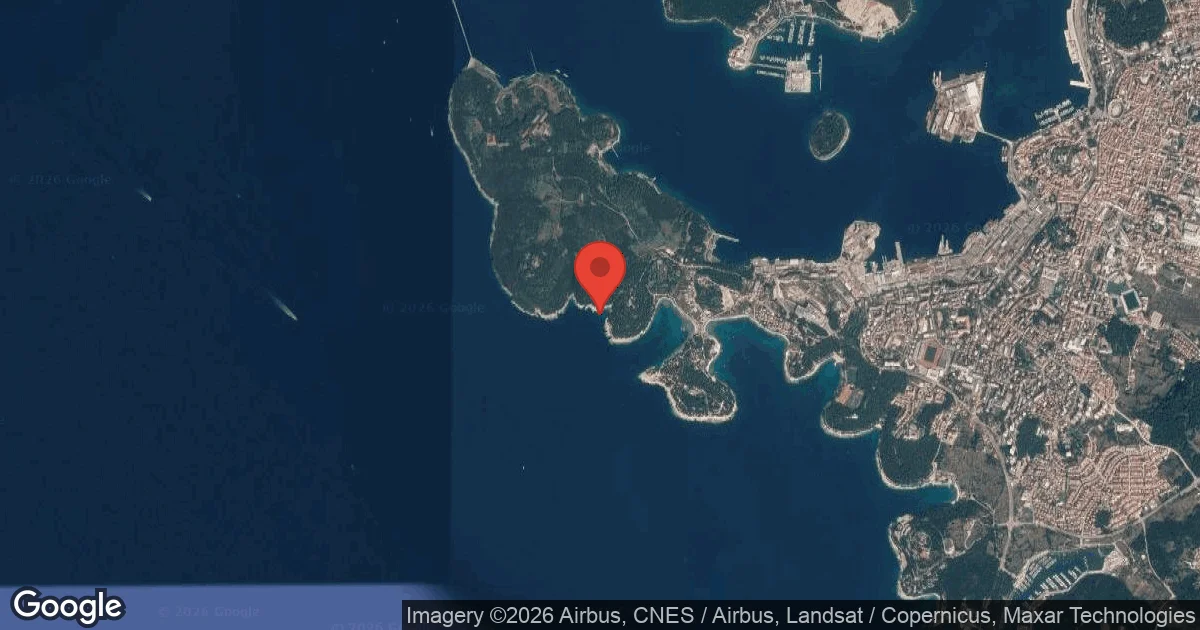
Max 20 m
0.5 km
360°beginnerSeagull Rocks & Valovine Caves
BeachBoat
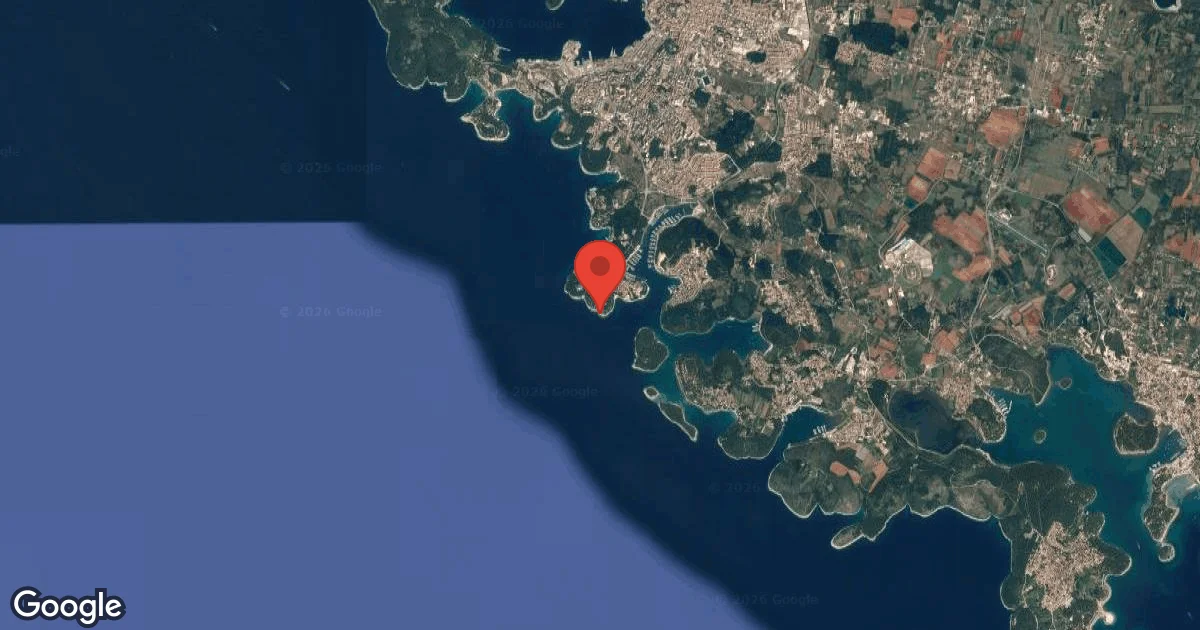
Max 35 m
3.5 km
360°beginnerVerudela Lighthouse
BoatCanyon
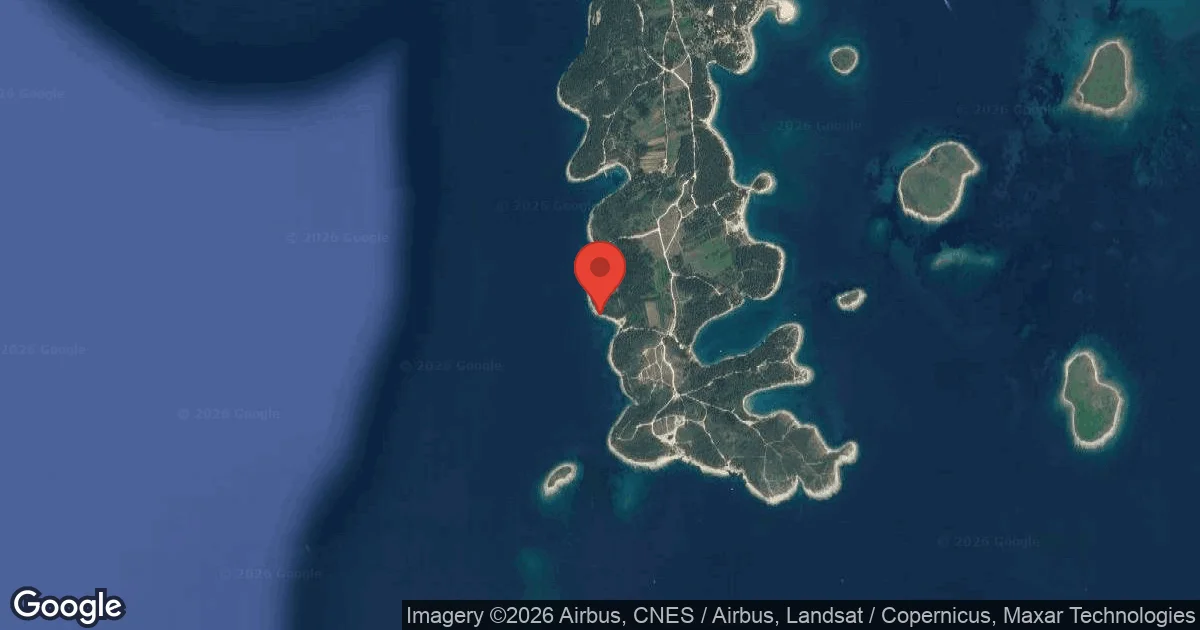
Max 20 m
11.8 km
360°beginnerNjive Cove
BeachBoat
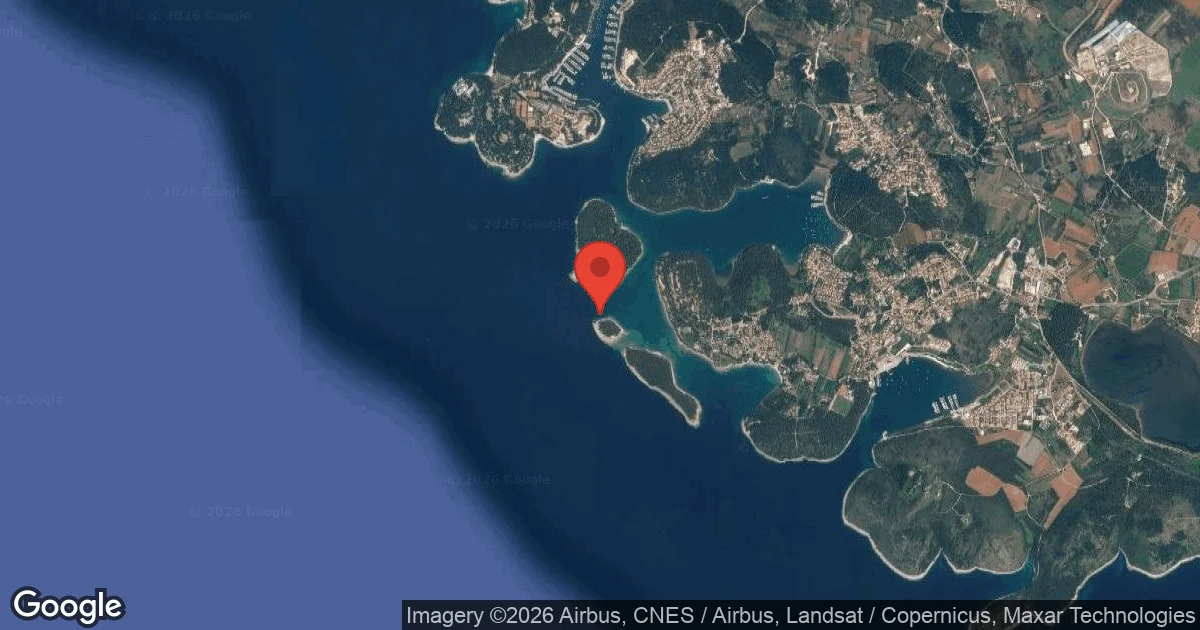
Max 35 m
4.6 km
beginnerFraškerić Island
Anchor DiveBoat
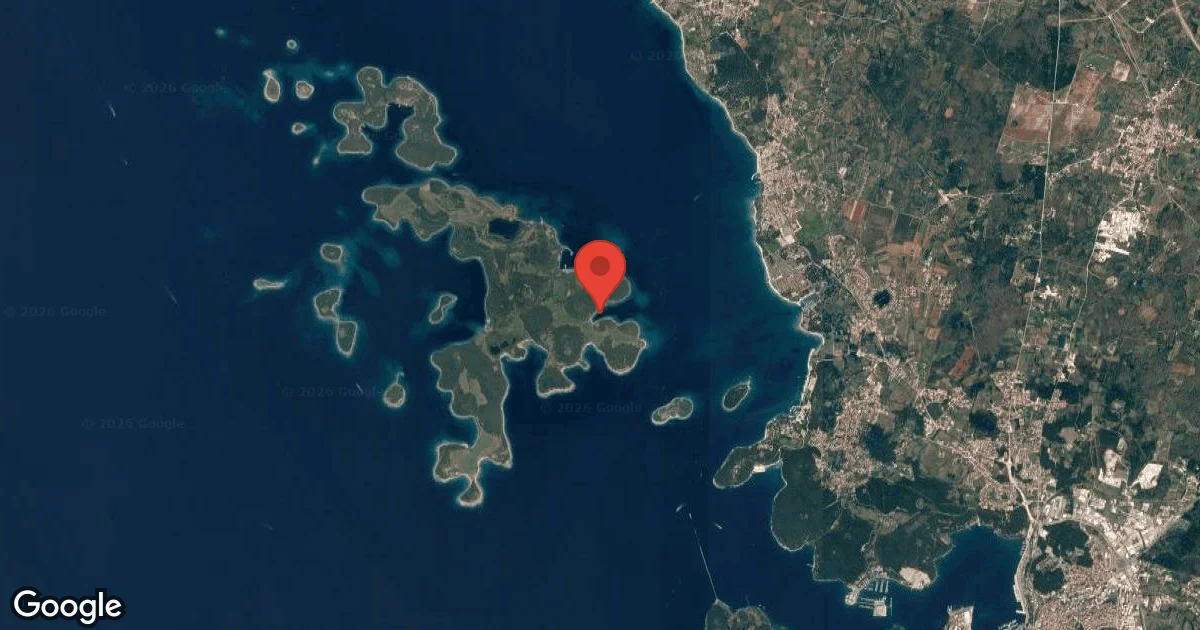
Max 6 m
6.3 km
beginnerVerige Bay Roman Villa Trail
BoatOcean
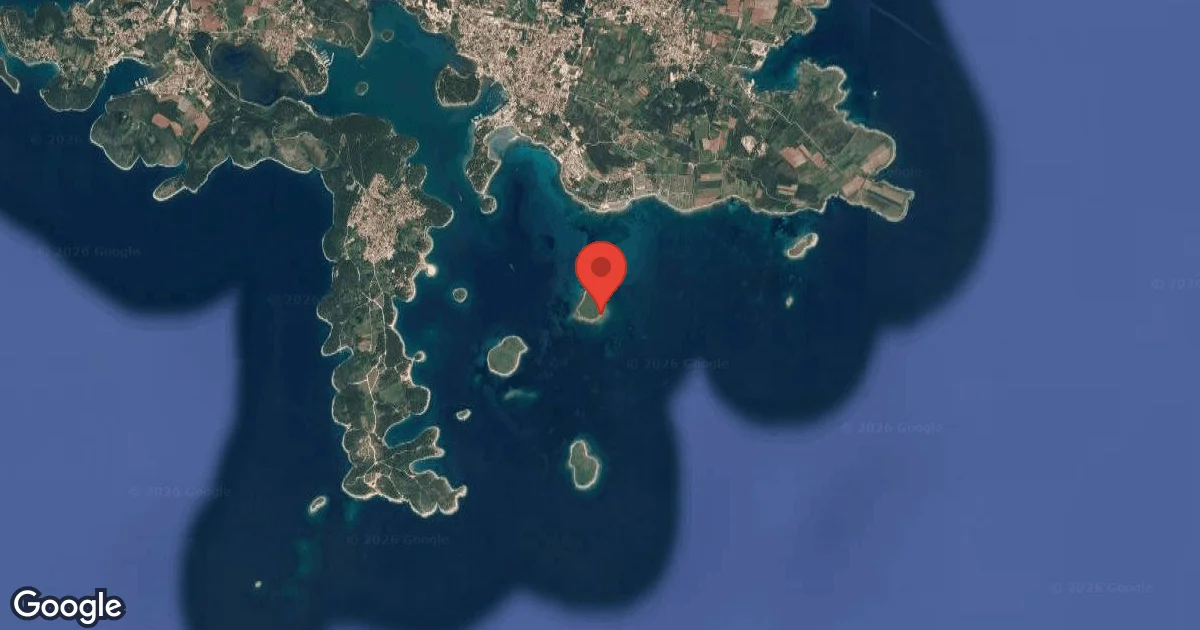
Max 20 m
13.4 km
beginnerBodulaš Island
Anchor DiveBoat
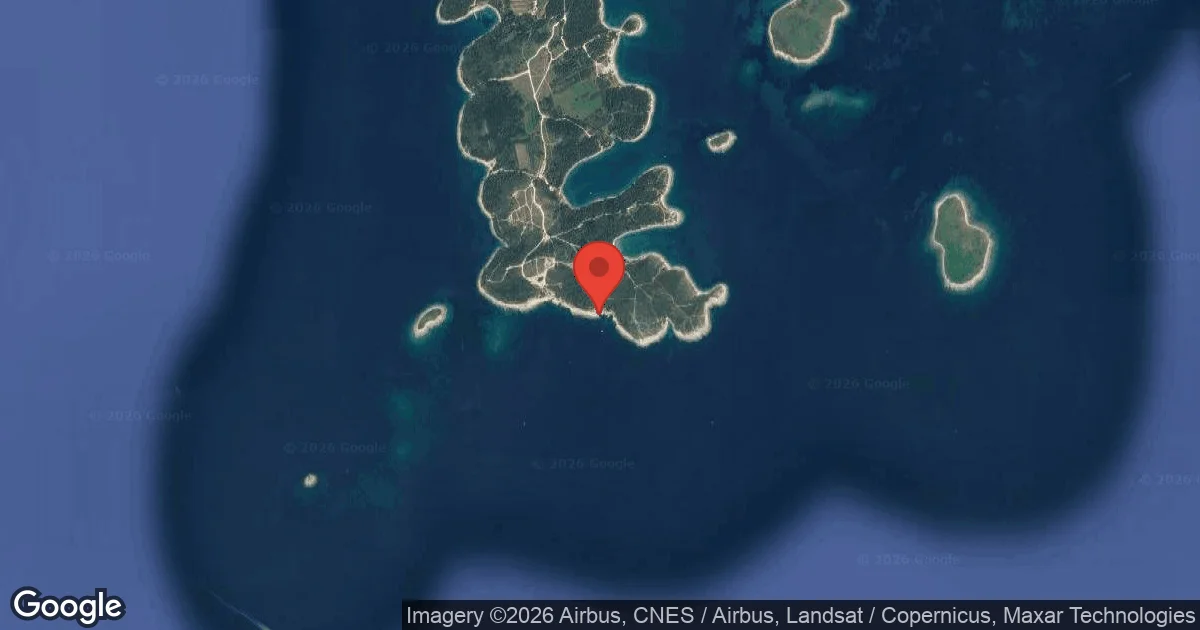
Max 18 m
13.2 km
360°beginnerVelika Kolumbarica
BoatCanyon
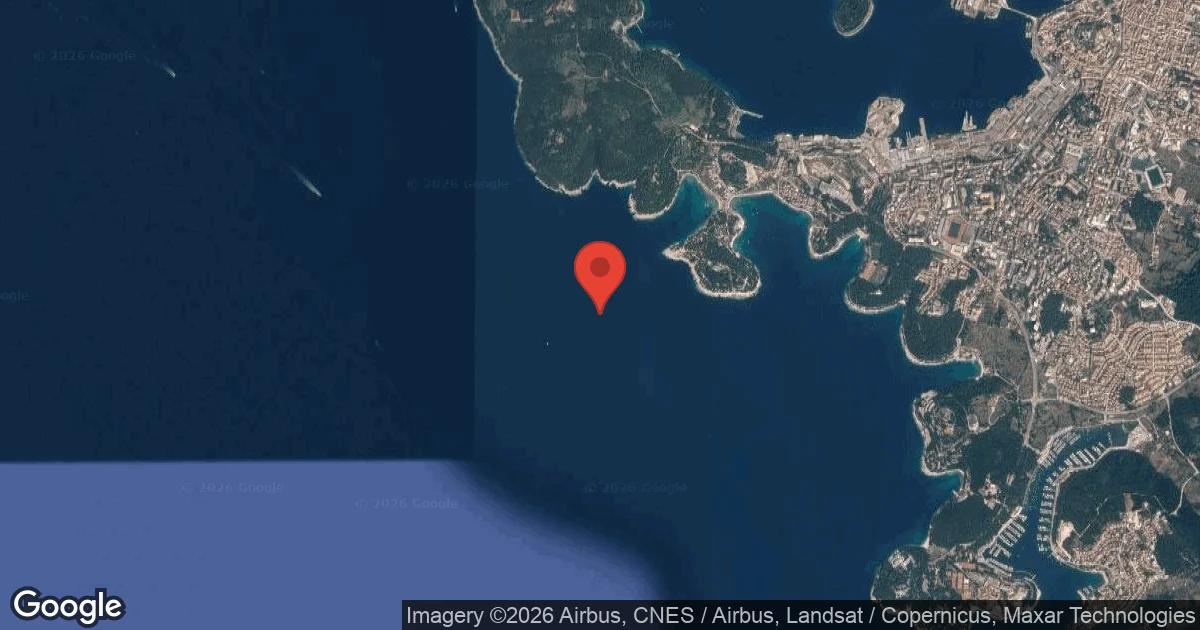
Max 42 m
1 km
advancedSubmarine Medusa
BoatDown Line
Max 20 m
0.5 km
360°beginnerSeagull Rocks & Valovine Caves
BeachBoat
Max 35 m
3.5 km
360°beginnerVerudela Lighthouse
BoatCanyon
Max 20 m
11.8 km
360°beginnerNjive Cove
BeachBoat
Max 35 m
4.6 km
beginnerFraškerić Island
Anchor DiveBoat
Max 6 m
6.3 km
beginnerVerige Bay Roman Villa Trail
BoatOcean
Max 20 m
13.4 km
beginnerBodulaš Island
Anchor DiveBoat
Max 18 m
13.2 km
360°beginnerVelika Kolumbarica
BoatCanyon
Max 42 m
1 km
advancedSubmarine Medusa
BoatDown Line
Max 8 m
10 km
360°beginnerVižula Archaeological Park
ArchaeologicalBeach
Max 16 m
12.9 km
360°beginnerDebeljak Cove
BeachBoat
1 / 2
Dive Centers Near Stoja Reef & Canyons
Working Hours
Sun09:00 - 18:00
Mon09:00 - 18:00
Tue09:00 - 18:00
Wed09:00 - 18:00
Thu09:00 - 18:00
Fri09:00 - 18:00
Sat09:00 - 18:00
Today: 09:00 - 18:00
Sun09:00 - 18:00
Mon09:00 - 18:00
Tue09:00 - 18:00
Wed09:00 - 18:00
Thu09:00 - 18:00
Fri09:00 - 18:00
Sat09:00 - 18:00
4.7| 129 reviews
3.5 km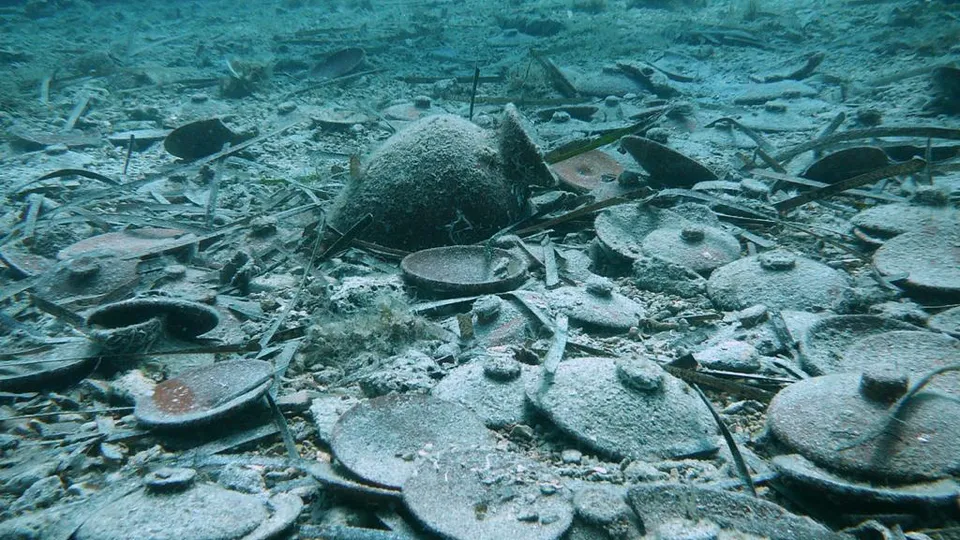
4.8| 166 reviews
10.1 km
4.6| 244 reviews
10.9 km
Girandella Diving Centre
4.8(231)• 37.5 km
Triton Diving
4.8(132)• 36.6 km
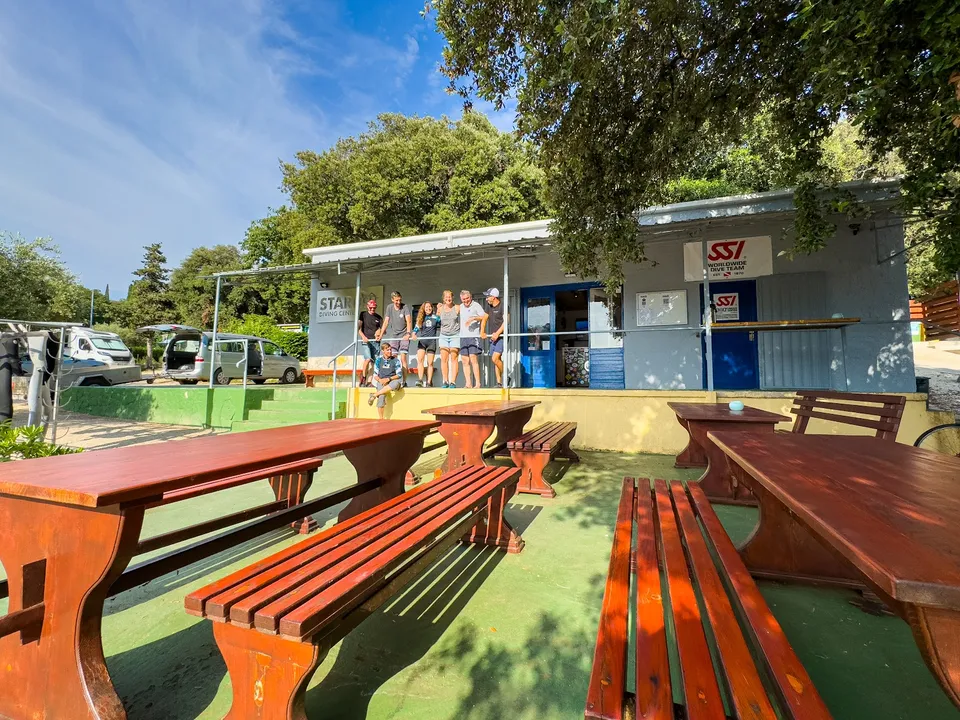
Starfish Diving Center
4.7(240)• 35.6 km
Nearest Airports
Nearest airports to help plan travel to this dive area.
Pula Airport PUY
10 km
Rijeka Airport RJK
72 km
Trieste Airport TRS
111 km
💵 Currency: EUR
Search Flights
Check available flights and routes on Expedia, using the nearby airports listed in this section.
Search Flights on ExpediaAffiliate link · Dive Navigator may earn a commission at no extra cost to you.
Frequently Asked Questions
How deep does Stoja Reef & Canyons get?
The shallow canyon and natural rock tunnels sit around 5 meters, while the steep outer limestone reef and creviced drop-off reach a maximum depth of 25 meters.
Is Stoja Reef suitable for beginner and refresher dives?
Yes. Gentle conditions, immediate access to sheltered 5-to-15-meter canyons, and straightforward contour navigation make it one of Pula's premier sites for training and refresher dives.
Can you dive Stoja Reef from both boat and shore?
Yes. Divers can enter directly from the rocky northern cape of the Stoja peninsula or arrive by boat from nearby marinas in Pula and Veruda.
Are the tunnels at 5 meters tight or dark?
No. The natural rock tunnels at the canyon exit around 5 meters are short, open swim-throughs with clear ambient daylight visible from entry to exit.
Is Stoja Reef a good site for night diving?
Yes. Calm evenings turn the shallow canyons and reef ledges into a prime night dive, bringing octopuses, cuttlefish, conger eels, and squat lobsters out into the open.
What kind of marine life photography works best here?
Macro photography excels along the deeper crevices for nudibranchs, blennies, and squat lobsters, while wide-angle lenses shine in the sunlit 5-meter canyon arches.
Trip Inquiry
Planning to dive Stoja Reef & Canyons?
Tell us your dates and diving needs. We'll review your request and seek offers from relevant local dive centers.
Request Dive Offers Free request for offers • No booking obligation
Stoja Reef & Canyons
Conditions are Good
7/10
Confidence: 8/10
Indicates meteorological model agreement and data availability.
Best Dive Window
Optimal conditions expected
06:12
18:45
H: 10:45
L: 16:20
Air / Sea Temp
9° / 16°
Wave Height
1.1 m
Wind Speed
31 km/h ENE
Rain Chance
0%
Current conditions near Stoja Reef & Canyons show 9° air, 16° sea temperature, 1.1 m waves, and 31 km/h wind. Forecast data is refreshed regularly to ensure accuracy.
Radius: ~12km
Updated: Nov 23, 2026, 05:58 local timeMARINE: OPEN-METEOWEATHER: YR.NO


