
Diving at Sutivan Roman Sarcophagi Wreck (Croatia)
An extraordinary 2nd- to 3rd-century CE Roman stone-carrier cargo frozen in two neat rows at 32 meters off Sutivan, bound from Brač's ancient quarries to imperial Salona.
Midday environmental data at Sutivan Roman Sarcophagi Wreck reports an ambient temperature of 12.5°C. Surface tracking indicates wave heights of approximately 0.4 m. This summarizes the present water and weather conditions.
Dive Site Location & Key Facts
Dive Site Overview
Lying at 32 meters on a level sandy plain off Sutivan on northwestern Brač Island, the Sutivan Roman Sarcophagi Wreck represents one of only a handful of Roman naves lapidariae (specialized heavy stone-transport vessels) documented in the Adriatic Sea. Quarried from Brač's renowned white Cretaceous rudist limestone—the same stone prized later for Diocletian's Palace—the cargo sank shortly after departing the island's northern coast en route across the Split Channel to Salona, capital of the Roman province of Dalmatia.
Discovered in 2008 and documented through underwater archaeological surveys and high-precision 3D photogrammetry, the exposed wooden hull timbers decomposed or settled beneath the sand, leaving twenty massive carved stone artifacts resting in two compact parallel rows across roughly 40 square meters. Because rough-hewing stone at the quarry reduced shipping weight while thick walls prevented cracking at sea, the chests were transported unfinished to be sculpted by master masons on the mainland.
Divers hovering above the compact cargo mound can count every element of the ancient manifest: seven rectangular sarcophagus chests measuring approximately 200 by 92 by 72 centimeters, two pitched gabled lids with corner acroteria, nine dressed architectural blocks, one perforated stone basin, and a single cylindrical column shaft.
Conditions are Moderate
High Wind Advisory (41km/h). Unsafe surface.
Current conditions near Sutivan Roman Sarcophagi Wreck show 13° air, 18° sea temperature, 1.0 m waves, and 41 km/h wind. Forecast data is refreshed regularly to ensure accuracy.
Best Time to Dive
May through October offers calm Split Channel crossings and reliable 18-to-25-meter seabed visibility over the bright sand. June and September stand out for mild winds, comfortable 21°C to 24°C upper-water temperatures for ascent stops, and crisp natural light reaching all 32 meters to illuminate the pale limestone cargo.
Northerly bura and strong northwesterly winds generate chop along Brač's exposed northern shore off Sutivan, so dives are best planned on calm mornings.
PEAK SEASON SCORE
Scores combine air & water temps, waves, wind & rainfall for overall conditions.
BEST MONTHS TO DIVE
Monthly records compiled from satellite and marine observation nodes over the last 3 years. Data provided by Open-Meteo and MET Norway.
Dive Experience & Conditions
Because the archaeological site sits isolated on open sand without a coastal reef wall to follow from shore, authorized boats position carefully and deploy a descent line to the perimeter of the stone mound. Descending through blue-water column, the geometric symmetry of twenty rectangular Roman blocks suddenly resolves out of the seabed at 30 to 32 meters like a submerged temple courtyard.
Compact site dimensions—just 40 square meters—allow divers to circumnavigate the entire cargo slowly at 30 meters in 15 to 20 minutes on enriched air, examining quarry chisel marks, lifting bosses, and gabled lid profiles without ever touching the seabed before ascending up the line for a mid-water safety stop.
Dive Difficulty & Safety Guidelines
As a registered underwater cultural monument of Croatia, strict heritage protection rules apply: diving is legal solely with licensed centers holding an active Ministry of Culture and Media permit, touching or disturbing artifacts or underlying sand strata is forbidden, and anchors or shot weights must never strike the limestone blocks.
At 32 meters on flat open sand, maintain elevated frog-kick trim to avoid silting the cargo for photographers, monitor no-decompression time carefully—enriched air nitrox 32 percent is ideal—and execute a controlled line ascent with a delayed surface marker buoy.
Recommended Equipment
Deep dive hazard. Increased narcosis and gas consumption risk.
Overhead / entanglement risk. Wreck penetration requires proper training.
- Dive Computer
- DSMB
- Primary & Backup Lights
- Wreck Reel
- Cutting Tool
This gear list is based on verified equipment signals for Sutivan Roman Sarcophagi Wreck, Croatia. Always confirm final gear choices with your dive operator, guide, or liveaboard.
Recommended Dive Suit
Divers planning deeper dives may feel cooler than those staying in shallower areas.
Many divers find that 5mm wetsuit offers a comfortable balance between warmth and mobility. A thermal robe or jacket is recommended between dives. Forecast trends indicate similar diving conditions over the next few days.
Current temperature readings suggest that the water at Sutivan Roman Sarcophagi Wreck is around 18°C (65°F). Surface air temperatures are resting at 13°C (55°F).
Due to technical issues with our weather providers, live updates are temporarily delayed. The data above reflects the conditions at the time of the last successful fetch.
Emergency & Medical Support
Essential information to help you plan your dive trip to Sutivan Roman Sarcophagi Wreck.

Hyperbaric chambers are a critical part of dive safety infrastructure. Availability varies significantly by region, and not all dive areas have immediate access.
Before diving, it's recommended to:
- confirm nearest medical facilities
- check emergency procedures with local dive operators
- ensure dive insurance covers evacuation if required
Divers Alert Network
Diving emergency assistance available through DAN Europe.
+39 0642115685- 24/7 emergency hotline
- Diving medical assistance
- Evacuation coordination
Emergency contacts are provided for reference. Always verify local emergency services before diving.
Marine Life at Sutivan Roman Sarcophagi Wreck
Surrounded by open Split Channel sand and mud-sand flats, the twenty carved Brač limestone blocks act as a concentrated benthic reef island. Bright yellow Aplysina sponges, orange encrusting sponges, ascidians, and serpulid worms coat the rough-chiseled Roman surfaces, softening ancient tool marks with Mediterranean color.
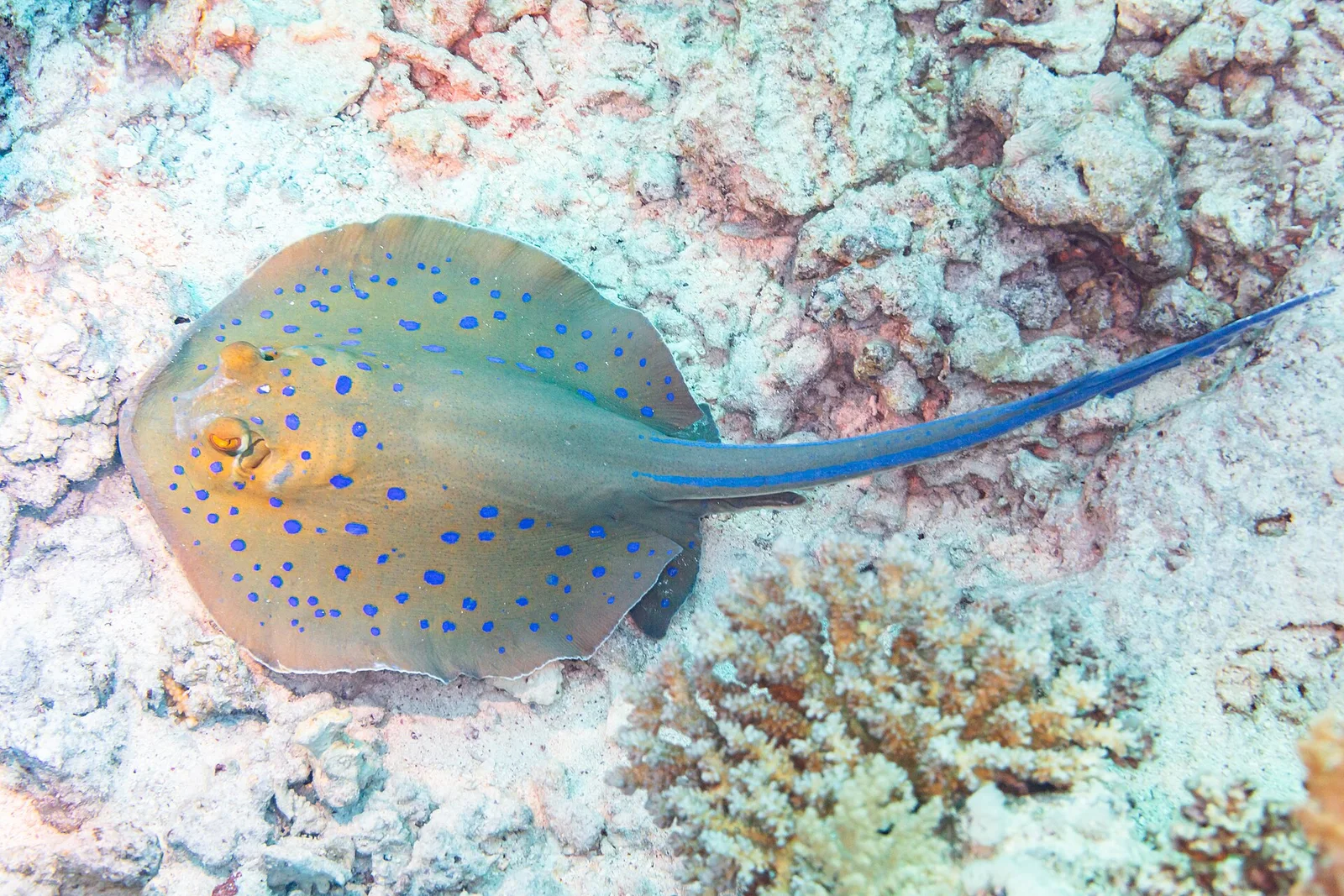
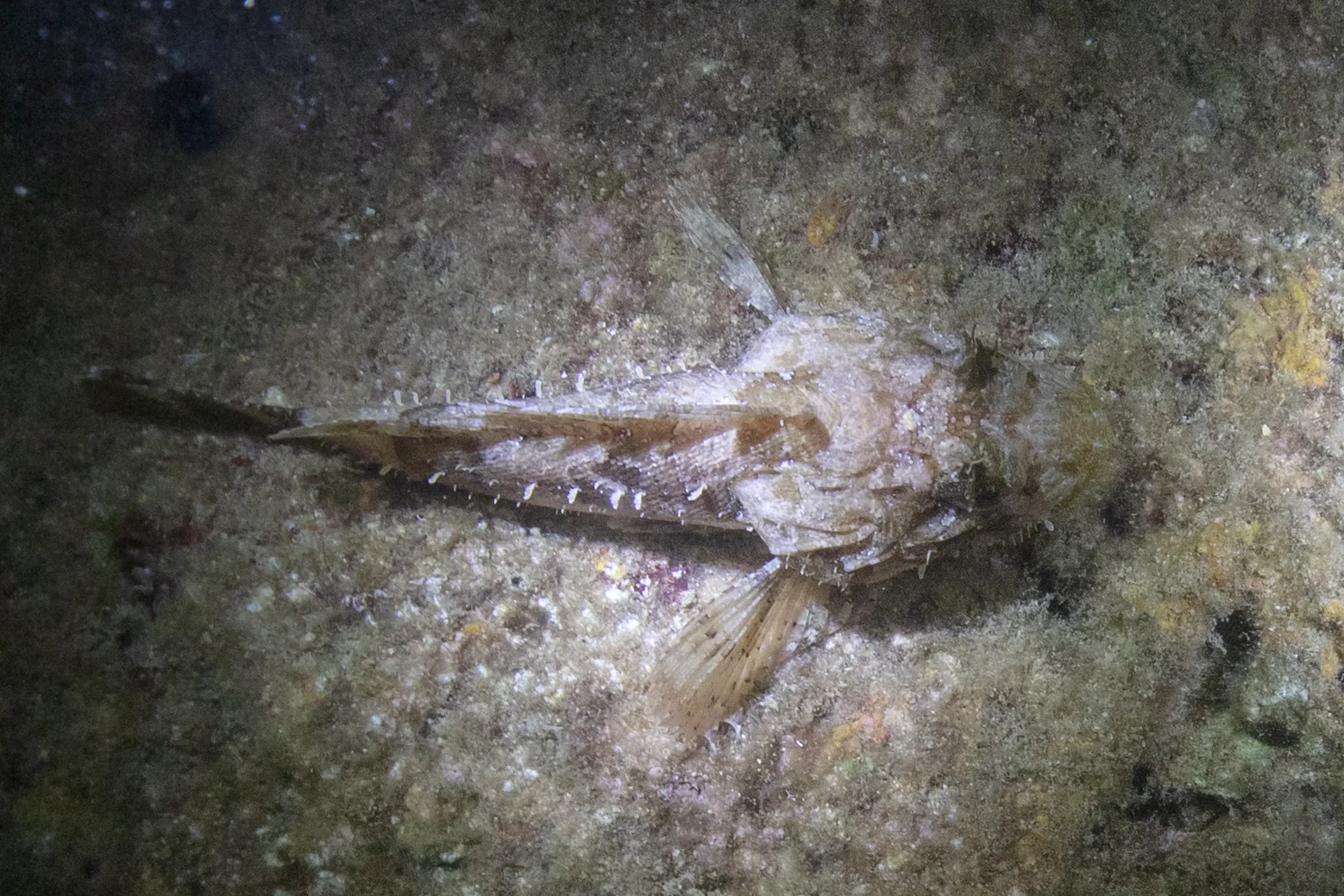
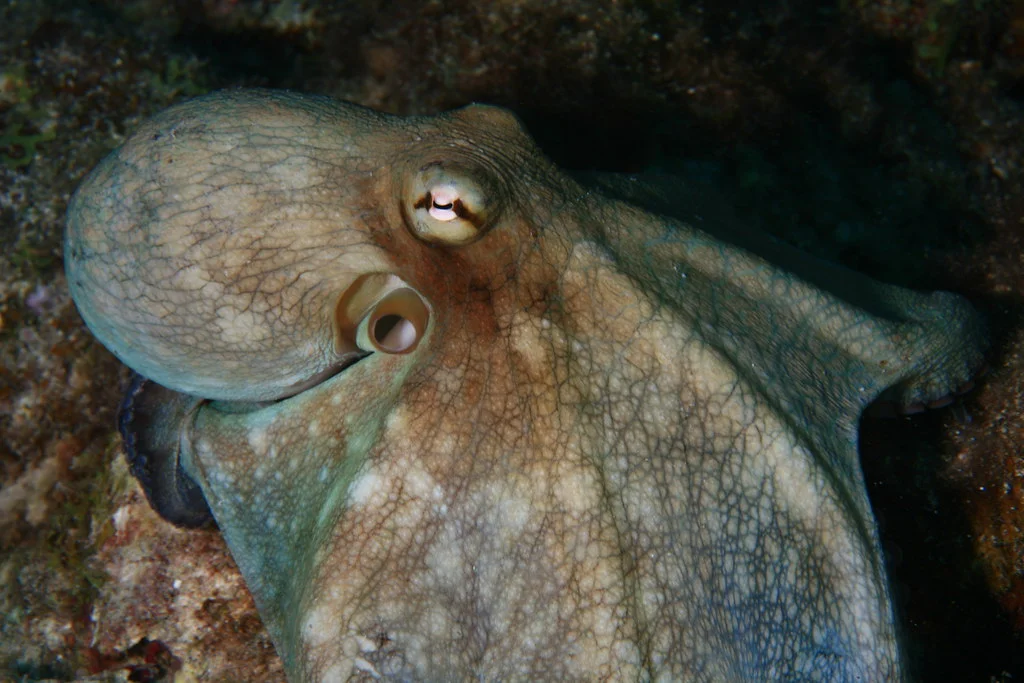
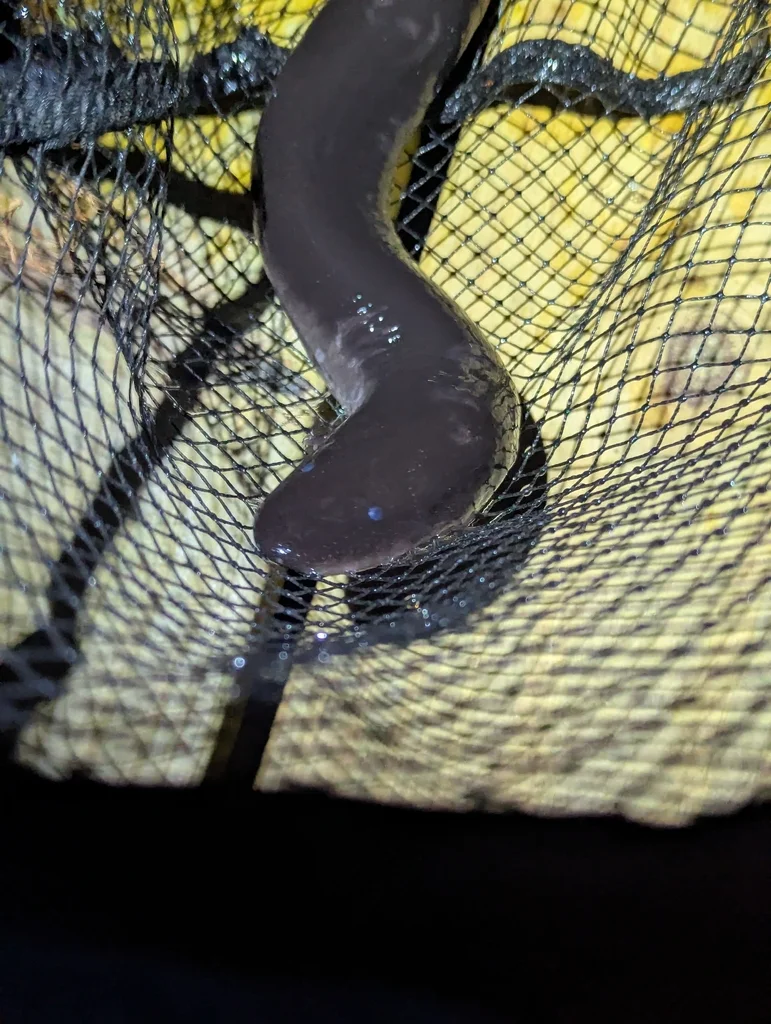
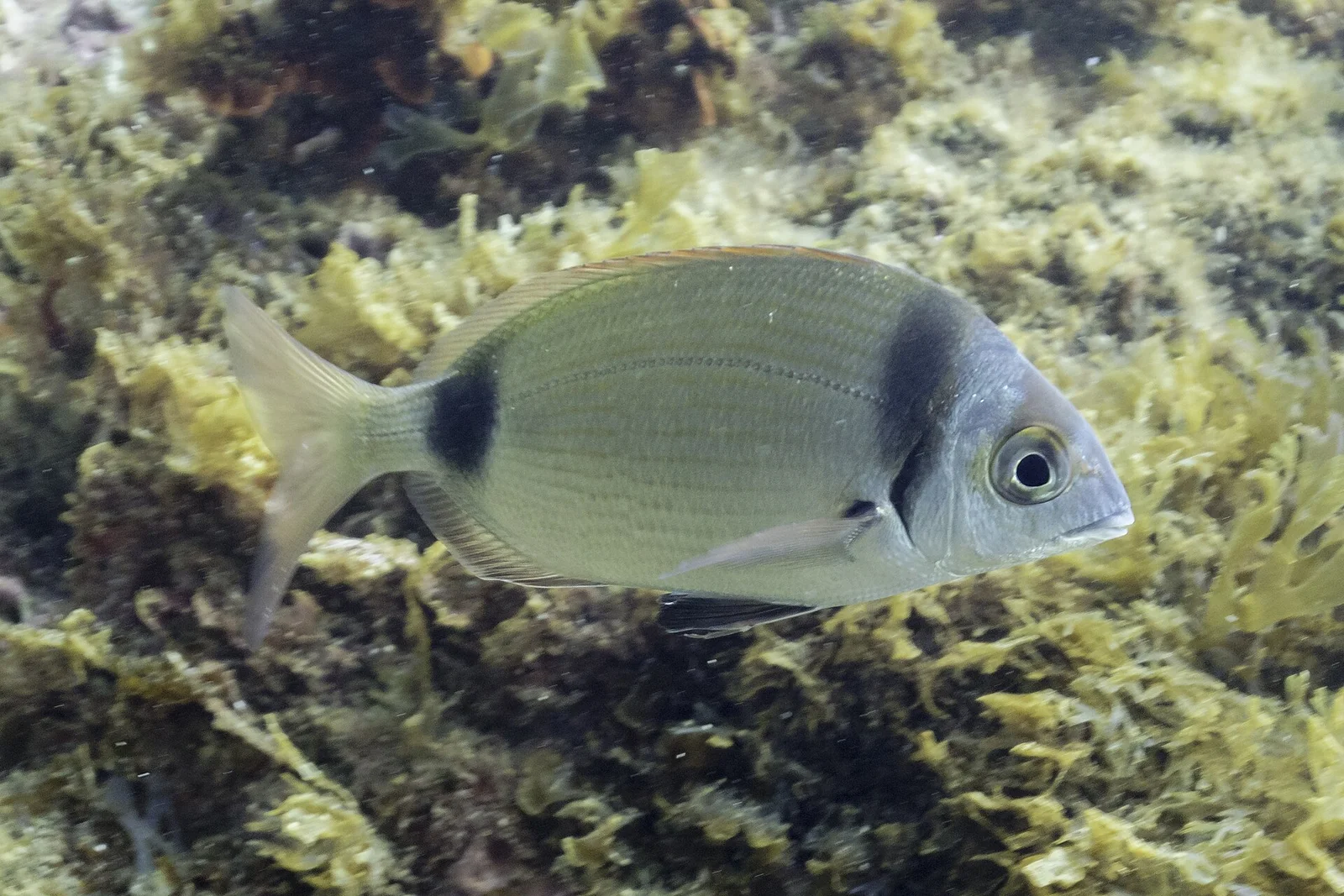
Common octopuses and European conger eels claim the narrow gaps beneath and between the sarcophagus chests and gabled lids, while red scorpionfish perch atop the stone rims. Across the surrounding sandy apron, tub gurnards, flatfish, and occasional rays forage alongside schools of two-banded sea bream.
Dive Sites Near Sutivan Roman Sarcophagi Wreck
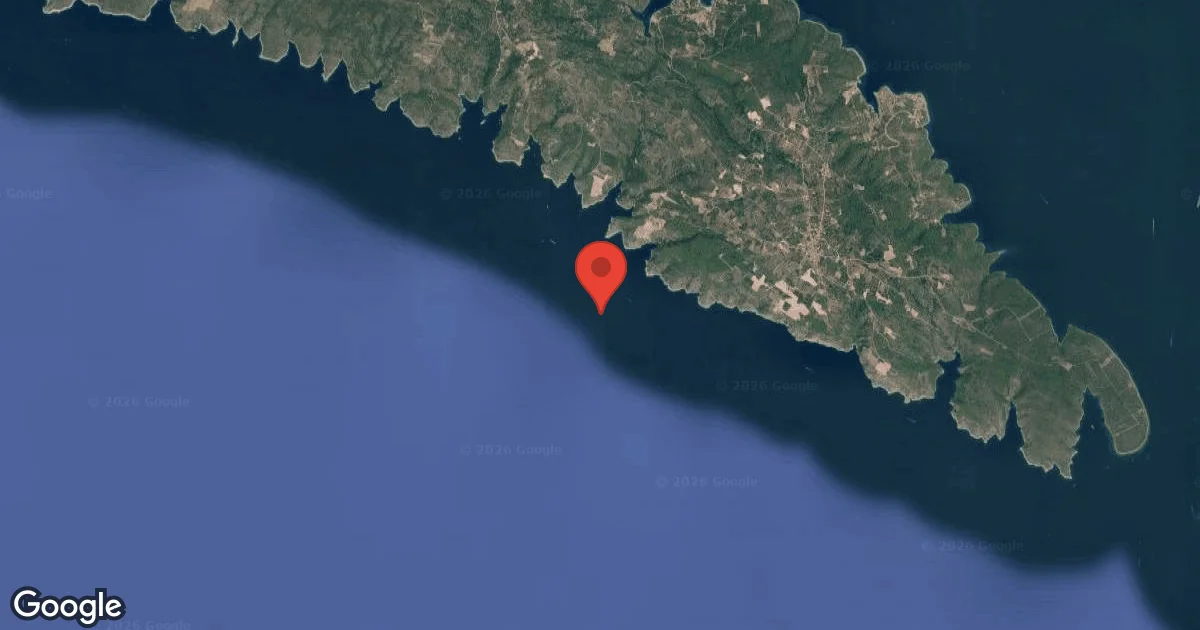
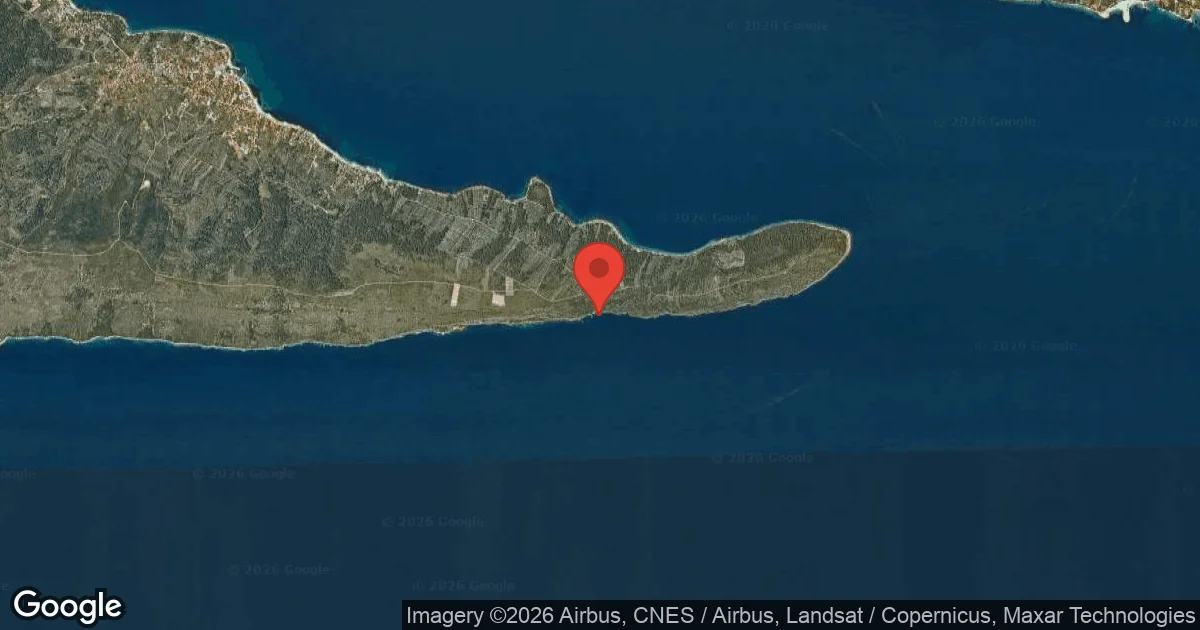
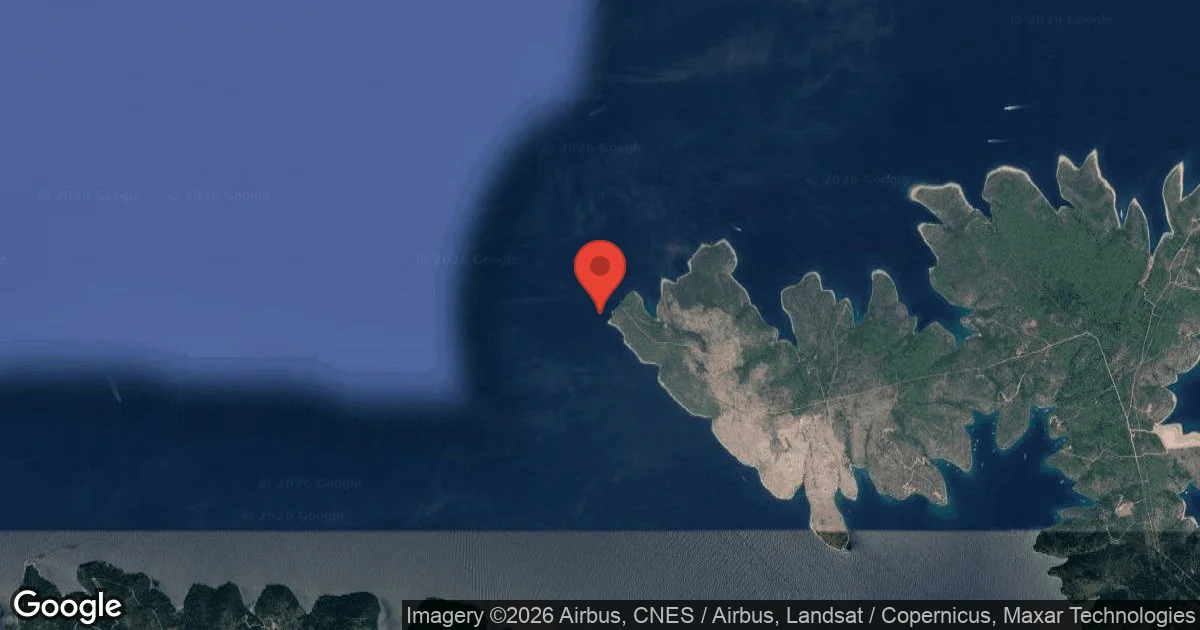
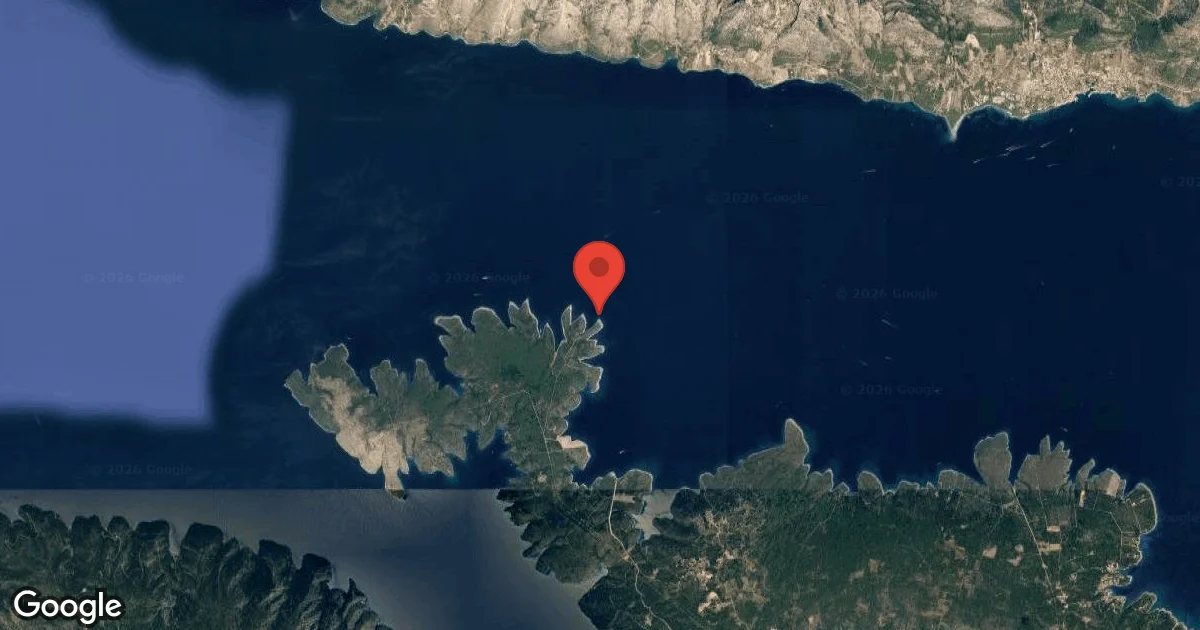
View all dive sites in CroatiaDiscover more underwater gems in this area.
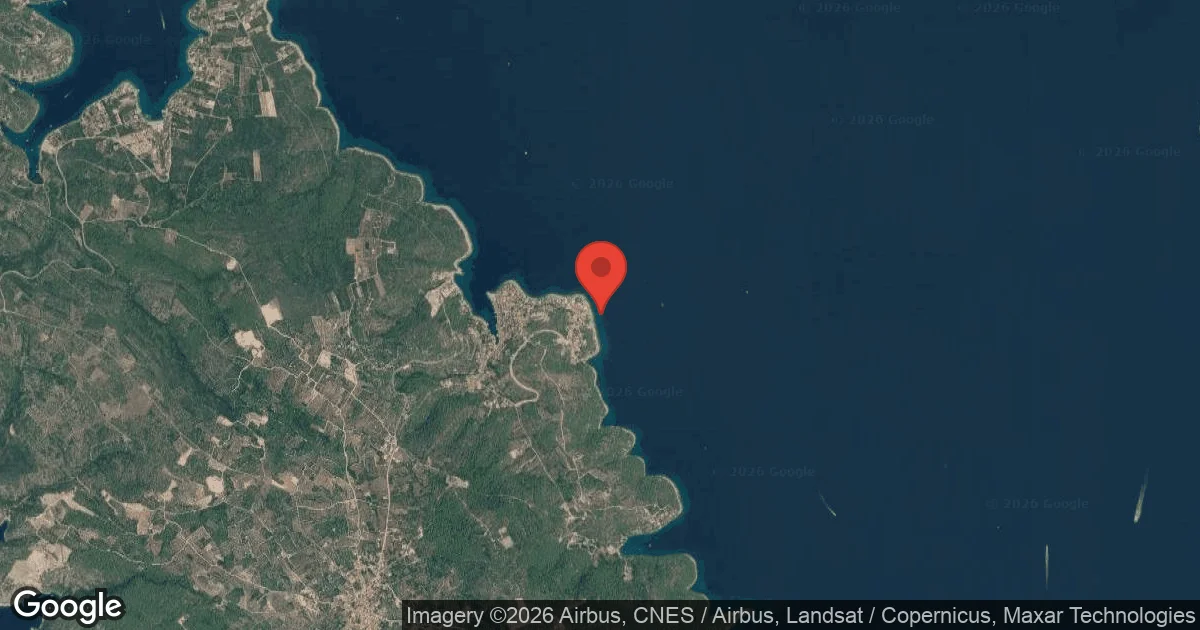
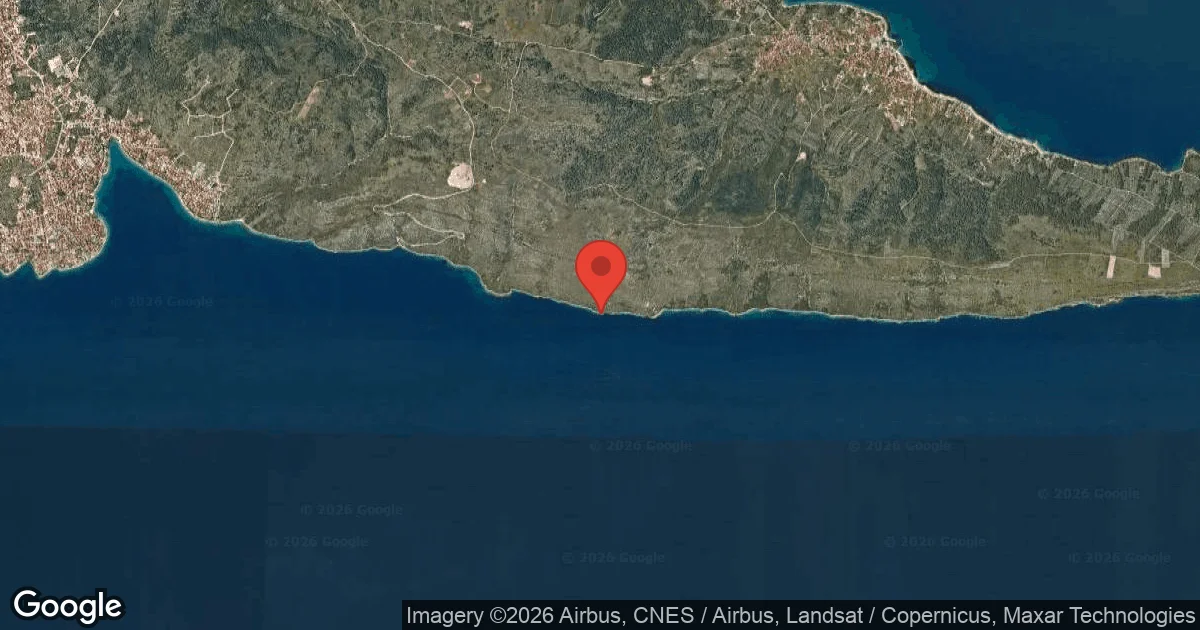
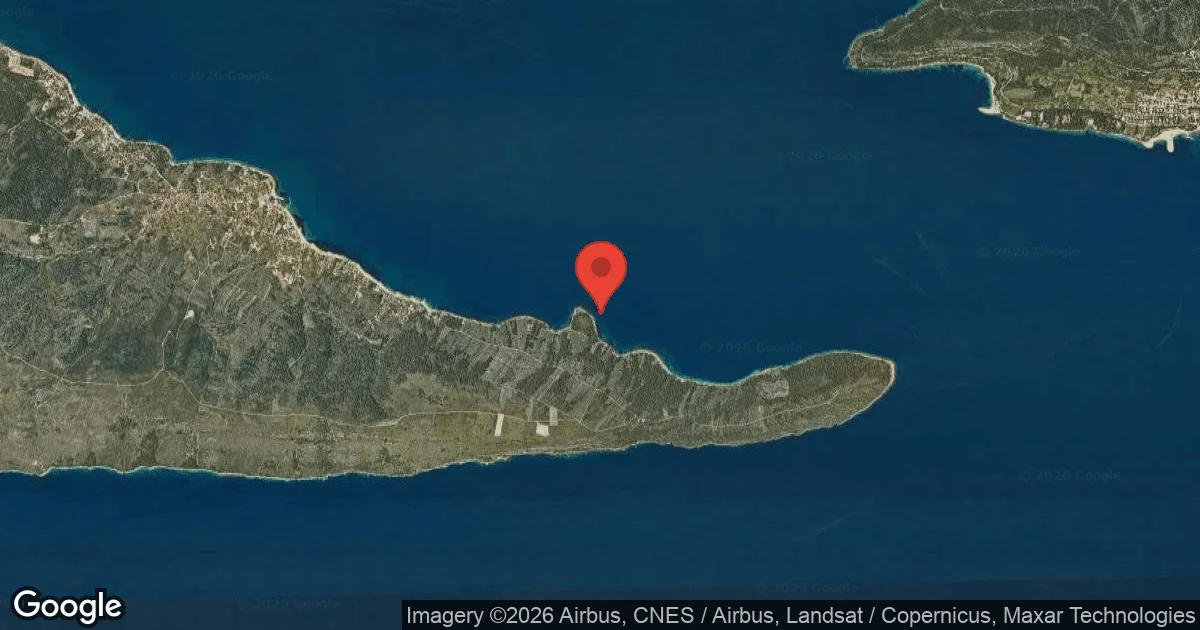
Dive Centers Near Sutivan Roman Sarcophagi Wreck
Today: 09:00 - 20:00

Things to Do Around Sutivan Roman Sarcophagi Wreck

Try Scuba Diving in Split: Small-Group Experience for Beginners

Discovery Diving Adventure and Blue Lagoon in the Adriatic Sea

Private Boat Tour to Brac and Solta islands: Non-Touristy Itinerary

Private Tour: Hvar and Pakleni 3 Islands Tour in Speedboat from Split or Trogir
Nearest Airports
Nearest airports to help plan travel to this dive area.
Search Flights
Check available flights and routes on Expedia, using the nearby airports listed in this section.
Search Flights on ExpediaAffiliate link · Dive Navigator may earn a commission at no extra cost to you.
Frequently Asked Questions
What cargo is preserved on the Sutivan Roman Sarcophagi Wreck?
Twenty carved Brač limestone objects rest in two rows across 40 square meters: seven unfinished sarcophagi (200 by 92 by 72 cm), two gabled lids, nine dressed stone blocks, one perforated stone jar, and one cylindrical column.
Why are the Roman sarcophagi on the seabed unfinished?
Roman quarries on Brač hollowed out and rough-dressed sarcophagus chests to cut transport weight while leaving thick, unadorned walls to resist breakage at sea; final relief carving was completed upon arrival in Salona.
When was the Sutivan shipwreck discovered and dated?
The wreck was discovered in 2008 at 32 meters off Sutivan and dated by underwater archaeologists to the late 2nd or 3rd century CE based on sarcophagus typology and associated ceramics.
Do divers need a special permit to visit the Sutivan sarcophagi?
Individual divers do not apply separately, but Croatian heritage law requires diving exclusively with a licensed dive center holding an official concession for the site.
Is any wooden ship structure visible above the sand?
Exposed hull timbers disintegrated over centuries on the open seabed, though archaeological strata remain preserved beneath the heavy stone cargo and surrounding sand.
Why is enriched air nitrox recommended for this dive?
Because the entire cargo rests on a flat 31-to-32-meter sandy plain with no shallower reef terrace, nitrox extends no-decompression viewing time across the twenty artifacts.
Planning to dive Sutivan Roman Sarcophagi Wreck?
Tell us your dates and diving needs. We'll review your request and seek offers from relevant local dive centers.
Request Dive OffersConditions are Moderate
High Wind Advisory (41km/h). Unsafe surface.
Current conditions near Sutivan Roman Sarcophagi Wreck show 13° air, 18° sea temperature, 1.0 m waves, and 41 km/h wind. Forecast data is refreshed regularly to ensure accuracy.