
Diving at Wreck Pajo (Croatia)
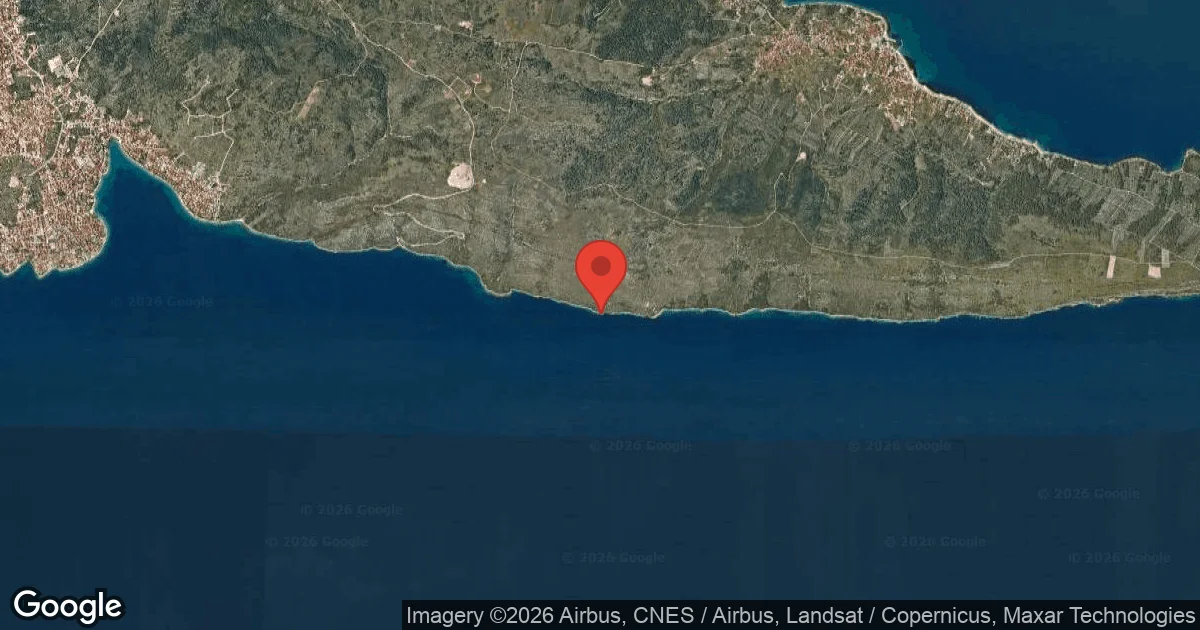
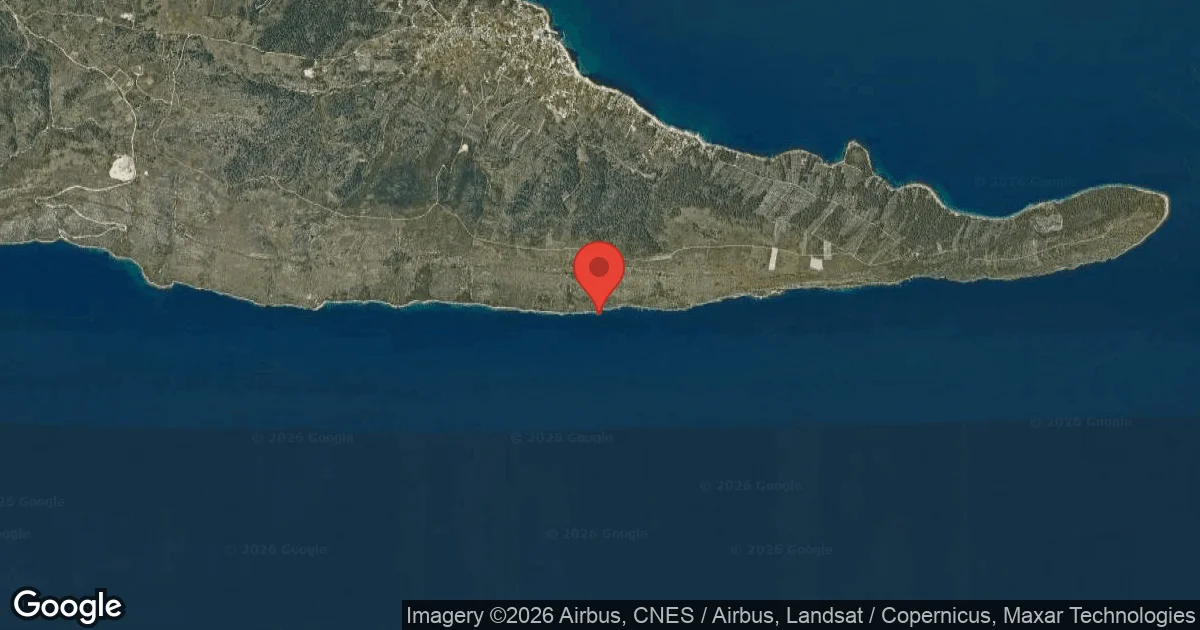
Positioned on the southern side of the Ciovo peninsula, the Wreck Pajo invites certified enthusiasts for a compelling dive. The vessel, roughly 12 m / 39 ft long and 4 m / 13 ft wide, rests perpendicular to a vibrant wall, forming a dramatic underwater tableau. Descending along the mooring line, divers find the bow around 24 meters, with the stern settling deeper, at approximately 35 meters. Adjacent to a thriving reef, it's a dual attraction.
As evening covers Wreck Pajo, the local air temperature is measured at 27°C. The current wave height at the surface is recorded at 0.1 m. These late-day readings characterize the surface conditions for the night.
Dive Site Location & Key Facts
Dive Site Overview
Exploring the Wreck Pajo offers certified divers a rich combination of structural interest and vibrant marine observation. Accessed exclusively by boat on the southern flank of the Ciovo peninsula, the site presents an engaging challenge for those with advanced certifications like AOWD, Deep Diver, or Wreck Diver.
The vessel, approximately 12 meters long and 4 meters wide, rests perpendicular to a natural, thriving wall. Divers will find the bow section around 24 meters deep, with the stern descending further, reaching depths typically between 33 and 35 meters. Such an orientation creates a dynamic visual field; one moment focusing on the ship's hull, the next sweeping across diverse life clinging to the adjacent rock face.
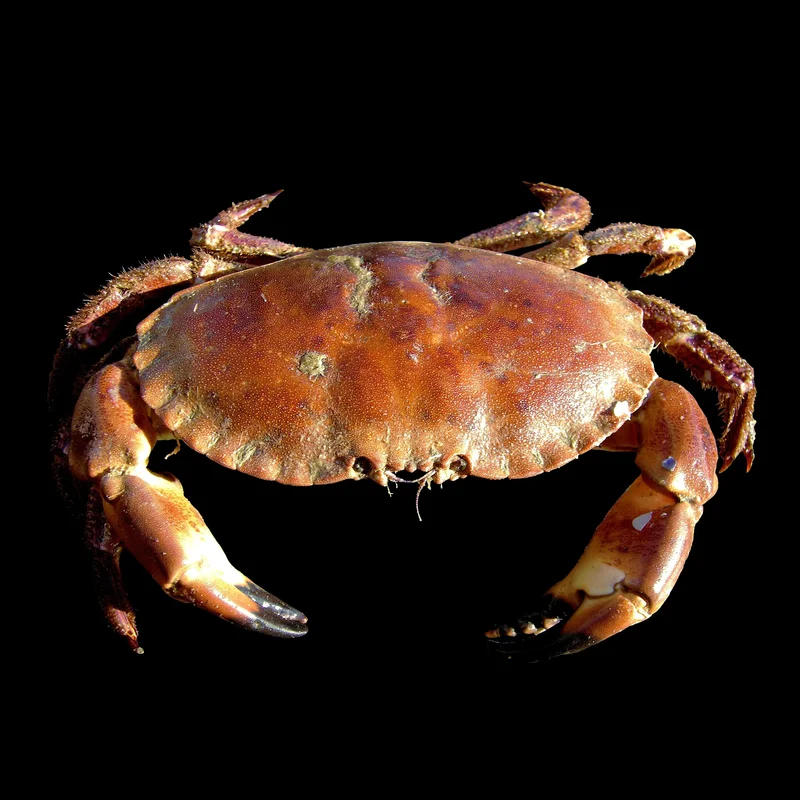
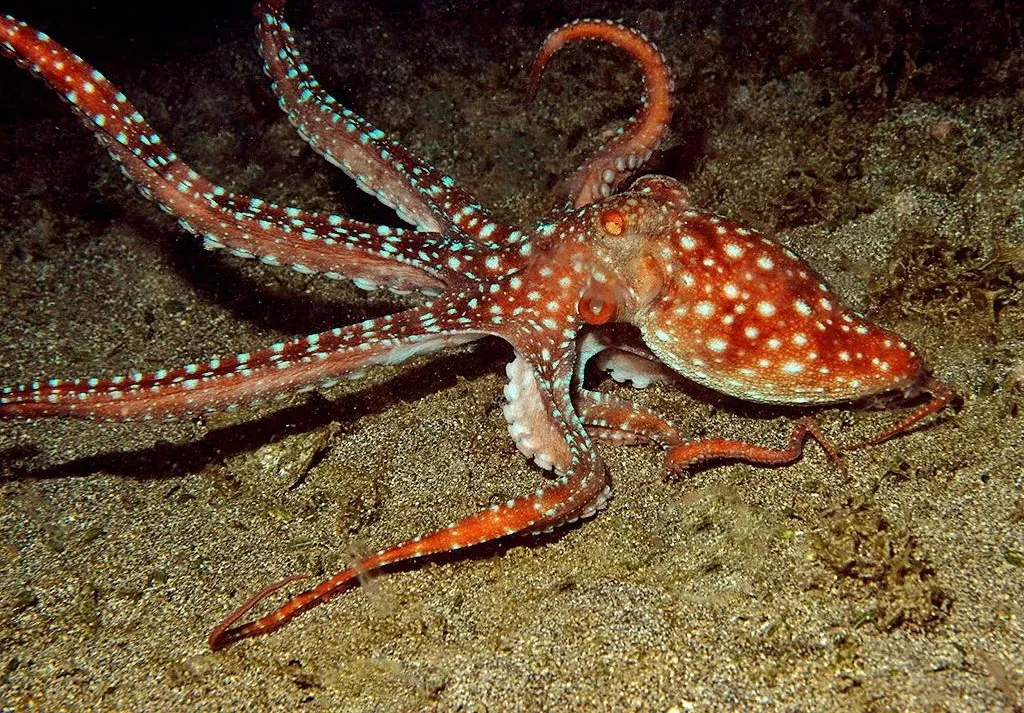
Pajo serves as an artificial reef, attracting various fish, crabs, and octopuses which often find shelter within its structure. A surrounding wall enhances the experience with a profusion of sponges and other invertebrates, transforming the dive into a continuous visual journey between man-made relic and natural ecosystem.
Its position offers multiple exploration paths, whether circumnavigating the wreck's exterior or pausing to inspect the vertical reef. Divers report consistent opportunities for photography, capturing the interplay of light, shadow, and marine biodiversity. It's a rewarding dive for those prepared for its moderate depths and varied topography.
Conditions are Good
07:00 - 14:00
Optimal conditions expected
Current conditions near Wreck Pajo show 27° air, 26° sea temperature, 0.2 m waves, and 17 km/h wind. Forecast data is refreshed regularly to ensure accuracy.
Best Time to Dive
Planning a dive to the Wreck Pajo primarily aligns with Croatia's high season for dive operators, typically running from May to September. During these months, conditions are often optimal. Air temperatures range from 18.5°C / 65°F in May, peaking around 27°C / 81°F in July, with minimal rainfall, often less than 5 mm. Water temperatures during summer can reach approximately 24°C (75°F). While 'excellent' dive scores persist from February through September, June to September generally offers the warmest conditions and lowest chance of rain. Even outside of peak season, April and October still maintain good dive scores; air temperatures hover around 14°C (58°F) and 18°C (64°F) respectively, though water will be cooler.
PEAK SEASON SCORE
Scores combine air & water temps, waves, wind & rainfall for overall conditions.
BEST MONTHS TO DIVE
Monthly records compiled from satellite and marine observation nodes over the last 3 years. Data provided by Open-Meteo and MET Norway.
Dive Experience & Conditions
Submerging at the Wreck Pajo, divers typically encounter minimal currents and exceptional water clarity, a hallmark of the Croatian Adriatic. Such good visibility allows for a full appreciation of the wreck's structure and the details of the adjacent, vibrant wall. Exploring Pajo, divers can navigate around its roughly 12-meter length, observing how the vessel lies perpendicular to the natural rock face. A transition from the wreck's artificial reef to the lively wall offers a dynamic visual experience. Marine life is observable both directly on the ship and within the crevices and growths of the cliff, creating a continuous sensory journey.
Dive Difficulty & Safety Guidelines
Ensuring a safe dive at the Pajo wreck requires adherence to specific guidelines and certifications. Divers should possess at least an Advanced Open Water Diver (AOWD) certification. Deep Diver or Wreck Diver specialties are highly recommended due to the site's operational depth, typically ranging from 22 to 35 meters / 72 to 115 feet.
Always respect personal depth and no-decompression limits, carefully monitoring air consumption. Given that access is boat-only, follow your dive center's specific safety briefings for entries and exits.
While Croatian dive centers generally offer rental gear, it's wise to plan ahead and bring essential spares, as buying or servicing specialized equipment can be challenging locally.
Recommended Equipment
Deep dive hazard. Increased narcosis and gas consumption risk.
Overhead / entanglement risk. Wreck penetration requires proper training.
- Dive Computer
- DSMB
- Primary & Backup Lights
- Wreck Reel
- Cutting Tool
This gear list is based on verified equipment signals for Wreck Pajo, Croatia. Always confirm final gear choices with your dive operator, guide, or liveaboard.
Recommended Dive Suit
Divers planning deeper dives may feel cooler than those staying in shallower areas.
Many divers find that 2-3mm shorty or light wetsuit offers a comfortable balance between warmth and mobility. Conditions in the coming days are expected to stay within a similar temperature range.
Divers heading to Wreck Pajo today should expect water temperatures around 26°C (79°F). Surface air temperatures are resting at 27°C (80°F).
Emergency & Medical Support
Essential information to help you plan your dive trip to Wreck Pajo.

Hyperbaric chambers are a critical part of dive safety infrastructure. Availability varies significantly by region, and not all dive areas have immediate access.
Before diving, it's recommended to:
- confirm nearest medical facilities
- check emergency procedures with local dive operators
- ensure dive insurance covers evacuation if required
Divers Alert Network
Diving emergency assistance available through DAN Europe.
+39 0642115685- 24/7 emergency hotline
- Diving medical assistance
- Evacuation coordination
Emergency contacts are provided for reference. Always verify local emergency services before diving.
Marine Life at Wreck Pajo
Visiting the Wreck Pajo reveals a delightful array of marine inhabitants, flourishing both on the wreck and along the adjacent wall. The site hosts resident populations of fish, crabs, and octopuses, often found camouflaged among the structure or nestled in crevices.
A nearby cliff face is rich in flora and fauna, providing a natural habitat that complements the wreck's artificial reef. Divers frequently spot various sponges, and wider Croatian reefs are known for vibrant gorgonians and multicolor corals, adding splashes of color to the underwater landscape.

Dive Sites Near Wreck Pajo
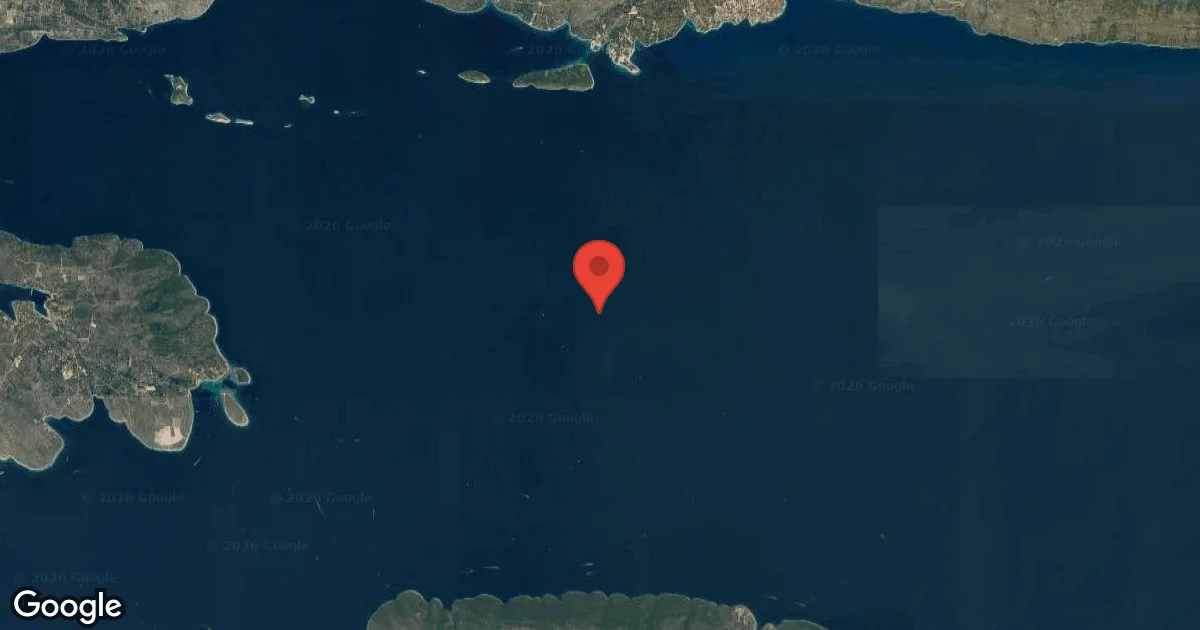
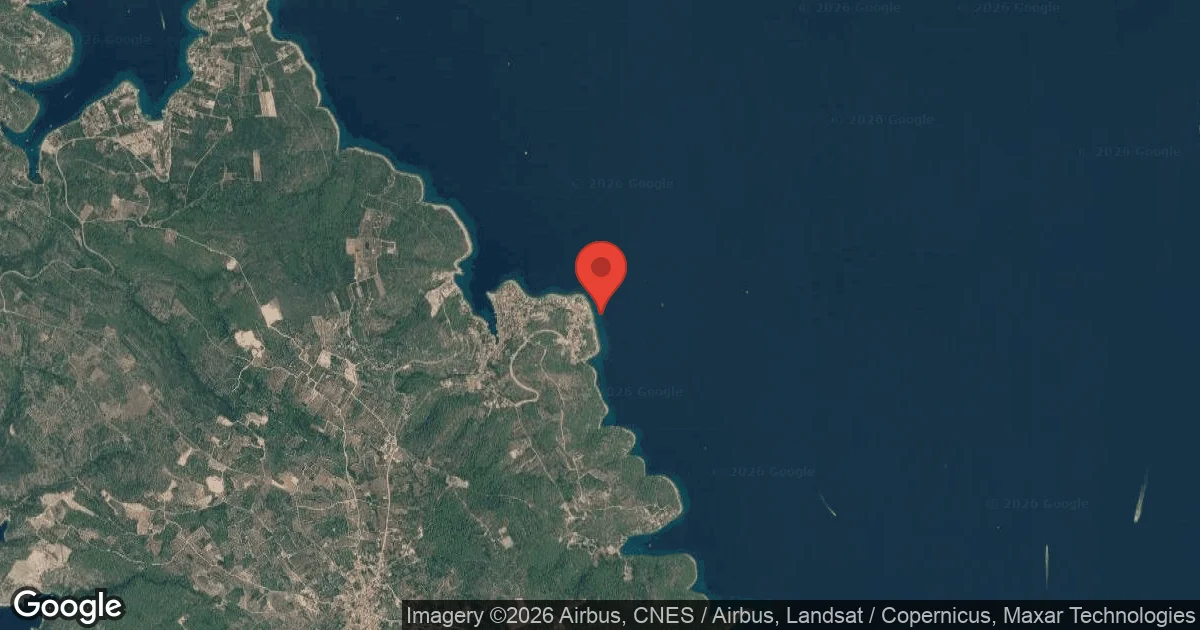
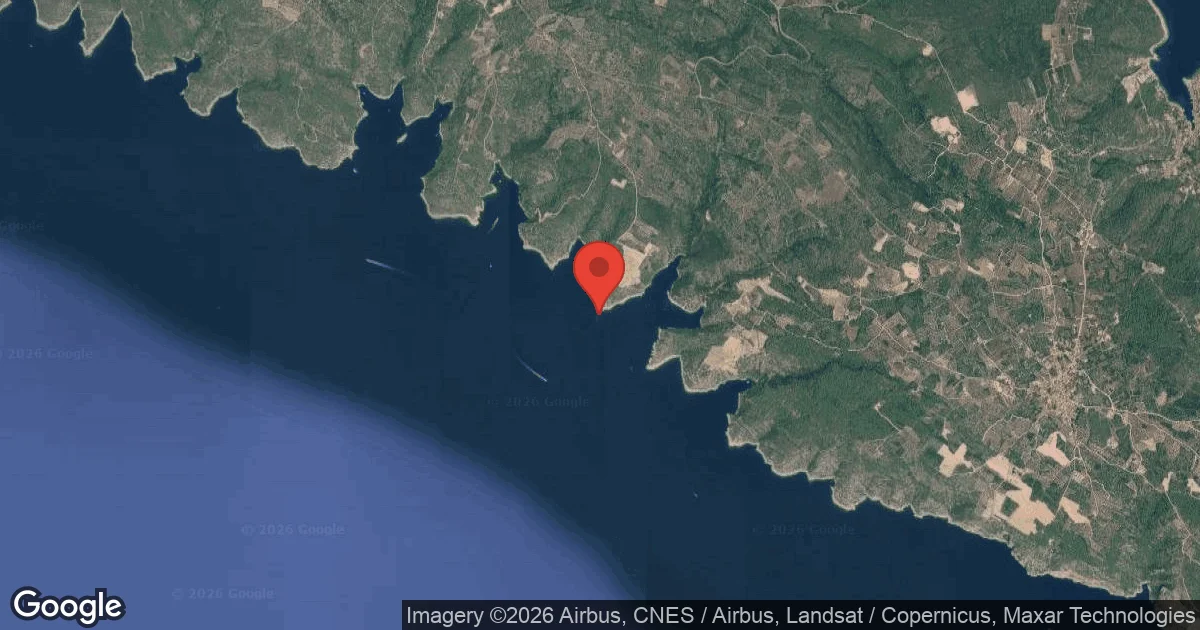
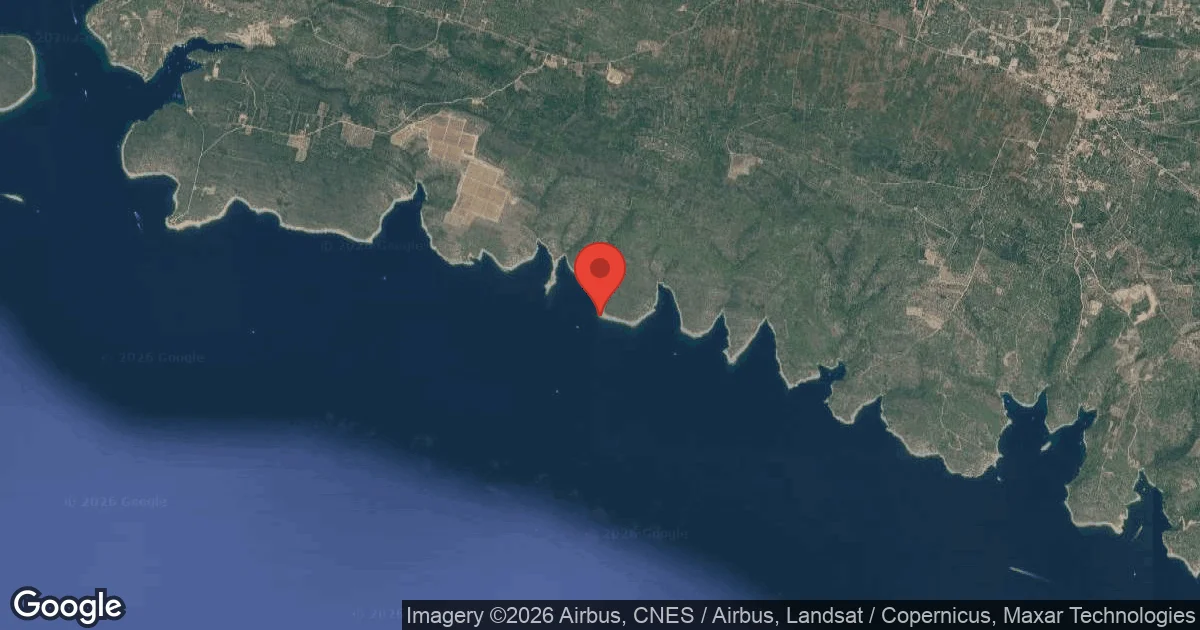
View all dive sites in CroatiaDiscover more underwater gems in this area.
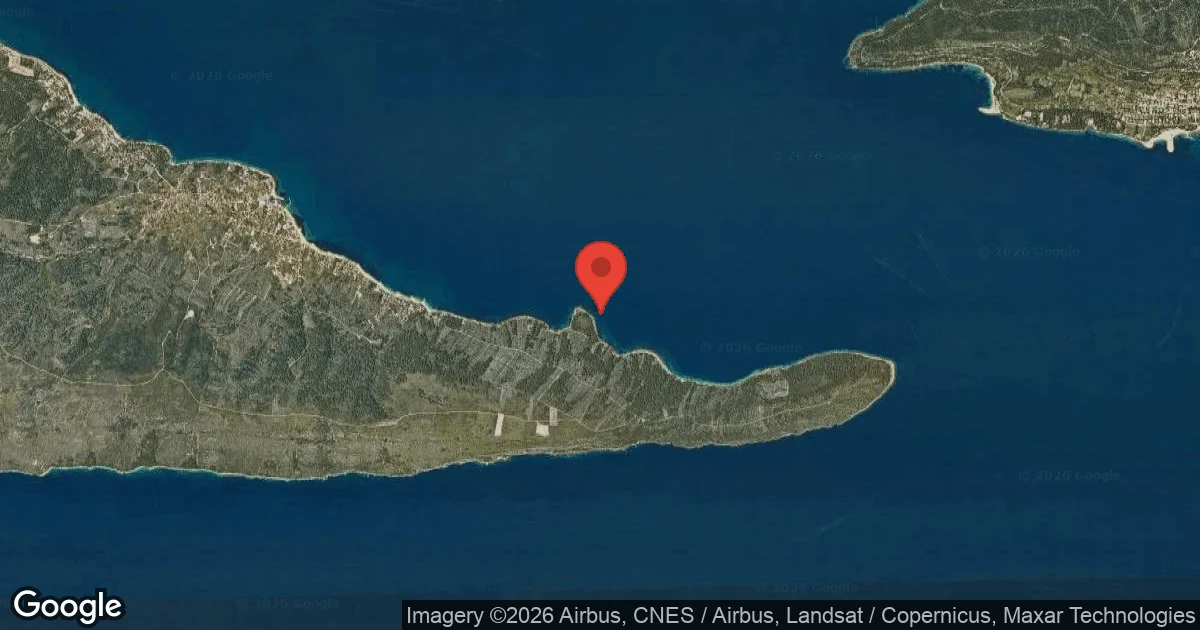
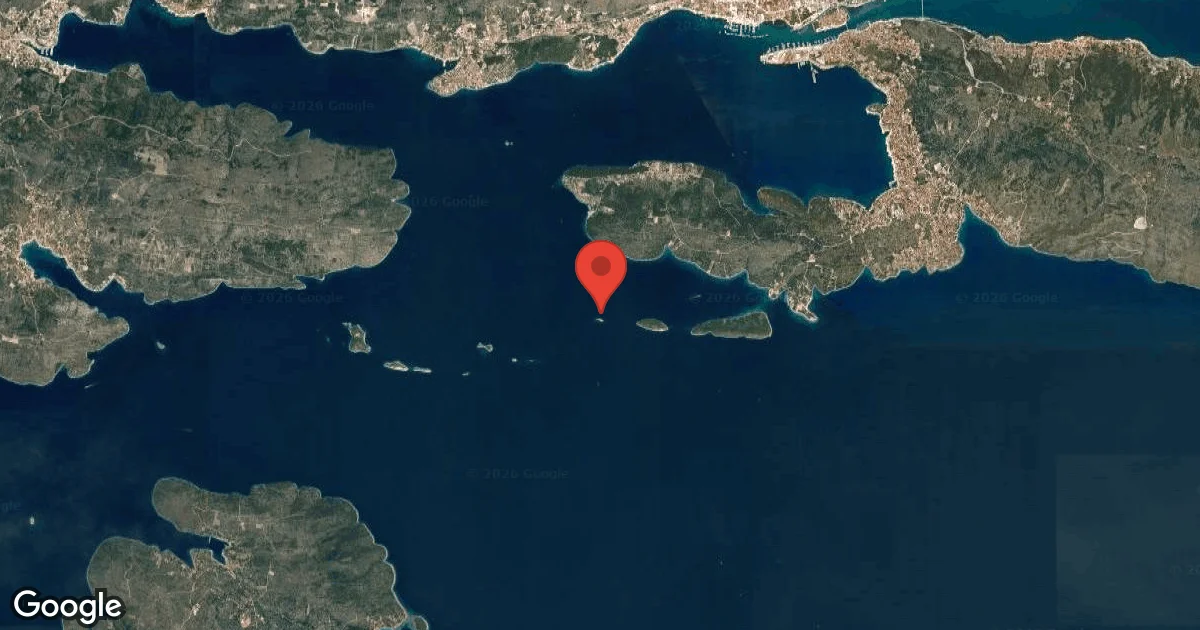
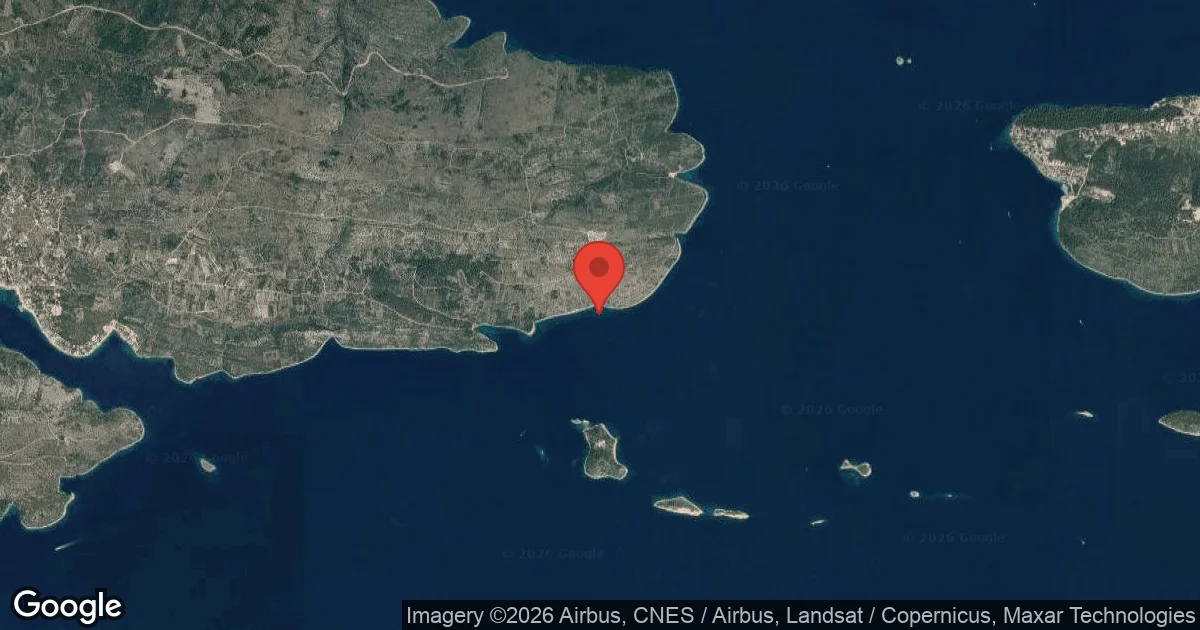
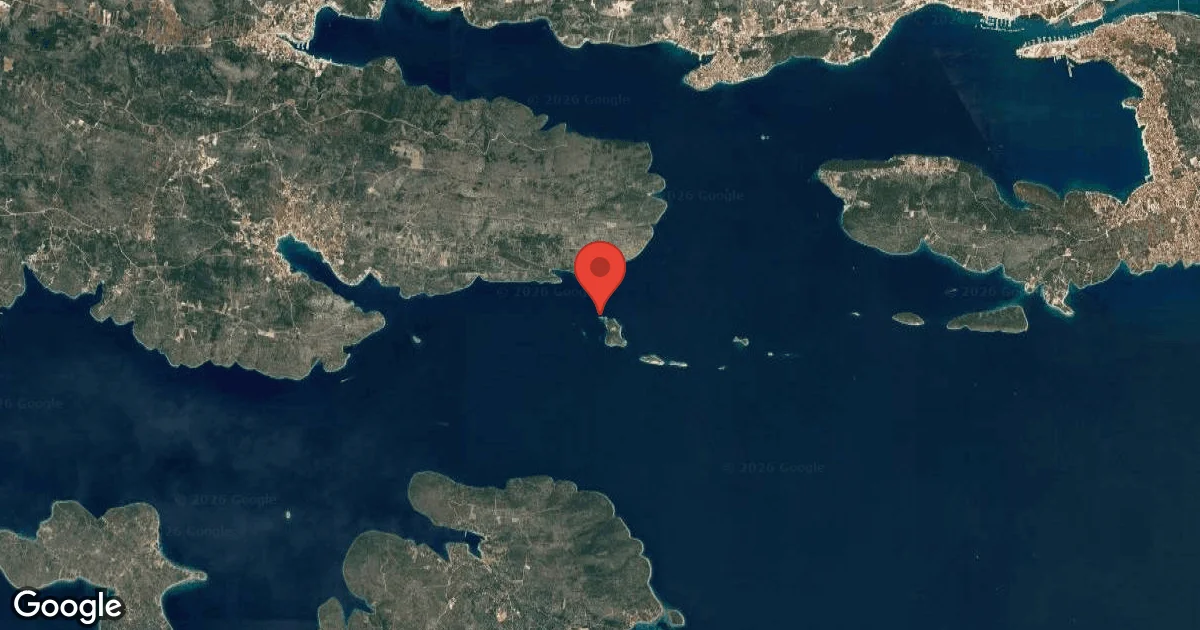
Dive Centers Near Wreck Pajo
Today: 08:00 - 18:00
Nearest Airports
Nearest airports to help plan travel to this dive area.
Search Flights
Check available flights and routes on Expedia, using the nearby airports listed in this section.
Search Flights on ExpediaFrequently Asked Questions
What dive certifications are required for the Wreck Pajo?
Divers should hold at least an Advanced Open Water Diver (AOWD) certification. Due to the site's depth range, Deep Diver or Wreck Diver specialties are highly recommended for optimal safety and enjoyment.
What kind of marine life can be seen at the Wreck Pajo?
Both the wreck and its adjacent wall attract various species. Common sightings include fish, crabs, and octopuses, often seeking refuge in the wreck's structure. Sponges and other invertebrates also thrive along the natural cliff face.
Are there strong currents at this dive site?
Conditions at the Wreck Pajo typically feature minimal currents. A generally calm environment contributes to excellent visibility, allowing for a clearer view of both the wreck and the surrounding wall.
What are the typical water temperatures for diving the Pajo?
During the peak diving season from June to September, water temperatures can reach around 24°C (75°F). Outside these months, water will be cooler, requiring appropriate thermal protection like a 5mm or 7mm wetsuit.
Is wreck penetration allowed or feasible at the Pajo?
Pajo is a small vessel, roughly 12 meters long. Its structural integrity may not consistently support safe penetration. Divers should assume external exploration only unless specifically guided and certified for advanced wreck penetration techniques.
How is the Wreck Pajo accessed?
Wreck Pajo is exclusively accessible by boat. Dive operators from the Ciovo peninsula and surrounding areas typically arrange trips to this site.
Planning to dive Wreck Pajo?
Send one inquiry and receive offers directly from the best verified local dive operators.
Conditions are Good
07:00 - 14:00
Optimal conditions expected
Current conditions near Wreck Pajo show 27° air, 26° sea temperature, 0.2 m waves, and 17 km/h wind. Forecast data is refreshed regularly to ensure accuracy.