
Diving at Ancient Site Ciovo North (Croatia)
Beneath the northern shores of Čiovo lies an accessible archaeological dive site. Ideal conditions typically feature minimal currents and clear water, making it suitable for a wide range of certifications. Divers can explore remnants of ancient pottery and amphorae scattered across a sandy bottom. Its maximum depth of 12 meters (39 ft) ensures a relaxed experience for recreational divers. Both boat and shore entries are possible, offering flexibility in dive planning.
Tonight's objective overview for Ancient Site Ciovo North shows an air temperature of 21°C. The measured surface conditions include wave heights around 0.1 m. This environmental data is logged for the close of the day.
Dive Site Location & Key Facts
Dive Site Overview
Exploring Ancient Site Ciovo North offers a tangible link to Roman maritime history, distinguishing it as a captivating archaeological dive. Situated on the northern side of the Čiovo peninsula, the site invites divers to witness a submerged historical landscape.
Descending, you'll immediately encounter numerous fragments of ancient pottery, amphorae, and various utensils, all evidence of a Roman Empire shipwreck that once settled here. A journey across the seabed reveals an evolving topography. A soft, sandy bottom characterizes the shallower areas, gradually extending to deeper sections around 8-10 meters.
Beyond this, the terrain transforms into extensive, swaying groves of Posidonia seagrass. Observing how marine life interacts with both the historical artifacts and the natural environment makes this transition zone particularly interesting.
Reaching a maximum depth of approximately 12 meters (39 ft), the site accommodates all diving categories, making it notably suitable for beginners. Accessibility is a significant advantage; divers can reach the water either by boat or directly from the shore, providing considerable flexibility in dive planning and logistics.
Its character is defined by archaeological significance, offering a blend of historical discovery and natural observation within a relatively shallow and calm environment.
Conditions are Good
Optimal conditions expected
Current conditions near Ancient Site Ciovo North show 21° air, 26° sea temperature, 0.1 m waves, and 23 km/h wind. Forecast data is refreshed regularly to ensure accuracy.
Best Time to Dive
Optimal diving at Ancient Site Ciovo North typically spans from May to September, aligning with Croatia's high season for dive operators. During these months, the air temperatures are most favorable, averaging 18.5°C (65°F) in May and peaking around 27.5°C (82°F) in July, before settling at 22°C (72°F) in September. Rainfall is generally minimal in summer, with July seeing the lowest average at 1.09 mm, contributing to clearer waters. Although specific water temperature data for this site is not consistently reported in our internal system, broader regional data suggests temperatures can range from 10°C (50°F) in winter to 24°C (75°F) in summer, with the high season offering the warmest conditions. Expect relatively calm sea states, as wave heights average around 0.3-0.4 meters during this period. Dive operations outside of this May-September window are less common, as many centers close down. Planning during the peak season ensures maximum access and the most comfortable conditions.
PEAK SEASON SCORE
Scores combine air & water temps, waves, wind & rainfall for overall conditions.
BEST MONTHS TO DIVE
Monthly records compiled from satellite and marine observation nodes over the last 3 years. Data provided by Open-Meteo and MET Norway.
Dive Experience & Conditions
Currents here are generally minimal, contributing to a relaxed dive experience. This allows divers to thoroughly explore the archaeological artifacts without significant effort. Water clarity is often exceptional, providing good visibility for observing the ancient pottery and amphorae scattered across the sandy bottom. The site primarily features a sandy bottom, transitioning into healthy Posidonia meadows at depths around 8-10 meters (26-33 ft). While water temperature varies seasonally, it generally remains comfortable for wetsuit diving during the prime months. Recreational divers will find the maximum depth of 12 meters (39 ft) accommodating, making it an excellent location for skill refreshers or introductory dives. Both shore and boat entries are available, offering varied approaches to accessing the site. Shore entries simplify logistics for independent divers, while boat access provides convenient transport from dive centers.
Dive Difficulty & Safety Guidelines
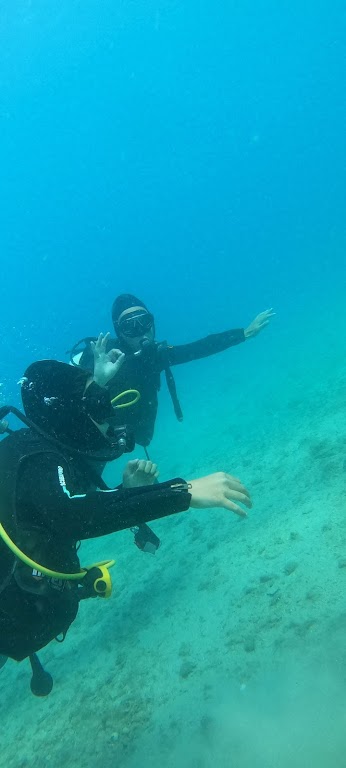
Approaching any archaeological dive requires attention to buoyancy control to protect the historical remnants. Divers should maintain a neutral trim, avoiding contact with the ancient pottery and amphorae found on the seabed. Given the shallow depth and generally calm conditions, the site is suitable for PADI Open Water Divers and those participating in Discover Scuba Diving programs.
However, even experienced divers must practice responsible interaction with the artifacts, which are fragile and protected. There are no specific hazards reported for Ancient Site Ciovo North, but general safe diving practices apply.
Always dive within your training limits and with a buddy. Consider bringing a dive computer to monitor depth and bottom time, even at these shallower depths. Local dive center guidance is invaluable for specific site briefings and current conditions.
Recommended Equipment
- Dive Computer
This gear list is based on verified equipment signals for Ancient Site Ciovo North, Croatia. Always confirm final gear choices with your dive operator, guide, or liveaboard.
Recommended Dive Suit
With water temperatures around 26°C (78°F), many divers find a 3mm wetsuit provides comfortable protection.
Local dive briefings can provide the most accurate guidance.
Surface conditions are expected to warm up slightly in the coming days. A warming trend is expected over the next few days.
Emergency & Medical Support
Essential information to help you plan your dive trip to ANCIENT SITE CIOVO NORTH.

Hyperbaric chambers are a critical part of dive safety infrastructure. Availability varies significantly by region, and not all dive areas have immediate access.
Before diving, it's recommended to:
- confirm nearest medical facilities
- check emergency procedures with local dive operators
- ensure dive insurance covers evacuation if required
Divers Alert Network
Diving emergency assistance available through DAN Europe.
+39 0642115685- 24/7 emergency hotline
- Diving medical assistance
- Evacuation coordination
Emergency contacts are provided for reference. Always verify local emergency services before diving.
Marine Life at Ancient Site Ciovo North
The varied seabed at Ancient Site Ciovo North supports a modest but interesting array of marine life, often coexisting with the historical artifacts. Among the scattered amphorae fragments and ancient utensils, observant divers frequently spot a variety of "finer fish" moving through the sandy bottom.
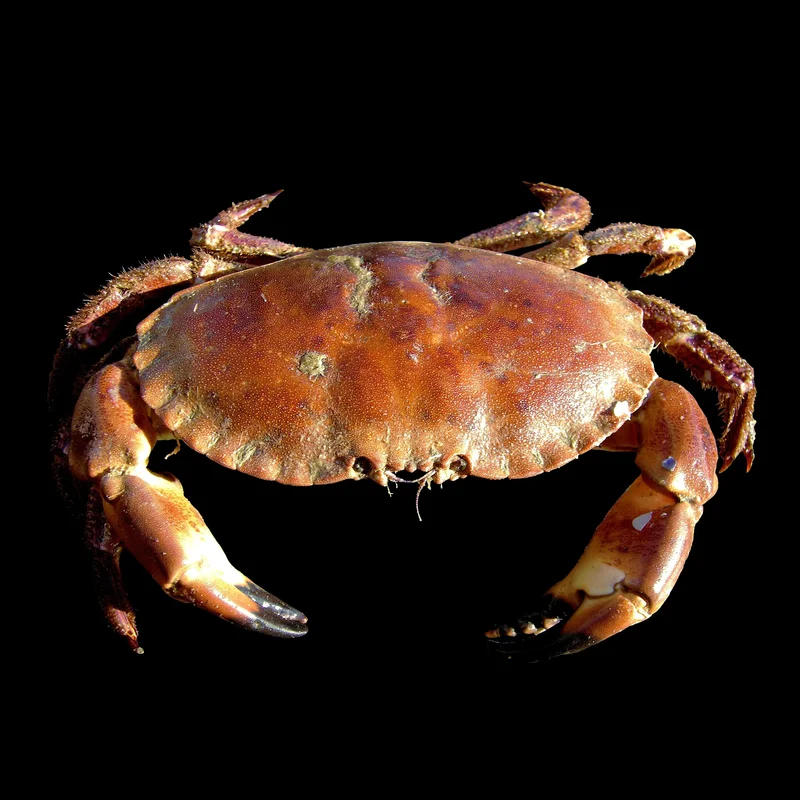
Crabs are common inhabitants, often camouflaged against the seafloor. Sponges and shells also add texture and color to this unique underwater environment.
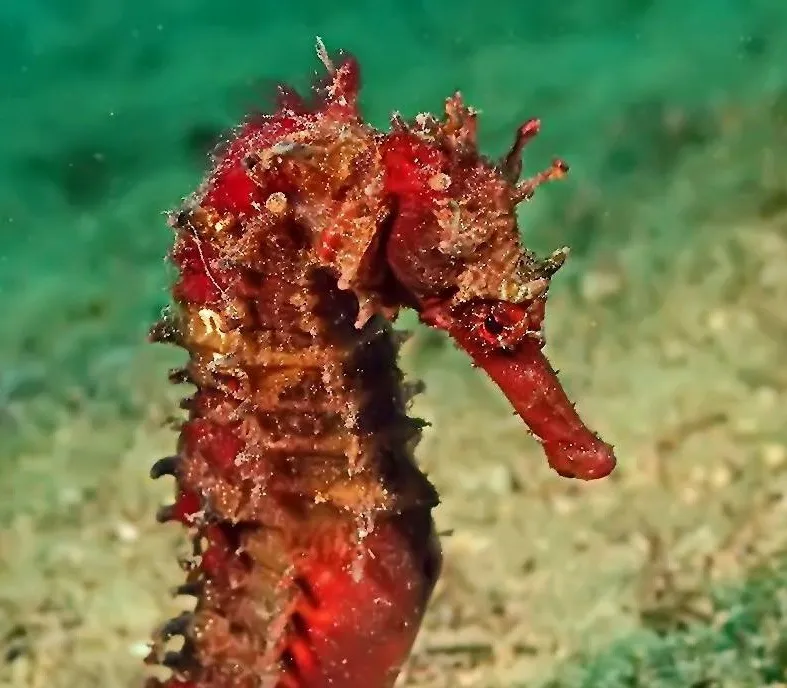
For those with a keen eye, the Posidonia meadows can reveal seahorses, blending in with the seagrass blades. This combination of archaeological interest and natural habitat offers continuous visual engagement for divers.

Dive Sites Near Ancient Site Ciovo North
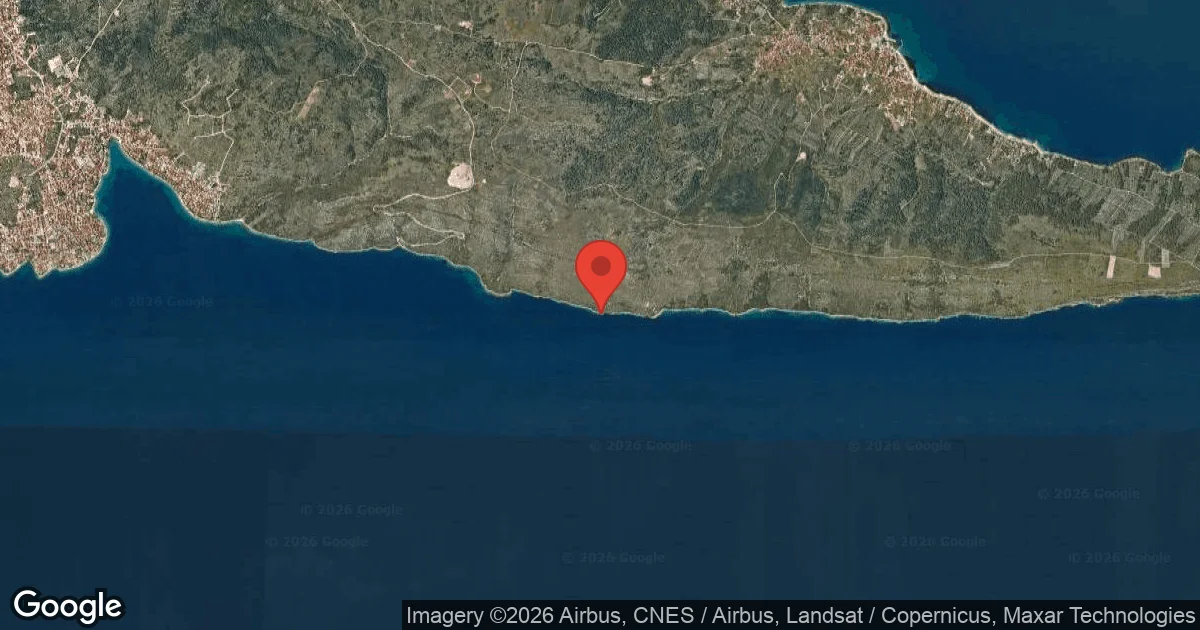
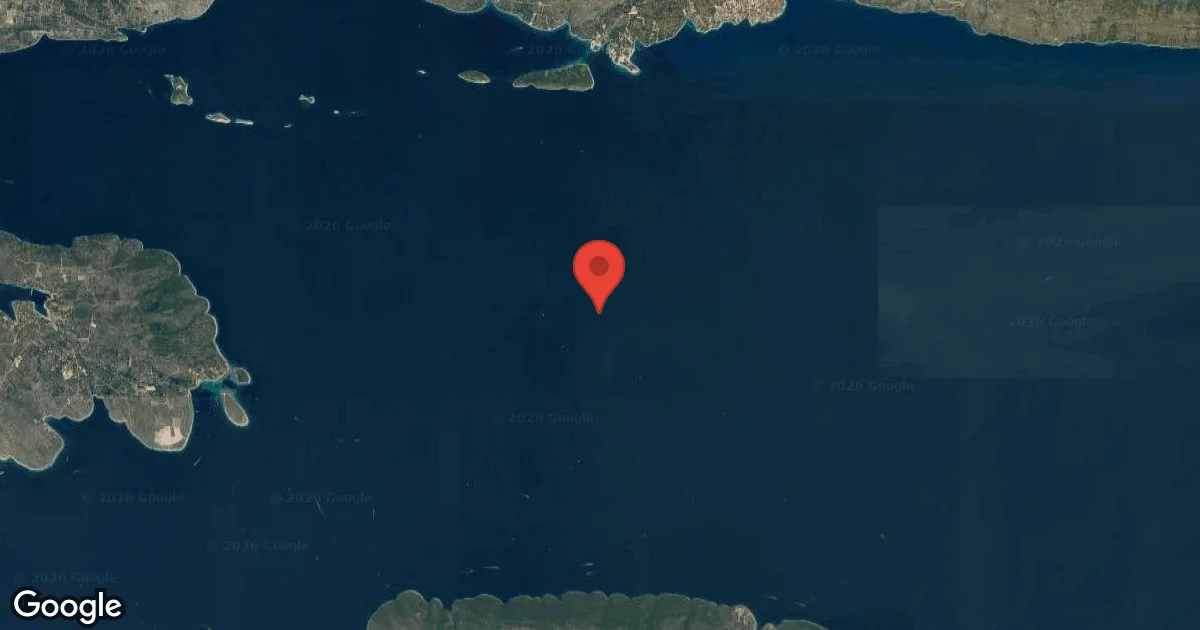
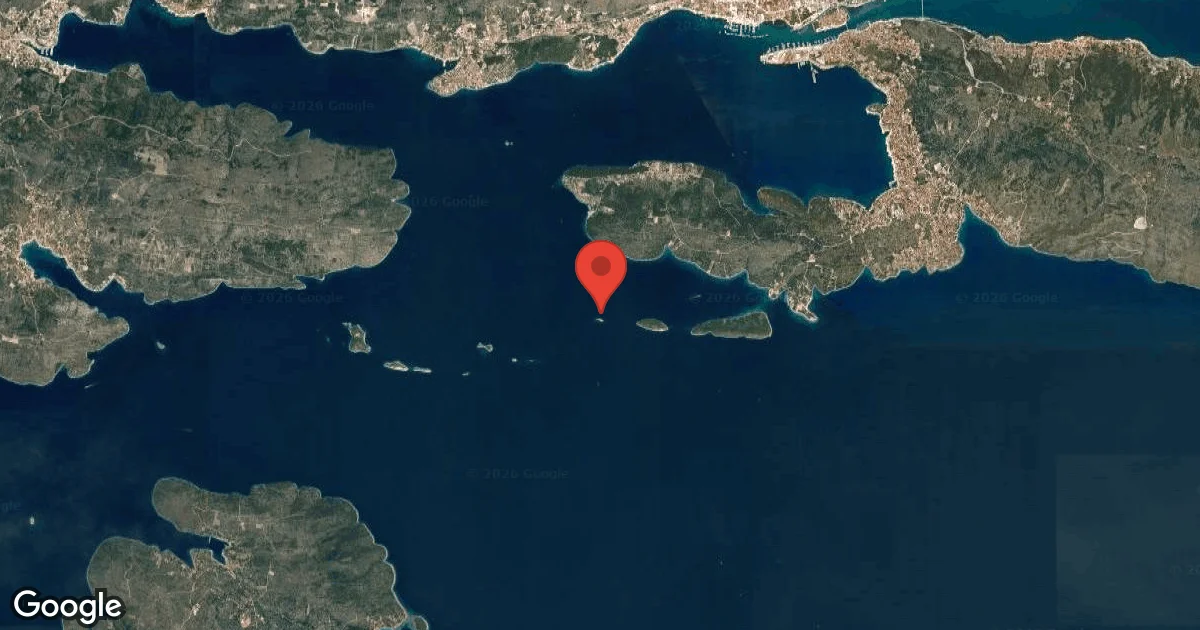
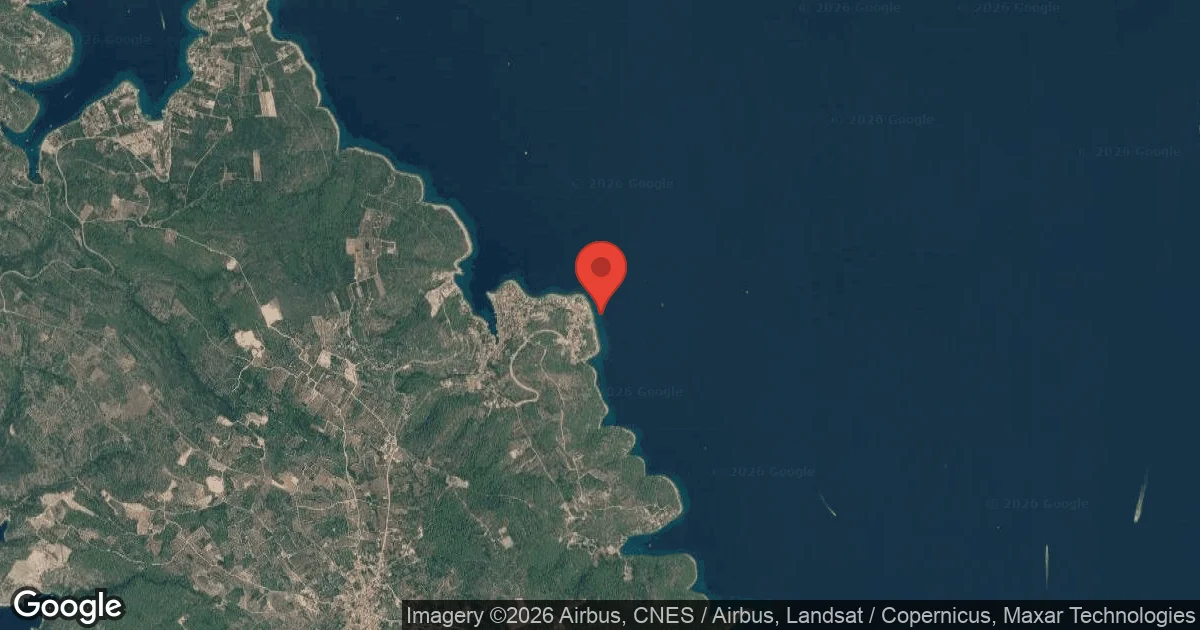
View all dive sites in CroatiaDiscover more underwater gems in this area.
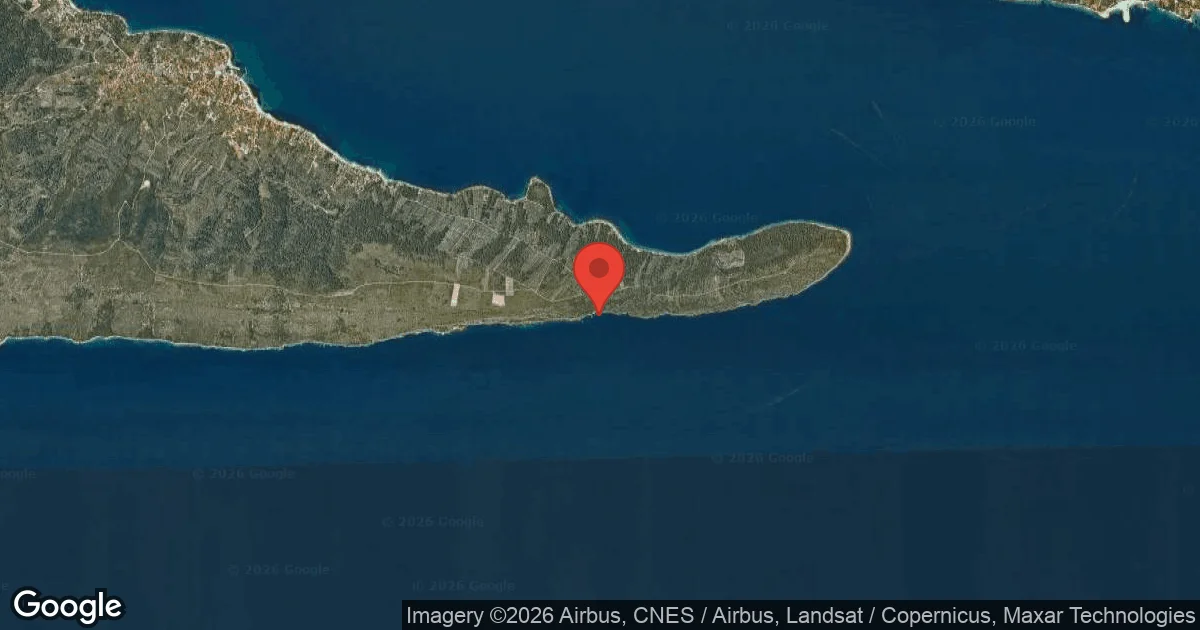
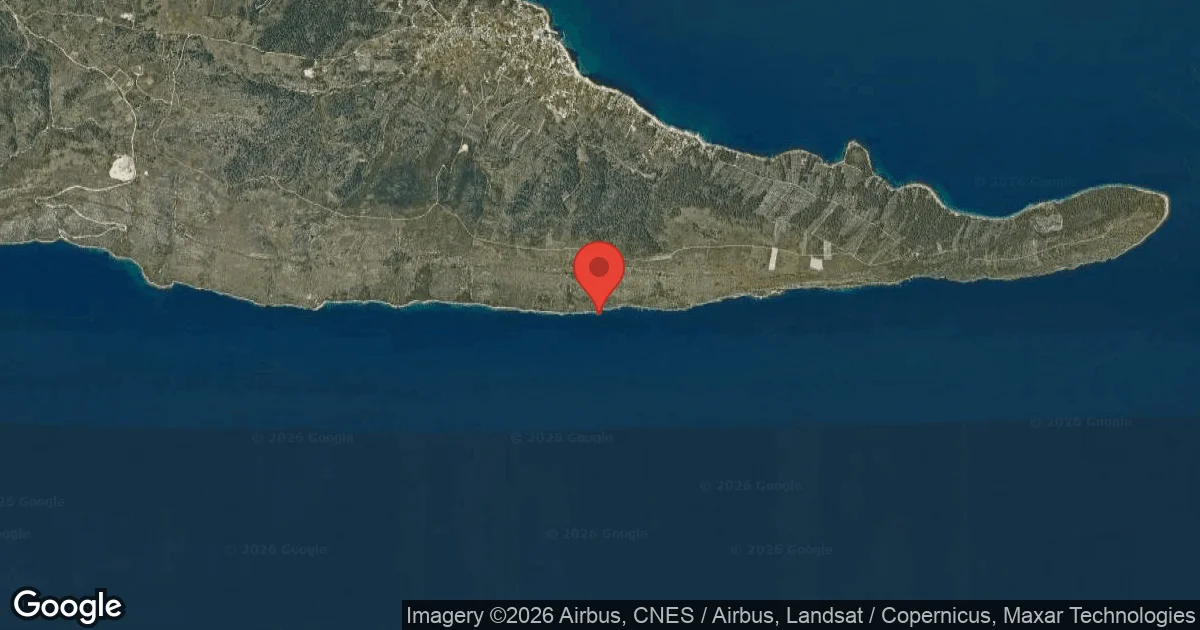
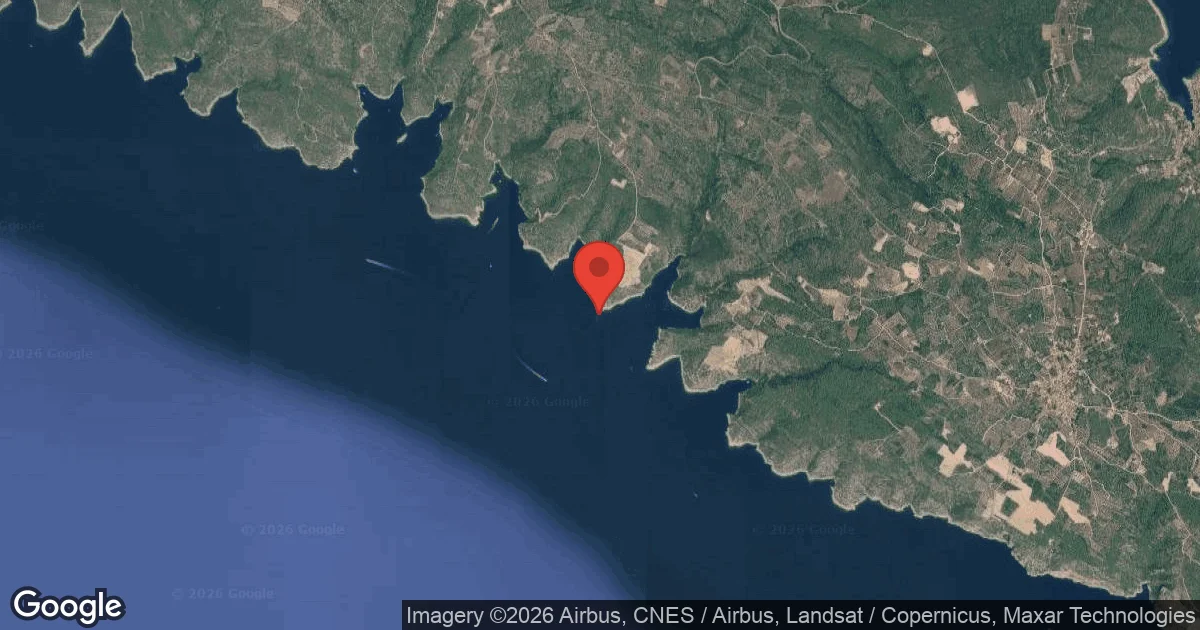
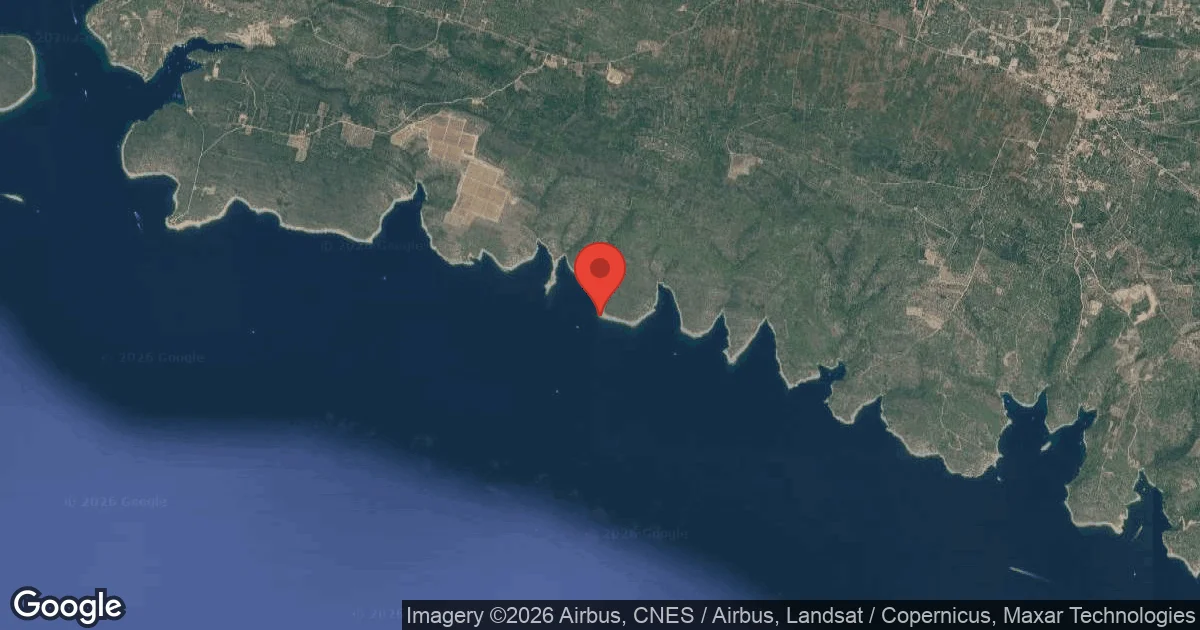
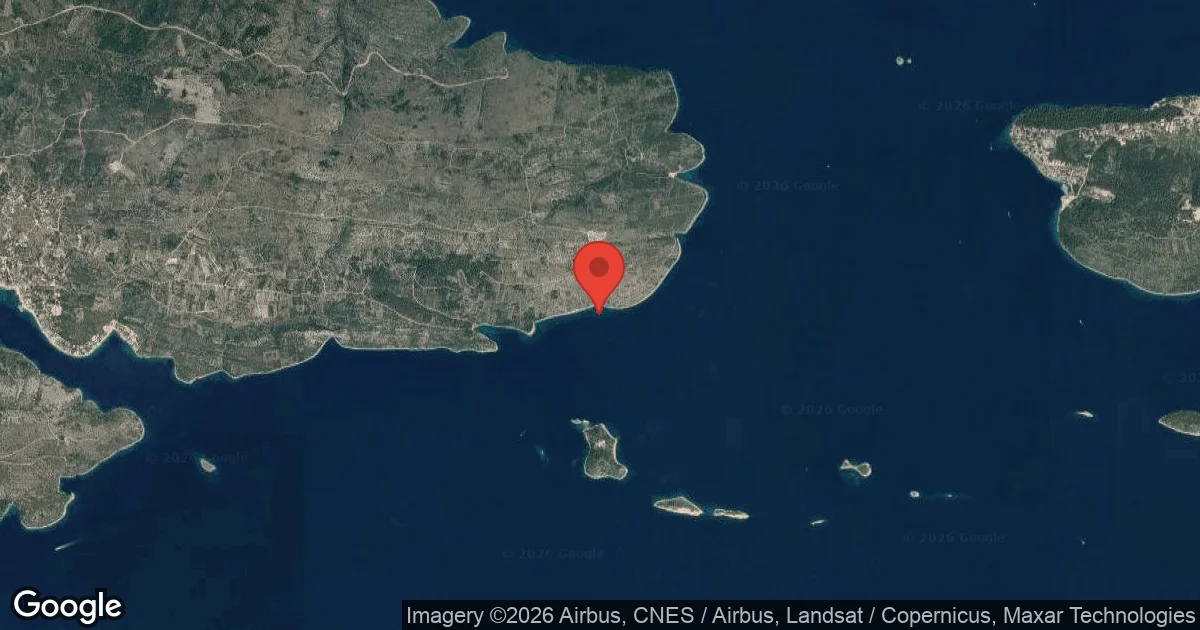
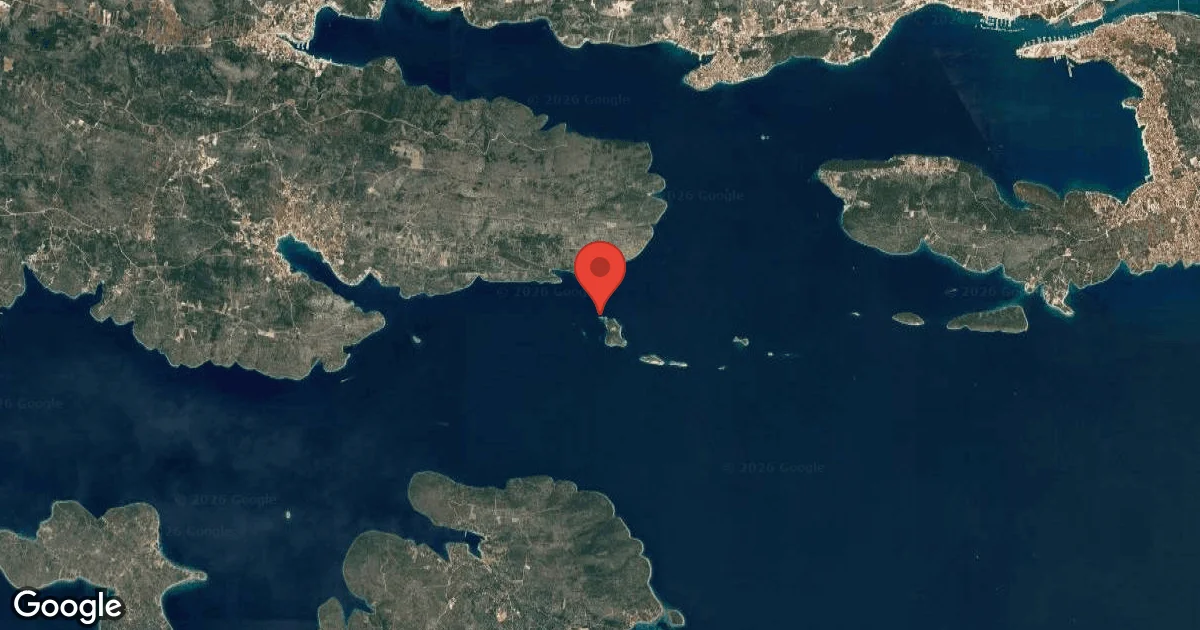
Dive Centers Near Ancient Site Ciovo North
Today: 08:00 - 18:00
Nearest Airports
Nearest airports to help plan travel to this dive area.
Search Flights
Check available flights and routes on Expedia, using the nearby airports listed in this section.
Search Flights on ExpediaFrequently Asked Questions
What is the maximum depth at Ancient Site Ciovo North?
The maximum depth at this archaeological dive site is approximately 12 meters. Its shallow profile makes it accessible for a broad range of diver certifications.
Is Ancient Site Ciovo North suitable for beginner divers?
Yes, this site is highly suitable for beginners and those undertaking introductory dive programs like PADI Discover Scuba Diving. Its shallow depth and generally calm conditions create a comfortable learning environment.
How can I access the dive site?
Divers can access Ancient Site Ciovo North via both boat and shore entries. This flexibility allows for various dive planning options, depending on your preference and the local dive operator's arrangements.
What types of ancient artifacts can be seen here?
You can expect to see numerous fragments of ancient pottery, amphorae, and various other utensils. These artifacts are remnants of a Roman Empire shipwreck, scattered across the sandy bottom.
What kind of marine life might I encounter?
The site hosts a variety of marine life adapted to the sandy and Posidonia environments. Look for various seabed fish, crabs, and a diversity of sponges and shells. Seahorses are also occasionally spotted within the seagrass.
When is the best time of year to dive Ancient Site Ciovo North?
The optimal time for diving here is typically from May to September. During these months, you'll experience warmer air temperatures, minimal rainfall, and the best availability from local dive centers.
Planning to dive Ancient Site Ciovo North?
Send one inquiry and receive offers directly from the best verified local dive operators.
Conditions are Good
Optimal conditions expected
Current conditions near Ancient Site Ciovo North show 21° air, 26° sea temperature, 0.1 m waves, and 23 km/h wind. Forecast data is refreshed regularly to ensure accuracy.