
Diving at Red Rocks (Croatia)
Venturing into the Red Rocks dive site typically begins with a boat entry, leading divers to varied underwater topography. A primary dive profile explores a mild rocky slope that gradually descends to a sandy bottom, reaching depths of around 20 m (66 ft). Underwater landscapes in the broader Red Rocks vicinity can also feature more pronounced walls, intricate reefs, and smaller caverns, extending deeper to about 35 meters. Such features offer diverse geological interest.
Tonight's objective overview for Red Rocks shows an air temperature of 24°C. The measured surface conditions include wave heights around 0.3 m. This environmental data is logged for the close of the day.
Dive Site Location & Key Facts
Dive Site Overview
Exploring Red Rocks reveals versatile natural formations, appealing to a range of certified divers. While specific historical wreck narratives are absent, its established role as a training ground for underwater orientation exercises provides context for its appeal.
Divers frequently find conditions favorable for compass work and developing navigational skills across diverse underwater landscapes. A main dive unfolds along a mild rocky slope, transitioning to a sandy expanse at approximately 20 meters. Other nearby formations within the Red Rocks zone, however, present more dramatic features, including elongated walls and reefs punctuated by small caves, descending to a maximum depth of 35 m (114 ft).
Geological diversity here supports a broad spectrum of marine life; observe common dentex, sea bass, or pompano moving through rocky terrain, though sightings vary seasonally. An environment supporting both open water and more advanced certifications allows for practice with different underwater structures and varied depths. Training opportunities make it a dynamic site for skill development.
Conditions are Good
07:00 - 14:00
Optimal conditions expected
Current conditions near Red Rocks show 24° air, 26° sea temperature, 0.2 m waves, and 14 km/h wind. Forecast data is refreshed regularly to ensure accuracy.
Best Time to Dive
Determining the optimal time to experience Red Rocks largely depends on prioritizing calm conditions and warmer weather. From May through September, dive scores consistently register as "Excellent," aligning with the peak summer season. During these months, average air temperatures are at their most inviting, peaking around 27°C (81°F) in July, which allows for comfortable surface intervals. Rainfall is also at its lowest, with July seeing only around 1 mm, contributing to generally clearer visibility. Conversely, months like November experience higher average rainfall, up to 7 mm, and increased wave heights, potentially impacting dive accessibility. While specific water temperature data isn't consistently reported, warmer air and minimal rain from late spring to early autumn typically indicate more pleasant underwater conditions, making this window ideal for planning a visit.
PEAK SEASON SCORE
Scores combine air & water temps, waves, wind & rainfall for overall conditions.
BEST MONTHS TO DIVE
Monthly records compiled from satellite and marine observation nodes over the last 3 years. Data provided by Open-Meteo and MET Norway.
Dive Experience & Conditions
Navigating the Red Rocks dive site often involves experiencing subtle current dynamics that can enhance diving. While currents are not consistently reported as strong, planning for drift diving along the coast is a common approach, ensuring a more relaxed exploration. Divers typically move with any prevailing flow, making for an easier and more enjoyable trajectory across the site. Underwater, a landscape presents a mild rocky slope that gently descends to a sandy bottom at about 20 meters, providing ample space for buoyancy control. In some areas, divers encounter more dramatic vertical walls and complex reef structures, occasionally interspersed with small caverns. Visibility generally remains good, but, as with any coastal site, it can vary with local weather and wave action. Varied terrain, combined with potential gentle currents, demands attentive situational awareness from divers.
Dive Difficulty & Safety Guidelines
When diving Red Rocks, an expert tip is to prepare for practical navigation. Particularly suitable for honing orientation skills and compass practice, divers should always plan their dive within certification limits. This is especially true given variable depths that can reach up to 35 meters in certain zones, though a main dive profile is shallower.
Adhering to responsible diving practices, such as diving with a buddy and respecting the marine environment, remains paramount. Since specific hazards are not frequently reported, standard safe diving protocols apply.
Engage with local dive centers; they offer invaluable site-specific briefings and can provide up-to-date information on current conditions, ensuring a safe and rewarding underwater adventure.
Recommended Equipment
Deep dive hazard. Increased narcosis and gas consumption risk.
- Dive Computer
- DSMB
- Primary & Backup Lights
This gear list is based on verified equipment signals for Red Rocks, Croatia. Always confirm final gear choices with your dive operator, guide, or liveaboard.
Recommended Dive Suit
According to recent observations, water temperatures near Red Rocks are approximately 26°C (79°F). Surface air temperatures are resting at 24°C (75°F).
Forecasts suggest rising temperatures later this week. A warming trend is expected over the next few days.
Divers who prefer moderate insulation typically choose 2-3mm shorty or light wetsuit in similar environments. Many experienced divers adjust their exposure protection depending on the type of dive planned.
Due to technical issues with our weather providers, live updates are temporarily delayed. The data above reflects the conditions at the time of the last successful fetch.
Emergency & Medical Support
Essential information to help you plan your dive trip to Red rocks.

Hyperbaric chambers are a critical part of dive safety infrastructure. Availability varies significantly by region, and not all dive areas have immediate access.
Before diving, it's recommended to:
- confirm nearest medical facilities
- check emergency procedures with local dive operators
- ensure dive insurance covers evacuation if required
Divers Alert Network
Diving emergency assistance available through DAN Europe.
+39 0642115685- 24/7 emergency hotline
- Diving medical assistance
- Evacuation coordination
Emergency contacts are provided for reference. Always verify local emergency services before diving.
Marine Life at Red Rocks
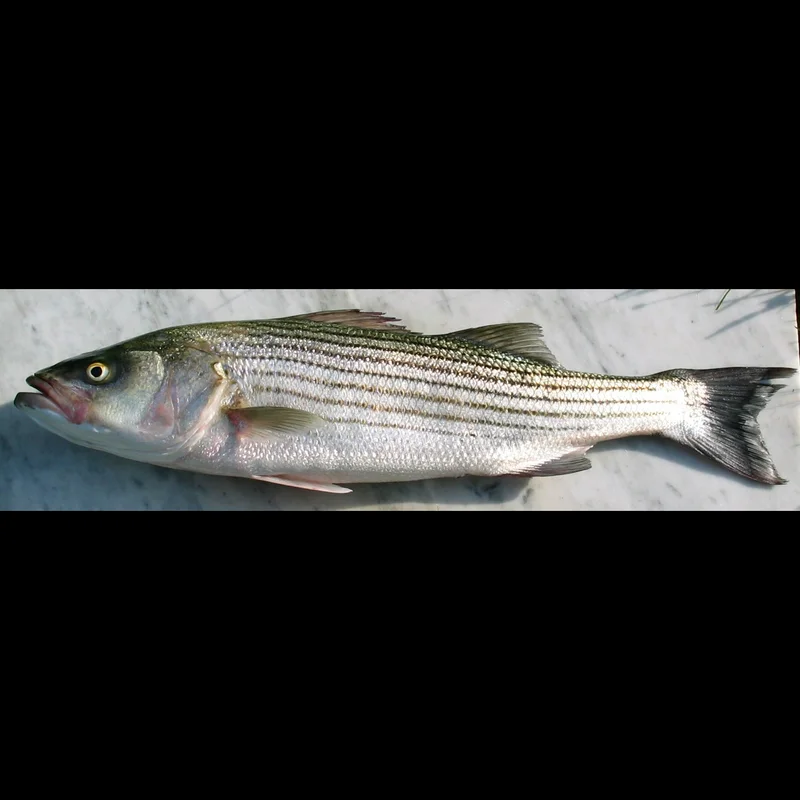
Focusing on inhabitants of Red Rocks reveals a vibrant, albeit seasonally variable, array of marine life. Divers might encounter notable fish species such as common dentex, a sea bass, or elegant pompano navigating rocky slopes and sandy areas.
These larger specimens move through the site, their presence often fluctuating with the time of year. Diverse underwater flora and fauna create an engaging ecosystem to observe.
Smaller organisms find shelter within crevices of walls and reefs, contributing to rich biodiversity. Keep an eye on varied terrain to spot these residents.

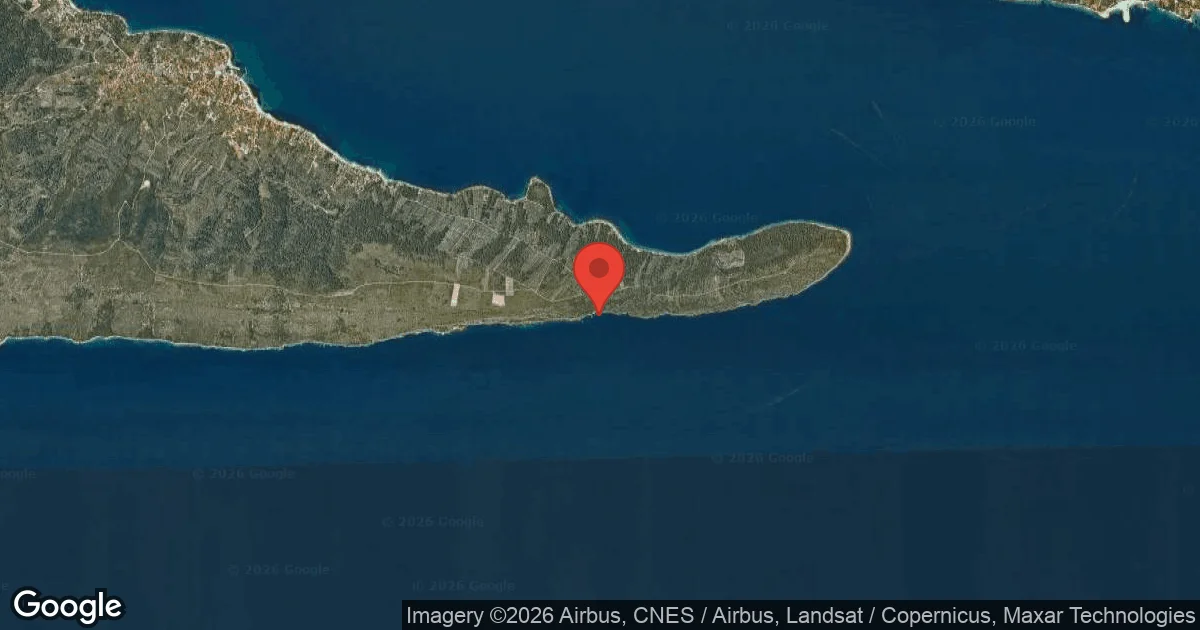
Dive Sites Near Red Rocks
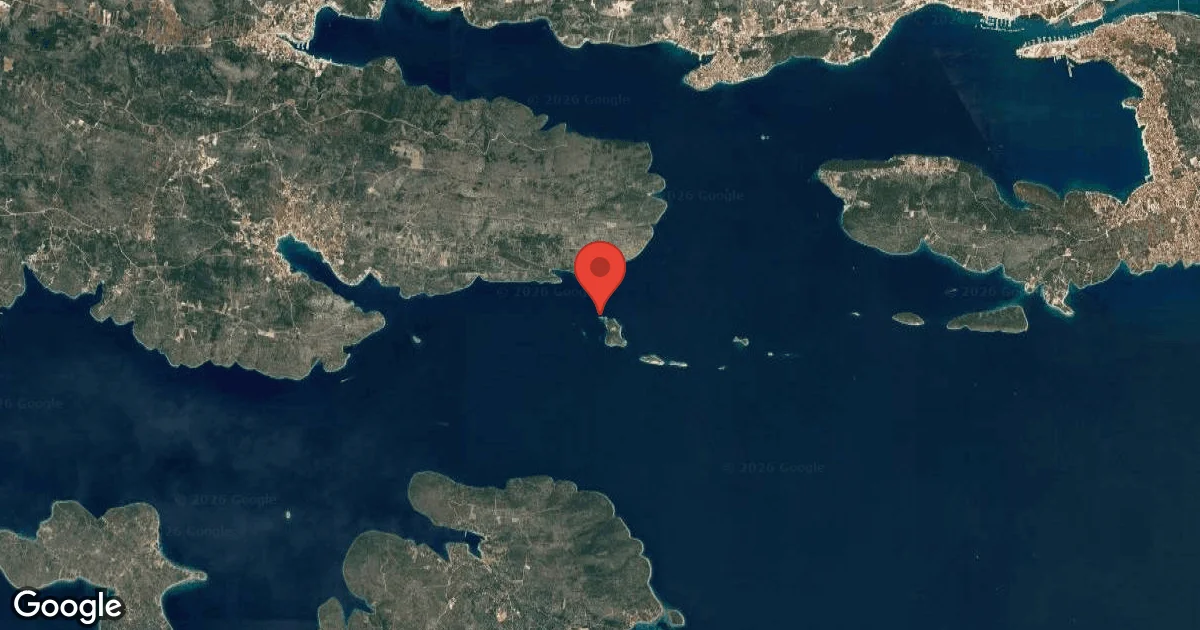
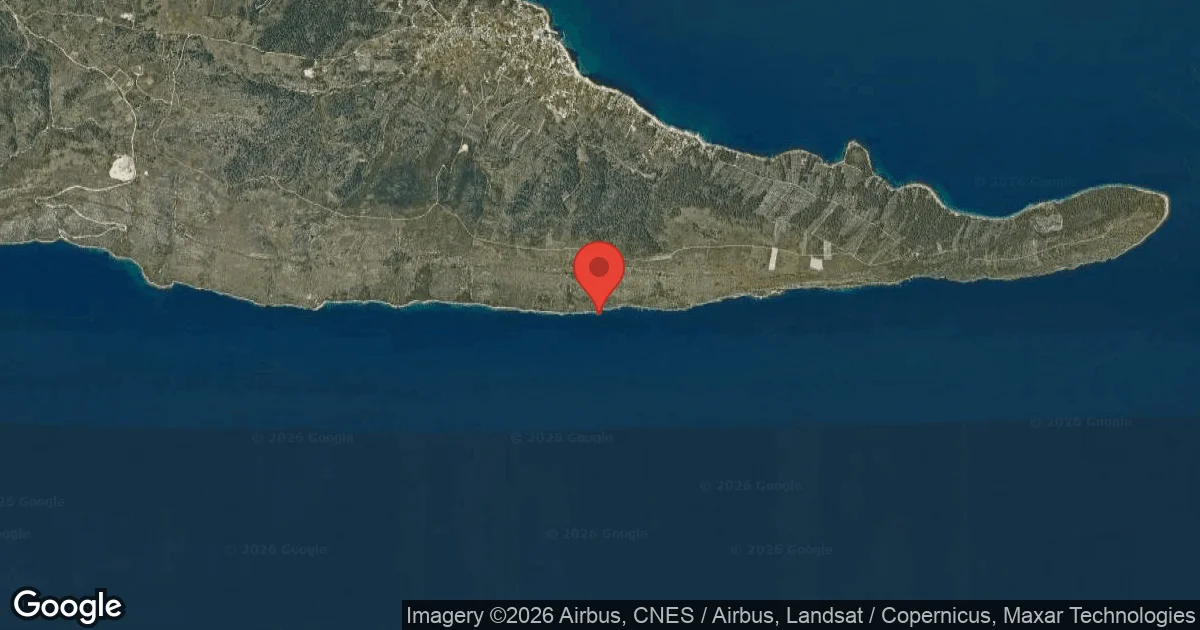
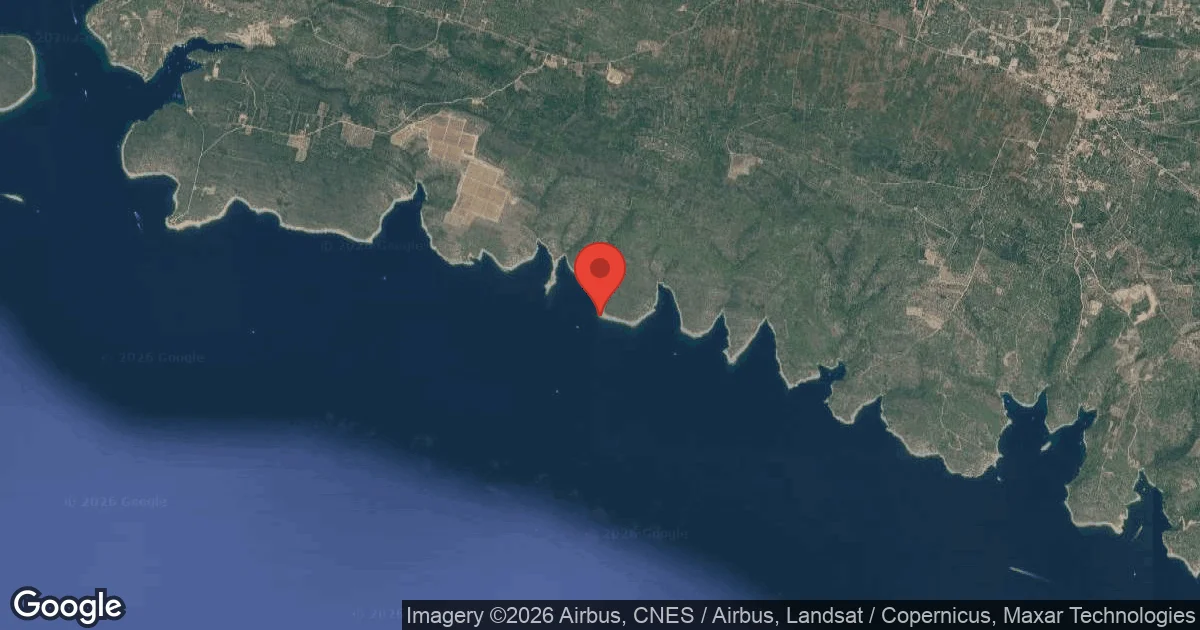
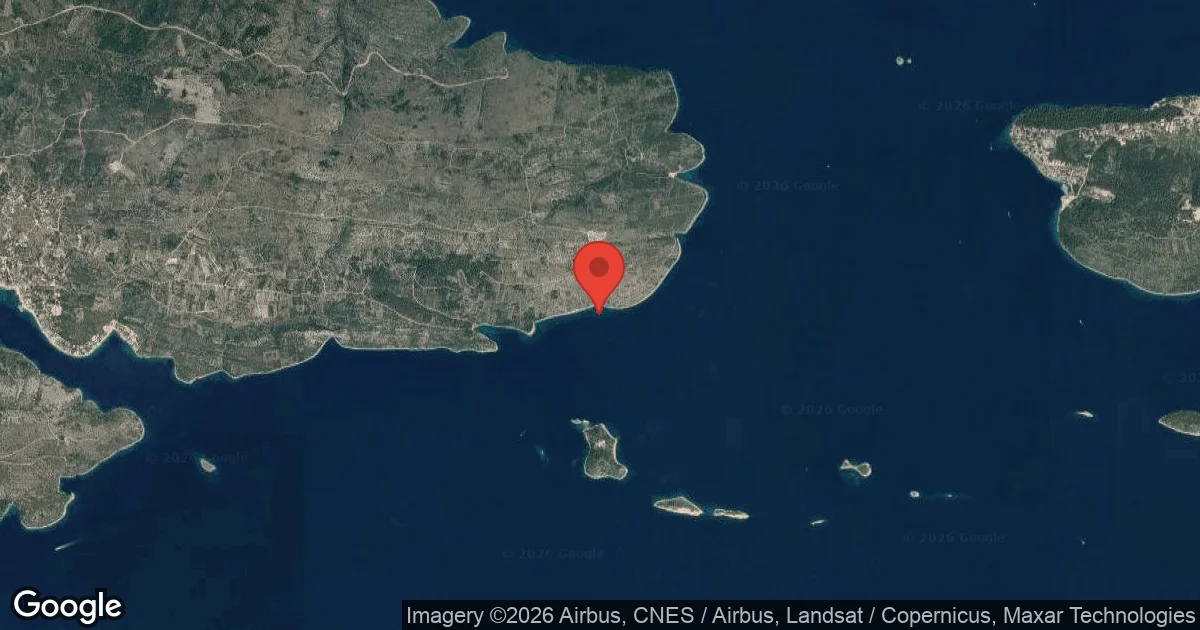
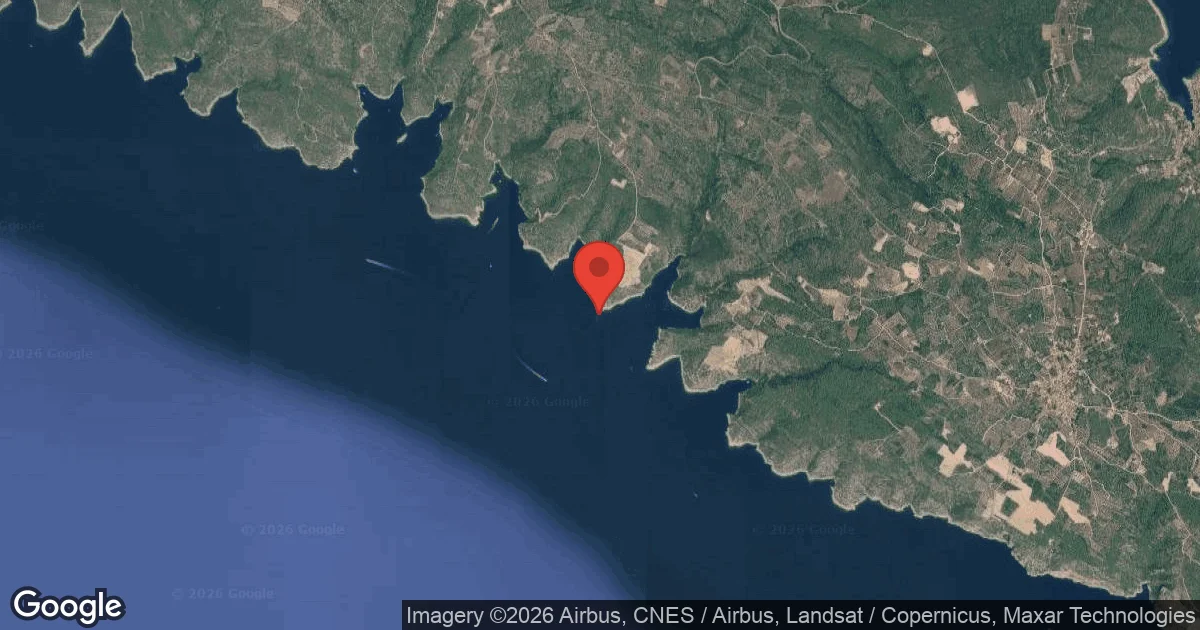
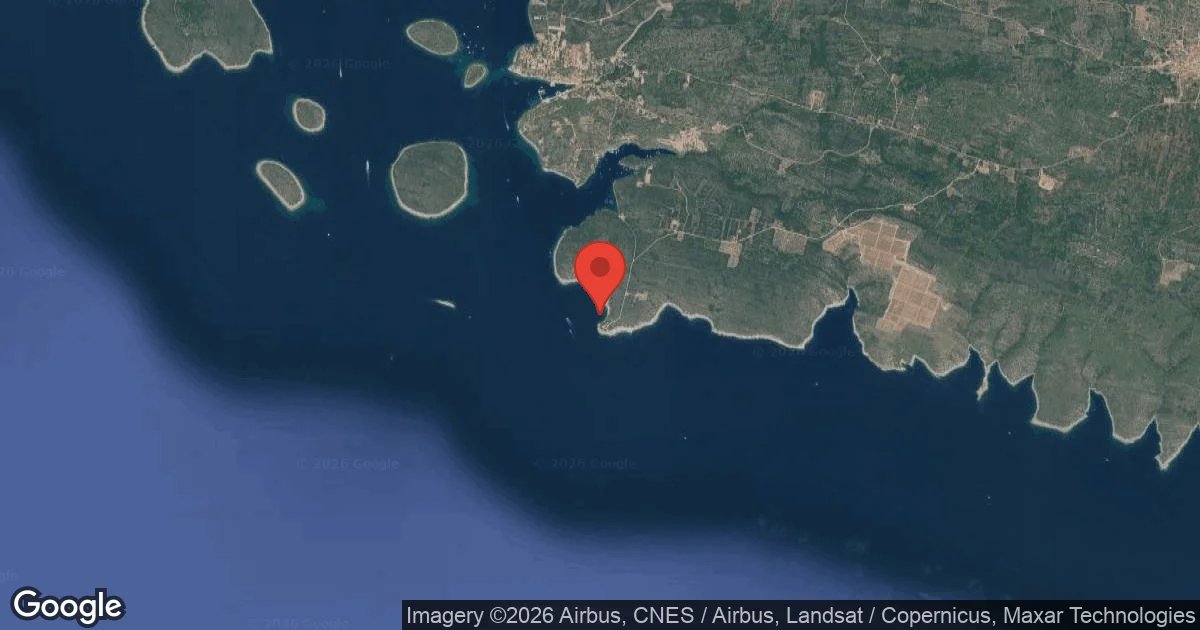
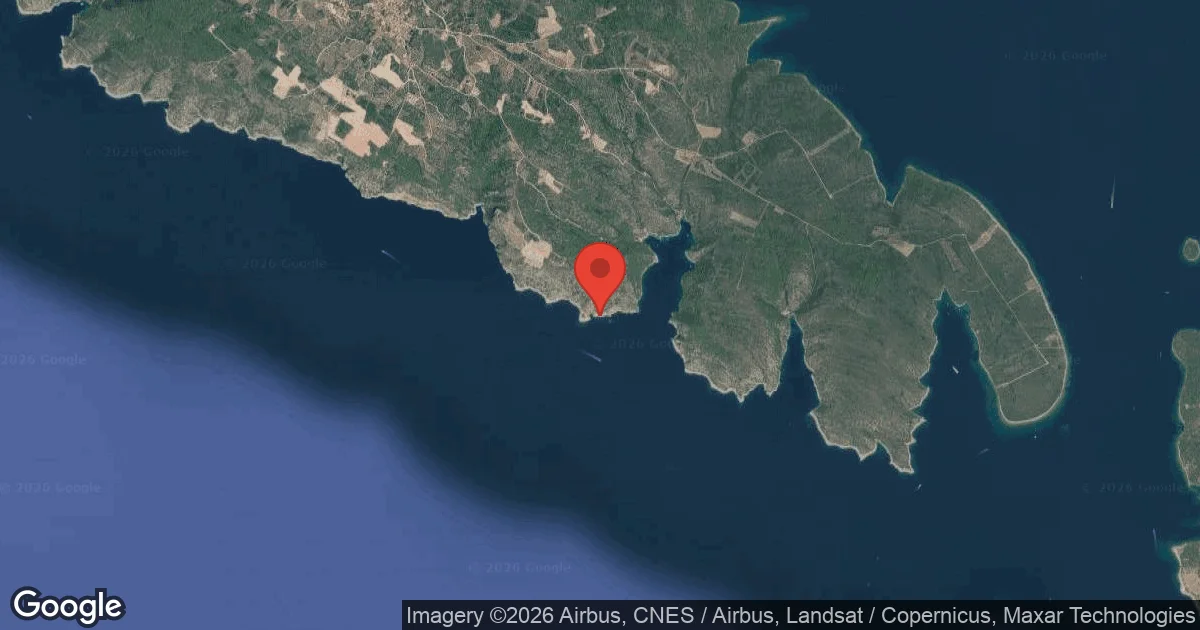
View all dive sites in CroatiaDiscover more underwater gems in this area.
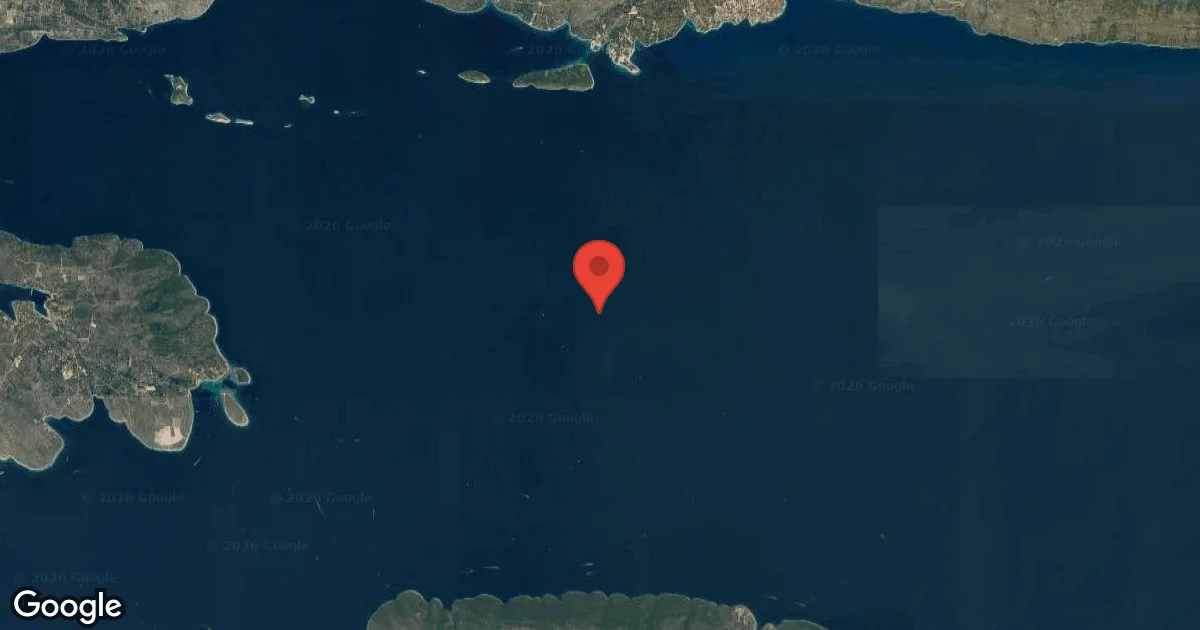
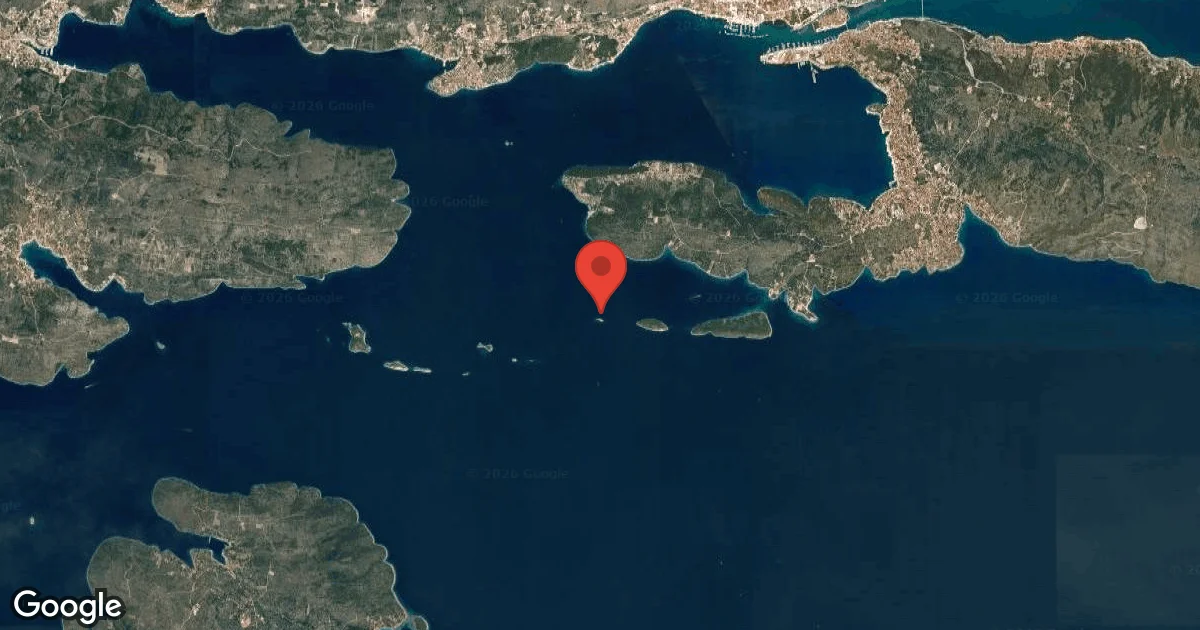
Dive Centers Near Red Rocks
Today: 08:00 - 18:00
Nearest Airports
Nearest airports to help plan travel to this dive area.
Search Flights
Check available flights and routes on Expedia, using the nearby airports listed in this section.
Search Flights on ExpediaFrequently Asked Questions
What is the maximum depth at Red Rocks?
A typical dive profile follows a mild rocky slope down to a sandy bottom at about 20 meters. Other sections in the Red Rocks area, featuring walls and reefs, can extend deeper, reaching up to 35 meters.
Is Red Rocks suitable for beginner divers?
Yes, the site is considered ideal for all categories of divers. Its mild rocky slopes and suitability for orientation exercises make it accessible for those with Open Water Diver certification, while deeper sections appeal to Advanced Open Water divers.
What kind of marine life can I expect to see?
Sightings include common dentex, sea bass, and pompano. Specific fish seen can vary with the season, but the site generally supports diverse flora and fauna within its reef and wall environments.
Are there strong currents at Red Rocks?
Currents are not consistently reported as strong here. However, some dives are conducted as drift dives, utilizing any moderate currents to facilitate an easier and more enjoyable exploration along the coast.
What are the best months to dive Red Rocks?
The period from May through September offers the most favorable conditions, with "Excellent" dive scores, warmer air temperatures around 27°C (81°F), and minimal rainfall, ensuring a comfortable experience.
Is any specific training recommended for this dive site?
Yes, Red Rocks is particularly well-suited for practicing orientation exercises and using a compass. Divers with PADI Open Water Diver certification can enjoy the shallower areas, while an Advanced Open Water Diver course would be beneficial for deeper explorations.
What type of underwater topography characterizes Red Rocks?
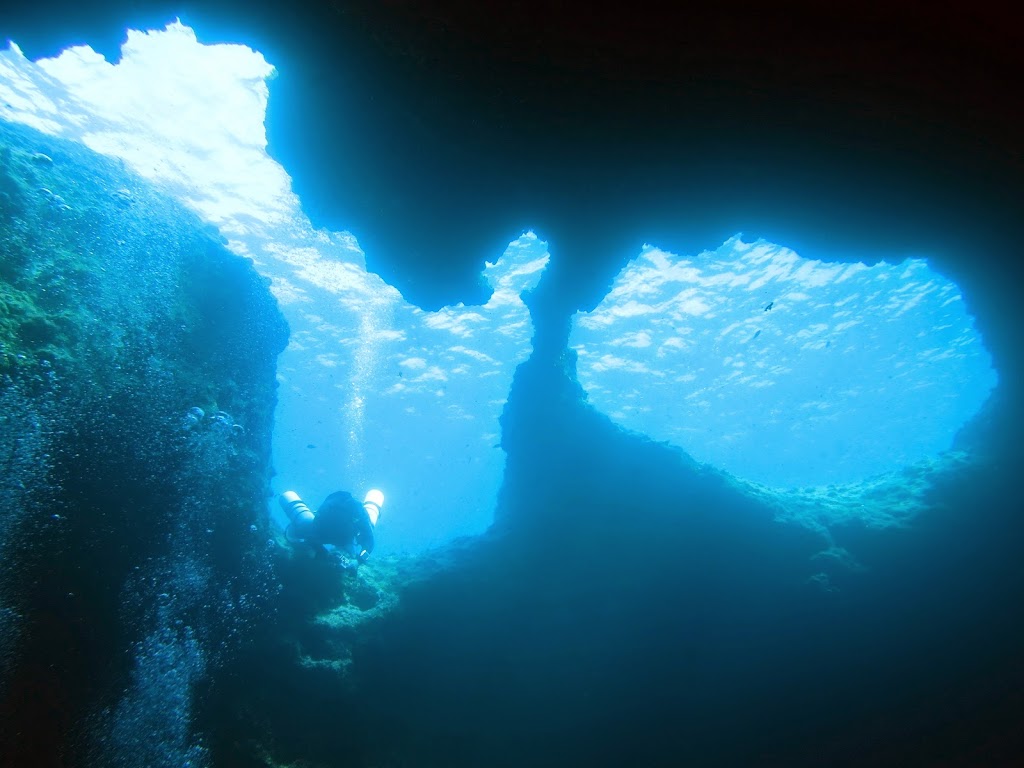
The site features a diverse underwater landscape, including mild rocky slopes that transition to sand, as well as more dramatic walls, intricate reefs, and occasional small caverns and holes.
Planning to dive Red Rocks?
Send one inquiry and receive offers directly from the best verified local dive operators.
Conditions are Good
07:00 - 14:00
Optimal conditions expected
Current conditions near Red Rocks show 24° air, 26° sea temperature, 0.2 m waves, and 14 km/h wind. Forecast data is refreshed regularly to ensure accuracy.