
Diving at Daedalus (Egypt)
Daedalus Reef emerges as a solitary, oval-shaped atoll, distinctly positioned 80 km (50 miles) east of Marsa Alam, roughly halfway between Egypt and Saudi Arabia. Rising dramatically from the Red Sea's deep waters, it features prominent vertical walls and steep drop-offs. A striking lighthouse, erected by the Egyptian navy, stands proudly at its core, accessible via a pier, providing a landmark for this remote site.
Evening condition tracking at Daedalus features an air temperature of 30.5°C. We have recorded wave heights measuring 1 m during this period. These figures outline the environmental parameters currently present.
Dive Site Location & Key Facts
Dive Site Overview
What truly distinguishes Daedalus is its profound sense of isolation combined with exceptionally vibrant underwater ecosystems, attracting experienced divers seeking robust conditions. Currents often dictate the dive direction, typically running from north to south, which contributes to the nutrient-rich environment supporting a diverse food chain.
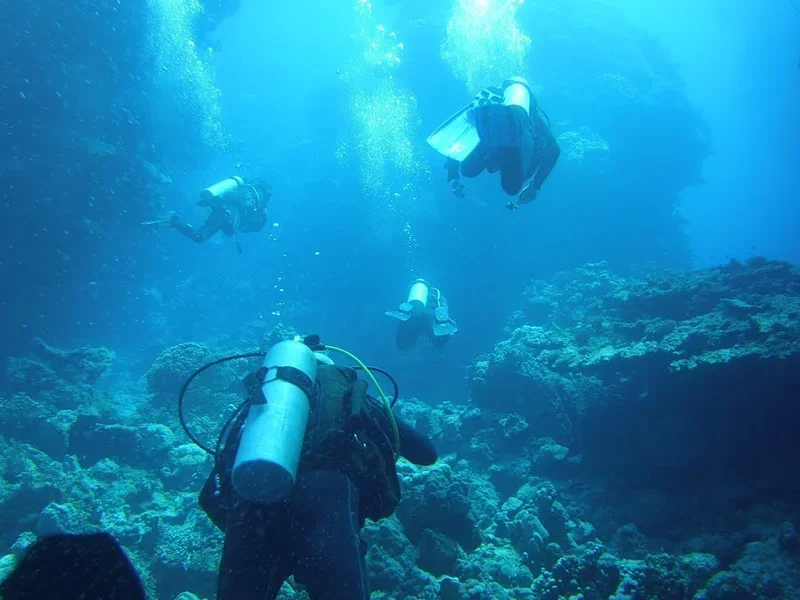
While a deep wreck, the Zealot, rests at depths around 80-100 m (260-330 ft) for technical divers, recreational limits usually restrict diving to 30-40 m (100-130 ft). The reef's walls boast an impressive array of hard and soft corals, forming a vivid backdrop against the deep blue. Visibility here generally ranges from 10 to 20+ meters (33 to 66+ ft), though it can fluctuate based on plankton blooms.
This offshore location demands liveaboard access and presents a thrilling environment for advanced divers prepared for strong currents and exposed surface conditions.
Conditions are Good
Optimal conditions expected
Current conditions near Daedalus show 30° air, 30° sea temperature, 1.2 m waves, and 35 km/h wind. Forecast data is refreshed regularly to ensure accuracy.
Best Time to Dive
Optimizing your dive experience at Daedalus Reef typically means planning a trip from mid-March to mid-December. During these months, conditions are generally favorable, with air temperatures ranging from 24.5°C (76°F) in April to 31.5°C (89°F) in August, and minimal rainfall. The sea is noticeably cooler and can be rougher during January, February, and early March, with air temperatures averaging 22-23°C (72-73°F). October and November, however, offer excellent conditions with comfortable air temperatures around 26-28°C (79-82°F) and typically calm seas, making it a popular choice for many liveaboard itineraries.
PEAK SEASON SCORE
Scores combine air & water temps, waves, wind & rainfall for overall conditions.
BEST MONTHS TO DIVE
Monthly records compiled from satellite and marine observation nodes over the last 3 years. Data provided by Open-Meteo and MET Norway.
Dive Experience & Conditions
Accessing this remote Red Sea location is exclusively via liveaboard, as its distance from the mainland makes day trips impractical. Due to potentially strong currents and exposed surface conditions, divers need a PADI Advanced Open Water, SSI Advanced Adventurer, CMAS 2, or equivalent certification, alongside a minimum of 50 logged dives. Currents predominantly flow north to south, influencing dive entry points and trajectories. For the best light on the reef, mornings are ideal for exploring the eastern drop-off, while afternoons lend themselves better to the western side or the southern plateau. Surface conditions can be choppy due to the exposed oceanic position, requiring comfortable boat handling. Night dives are strictly prohibited under marine park regulations for safety reasons.
Dive Difficulty & Safety Guidelines
Diving at Daedalus Reef requires a serious approach to safety, primarily due to its remote, open-sea location and the likelihood of encountering medium to strong currents. Divers must hold an Advanced Open Water certification (or equivalent) and possess at least 50 logged dives; this experience is crucial for managing the dynamic underwater environment and potentially choppy surface conditions. Always dive with experienced guides who are intimately familiar with the local current patterns and safety protocols.
Adherence to marine park rules is mandatory, especially the prohibition of night dives, a regulation imposed to prevent divers from being swept away by currents in the dark. Maintaining excellent buoyancy control and situational awareness is paramount here.
Recommended Equipment
- Dive Computer
This gear list is based on verified equipment signals for Daedalus, Egypt. Always confirm final gear choices with your dive operator, guide, or liveaboard.
Recommended Dive Suit
Individual comfort in the water can vary significantly from diver to diver, even under the same conditions.
For most recreational dives, dive skin or rash guard should provide comfortable protection. Consider warmer surface protection (like a boat coat) due to brisk winds. Forecast trends indicate little change in overall diving conditions during the next few days.
Water temperatures across the dive area at Daedalus are presently estimated to be around 30°C (86°F). Surface air temperatures are resting at 30°C (87°F).
Emergency & Medical Support
Essential information to help you plan your dive trip to Daedalus.

Hyperbaric chambers are a critical part of dive safety infrastructure. Availability varies significantly by region, and not all dive areas have immediate access.
Before diving, it's recommended to:
- confirm nearest medical facilities
- check emergency procedures with local dive operators
- ensure dive insurance covers evacuation if required
Divers Alert Network
Diving emergency assistance available through DAN Europe.
+39 0642115685- 24/7 emergency hotline
- Diving medical assistance
- Evacuation coordination
Emergency contacts are provided for reference. Always verify local emergency services before diving.
Marine Life at Daedalus
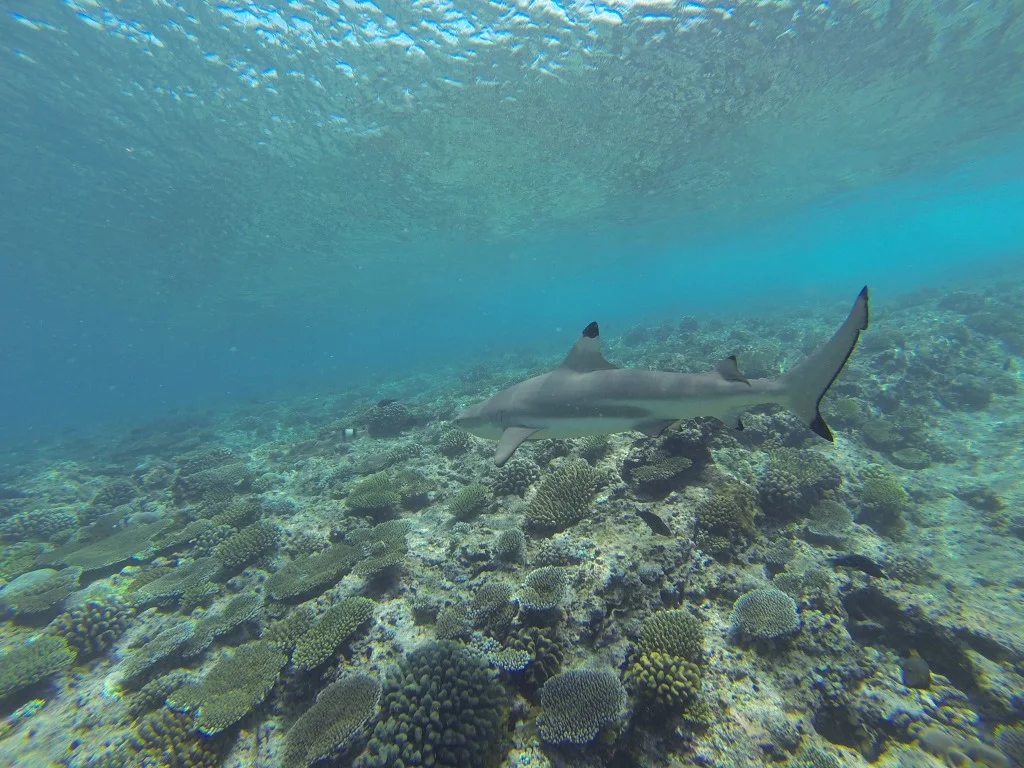
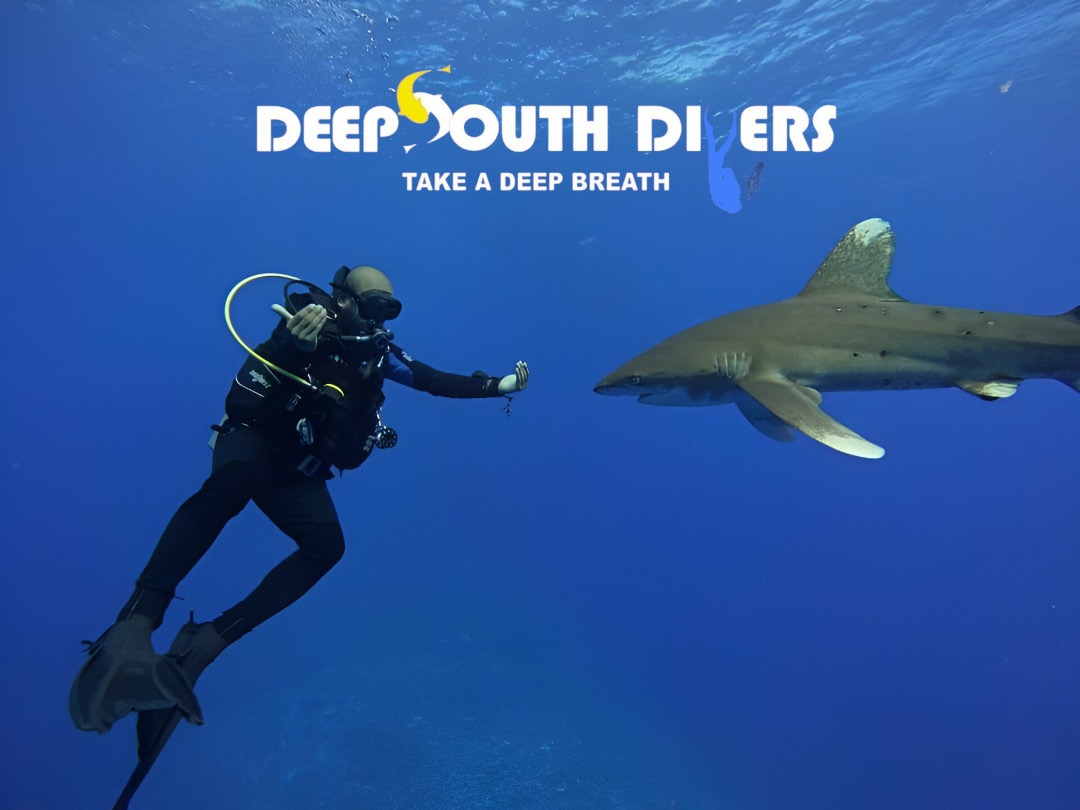
The vibrant ecosystem at Daedalus Reef thrives on its open-sea location and nutrient-rich currents, attracting a broad spectrum of marine life. Pelagic encounters are a significant draw, with excellent opportunities to observe various shark species, including hammerheads and frequently sighted oceanic whitetips, especially around mooring areas.
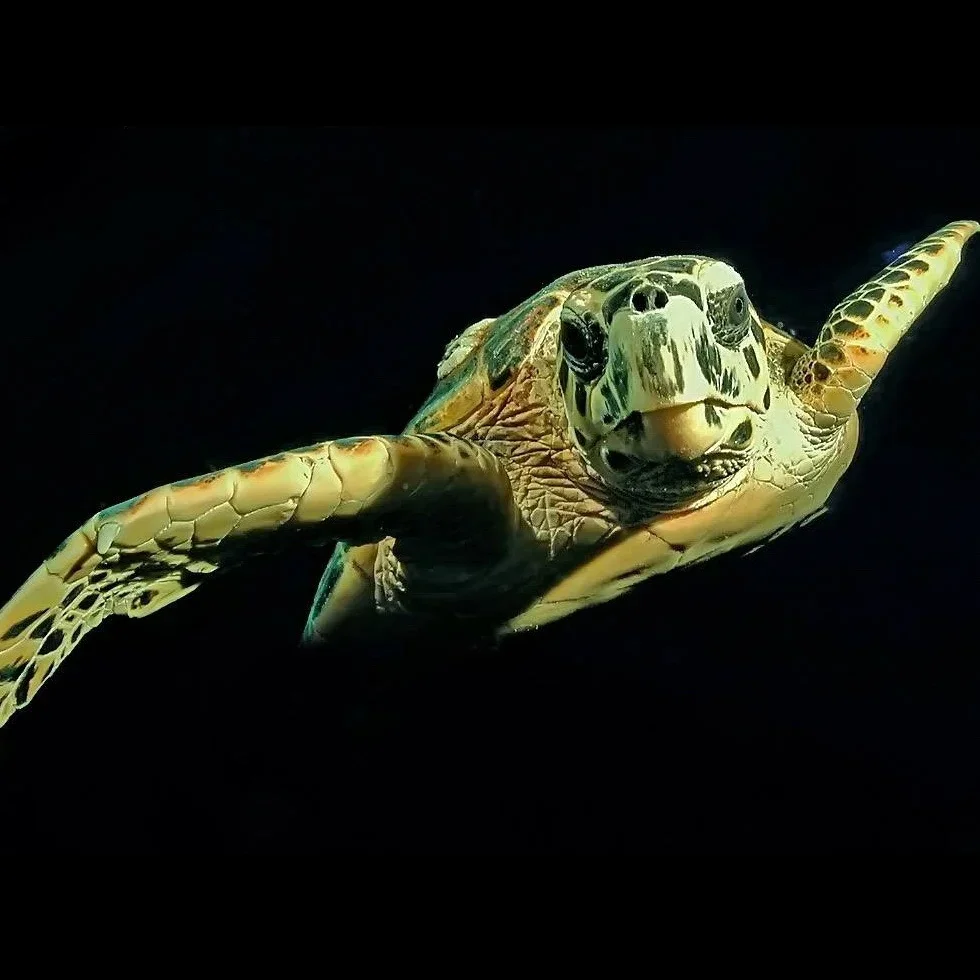
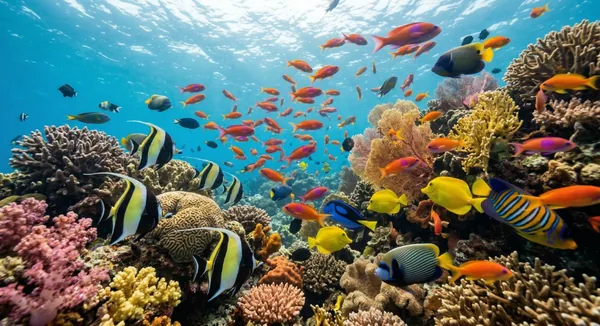
Beyond the large predators, the healthy hard and soft coral formations shelter a great variety of colorful coral fishes. Divers regularly spot green and hawksbill turtles gracefully navigating the reef, adding to the allure of this robust underwater environment.
Dive Centers Near Daedalus
Today: 08:00 - 12:30-6

Nearest Airports
Nearest airports to help plan travel to this dive area.
Search Flights
Check available flights and routes on Expedia, using the nearby airports listed in this section.
Search Flights on ExpediaFrequently Asked Questions
Where is Daedalus Reef located?
Daedalus Reef lies approximately 80 km (50 miles) east of Marsa Alam, Egypt, almost midway between the Egyptian and Saudi Arabian coastlines in the Red Sea.
How do divers access Daedalus Reef?
Due to its remote location, Daedalus Reef is exclusively accessible via liveaboard or safari boat trips. Day trips from the mainland are not feasible for this offshore site.
What level of diving experience is required for Daedalus?
Divers typically need an Advanced Open Water (or equivalent) certification and a minimum of 50 logged dives. This requirement reflects the site's challenging conditions, including strong currents and open-sea exposure.
What marine life can divers expect to see?
The reef is known for its pelagic species, particularly hammerhead and oceanic whitetip sharks. Divers also frequently encounter green and hawksbill sea turtles, alongside a rich diversity of reef fish and healthy hard and soft corals.
Are night dives permitted at Daedalus Reef?
No, night dives are strictly forbidden at Daedalus Reef due to marine park regulations. This rule is in place to ensure diver safety given the strong currents and remote offshore location.
What are the typical dive depths at Daedalus?
Recreational diving at Daedalus typically ranges from 5 m (16 ft) down to a maximum of 30-40 m (100-130 ft). A deep wreck is present at greater depths, accessible only to technical divers.
Can visitors go ashore at Daedalus Reef?
Yes, divers can visit the lighthouse on the reef between dives. Access is via a pier, providing an opportunity to experience the site from above the water.
What is the origin of the name Daedalus Reef?
The exact origin is not 100% confirmed, but it's thought to have been named by the British Admiralty in the 1830s, possibly in honor of HMS Daedalus. Locally, it's known as Abu Kizan.
Planning to dive Daedalus?
Send one inquiry and receive offers directly from the best verified local dive operators.
Conditions are Good
Optimal conditions expected
Current conditions near Daedalus show 30° air, 30° sea temperature, 1.2 m waves, and 35 km/h wind. Forecast data is refreshed regularly to ensure accuracy.