
Diving at Black Coral Wall (Honduras)
Black Coral Wall unfolds as a captivating dive site in Honduras, primarily defined by its namesake organisms. This underwater structure offers a scenic descent, where a dramatic fringe of black coral creates a distinct visual boundary. Stretching to approximately 50 m (164 ft) at its maximum depth, it provides a vivid backdrop for exploration. The wall features a gentle slope, punctuated by more dramatic rock formations in certain sections, inviting divers to trace its contours.
Tonight's objective overview for Black Coral Wall shows an air temperature of 28.5°C. The measured surface conditions include wave heights around 0.5 m. This environmental data is logged for the close of the day.
Dive Site Location & Key Facts
Dive Site Overview
Black Coral Wall presents a classic Utila wall dive, beginning with a gradual descent that reveals its defining features. This site, exclusively boat-accessed, guides divers along a generally mild slope, occasionally punctuated by more dramatic rock formations.
Its underwater terrain transitions smoothly, offering sections of rocky structure that give way to open patches of sandy bottom, creating varied habitats. Diving here typically offers easy Caribbean conditions, with often excellent visibility, enhancing the visual appeal of the vibrant corals and intricate textures. The extensive growth of black coral forms a striking fringe along its deeper sections, providing both a scenic backdrop and a vital ecosystem for smaller reef inhabitants.
Navigating the contours of this wall allows for a relaxed exploration within typical recreational depth limits. It’s a rewarding experience for those seeking a tranquil reef environment with abundant photographic opportunities and a non-technical profile.
Conditions are Good
Optimal conditions expected
Current conditions near Black Coral Wall show 28° air, 30° sea temperature, 0.4 m waves, and 27 km/h wind. Forecast data is refreshed regularly to ensure accuracy.
Best Time to Dive
Considering seasonal shifts often enhances the dive experience at Black Coral Wall, though it can be dived year-round. Calmer sea states and clearer planning windows typically coincide with Utila's drier periods from late winter into summer. February through June, for example, show lower average rainfalls, with May reporting a minimal 0.89 mm. During these months, average air temperatures range comfortably from 25-28°C (77-83°F). Dive scores are consistently moderate to good throughout the year, with August, September, and October often rated 'Good', aligning with slightly lower wave heights and consistent air temperatures, even with some increased rainfall during parts of this period. Water temperature data is not consistently reported but generally remains within comfortable Caribbean ranges.
PEAK SEASON SCORE
Scores combine air & water temps, waves, wind & rainfall for overall conditions.
BEST MONTHS TO DIVE
Monthly records compiled from satellite and marine observation nodes over the last 3 years. Data provided by Open-Meteo and MET Norway.
Dive Experience & Conditions
Immersing oneself at Black Coral Wall delivers a sense of comfortable ease, marked by typically good visibility often around 20 m (65 ft). The site generally experiences low to no current, facilitating a relaxed exploration of the reef and wall. Divers will encounter a gently sloping profile that gradually deepens, allowing for flexible dive planning. Healthy coral growth, including the impressive black coral formations, thrives along the wall, adding vibrant color and intricate textures to the underwater landscape. These stable conditions and the clear water make it an accessible site for various skill levels to enjoy the rich marine tapestry.
Dive Difficulty & Safety Guidelines
Approaching any wall dive warrants specific considerations, though Black Coral Wall presents a straightforward profile. Since it's a boat-accessed site, utilizing a local operator is essential for proper logistics and safety briefings. Divers should manage their depth carefully, especially given the maximum depth of 50 m (164 ft), ensuring they adhere to their certification limits and dive plan.
While generally characterized by easy conditions and low current, always remain aware of your surroundings and any subtle shifts. No unusual specific hazards are consistently reported for this location; however, standard safe diving practices and buddy system adherence are always paramount.
Recommended Equipment
Technical depth range. Advanced planning, gas management, and appropriate certification required.
- Dive Computer
- DSMB
- Primary & Backup Lights
This gear list is based on verified equipment signals for Black Coral Wall, Honduras. Always confirm final gear choices with your dive operator, guide, or liveaboard.
Recommended Dive Suit
Forecast conditions over the next few days suggest temperatures will remain relatively stable.
Two divers in the same water temperature may experience very different comfort levels.
Many divers find that dive skin or rash guard offers the right level of insulation for conditions like these. A hood or vest is suggested for sensitive divers due to surface winds. Divers preparing to enter the water at Black Coral Wall will likely find temperatures around 30°C (85°F) today. Surface air temperatures are resting at 28°C (83°F).
Emergency & Medical Support
Essential information to help you plan your dive trip to Black Coral Wall.

Hyperbaric chambers are a critical part of dive safety infrastructure. Availability varies significantly by region, and not all dive areas have immediate access.
Before diving, it's recommended to:
- confirm nearest medical facilities
- check emergency procedures with local dive operators
- ensure dive insurance covers evacuation if required
Divers Alert Network
Diving emergency assistance available through DAN World.
+1-919-684-9111- 24/7 emergency hotline
- Diving medical assistance
- Evacuation coordination
Emergency contacts are provided for reference. Always verify local emergency services before diving.
Marine Life at Black Coral Wall
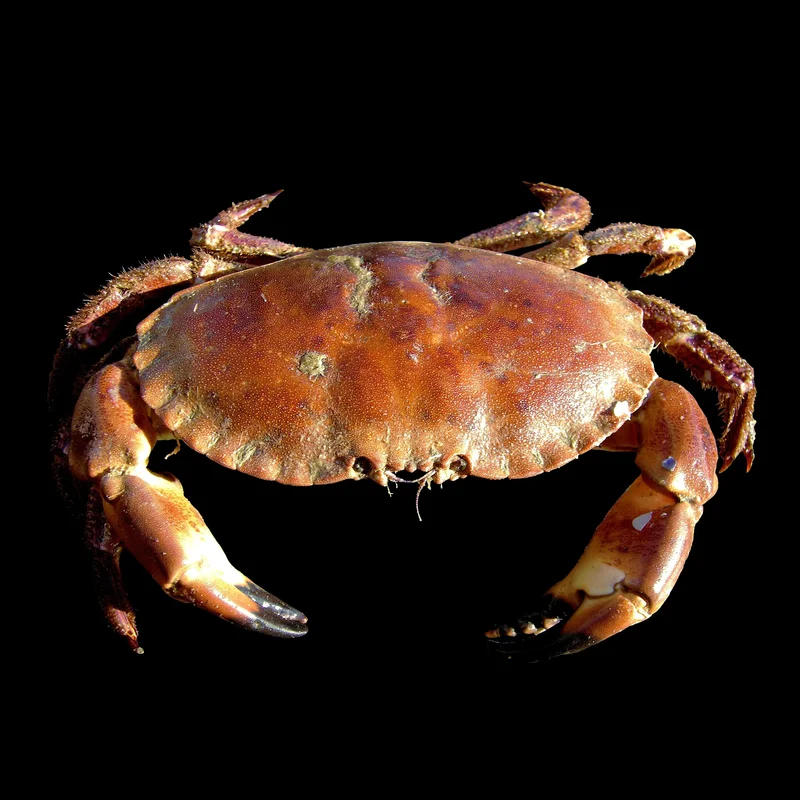
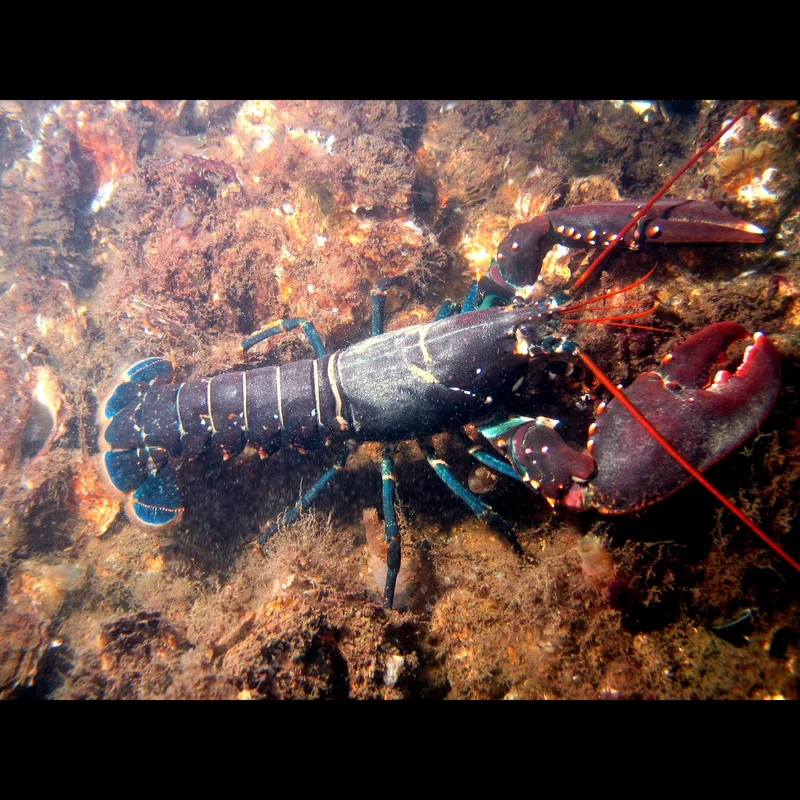
The initial descent often reveals the prominent black coral formations that give the wall its name, creating intricate habitats. Divers commonly observe a diverse array of schooling fish moving along the wall, alongside various crustaceans like lobster and crab hidden within its crevices.
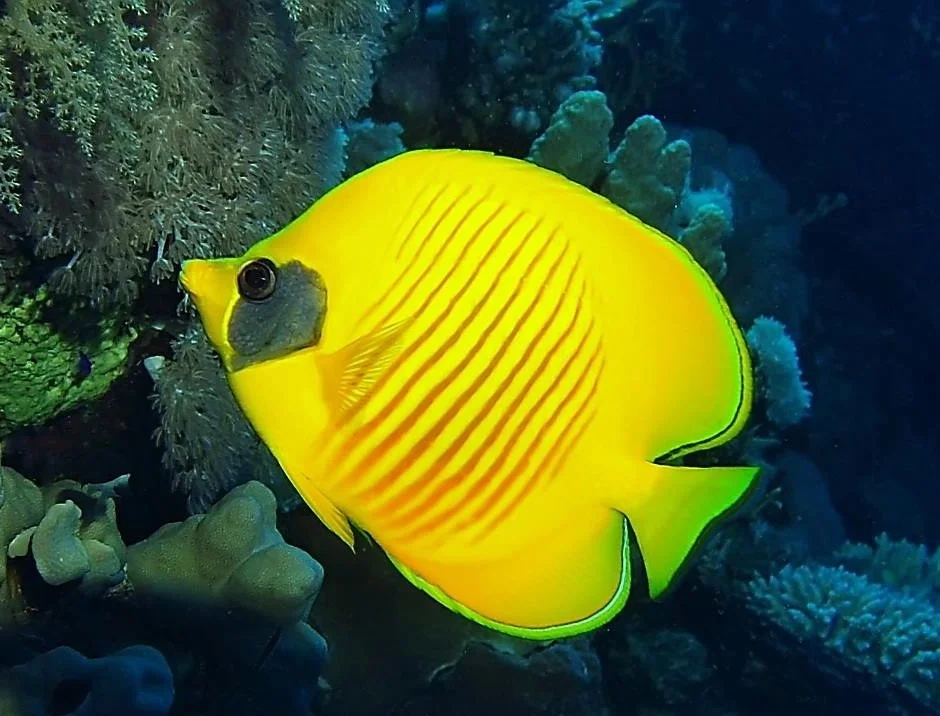
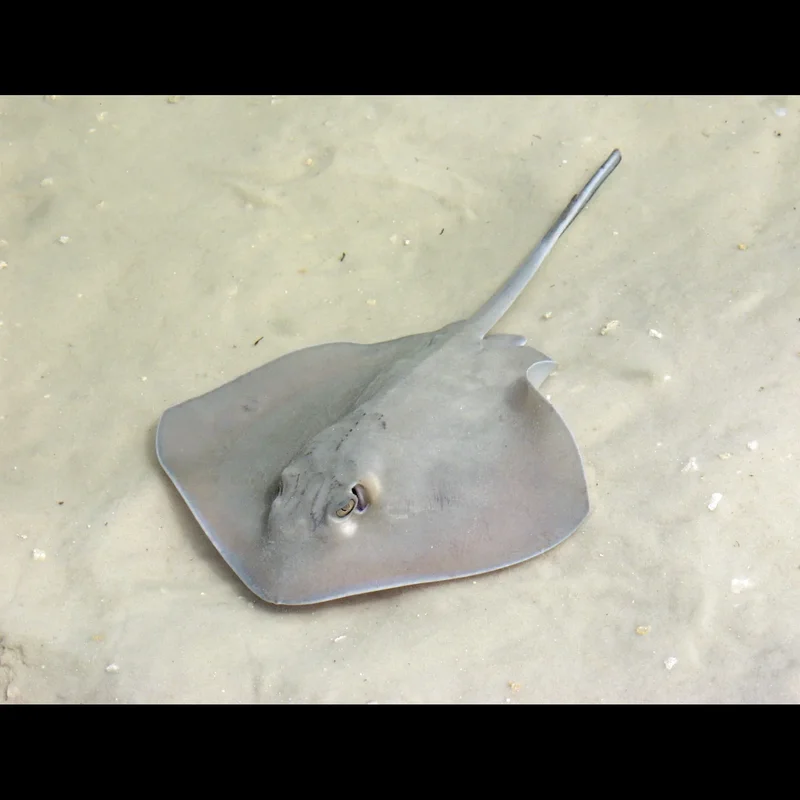
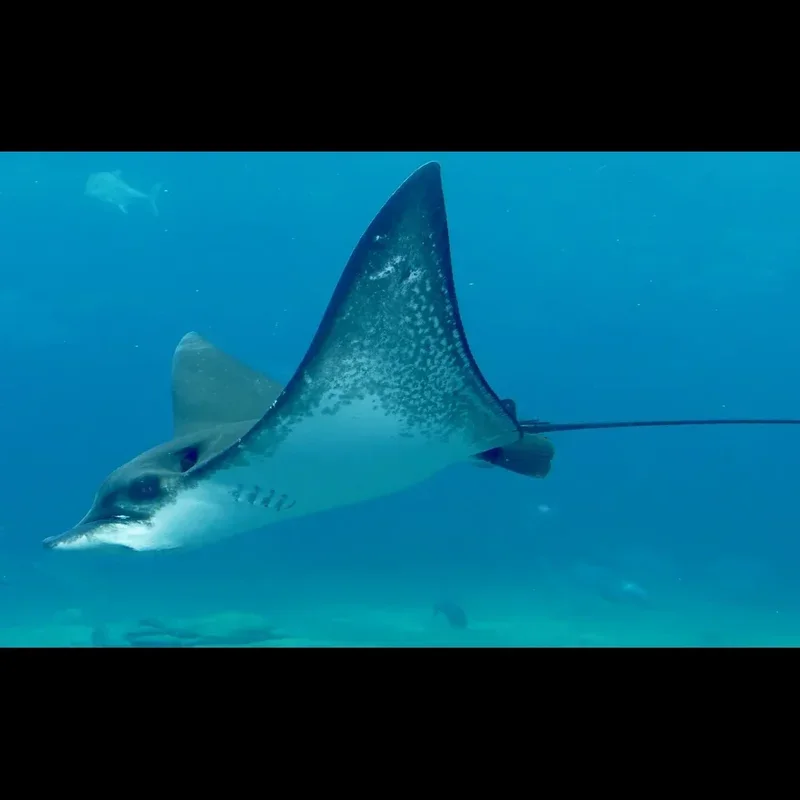
Look for Angelfish, Butterflyfish, and Colourful Wrasse species darting among the corals. Occasionally, larger pelagics such as Eagle rays and Southern Stingrays can be spotted gliding by, while Fairy Basslets add flashes of color closer to the reef. Jackfish are also frequently reported, adding to the site's rich biodiversity.
Dive Sites Near Black Coral Wall
View all dive sites in HondurasDiscover more underwater gems in this area.
Dive Centers Near Black Coral Wall
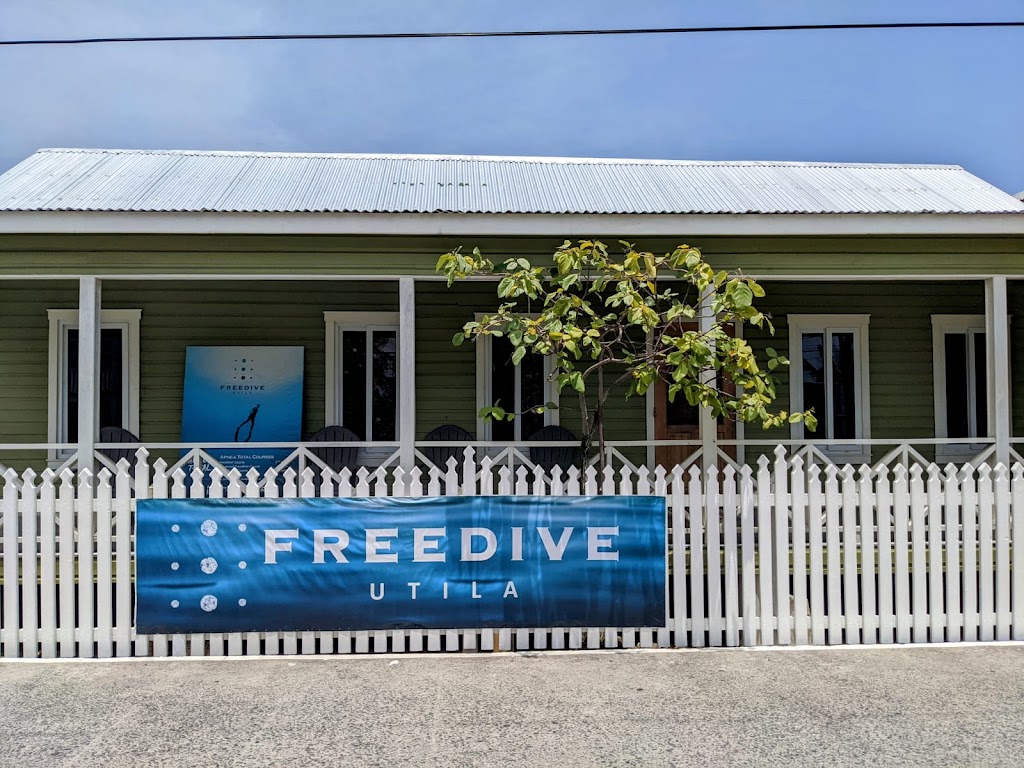
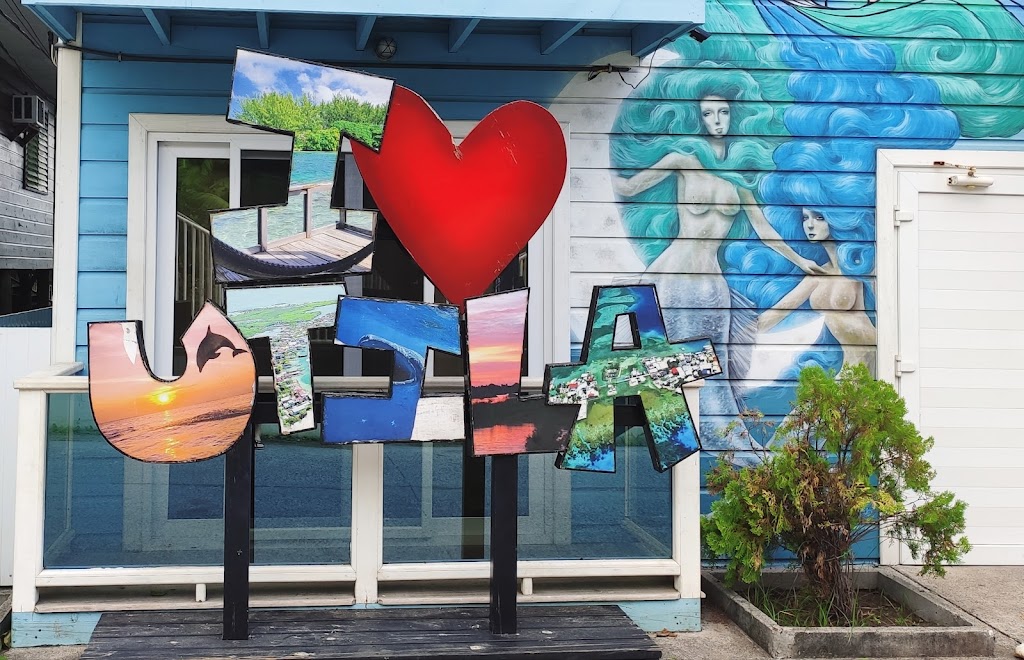
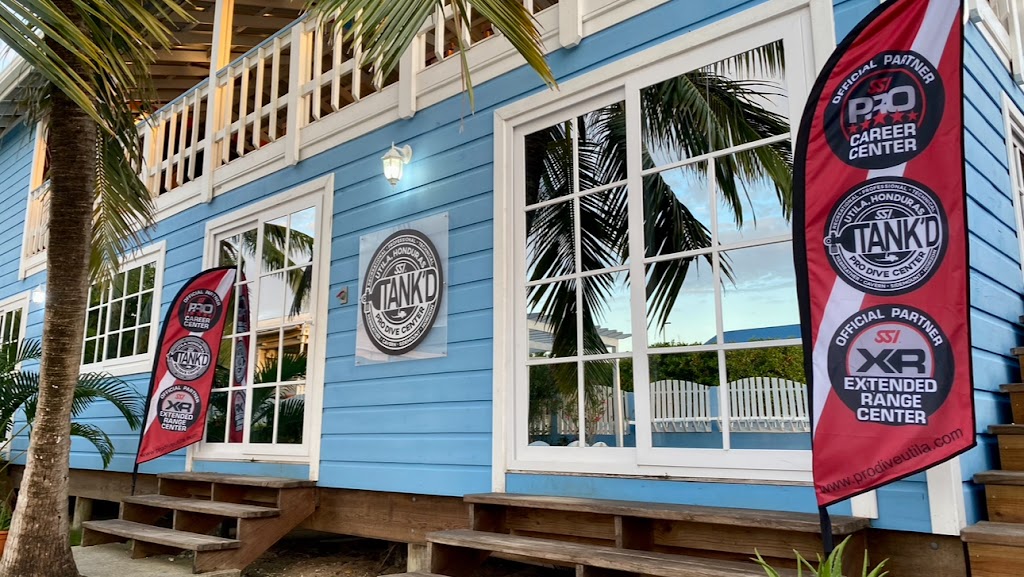
Today: 07:30 - 18:00
Nearest Airports
Nearest airports to help plan travel to this dive area.
Search Flights
Check available flights and routes on Expedia, using the nearby airports listed in this section.
Search Flights on ExpediaFrequently Asked Questions
Are currents a factor at Black Coral Wall in Honduras?
Black Coral Wall is typically known for experiencing low to no current. This makes for generally easy diving conditions, suitable for relaxed exploration along the reef and wall profile.
How do divers reach Black Coral Wall in Honduras?
Divers typically reach Black Coral Wall via boat. It's not usually accessed as an independent shore entry, meaning a local dive operator is required to visit the site.
Is Black Coral Wall in Honduras suitable for beginner divers?
Yes, Black Coral Wall is generally suitable for beginner divers. Its mild slope, low current, good visibility, and non-technical profile offer a comfortable introduction to wall diving in the Caribbean.
Is Black Coral Wall in Honduras suitable for snorkeling or casual freediving?
Black Coral Wall is primarily known as a scuba diving site. While possible to snorkel or freedive, its main appeal lies in the deeper wall and black coral growth, which are less accessible from the surface.
What is Black Coral Wall in Honduras best known for?
This site is best known for its extensive and beautiful black coral formations. These give the wall its name and are a significant highlight, alongside schooling fish and the generally easy Caribbean conditions.
What marine life can appear at Black Coral Wall in Honduras?
Divers can expect to see a variety of marine life including schooling fish, lobster, and crab. Specific sightings often include Angelfish, Butterflyfish, Jackfish, Colourful Wrasse Species, Southern Stingrays, Eagle rays, and Fairy Basslets.
What visibility should divers expect at Black Coral Wall in Honduras?
Divers at Black Coral Wall can typically expect good visibility, often around 20 meters (65 feet). This allows for clear views of the wall, its coral structures, and the marine life inhabiting the area.
When is the best time to dive Black Coral Wall in Honduras?
Black Coral Wall can be dived year-round. However, calmer and clearer conditions are often experienced during Utila's drier periods, generally from late winter into summer, enhancing the overall dive experience.
Planning to dive Black Coral Wall?
Send one inquiry and receive offers directly from the best verified local dive operators.
Conditions are Good
Optimal conditions expected
Current conditions near Black Coral Wall show 28° air, 30° sea temperature, 0.4 m waves, and 27 km/h wind. Forecast data is refreshed regularly to ensure accuracy.