
Diving in Honduras
Dive conditions in Honduras are influenced by local geography, resulting in noticeable differences between sites. We currently track 24 dive locations in our database for Honduras. This helps divers compare locations and plan dives based on available conditions.
Diving in Honduras offers a captivating experience, primarily centered around the Bay Islands of Roatan, Utila, and Guanaja, which lie along the Mesoamerican Barrier Reef. This region provides an exceptional range of underwater topography and conditions. Divers can explore dramatic wall dives, vibrant coral reefs, and intriguing shipwrecks, with conditions generally favoring clear waters and diverse marine encounters.
While the dive type distribution is varied, the focus leans heavily into healthy reef systems and challenging wall dives that drop to significant depths. The underwater landscape is characterized by sloping plateaus leading to sudden drop-offs, creating stunning geological features. It's a destination that caters to a broad spectrum of dive preferences, from macro photography in soft coral gardens to thrilling pelagic encounters.
The overall experience is one of immersion in a thriving Caribbean ecosystem. English is widely spoken in the Bay Islands, alongside Spanish, and both USD and Honduran Lempira are accepted, simplifying logistics for international visitors. This accessibility, combined with the rich underwater environment, makes Honduras a compelling choice for divers seeking both adventure and natural beauty.
Dive Map of Honduras
Understanding the geographical spread of Honduras's dive sites starts with its prominent Bay Islands. The dive map clearly illustrates a concentration of exceptional locations around Roatan, Utila, and Guanaja. Each island presents distinct features and marine encounters, and a map helps visualize the extensive network of vibrant reefs, dramatic walls, and historic wrecks available for exploration.
Roatan, for instance, offers numerous easily accessible dive sites. Specific locations like the MV Odyssey, the Aguila wreck, and Mary’s Place are highlighted, inviting divers to plan their underwater adventures. Cayos Cochinos also appears on the map, presenting opportunities for day trips to more secluded diving.
Using a dive map allows divers to effectively plan itineraries, understanding the proximity of sites and maximizing their underwater discovery across these rich Caribbean waters.
Dive Sites to Explore
View all 24 sites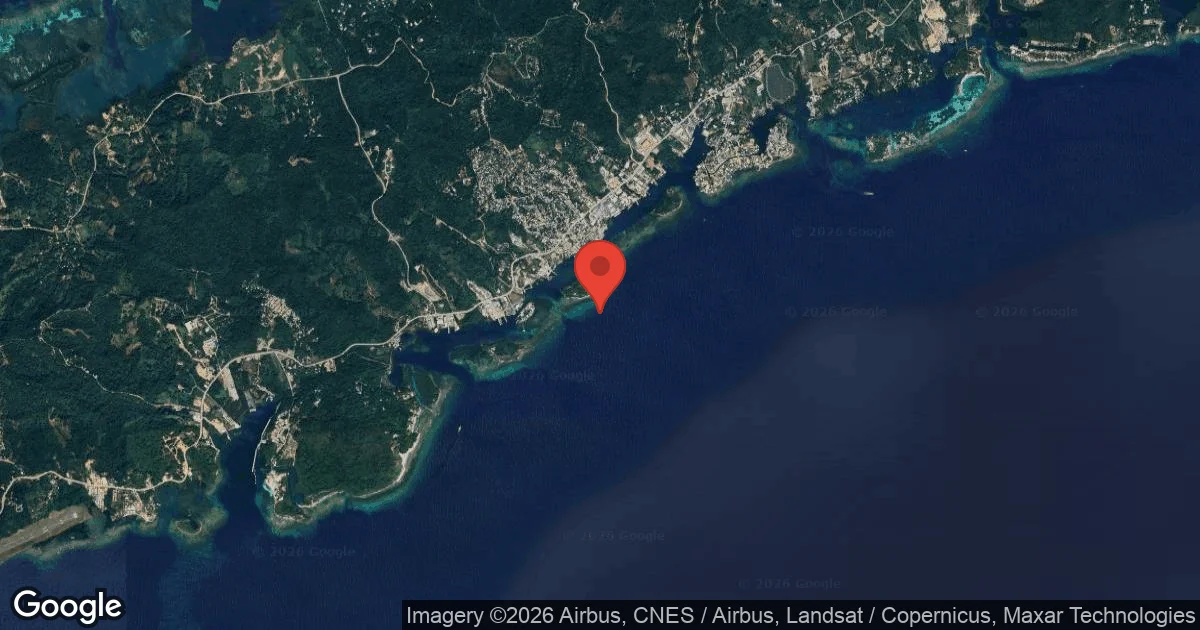
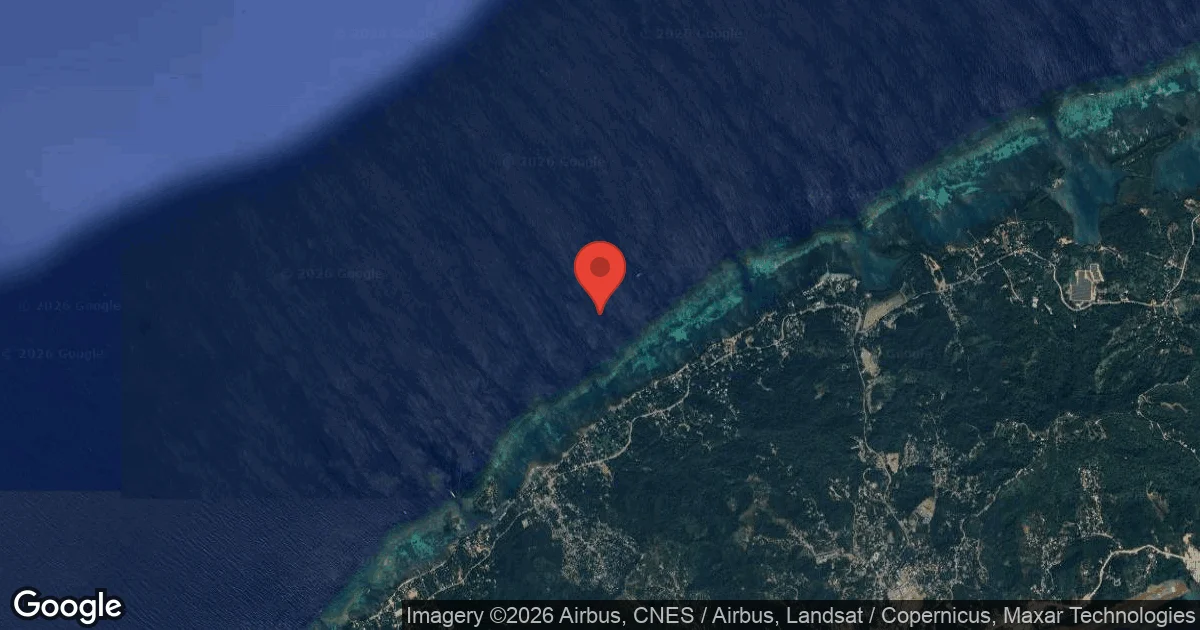
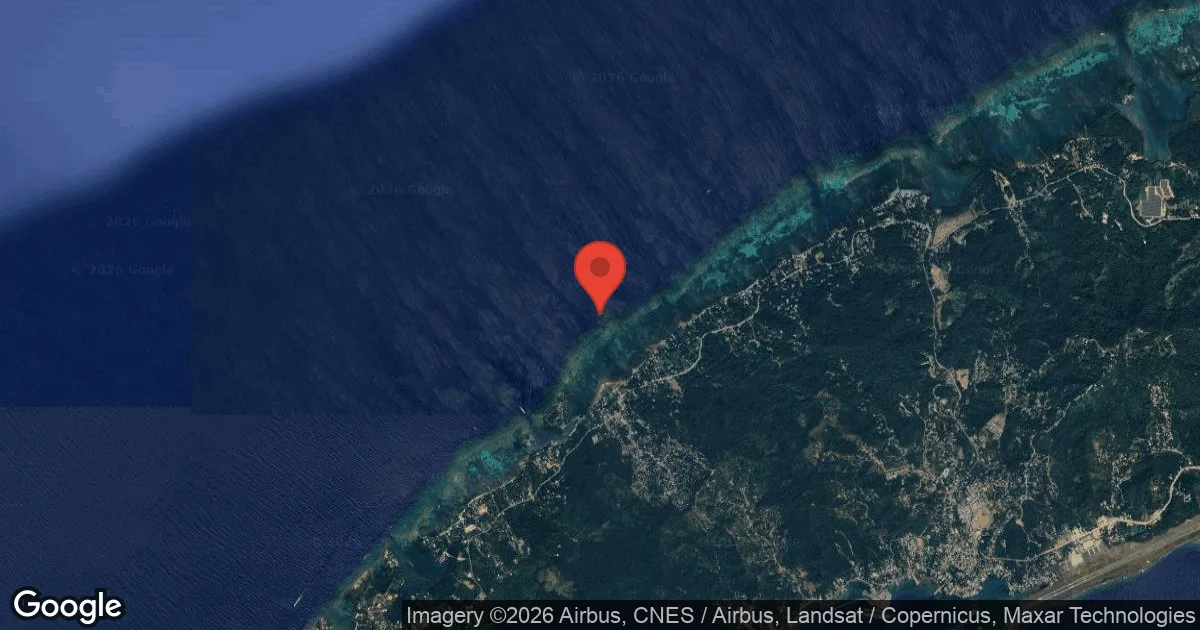
Honduras provides a diverse underwater landscape, catering to a range of dive preferences from wreck exploration to vibrant reef and challenging wall dives. The country's primary diving areas, particularly around Roatan and Utila, boast an array of sites known for their distinct characteristics and abundant marine life. Whether you seek deep encounters or shallow macro photography, there's a site to suit.
Visibility often ranges from 19 m (62 ft) to over 30 m (100 ft), especially during the drier seasons, allowing for clear views of the intricate reef structures and larger pelagics. The sites are spread across the Bay Islands, with many concentrated along the North and South shores of Roatan. These areas offer everything from gentle drifts over coral gardens to more adventurous dives along deep walls.
MV Odyssey, Roatan: This impressive wreck offers a deep dive experience. It provides opportunities to explore its structure, which has become an artificial reef attracting various marine species.
Aguila Wreck, Roatan: Another significant wreck site, the Aguila is a popular choice for its historical context and the marine life that has colonized its remains. It adds a thrilling dimension to the reef diving prevalent in the area.
The Black Coral Wall, Roatan: Known for its depth and rich sea life, this wall dive immerses divers in an environment where black corals thrive. It offers a truly engaging experience along a dramatic underwater drop-off.
Mary’s Place, Roatan: This site is frequently cited as a top dive, featuring unique geological formations, including a deep crevice that divers can explore. It's a signature dive that showcases the island's distinctive underwater topography.
West End Wall, Roatan: A classic wall dive that offers extensive exploration of coral formations and diverse reef inhabitants. It represents the typical healthy reef and wall diving found along Roatan's western end.
Best Time to Dive in Honduras
Planning a dive trip to Honduras is often best done during its dry season, which generally runs from March through October, offering optimal visibility and calmer conditions. The summer months, particularly from July to September, are considered ideal for diving in Roatan, characterized by low winds and comfortable air temperatures averaging 29°C (84°F).
During this period, divers can expect consistent visibility of 30 m (100 ft) or more, with ultra-calm waters on the Northside of the islands. However, the Southside might experience choppier conditions due to prevailing easterly trade winds, which can generate waves up to 1.8 m (6 ft). The wet season, from November through February, brings cooler, breezier weather, with air temperatures averaging 26°C (78°F), though dropping as low as 19°C (66°F) on occasion.
Whale shark sightings are a major draw, with peak seasons occurring from February to April and again from October to December, primarily around Utila. While October marks the peak of hurricane season in the wider Caribbean, Roatan is seldom directly affected by major storms. Winter months (November to January) can bring heavy storms from the North, potentially degrading visibility in some areas, but diving is rarely canceled outright.
Monthly Sea Temperatures
Choosing the right exposure protection for diving in Honduras is straightforward, given the consistently warm waters throughout the year. Sea temperatures generally range from a comfortable 26°C (79°F) to a very warm 31°C (88°F).
During the spring months, from March to May, water temperatures typically rise to about 28°C (82°F), making shorties or even skins suitable for many divers. As summer progresses, especially from July to September, the water warms further, reaching an incredibly comfortable 29°C (84°F). Shallower areas can even reach 31°C (88°F) by the end of summer.
Even during the cooler winter months, from December to February, water temperatures remain pleasant, generally around 26-27°C (79-80°F). For most divers, a 3mm wetsuit provides ample warmth and protection throughout the year, with many opting for lighter exposure suits during the warmest periods.
| Jan | Feb | Mar | Apr | May | Jun | Jul | Aug | Sep | Oct | Nov | Dec | |
|---|---|---|---|---|---|---|---|---|---|---|---|---|
| Max | 29° | 28° | 29° | 29° | 31° | 30° | 30° | 30° | 31° | 30° | 30° | 29° |
| Avg | 27° | 27° | 28° | 28° | 29° | 30° | 29° | 30° | 30° | 29° | 28° | 28° |
| Min | 26° | 26° | 27° | 28° | 28° | 29° | 29° | 29° | 29° | 28° | 27° | 27° |
Dive Conditions
Dive conditions in Honduras are largely influenced by seasonal weather patterns, primarily impacting visibility and currents. During the dry season, from March through October, divers typically enjoy excellent visibility, often exceeding 30 m (100 ft), particularly in areas with quicker water flow and fewer sediment-contributing mangroves.
However, visibility can be degraded following storms, especially on the Northside of some islands, where winter's strong northern winds (up to 56 km/h or 35 mph) can create murkier and choppier surface conditions. The Southside of the islands, while sometimes experiencing waves up to 1.8 m (6 ft) due to easterly trade winds, is often sought out for its dramatic walls and soft coral gardens when the Northside is affected.
Currents vary by location, with some dive sites experiencing very little current flow, while others benefit from prevailing currents that bring nutrient-rich waters, attracting larger marine life. The North shore of Roatan often boasts the calmest waters for most of the year, providing a consistent and pleasant diving environment.
Marine Life Highlights
Most Mentioned Species
Marine life in Honduras varies across dive locations, with different species appearing depending on environment and conditions. The species highlighted here are the most frequently associated with dive sites in our data, offering a realistic overview of what divers are most likely to encounter.
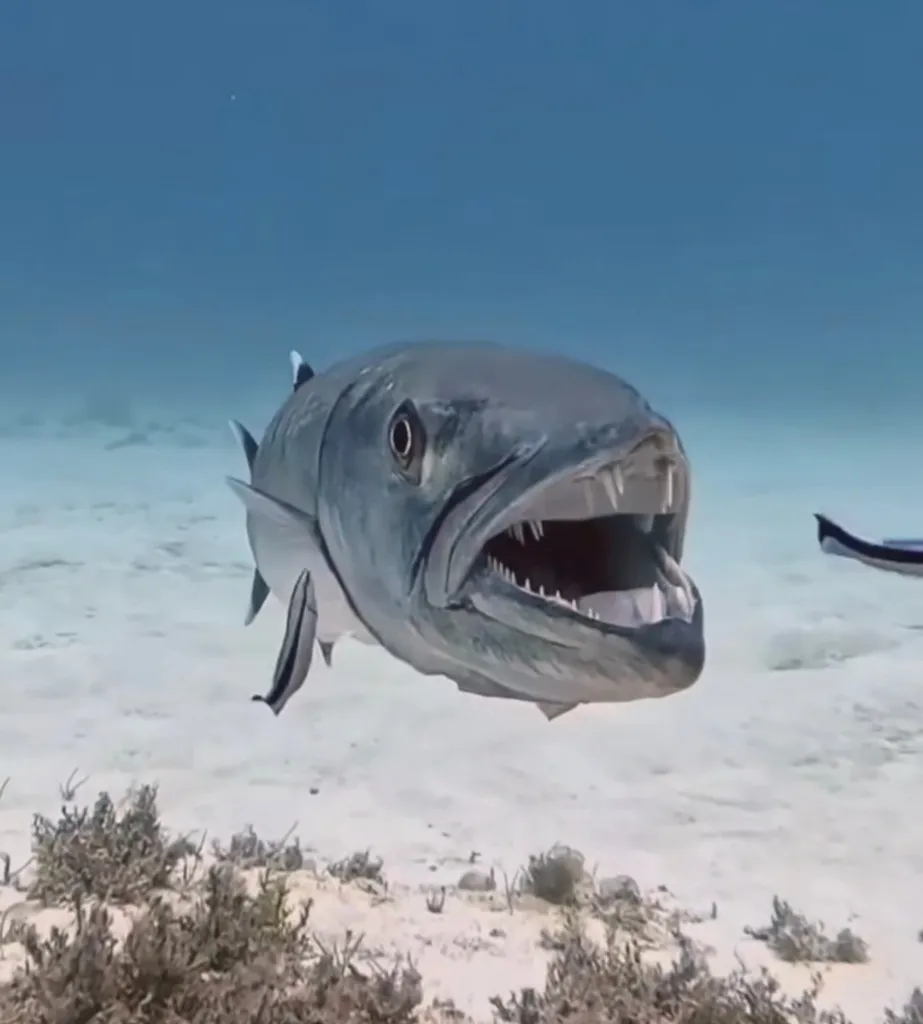
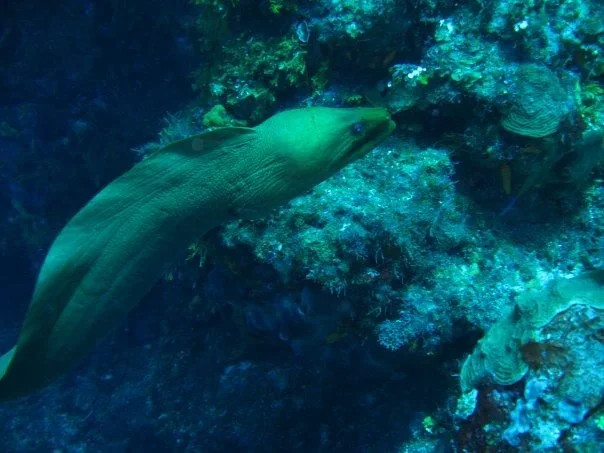
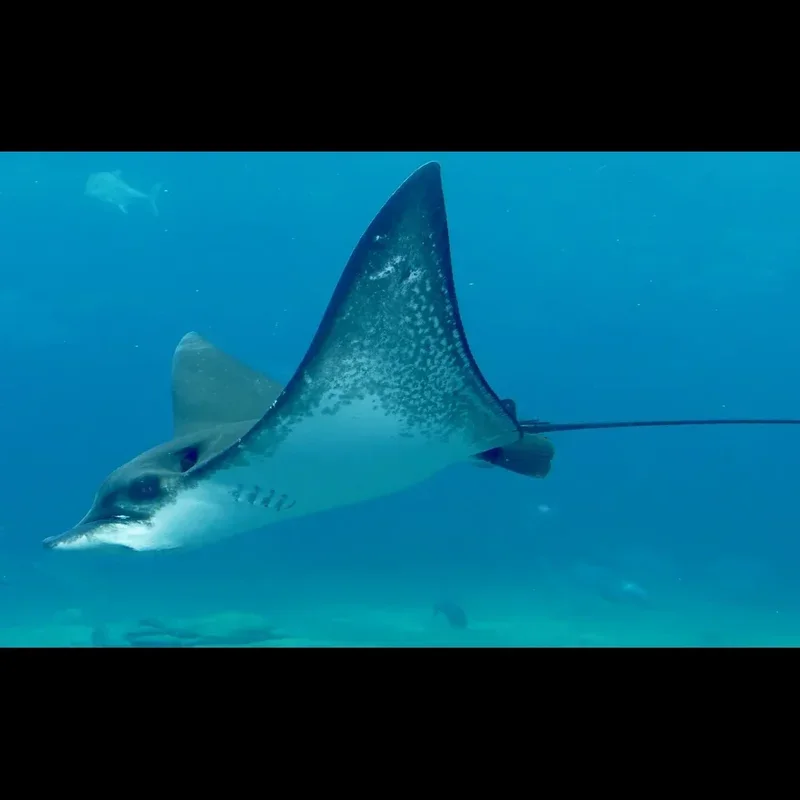
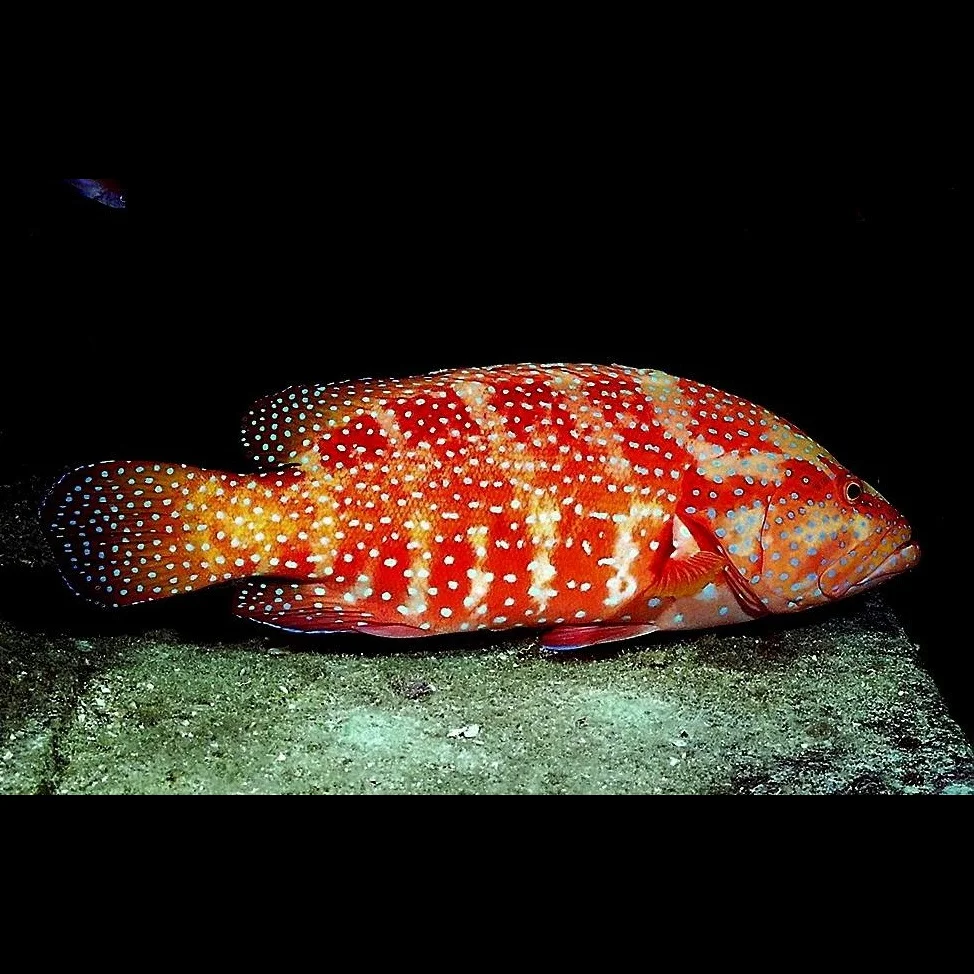
Honduras's marine environment is characterized by a healthy abundance of species, offering divers a rich tapestry of encounters, from the smallest macro critters to impressive pelagics. The Bay Islands are a focal point for biodiversity, supported by their location along the Mesoamerican Barrier Reef.
Whale sharks are a significant draw, with peak sighting seasons occurring from February to April and October to December, particularly around Utila. Beyond these gentle giants, divers frequently spot sea turtles, manta rays, and eagle rays cruising the reefs. The vibrant reef systems are home to numerous colorful reef fish, while larger predatory fish are also seen, often drawn by nutrient-rich currents.
For those who appreciate the smaller wonders, the soft coral gardens and intricate reef structures harbor a wealth of macro life. Look closely for neck crabs, blennies, seahorses, and the striking Flamingo Tongues. During certain times, such as the summer, divers might also witness the migration of Silversides, adding another dynamic layer to the underwater experience.
Regions for Diving
Honduras's diving appeal is concentrated within its Bay Islands: Roatan, Utila, and Guanaja, which are integral parts of the Mesoamerican Barrier Reef. Each island offers a distinct flavor of diving, though all share the common thread of vibrant coral ecosystems and dramatic underwater topography.
Roatan stands out as the most developed dive destination. Its reefs have been noted for their health within the Bay Islands. Roatan's diving is often categorized by its North and South sides. The North side features cresting reefs that transition into sloping plateaus, eventually dropping off into thousands of feet, creating impressive wall dives. Conditions here are often calm, particularly on the northwestern tip, which is rated favorably. Water temperatures typically range from 26-31°C (79-88°F), with visibility frequently exceeding 30 m (100 ft) during the dry season (March-October). Dive sites like Mary's Place, The Black Coral Wall, and West End Wall are popular examples.
The South side of Roatan, conversely, is cherished by macro enthusiasts for its expansive soft coral gardens and dramatic walls. While it can experience choppier conditions and waves up to 1.8 m (6 ft) when easterly trade winds pick up, it offers a different kind of beauty. The island's accessibility and varied conditions ensure consistent diving opportunities, often shifting between sides depending on local weather patterns.
Utila is globally recognized for its rich marine biodiversity and as a prime location for whale shark encounters, especially during their peak seasons (February-April and October-December). It offers a more laid-back atmosphere, attracting divers seeking both pelagic action and comprehensive dive training. Conditions are generally good, with warm waters and decent visibility mirroring those of Roatan.
Guanaja provides a more secluded and pristine diving experience. It's less frequented than Roatan or Utila, offering untouched reefs and a sense of remote exploration. While specific dive site details are less widely publicized, its inclusion in the Bay Islands chain suggests similar vibrant reef ecosystems and healthy marine life.
Travel & Passport Guide
Travel Basics
Trip Planning
Safety & Diving Considerations
Ensuring a safe and enjoyable dive trip to Honduras involves understanding local conditions and logistical considerations. While diving is rarely canceled in regions like Roatan, it's important to be aware that strong winds, particularly northern winds up to 56 km/h (35 mph) during winter months, can occasionally lead to dive cancellations or shifts to more sheltered sites.
Visibility can also be temporarily degraded after significant storms. It's always advisable to discuss current conditions with your dive operator. For travel logistics, the primary international airport serving the Bay Islands is Juan Manuel Galvez International Airport on Roatan. Most international flights connect via mainland Honduras (San Pedro Sula's Ramon Villeda Morales Airport) or other Central American hubs. Ferries provide inter-island transport.
Regarding currency, both the US Dollar and Honduran Lempira are used interchangeably, especially in the Bay Islands. It's practical to bring smaller denominations of USD, as changing larger notes can sometimes be challenging. Spanish is the official language, but English is widely spoken in tourist and diving areas, particularly on Roatan and Utila, making communication straightforward for most visitors.
Dive Centers in Honduras
View all 25 dive centers
Frequently Asked Questions
When is the best time to see whale sharks in Honduras?
Whale shark sightings in Honduras, particularly around Utila, are most frequent during two distinct peak seasons. The first runs from February to April, and the second occurs from October to December. During these months, divers have the highest chance of encountering these magnificent pelagic creatures, making them popular times for specific dive trips.
What are the typical water temperatures for diving in Honduras?
Water temperatures in Honduras are consistently warm throughout the year, making for comfortable diving. They generally range from 26°C (79°F) in the cooler winter months (December to February) to a very pleasant 29°C (84°F) during summer (July to September). In shallower areas, temperatures can even reach up to 31°C (88°F) by the end of summer. A 3mm wetsuit is usually sufficient.
What kind of marine life can I expect to encounter in Honduras?
Honduras's marine life is diverse, offering encounters with both large pelagics and intricate macro species. You can expect to see whale sharks during peak seasons, along with sea turtles, manta rays, and eagle rays. The reefs teem with colorful reef fish. Macro life includes neck crabs, blennies, seahorses, and Flamingo Tongues. Silversides also migrate to the islands in summer.
What are the main diving regions in Honduras?
The primary diving regions in Honduras are the Bay Islands: Roatan, Utila, and Guanaja. These islands are part of the Mesoamerican Barrier Reef and offer distinct diving experiences. Roatan is known for its diverse reefs, walls, and wrecks. Utila is a prime location for whale shark encounters and offers a relaxed atmosphere. Guanaja provides a more pristine and secluded diving environment.
What are the typical visibility and current conditions?
Visibility in Honduras is generally excellent, often exceeding 30 m (100 ft) during the dry season (March-October). However, it can be reduced after storms. Currents vary; some sites have very little flow, while others experience prevailing currents that bring nutrients. Strong northern winds in winter can create choppier conditions on the Northside of islands, while easterly trade winds affect the Southside.