
Diving at Jack Neil Beach (Honduras)
Divers approaching Jack Neil Beach should be mindful of currents that can occasionally be strong, particularly for less experienced individuals. While conditions are typically calm, the potential for drift diving exists, adding a dynamic element to the underwater experience. This site caters to all levels, but awareness of varying water movement ensures a safer and more enjoyable dive. It's a popular boat dive destination on the south side of Utila, accessible from the main harbor.
As evening covers Jack Neil Beach, the local air temperature is measured at 28°C. The current wave height at the surface is recorded at 0.4 m. These late-day readings characterize the surface conditions for the night.
Dive Site Location & Key Facts
Dive Site Overview
Jack Neil Beach offers a distinctive underwater topography, characterized by a large, sloping sand patch flanked by impressive walls. Starting from shallower sections at 2 meters (6.5 ft), this sandy expanse gradually descends to a maximum depth of 40 m (131 ft).
This structure provides a diverse habitat, transitioning from open sandy bottoms ideal for spotting bottom dwellers to vibrant hard coral formations on either side. Divers will navigate through areas adorned with a variety of sponges, including prominent barrel, rope, and encrusting types that add textural interest to the reef.
Expect to encounter numerous gorgonians and a mix of stony corals like brain and elkhorn species, creating intricate shelter for smaller marine life. For both wide-angle photography opportunities and close-up exploration for macro enthusiasts, the site appeals to diverse interests.
Average visibility frequently reaches 25 m (82 ft), offering clear views of the expansive reef structure, though conditions can vary, sometimes extending up to 40 m (131 ft) on exceptional days or reducing to 10 m (33 ft) depending on prevailing weather patterns. An accessible location, it's suitable for various certification levels, including those undertaking PADI Open Water and Advanced Open Water Diver courses, providing a range of depths and features to practice skills.
Conditions are Good
Optimal conditions expected
Current conditions near Jack Neil Beach show 28° air, 30° sea temperature, 0.5 m waves, and 23 km/h wind. Forecast data is refreshed regularly to ensure accuracy.
Best Time to Dive
To optimize the dive experience, planning a trip to Jack Neil Beach during the drier, calmer months is beneficial. The period from August through October generally presents the best conditions, with higher dive scores and more favorable weather. During these months, air temperatures average between 28-28.5°C (82-83°F) and rain levels are comparatively lower, ranging from 3.8-13.4 mm. Conversely, months like November and December, and early in the year (January-April), show increased rainfall, sometimes reaching up to 17.7 mm, and generally feature moderate dive scores. Surface conditions and visibility can be more variable during these periods, so checking local forecasts is always advisable.
PEAK SEASON SCORE
Scores combine air & water temps, waves, wind & rainfall for overall conditions.
BEST MONTHS TO DIVE
Monthly records compiled from satellite and marine observation nodes over the last 3 years. Data provided by Open-Meteo and MET Norway.
Dive Experience & Conditions
Diving at Jack Neil Beach means encountering dynamic current conditions. Currents can present as gentle drifts, allowing for relaxed exploration, yet also transition to stronger flows, offering a more exhilarating drift dive experience. This variability necessitates checking local reports before entry. Visibility generally maintains around 25 m (82 ft), though under optimal circumstances, divers frequently report extensions up to 40 m (131 ft). Conversely, visibility might occasionally reduce to 10 m (33 ft) depending on prevailing weather. Water temperatures remain consistently warm, characteristic of tropical Caribbean locations. While site-specific data isn't always consistently reported, regional patterns suggest comfortable conditions typically above 22°C (72°F). The dive profile itself is diverse, shaped by a sloping sandy bottom that transitions into vibrant coral walls. These features accommodate dives from shallower reef sections, ideal for newer divers, to a maximum depth of 40 m (131 ft) for advanced exploration.
Dive Difficulty & Safety Guidelines
An expert tip for diving Jack Neil Beach involves thorough dive planning, particularly regarding current conditions. Always consult with local dive operators about prevailing currents on the day of your dive, as they can fluctuate significantly. Staying within your certification limits and maintaining proper buoyancy control are crucial, especially when exploring deeper sections or if a drift dive is underway.
For those venturing towards the maximum depth of 40 m (131 ft), a PADI Advanced Open Water Diver certification or equivalent is recommended. There are no specific hazards beyond general diving considerations, but always ensure your equipment is in good working order and carry an audible surface signaling device. Night diving is also suitable here, requiring appropriate lighting and a well-briefed buddy team.
Recommended Equipment
Deep dive hazard. Increased narcosis and gas consumption risk.
- Dive Computer
- DSMB
- Primary & Backup Lights
This gear list is based on verified equipment signals for Jack Neil Beach, Honduras. Always confirm final gear choices with your dive operator, guide, or liveaboard.
Recommended Dive Suit
Forecast trends indicate little change in overall diving conditions during the next few days.
Divers who prefer a balanced level of warmth often select dive skin or rash guard in water temperatures like this. A hood or vest is suggested for sensitive divers due to surface winds.
Recent environmental data from Jack Neil Beach indicates water temperatures near 30°C (86°F). Surface air temperatures are resting at 28°C (83°F).
Emergency & Medical Support
Essential information to help you plan your dive trip to Jack Neil Beach.

Hyperbaric chambers are a critical part of dive safety infrastructure. Availability varies significantly by region, and not all dive areas have immediate access.
Before diving, it's recommended to:
- confirm nearest medical facilities
- check emergency procedures with local dive operators
- ensure dive insurance covers evacuation if required
Divers Alert Network
Diving emergency assistance available through DAN World.
+1-919-684-9111- 24/7 emergency hotline
- Diving medical assistance
- Evacuation coordination
Emergency contacts are provided for reference. Always verify local emergency services before diving.
Marine Life at Jack Neil Beach
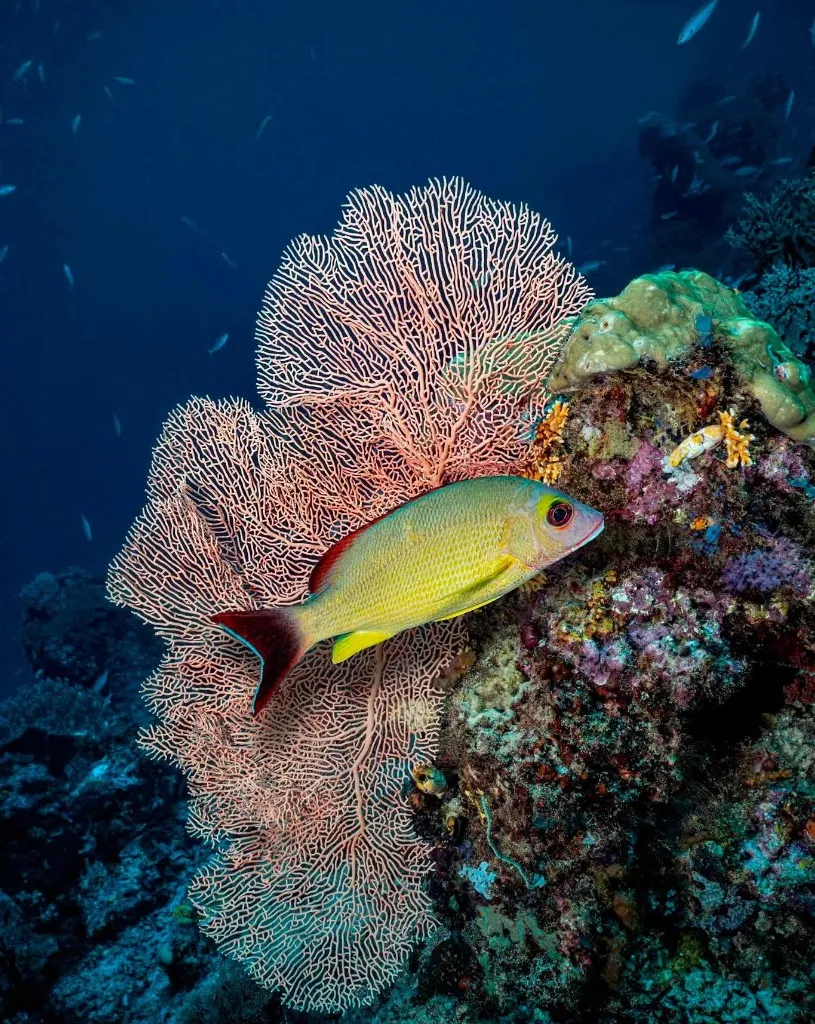
The varied underwater landscape of Jack Neil Beach supports a broad spectrum of marine life, from vibrant reef fish to larger pelagic species. Divers can commonly spot schools of grunts, snappers, and colorful parrotfish navigating the coral formations and sand patches.
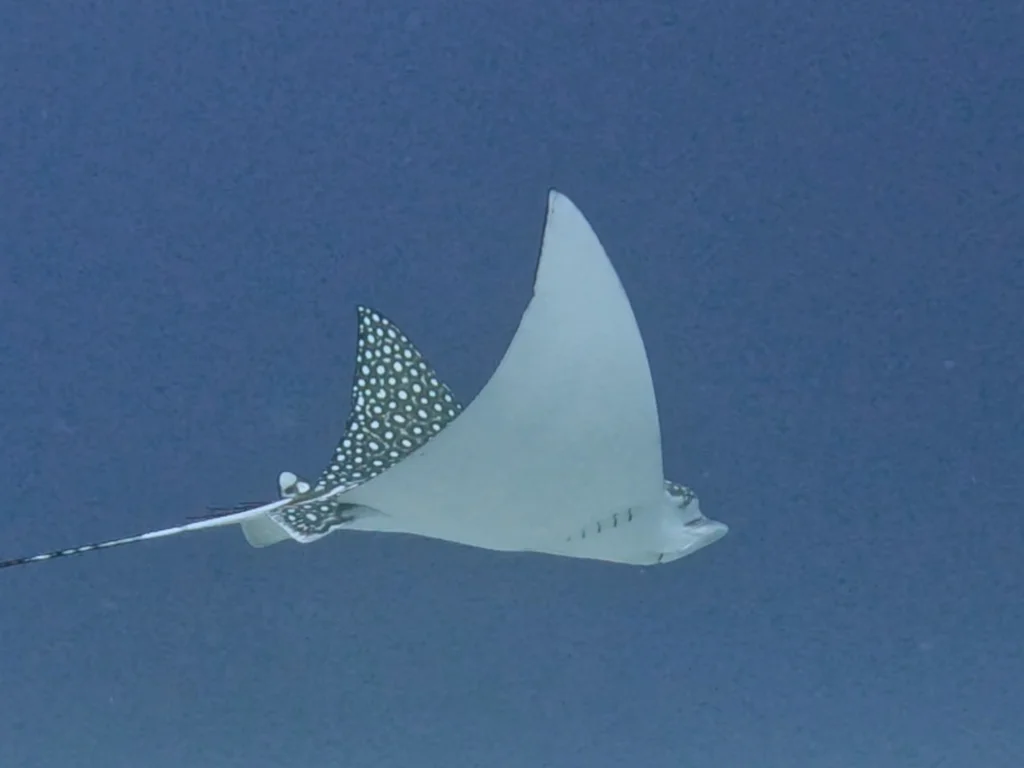
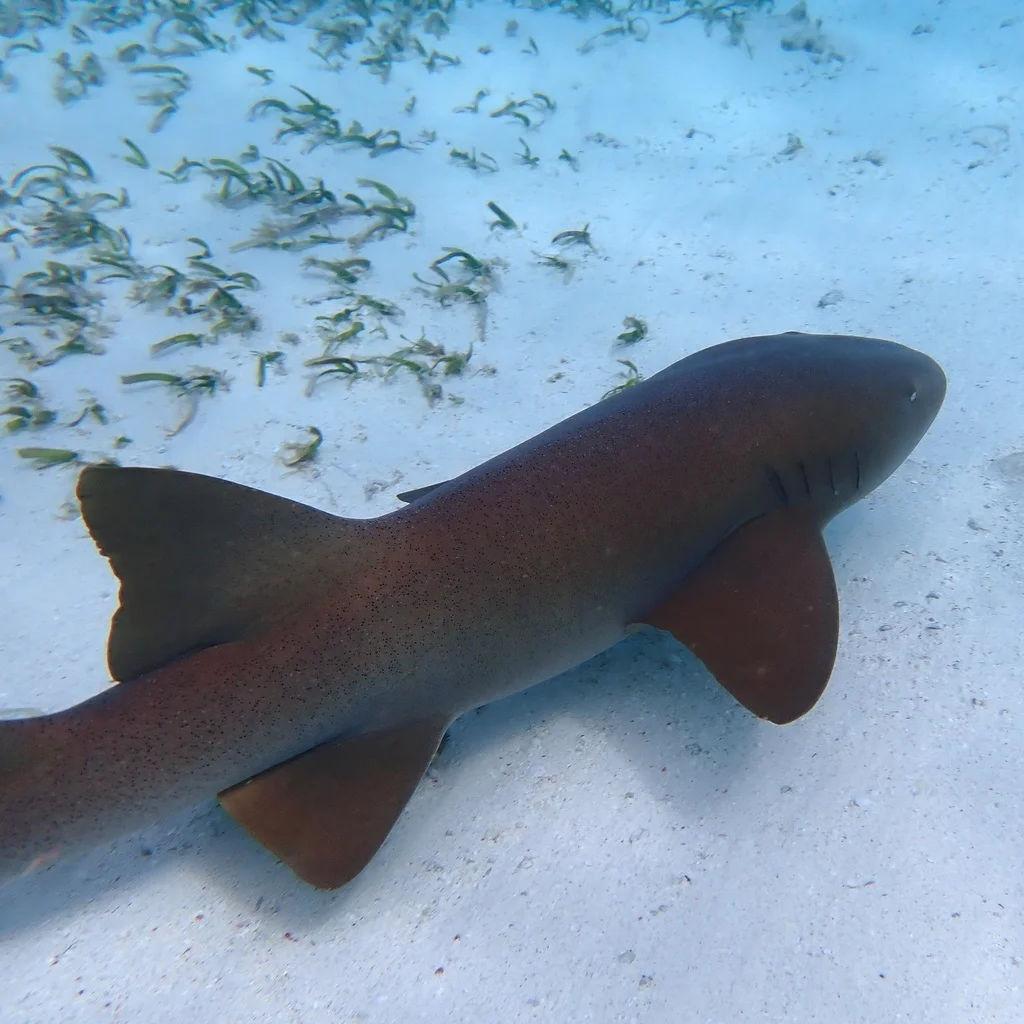
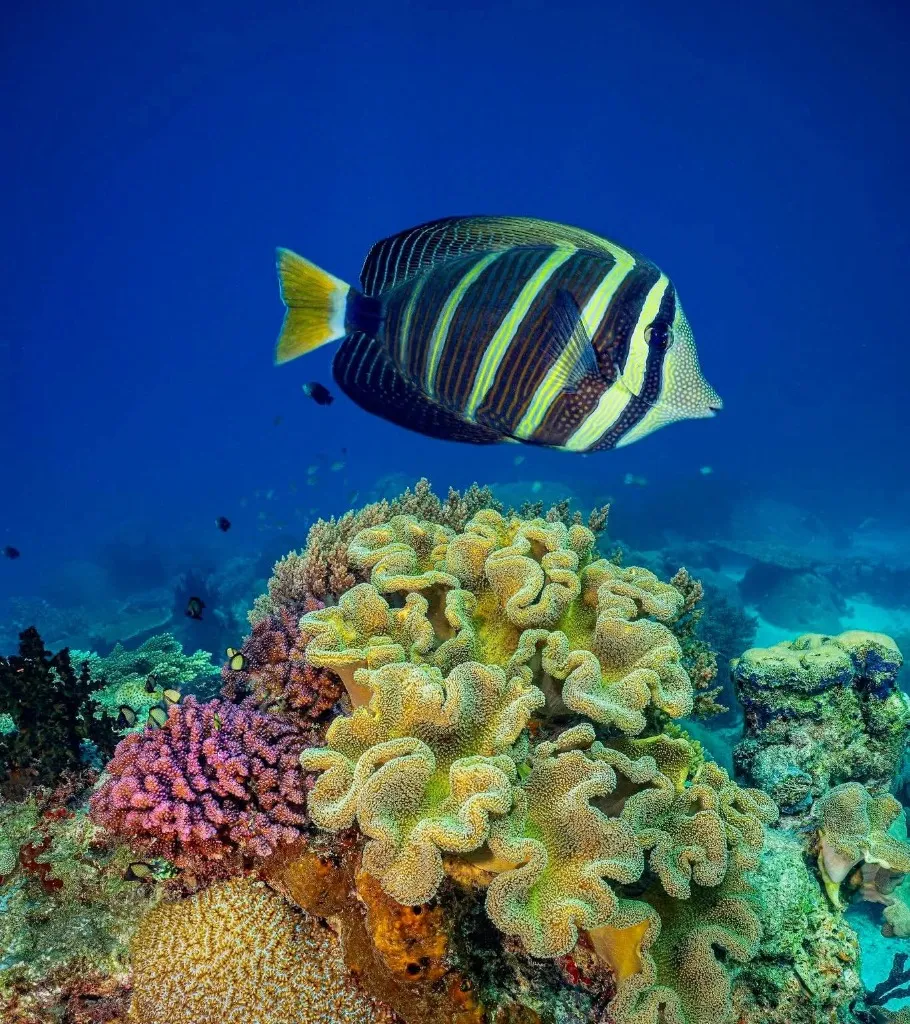
Keep an eye out for blue tang, angelfish, and trumpetfish among the sponges. This site is also known for sightings of nurse sharks and the elegant spotted eagle ray.
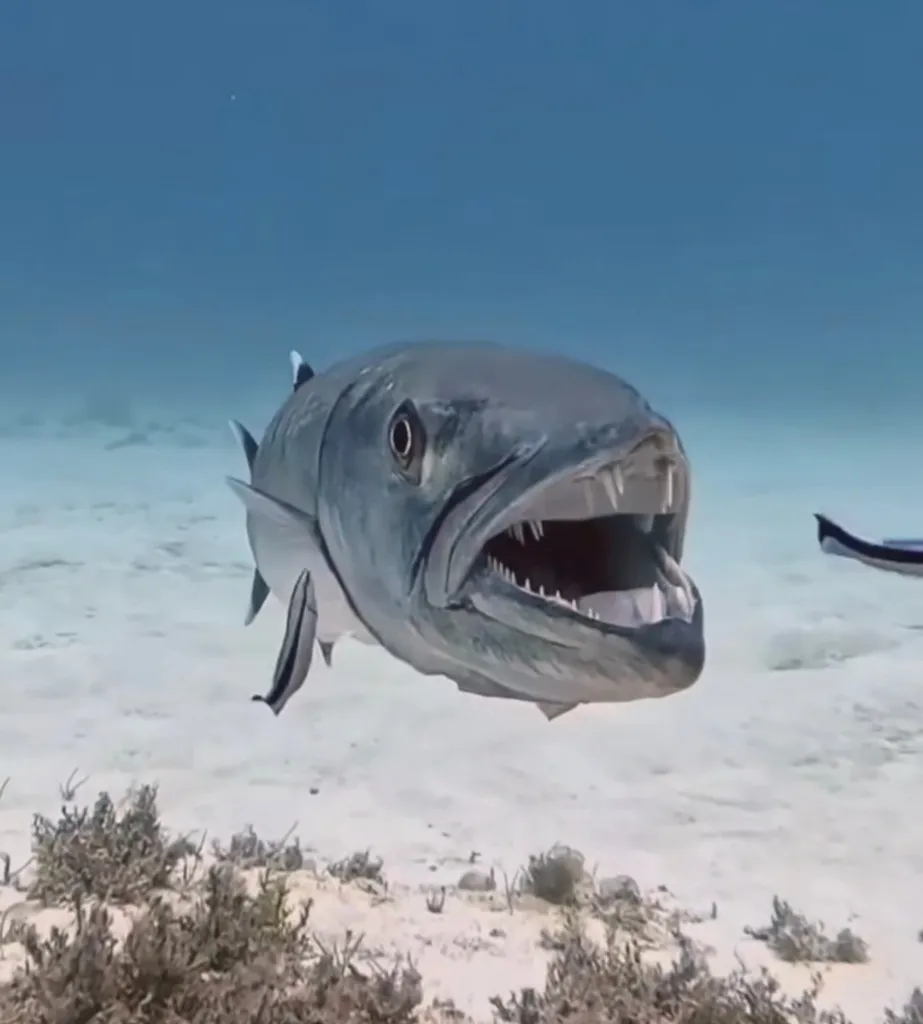
Occasional encounters with barracuda, green turtles, and even a whitetip reef shark have been reported, adding excitement to the dive. Smaller critters like shrimp, blennies, and various crustaceans hide within the intricate coral and sponge structures.
Dive Sites Near Jack Neil Beach
View all dive sites in HondurasDiscover more underwater gems in this area.
Dive Centers Near Jack Neil Beach
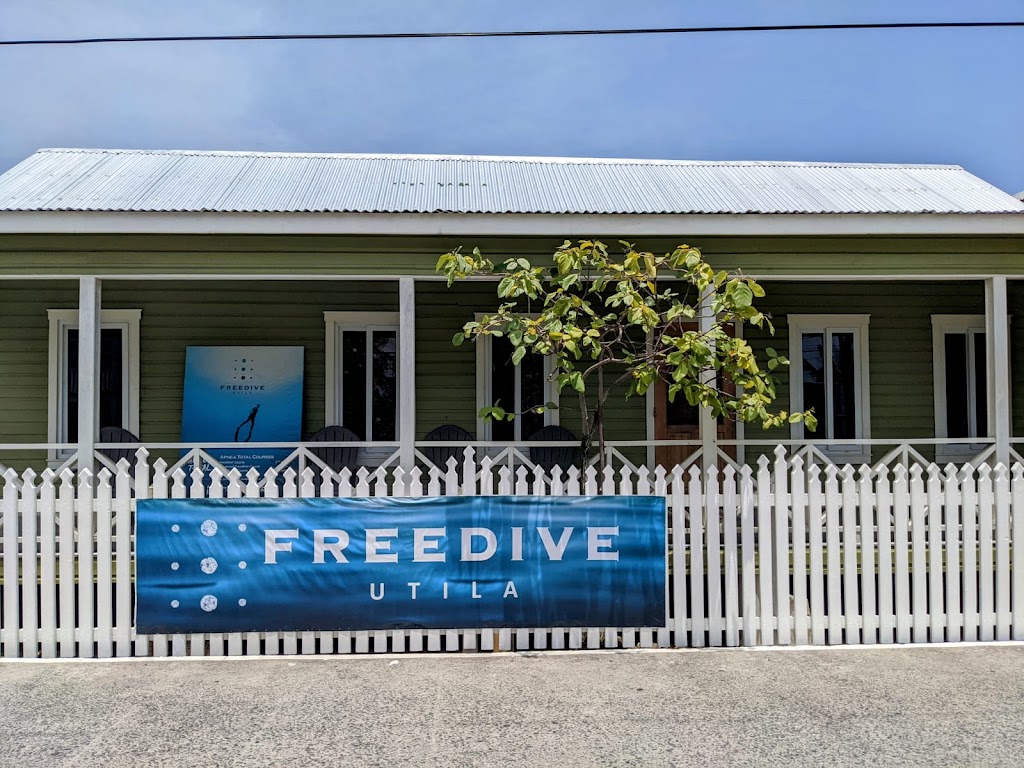
Today: 07:30 - 18:00
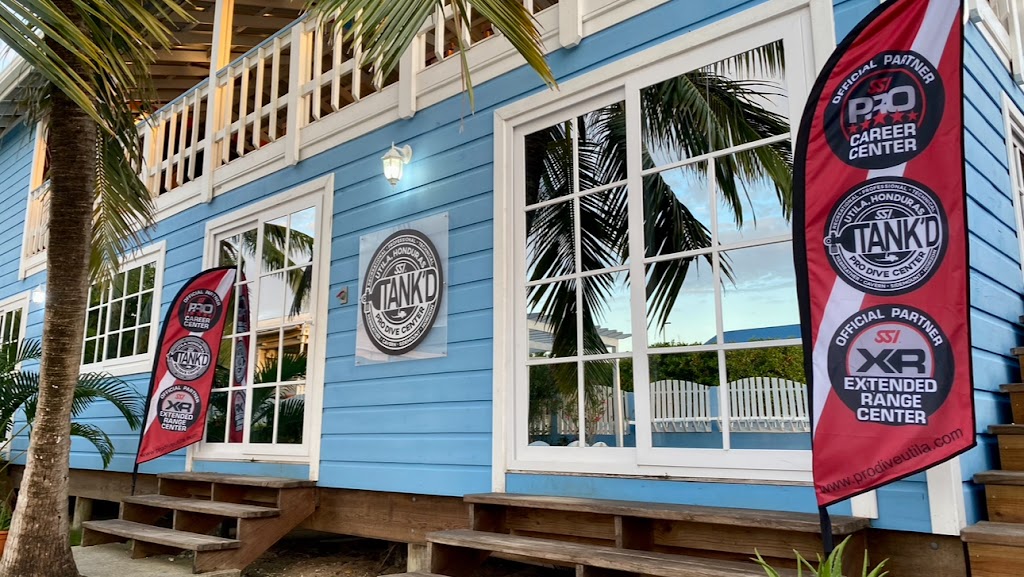
Nearest Airports
Nearest airports to help plan travel to this dive area.
Search Flights
Check available flights and routes on Expedia, using the nearby airports listed in this section.
Search Flights on ExpediaFrequently Asked Questions
What are the typical depths at Jack Neil Beach?
A sloping sand patch defines the dive site, beginning at approximately 2 meters (6.5 ft) and descending to a maximum depth of 40 m (131 ft). Coral walls border this sandy area, offering exploration at various recreational depths.
Is Jack Neil Beach suitable for beginner divers?
Yes, Jack Neil Beach is suitable for all levels of certified divers. The shallower sections are ideal for beginners, while the deeper areas and potential currents provide more challenge for advanced divers. Conditions can vary, so local guidance is always recommended.
What kind of marine life can I expect to see?
Divers frequently encounter a wide array of reef fish such as grunts, snappers, parrotfish, and angelfish. You may also spot nurse sharks, spotted eagle rays, barracuda, and green turtles. Keep an eye out for smaller invertebrates tucked into the corals.
How clear is the water at Jack Neil Beach?
Visibility at Jack Neil Beach is generally good, often averaging around 25 m (82 ft). On excellent days, it can extend to 40 m (131 ft), though it might occasionally be reduced to 10 m (33 ft) depending on conditions.
Are there strong currents at this dive site?
Currents at Jack Neil Beach can vary. They are sometimes mild, allowing for relaxed exploration, but can also be strong, necessitating a drift dive. Local dive operators can provide the most accurate daily assessment of current conditions.
How do I access Jack Neil Beach for diving?
Jack Neil Beach is primarily accessed via a boat dive, typically a 10 to 40-minute ride from the main harbor in Utila. Dive schools in the area organize regular trips to this site, providing convenient access and facilities.
Planning to dive Jack Neil Beach?
Send one inquiry and receive offers directly from the best verified local dive operators.
Conditions are Good
Optimal conditions expected
Current conditions near Jack Neil Beach show 28° air, 30° sea temperature, 0.5 m waves, and 23 km/h wind. Forecast data is refreshed regularly to ensure accuracy.