
Diving at Moon Hole (Honduras)
Classified as a beginner-friendly site, Moon Hole in Utila, Honduras, provides an accessible introduction to Caribbean diving. This site is particularly well-suited for beginner divers and for those conducting Open Water or buoyancy training. Its relatively shallow profile, reaching a maximum depth of 12 meters (39 ft), offers a comfortable environment for skill development. Calm characteristics make it a popular choice for initial underwater explorations.
Evening condition tracking at Moon Hole features an air temperature of 28°C. We have recorded wave heights measuring 0.6 m during this period. These figures outline the environmental parameters currently present.
Dive Site Location & Key Facts
Dive Site Overview
Moon Hole derives its name from a significant, rounded sand patch on the ocean floor, forming a distinct depression in the surrounding coral landscape. While initially appearing as a straightforward sandy area, this location serves as a versatile training ground and a strategic transition point to other nearby sites.
Divers often begin here, becoming accustomed to the calm conditions. From this central "hole," navigating outwards leads to notable features. For example, roughly 240 degrees from the main boat mooring, the site guides towards Ron's Wreck, an old shrimp fishing boat intentionally sunk in 1998 to create an artificial reef.
This wreck now rests at about 18 meters (60 ft), offering a deeper exploration option for those extending their dive. The area immediately surrounding Moon Hole is bordered by broken walls and distinct sand channels, creating a varied topography.
These channels, resembling small canyons, lead divers through contrasting environments. Such coral formations and sandy expanses support both macro life burrowing within the sand and a diverse range of reef inhabitants along the structured edges.
Its primary feature, the large, open sand patch, is frequently utilized for a variety of dive courses, from basic orientation to advanced buoyancy work, offering ample space for skill development.
Conditions are Good
Optimal conditions expected
Current conditions near Moon Hole show 28° air, 29° sea temperature, 0.4 m waves, and 31 km/h wind. Forecast data is refreshed regularly to ensure accuracy.
Best Time to Dive
Optimal conditions for diving at Moon Hole generally occur between August and October, when dive scores are rated 'Good'. During these months, average air temperatures hover around 27.5-28.5°C (82-83°F), providing a comfortable surface interval experience. Rainfall tends to be lower in late summer and early fall, with September and October averaging around 7-13.4 mm. Wave heights are also typically calmer, averaging 0.8-0.9 meters, which contributes to easier boat access and more stable conditions underwater. Throughout the rest of the year, conditions are rated 'Moderate'. From November to July, air temperatures remain warm, ranging from 25-28.5°C (77-83°F), but rainfall and wind speeds can be higher. Water temperatures are not consistently reported but generally align with regional Caribbean averages for comfortable diving year-round, typically above 26°C (79°F).
PEAK SEASON SCORE
Scores combine air & water temps, waves, wind & rainfall for overall conditions.
BEST MONTHS TO DIVE
Monthly records compiled from satellite and marine observation nodes over the last 3 years. Data provided by Open-Meteo and MET Norway.
Dive Experience & Conditions
Exploring Moon Hole involves navigating a large, round sand patch that gradually slopes. The main "hole" itself typically reaches depths around 12 meters, making it an excellent site for open water training. Conditions here are generally calm, which significantly contributes to its beginner-friendly difficulty rating. While specific visibility metrics are not consistently reported, the clear Caribbean waters of Utila usually offer good sightlines for divers. Surrounding the central sandy area are coral formations, including broken walls and distinct sand channels. Divers might encounter varied terrain, transitioning from open sand to more structured reef environments as they explore the periphery. Currents are typically mild, though they can vary depending on wider weather patterns and lunar cycles. This calm nature allows for relaxed buoyancy practice and an unhurried exploration of the shallower sections, fostering confidence in new divers.
Dive Difficulty & Safety Guidelines
Given Moon Hole's designation as a beginner-friendly site, safety protocols focus on basic dive skills and awareness. This location is frequently used for Open Water and buoyancy training, emphasizing controlled descents and ascents. Access is exclusively by boat, typically arranged through local dive centers in Utila.
Divers should maintain appropriate bottom time and monitor air consumption, especially when extending explorations towards nearby features like Ron's Wreck, which is deeper. Staying within no-decompression limits is crucial.
While no specific hazards are consistently reported for Moon Hole, general safe diving practices apply: never dive alone, adhere to dive plan limits, and always surface with adequate air reserves. Awareness of boat traffic in the vicinity, particularly if dive boats are mooring, is also advisable.
Recommended Equipment
- Dive Computer
- DSMB
This gear list is based on verified equipment signals for Moon Hole, Honduras. Always confirm final gear choices with your dive operator, guide, or liveaboard.
Recommended Dive Suit
Divers who spend more time observing marine life often prefer slightly warmer gear.
Environmental readings suggest that the waters surrounding Moon Hole are about 29°C (85°F) at the moment. Surface air temperatures are resting at 28°C (82°F). Water temperatures in this range are often well suited to diving with dive skin or rash guard. A hood or vest is suggested for sensitive divers due to surface winds.
Environmental conditions appear stable for the near future.
Emergency & Medical Support
Essential information to help you plan your dive trip to Moon Hole.

Hyperbaric chambers are a critical part of dive safety infrastructure. Availability varies significantly by region, and not all dive areas have immediate access.
Before diving, it's recommended to:
- confirm nearest medical facilities
- check emergency procedures with local dive operators
- ensure dive insurance covers evacuation if required
Divers Alert Network
Diving emergency assistance available through DAN World.
+1-919-684-9111- 24/7 emergency hotline
- Diving medical assistance
- Evacuation coordination
Emergency contacts are provided for reference. Always verify local emergency services before diving.
Marine Life at Moon Hole
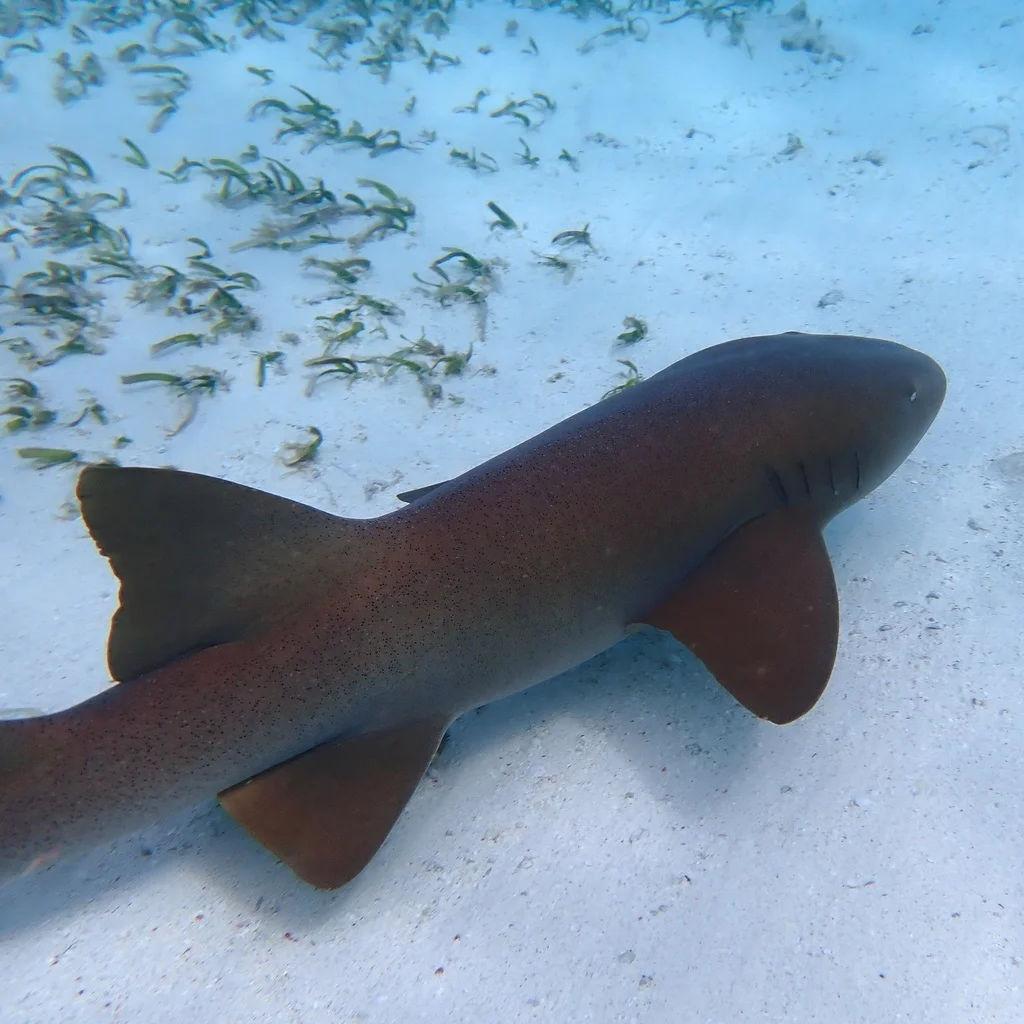
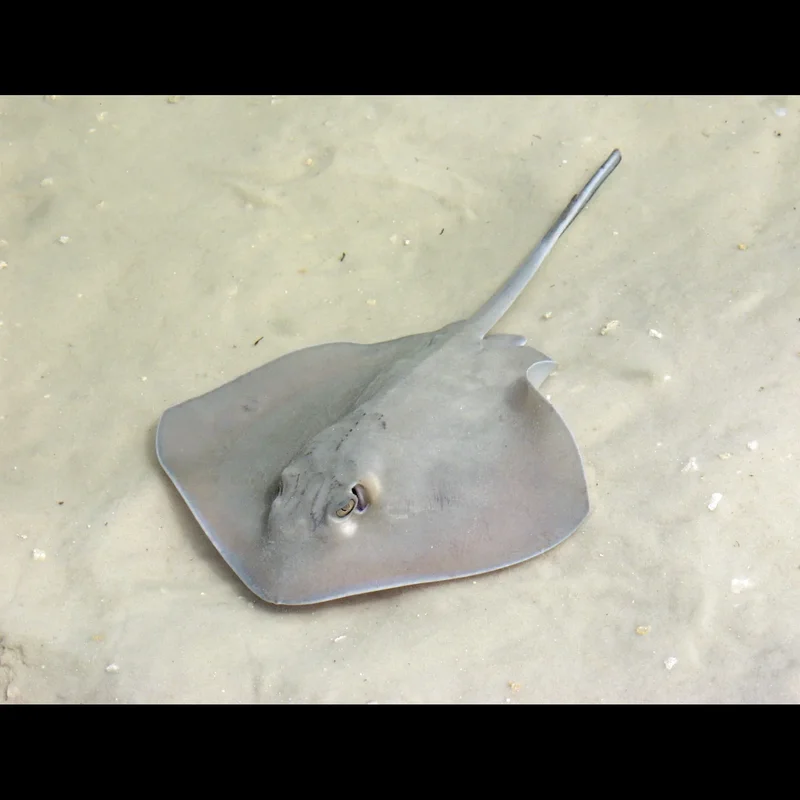
The diverse underwater landscape at Moon Hole, with its expansive sandy bottom giving way to coral structures, supports a variety of marine life. Within the sand, divers frequently spot large starfish and may discover flounders and octopus camouflaged against the substrate.
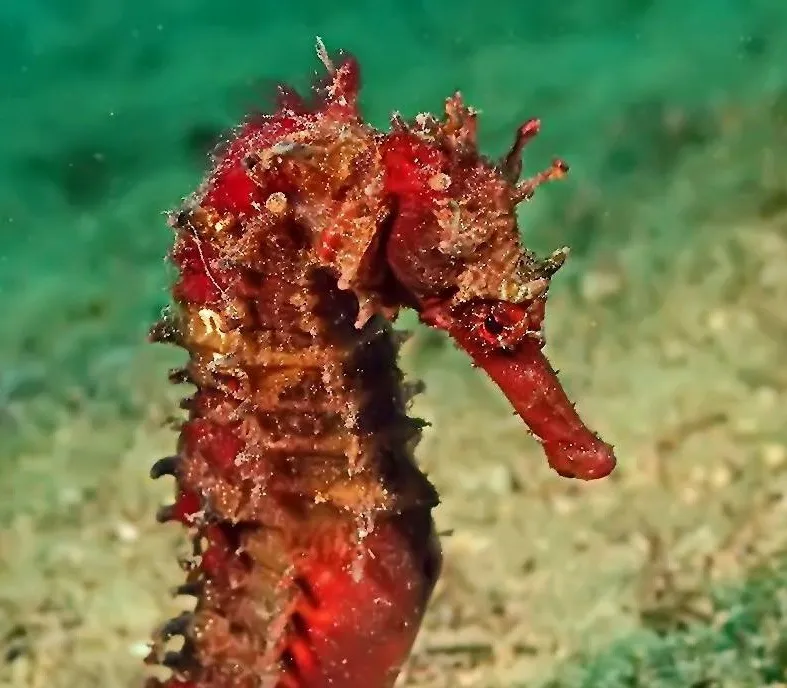
Along the edges where the sand meets the coral walls and formations, macro life is abundant, offering detailed observation opportunities. Look closely for seahorses clinging to soft corals or hidden among the sponges.
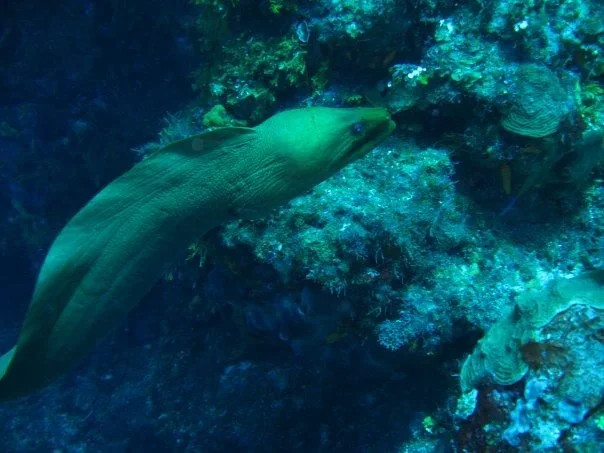
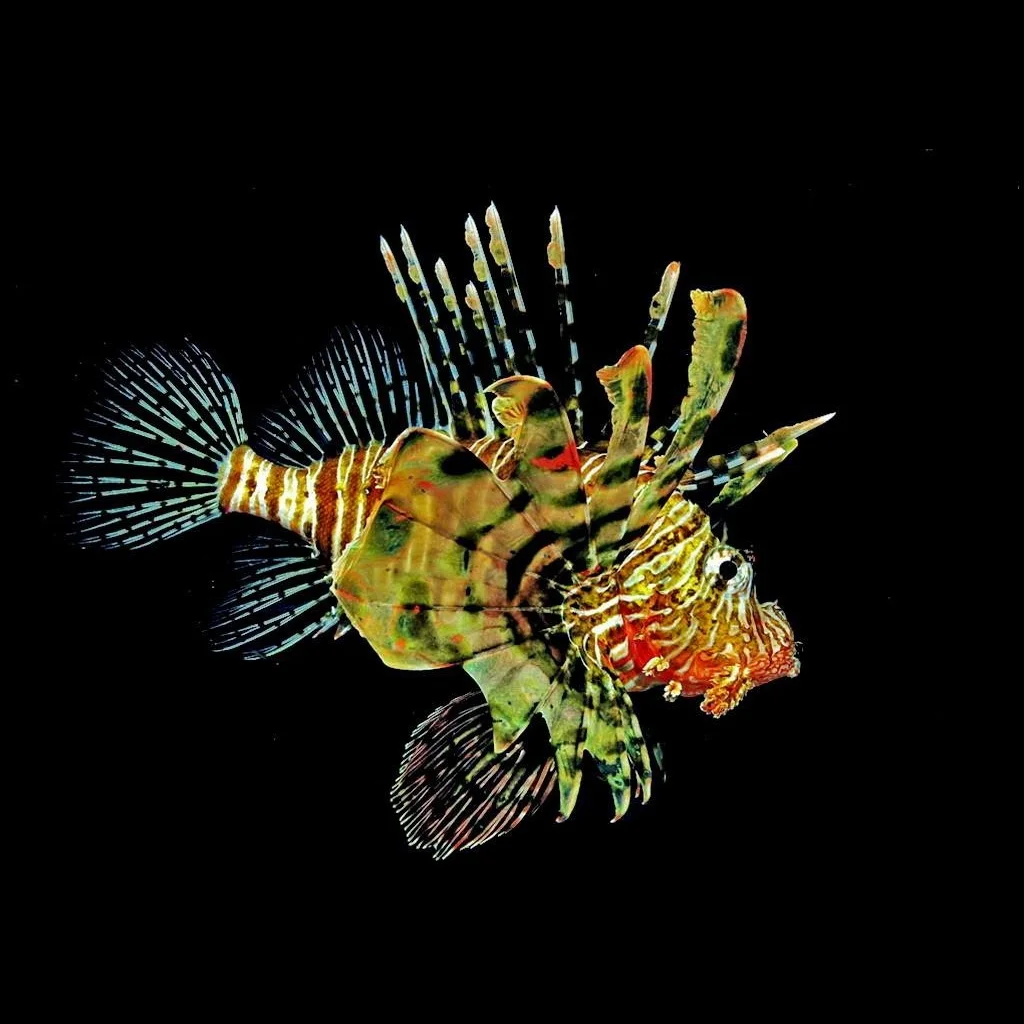
Eels, including black and white-spotted morays, often reside within the rocky crevices. Green morays and invasive lionfish have also been noted, particularly around the nearby Ron's Wreck. The site's coral is also home to abundant black coral in whispy bushes, especially near rocky structures.
Dive Sites Near Moon Hole
View all dive sites in HondurasDiscover more underwater gems in this area.
Dive Centers Near Moon Hole
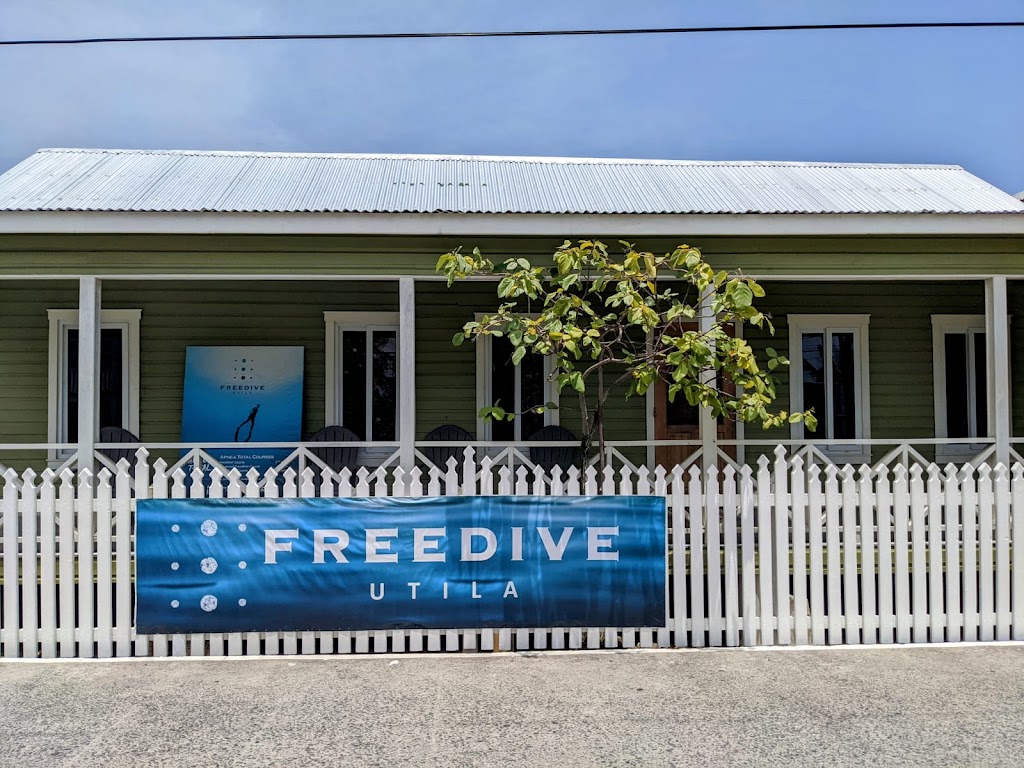
Today: 07:30 - 18:00
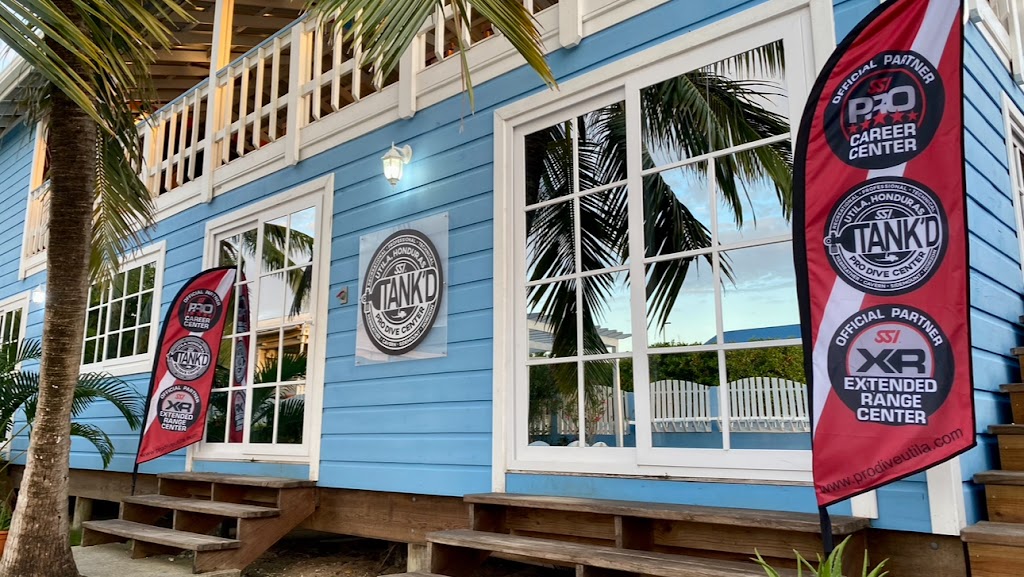
Nearest Airports
Nearest airports to help plan travel to this dive area.
Search Flights
Check available flights and routes on Expedia, using the nearby airports listed in this section.
Search Flights on ExpediaFrequently Asked Questions
What is Moon Hole known for?
Moon Hole is primarily known for its large, round sand patch, which serves as an excellent training ground for beginner divers and buoyancy practice. It's also a gateway to other nearby dive sites, including Ron's Wreck.
What is the maximum depth at Moon Hole?
The main sandy "hole" reaches a maximum recreational depth of approximately 12 meters. Nearby areas and structures might extend slightly deeper, with Ron's Wreck located at about 18 meters.
Is Moon Hole suitable for beginner divers?
Yes, Moon Hole is rated as a beginner-friendly site. Its shallow depth and generally calm conditions make it ideal for Open Water Diver training and honing basic dive skills.
How do I access the Moon Hole dive site?
Access to Moon Hole is exclusively by boat. Local dive centers in Utila regularly run trips to this popular site.
What marine life can be seen at Moon Hole?
Divers often encounter starfish, flounders, and octopus in the sandy areas. Among the coral, look for seahorses, various eels like black and white-spotted morays, and a variety of macro life.
Are there any shipwrecks near Moon Hole?
Yes, Ron's Wreck, an old shrimp fishing boat sunk as an artificial reef, is located approximately 240 degrees from the main boat mooring at Moon Hole. It sits at about 18 meters deep.
What are the typical water conditions like?
Conditions are generally calm with mild currents, making for a relaxed dive. While specific water temperatures aren't always reported, they typically remain comfortable year-round, consistent with Caribbean averages.
Planning to dive Moon Hole?
Send one inquiry and receive offers directly from the best verified local dive operators.
Conditions are Good
Optimal conditions expected
Current conditions near Moon Hole show 28° air, 29° sea temperature, 0.4 m waves, and 31 km/h wind. Forecast data is refreshed regularly to ensure accuracy.