
Diving at Dhigurah Arches (India)
Dhigurah Arches presents a captivating technical dive, defined by its intricate underwater architecture. Natural coral arch formations, small walls, and sandy patches interweave with vibrant coral gardens across this boat-accessed reef system. Depths here range from a top reef at 5 meters / 16 feet to an average maximum of 22.6 m / 74 ft, with recorded dives reaching up to 30 meters. Exploration of these structures offers a multi-faceted journey through distinct underwater environments.
Evening condition tracking at Dhigurah Arches features an air temperature of 29.5°C. We have recorded wave heights measuring 0.9 m during this period. These figures outline the environmental parameters currently present.
Dive Site Location & Key Facts
Dive Site Overview
Experiencing Dhigurah Arches involves active engagement with a key part of Dhigurah Island's surrounding reef system. Its distinct topography is immediately apparent; a series of naturally formed coral arches define the primary focal points.
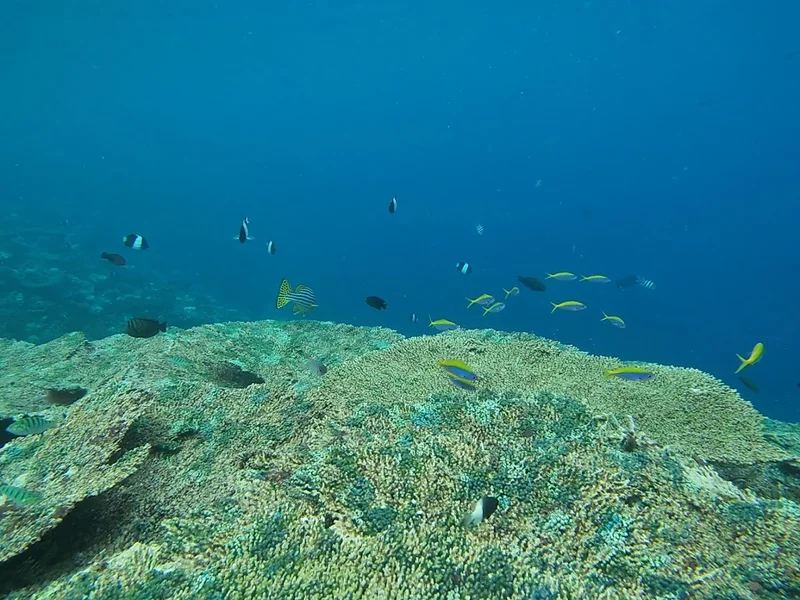
Divers often navigate through these impressive structures, complemented by various cracks and small walls, which create an engaging, multi-level terrain. The experience extends beyond passive observation, encouraging interaction with the reef's physical nuances. Past the architectural elements, the site gently transitions into expansive coral gardens and interspersed sandy patches.
These areas serve as vital habitats, contrasting with the dramatic archways and offering varied discovery opportunities. An entire ecosystem functions as a vibrant cross-section of an Ari Atoll reef, where structural complexity intertwines with robust marine activity.
Currents here are frequently moderate, inviting relaxed drift dives and letting the reef slowly unfold. It's an immersive environment where patience often reveals intricate life sheltered within crevices or larger pelagics cruising the deeper blues.
Expect dynamic interaction with the site's features, from corals adorning archways to occasional encounters with resident reef sharks or rays.
Conditions are Good
Optimal conditions expected
Current conditions near Dhigurah Arches show 29° air, 29° sea temperature, 1.0 m waves, and 28 km/h wind. Forecast data is refreshed regularly to ensure accuracy.
Best Time to Dive
Optimizing your dive experience often means aligning with the driest, calmest periods. The months of March and April consistently show 'Good' dive scores, benefiting from lower average rain (around 3-5 mm) and generally milder conditions. February, with an average air temperature of 28°C / 82°F, also stands out with a 'Good' dive score. The period from January through April typically offers more favorable conditions, characterized by lower wave heights and steady air temperatures averaging between 27-28.5°C / 81-83°F. While good diving is possible much of the year, avoiding periods with higher rain and waves in May, July, and October could enhance comfort.
PEAK SEASON SCORE
Scores combine air & water temps, waves, wind & rainfall for overall conditions.
BEST MONTHS TO DIVE
Monthly records compiled from satellite and marine observation nodes over the last 3 years. Data provided by Open-Meteo and MET Norway.
Dive Experience & Conditions
Entering the water at Dhigurah Arches typically involves a moderate effort boat entry, leading divers into a diverse underwater landscape. The descent begins on the top reef, around 5 meters, gradually transitioning to deeper areas, with many dives exploring an average maximum depth of 22.6 m / 74 ft. This depth profile allows for exploration of both shallower coral gardens and deeper arch formations. Visibility generally ranges from good to excellent, often reported between 10-15 meters, and at times exceeding 20 meters on exceptionally clear days. Currents are frequently moderate, allowing for relaxing drift dives, though occasional stronger currents can be encountered depending on tidal movements and moon phases. Light to moderate surge is a consistent characteristic, requiring attention, especially when navigating the arches and avoiding contact with delicate corals.
Dive Difficulty & Safety Guidelines
Diving here requires awareness of the unique overhead environment presented by the arches and cracks. Always stay within your certified training limits when exploring these confined spaces to avoid potential entanglement or disorientation. Monitoring current and surge is crucial; while currents are often manageable for a drift, they can intensify, necessitating careful positioning.
Light to moderate surge can also occur within the arches. It's advisable to maintain situational awareness of your buoyancy and proximity to the reef to prevent accidental contact in dynamic conditions.
Recommended Equipment
- Dive Computer
- DSMB
This gear list is based on verified equipment signals for Dhigurah Arches, India. Always confirm final gear choices with your dive operator, guide, or liveaboard.
Recommended Dive Suit
Forecast models show minimal temperature variation in the coming days.
Thermal protection such as dive skin or rash guard is commonly used in similar temperatures. A hood or vest is suggested for sensitive divers due to surface winds.
At Dhigurah Arches, the water is currently sitting around 29°C (85°F). Surface air temperatures are resting at 29°C (85°F).
Emergency & Medical Support
Essential information to help you plan your dive trip to Dhigurah Arches.

Hyperbaric chambers are a critical part of dive safety infrastructure. Availability varies significantly by region, and not all dive areas have immediate access.
Before diving, it's recommended to:
- confirm nearest medical facilities
- check emergency procedures with local dive operators
- ensure dive insurance covers evacuation if required
Divers Alert Network
Diving emergency assistance available through DAN World.
+1-919-684-9111- 24/7 emergency hotline
- Diving medical assistance
- Evacuation coordination
Emergency contacts are provided for reference. Always verify local emergency services before diving.
Marine Life at Dhigurah Arches
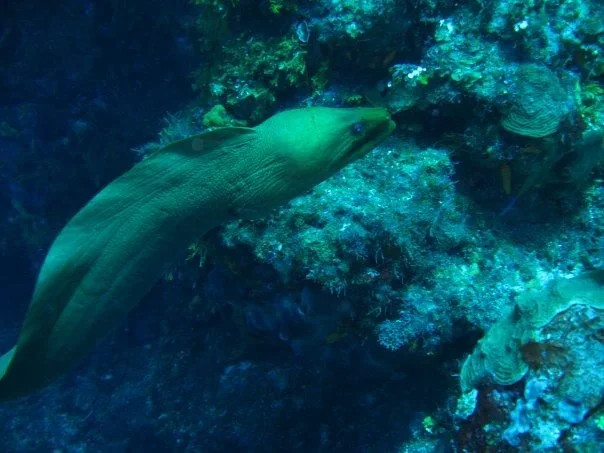
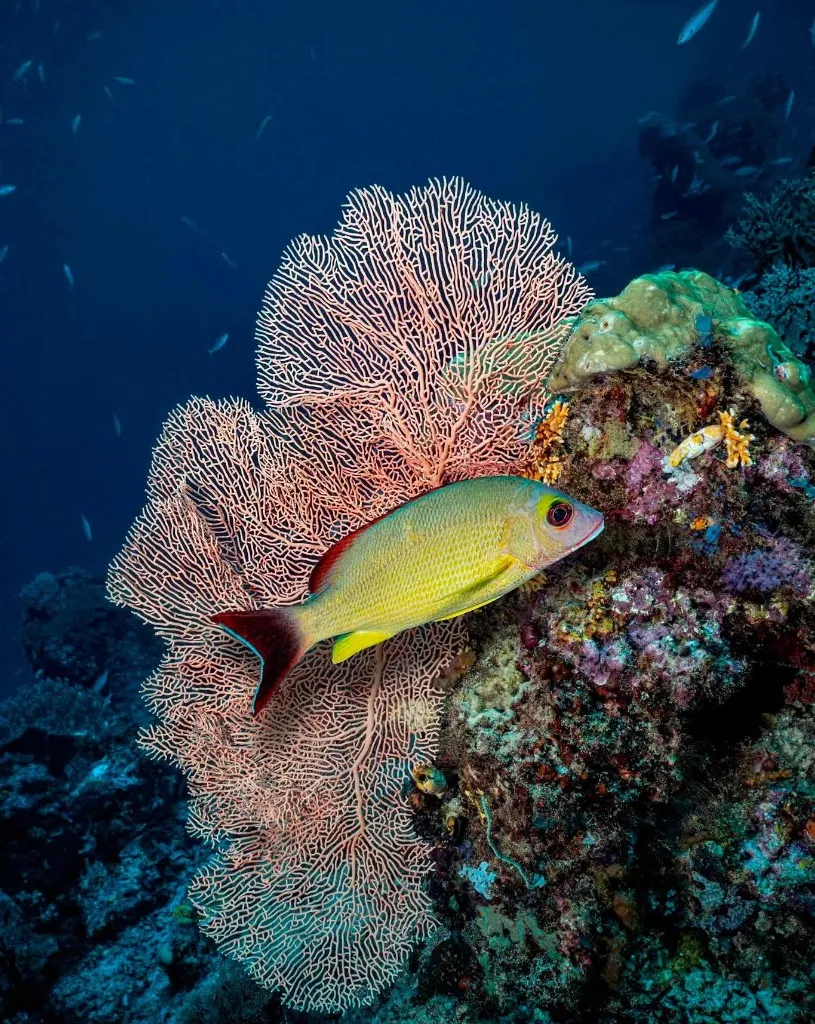
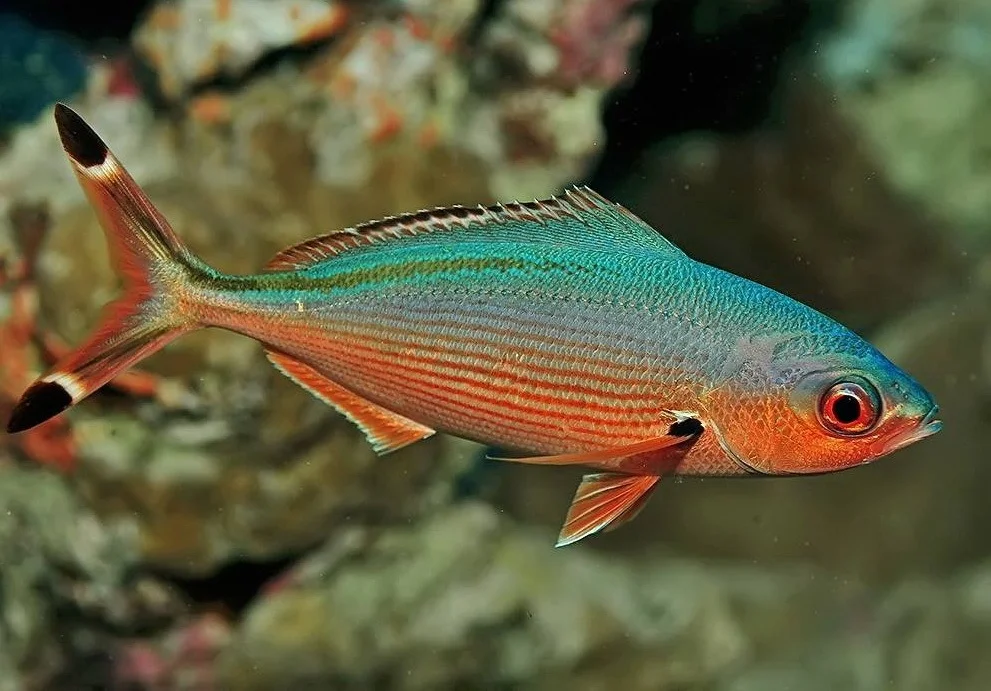
Expect diverse marine encounters when exploring Dhigurah Arches. The site hosts an exceptional variety of reef fish, including schooling fusiliers, snappers, soldierfish, and vibrant angel-, butterfly-, surgeon-, and bannerfish.
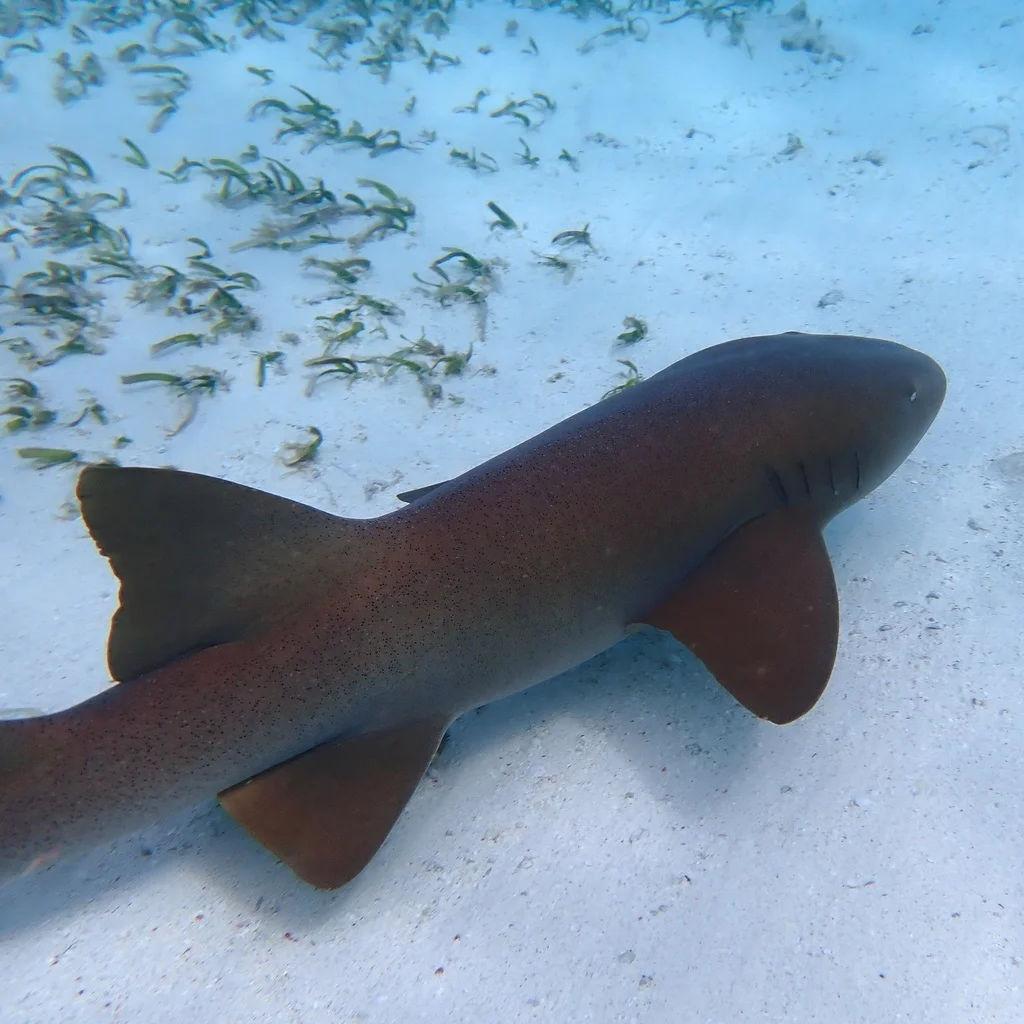
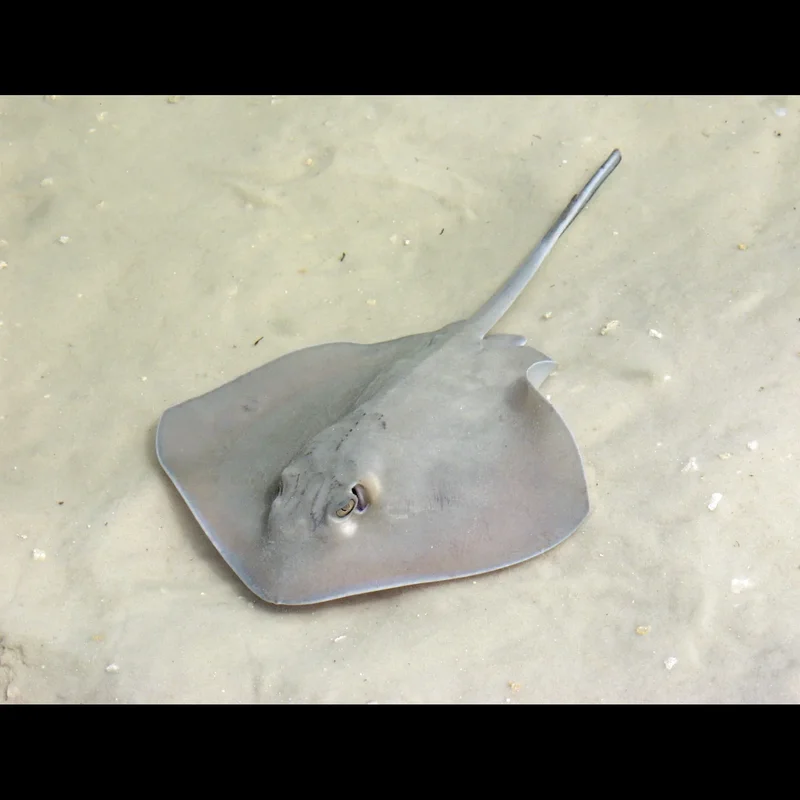
Keep an eye out for moray eels and various turtles navigating the reef. Occasional sightings of larger species add excitement, with nurse sharks, whitetip reef sharks, guitar sharks, and rays, including stingrays and mantas, reported. Macro enthusiasts will find ample subjects among the corals and sponges.
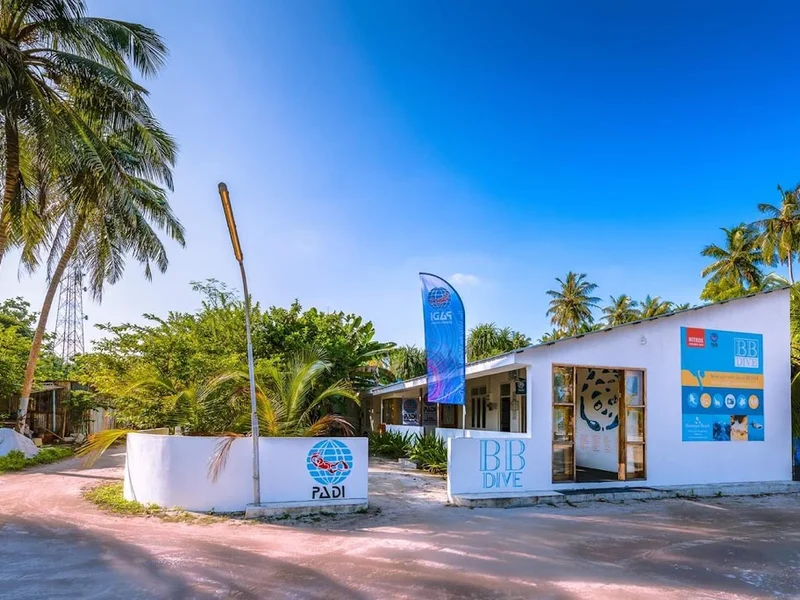
Dive Centers Near Dhigurah Arches
Nearest Airports
Nearest airports to help plan travel to this dive area.
Frequently Asked Questions
Does Dhigurah Arches have overhead features?
Yes, Dhigurah Arches is characterized by natural coral arches and cracks that create overhead environments. Divers should stay within their training limits when exploring these areas.
What current is reported at Dhigurah Arches?
Currents at Dhigurah Arches are typically moderate, making it suitable for drift diving. However, currents can occasionally be stronger and vary with the tide, so divers should be prepared for changing conditions.
How busy is Dhigurah Arches?
The site is generally described as having very quiet crowding, suggesting it is not frequently overwhelmed by divers. This allows for a more tranquil and personal exploration experience.
What visibility is reported at Dhigurah Arches?
Visibility at Dhigurah Arches is usually good to excellent. Logged dives report visibility ranging from 10 to 15 meters, and sometimes exceeding 20 meters on clear days.
What underwater terrain will I see at Dhigurah Arches?
Divers will encounter stunning coral arch formations, small walls, cracks, and sandy patches. The arches are adorned with hard corals and colorful sponges, creating diverse underwater scenery alongside coral gardens.
Is there surge at Dhigurah Arches?
Yes, light to moderate surge is commonly reported at Dhigurah Arches. Divers should monitor surge conditions, especially when navigating through or near the arch formations.
What entry method is used for Dhigurah Arches?
Dhigurah Arches is accessed via boat, with the entry effort generally described as moderate. This typically involves a controlled entry from the dive vessel directly into the water.
Planning to dive Dhigurah Arches?
Send one inquiry and receive offers directly from the best verified local dive operators.
Conditions are Good
Optimal conditions expected
Current conditions near Dhigurah Arches show 29° air, 29° sea temperature, 1.0 m waves, and 28 km/h wind. Forecast data is refreshed regularly to ensure accuracy.