
Diving at Neil's Rock (India)
To navigate Neil's Rock effectively, divers should be prepared for potential drift conditions and an advanced depth profile. This site, extending to 28 m (92 ft), reveals a rich pelagic and reef ecosystem. Keeping an eye out for larger marine life in the blue is often rewarded. Planning for moderate to strong currents ensures a safer, more enjoyable exploration of this beautiful Indian dive spot.
Evening condition tracking at Neil's Rock features an air temperature of 30.5°C. We have recorded wave heights measuring 1.2 m during this period. These figures outline the environmental parameters currently present.
Dive Site Location & Key Facts
Dive Site Overview
Neil's Rock stands as a prominent dive destination, noted for its significant depth and generally excellent visibility. This site, reaching down to 28 m (92 ft), is frequently characterized by drift conditions that can carry divers past an impressive array of marine life.
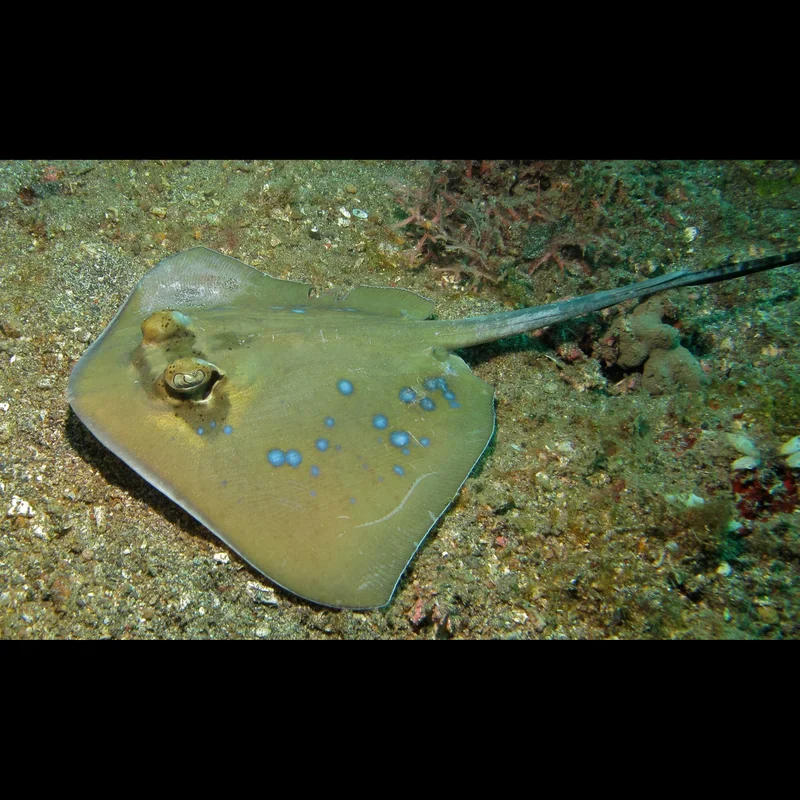
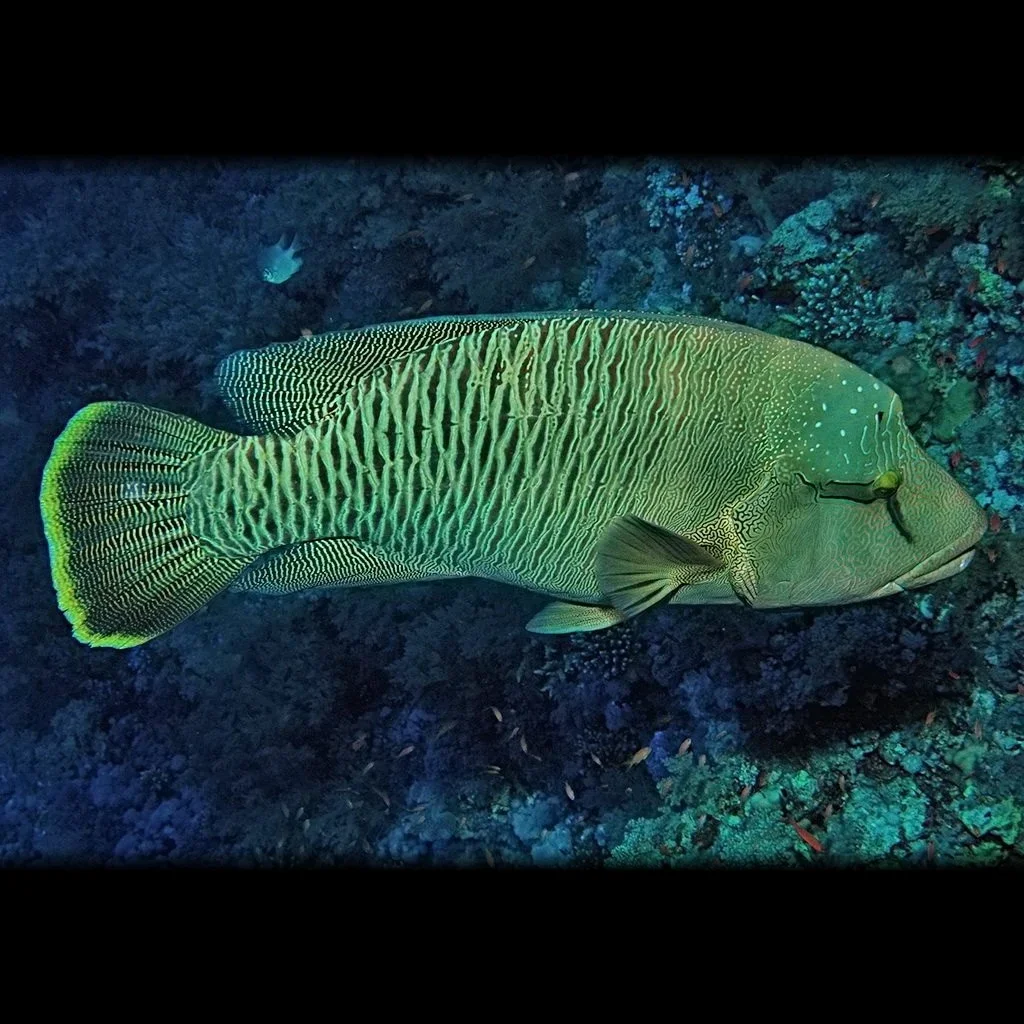
Found off the coast of Kerala, India, its unique structure extends like a finger, starting around 22 meters and gradually deepening to its maximum. Along this reef extension, divers often encounter schools of lionfish nestled among vibrant soft corals, providing shelter and hunting grounds. Shallower sections are home to blue-spotted stingrays and sizable Napoleon wrasses, which are often observed gracefully patrolling the reef edges.
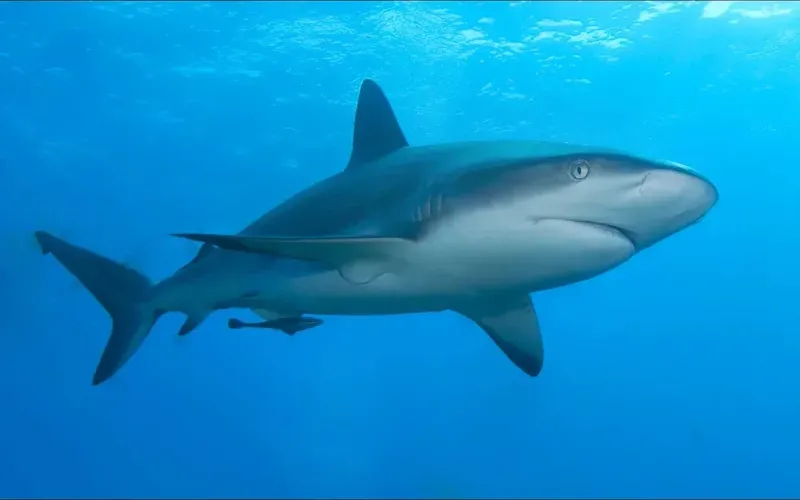
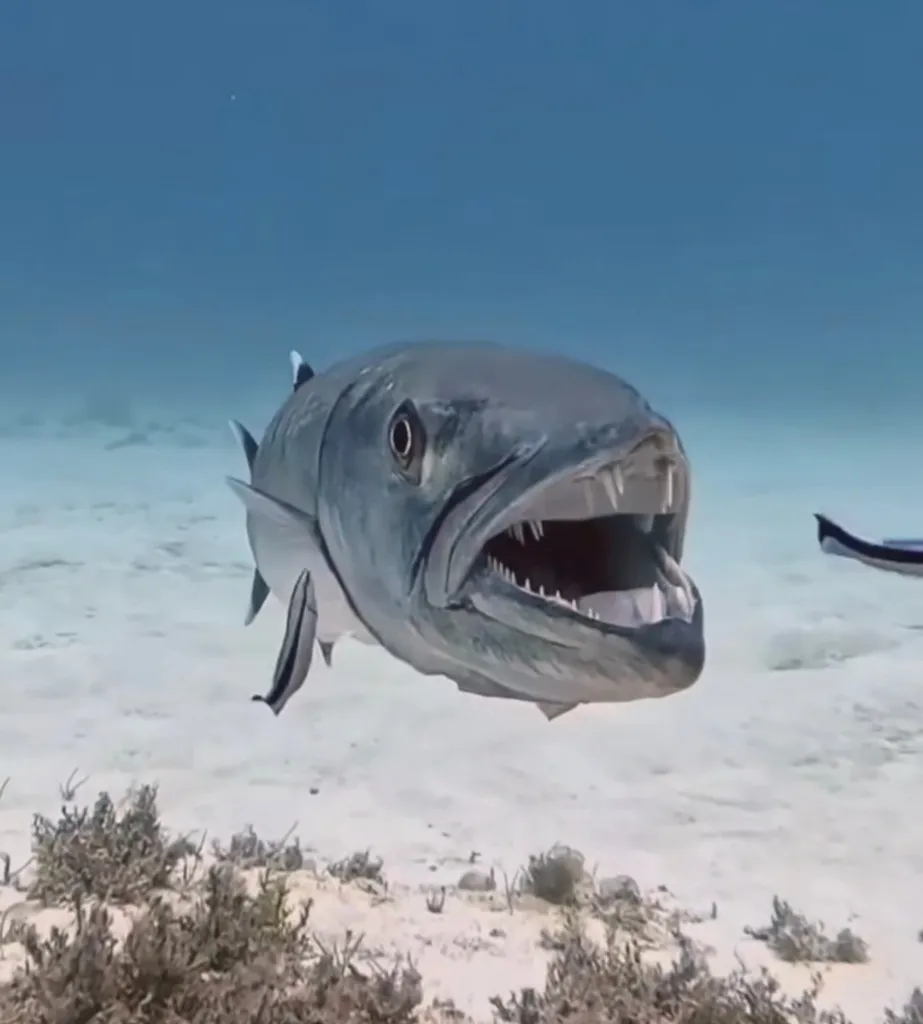
Many divers choose to observe the surrounding blue for pelagic species, as sightings of various reef sharks are common, and occasional glimpses of marlin have been reported. Large schools of trevallies and barracudas also inhabit the area, adding to the dynamic underwater scenery.
Navigating the currents requires proficiency, making Neil's Rock primarily recommended for intermediate to advanced certified divers due to its depth and the presence of moderate to strong currents.
Conditions are Moderate
Optimal conditions expected
Current conditions near Neil's Rock show 31° air, 29° sea temperature, 1.4 m waves, and 25 km/h wind. Forecast data is refreshed regularly to ensure accuracy.
Best Time to Dive
Optimizing a dive at Neil's Rock often centers on securing the best visibility, which is typically outstanding from October through May. During this period, conditions are generally stable, with air temperatures averaging around 27.5°C (82°F) in January and minimal rainfall, usually below 5 mm (0.2 in) per month. December and January are particularly prime, offering visibility ranging from 25 to 30 meters, coinciding with peak manta ray activity. As the season progresses into February and March, visibility remains excellent, often around 25 to 30 meters, with all resident marine species actively present. April and May bring warm, calm conditions with visibility still good, usually between 20 to 25 meters, known for turtle nesting. Conversely, the monsoon season from June to September sees visibility drop to 10 to 15 meters, making diving more limited and less predictable due to higher wave heights and rainfall.
PEAK SEASON SCORE
Scores combine air & water temps, waves, wind & rainfall for overall conditions.
BEST MONTHS TO DIVE
Monthly records compiled from satellite and marine observation nodes over the last 3 years. Data provided by Open-Meteo and MET Norway.
Dive Experience & Conditions
Conditions at Neil's Rock can be dynamic, particularly for divers comfortable with deeper profiles and drift diving. The site extends to a maximum depth of around 28 meters, offering generally good visibility that enhances the exploration of its unique reef structure. Moderate to strong currents are frequently encountered here, necessitating good buoyancy control and an understanding of drift diving techniques. These currents often bring in nutrients, attracting a variety of marine life to the site. As divers descend, they navigate along a reef that begins in shallower parts, around 22 meters, and slopes deeper. Observing marine interactions against the backdrop of this dynamic environment is a key part of the experience. The site is best suited for intermediate to advanced divers due to these challenging conditions.
Dive Difficulty & Safety Guidelines
Approaching Neil's Rock requires careful consideration of its inherent challenges, primarily its depth and the presence of moderate to strong currents. Divers planning to visit should hold at least an Intermediate or Advanced Open Water certification to safely manage these conditions. Local dive centers adhere to high safety standards, including PADI certifications for instructors and comprehensive safety protocols on all boats.
This includes emergency oxygen and first aid availability. For divers unfamiliar with drift diving, seeking guidance from local experts is advisable.
While general safety measures are robust, divers should always monitor their air consumption and bottom time, especially when contending with currents at greater depths. Ensuring dive equipment is well-maintained and carrying appropriate personal safety gear is also important.
Recommended Equipment
Current and surface separation risk. Local briefing strongly recommended.
- Dive Computer
- DSMB
- Reel / Spool
This gear list is based on verified equipment signals for Neil's Rock, India. Always confirm final gear choices with your dive operator, guide, or liveaboard.
Recommended Dive Suit
In these water temperatures, 2-3mm shorty or light wetsuit is a common choice for recreational diving. Consider warmer surface protection (like a boat coat) due to brisk winds. Longer dive profiles can make thermal protection more important than short exploratory dives.
At the moment, divers exploring Neil's Rock will likely experience water temperatures near 29°C (84°F). Surface air temperatures are resting at 31°C (87°F).
Weather models indicate a small drop in surface temperatures later this week. Cooler days are ahead; you might want a warmer option for later in the week. Bringing an additional thermal layer can be helpful if conditions change.
Emergency & Medical Support
Essential information to help you plan your dive trip to Neil's Rock.

Hyperbaric chambers are a critical part of dive safety infrastructure. Availability varies significantly by region, and not all dive areas have immediate access.
Before diving, it's recommended to:
- confirm nearest medical facilities
- check emergency procedures with local dive operators
- ensure dive insurance covers evacuation if required
Divers Alert Network
Diving emergency assistance available through DAN World.
+1-919-684-9111- 24/7 emergency hotline
- Diving medical assistance
- Evacuation coordination
Emergency contacts are provided for reference. Always verify local emergency services before diving.
Marine Life at Neil's Rock
Descending into the waters around Neil's Rock, divers often first notice the potential for larger pelagic encounters. Common sightings include various species of sharks, along with the occasional presence of whales, dolphins, and sea turtles cruising in the blue.
Closer to the reef, schools of lionfish inhabit the soft corals. Blue-spotted stingrays can be seen camouflaged in sandy patches, while large Napoleon wrasses gracefully patrol the reef.
Divers frequently spot reef sharks and are sometimes surprised by marlin. Schools of trevally and barracudas create dynamic displays, adding to the vibrant marine ecosystem.

Dive Centers Near Neil's Rock
Today: 08:00 - 18:00

Nearest Airports
Nearest airports to help plan travel to this dive area.
Search Flights
Check available flights and routes on Expedia, using the nearby airports listed in this section.
Search Flights on ExpediaFrequently Asked Questions
What is the typical depth at Neil's Rock?
Neil's Rock is a deeper dive site, with depths typically ranging from 22 meters to its maximum of 28 meters. This makes it suitable for certified divers comfortable with deeper profiles.
Are there strong currents at Neil's Rock?
Yes, Neil's Rock is known to experience moderate to strong currents. Divers should be prepared for drift diving conditions and possess the necessary experience or training to manage them safely.
What kind of marine life can I expect to see?
The site is rich with marine biodiversity, including reef sharks, barracudas, and trevallies. You might also spot lionfish, blue-spotted stingrays, and Napoleon wrasses, with a chance of encountering whales, dolphins, or turtles.
What certification level is required for Neil's Rock?
Due to its depth and currents, Neil's Rock is recommended for intermediate to advanced certified divers. Beginners should consider shallower sites like K-Rock or Margherita's Mischief.
Is Neil Island suitable for beginners who don't swim?
Absolutely. Neil Island offers Discover Scuba Diving programs specifically designed for non-swimmers, providing pool training and 1:1 instructor guidance in shallow ocean dives up to 12 meters.
What is the cost for a certified fun dive in Neil Island?
For certified divers, a single tank fun dive in Neil Island typically costs around ₹4,500. This usually includes equipment, a dive guide, and boat transfers to the dive site.
How good is the visibility for diving around Neil Island?
Visibility around Neil Island, including Neil's Rock, is generally excellent. It often exceeds 25 to 30 meters during the peak diving season from December to March. Even during other good months, it typically ranges from 20 to 25 meters.
Planning to dive Neil's Rock?
Send one inquiry and receive offers directly from the best verified local dive operators.
Conditions are Moderate
Optimal conditions expected
Current conditions near Neil's Rock show 31° air, 29° sea temperature, 1.4 m waves, and 25 km/h wind. Forecast data is refreshed regularly to ensure accuracy.