
Diving at Soft Coral Pass (India)
The Andaman Islands present dynamic underwater environments, and Soft Coral Pass is no exception. Conditions here frequently involve noticeable currents which significantly influence the diving experience. These flows, combined with typically warm tropical waters, contribute to the vibrant growth of soft corals along its reef and wall structures, creating a vivid backdrop for exploration.
Evening condition tracking at Soft Coral Pass features an air temperature of 29°C. We have recorded wave heights measuring 1.1 m during this period. These figures outline the environmental parameters currently present.
Dive Site Location & Key Facts
Dive Site Overview
While specific historical details for Soft Coral Pass are not consistently reported, this site represents the kind of dynamic reef and wall diving prevalent in the Andaman Islands. Divers exploring such passes typically encounter conditions where currents sculpt the underwater landscape, influencing both coral health and the congregation of marine life.
A pass environment suggests water movement, which, as observed in other regional sites like Lighthouse Reef, can energize the ecosystem, bringing nutrients that swell soft corals to their full, vibrant extent. Exploring a site like Soft Coral Pass involves navigating a reef with varied topography, potentially transitioning from shallower sections down to depths suitable for recreational diving. Based on regional data for similar sites, one might expect to explore a maximum depth around 30 m (100 ft) in certain areas, with shallower reef tops offering different perspectives.
The "wall" aspect indicates a vertical drop-off, adding another dimension to the dive, where different species inhabit varying depth zones. This interplay of currents, reef structure, and depth defines the character of a pass dive in this part of India.
Conditions are Moderate
Optimal conditions expected
Current conditions near Soft Coral Pass show 29° air, 29° sea temperature, 1.3 m waves, and 29 km/h wind. Forecast data is refreshed regularly to ensure accuracy.
Best Time to Dive
Optimal seasonal planning for Soft Coral Pass typically aligns with the Andaman Islands' drier, calmer periods. Diving conditions generally show improvement from November through April, with the peak months of March and April earning the highest "Good" dive scores. During March, air temperatures average approximately 28°C (82°F), with minimal rain at around 2.8 mm and wave heights often below 0.7 m. April offers similar pleasant conditions, seeing air temperatures around 28.5°C (83°F), with slightly more rain at 5.8 mm, and wave heights still manageable at about 0.9 m. November, January, and February also present very favorable conditions, maintaining comfortable air temperatures between 27.5-28°C (82°F) and lower rainfall, alongside reduced wave activity. These months usually provide better visibility and more stable sea states, which is advantageous for navigating potential currents often found at a pass site.
PEAK SEASON SCORE
Scores combine air & water temps, waves, wind & rainfall for overall conditions.
BEST MONTHS TO DIVE
Monthly records compiled from satellite and marine observation nodes over the last 3 years. Data provided by Open-Meteo and MET Norway.
Dive Experience & Conditions
The current dynamics at Soft Coral Pass are a defining feature, influencing how divers experience its underwater environment. While specific current strengths are not consistently reported for this particular site, a "pass" implies potential water movement, which can range from mild drifts to more vigorous flows depending on tidal influences and lunar cycles. Such currents are often beneficial, sweeping nutrients that encourage soft corals and sponges, allowing them to inflate to their full, vibrant displays. Divers can expect to encounter varying visibility, which in the broader Andaman region typically reaches 25-30 metres (82-98 ft) from October to May. Water temperature data for Soft Coral Pass is limited, however, the tropical waters of the Andaman Islands generally maintain comfortable ranges suitable for extended dives. Encountering the site's deeper sections or navigating along its wall structures may present different current patterns.
Dive Difficulty & Safety Guidelines
When approaching Soft Coral Pass, divers should prioritize thorough dive planning, particularly considering the potential for currents inherent to a pass environment. An expert tip involves closely monitoring local conditions and tides, as current strength can vary significantly. Maintaining excellent buoyancy control is crucial for navigating any surge or drift, preventing accidental contact with the delicate soft corals and reef structures.
Divers should always dive with a reliable buddy and maintain situational awareness, especially when exploring deeper sections or traversing along the wall. Planning entry and exit points carefully, based on current direction, can enhance safety and enjoyment.
Carrying an audible surface signaling device and a dive computer is standard practice here, as it is throughout the Andaman Islands.
Recommended Equipment
- Dive Computer
- DSMB
This gear list is based on verified equipment signals for Soft Coral Pass, India. Always confirm final gear choices with your dive operator, guide, or liveaboard.
Recommended Dive Suit
Experienced divers often bring flexible gear options.
Environmental readings suggest that the waters surrounding Soft Coral Pass are about 29°C (85°F) at the moment. Surface air temperatures are resting at 29°C (84°F). Divers who spend longer periods underwater often choose dive skin or rash guard.
The next few days appear likely to bring similar environmental conditions.
Emergency & Medical Support
Essential information to help you plan your dive trip to Soft Coral Pass.

Hyperbaric chambers are a critical part of dive safety infrastructure. Availability varies significantly by region, and not all dive areas have immediate access.
Before diving, it's recommended to:
- confirm nearest medical facilities
- check emergency procedures with local dive operators
- ensure dive insurance covers evacuation if required
Divers Alert Network
Diving emergency assistance available through DAN World.
+1-919-684-9111- 24/7 emergency hotline
- Diving medical assistance
- Evacuation coordination
Emergency contacts are provided for reference. Always verify local emergency services before diving.
Marine Life at Soft Coral Pass
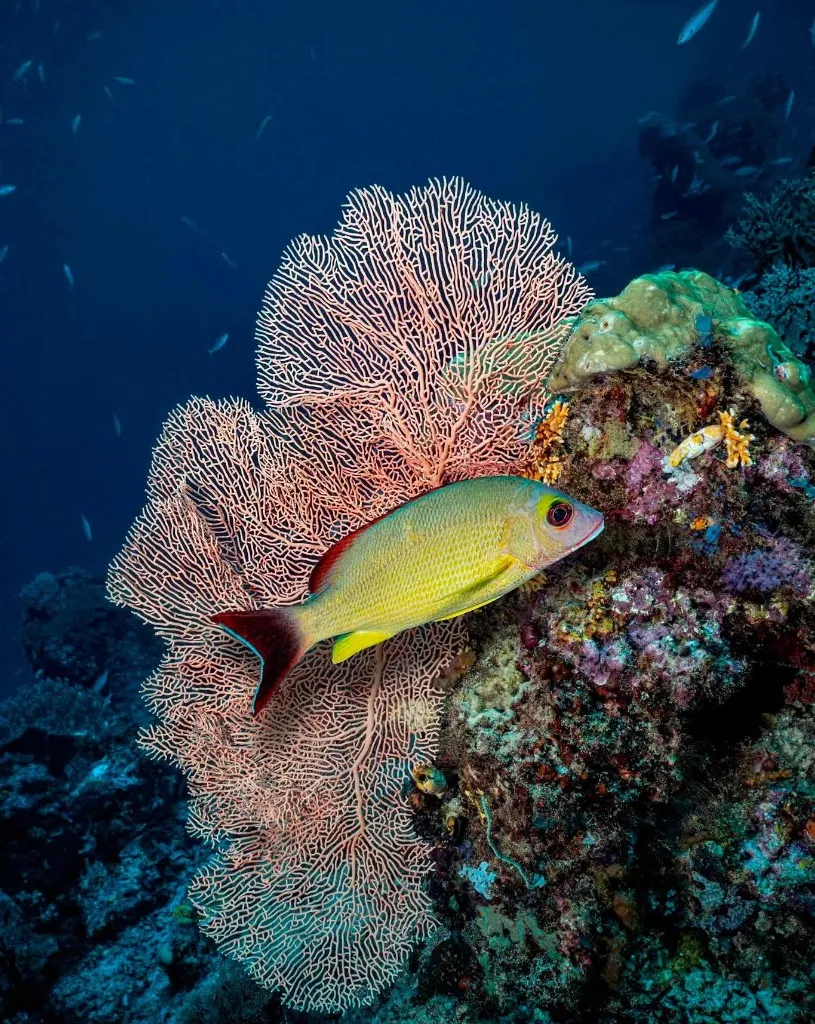
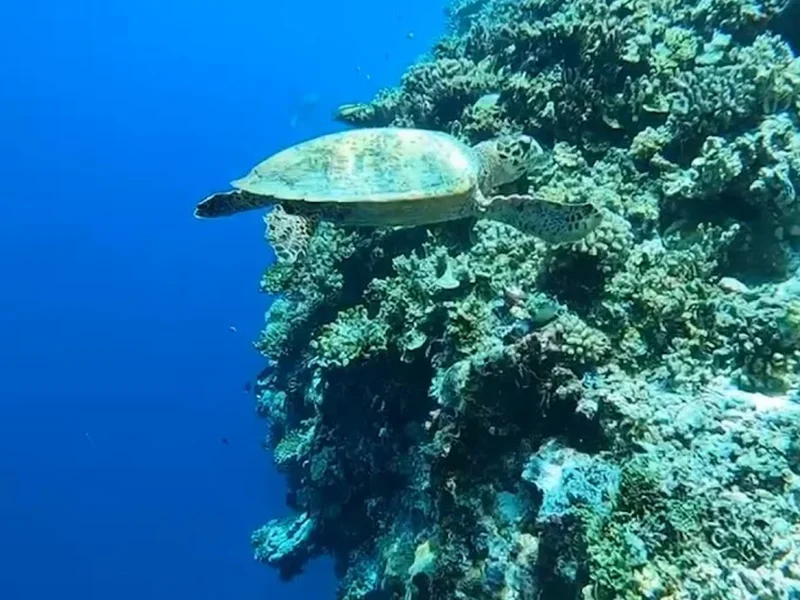
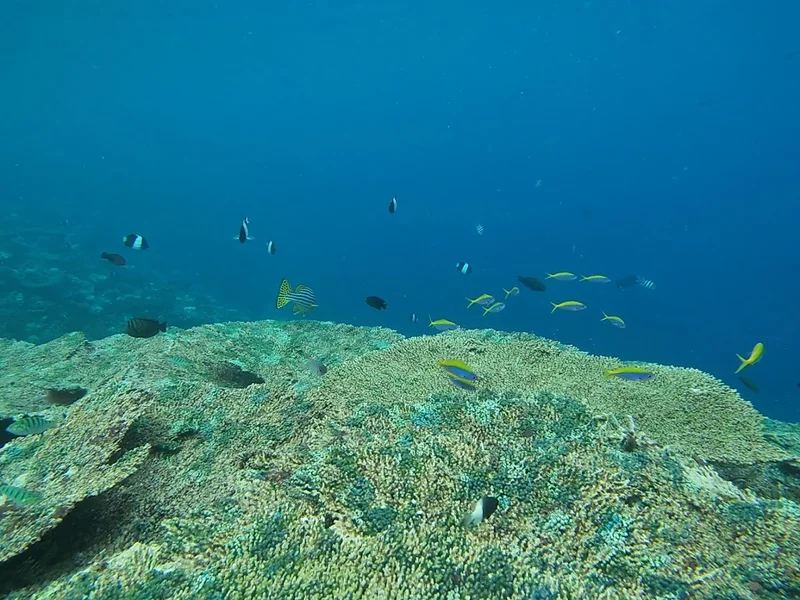
Approaching Soft Coral Pass, divers will first notice the abundant soft corals, sponges, and fan corals that define this vibrant ecosystem, often swaying gently in the currents. These colorful growths provide shelter for smaller reef dwellers.
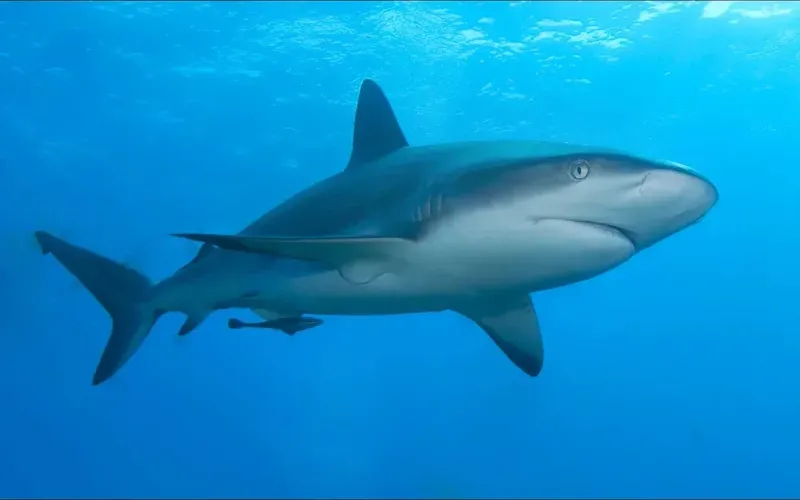
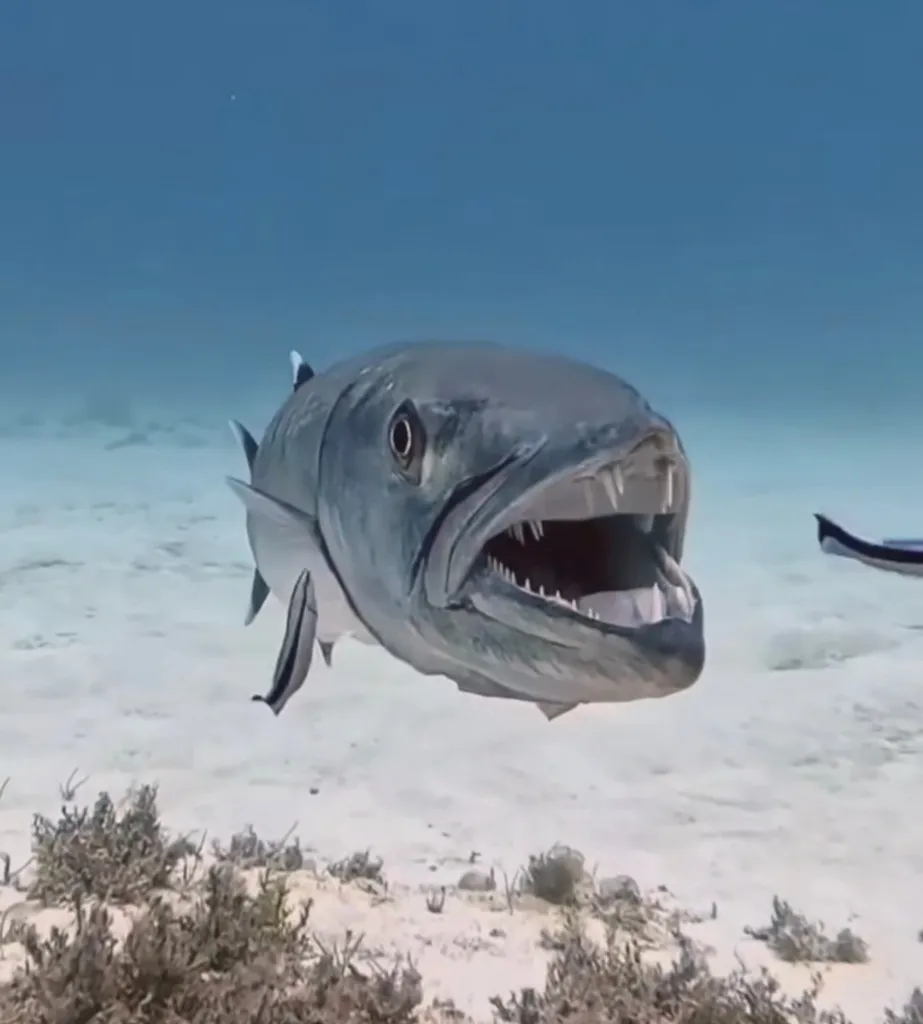
A closer inspection of the reef and wall structures might reveal feather duster worms, cowries, and various slugs tucked among the crevices. While specific sightings vary, the general Andaman region sees pelagic species like schooling snappers, tunas, barracuda, and trevallies frequenting current-swept areas.
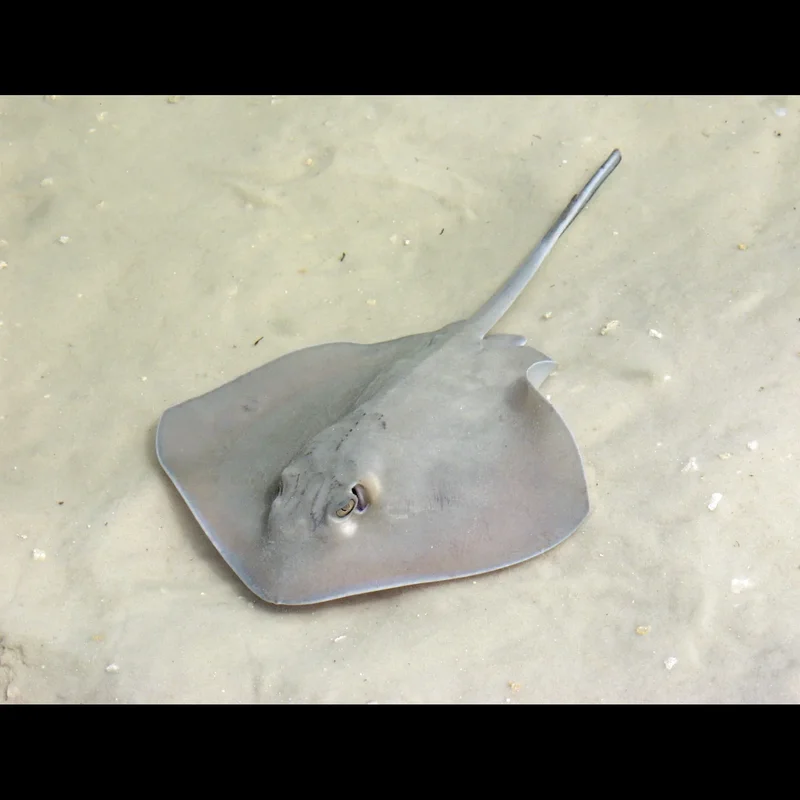
Fortunate encounters could include Kuhl’s sting rays resting on sandy patches, or even reef sharks cruising the deeper parts of the pass. Large groupers and puffers are also common inhabitants, adding to the site's rich biodiversity.

Dive Centers Near Soft Coral Pass
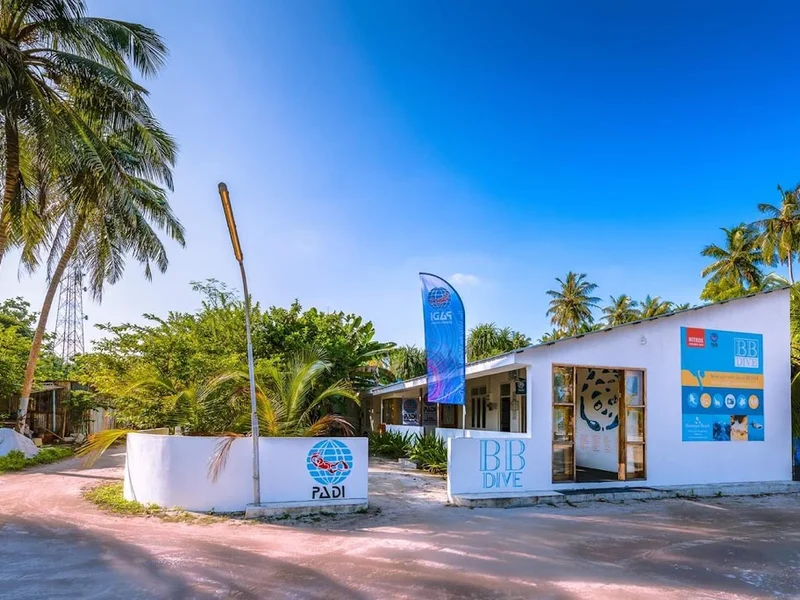
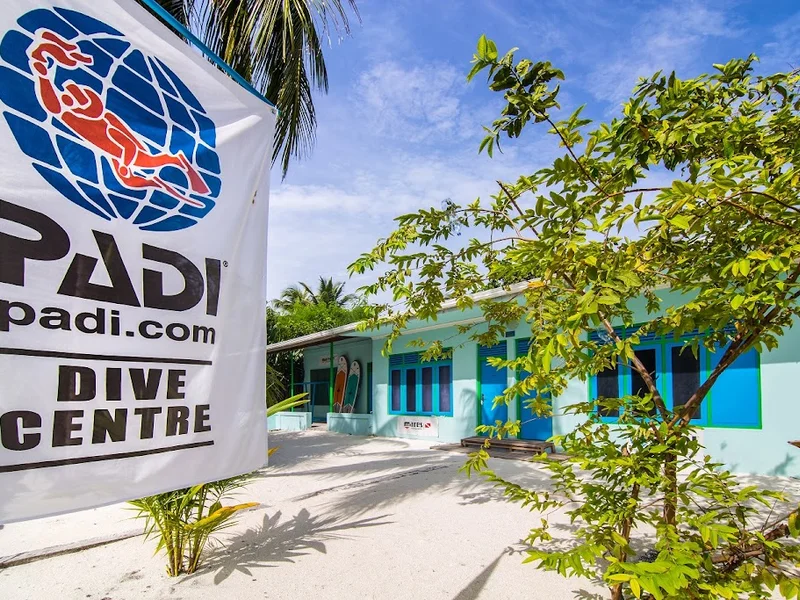
Nearest Airports
Nearest airports to help plan travel to this dive area.
Frequently Asked Questions
What type of dive site is Soft Coral Pass?
Soft Coral Pass is characterized as a reef and wall dive, typical of dynamic environments found in the Andaman Islands. Its name suggests it's a channel or opening where currents play a significant role in shaping the underwater landscape and supporting vibrant soft coral growth.
What are the typical diving conditions?
While specific data for Soft Coral Pass is limited, divers in similar Andaman pass sites can expect warm tropical waters and varying currents. These currents often contribute to excellent soft coral displays and attract a diverse array of marine life.
What depth can be explored at this site?
Recreational divers can explore a range of depths at Soft Coral Pass, with typical reef sections found within 10-30 meters (33-100 ft). The wall component may offer opportunities for deeper exploration depending on certification levels and dive plans.
What kind of marine life might I see?
The site is known for its abundant soft corals, sponges, and fan corals. Around these structures, divers might observe feather duster worms, cowries, slugs, various reef fish, and potentially larger pelagic species such as snappers, barracuda, and reef sharks, especially where currents are present.
When is the best time to dive Soft Coral Pass?
The most favorable diving conditions typically occur from November to April, with March and April offering the highest dive scores. These months generally feature lower rainfall, calmer seas, and comfortable air temperatures, improving overall visibility and dive comfort.
Are strong currents a concern here?
As a 'pass' dive, currents can certainly be a factor, ranging from gentle drifts to stronger flows. Divers should be prepared for varying conditions, and sound dive planning, including monitoring local tides, is recommended to manage these dynamics safely.
What visibility can I expect?
Visibility in the Andaman Islands, where Soft Coral Pass is located, regularly reaches 25-30 meters (82-98 ft) between October and May. However, local conditions and current activity can cause fluctuations in visibility at any given time.
Planning to dive Soft Coral Pass?
Send one inquiry and receive offers directly from the best verified local dive operators.
Conditions are Moderate
Optimal conditions expected
Current conditions near Soft Coral Pass show 29° air, 29° sea temperature, 1.3 m waves, and 29 km/h wind. Forecast data is refreshed regularly to ensure accuracy.