
Diving at Batee Tokong (Indonesia)
Batee Tokong provides an immersive entry into Sumatra's underwater environment. Divers typically approach by boat, anticipating a dive that blends dramatic topography with a vibrant ecosystem. Diverse marine encounters here set an immediate tone for exploration. It's a destination where the thrill of discovery starts the moment you descend into its expansive reef and wall formations. Preparations should account for varied conditions and rich marine activity.
Evening condition tracking at Batee Tokong features an air temperature of 28.5°C. We have recorded wave heights measuring 1.5 m during this period. These figures outline the environmental parameters currently present.
Dive Site Location & Key Facts
Dive Site Overview
Exploring its underwater realm, divers find an extensive and varied landscape, allowing for a wide range of observations within a single dive. Divers navigate a very large site with a diverse topography, encompassing both steep coral slopes and expansive reef sections.
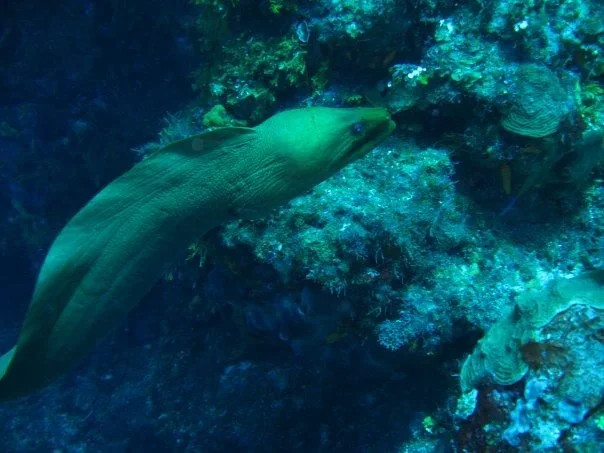
Abundance of moray eels, including numerous honey-comb eels, is particularly notable here, visible throughout the year. Beyond the macro, currents often attract larger pelagic species, creating dynamic encounters. Maximum depth is reported at 40 m (131 ft), accommodating advanced recreational diving capabilities.
The varied structure ensures that whether focusing on schooling fish, sharks, or smaller reef inhabitants, the experience remains engaging and unpredictable. Its layout encourages thorough exploration, revealing different aspects of the ecosystem as one progresses through the dive plan. Each visit can reveal new details or different marine behaviors.
Conditions are Moderate
High Wind Advisory (44km/h). Unsafe surface.
Current conditions near Batee Tokong show 29° air, 31° sea temperature, 1.5 m waves, and 44 km/h wind. Forecast data is refreshed regularly to ensure accuracy.
Best Time to Dive
Seasonal patterns significantly influence diving conditions, though this site generally offers year-round opportunities for exploration. March through April and October typically boast the highest 'Good' dive scores, coinciding with lower average wave heights and more moderate wind speeds. Air temperatures during these prime months typically range from 27-28°C (81-82°F), making surface intervals comfortable. Rainfall is comparatively lower in March and April, at around 3.6-3.7 mm, suggesting clearer skies. While diving is possible across all months, June and July show higher wave heights, averaging 1.1-1.2 m, and stronger winds up to 26 km/h, which might affect surface conditions. Conversely, November and December experience increased rainfall, reaching 10-12 mm, though dive scores remain rated 'Good.' August and September are rated 'Moderate' for diving, with wave heights around 1.0-1.1 m and wind speeds up to 23-27 km/h. Planning a trip around the calmer periods enhances the overall experience by reducing potential choppiness on boat transfers.
PEAK SEASON SCORE
Scores combine air & water temps, waves, wind & rainfall for overall conditions.
BEST MONTHS TO DIVE
Monthly records compiled from satellite and marine observation nodes over the last 3 years. Data provided by Open-Meteo and MET Norway.
Dive Experience & Conditions
Descending at Batee Tokong, divers encounter a distinct transition from surface chop to the underwater calm, often immediately aware of variable currents. While some reports suggest strong currents, others note a general absence, indicating variability depending on tidal phases or specific dive points. These currents, when present, often sweep nutrient-rich waters past steep coral slopes adorned with gorgonians, attracting larger pelagics. The water temperature is not consistently reported in the system data, but generally aligns with tropical Indonesian waters, typically warm. Visibility is generally clear, allowing for expansive views of the topography and marine life. Exploring the deeper sections, to max depth, reveals further extensions of the wall and reef, requiring careful buoyancy control. Shallows are vibrant, suitable for safety stops and observing smaller reef inhabitants.
Dive Difficulty & Safety Guidelines
When planning a dive at Batee Tokong, divers should anticipate variable currents, which can range from mild to strong. An Advanced Open Water Diver certification is beneficial here, particularly for managing deeper sections or navigating drift scenarios. Always carry a dive computer to monitor no-decompression limits and a Surface Marker Buoy (SMB) for signalling the boat, especially if a drift dive is initiated.
Given the presence of pelagic species and potentially strong currents, maintaining group cohesion and conservative dive profiles is advisable. Briefings should specifically cover current expectations and emergency procedures.
Consider an Enriched Air Diver certification if planning multiple dives to extend bottom time and reduce nitrogen loading.
Recommended Equipment
Deep dive hazard. Increased narcosis and gas consumption risk.
- Dive Computer
- DSMB
- Primary & Backup Lights
This gear list is based on verified equipment signals for Batee Tokong, Indonesia. Always confirm final gear choices with your dive operator, guide, or liveaboard.
Recommended Dive Suit
Recent conditions suggest the water at Batee Tokong remains near 31°C (88°F), offering typical conditions for the area. Surface air temperatures are resting at 29°C (83°F).
Current forecasts indicate relatively stable conditions for the coming days.
Most divers exploring waters at this temperature rely on dive skin or rash guard for effective insulation. Strong winds are present; please take strong precautions against rapid cooling during surface intervals. Water temperature is only one factor influencing overall comfort during a dive. Stronger winds may also make surface intervals feel cooler than usual.
Emergency & Medical Support
Essential information to help you plan your dive trip to Batee Tokong.

Hyperbaric chambers are a critical part of dive safety infrastructure. Availability varies significantly by region, and not all dive areas have immediate access.
Before diving, it's recommended to:
- confirm nearest medical facilities
- check emergency procedures with local dive operators
- ensure dive insurance covers evacuation if required
Divers Alert Network
Diving emergency assistance available through DAN World.
+1-919-684-9111- 24/7 emergency hotline
- Diving medical assistance
- Evacuation coordination
Emergency contacts are provided for reference. Always verify local emergency services before diving.
Marine Life at Batee Tokong
The underwater terrain at Batee Tokong is a magnet for diverse marine life, integrating beautifully with the site's structure. Steep coral slopes provide habitat for abundant moray eels, including many honey-comb eels, which are a consistent presence.
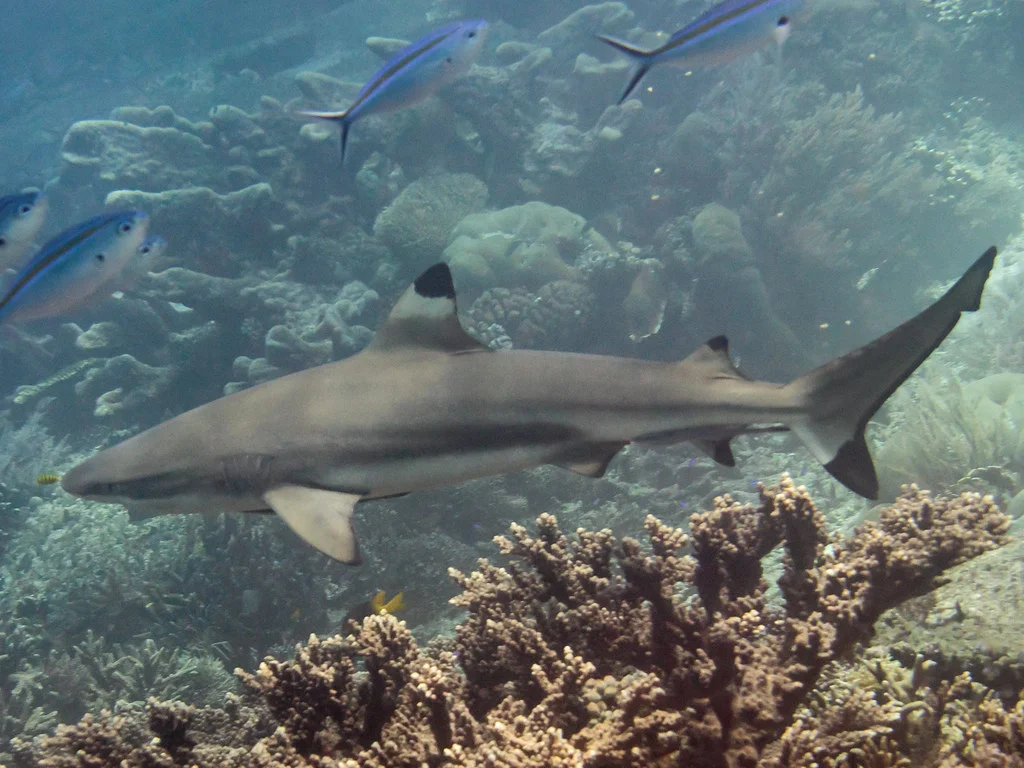
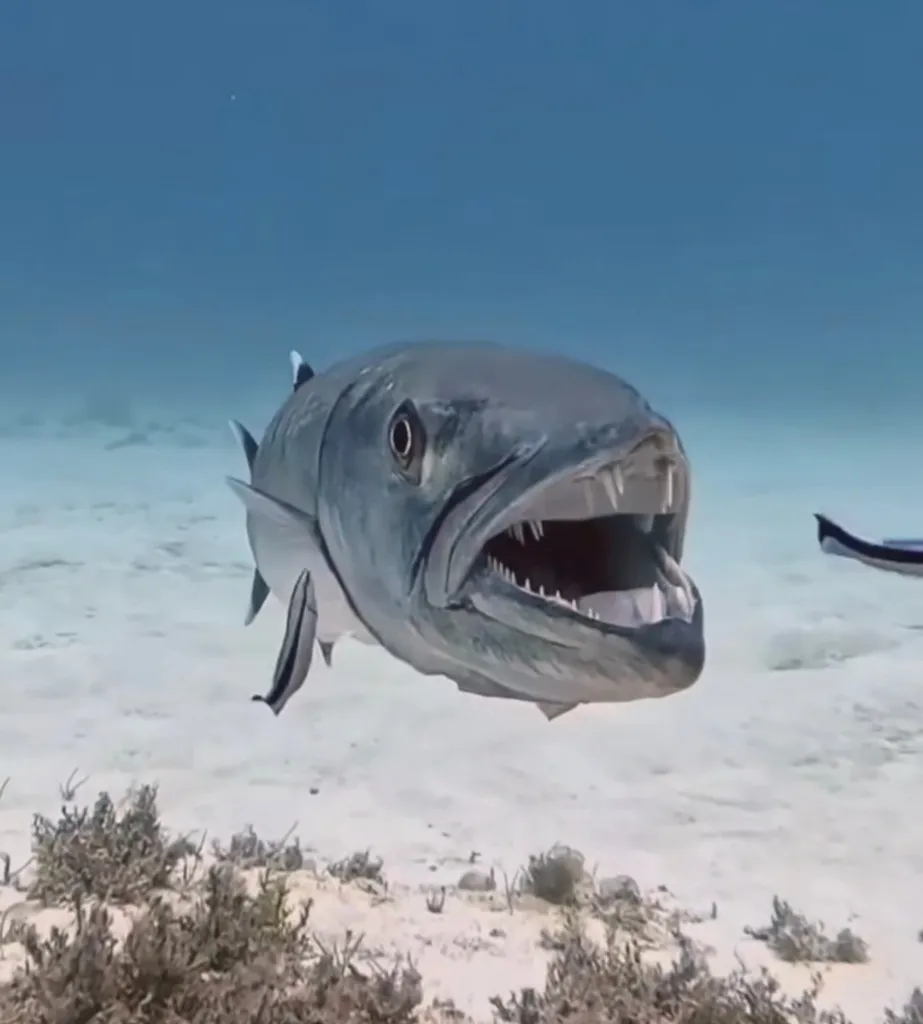
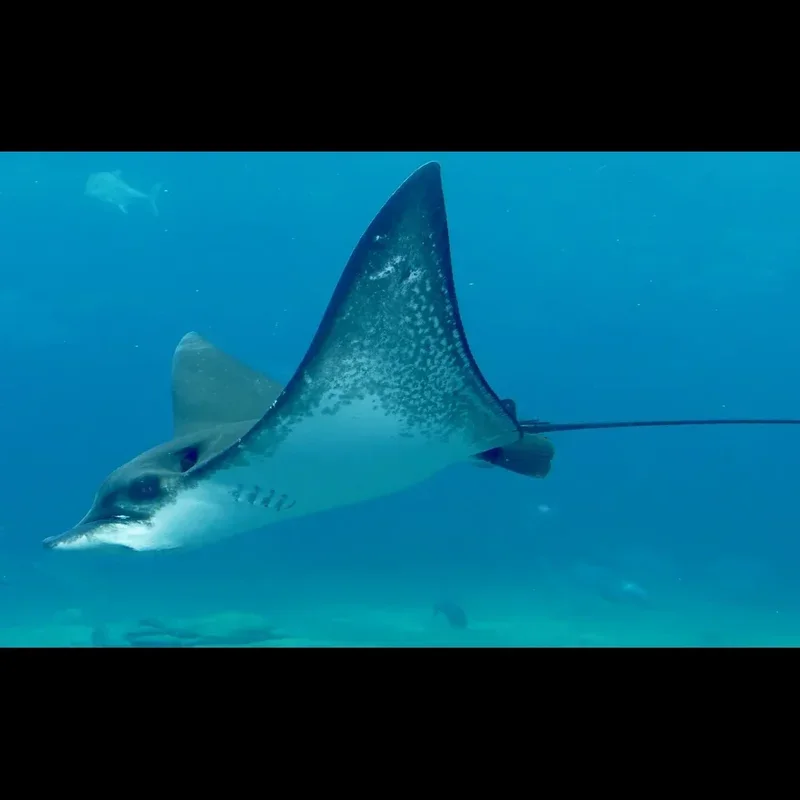
Along these same slopes and out in the blue, divers often encounter pelagic species such as tuna, barracuda, and various sharks, including whitetip and blacktip reef sharks. Mobula and eagle rays are also seen traversing the open water sections.
Deeper areas and current-swept zones contribute to sightings of larger fish like hunting trevallies. Even whale sharks and Orcas have been reported on rare occasions, emphasizing the site's potential for impressive encounters across its varied reef and wall structures.

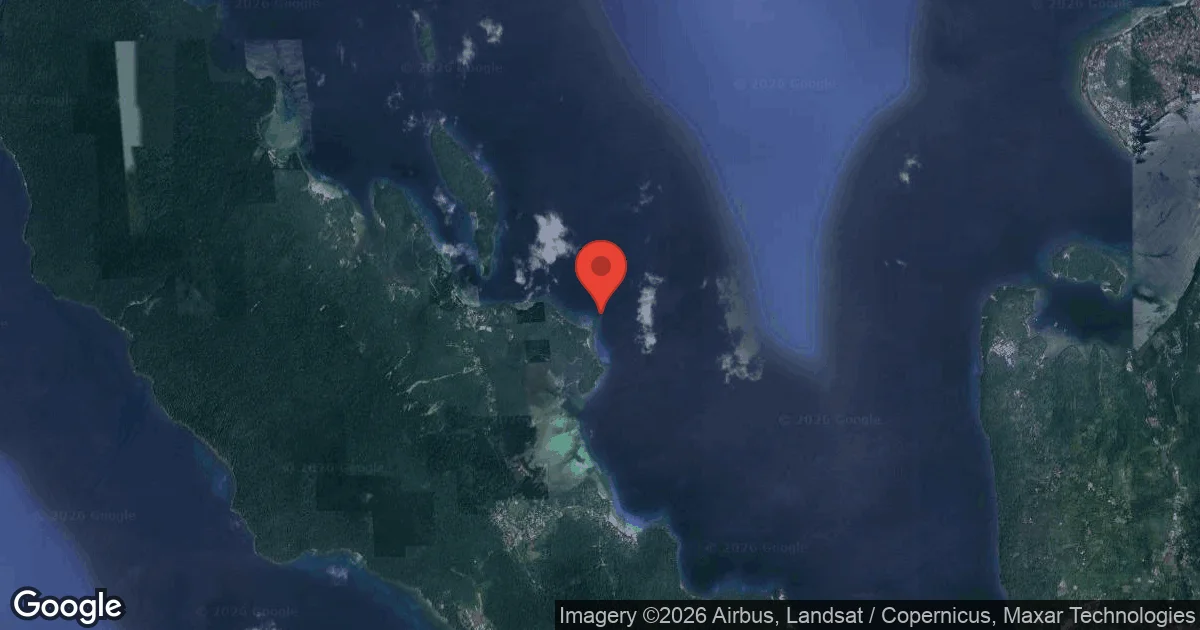
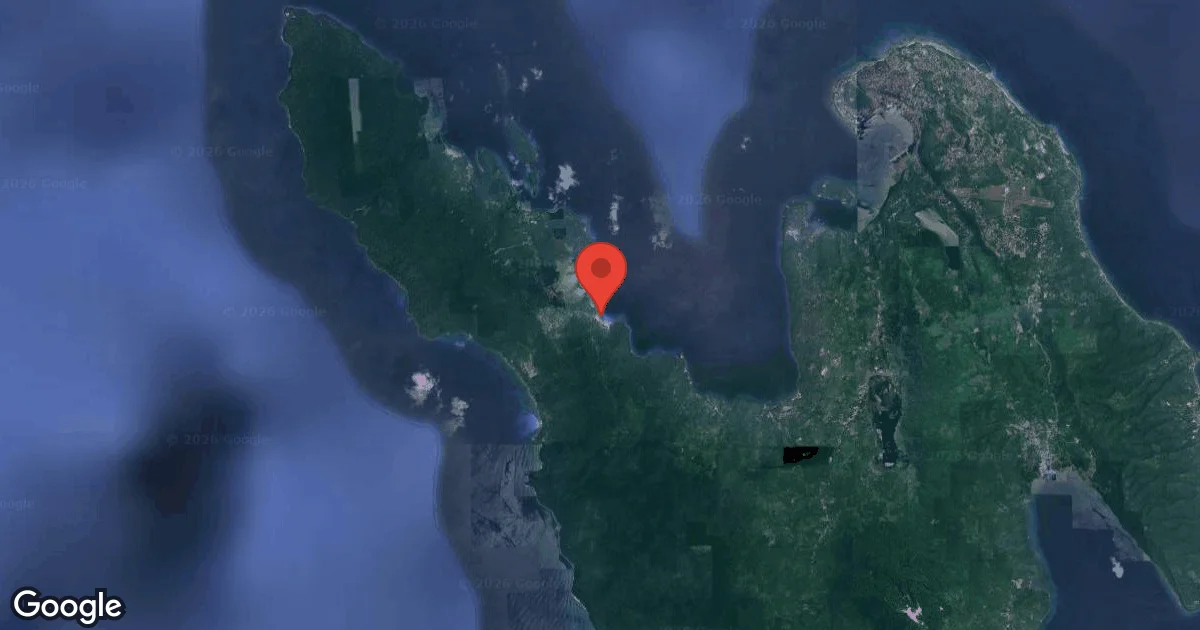
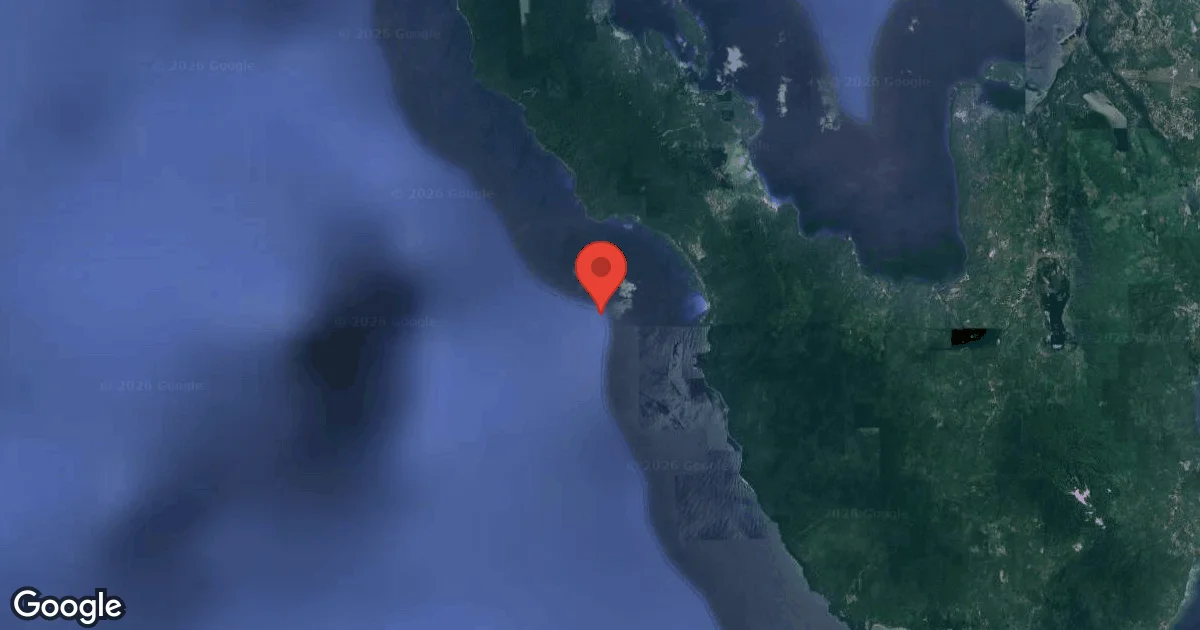
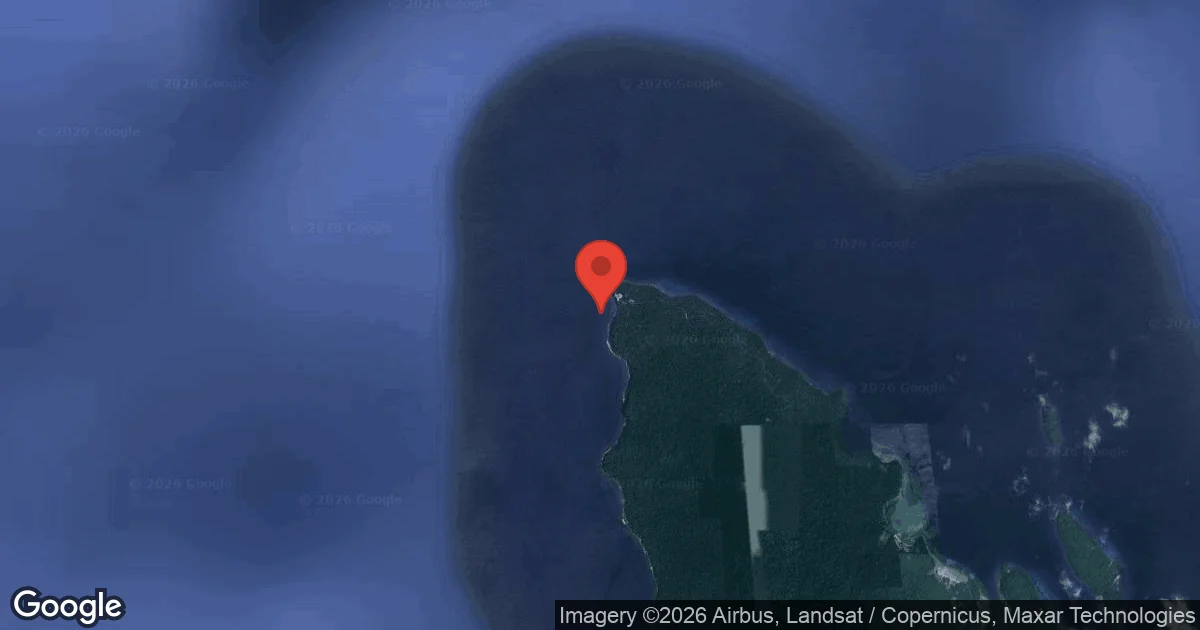
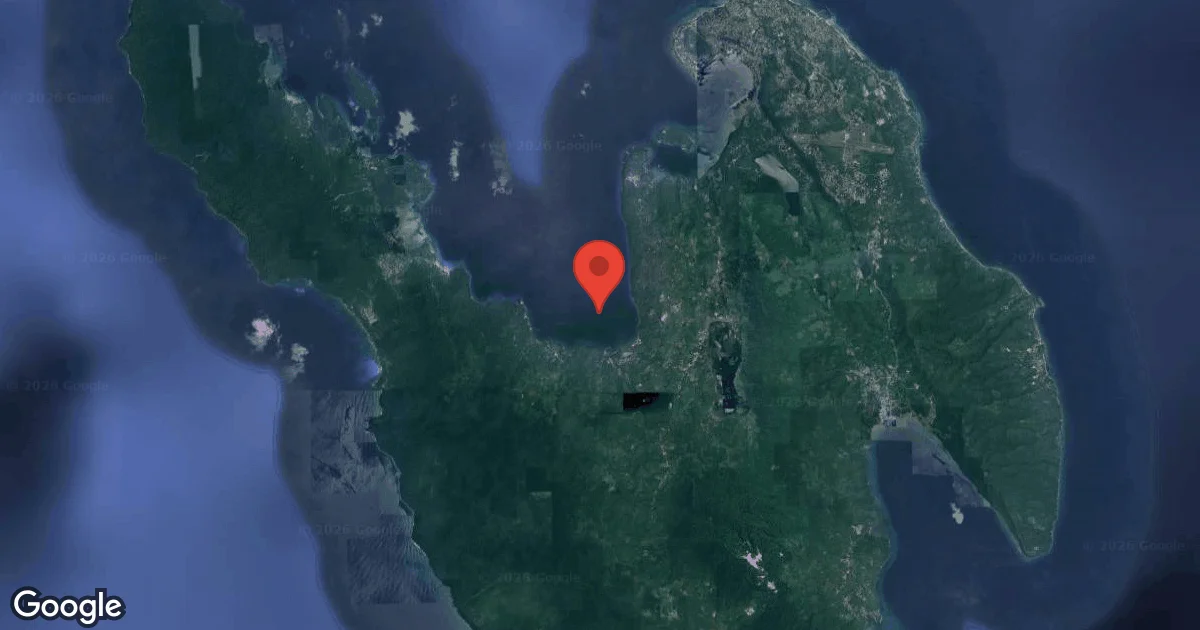
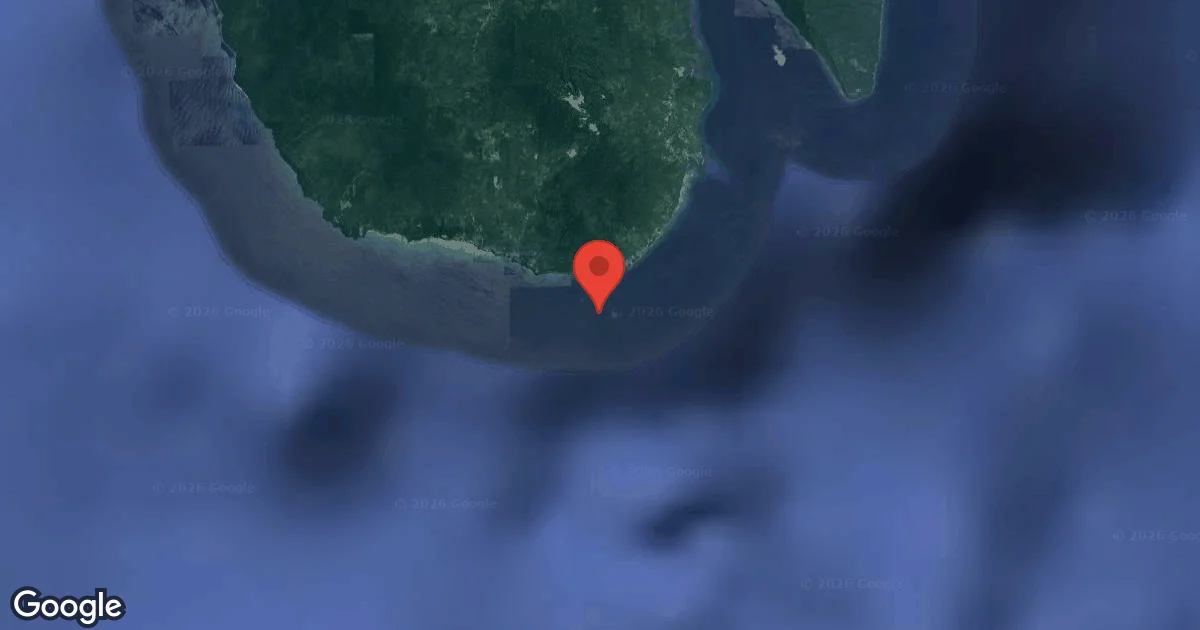
Dive Sites Near Batee Tokong
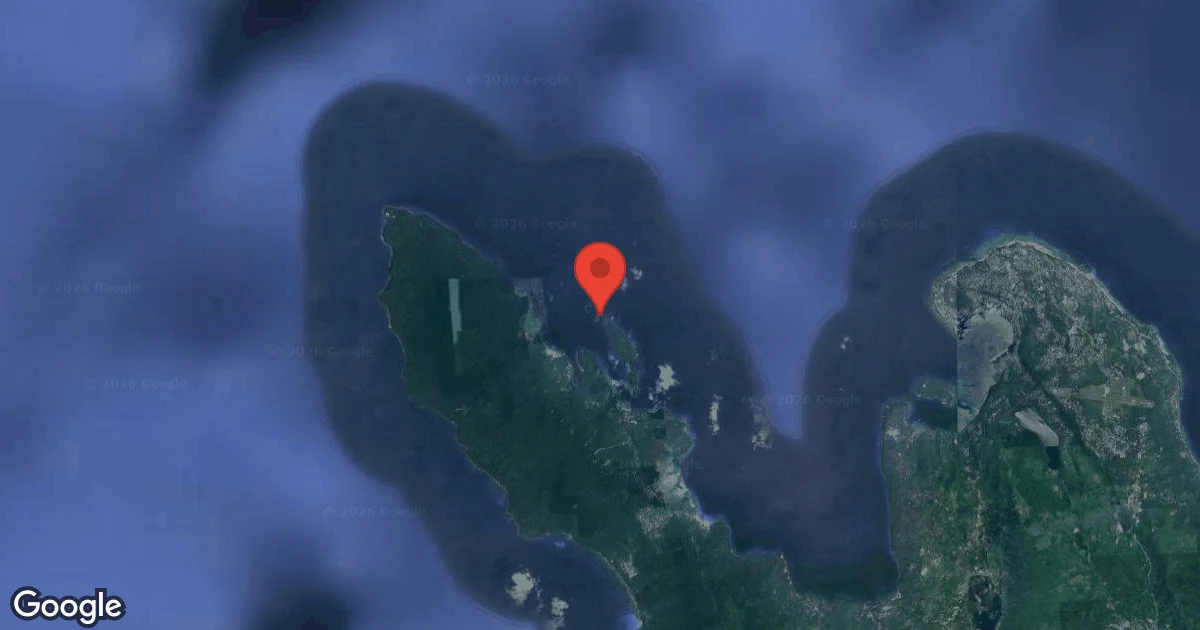
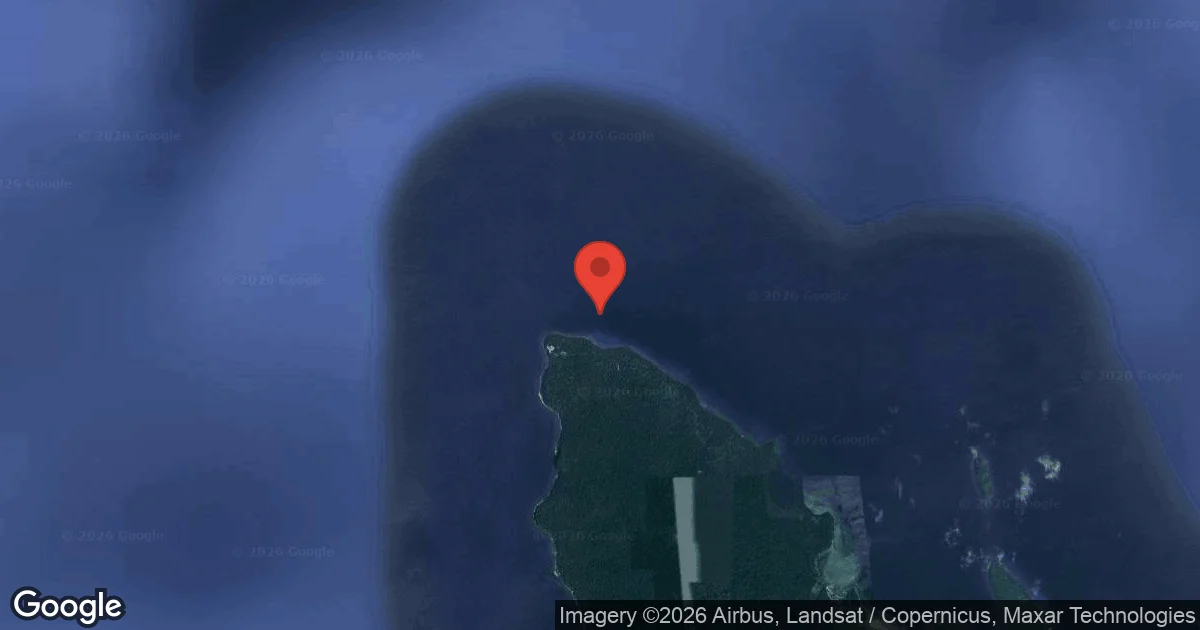
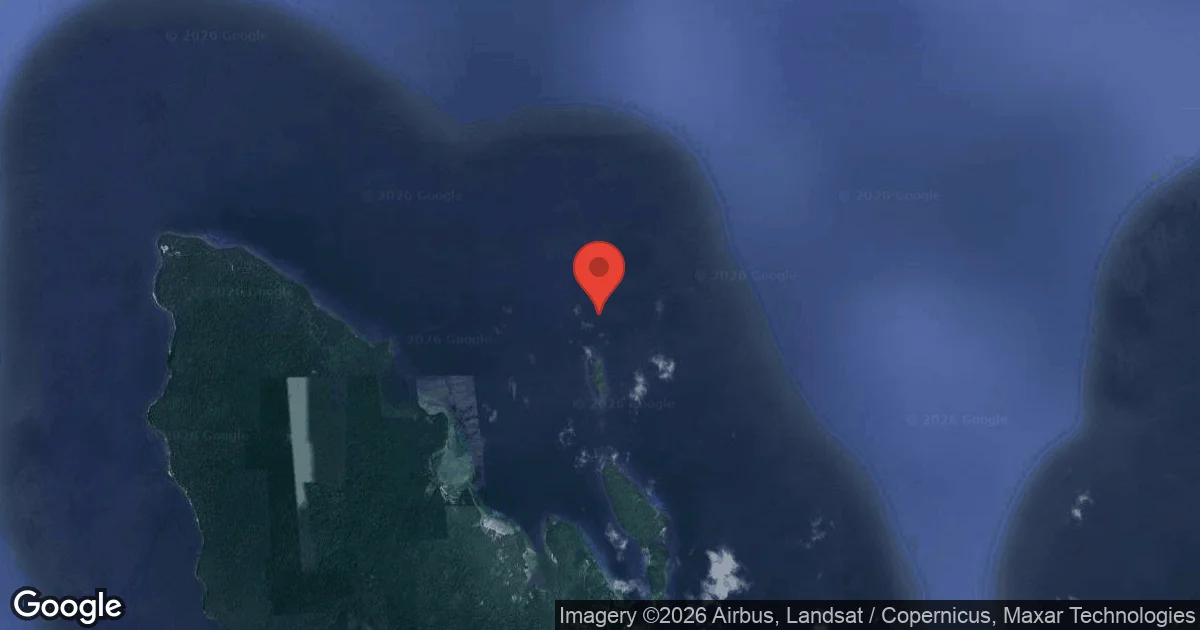
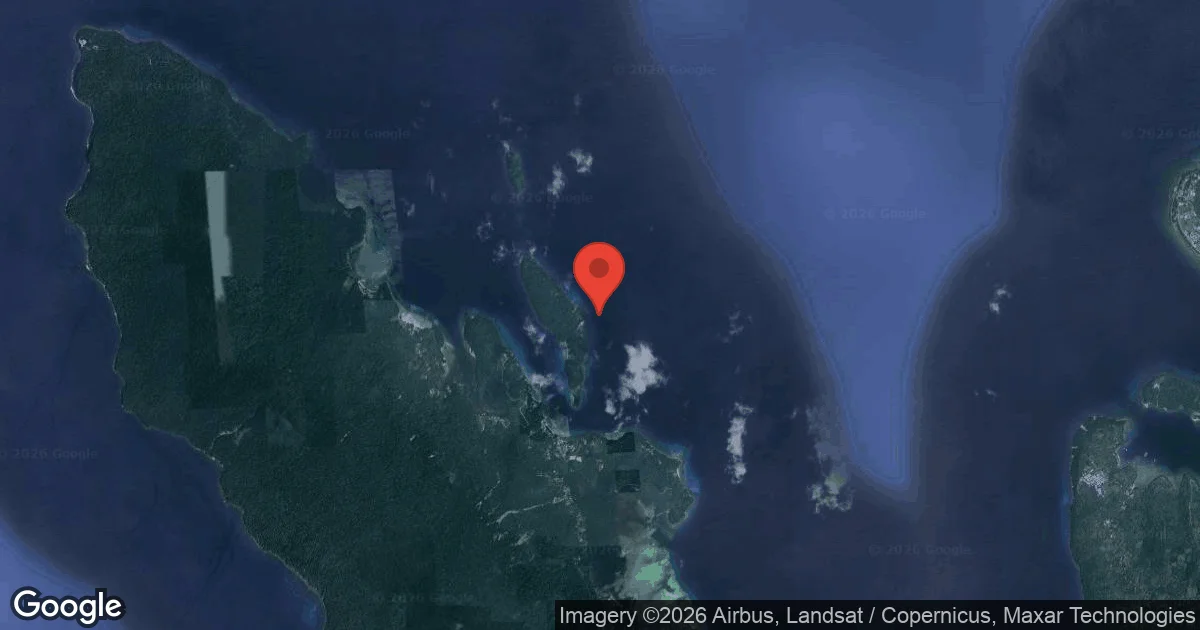
View all dive sites in IndonesiaDiscover more underwater gems in this area.
Dive Centers Near Batee Tokong
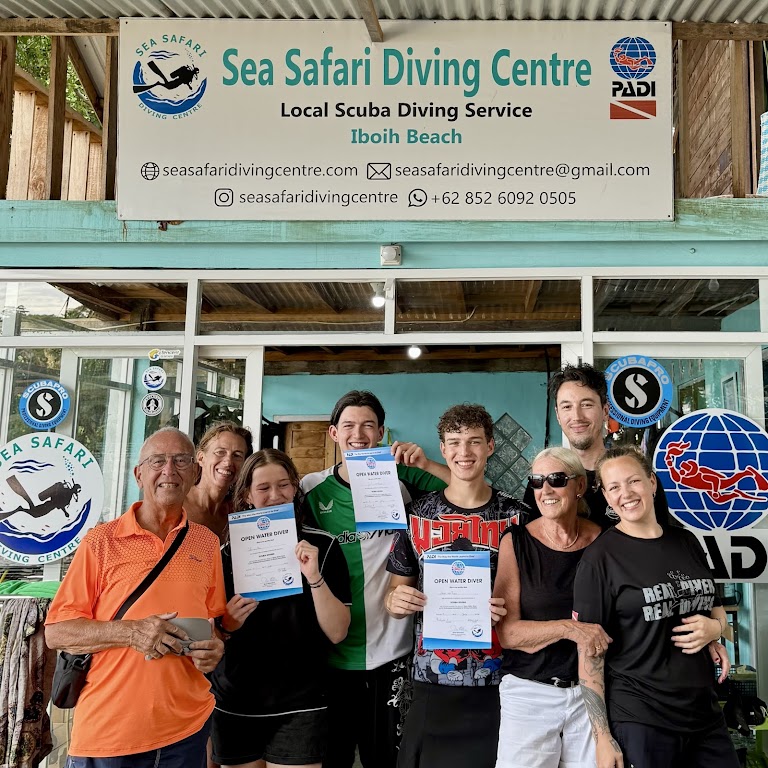
Today: 08:30 - 18:30
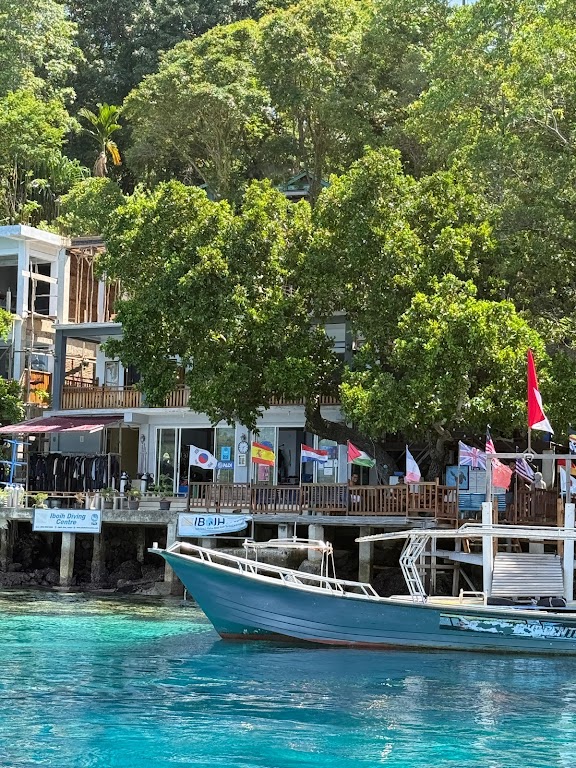
Nearest Airports
Nearest airports to help plan travel to this dive area.
Search Flights
Check available flights and routes on Expedia, using the nearby airports listed in this section.
Search Flights on ExpediaFrequently Asked Questions
What is the maximum depth at Batee Tokong?
Diving at Batee Tokong extends to a maximum reported depth of 40 m (131 ft). This allows for advanced recreational exploration of its various reef and wall features.
Are there strong currents at Batee Tokong?
Currents at Batee Tokong can be variable, sometimes strong, and at other times reported as minimal. Conditions depend on tidal phases and specific dive locations within the site.
What marine life can I expect to see?
Batee Tokong is known for abundant moray eels, including honey-comb eels. Divers also frequently encounter schooling barracuda, tuna, whitetip and blacktip reef sharks, mobula rays, and eagle rays.
What dive certifications are recommended for Batee Tokong?
PADI Advanced Open Water Diver is recommended due to the potential for deeper sections and variable currents. PADI Enriched Air Diver is also beneficial for extended bottom times.
What are the best months to dive Batee Tokong?
March, April, and October generally offer the most favorable conditions with lower waves and winds, leading to higher dive scores. Good diving is possible year-round, with some months experiencing more rain or choppier surface conditions.
How is Batee Tokong accessed?
Batee Tokong is primarily accessed by boat. This allows divers to reach specific dive points along the extensive reef and wall structures, making it convenient for varied exploration.
Planning to dive Batee Tokong?
Send one inquiry and receive offers directly from the best verified local dive operators.
Conditions are Moderate
High Wind Advisory (44km/h). Unsafe surface.
Current conditions near Batee Tokong show 29° air, 31° sea temperature, 1.5 m waves, and 44 km/h wind. Forecast data is refreshed regularly to ensure accuracy.