
Diving at Rubiah Utara (Indonesia)
Approaching Rubiah Utara by boat immediately sets the tone for an engaging dive. Entering the water at the northern tip of Rubiah Island, divers find themselves on a gentle slope adorned with fan and whip corals. A distinct channel then guides explorers toward Arus Balee, revealing a diverse underwater landscape. Descending offers immediate visual interest, transitioning into deeper, more dramatic scenery. It's a journey into striking topography and vibrant coral formations from the moment you descend.
Tonight's objective overview for Rubiah Utara shows an air temperature of 29.5°C. The measured surface conditions include wave heights around 1.4 m. This environmental data is logged for the close of the day.
Dive Site Location & Key Facts
Dive Site Overview
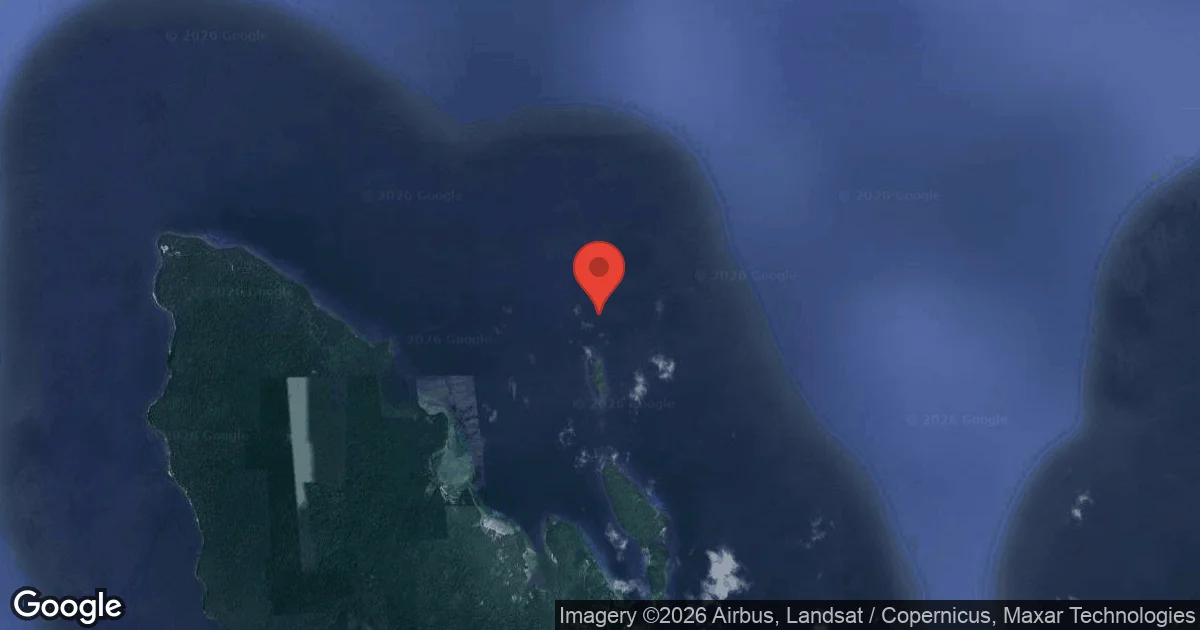
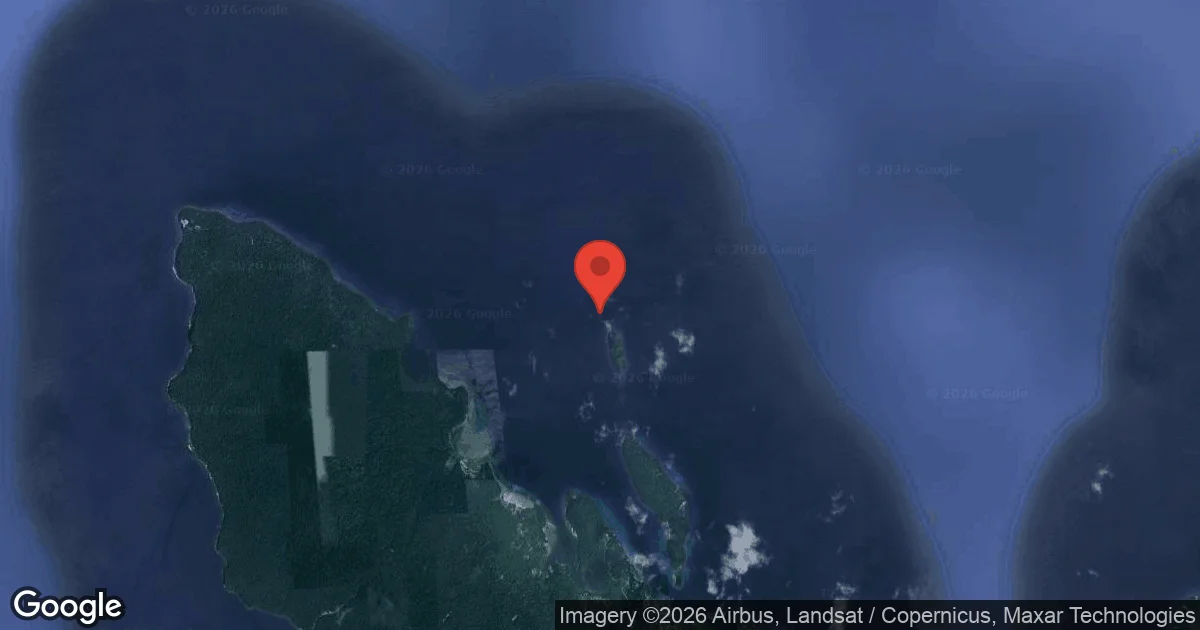
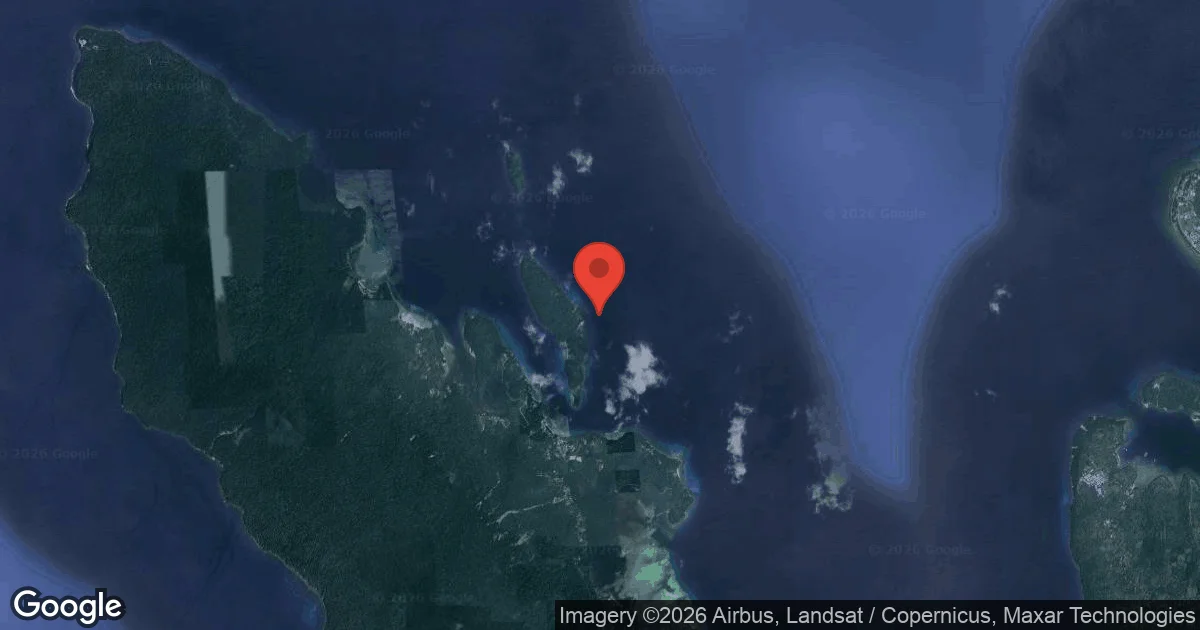
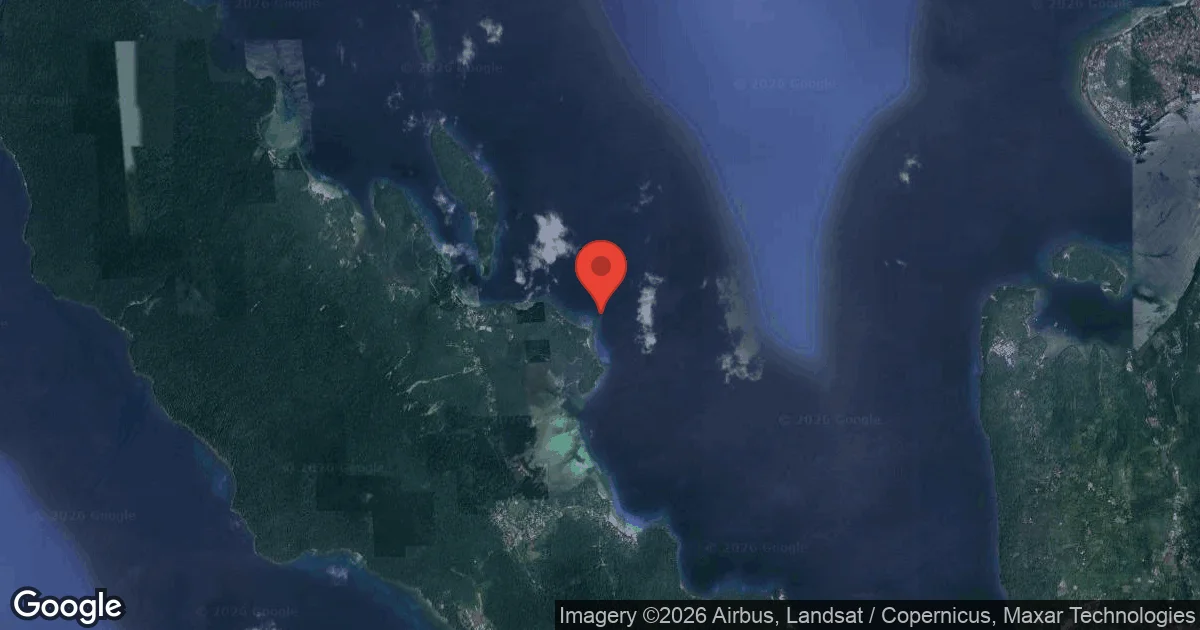
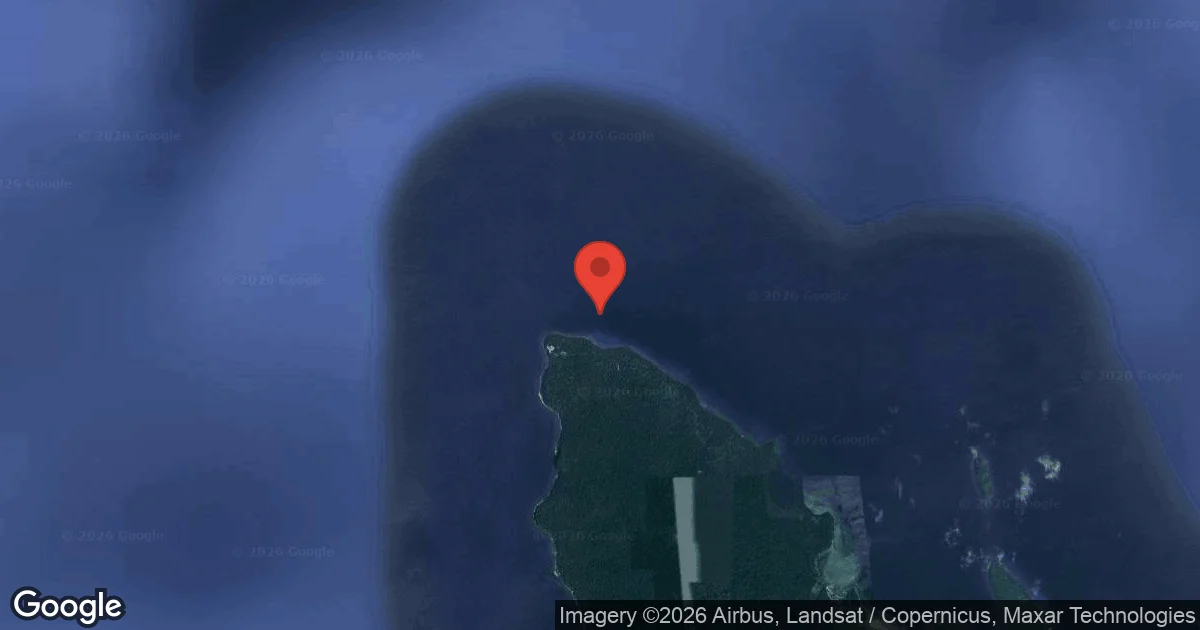
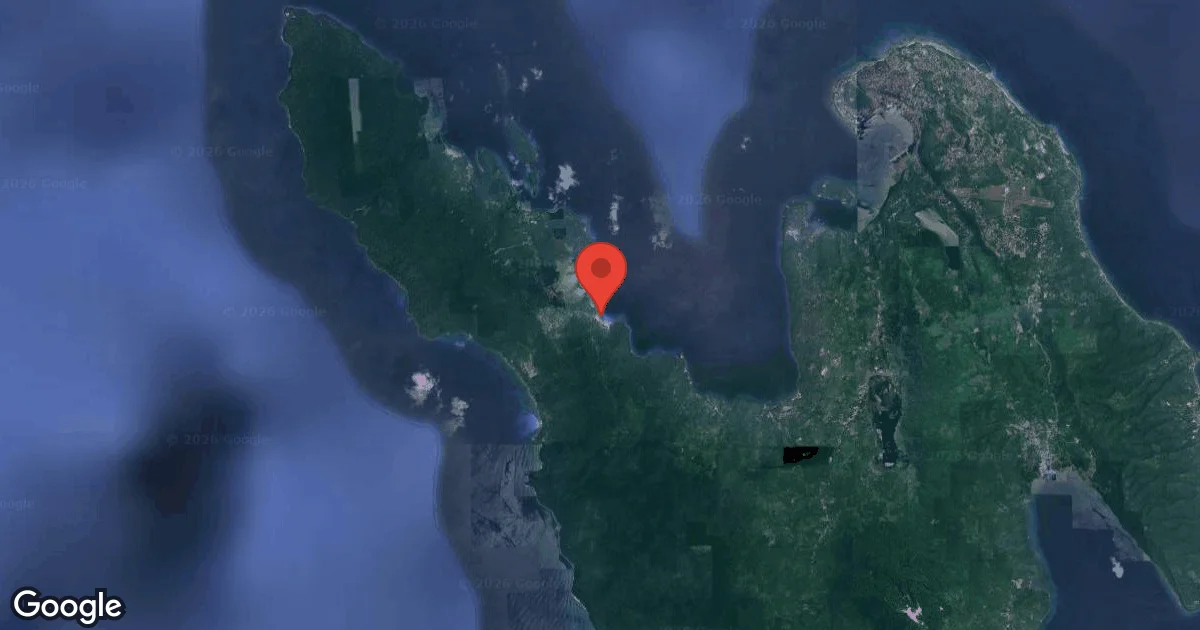
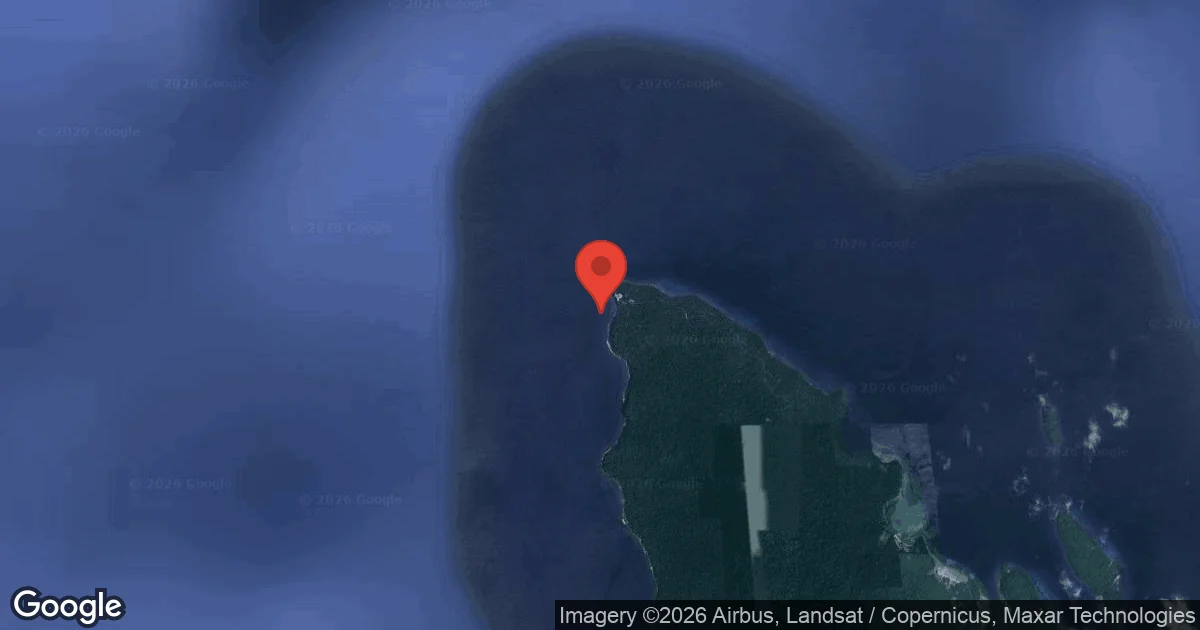
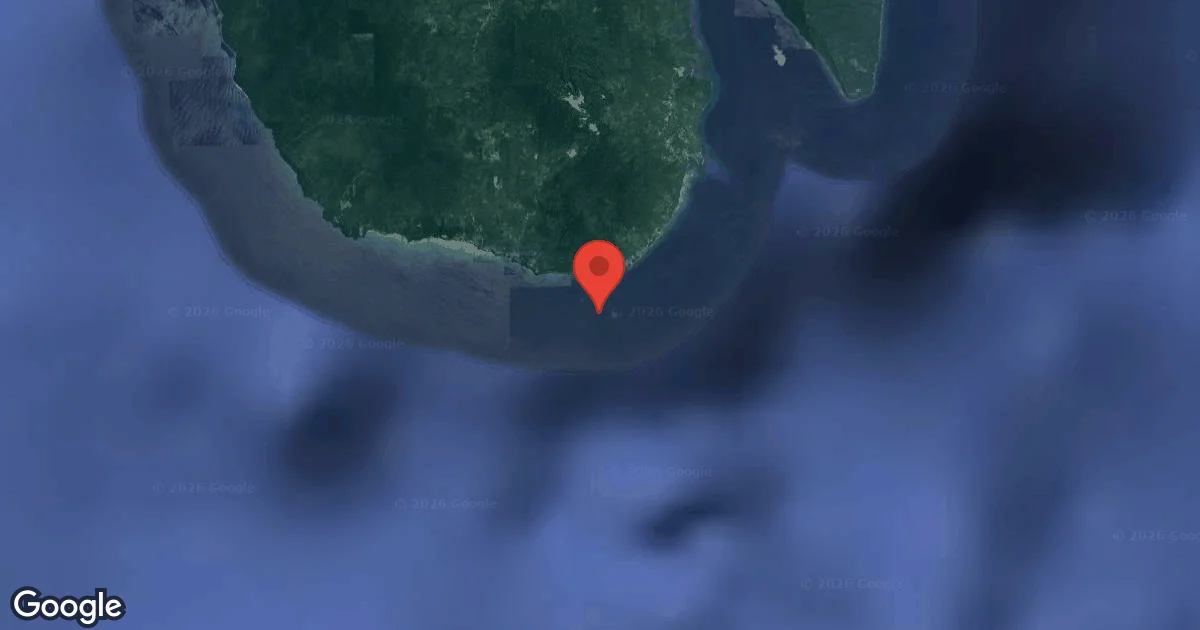
Rubiah Utara begins at Rubiah Island's northern tip, unfolding into a multifaceted dive site that extends deeply into a prominent channel. Divers entering the water first encounter a gentle sloping reef, where extensive fan and whip corals create intricate patterns.
As the dive progresses into the channel towards Arus Balee, the underwater topography undergoes a dramatic transformation. Deeper sections are characterized by impressive boulder formations and gigantic sea fans, painting the terrain with vivid displays of orange, pink, and red hues.
The maximum recreational depth for this area extends to 35 m (114 ft), with many significant features and larger structures visible around the 30-meter range. Ascending to shallower zones, particularly around 18 meters, divers discover an 'underwater savannah'.
Here, expansive gorgonian fields of white whip corals sway rhythmically with the currents, creating a distinct visual and immersive experience. This dynamic site allows for various dive approaches, including drift, reef, and channel diving, ensuring different experiences depending on the prevailing conditions and the diver's chosen trajectory.
Understanding these distinct zones is key to appreciating the site's full ecological and geological spectrum.
Conditions are Moderate
Optimal conditions expected
Current conditions near Rubiah Utara show 30° air, 31° sea temperature, 1.4 m waves, and 38 km/h wind. Forecast data is refreshed regularly to ensure accuracy.
Best Time to Dive
Diving at Rubiah Utara is often best between March and May, and again from October through November. These periods typically bring comfortable average air temperatures, ranging from 27.5-28.5°C (82-83°F), which also makes surface intervals more enjoyable. Rainfall is generally lower, reducing surface chop and enhancing visibility. Wave heights are usually diminished, simplifying boat entries and exits. Wind speeds are calmer, averaging 16-17 km/h (10-11 mph), further increasing dive comfort. While accessible throughout much of the year, these specific windows consistently offer higher dive scores, reflecting superior environmental stability.
PEAK SEASON SCORE
Scores combine air & water temps, waves, wind & rainfall for overall conditions.
BEST MONTHS TO DIVE
Monthly records compiled from satellite and marine observation nodes over the last 3 years. Data provided by Open-Meteo and MET Norway.
Dive Experience & Conditions
Navigating Rubiah Utara often involves currents, which can be a defining characteristic of the dive. Experienced divers advise that this site is best explored under mild current conditions, as stronger flows can significantly alter the experience, requiring specific drift diving techniques. The dive typically begins over a sloping reef, transitioning into a channel where currents can be more pronounced. Visibility here tends to vary, but is generally good, allowing clear views of the extensive coral structures. Descending to deeper sections, often past 30 meters, divers encounter massive boulders and sea fans, while shallower areas reveal expansive fields of white whip gorgonians resembling an underwater savannah. Given the absence of specific water temperature data, divers should prepare for typical tropical conditions, generally warm, using a wetsuit appropriate for personal comfort.
Dive Difficulty & Safety Guidelines
Diving at Rubiah Utara necessitates a level of experience beyond entry-level, making the PADI Advanced Open Water Diver certification or equivalent beneficial. The site's dynamic nature, particularly the potential for varying currents, means that understanding drift diving techniques is crucial. Local dive professionals consistently recommend consulting with them prior to any dive to assess prevailing conditions, as accessibility is often contingent on mild currents.
While no specific hazards are reported, adherence to PADI Standard Safe Diving Practices is always paramount. Carrying a surface marker buoy is a standard safety measure here, aiding surface visibility in case of drift. Always dive within your training limits and plan your ascent and safety stops carefully.
Recommended Equipment
Deep dive hazard. Increased narcosis and gas consumption risk.
Current and surface separation risk. Local briefing strongly recommended.
- Dive Computer
- DSMB
- Primary & Backup Lights
- Reel / Spool
This gear list is based on verified equipment signals for Rubiah Utara, Indonesia. Always confirm final gear choices with your dive operator, guide, or liveaboard.
Recommended Dive Suit
For relaxed exploration dives, dive skin or rash guard generally provides adequate warmth. Consider warmer surface protection (like a boat coat) due to brisk winds. Water conditions at Rubiah Utara are currently measured at approximately 31°C (88°F). Surface air temperatures are resting at 30°C (85°F).
Conditions in the coming days are expected to stay within a similar temperature range.
A diver's personal tolerance to cold water can play a large role in suit selection.
Due to technical issues with our weather providers, live updates are temporarily delayed. The data above reflects the conditions at the time of the last successful fetch.
Emergency & Medical Support
Essential information to help you plan your dive trip to Rubiah Utara.

Hyperbaric chambers are a critical part of dive safety infrastructure. Availability varies significantly by region, and not all dive areas have immediate access.
Before diving, it's recommended to:
- confirm nearest medical facilities
- check emergency procedures with local dive operators
- ensure dive insurance covers evacuation if required
Divers Alert Network
Diving emergency assistance available through DAN World.
+1-919-684-9111- 24/7 emergency hotline
- Diving medical assistance
- Evacuation coordination
Emergency contacts are provided for reference. Always verify local emergency services before diving.
Marine Life at Rubiah Utara
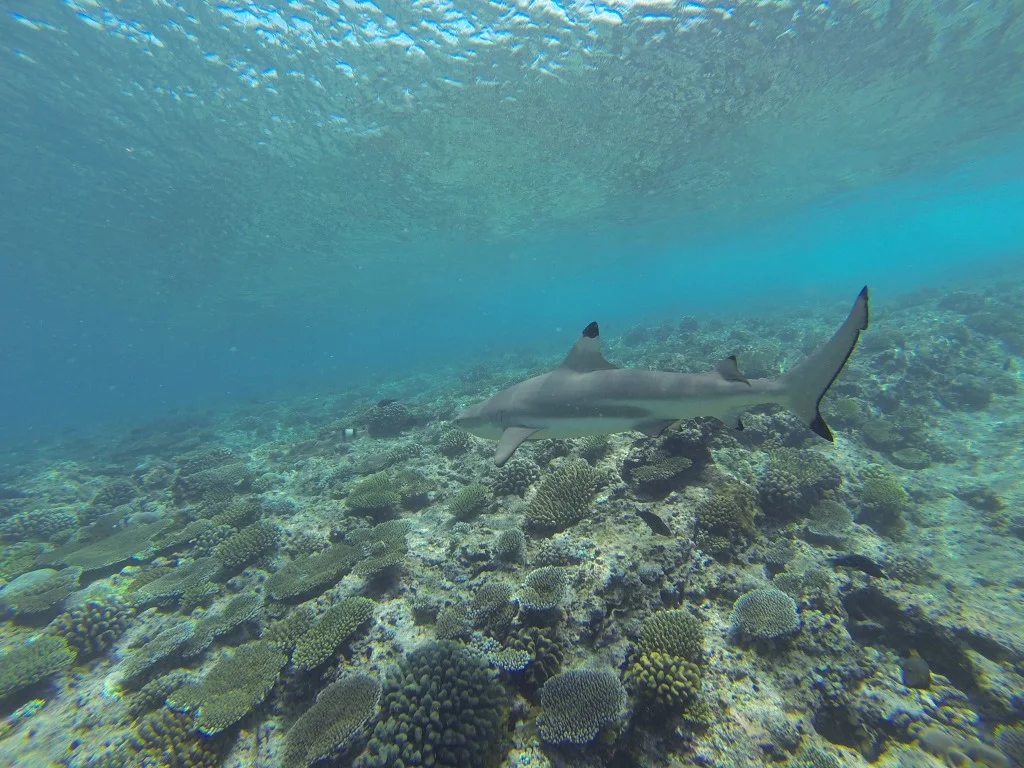
Descending into Rubiah Utara, one of the first things divers often notice is the abundant presence of pelagic species moving through the channel. Sharks are a common sighting, often observed patrolling the deeper sections alongside giant reefrays.
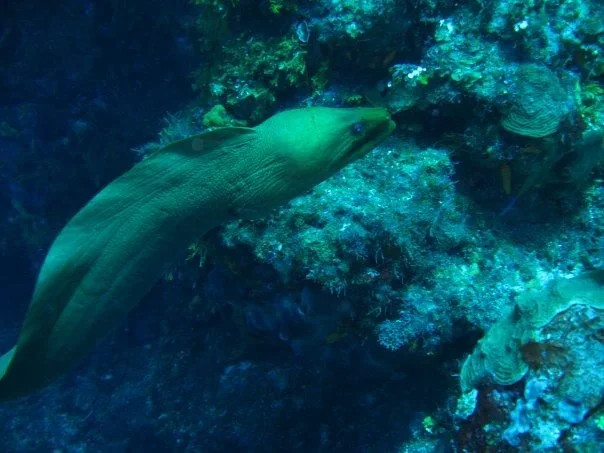
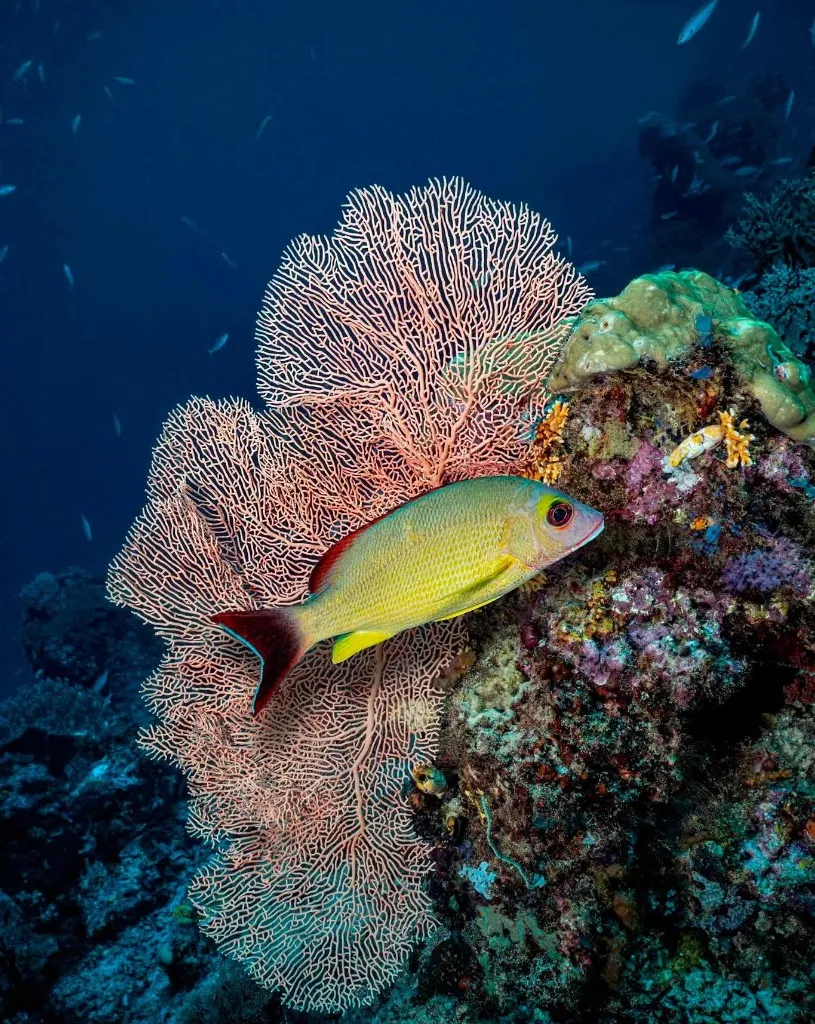
The vibrant coral formations, particularly the extensive fields of gorgonian fans and white whip gorgonians, create rich habitats for smaller reef inhabitants. Keep an eye out for moray eels tucked into crevices.
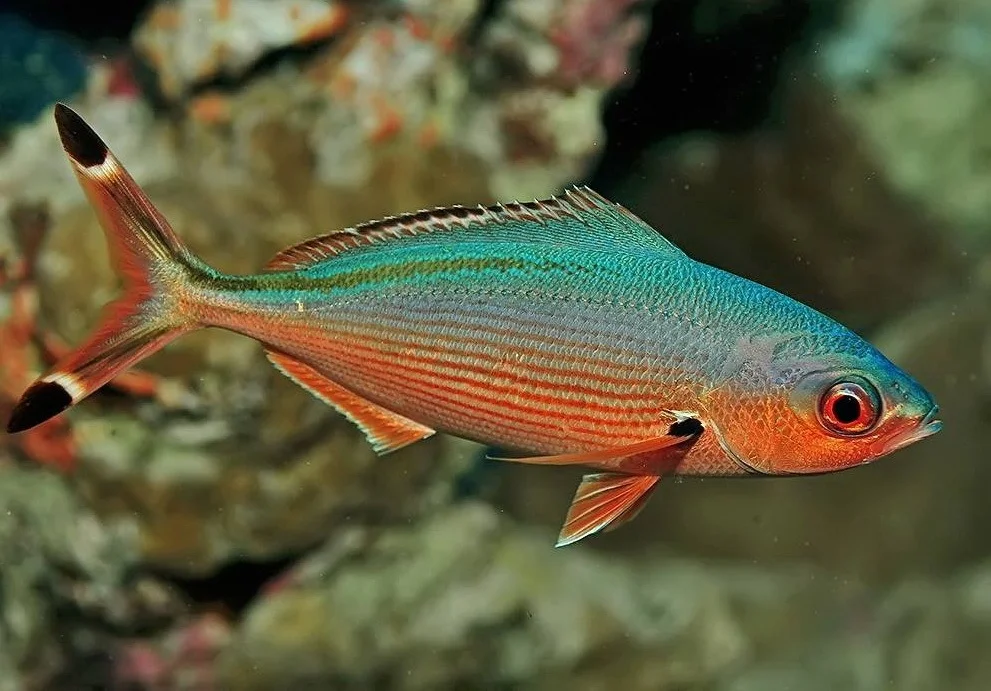
Schools of fusiliers, trevallies, snappers, and butterfly fishes frequently congregate around the reefs, adding constant motion and color. Depending on the season, fortunate divers might also encounter larger marine mammals like whales or dolphins, and various species of turtles.

Dive Sites Near Rubiah Utara
View all dive sites in IndonesiaDiscover more underwater gems in this area.
Dive Centers Near Rubiah Utara

Today: 08:30 - 18:30
Nearest Airports
Nearest airports to help plan travel to this dive area.
Search Flights
Check available flights and routes on Expedia, using the nearby airports listed in this section.
Search Flights on ExpediaFrequently Asked Questions
Is Rubiah Utara suitable for beginner divers?
No, Rubiah Utara isn't typically recommended for beginner divers due to potential currents and advanced skill requirements. Divers with a PADI Advanced Open Water Diver certification or equivalent will find a more enjoyable and safer experience here.
What is the maximum depth at Rubiah Utara?
Recreational diving at Rubiah Utara reaches a maximum depth of 35 m (114 ft). Many stunning features, including large boulders and sea fans, are found around the 30-meter mark.
What kind of corals can be seen at this dive site?
Rubiah Utara is known for extensive coral formations, including large fan and whip corals in shallower, sloping areas. Deeper sections are covered with gigantic sea fans, while an 'underwater savannah' at 18 meters showcases white whip gorgonians.
Are currents common at Rubiah Utara?
Yes, currents are a notable feature, particularly within the channel towards Arus Balee. Dive professionals advise planning dives during mild current conditions for the best and safest experience.
What marine life can I expect to see?
Divers frequently encounter sharks, giant reefrays, moray eels, and schools of fusiliers, trevallies, snappers, and butterfly fishes. Sightings also include gorgonian fans and white whip gorgonians, which provide habitat for various smaller creatures.
What are the best months for diving at Rubiah Utara?
March to May and October to November are typically the most favorable months for diving. Optimal conditions during these periods include pleasant air temperatures, lower rainfall, reduced wave height, and calmer winds, generally leading to higher dive scores.
Is boat entry required for this site?
Yes, boat access is necessary to reach Rubiah Island's northern tip. This positions divers correctly for descending into the site's unique topography.
Planning to dive Rubiah Utara?
Send one inquiry and receive offers directly from the best verified local dive operators.
Conditions are Moderate
Optimal conditions expected
Current conditions near Rubiah Utara show 30° air, 31° sea temperature, 1.4 m waves, and 38 km/h wind. Forecast data is refreshed regularly to ensure accuracy.