
Diving at Sophie Rickmers (Indonesia)
Diving the Sophie Rickmers wreck presents a serious challenge best reserved for experienced deep and technical divers. Its considerable depth, reaching 55 to 70 m / 180 to 230 ft, means decompression stops are mandatory. Certification beyond Advanced Open Water Diver, such as Tec 40/45/50, is highly recommended to safely explore this site.
Tonight's objective overview for Sophie Rickmers shows an air temperature of 27.5°C. The measured surface conditions include wave heights around 1.5 m. This environmental data is logged for the close of the day.
Dive Site Location & Key Facts
Dive Site Overview
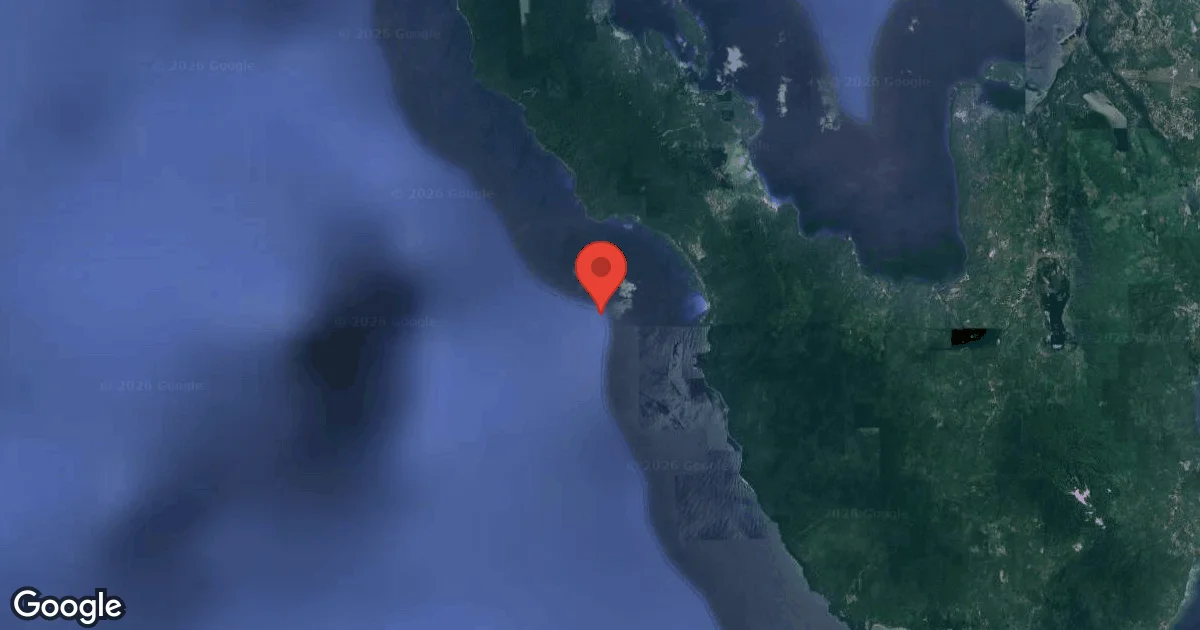
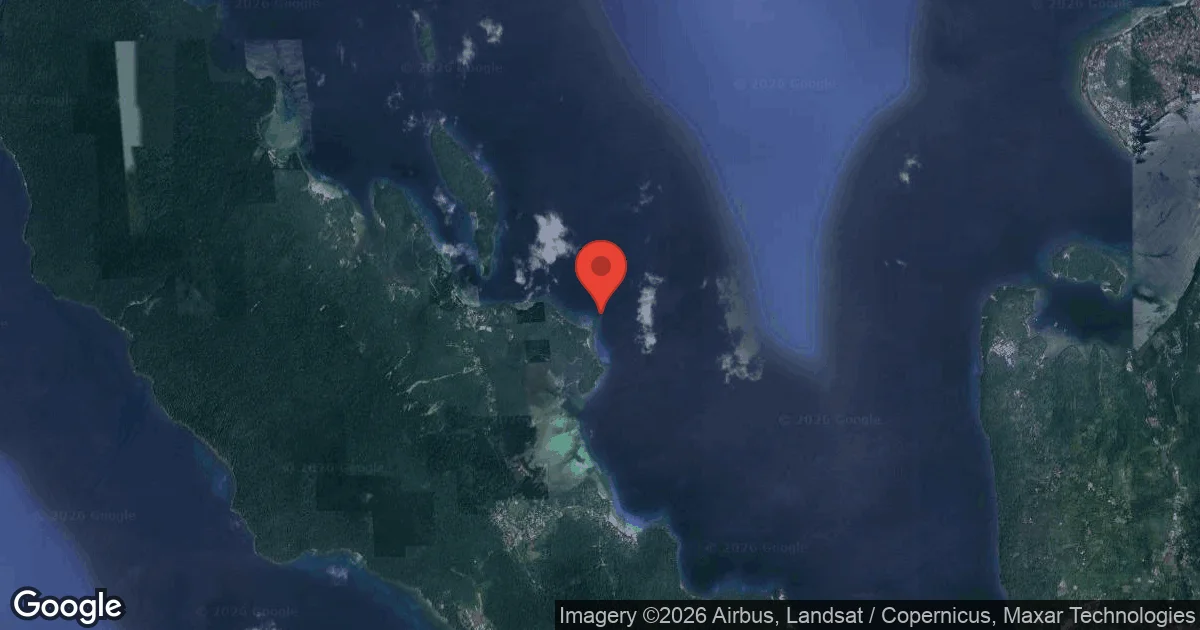
The Sophie Rickmers, an impressively large and remarkably intact WWII wreck, rests upright on a deep sandy bottom within the sheltered bay of Pria Laot, near Pulau Weh. This German merchant vessel was reportedly scuttled by its own skipper in 1940 to prevent its capture, a decisive act that inadvertently preserved its structure for decades.
Descending reveals a striking wreck that remains largely complete, a testament to its robust construction and protected location, seemingly unaffected by major seismic events like the tsunami. Divers can navigate its extensive exterior, admiring its massive scale, or for those appropriately experienced, explore large open holds.
Within these compartments, remnants such as crates of dishes and even a room filled with toilets offer a tangible connection to the ship's operational past. Preservation and accessibility of this level solidify its reputation, often drawing comparisons to some of the world's most significant wreck diving destinations.
Conditions are Moderate
High Wind Advisory (42km/h). Unsafe surface.
Current conditions near Sophie Rickmers show 28° air, 31° sea temperature, 1.5 m waves, and 42 km/h wind. Forecast data is refreshed regularly to ensure accuracy.
Best Time to Dive
Planning a dive to the Sophie Rickmers typically yields the most favorable conditions during the months of March, April, and October. During these periods, the region experiences some of its calmest seas and best visibility, often reported up to 25 meters, providing optimal conditions for deep wreck exploration. System data indicates comfortable air temperatures averaging around 28°C / 82°F in March and April, with rainfall at its lowest, typically ranging from 3.5 to 3.6 mm. October also provides excellent conditions, with air temperatures near 27°C / 81°F and similar low rainfall, contributing to an optimal dive experience. Consistently good dive scores are observed during these months, minimizing surface chop and maximizing underwater clarity.
PEAK SEASON SCORE
Scores combine air & water temps, waves, wind & rainfall for overall conditions.
BEST MONTHS TO DIVE
Monthly records compiled from satellite and marine observation nodes over the last 3 years. Data provided by Open-Meteo and MET Norway.
Dive Experience & Conditions
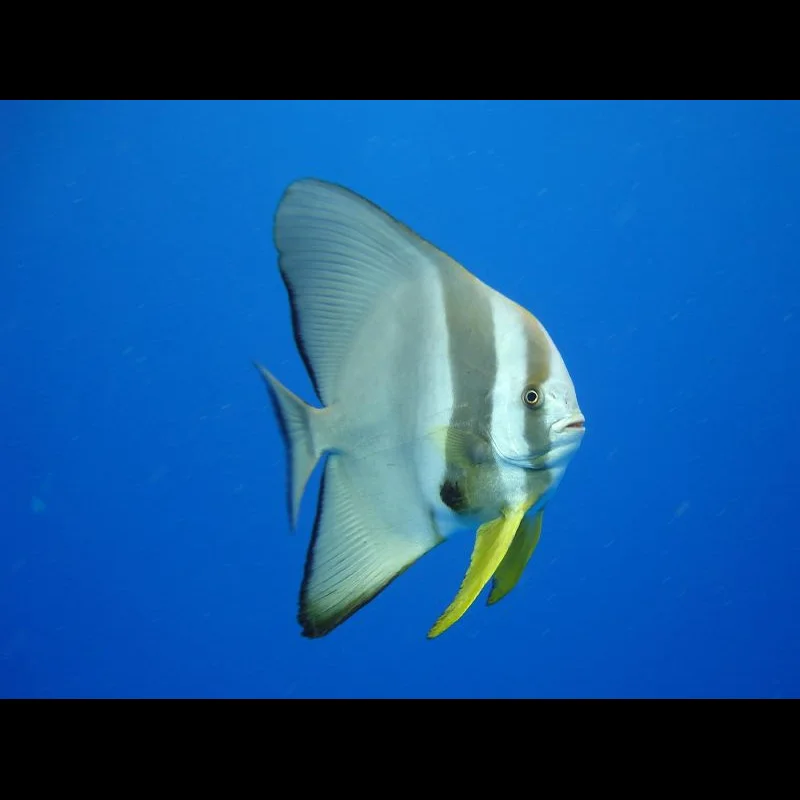
Descending to the Sophie Rickmers immediately immerses divers into a challenging deep environment. The initial phase of the dive often provides a captivating spectacle, with an extensive school of batfish, numbering in the hundreds, congregating at around 25 meters. As one continues the journey deeper, the sheer scale of the wreck slowly becomes apparent through the typically excellent visibility. This clarity, despite the significant depth, allows for a comprehensive view of the ship's structures, enhancing the sense of exploration. Water temperature remains consistently warm, typically ranging between 24-29°C / 75-84°F, which aids in comfort during extended bottom times and decompression stops. While navigating the wreck's main deck and hull, a notably large grouper has been observed shadowing divers. The sheltered bay usually ensures minimal currents, creating stable conditions for focused exploration, though occasional slight movements up to 1 knot have been reported, requiring attention to trim and buoyancy.
Dive Difficulty & Safety Guidelines
Due to the substantial depth of the Sophie Rickmers wreck, mandatory decompression is a critical aspect of planning this dive. Divers should undertake preliminary deep dives to assess their air consumption rates and potential nitrogen narcosis effects at depths approaching 50 meters. Maintaining a clear line of descent and ascent is crucial to prevent disorientation, especially if not diving with redundant gas systems.
Engaging with experienced local dive operators, such as those on Pulau Weh, is highly advisable. Their comprehensive briefings and emphasis on safety procedures are invaluable for navigating this challenging yet rewarding deep wreck.
Recommended Equipment
Technical depth range. Advanced planning, gas management, and appropriate certification required.
Overhead / entanglement risk. Wreck penetration requires proper training.
- Dive Computer
- DSMB
- Primary & Backup Lights
- Wreck Reel
- Cutting Tool
This gear list is based on verified equipment signals for Sophie Rickmers, Indonesia. Always confirm final gear choices with your dive operator, guide, or liveaboard.
Recommended Dive Suit
Water temperatures at Sophie Rickmers are currently estimated to be around 31°C (87°F), shaping the overall diving conditions for today. Surface air temperatures are resting at 28°C (82°F).
Dive skin or rash guard is generally considered suitable for water temperatures like this. Consider warmer surface protection (like a boat coat) due to brisk winds.
Conditions in the coming days are expected to stay within a similar temperature range.
Emergency & Medical Support
Essential information to help you plan your dive trip to Sophie Rickmers.

Hyperbaric chambers are a critical part of dive safety infrastructure. Availability varies significantly by region, and not all dive areas have immediate access.
Before diving, it's recommended to:
- confirm nearest medical facilities
- check emergency procedures with local dive operators
- ensure dive insurance covers evacuation if required
Divers Alert Network
Diving emergency assistance available through DAN World.
+1-919-684-9111- 24/7 emergency hotline
- Diving medical assistance
- Evacuation coordination
Emergency contacts are provided for reference. Always verify local emergency services before diving.
Marine Life at Sophie Rickmers
As you descend, the wreck quickly reveals a surprisingly vibrant marine ecosystem. An immediate observation is often a truly massive school of batfish, congregating at shallower to mid-depths.
Deeper on the wreck, a very large grouper is frequently encountered, often shadowing divers along the hull. Beyond these resident species, the Sophie Rickmers is also covered in colorful hard corals.
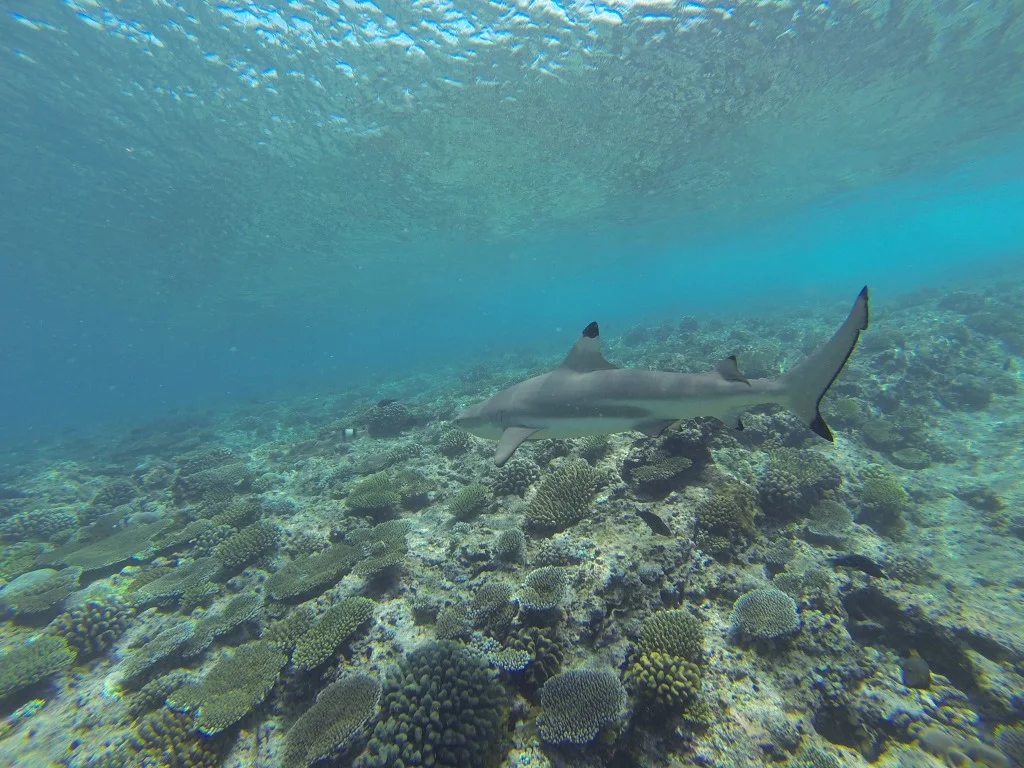
While general sightings include sharks, whales, dolphins, and turtles in the broader area, the wreck itself consistently hosts excellent fish life.

Dive Sites Near Sophie Rickmers
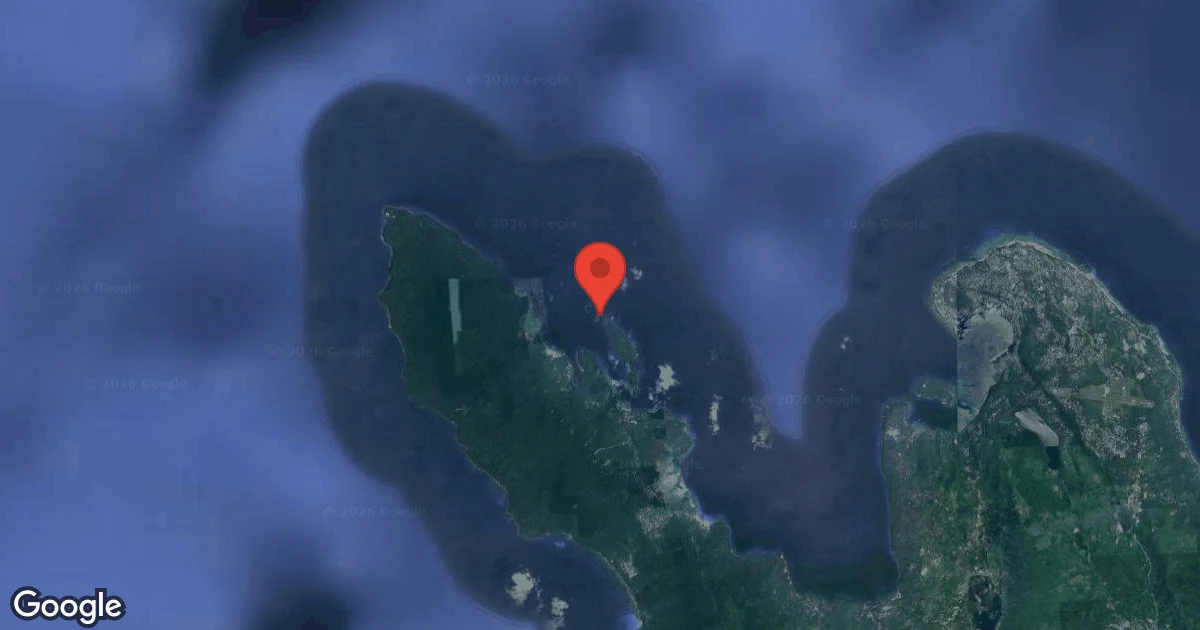
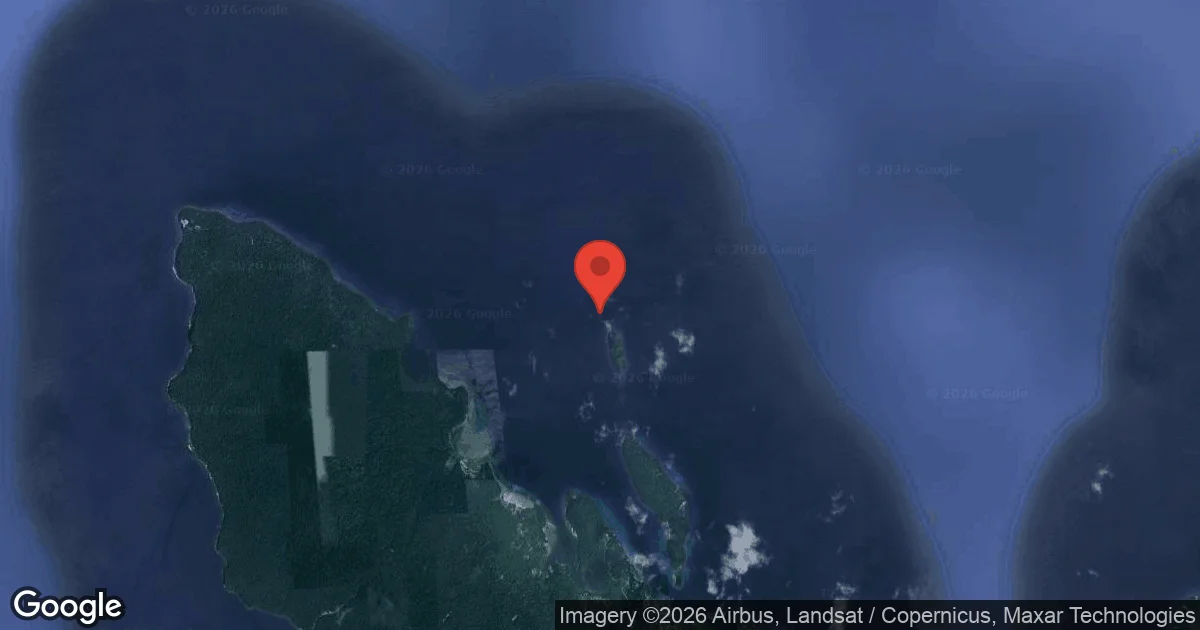
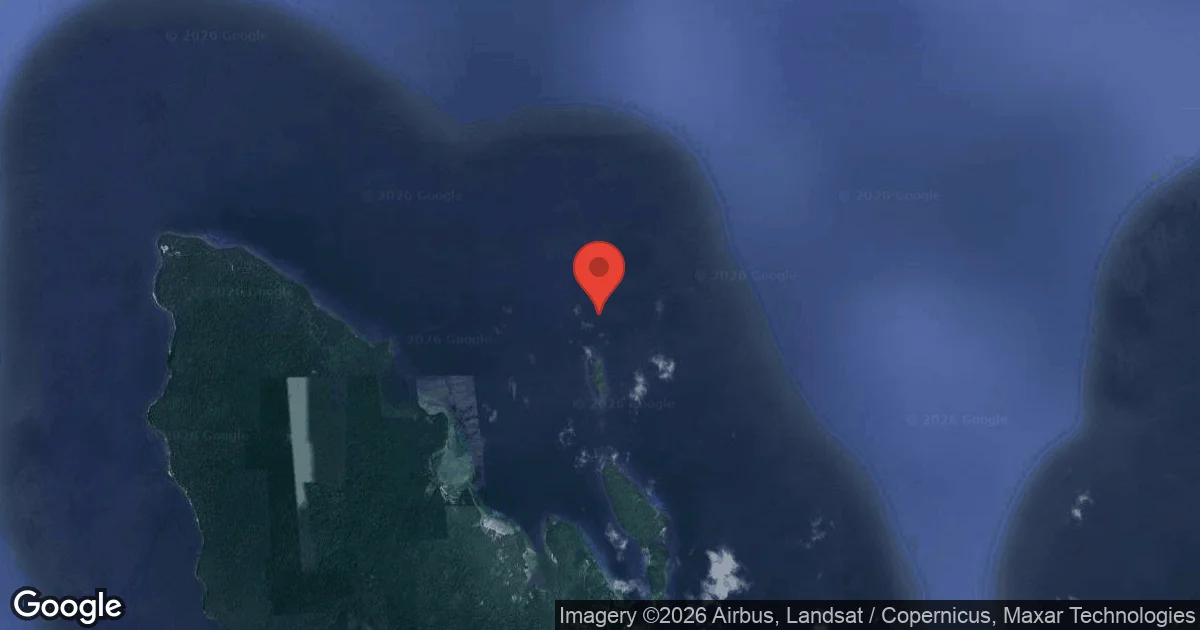
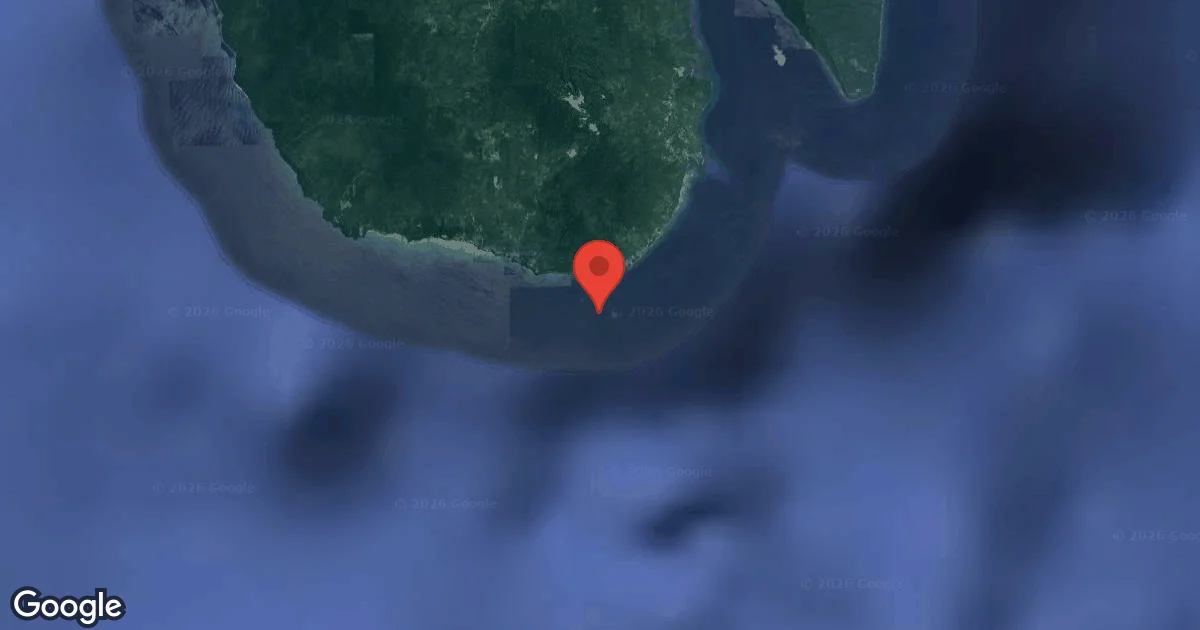
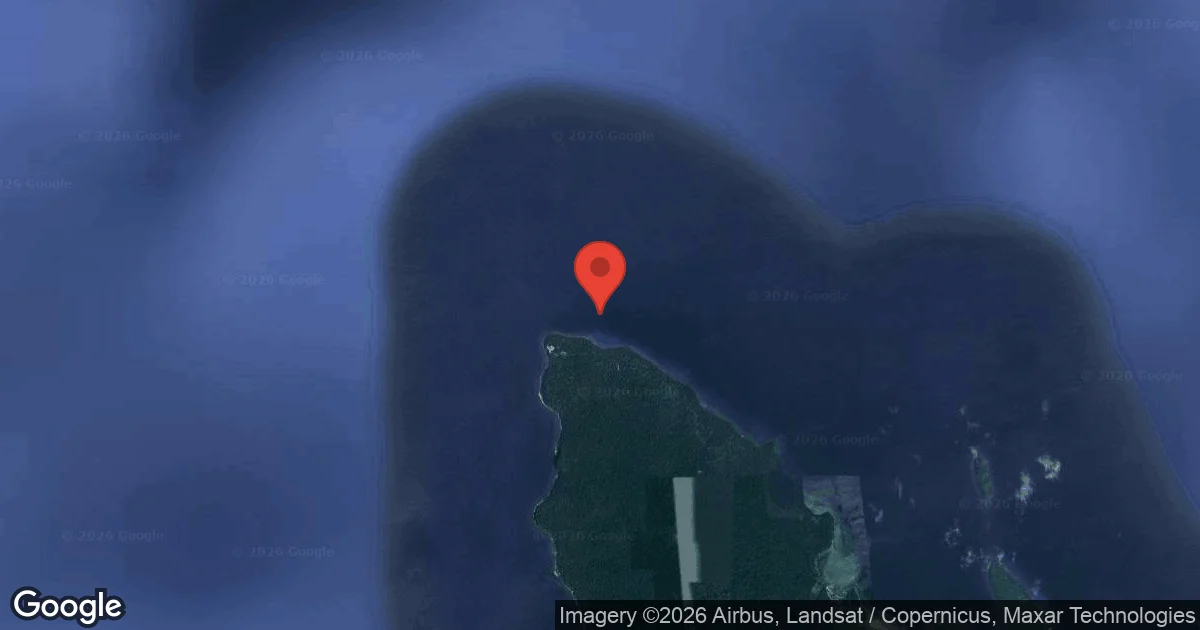
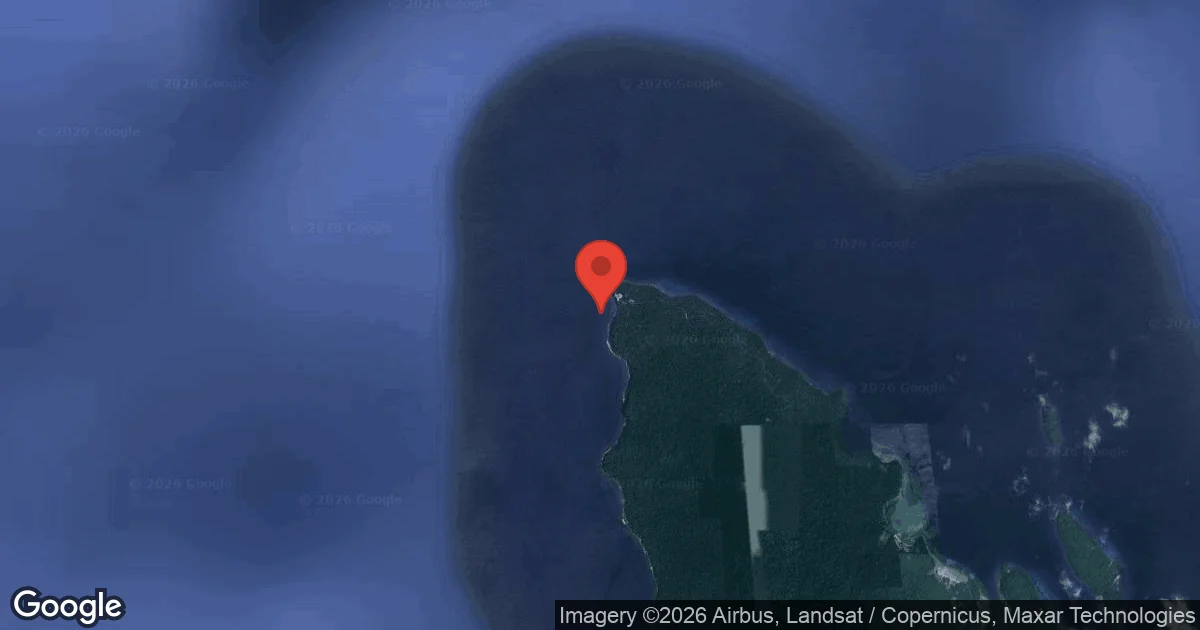
View all dive sites in IndonesiaDiscover more underwater gems in this area.
Dive Centers Near Sophie Rickmers

Today: 08:30 - 18:30
Nearest Airports
Nearest airports to help plan travel to this dive area.
Search Flights
Check available flights and routes on Expedia, using the nearby airports listed in this section.
Search Flights on ExpediaFrequently Asked Questions
What is the maximum depth of the Sophie Rickmers wreck?
The wreck rests on a sandy bottom, starting at approximately 55 m / 180 ft and extending down to about 70 m / 230 ft.
Is this dive site suitable for all certified divers?
No, this is a deep decompression dive specifically for experienced deep and technical divers. Certifications like PADI Tec 40/45/50 are highly recommended.
What are the typical water conditions at the wreck?
Water temperatures are consistently warm, generally ranging from 24-29°C / 75-84°F, with typically excellent visibility. Divers can often experience clear conditions, enhancing the wreck's impressive scale.
Are there strong currents at the Sophie Rickmers?
The wreck is located in a secluded bay, resulting in generally minimal or no currents, though occasional slight movements up to 1 knot have been reported.
What unique marine life can divers expect to see?
Divers frequently encounter a massive school of batfish at shallower depths and a large resident grouper on the wreck itself. The wreck is also covered in colorful hard corals.
Is decompression mandatory for this dive?
Yes, due to the significant depth of the wreck, decompression stops are mandatory for safe diving.
What historical significance does the Sophie Rickmers hold?
The Sophie Rickmers is a large, intact WWII German merchant vessel, reportedly scuttled by its own skipper to prevent its capture during the war.
Planning to dive Sophie Rickmers?
Send one inquiry and receive offers directly from the best verified local dive operators.
Conditions are Moderate
High Wind Advisory (42km/h). Unsafe surface.
Current conditions near Sophie Rickmers show 28° air, 31° sea temperature, 1.5 m waves, and 42 km/h wind. Forecast data is refreshed regularly to ensure accuracy.