
Diving at Gili Gede Wall (Indonesia)
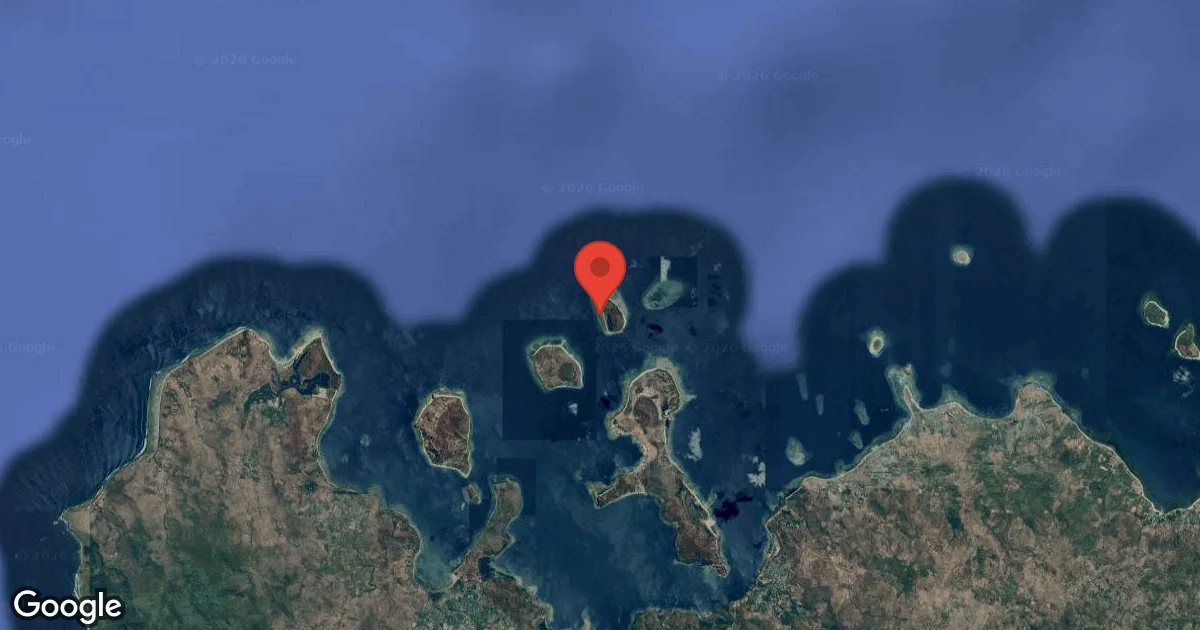
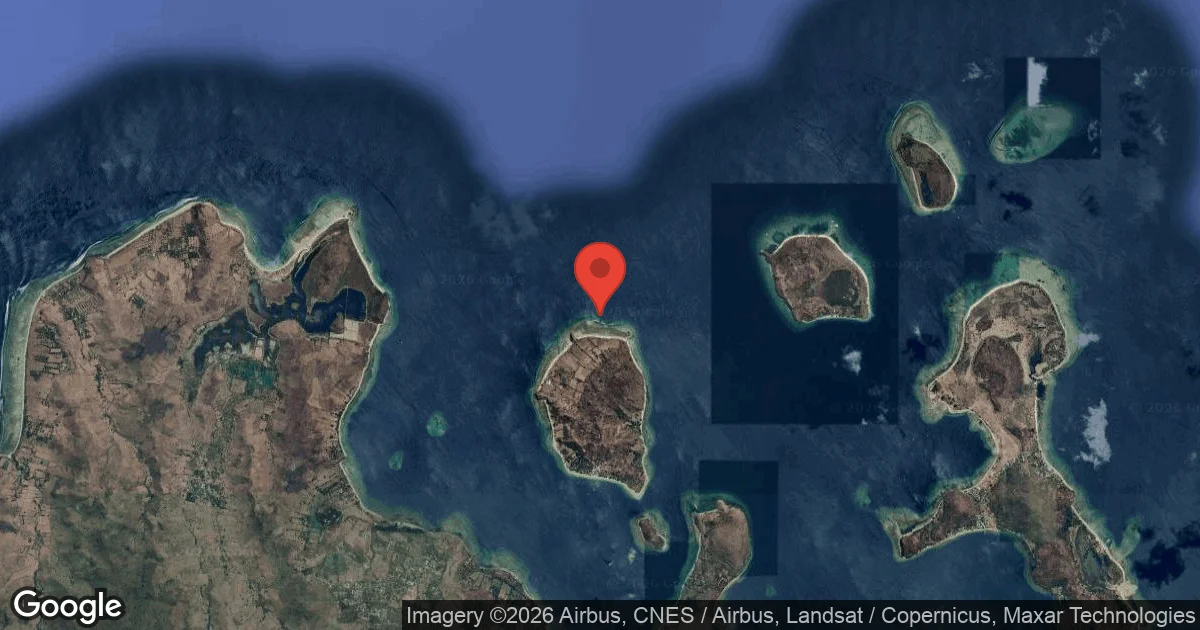
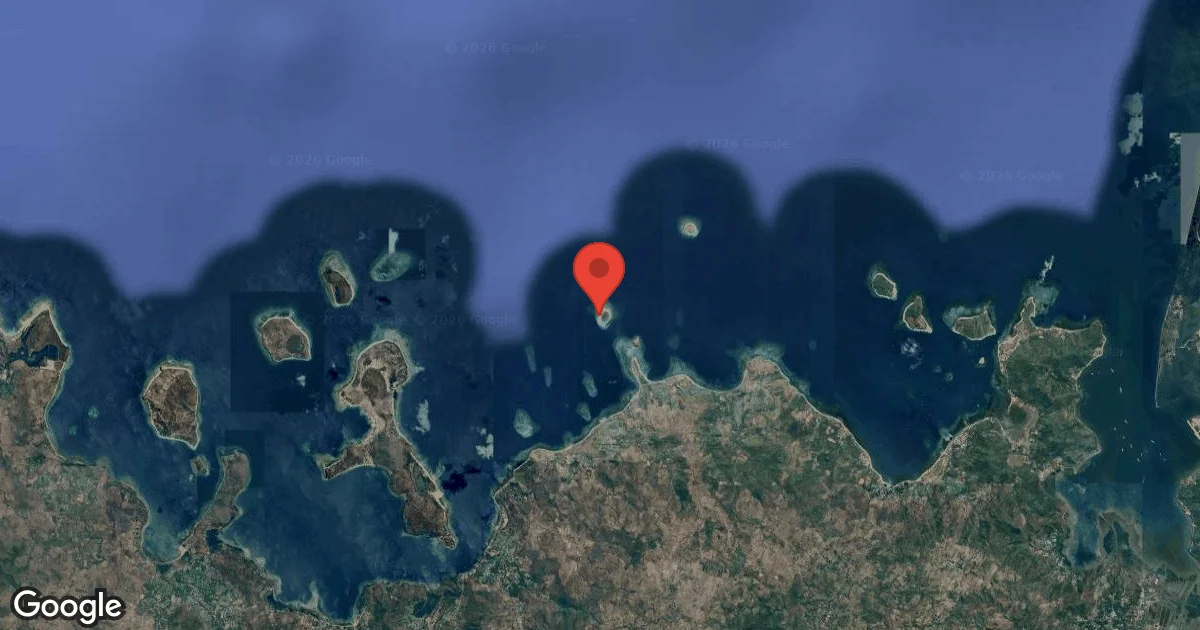
Gili Gede Wall presents a dynamic drift dive along a vertical reef face, found on Gili Gede's northern side. Divers here move with prevailing currents, revealing a captivating display of macro life and occasional encounters with larger species in shallower stretches. A straightforward yet engaging dive profile is typical for this site.
Tonight's objective overview for Gili Gede Wall shows an air temperature of 24.5°C. The measured surface conditions include wave heights around 1.1 m. This environmental data is logged for the close of the day.
Dive Site Location & Key Facts
Dive Site Overview
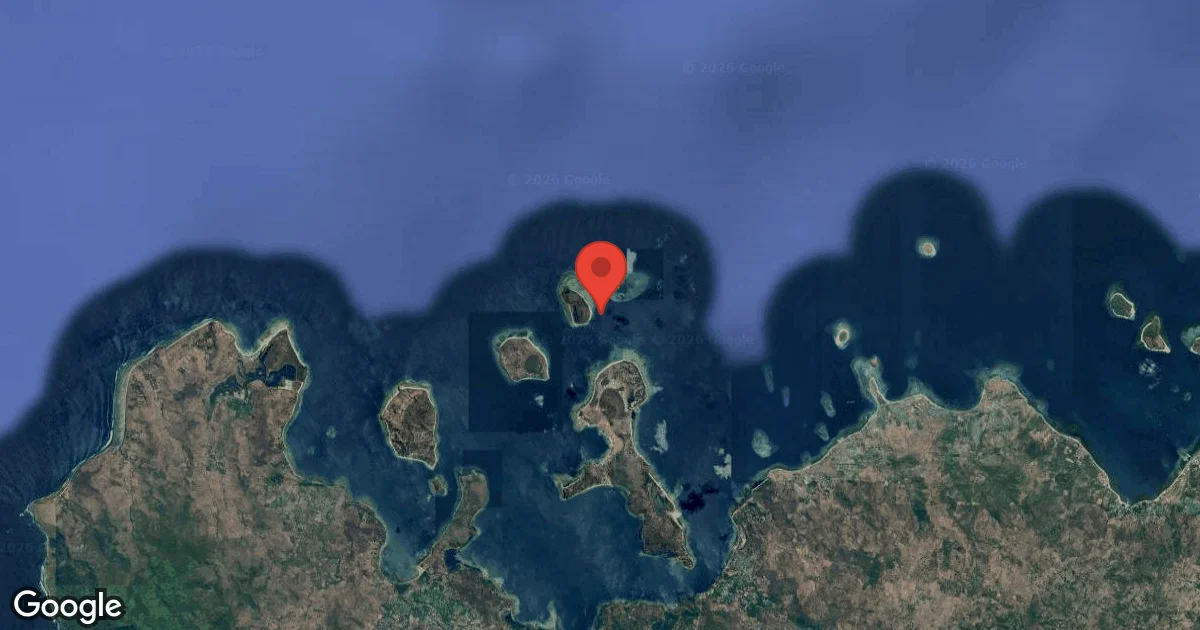
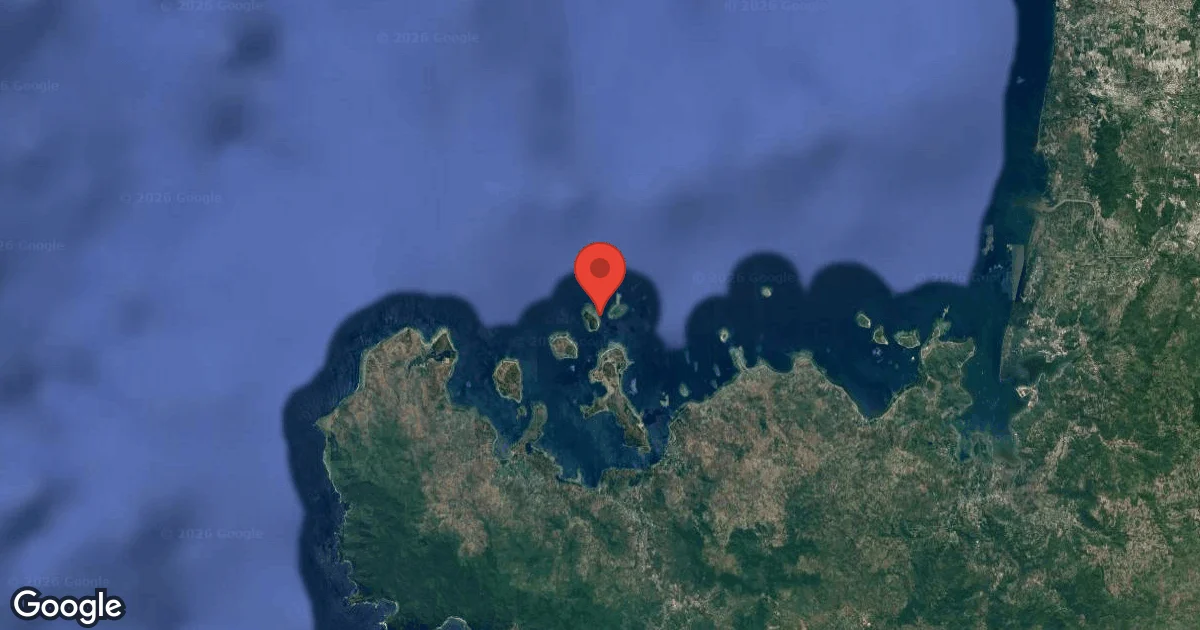
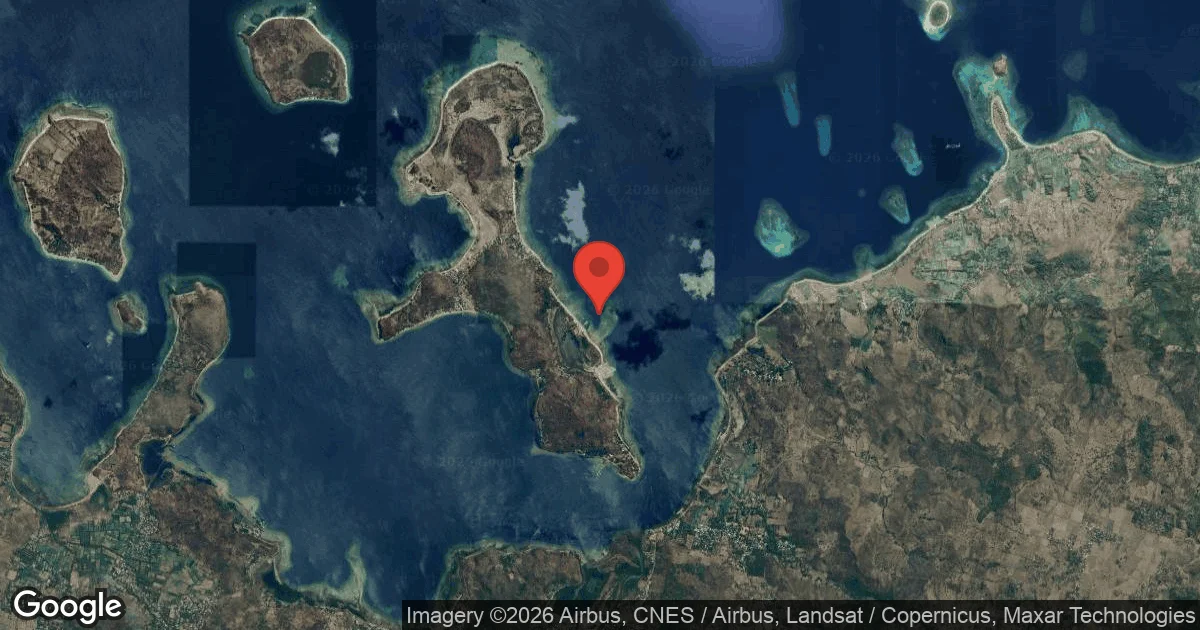
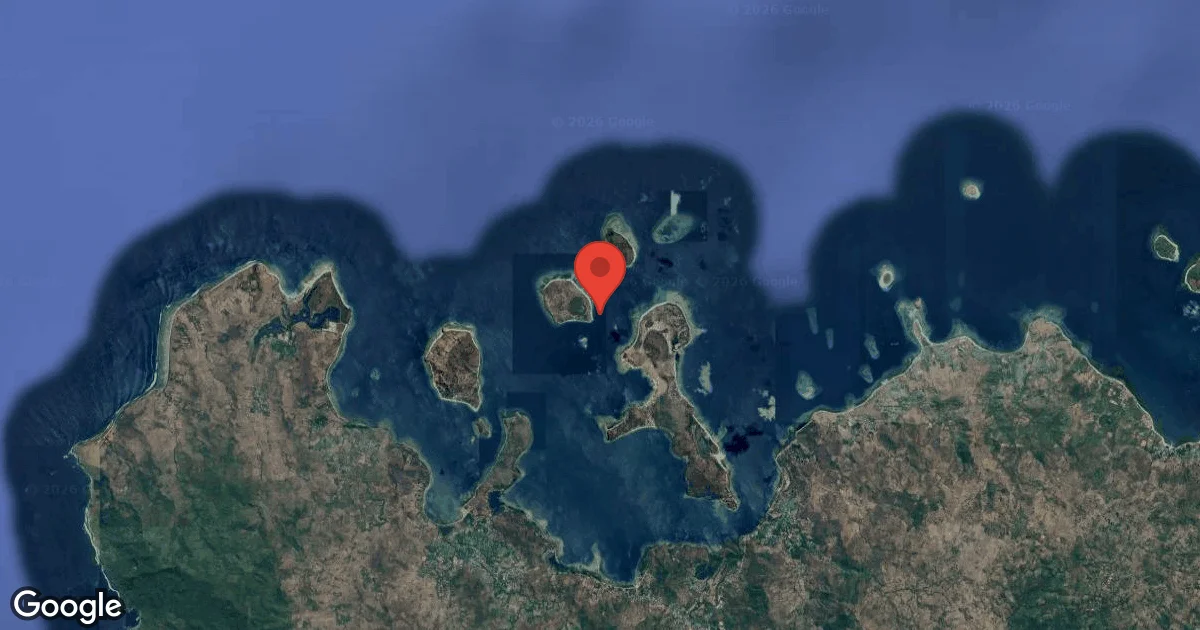
Gili Gede Wall showcases the broader marine richness of its region, sharing pristine underwater ecosystems off Southwest Lombok. An uncrowded site, it forms part of a network of diverse dive locations near Gili Gede, offering direct insight into Indonesia's vibrant reefs.
Geological formations, including dramatic walls, have historically fostered unique habitats here. A dive involves a gentle drift along the reef, allowing detailed observation of the structure and its inhabitants. Divers explore to a maximum depth of 20 meters (65 feet), where various species of shrimps, such as cleaner and peacock mantis shrimp, along with crabs and lobsters, are commonly found.
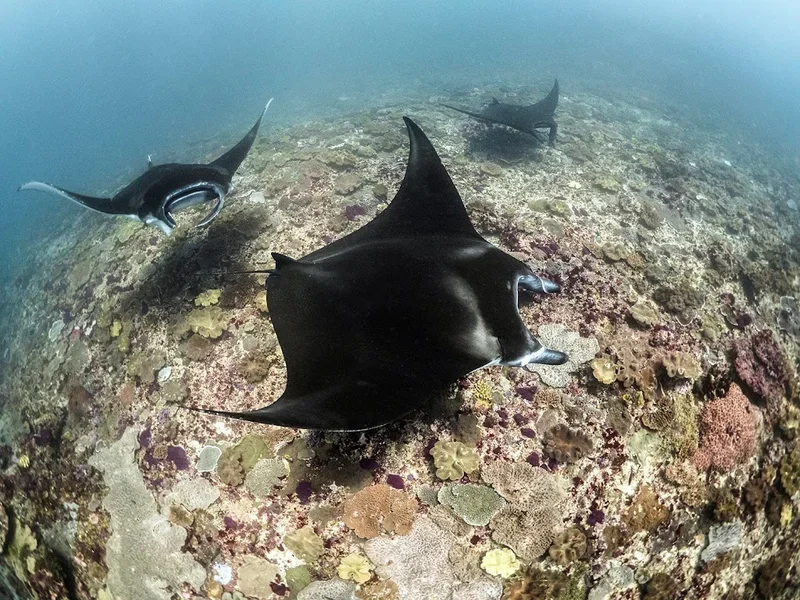
Extensive coral growth provides ample hiding spots for macro life. Moving along the wall, divers often spot turtles navigating the coral, particularly in shallower sections.
This makes for a consistently engaging experience. Attention to changes in current can subtly shift viewing angles, revealing new perspectives on the wall's topography. Such a drift encourages a relaxed pace, ideal for photography or simply absorbing the environment.
Conditions are Good
Optimal conditions expected
Current conditions near Gili Gede Wall show 25° air, 28° sea temperature, 1.0 m waves, and 29 km/h wind. Forecast data is refreshed regularly to ensure accuracy.
Best Time to Dive
For an optimal dive experience at Gili Gede Wall, consider the patterns in local climate data. Divers can generally expect favorable conditions for much of the year, with air temperatures remaining consistently warm, averaging between 26.5°C and 28.5°C (80-83°F) across most months. The dry season, typically from May through October, sees minimal rainfall, often below 2.5 mm (0.1 inches), creating conditions many divers prefer. During these months, however, wind speeds tend to be higher, sometimes exceeding 20 km/h (12 mph) in July, which might influence surface conditions. The wet season, from January to March, brings more rain, with averages around 10 mm (0.4 inches) in January and February, though dive conditions generally remain good outside of intense weather fronts.
PEAK SEASON SCORE
Scores combine air & water temps, waves, wind & rainfall for overall conditions.
BEST MONTHS TO DIVE
Monthly records compiled from satellite and marine observation nodes over the last 3 years. Data provided by Open-Meteo and MET Norway.
Dive Experience & Conditions
An entry from the boat initiates your dive at Gili Gede Wall, setting you up for a drift along the reef. As a wall and drift dive, currents typically dictate the pace, allowing for effortless movement past an intricate marine landscape. Max depth at this site reaches 20 meters (65 feet), placing it well within recreational diving limits. Water here is saline, as expected. During the dive, divers should pay attention to the wall's many crevices and overhangs, as these harbor a variety of smaller creatures. This experience focuses on observing the wall's micro-ecology, with the drift enhancing a sense of discovery. Visibility often remains excellent, typically ranging from 15-25 meters (50-80 feet), although conditions can vary with tidal movements. Water temperatures are generally warm, around 26-29°C (79-84°F), contributing to comfortable prolonged dives. The gentle current usually facilitates a relaxed exploration, but an awareness of potential changes helps in planning your profile.
Dive Difficulty & Safety Guidelines
Diving at Gili Gede Wall primarily involves drift diving, so comfort with currents and proficient buoyancy control are important for safety. Divers should monitor their depth and no-decompression limits using a dive computer. Carrying a surface marker buoy (SMB) is highly recommended; it allows for clear signaling to the dive boat upon surfacing, especially where currents might carry divers away from the initial drop-off point.
While no specific hazards are consistently reported for this site, maintaining situational awareness and staying close to your buddy or dive group enhances safety. Operators in the region typically conduct dives in small groups, ensuring personalized attention.
Recommended Equipment
Current and surface separation risk. Local briefing strongly recommended.
- Dive Computer
- DSMB
- Reel / Spool
This gear list is based on verified equipment signals for Gili Gede Wall, Indonesia. Always confirm final gear choices with your dive operator, guide, or liveaboard.
Recommended Dive Suit
Weather models currently point toward consistent diving conditions over the next several days.
Even in warm destinations, extended dives can gradually draw heat away from the body.
Exposure protection such as 2-3mm shorty or light wetsuit is commonly used when diving in waters of this temperature. A hood or vest is suggested for sensitive divers due to surface winds. Divers preparing to enter the water at Gili Gede Wall will likely find temperatures around 28°C (82°F) today. Surface air temperatures are resting at 25°C (76°F).
Due to technical issues with our weather providers, live updates are temporarily delayed. The data above reflects the conditions at the time of the last successful fetch.
Emergency & Medical Support
Essential information to help you plan your dive trip to Gili Gede Wall.

Hyperbaric chambers are a critical part of dive safety infrastructure. Availability varies significantly by region, and not all dive areas have immediate access.
Before diving, it's recommended to:
- confirm nearest medical facilities
- check emergency procedures with local dive operators
- ensure dive insurance covers evacuation if required
Divers Alert Network
Diving emergency assistance available through DAN World.
+1-919-684-9111- 24/7 emergency hotline
- Diving medical assistance
- Evacuation coordination
Emergency contacts are provided for reference. Always verify local emergency services before diving.
Marine Life at Gili Gede Wall
As you begin to drift along the wall, the intricate details of its smaller inhabitants often catch the eye first. Look closely for varied species of shrimps, from the active cleaner shrimp providing essential services to the reef, to the strikingly colored peacock mantis shrimp, frequently observed in crevices.
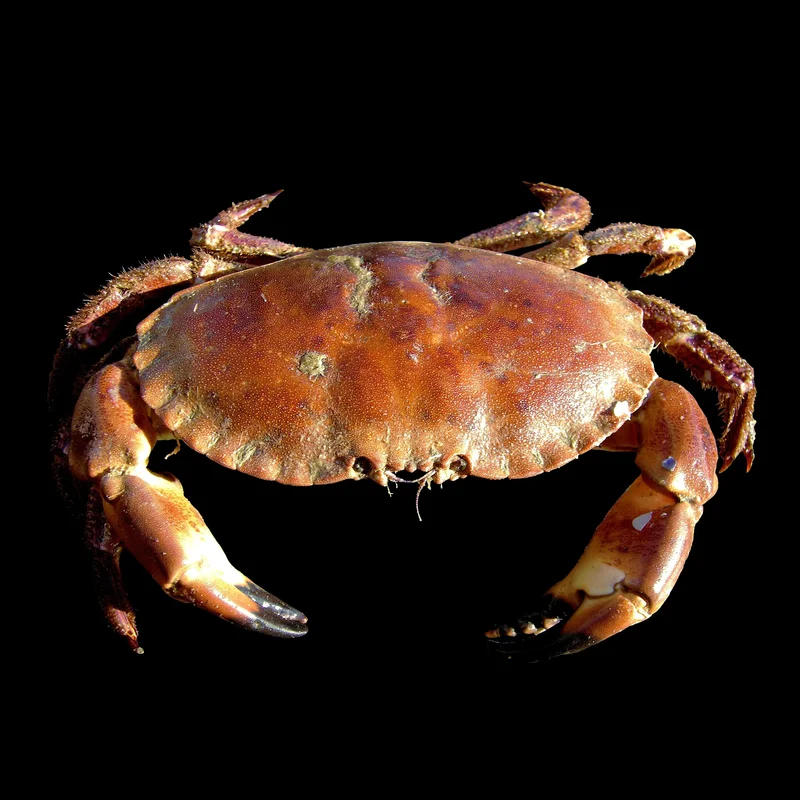
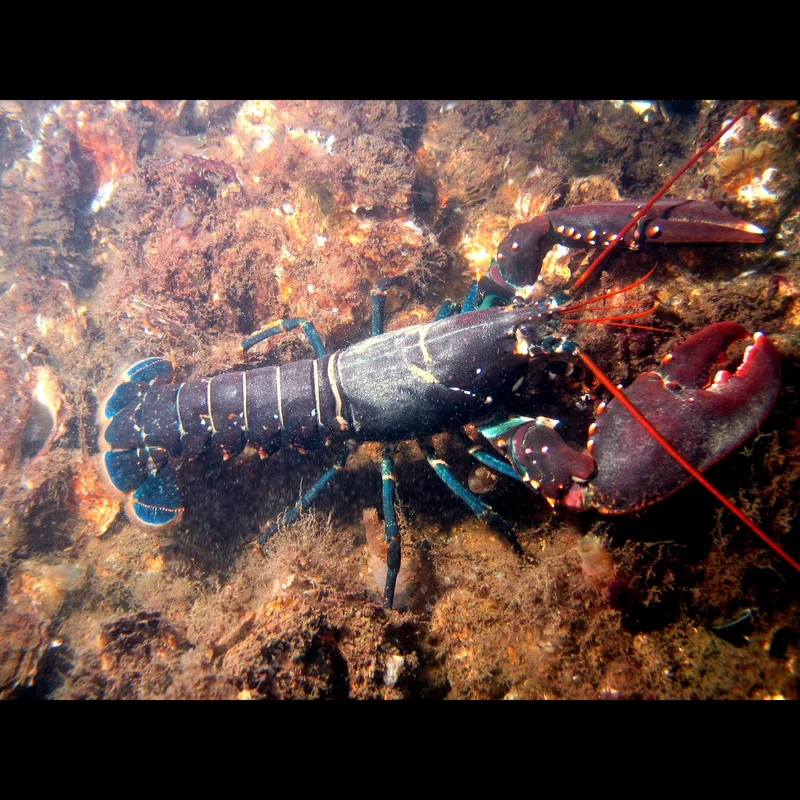
Crabs and lobsters are also commonly spotted tucked into the wall's many features. Moving into the shallower sections, the presence of turtles becomes more noticeable, adding an element of larger marine life to the vibrant scene.

Dive Sites Near Gili Gede Wall
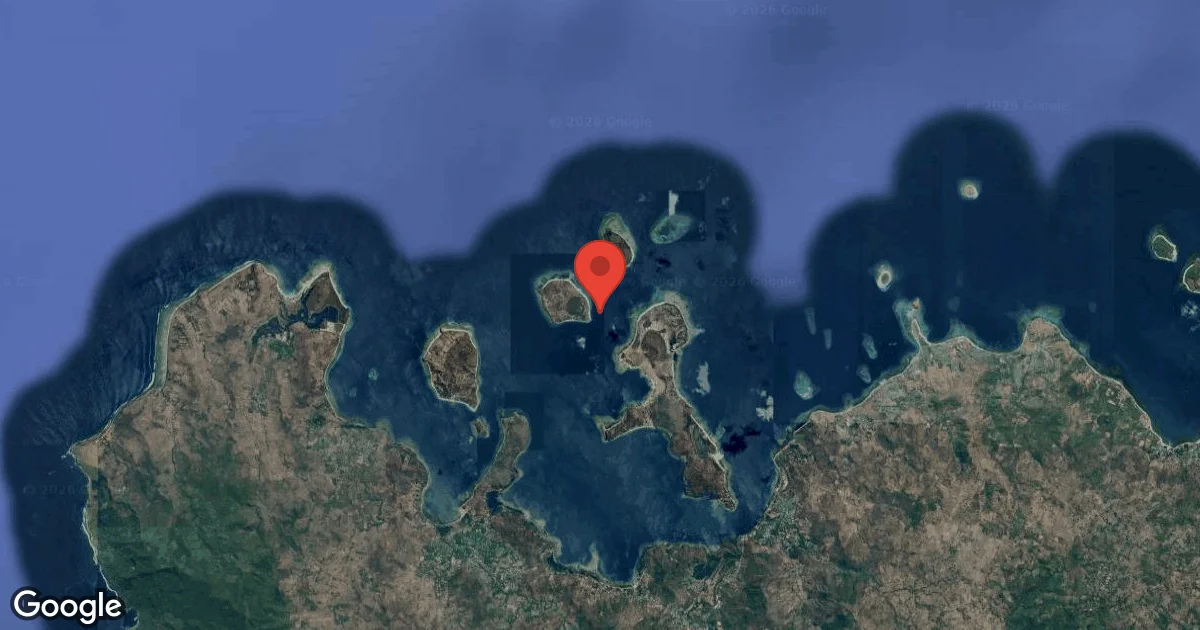
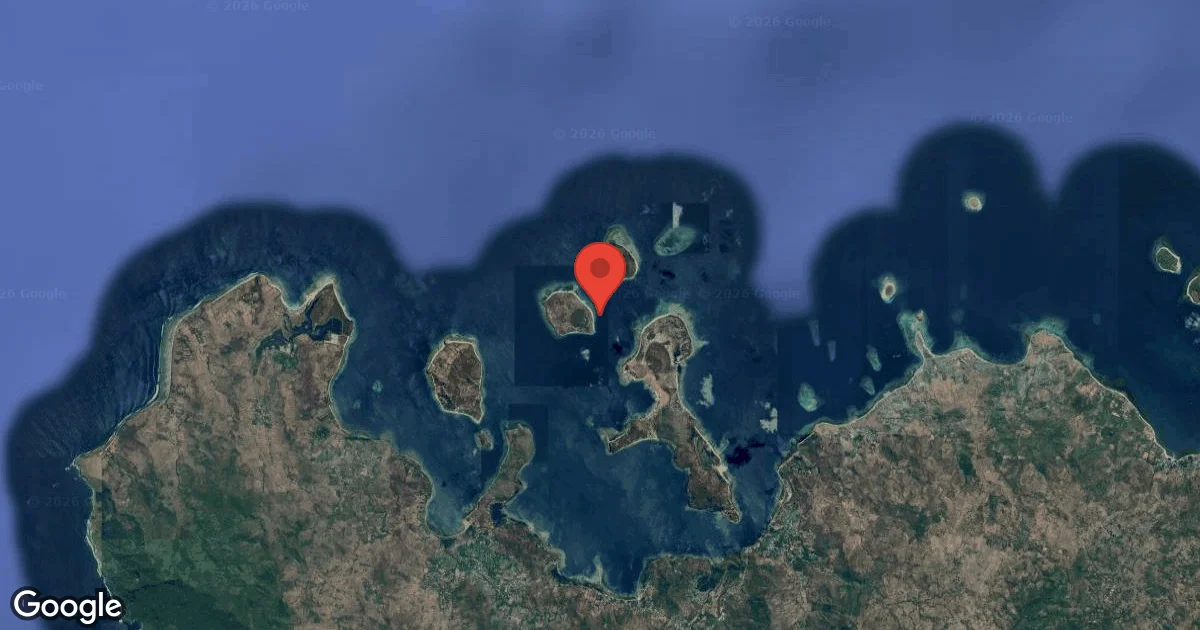
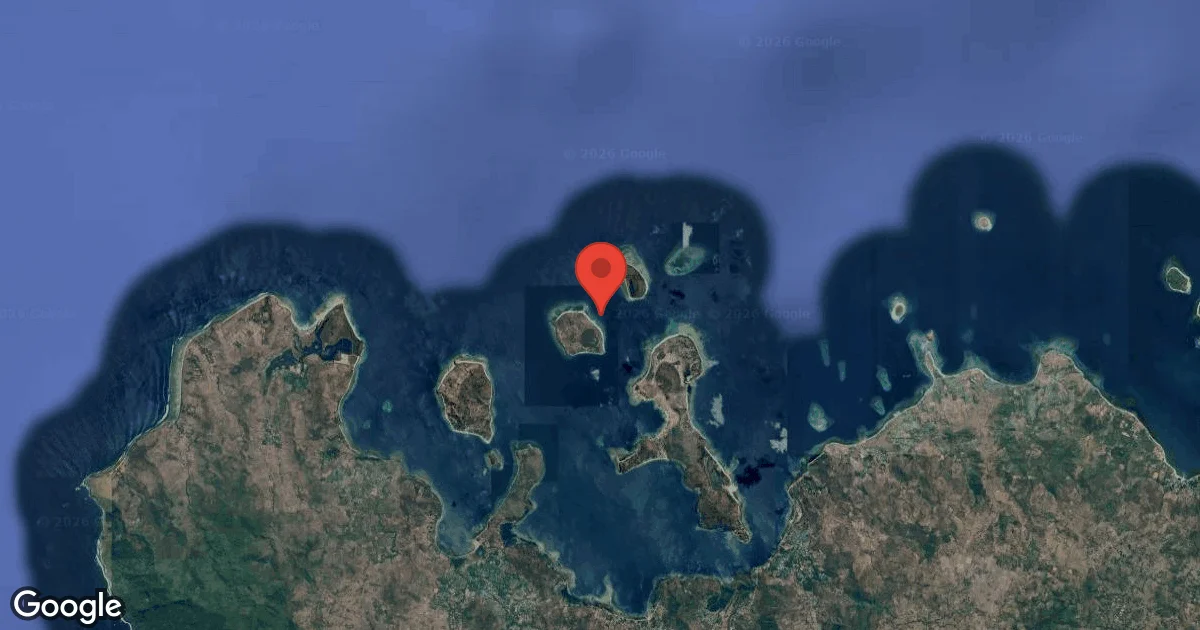
View all dive sites in IndonesiaDiscover more underwater gems in this area.
Dive Centers Near Gili Gede Wall

Today: 07:00 - 22:00
Nearest Airports
Nearest airports to help plan travel to this dive area.
Search Flights
Check available flights and routes on Expedia, using the nearby airports listed in this section.
Search Flights on ExpediaFrequently Asked Questions
What is the maximum depth at Gili Gede Wall?
The maximum depth for diving at Gili Gede Wall is 20 meters (65 feet). This depth is suitable for certified recreational divers, including those with Open Water certification, depending on conditions and experience.
What type of dive is Gili Gede Wall?
Gili Gede Wall is predominantly a drift dive, which takes place along a distinct wall formation. It is also classified as a reef dive due to the extensive coral growth on the wall itself.
What marine life can I expect to see?
Divers commonly encounter a variety of shrimps, including cleaner shrimp and peacock mantis shrimp, along with crabs and lobsters. In the shallower parts of the wall, it is also not uncommon to see turtles.
Is Gili Gede Wall suitable for beginner divers?
While the maximum depth is within Open Water limits, the presence of currents inherent to a drift dive suggests that divers should be comfortable and experienced with such conditions. It's generally more suitable for those who have some experience with drift diving or good buoyancy control.
How do I get to Gili Gede Wall?
Access to Gili Gede Wall is exclusively by boat. Dive operators from Gili Gede, an island located off Southwest Lombok, provide transport to the dive site, which is situated north of the island.
Are there specific safety precautions for this site?
For safety, divers should be comfortable with drift diving techniques and maintain good buoyancy. Carrying a surface marker buoy (SMB) is recommended for signaling the dive boat, and a dive computer is essential for managing your dive profile.
Planning to dive Gili Gede Wall?
Send one inquiry and receive offers directly from the best verified local dive operators.
Conditions are Good
Optimal conditions expected
Current conditions near Gili Gede Wall show 25° air, 28° sea temperature, 1.0 m waves, and 29 km/h wind. Forecast data is refreshed regularly to ensure accuracy.