
Diving at Gili Poh (Indonesia)
Descending at Gili Poh initiates a journey over a gradual sandy slope that intricately transitions into vibrant coral gardens. This site provides a relaxed introduction for divers seeking a tranquil environment. Reaching a maximum depth of around 20 m (65 ft), it is suitable for various certification levels. The initial drop reveals a detailed terrain awaiting exploration and discovery.
As evening covers Gili Poh, the local air temperature is measured at 29.5°C. The current wave height at the surface is recorded at 1.1 m. These late-day readings characterize the surface conditions for the night.
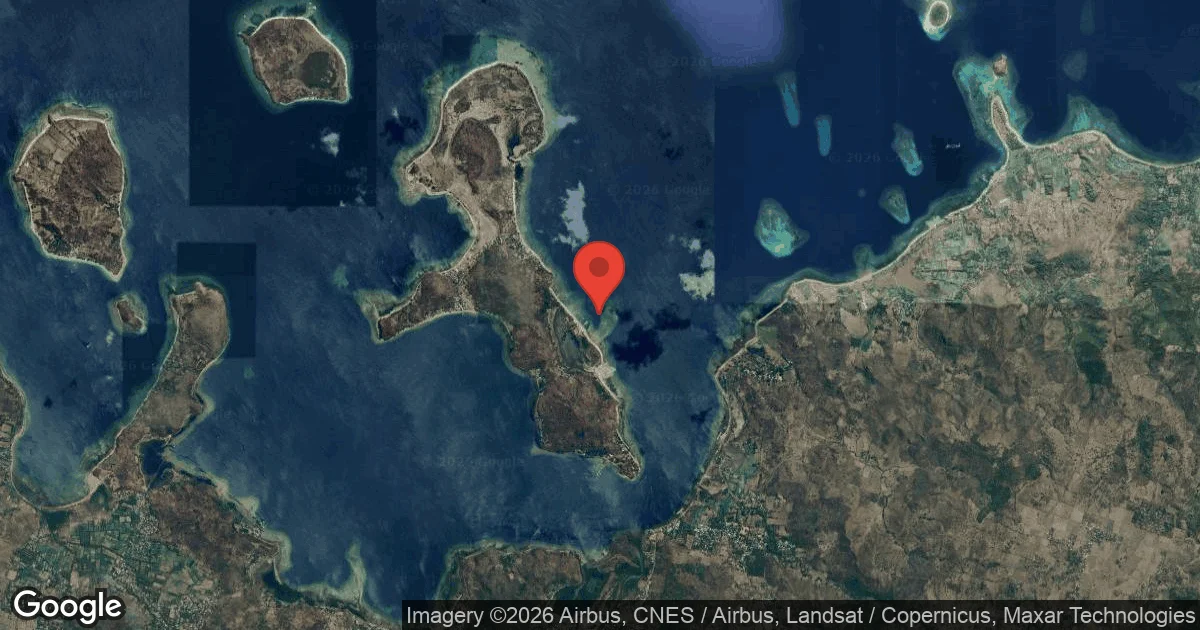
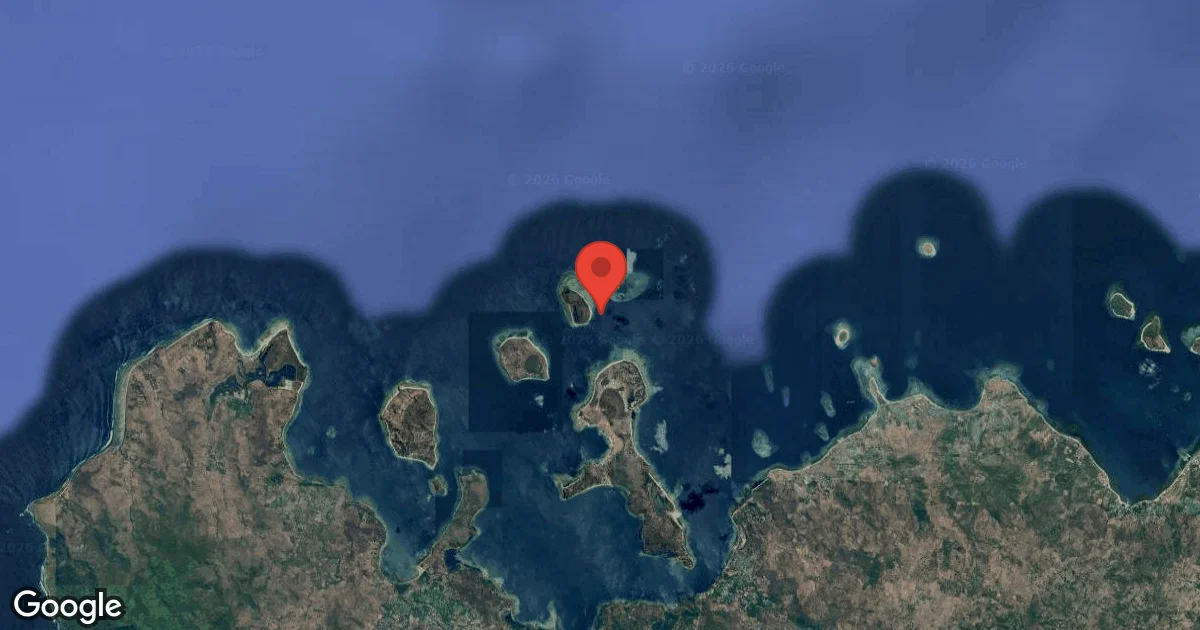
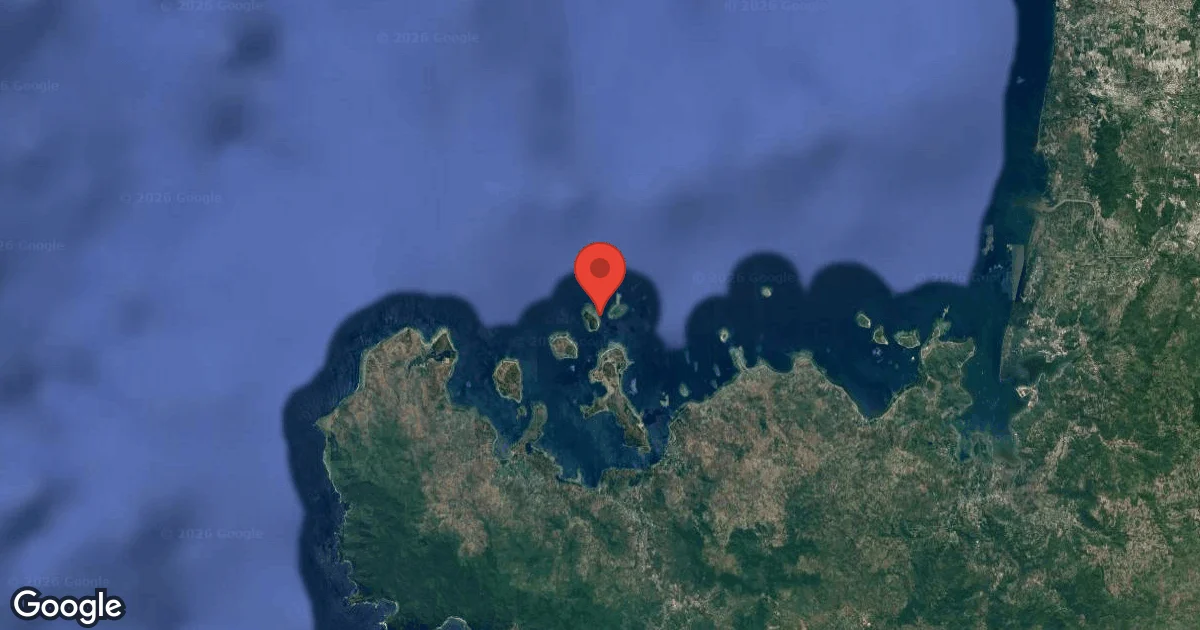
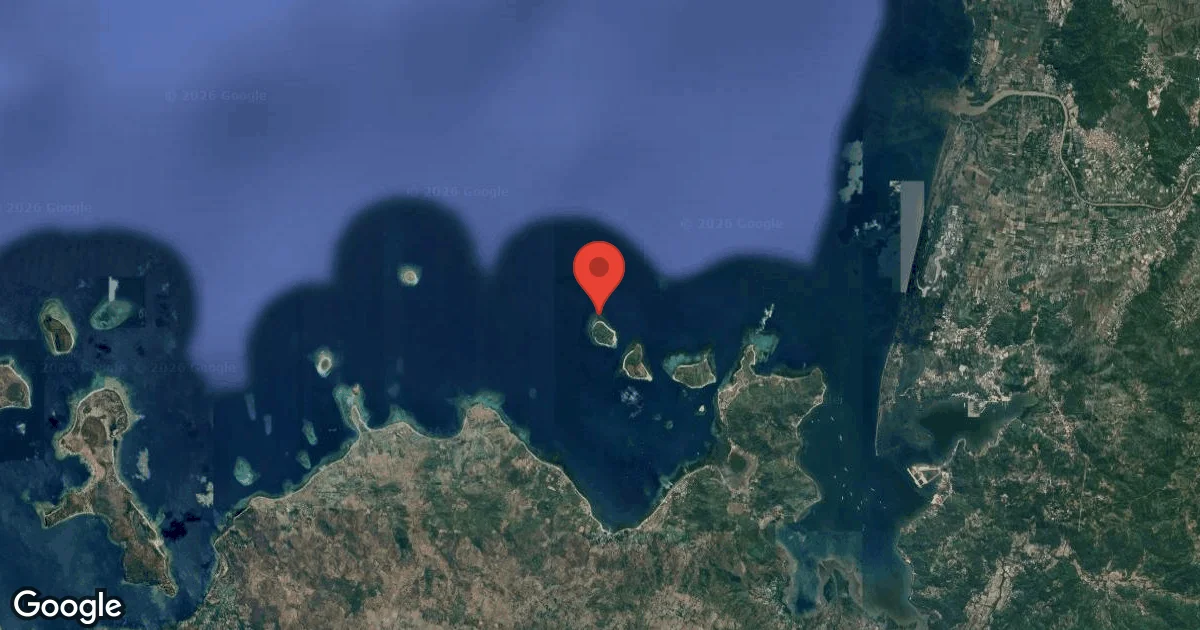
Dive Site Location & Key Facts
Dive Site Overview
Gili Poh's distinctive sandy slope gently descends from shallower waters, reaching a maximum depth of around 20 m (65 ft). This terrain is intricately dotted with numerous healthy corals, creating isolated bommies and vibrant patches across the sandy expanse.
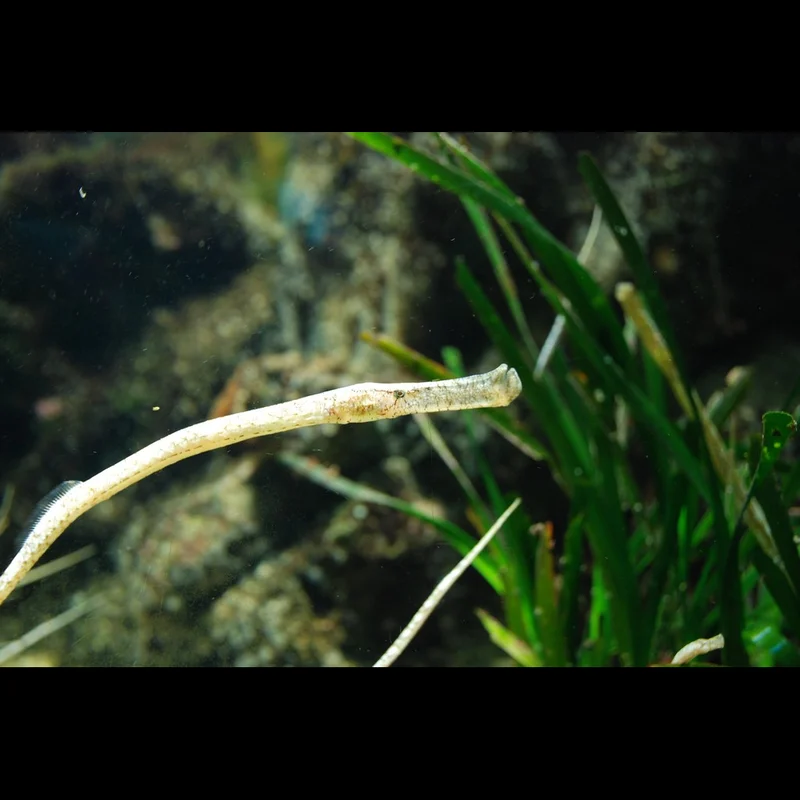
Divers traversing this habitat will discover a rich tapestry of life. Often overlooked, the sandy bottom hosts a surprising array of specialized macro life, including elusive Pegasus sea moths and various pipefish, frequently found near sand-coral interfaces.
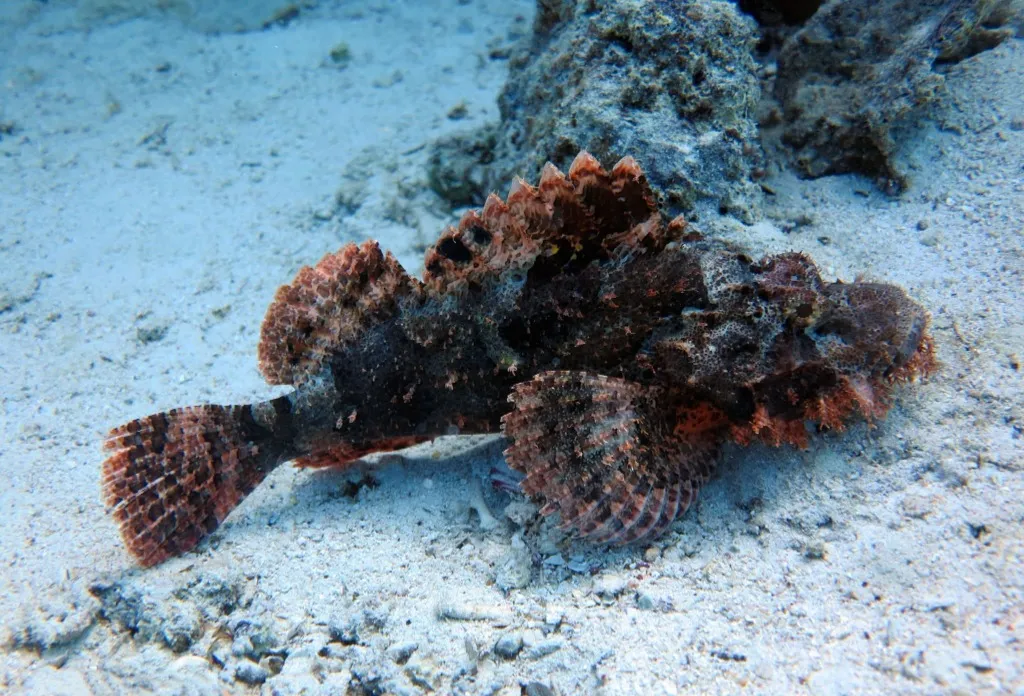
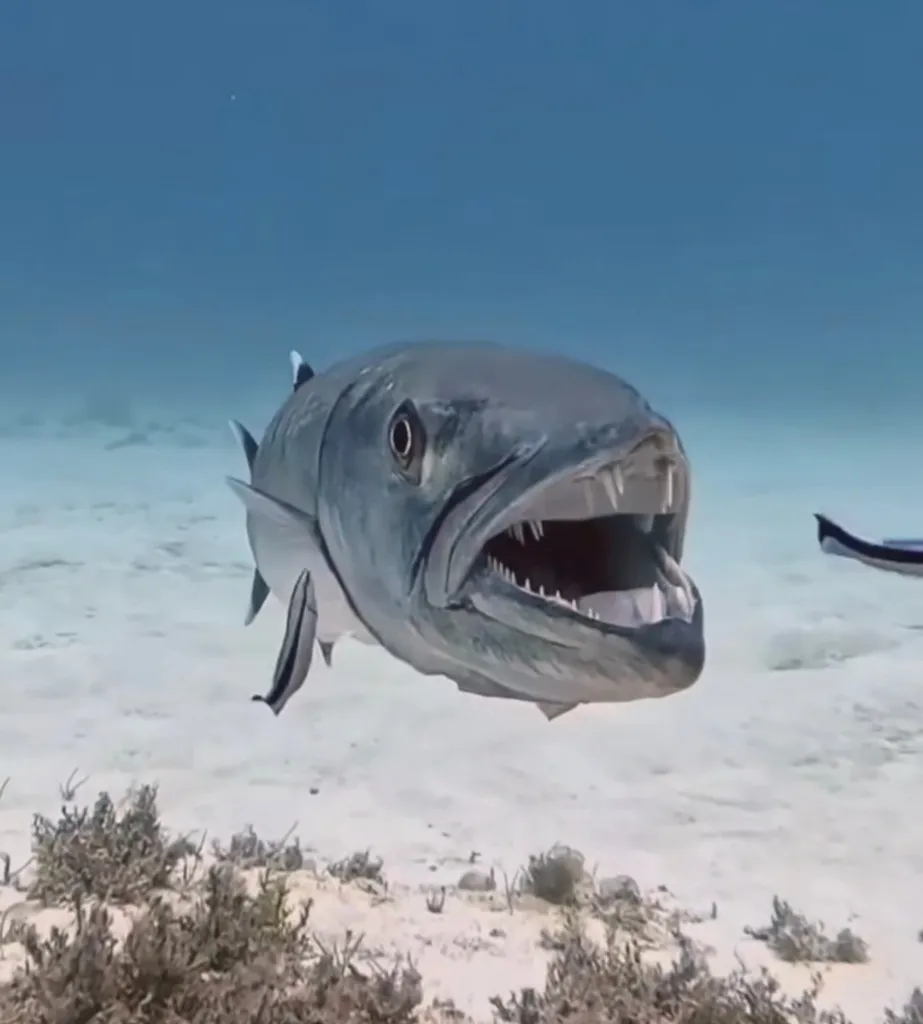
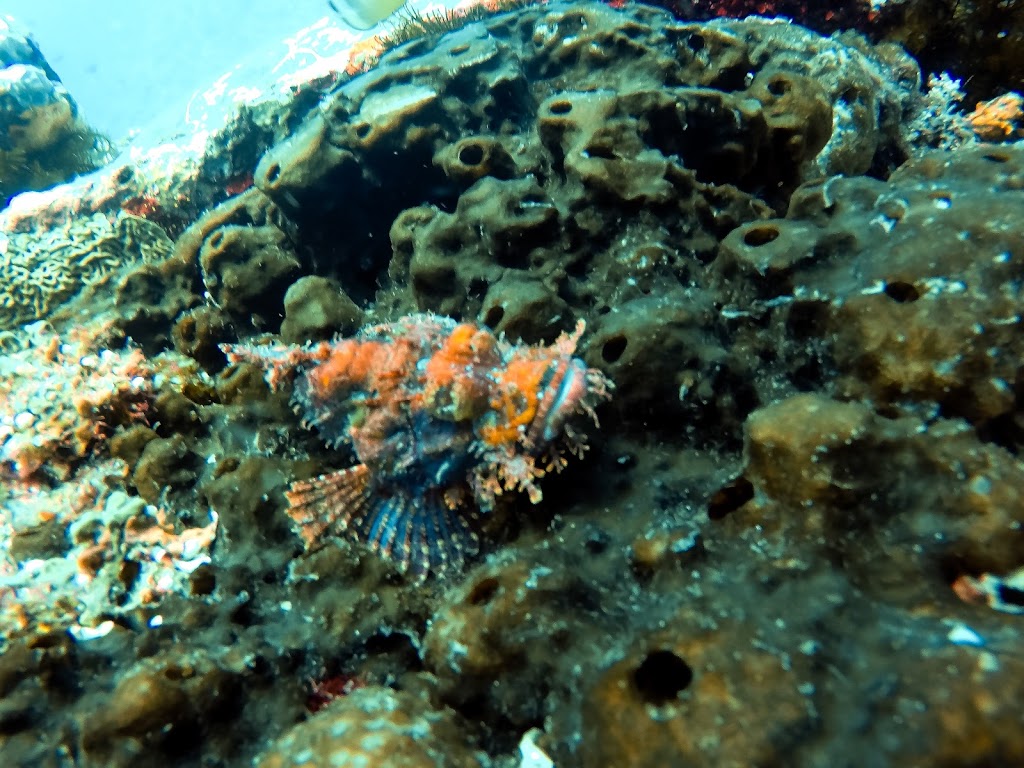
These coral formations and sandy patches combine to form a complex ecosystem supporting diverse species. Further out, larger pelagic species like barracuda are occasionally spotted patrolling the deeper edges, while bottom dwellers such as stone fish, scorpion fish, and devil fish master camouflage within the reef structures.
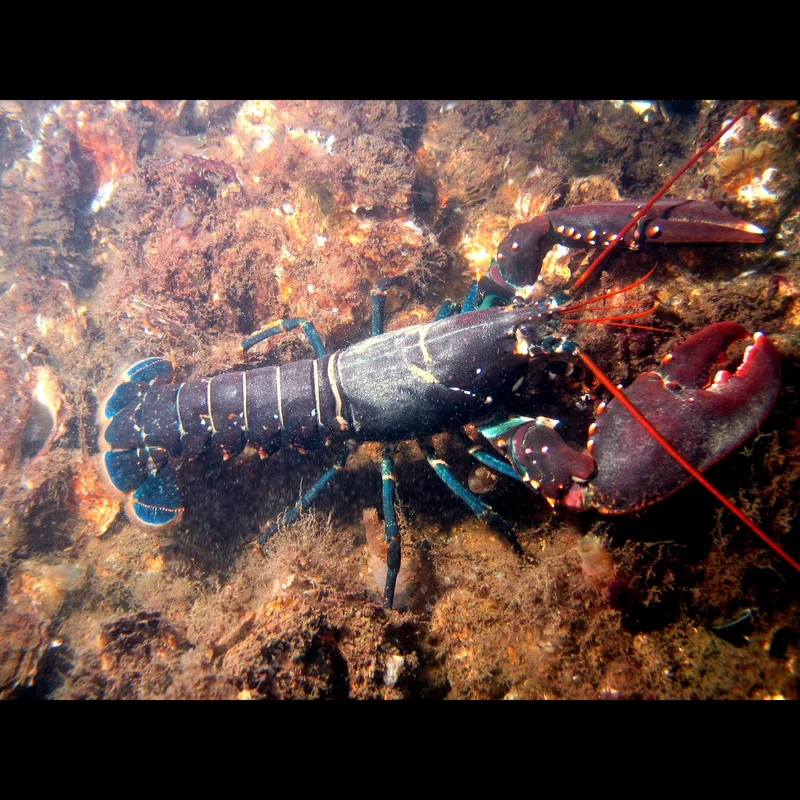
Expect to find unique crustaceans like peacock mantis shrimp and lobster tucked away. This site's character provides ample opportunities for both detailed macro photography and broader observations of reef life, appealing to a wide range of diver interests and offering something new with each exploration.
Conditions are Good
07:00 - 14:00
Optimal conditions expected
Current conditions near Gili Poh show 30° air, 28° sea temperature, 1.0 m waves, and 24 km/h wind. Forecast data is refreshed regularly to ensure accuracy.
Best Time to Dive
Diver experiences at Gili Poh typically offer a notable contrast between the dry and wet seasons, influencing visibility and surface conditions. The months from May through October generally present the most favorable diving, aligning with the drier period. During this time, average monthly rainfall drops significantly, often staying below 2 mm (0.08 in), contributing to better underwater clarity, which can exceed 25 m (82 ft). Air temperatures during these preferred months comfortably range between 26.5°C and 27.5°C (82°F)to 82°F). In contrast, the wet season, roughly from November to April, sees increased precipitation, with monthly averages often exceeding 7 mm (0.28 in) in months like January, February, and March. Wind speeds also tend to be slightly higher then. While diving remains accessible year-round, dry season offers calmer surface conditions and generally improved visibility. Water temperatures are not consistently reported for this specific site, but surrounding areas typically maintain warm conditions.
PEAK SEASON SCORE
Scores combine air & water temps, waves, wind & rainfall for overall conditions.
BEST MONTHS TO DIVE
Monthly records compiled from satellite and marine observation nodes over the last 3 years. Data provided by Open-Meteo and MET Norway.
Dive Experience & Conditions
The current dynamics at Gili Poh are generally characterized by calm conditions, making this an accommodating site for various diver skill levels. Average visibility typically holds around 20 m (65 ft), often extending past 25 m (82 ft) during the drier months. These clear conditions enhance the ability to appreciate the site's intricate macro life and the health of its coral structures. Access to the dive can be accomplished either by boat or, in some areas, directly from the shore, providing operational flexibility. With its moderate depths and generally placid water movement, the site offers a serene and unhurried underwater experience, ideal for photography and detailed observation. It's a place where divers can comfortably explore without feeling rushed by strong currents.
Dive Difficulty & Safety Guidelines
While no specific hazards are consistently reported for Gili Poh, general dive safety guidelines remain paramount. Divers should always plan their dives within their certification limits, particularly given the site's maximum depth of 20 m (65 ft). It's crucial to perform thorough buddy checks and monitor air consumption carefully, especially when exploring the more intricate coral areas.
Given the potential for strong sun, surface marker buoys (SMBs) are recommended for surface visibility and to alert boat traffic. Always dive with a reliable dive computer, and adhere to no-decompression limits to ensure a safe and enjoyable experience.
Respect for the marine environment, including avoiding contact with corals and wildlife, is also a key guideline.
Recommended Equipment
- Dive Computer
- DSMB
This gear list is based on verified equipment signals for Gili Poh, Indonesia. Always confirm final gear choices with your dive operator, guide, or liveaboard.
Recommended Dive Suit
For divers planning standard recreational dives, 2-3mm shorty or light wetsuit is usually a suitable option. Divers vary widely in how quickly they feel cold underwater.
The waters surrounding Gili Poh are currently maintaining temperatures close to 28°C (82°F). Surface air temperatures are resting at 30°C (85°F).
Environmental conditions may feel slightly cooler as the week progresses. Cooler days are ahead; you might want a warmer option for later in the week. Bringing an additional thermal layer can be helpful if conditions change.
Emergency & Medical Support
Essential information to help you plan your dive trip to Gili Poh.

Hyperbaric chambers are a critical part of dive safety infrastructure. Availability varies significantly by region, and not all dive areas have immediate access.
Before diving, it's recommended to:
- confirm nearest medical facilities
- check emergency procedures with local dive operators
- ensure dive insurance covers evacuation if required
Divers Alert Network
Diving emergency assistance available through DAN World.
+1-919-684-9111- 24/7 emergency hotline
- Diving medical assistance
- Evacuation coordination
Emergency contacts are provided for reference. Always verify local emergency services before diving.
Marine Life at Gili Poh
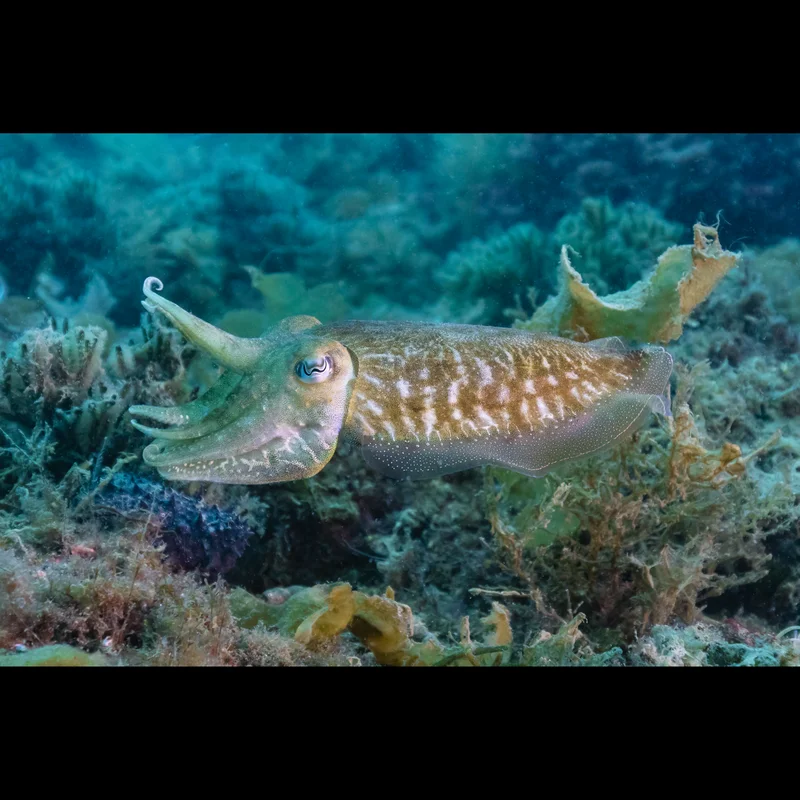
The marine life at Gili Poh is a significant draw, focusing heavily on macro species and camouflaged bottom dwellers. Divers frequently encounter stone fish, scorpion fish, and devil fish expertly blended into the reef and sandy bottom.
Keep an eye out for unique creatures like the elusive Pegasus sea moths and various pipefish. The site also hosts a rich variety of macros, especially diverse nudibranchs.
Additionally, sightings of cuttlefish and barracuda add to the excitement, along with crustaceans such as peacock mantis shrimp and lobster.
Dive Sites Near Gili Poh
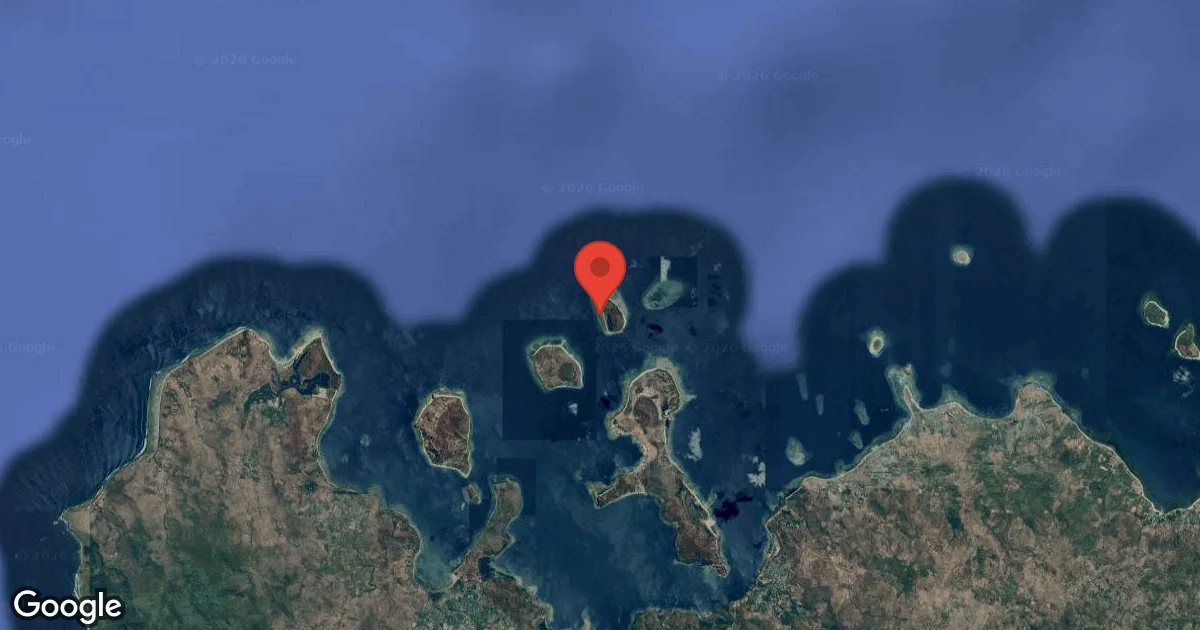
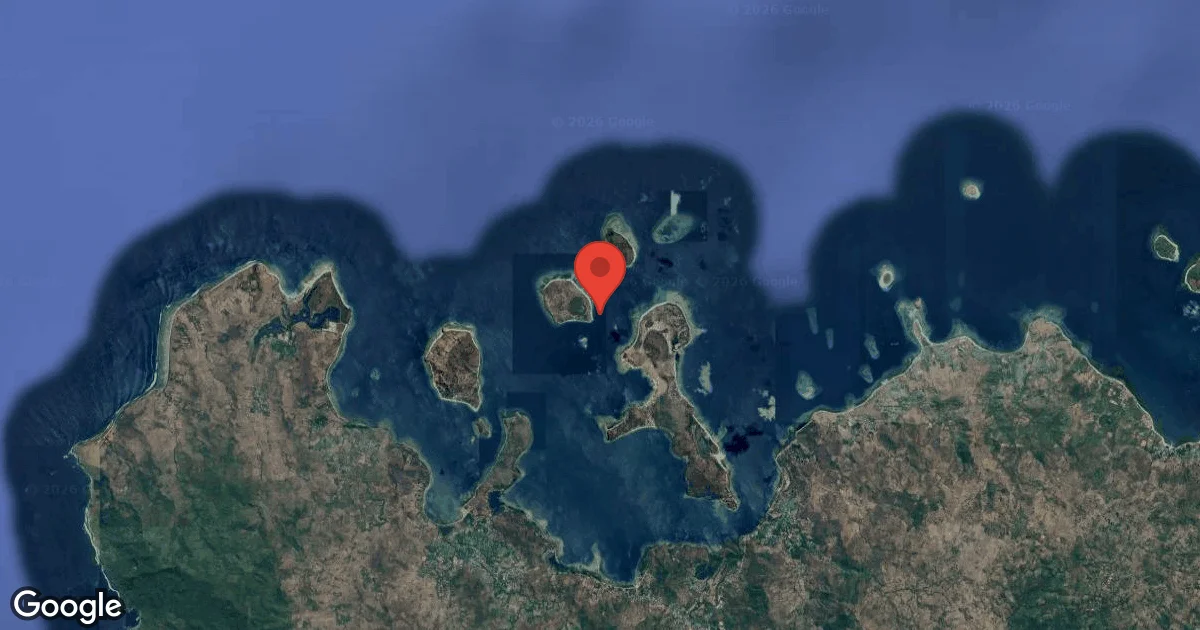
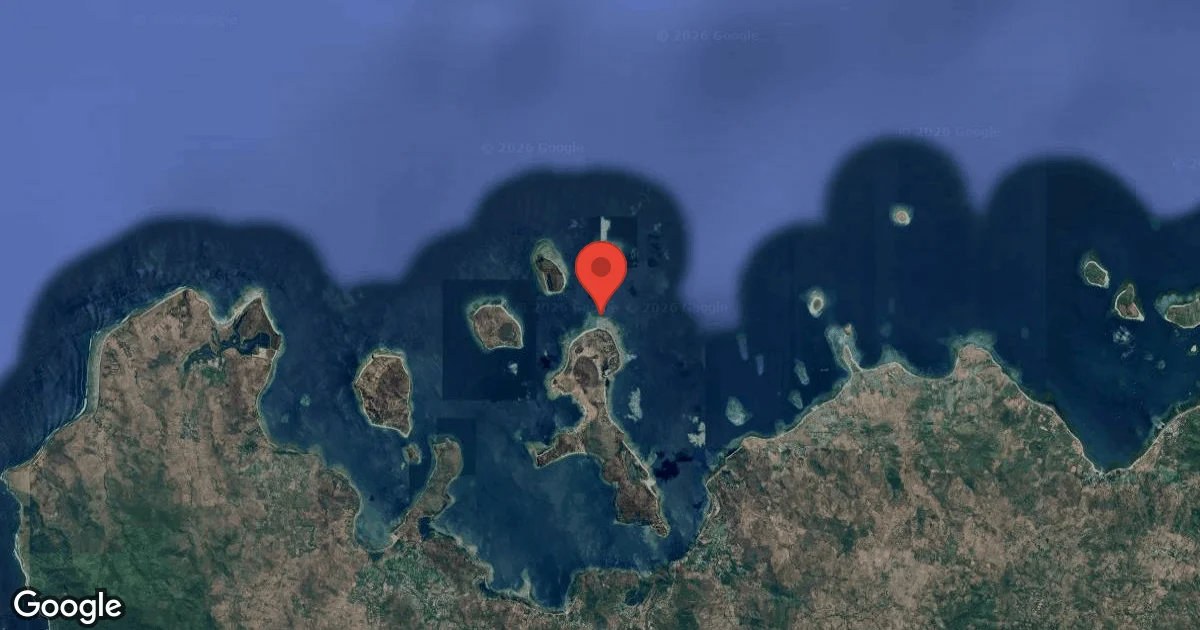
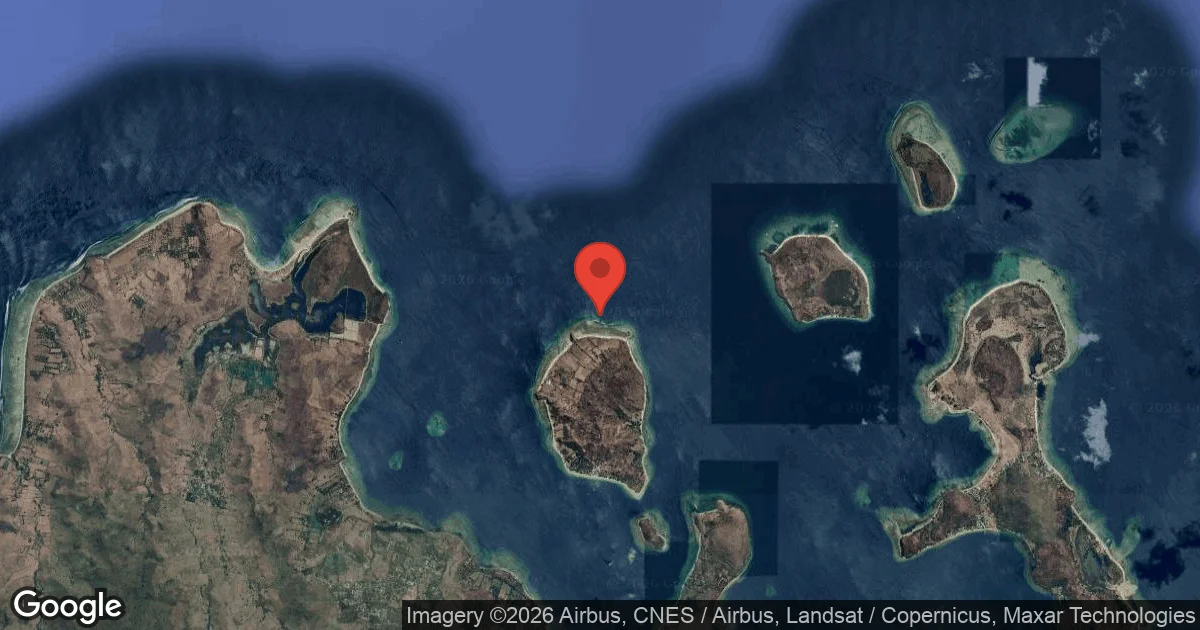
View all dive sites in IndonesiaDiscover more underwater gems in this area.
Dive Centers Near Gili Poh

Today: 07:00 - 22:00

Nearest Airports
Nearest airports to help plan travel to this dive area.
Search Flights
Check available flights and routes on Expedia, using the nearby airports listed in this section.
Search Flights on ExpediaFrequently Asked Questions
What is the maximum depth at Gili Poh?
Gili Poh reaches a maximum recreational depth, making it accessible for Open Water certified divers and above. This moderate depth allows for extended bottom times and relaxed exploration.
What kind of marine life can I expect to see?
The site is rich in macro life and camouflaged species such as stone fish, scorpion fish, and various nudibranchs. You might also encounter cuttlefish, barracuda, and unique creatures like Pegasus sea moths.
Are the currents strong at Gili Poh?
Conditions at Gili Poh are generally calm, making it a very comfortable dive site for all experience levels. Strong currents are not typically reported here.
What is the visibility like?
Average visibility at Gili Poh is usually around 20 m (65 ft). During the dry season, it can often exceed 25 m (82 ft), offering excellent viewing conditions.
When is the best time of year to dive Gili Poh?
The dry season, from May to October, is generally considered the best time for diving due to calmer surface conditions and excellent visibility. However, diving is possible year-round.
Is Gili Poh suitable for beginner divers?
Yes, Gili Poh is highly suitable for beginners due to its calm conditions, moderate depth, and excellent visibility. It's a great spot for an introductory dive or to gain more experience.
How do I access the dive site?
You can access Gili Poh either by boat from nearby dive centers or, in some specific areas, directly from the shore. Most dive operators will use boat transfers for convenience.
Planning to dive Gili Poh?
Send one inquiry and receive offers directly from the best verified local dive operators.
Conditions are Good
07:00 - 14:00
Optimal conditions expected
Current conditions near Gili Poh show 30° air, 28° sea temperature, 1.0 m waves, and 24 km/h wind. Forecast data is refreshed regularly to ensure accuracy.