
Diving at Batu Belandra (Indonesia)
Navigating Batu Belah presents a fascinating blend of accessible reef exploration and potential for deeper, more challenging dives. Divers often find vibrant coral clumps thriving on sandy expanses or encounter dramatic pinnacles and canyons featuring swim-throughs. While generally welcoming to various skill levels, specific areas can introduce challenging currents, requiring adaptability from divers.
Current morning readings from Batu Belandra indicate an air temperature of 28.5°C. Surface wave heights are averaging around 1.1 m at this time. These local measurements provide a baseline for your daily dive planning.
Dive Site Location & Key Facts
Dive Site Overview
Descending into Batu Belah immerses divers in a unique underwater topography, particularly noted for its distinctive coral formations that stand out in the region. The site offers a varied experience across its locations.
Near Tulamben, it often presents as large coral clumps settled on sandy bottoms, contrasting with the more dramatic pinnacles, canyons, and swim-throughs reported near Gili Meno. These structural variations create diverse habitats, offering a real pleasure for the eyes and inviting exploration across different depth profiles. Depths at the Tulamben site typically range from 10 to 25 meters / 33 to 82 feet, with average dives around 15 meters / 50 feet, suitable for many skill levels.
However, the Gili Meno location can extend to 35 meters / 114 feet, appealing to experienced divers prepared for stronger currents. Guided dives often highlight the site's best features, from intricate coral formations to encounters with Bali’s spectacular marine creatures.
Expect visibility to generally range from 10 to 30 meters / 33 to 100 feet, though this varies based on local conditions, sometimes reaching impressive clarity.
Conditions are Good
Optimal conditions expected
Current conditions near Batu Belandra show 28° air, 28° sea temperature, 1.3 m waves, and 27 km/h wind. Forecast data is refreshed regularly to ensure accuracy.
Best Time to Dive
While Batu Belah remains accessible year-round, conditions between the dry and wet seasons often present a notable contrast. Optimal diving is typically found from April to November, aligning with Bali’s dry season, when rainfall averages are significantly lower, often dropping below 5mm. During these months, the air temperature is consistently pleasant, averaging 26-28°C / 79-82°F, with generally calmer waters and improved visibility. Average wave heights are usually under 1.5 meters / 5 feet, with wind speeds around 15-20 km/h. In contrast, the wet season, particularly from December to March, sees higher rainfall, sometimes exceeding 10mm, and slightly increased wave heights, potentially affecting water clarity and surface conditions. Wind speeds can also be higher, especially in January and February, exceeding 18 km/h. Early morning dives are generally recommended for the calmest conditions, regardless of the season.
PEAK SEASON SCORE
Scores combine air & water temps, waves, wind & rainfall for overall conditions.
BEST MONTHS TO DIVE
Monthly records compiled from satellite and marine observation nodes over the last 3 years. Data provided by Open-Meteo and MET Norway.
Dive Experience & Conditions
Entering the water at Batu Belah offers a varied experience depending on the specific location and diver skill. The Tulamben area is generally accessible to all levels, with shallow coral-rich zones at average depths around 15 meters ideal for less experienced divers or those focused on macro photography. Currents here are typically weak, allowing for relaxed exploration. However, venturing to the Gili Meno variant of Batu Belah demands more experience, as it features deeper profiles and potentially challenging currents, often best suited for divers with Advanced Open Water certification or those comfortable with drift diving. Visibility commonly sits between 10 and 30 meters, influenced by seasonal changes and localized phenomena.
Dive Difficulty & Safety Guidelines
Ensuring safety at Batu Belah involves understanding and respecting the prevailing current conditions, which can vary significantly between its different geographical manifestations. While the Tulamben location often features weak currents suitable for all diver levels, the site near Gili Meno is known for potentially strong or challenging currents. Divers planning to explore the deeper, more exposed sections should possess appropriate experience and training, such such as Advanced Open Water Diver and Enriched Air Diver certifications.
Always consult with local dive operators for the most current site conditions, especially concerning visibility and currents, before planning your dive. Utilizing a surface marker buoy (SMB) is a sensible precaution.
Recommended Equipment
- Dive Computer
- DSMB
This gear list is based on verified equipment signals for Batu Belandra, Indonesia. Always confirm final gear choices with your dive operator, guide, or liveaboard.
Recommended Dive Suit
For many recreational divers, 2-3mm shorty or light wetsuit provides a practical level of insulation in these conditions. Consider warmer surface protection (like a boat coat) due to brisk winds. Divers who tend to get cold easily may prefer slightly thicker exposure protection.
The waters surrounding Batu Belandra are currently maintaining temperatures close to 28°C (83°F). Surface air temperatures are resting at 28°C (83°F).
The next few days appear likely to bring similar environmental conditions.
Emergency & Medical Support
Essential information to help you plan your dive trip to Batu Belandra.

Hyperbaric chambers are a critical part of dive safety infrastructure. Availability varies significantly by region, and not all dive areas have immediate access.
Before diving, it's recommended to:
- confirm nearest medical facilities
- check emergency procedures with local dive operators
- ensure dive insurance covers evacuation if required
Divers Alert Network
Diving emergency assistance available through DAN World.
+1-919-684-9111- 24/7 emergency hotline
- Diving medical assistance
- Evacuation coordination
Emergency contacts are provided for reference. Always verify local emergency services before diving.
Marine Life at Batu Belandra
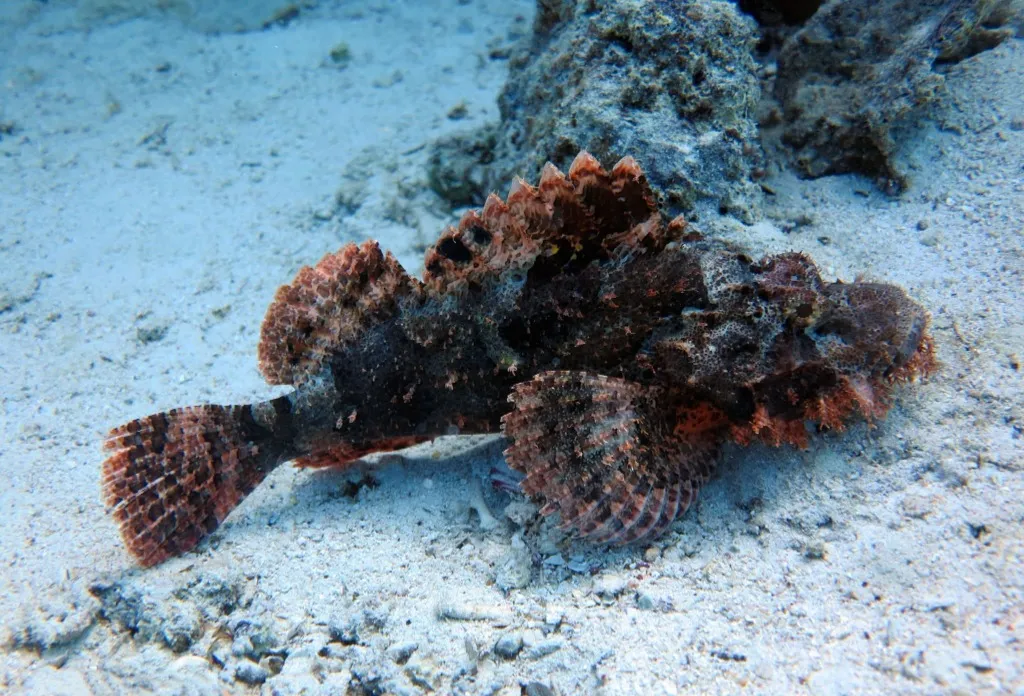
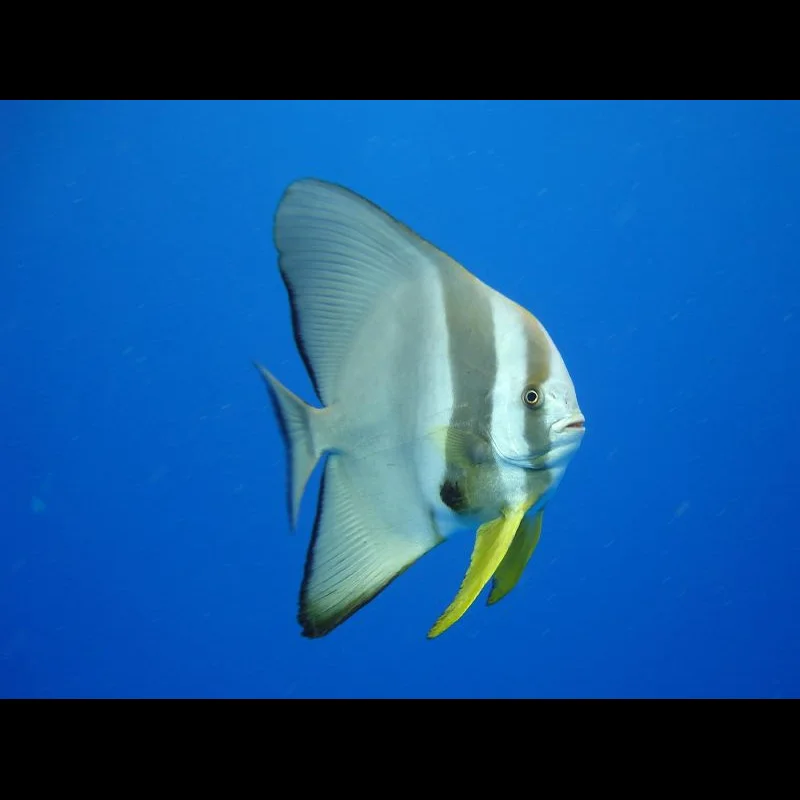
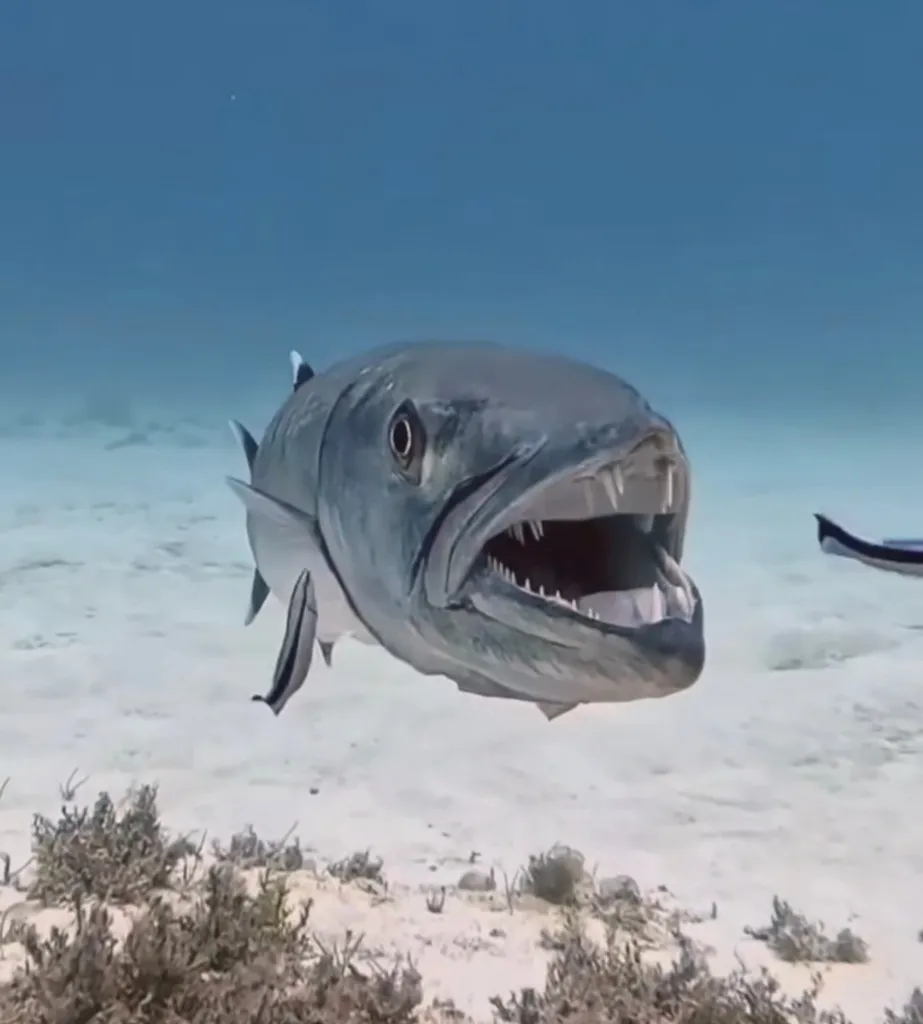
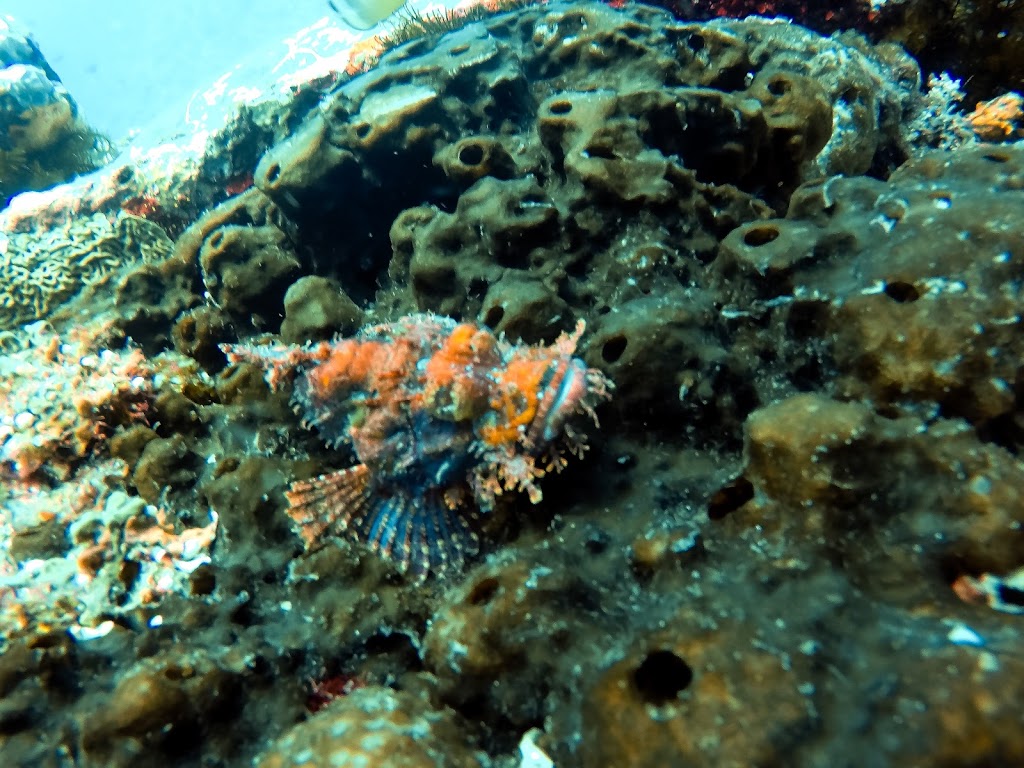
The underwater landscape of Batu Belah hosts a rich array of marine inhabitants, from the macro to the pelagic. Divers commonly encounter distinct species such as Purple Leaf Scorpionfish and various shrimp species, often hidden within the abundant coral formations.
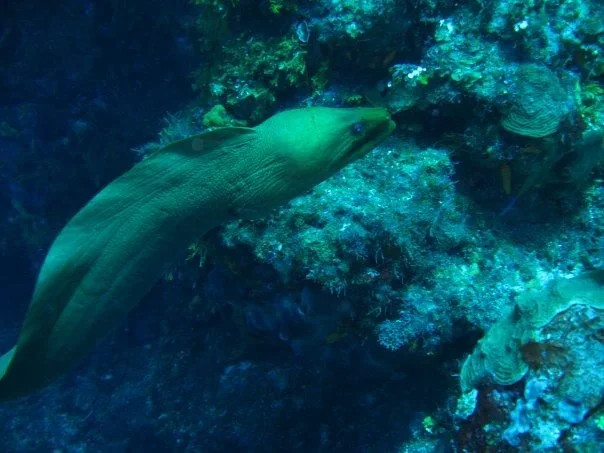
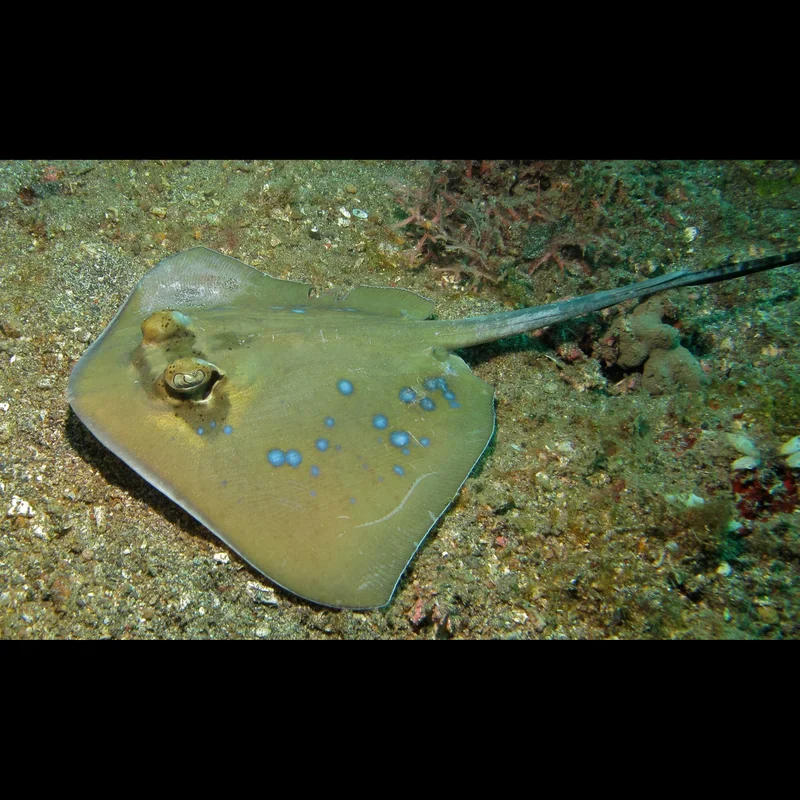
Barracudas are frequently observed, along with Blue Spotted Stingrays resting on the sandy bottom. Green Turtles gracefully navigate the reef, while Javanese and Ribbon Moray eels can be found peering from crevices.
Additionally, the site features impressive growths of massive sea fans, barrel sponges, and a diversity of hard and soft corals, providing shelter and sustenance for numerous schooling fish.
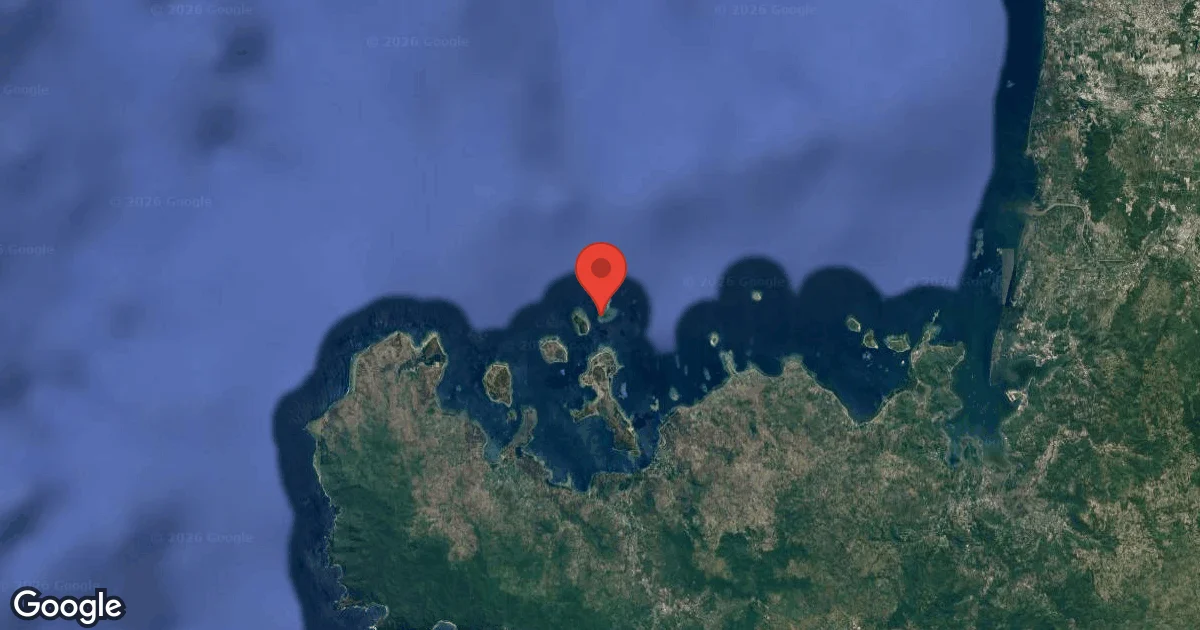
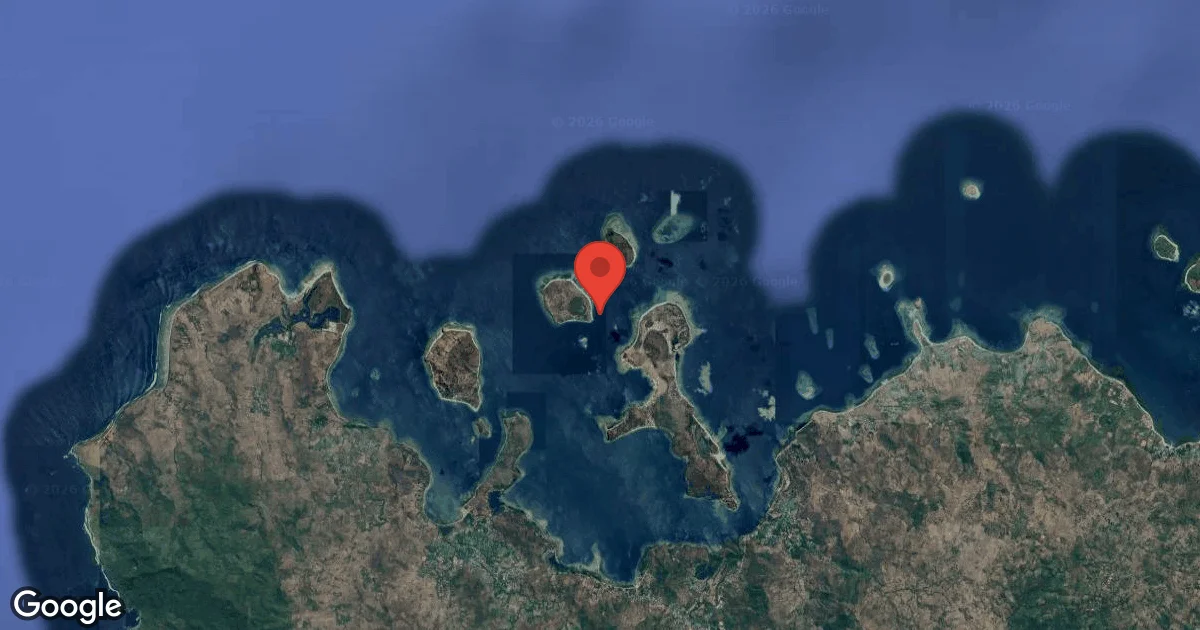
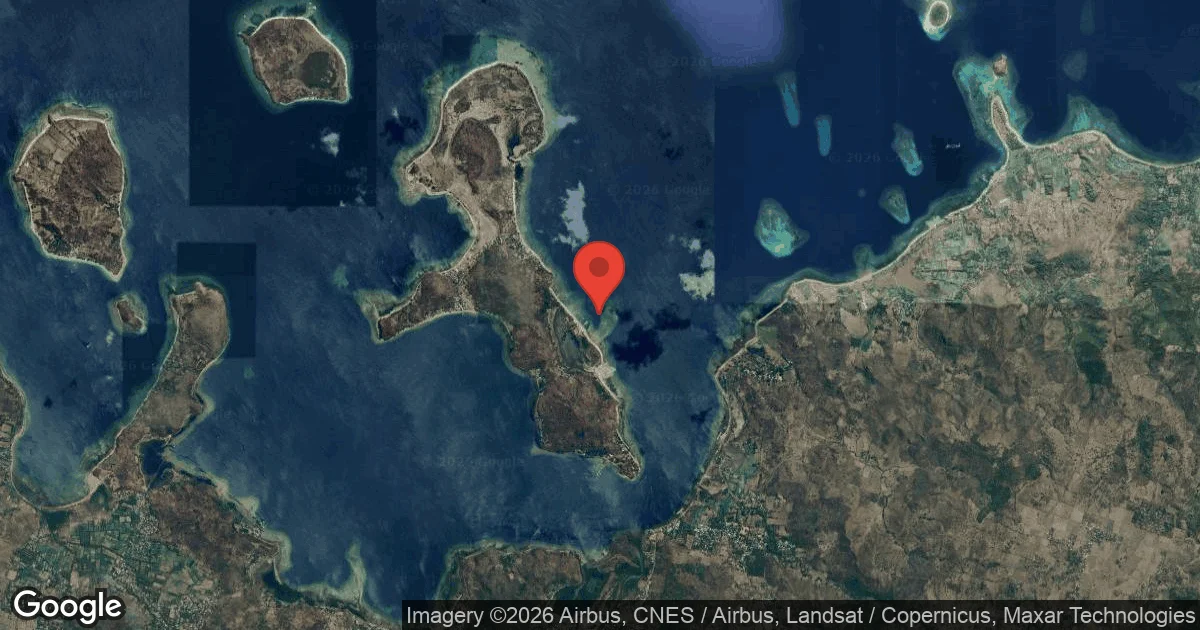
Dive Sites Near Batu Belandra
View all dive sites in IndonesiaDiscover more underwater gems in this area.
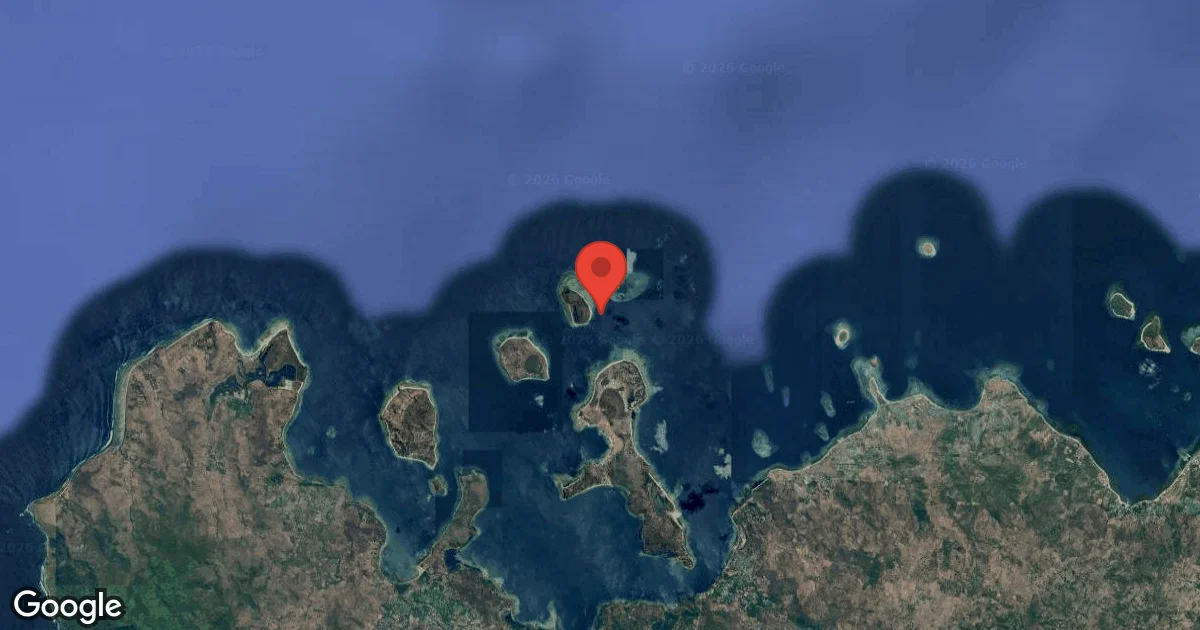
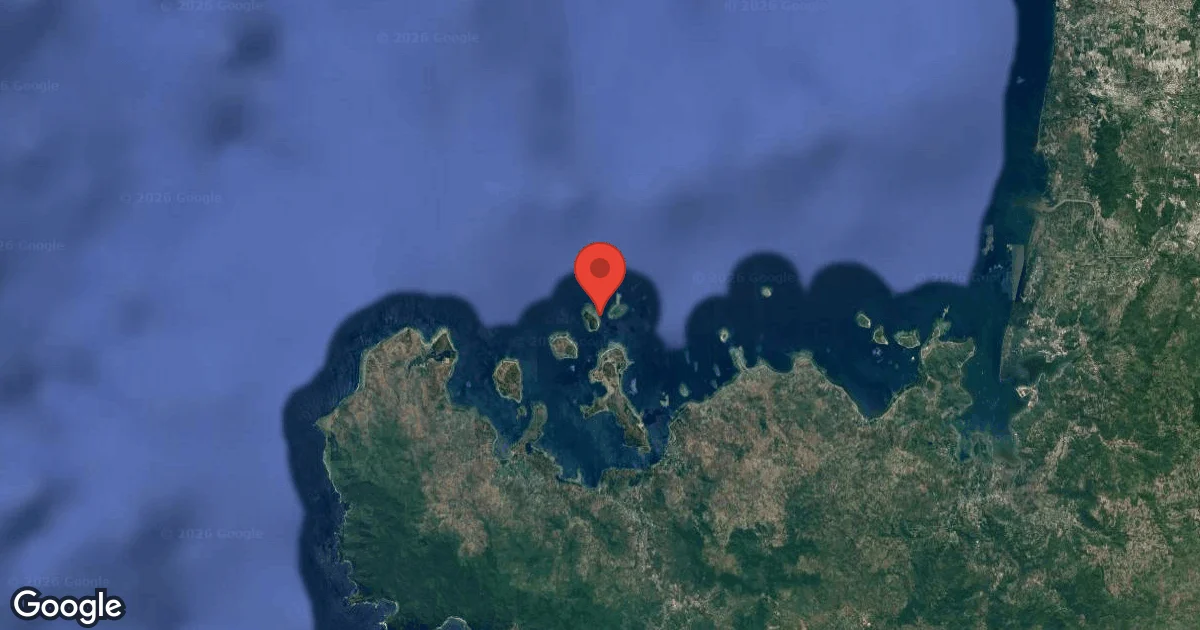
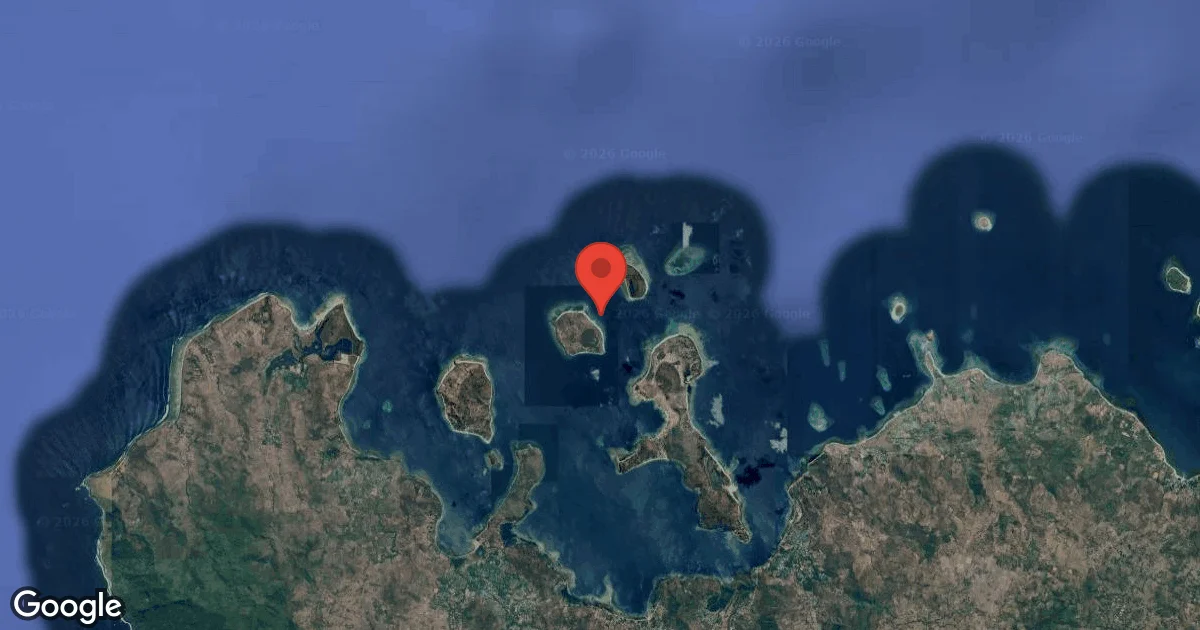
Dive Centers Near Batu Belandra

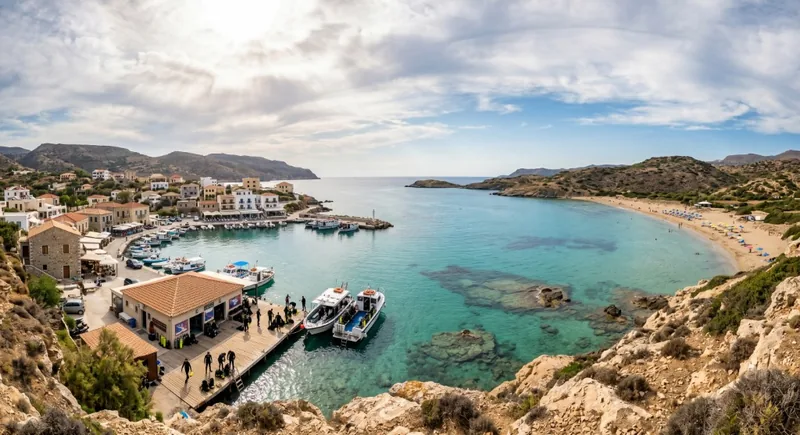
Today: 07:00 - 22:00

Nearest Airports
Nearest airports to help plan travel to this dive area.
Search Flights
Check available flights and routes on Expedia, using the nearby airports listed in this section.
Search Flights on ExpediaFrequently Asked Questions
What's the best time to dive at Batu Belah?
The dry season, from April to November, generally offers the best conditions with lower rainfall and calmer waters. While it's a year-round destination, visibility can be optimal during these months. Early morning dives are often recommended for the calmest surface conditions.
How deep are the dives at Batu Belah?
Depths vary significantly depending on the specific location. The Tulamben site typically ranges from 10 to 25 meters, with an average dive at 15 meters. However, the Batu Belah near Gili Meno can reach up to 35 meters, catering to deeper exploration.
What skill level is required for diving at Batu Belah?
The Tulamben area is generally accessible to divers of all levels, featuring shallower, coral-rich zones. For the deeper pinnacles and potentially challenging currents found at the Gili Meno location, experienced divers with Advanced Open Water certification are usually recommended.
What are the typical current and visibility conditions?
Currents at the Tulamben site are generally reported as weak, making for relaxed dives. In contrast, the Gili Meno location can experience challenging currents. Visibility commonly ranges from 10 to 30 meters, though this can fluctuate based on weather and seasonal changes.
What marine life can I expect to see at Batu Belah?
Divers frequently encounter Purple Leaf Scorpionfish, various shrimp species, and Barracudas. You might also spot Blue Spotted Stingrays, Green Turtles, and Javanese or Ribbon Moray eels. The site is also rich in hard and soft corals, sea fans, and barrel sponges supporting diverse schooling fish.
How can I get to Batu Belah?
Batu Belah in Tulamben is located on Bali's northeast coast, approximately a three-hour drive from southern areas like Denpasar. Many dive packages include transportation for convenience. The Gili Meno location is accessed by boat, typically from Lombok.
Planning to dive Batu Belandra?
Send one inquiry and receive offers directly from the best verified local dive operators.
Conditions are Good
Optimal conditions expected
Current conditions near Batu Belandra show 28° air, 28° sea temperature, 1.3 m waves, and 27 km/h wind. Forecast data is refreshed regularly to ensure accuracy.