
Diving at The Sand (Indonesia)
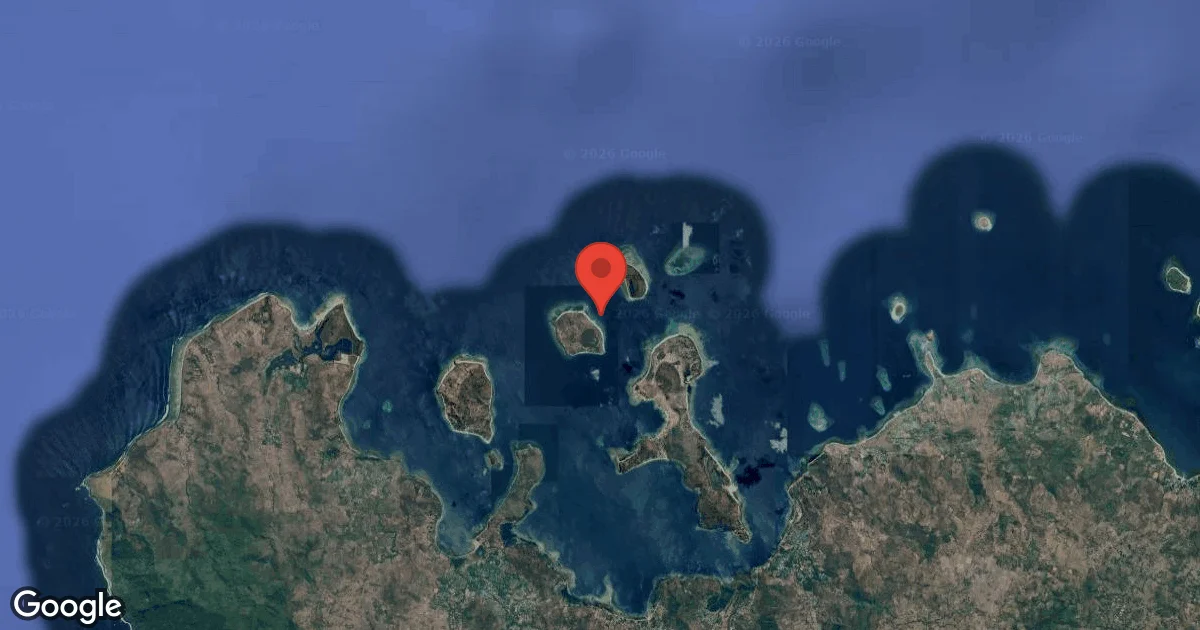
The Sand, located off Lombok, Indonesia, presents a technical profile primarily characterized by a sloping sandy bottom beginning at 5 meters (16 ft). This dive site reaches a maximum depth of 24 meters (78 ft), making it suitable for recreational divers. Shore entry facilitates access to a landscape punctuated by coral heads and scattered rocks, creating ideal conditions for macro photography and observing smaller marine life.
As evening covers The Sand, the local air temperature is measured at 28.5°C. The current wave height at the surface is recorded at 1.2 m. These late-day readings characterize the surface conditions for the night.
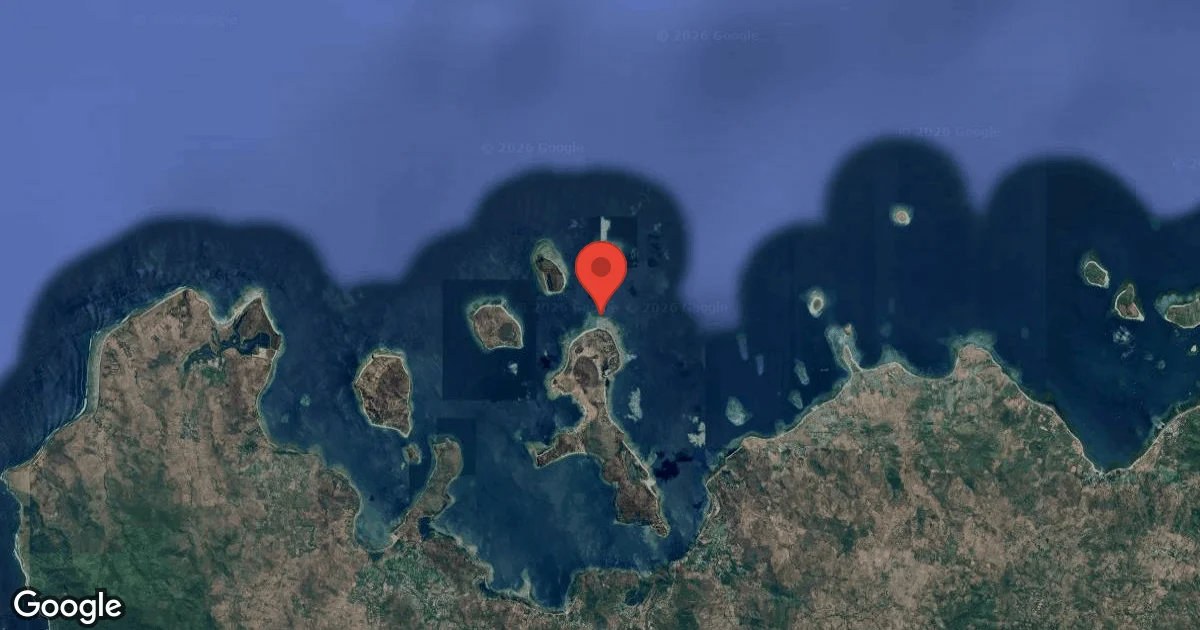
Dive Site Location & Key Facts
Dive Site Overview
Distinguishing itself not through dramatic drop-offs or expansive coral gardens, Sand presents an engaging, subtly varied benthic landscape. A deliberate pace is rewarded here, especially for divers appreciating the intricacies of a sloping sandy bottom environment.
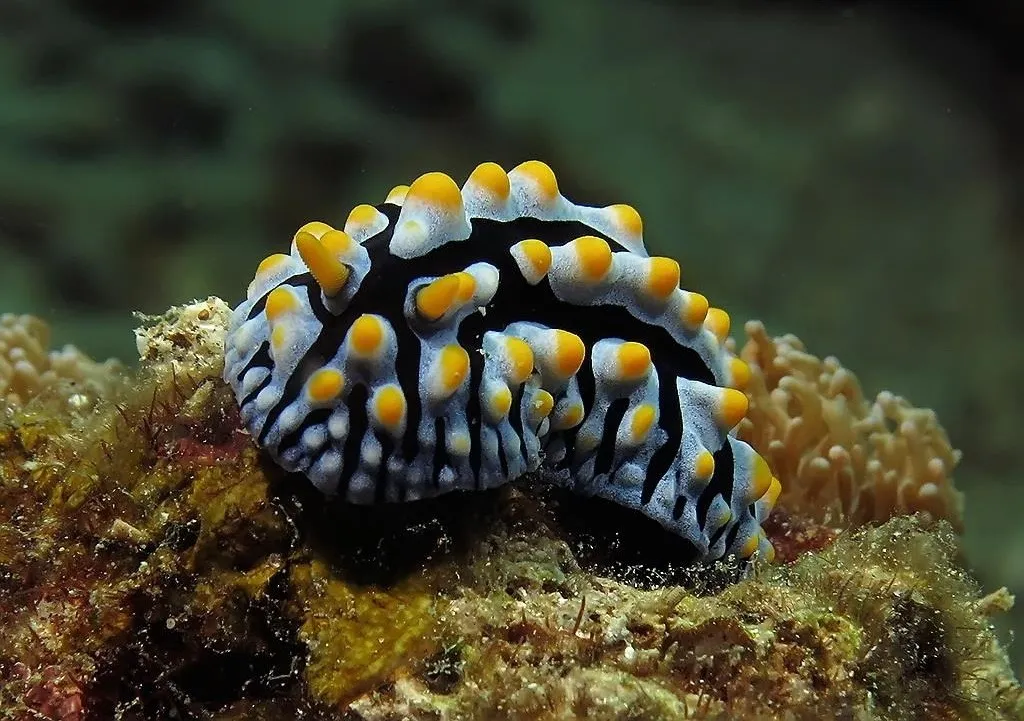
Beginning from a shallow five meters, the profile gently descends, presenting a canvas where isolated coral heads and scattered rocky formations create numerous micro-habitats. Divers consistently discover a rich array of smaller marine life, often nestled among the substrate or sheltering within these varied structures. It's a prime location for macro photography, offering ample opportunity to observe nudibranchs, crustaceans, and various small reef fish up close.
While large pelagic encounters aren't a consistent feature, the extensive sandy expanse allows for unexpected sightings depending on prevailing conditions. Exploring its recreational depth range encourages thorough observational skills, providing a distinct experience for those focused on detailed exploration rather than grand spectacles. This careful approach reveals the site's true appeal.
Conditions are Good
Optimal conditions expected
Current conditions near The Sand show 28° air, 28° sea temperature, 1.3 m waves, and 27 km/h wind. Forecast data is refreshed regularly to ensure accuracy.
Best Time to Dive
Considering the regional climate patterns, diving conditions are generally favorable across much of the year. May, November, and December typically receive a 'Good' dive score, with air temperatures averaging 27.5°C (82°F) in May, 28.5°C (83°F) in November, and 28°C (82°F) in December. These months also see lower average rainfalls, ranging from 2.38 mm to 6.68 mm, which can contribute to clearer surface conditions. Other months typically register a 'Moderate' dive score, with consistent air temperatures usually hovering between 26.5°C and 28.5°C (79.7-83.1°F). Wave heights average between 1.3 to 1.8 meters (4.3-5.9 ft) throughout the year, with wind speeds ranging from 12.96 to 20.54 km/h (8-12.7 mph). For optimal comfort and visibility, planning a trip during the 'Good' score months is generally recommended, though moderate conditions still allow for rewarding dives.
PEAK SEASON SCORE
Scores combine air & water temps, waves, wind & rainfall for overall conditions.
BEST MONTHS TO DIVE
Monthly records compiled from satellite and marine observation nodes over the last 3 years. Data provided by Open-Meteo and MET Norway.
Dive Experience & Conditions
Beginning with a convenient shore entry, the dive at The Sand immediately introduces you to a gently sloping sandy bottom. Descending past 5 meters (16 ft), the landscape gradually unfolds, revealing numerous isolated coral heads and interspersed rock formations. Navigating through these features allows divers to systematically search for marine life in varying habitats, often revealing small wonders tucked away. Salt water conditions remain consistently warm, typical for Indonesian waters, although specific temperature data is not consistently reported. This site's maximum recreational depth ensures a relaxed profile, suitable for a range of certification levels without demanding advanced skills. Visibility varies depending on current and weather patterns, but often provides clear views of the substrate and its inhabitants, aiding in discovery.
Dive Difficulty & Safety Guidelines
When approaching The Sand, divers should always prioritize a thorough pre-dive briefing, especially given the shore entry and potentially variable currents. Understanding local tidal patterns and current directions is crucial for a safe and enjoyable experience, particularly when navigating the sloping bottom terrain. While no specific hazards are consistently reported for this site, maintaining proper buoyancy control prevents disturbance of the sandy environment and protects delicate macro life.
Always dive within your certification limits; PADI Open Water Diver certification is a foundational requirement, and an Advanced Open Water Diver certification can enhance exploration of deeper sections. Ensure you have a reliable surface marker buoy for surface signaling, especially given the 'Moderate' wave conditions frequently observed.
Recommended Equipment
- Dive Computer
- DSMB
- Hard-soled Dive Boots
This gear list is based on verified equipment signals for The Sand, Indonesia. Always confirm final gear choices with your dive operator, guide, or liveaboard.
Recommended Dive Suit
2-3mm shorty or light wetsuit is widely used for recreational dives in waters of this temperature. A hood or vest is suggested for sensitive divers due to surface winds. Those diving at The Sand today will likely encounter water temperatures in the region of 28°C (82°F). Surface air temperatures are resting at 28°C (83°F).
Short-term weather patterns suggest stable conditions for divers visiting the area.
Water temperatures can occasionally shift throughout the day depending on currents and depth layers.
Emergency & Medical Support
Essential information to help you plan your dive trip to The Sand.

Hyperbaric chambers are a critical part of dive safety infrastructure. Availability varies significantly by region, and not all dive areas have immediate access.
Before diving, it's recommended to:
- confirm nearest medical facilities
- check emergency procedures with local dive operators
- ensure dive insurance covers evacuation if required
Divers Alert Network
Diving emergency assistance available through DAN World.
+1-919-684-9111- 24/7 emergency hotline
- Diving medical assistance
- Evacuation coordination
Emergency contacts are provided for reference. Always verify local emergency services before diving.
Marine Life at The Sand
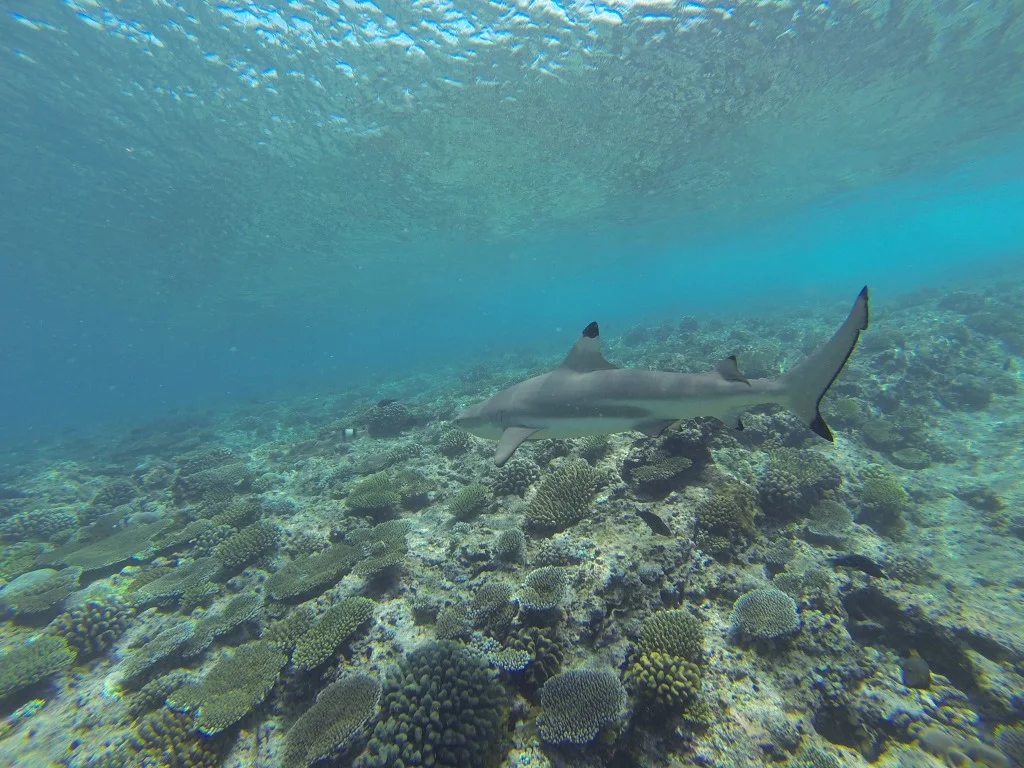
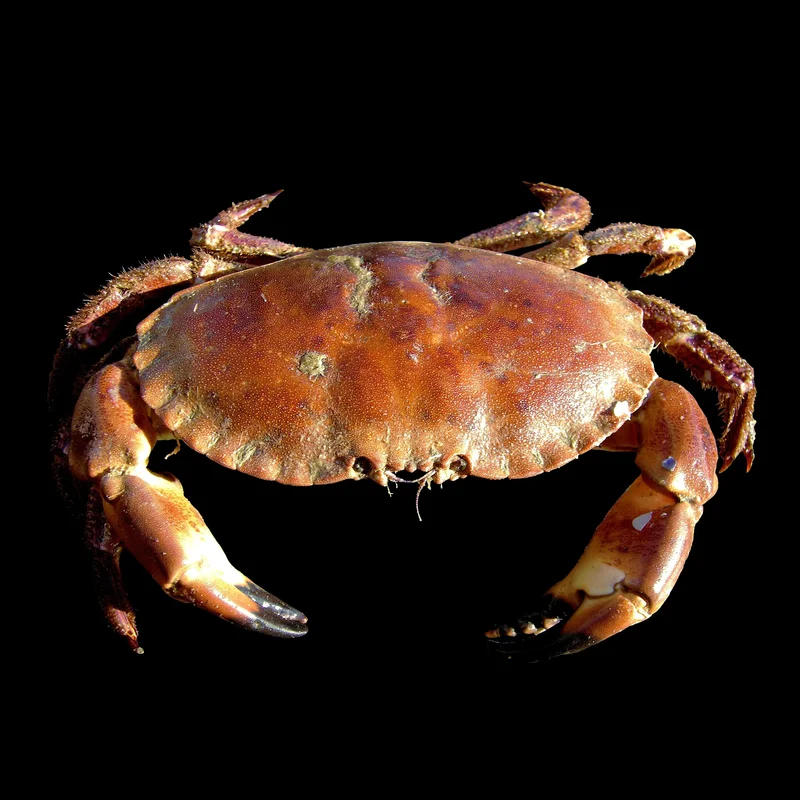
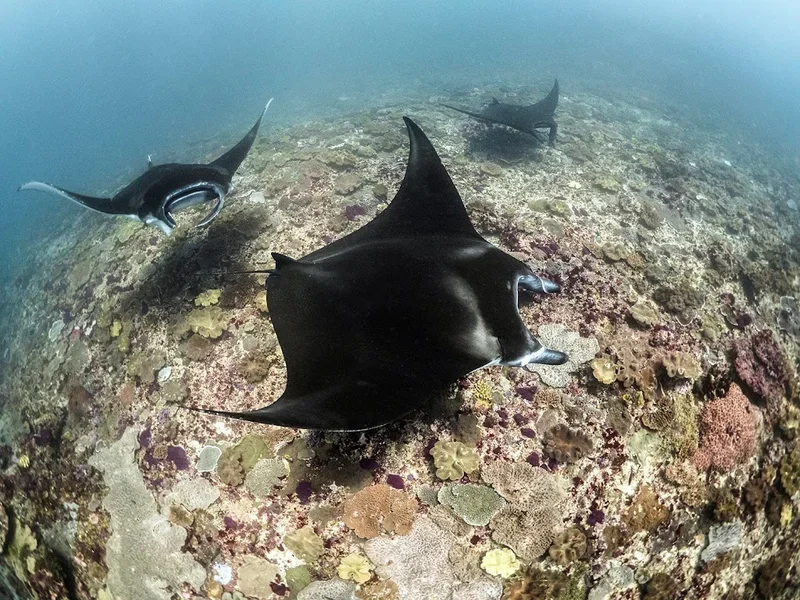
The initial focus at The Sand often lands on the extensive array of smaller marine life populating the sandy bottom and the shelter of coral heads. Macro photographers find this site particularly rewarding, with countless opportunities to observe species like nudibranchs, crabs, and various small reef fish. While the site is primarily celebrated for its smaller inhabitants, occasional sightings of larger species such as sharks, whales, dolphins, and turtles have been reported in the broader Belongas Bay area, suggesting their potential presence, albeit less common, around this diverse coastal region.
Dive Sites Near The Sand
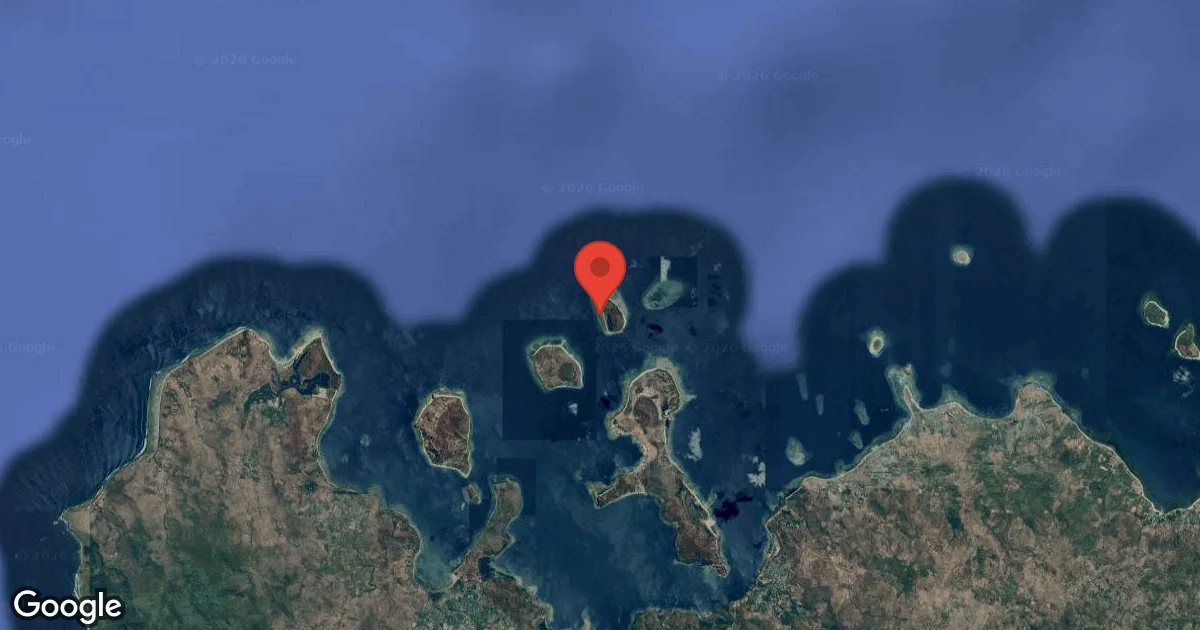
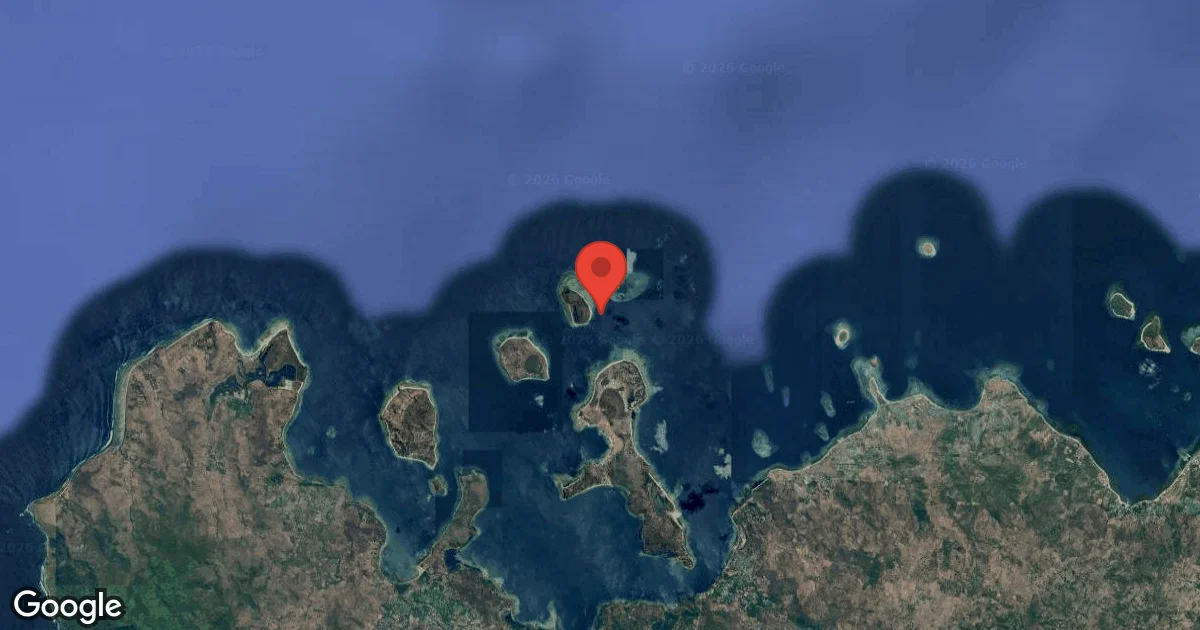
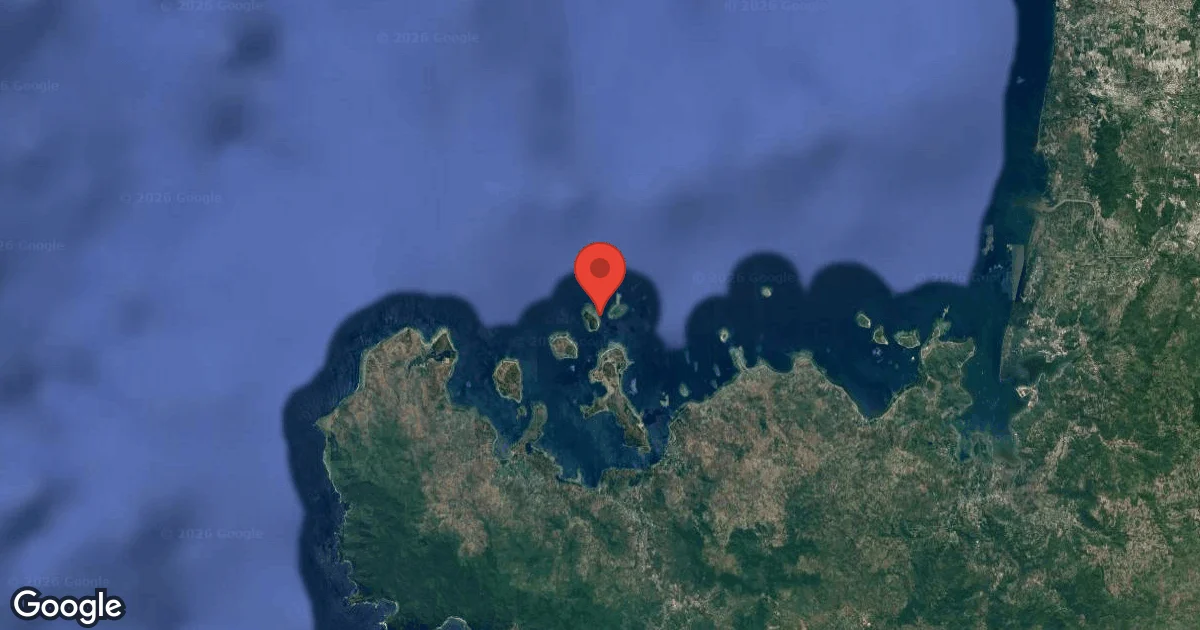
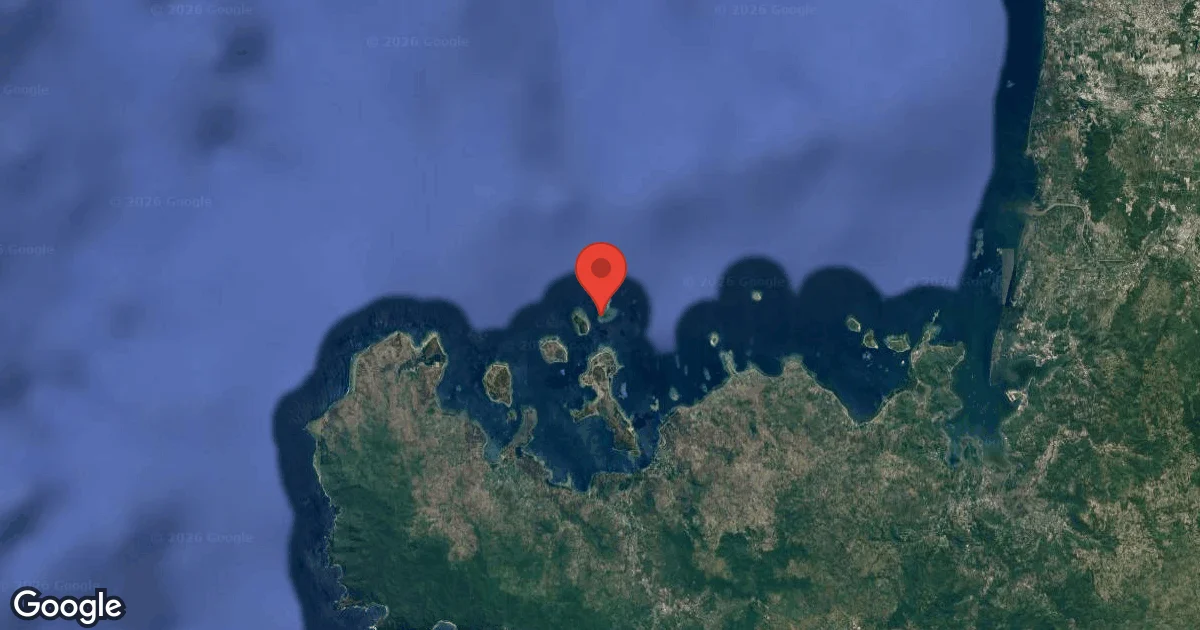
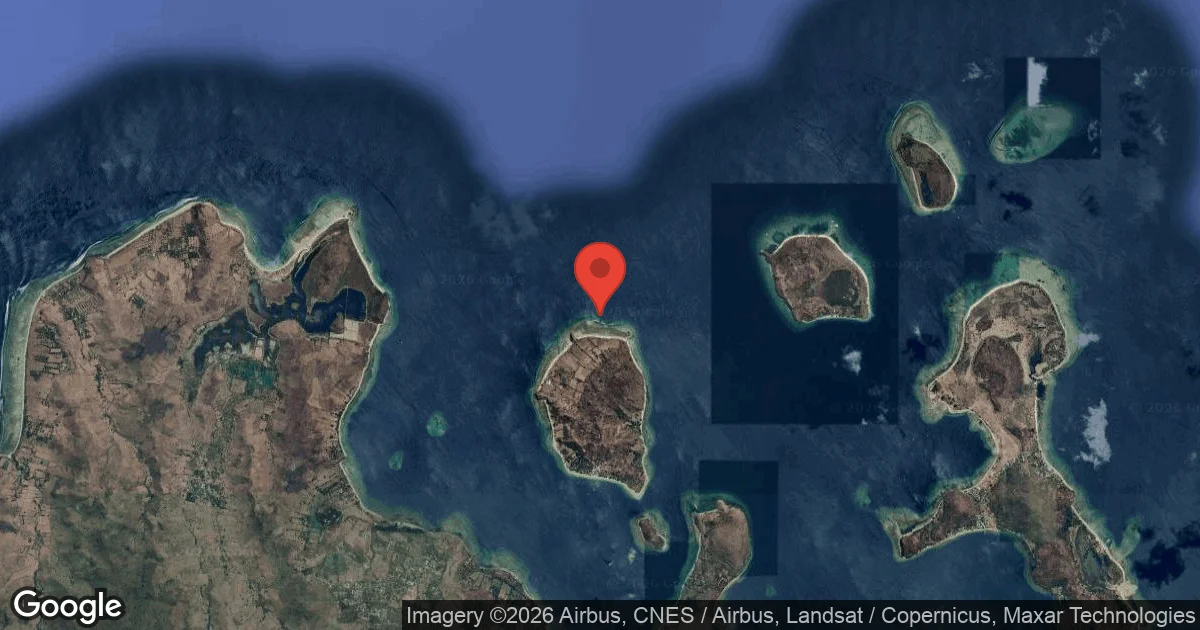
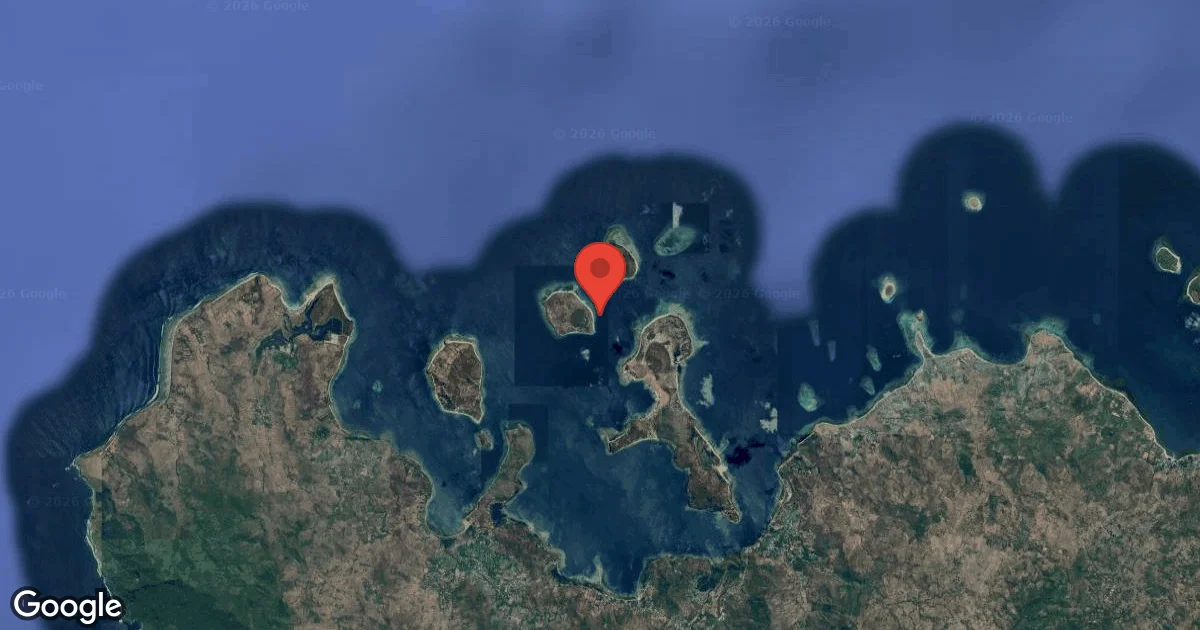
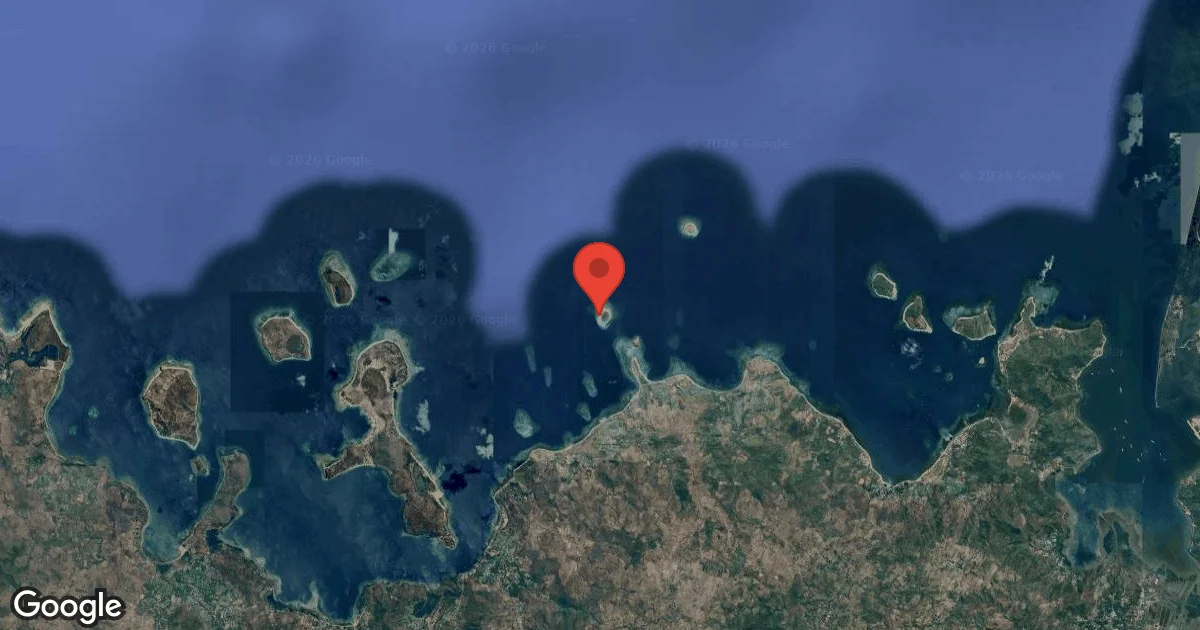
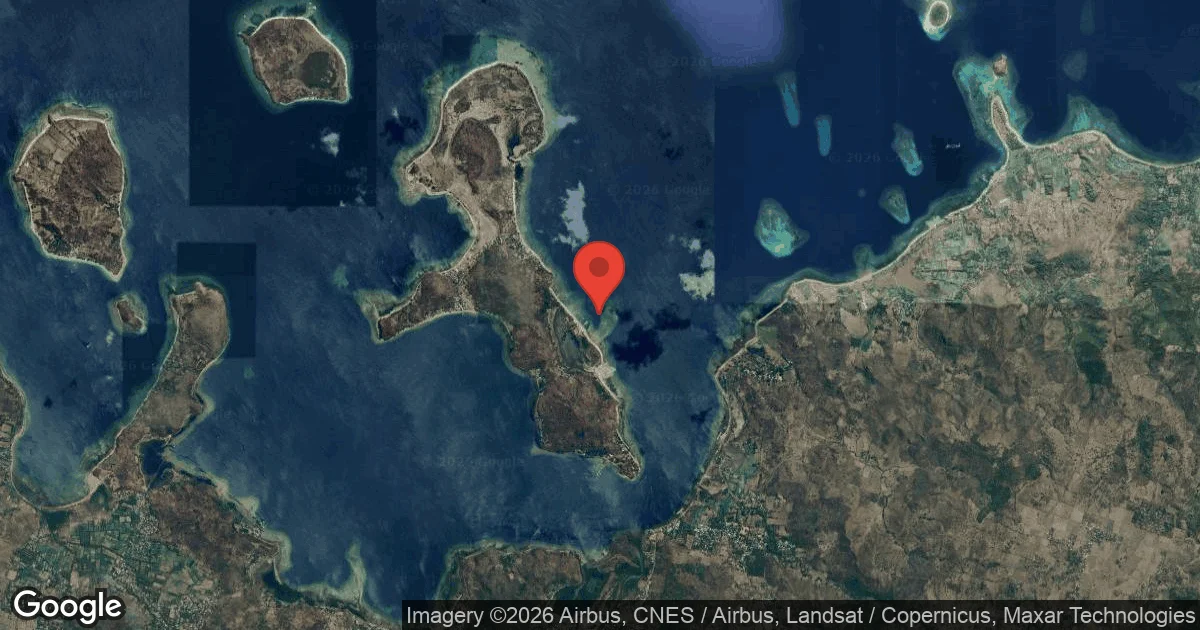
View all dive sites in IndonesiaDiscover more underwater gems in this area.
Dive Centers Near The Sand

Today: 07:00 - 22:00
Nearest Airports
Nearest airports to help plan travel to this dive area.
Search Flights
Check available flights and routes on Expedia, using the nearby airports listed in this section.
Search Flights on ExpediaFrequently Asked Questions
What is the maximum depth at The Sand?
Recreational diving at The Sand reaches a maximum depth of 24 meters, making it suitable for divers with various certification levels. This allows exploration within standard recreational limits.
What kind of entry does The Sand offer?
Divers access The Sand via a shore entry, which provides a straightforward start to exploring the sloping sandy bottom.
Is The Sand suitable for beginners?
Yes, with its gentle slope and manageable depth, The Sand is suitable for PADI Open Water Divers and those participating in PADI Discover Scuba Diving experiences, under professional guidance.
What marine life can I expect to see?
The site is noted for its smaller marine life, which is ideal for macro photographers. You'll find a variety of critters inhabiting the sandy bottom and coral heads. Larger pelagics are less common here.
What are the typical water conditions?
The Sand features salt water with generally warm conditions, typical for Indonesia. Specific water temperature data is not consistently reported, but air temperatures remain consistently warm year-round.
When is the best time to dive at The Sand?
May, November, and December generally offer the best diving conditions, with 'Good' dive scores, lower rainfall, and consistent warm air temperatures. Other months still provide moderate conditions for diving.
Planning to dive The Sand?
Send one inquiry and receive offers directly from the best verified local dive operators.
Conditions are Good
Optimal conditions expected
Current conditions near The Sand show 28° air, 28° sea temperature, 1.3 m waves, and 27 km/h wind. Forecast data is refreshed regularly to ensure accuracy.