
Diving at Gili Nanggu Wall (Indonesia)
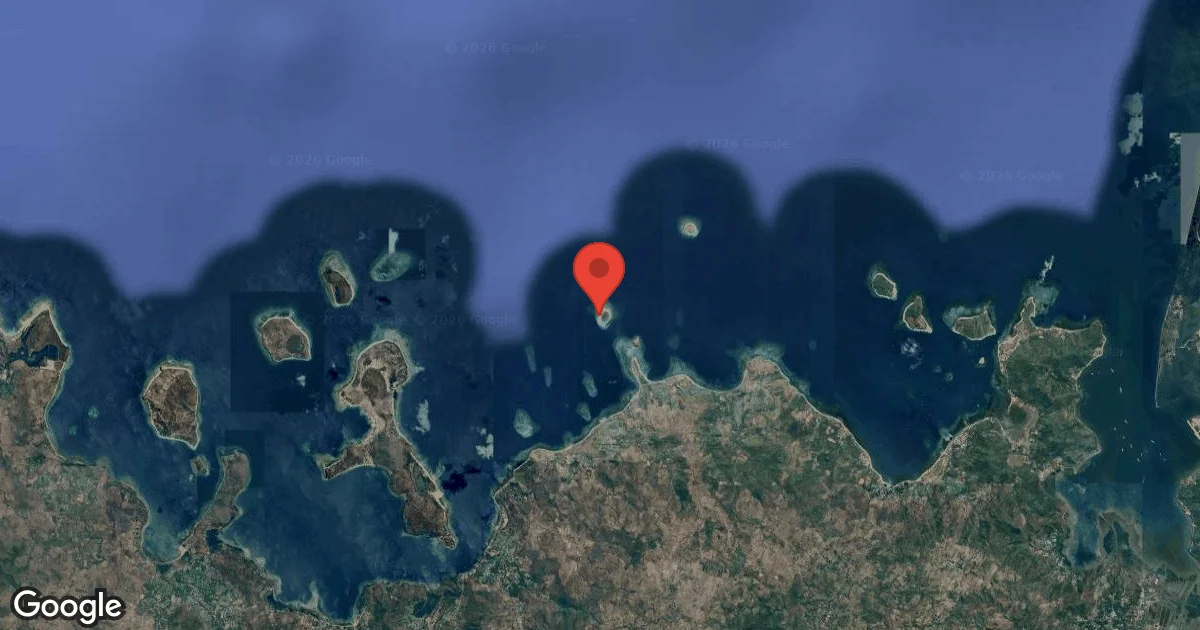
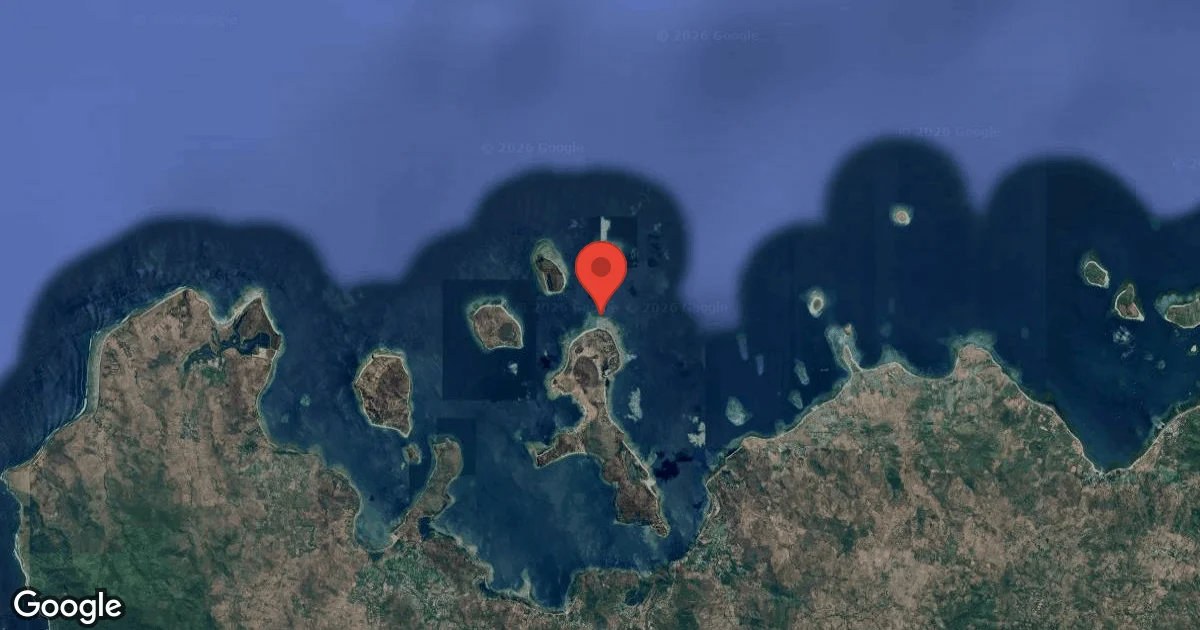
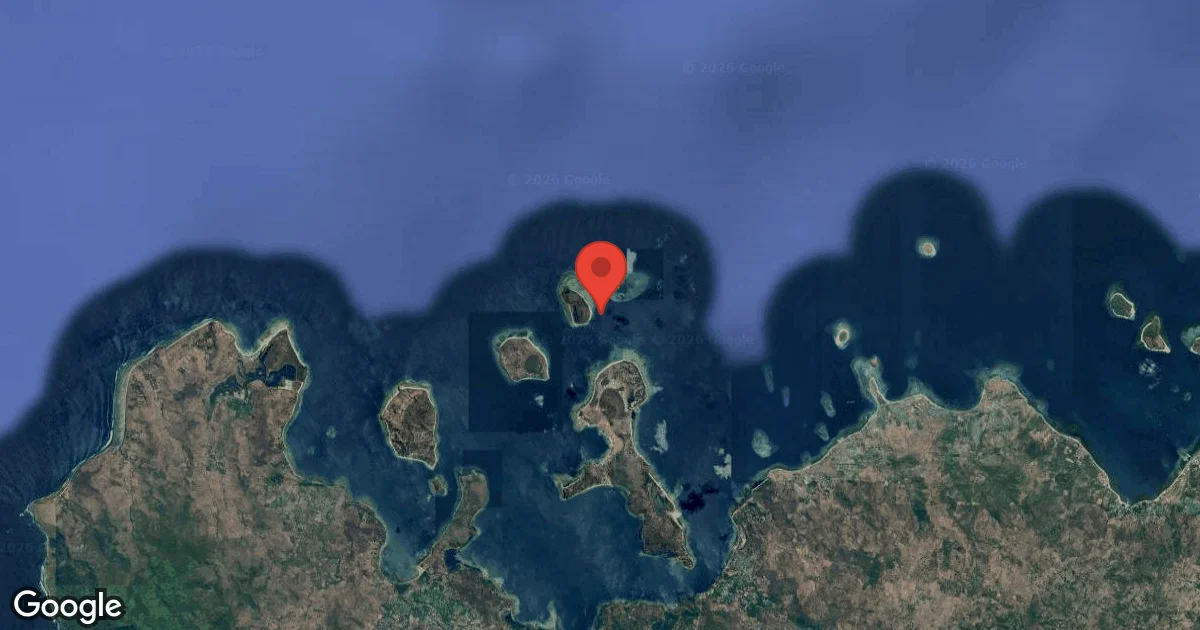
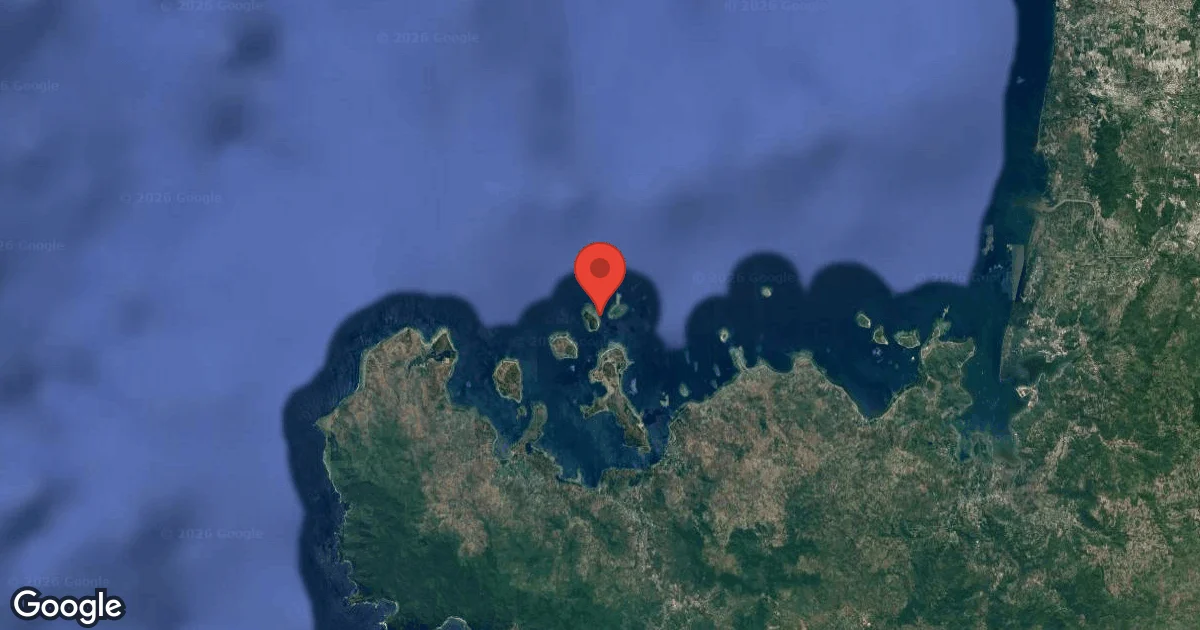
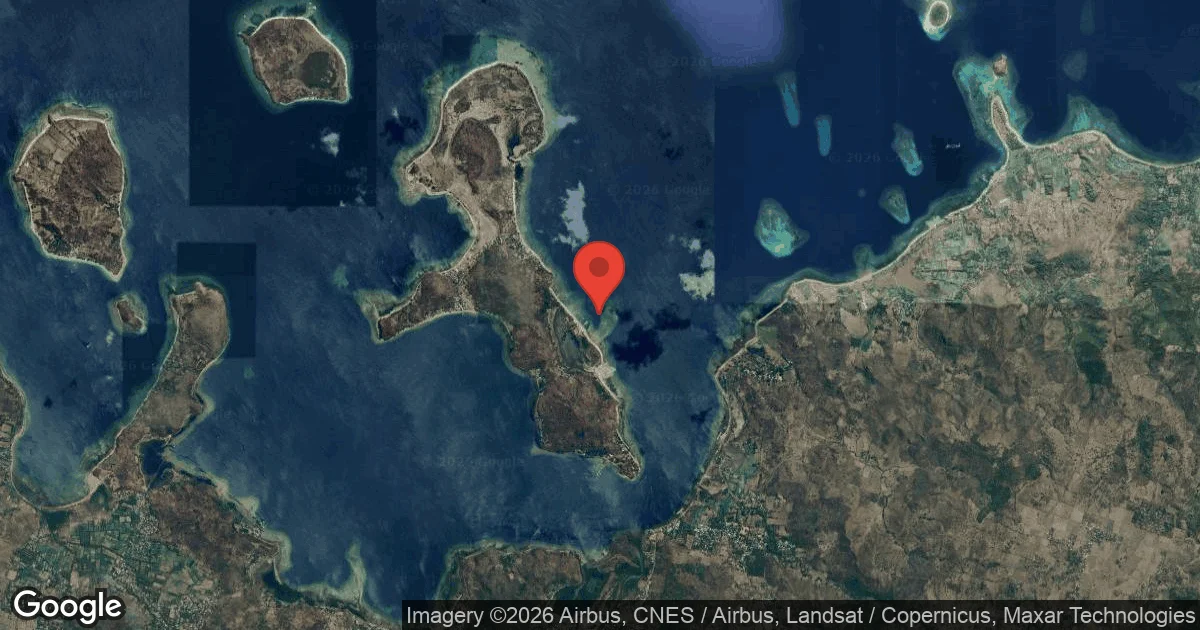
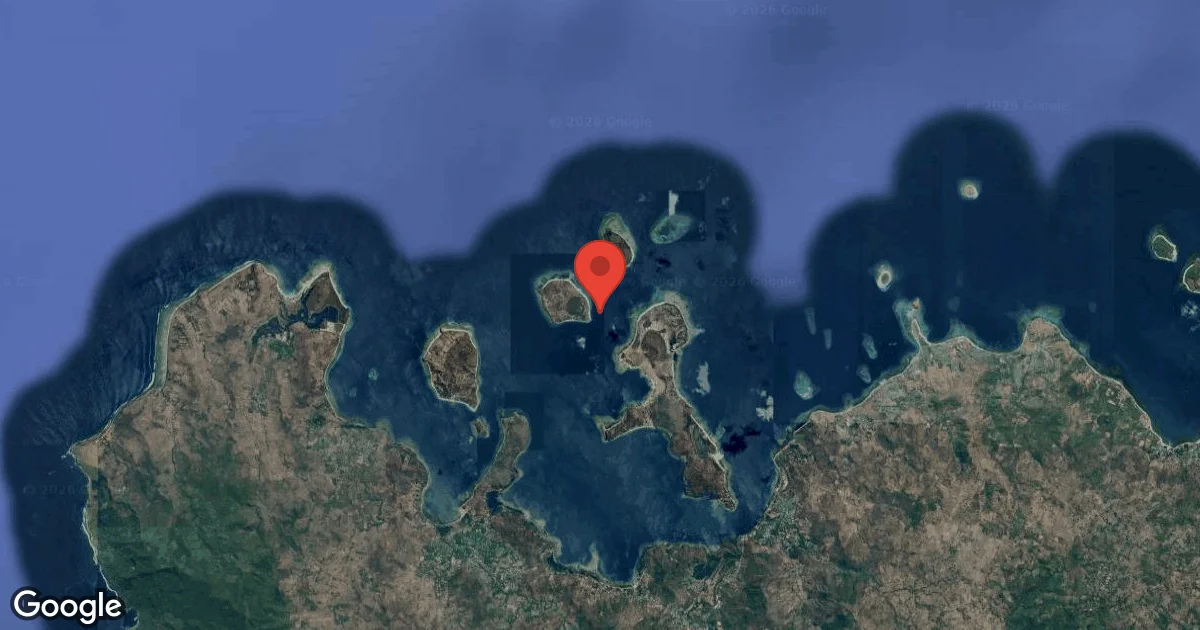
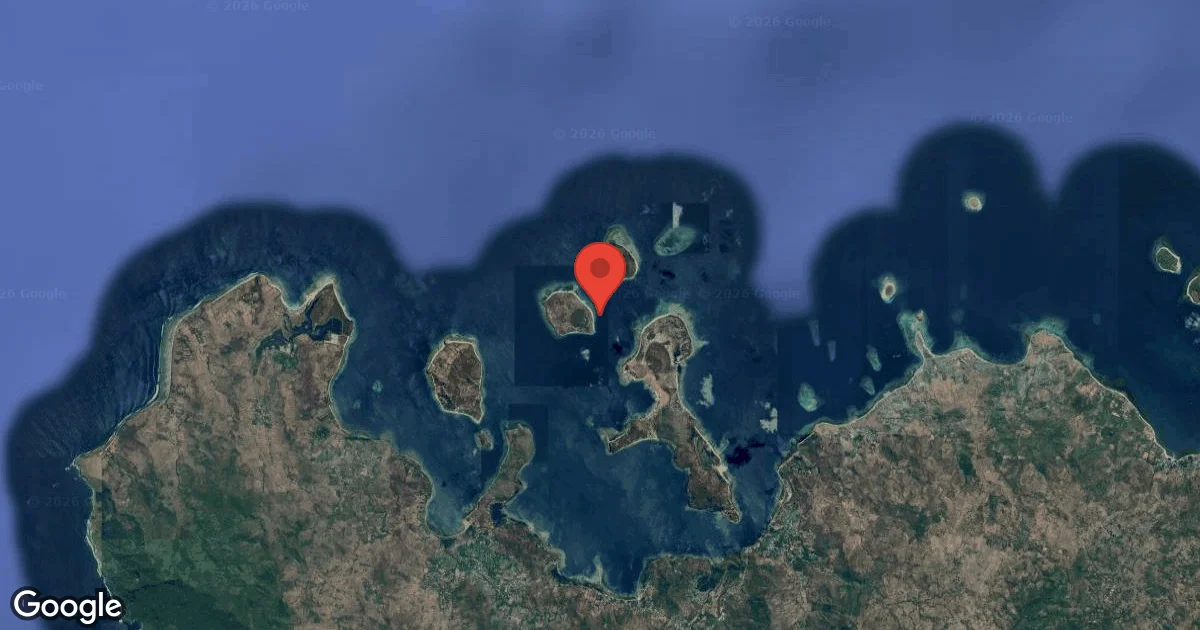
Gili Nanggu Wall presents a distinct vertical structure, descending to a maximum reported depth of 20 m / 65 ft along the western side of the island. This "small wall" is characterized by diverse hard and soft coral formations, providing a vibrant backdrop for underwater exploration. Boat entry makes this salt water site accessible for divers seeking a focused wall experience.
As evening covers Gili Nanggu Wall, the local air temperature is measured at 26°C. The current wave height at the surface is recorded at 0.8 m. These late-day readings characterize the surface conditions for the night.
Dive Site Location & Key Facts
Dive Site Overview
Prepare for a relaxed descent along Gili Nanggu Wall, where the underwater landscape unfolds with a rich tapestry of marine life. This site, easily reached by boat, generally experiences conditions akin to a calm pool, making it suitable for a wide range of diver experience levels, from novice to experienced.
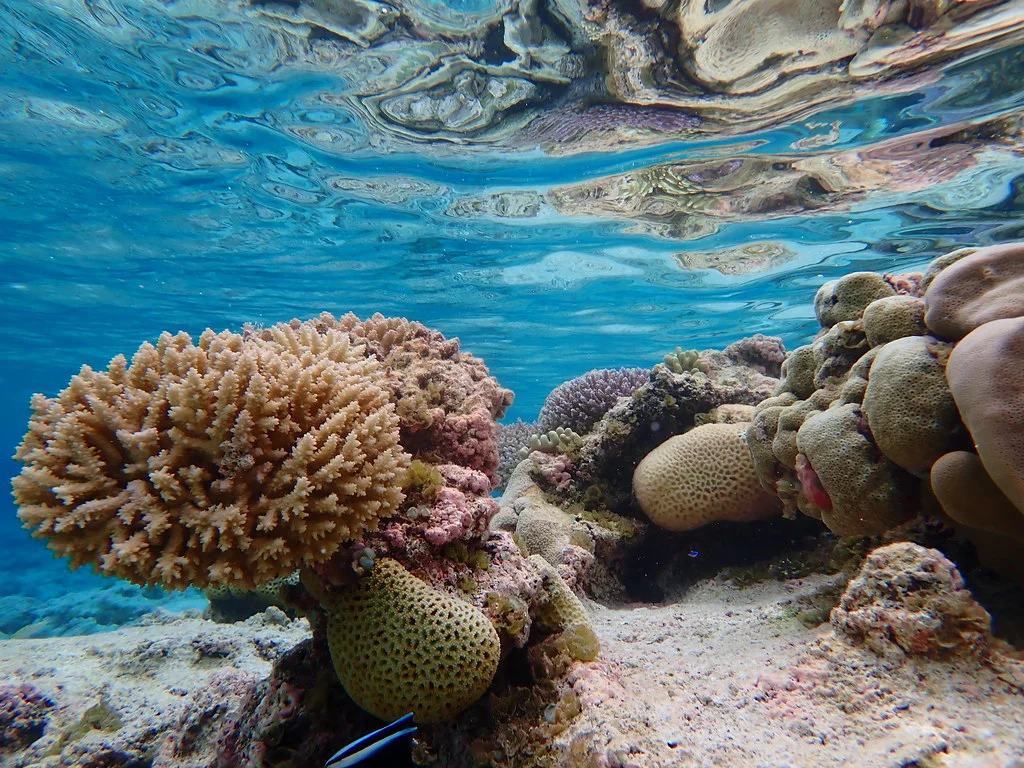
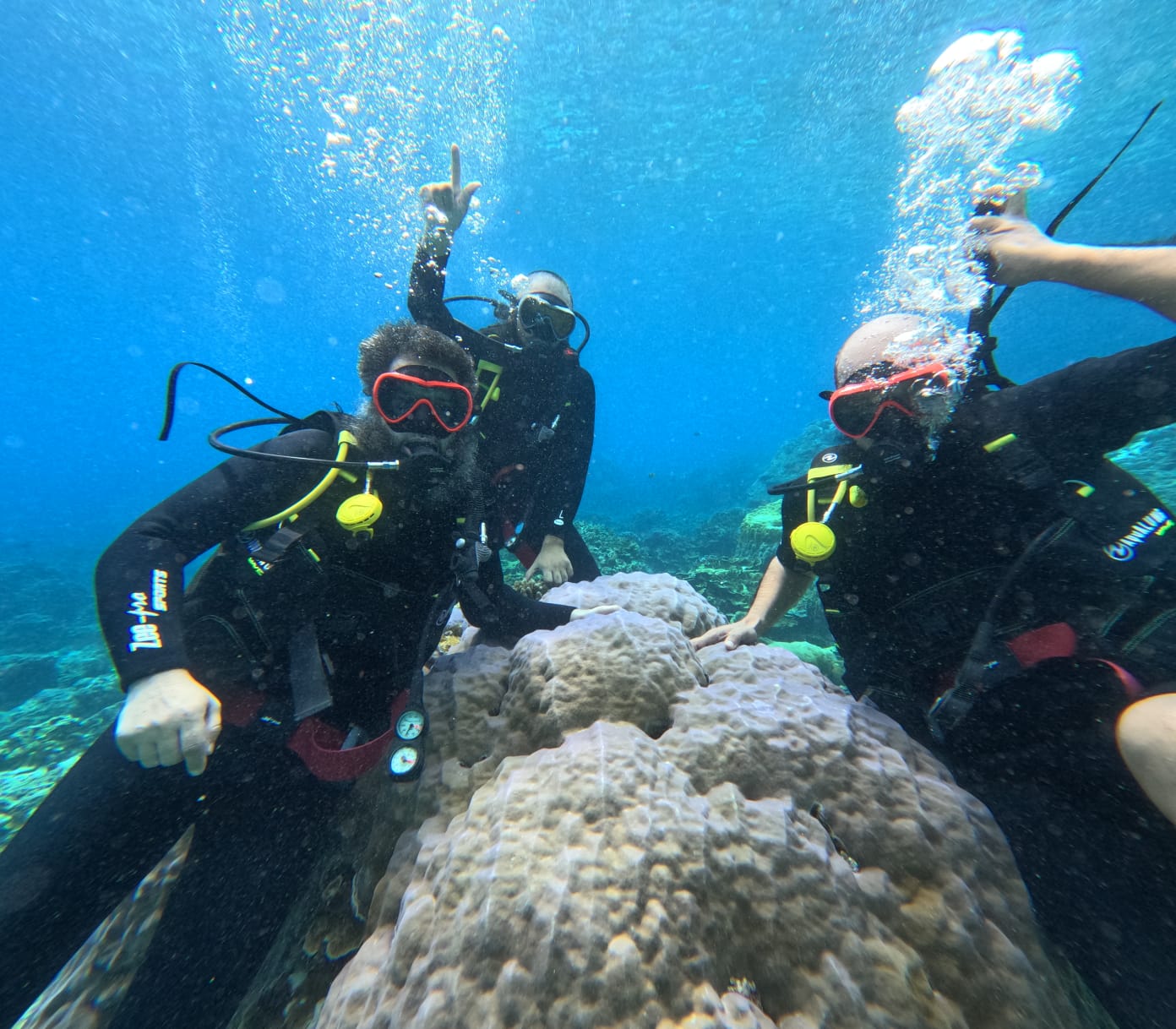
The wall, reported to reach a maximum depth of 20 m / 65 ft, offers a gentle slope in some areas and distinct vertical sections in others, allowing divers to explore at various depths. As you follow its contours, you'll encounter extensive coral growth, including robust staghorn, delicate cauliflower, and broad table corals, all thriving in the consistent 27-29°C / 81-84°F water temperatures.
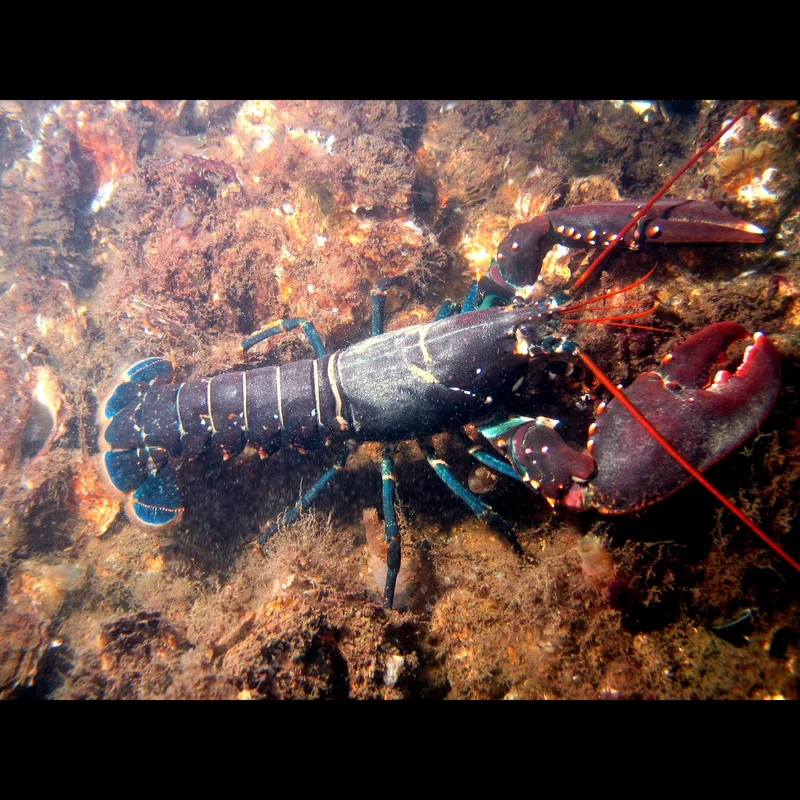
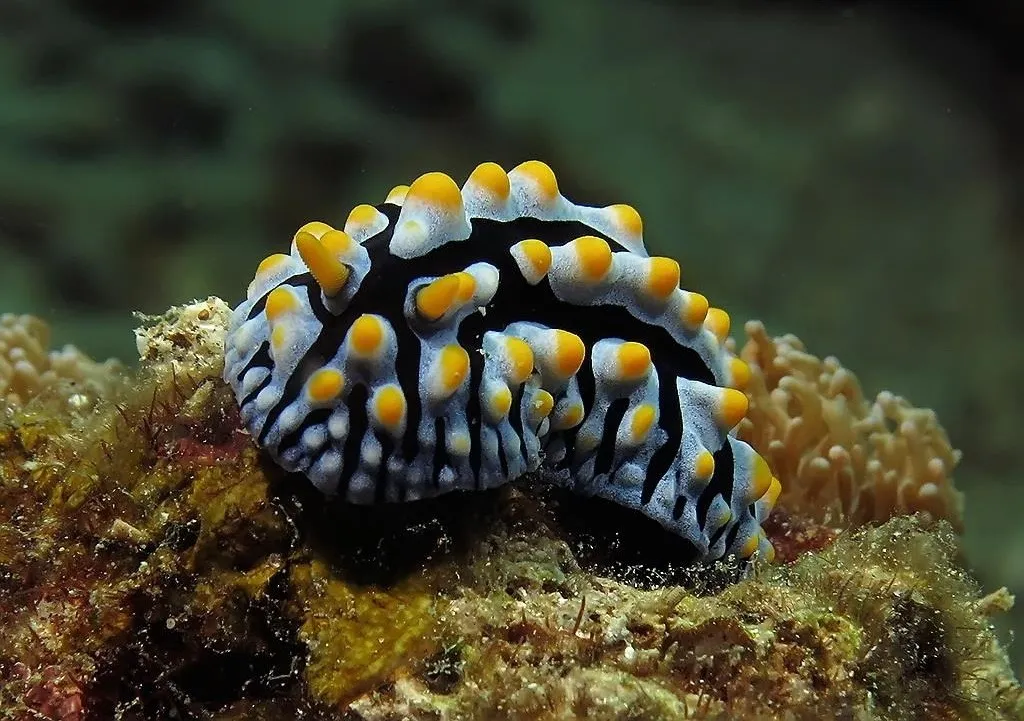
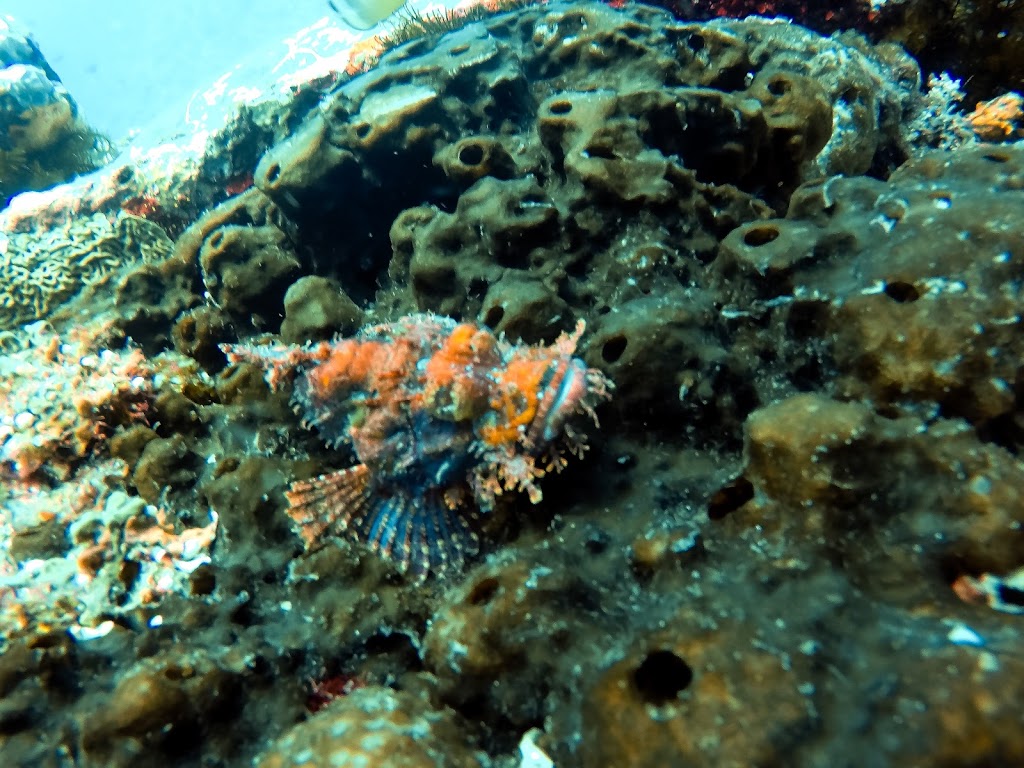
Divers often spot a variety of fish species navigating the reef, alongside intriguing macro life such as nudibranchs, lobsters, and even giant clams, enriching every moment underwater. This accessible dive provides ample opportunity for observation and photography without challenging currents. The western side of Gili Nanggu supports this vibrant ecosystem.
Conditions are Excellent
07:00 - 14:00
Optimal conditions expected
Current conditions near Gili Nanggu Wall show 26° air, 28° sea temperature, 0.8 m waves, and 24 km/h wind. Forecast data is refreshed regularly to ensure accuracy.
Best Time to Dive
Planning a dive at Gili Nanggu Wall is best optimized during the drier season, typically spanning from April through November. During these months, rainfall tends to be lower, contributing to calm surface conditions and minimizing runoff that can sometimes affect visibility closer to shore. Air temperatures consistently average around 26-27°C / 79-81°F, making for comfortable boat rides and surface intervals. Visibility underwater often exceeds expectations, offering clear views of the wall's intricate details and distant marine encounters. Water temperatures remain consistently warm throughout the entire year, usually ranging from 27-29°C / 81-84°F, ensuring thermal comfort for extended dives. While diving remains possible year-round, December and January may present stronger currents, which requires careful dive planning and site assessment. This period can still yield rewarding dives for experienced individuals comfortable with varying conditions.
PEAK SEASON SCORE
Scores combine air & water temps, waves, wind & rainfall for overall conditions.
BEST MONTHS TO DIVE
Monthly records compiled from satellite and marine observation nodes over the last 3 years. Data provided by Open-Meteo and MET Norway.
Dive Experience & Conditions
Diving Gili Nanggu Wall typically involves smooth conditions, characterized by currents often described as gentle and predictable. This makes the site particularly welcoming for divers of all experience levels, including those who are newer to the sport. Beginners often find the abundant visibility, which frequently extends beyond 20 m / 65 ft, and the easy boat access appealing, allowing for a stress-free introduction to wall diving. The consistent warmth of the water, hovering between 27-29°C / 81-84°F, contributes significantly to diver comfort, often reducing the need for thick wetsuits. While the site generally maintains a calm demeanor, conditions can vary, particularly regarding current strength during the December to January period. Divers should prepare for the possibility of increased water movement then, which can necessitate greater awareness and refined buoyancy control, particularly along the deeper sections of the wall.
Dive Difficulty & Safety Guidelines
When planning a dive at Gili Nanggu Wall, divers should prioritize awareness of seasonal current changes; stronger currents may occur between December and January, particularly along exposed sections of the wall. It's advisable to assess conditions carefully with local dive operators before entering the water during these months, as currents can alter the dive profile and require different entry/exit strategies. There have also been reports of small jellyfish schools occasionally present in the mornings, which divers should be aware of and consider wearing additional skin protection.
Maintaining excellent buoyancy control is crucial when diving a wall to protect the delicate coral formations and prevent accidental contact. Staying informed about local conditions and adhering to responsible diving practices will help ensure a safe and enjoyable experience for everyone at this vibrant site.
Recommended Equipment
- Dive Computer
- DSMB
This gear list is based on verified equipment signals for Gili Nanggu Wall, Indonesia. Always confirm final gear choices with your dive operator, guide, or liveaboard.
Recommended Dive Suit
2-3mm shorty or light wetsuit is often considered an appropriate level of exposure protection for conditions like these.
Divers entering the water at Gili Nanggu Wall today can expect temperatures near 28°C (82°F) beneath the surface. Surface air temperatures are resting at 26°C (79°F).
The upcoming forecast points to generally steady conditions in the area.
Emergency & Medical Support
Essential information to help you plan your dive trip to Gili Nanggu Wall.

Hyperbaric chambers are a critical part of dive safety infrastructure. Availability varies significantly by region, and not all dive areas have immediate access.
Before diving, it's recommended to:
- confirm nearest medical facilities
- check emergency procedures with local dive operators
- ensure dive insurance covers evacuation if required
Divers Alert Network
Diving emergency assistance available through DAN World.
+1-919-684-9111- 24/7 emergency hotline
- Diving medical assistance
- Evacuation coordination
Emergency contacts are provided for reference. Always verify local emergency services before diving.
Marine Life at Gili Nanggu Wall
The underwater architecture of Gili Nanggu Wall creates an excellent habitat for diverse marine life. The wall itself is adorned with rich hard and soft corals and impressive sea fans.
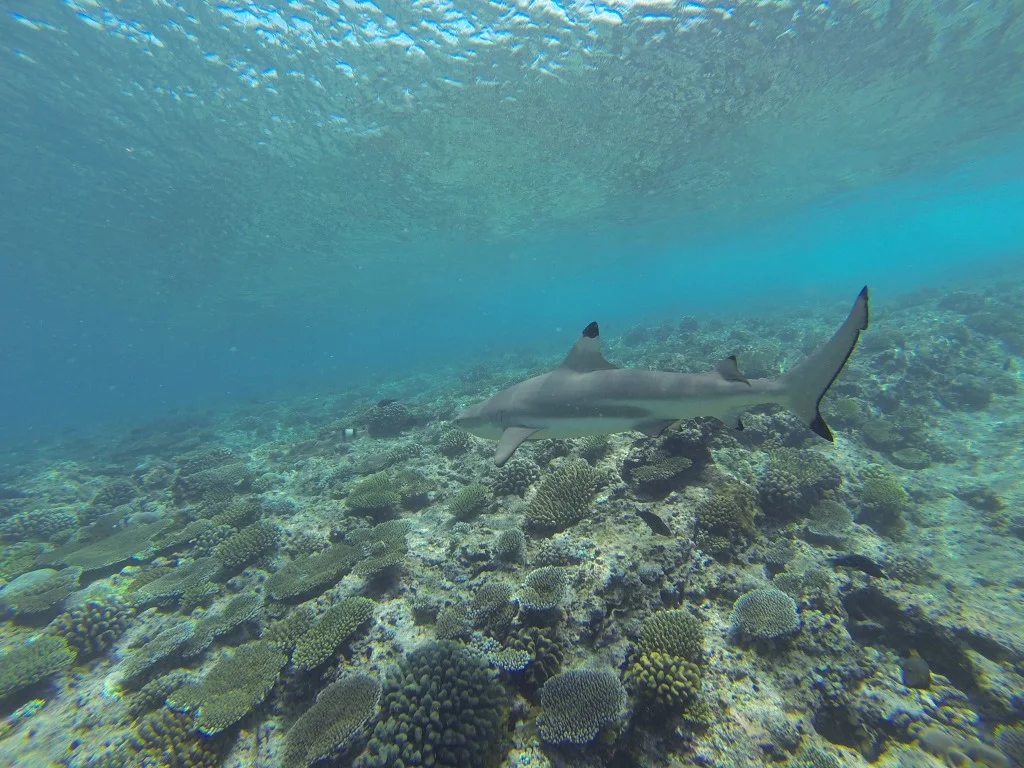
Divers frequently encounter turtles gracefully navigating the reef, alongside schools of various fish species. Keep an eye out for white tip sharks and a range of macro subjects like nudibranchs, lobsters, and giant clams found among the corals.
Dive Sites Near Gili Nanggu Wall
View all dive sites in IndonesiaDiscover more underwater gems in this area.
Dive Centers Near Gili Nanggu Wall

Today: 07:00 - 22:00

Nearest Airports
Nearest airports to help plan travel to this dive area.
Search Flights
Check available flights and routes on Expedia, using the nearby airports listed in this section.
Search Flights on ExpediaFrequently Asked Questions
What is the maximum depth for diving Gili Nanggu Wall?
The maximum reported depth for diving at Gili Nanggu Wall is 20 meters or 65 feet. It caters to various skill levels, including beginners.
Are there strong currents at Gili Nanggu Wall?
Currents at Gili Nanggu Wall are often described as gentle, like a pool. However, stronger currents may occur between December and January, so checking conditions is recommended.
What marine life can I expect to see at Gili Nanggu Wall?
Divers commonly encounter turtles, white tip sharks, and various schools of fish. Macro life such as nudibranchs, lobsters, and giant clams are also frequently observed amongst the corals.
What kind of corals are found at Gili Nanggu Wall?
The wall features a rich array of hard and soft corals, including staghorn, cauliflower, and table corals, along with stunning sea fans.
Is Gili Nanggu Wall suitable for beginner divers?
Yes, the site is generally considered suitable for beginners due to smooth conditions, excellent visibility, easy access by boat, and warm waters.
What are the typical water temperatures?
Water temperatures at Gili Nanggu are consistently warm throughout the year, usually ranging between 27-29°C / 81-84°F.
How is access to the Gili Nanggu Wall dive site?
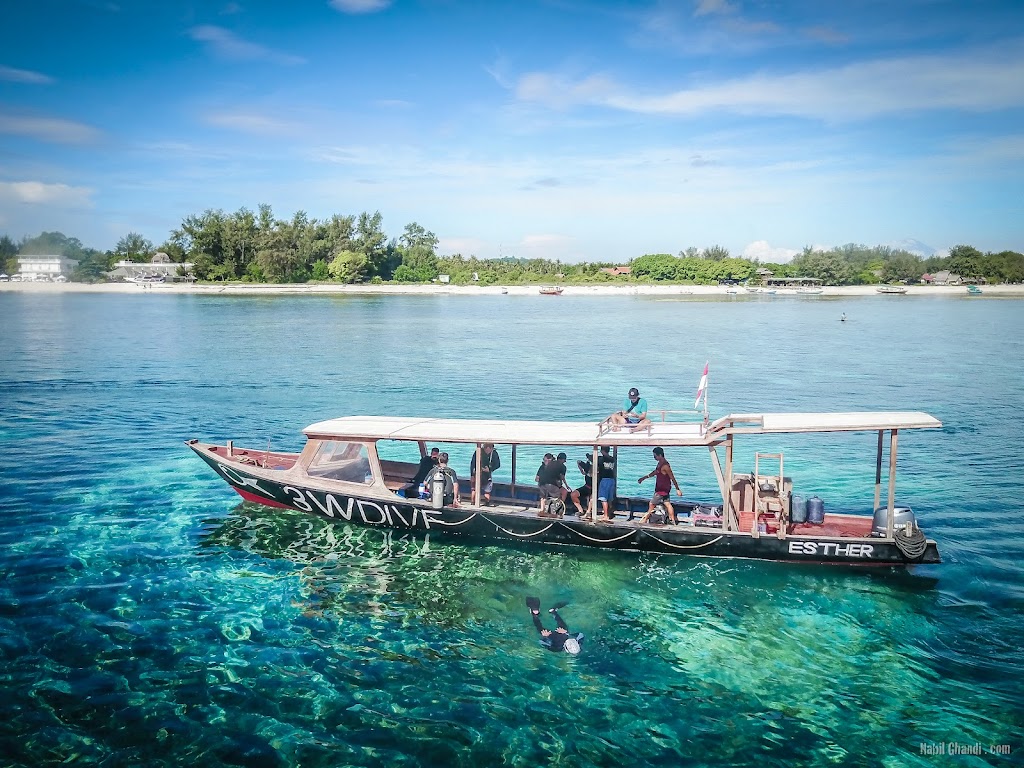
Access to the dive site is primarily by boat, typically a short ride from nearby islands or harbors in Lombok.
Planning to dive Gili Nanggu Wall?
Send one inquiry and receive offers directly from the best verified local dive operators.
Conditions are Excellent
07:00 - 14:00
Optimal conditions expected
Current conditions near Gili Nanggu Wall show 26° air, 28° sea temperature, 0.8 m waves, and 24 km/h wind. Forecast data is refreshed regularly to ensure accuracy.