
Diving at Timur (Indonesia)
Bunaken National Park, established in 1991, holds a significant place in Indonesia's conservation efforts. Within this marine protected area, Bunaken Timur emerged as a notable dive destination. It benefits from decades of protective measures, fostering the healthy ecosystem divers experience today. This site forms part of the expansive Coral Triangle, a region globally recognized for its exceptional marine biodiversity. Understanding its protected status provides context for the vibrant conditions encountered underwater.
As evening covers Timur, the local air temperature is measured at 25.5°C. The current wave height at the surface is recorded at 0.2 m. These late-day readings characterize the surface conditions for the night.
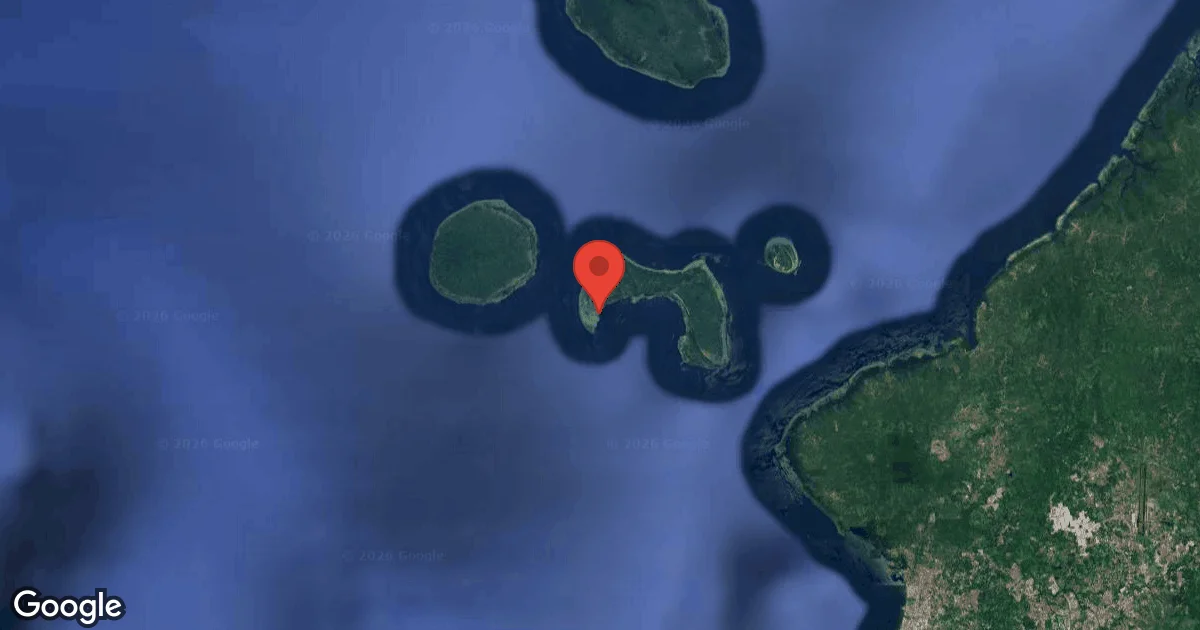
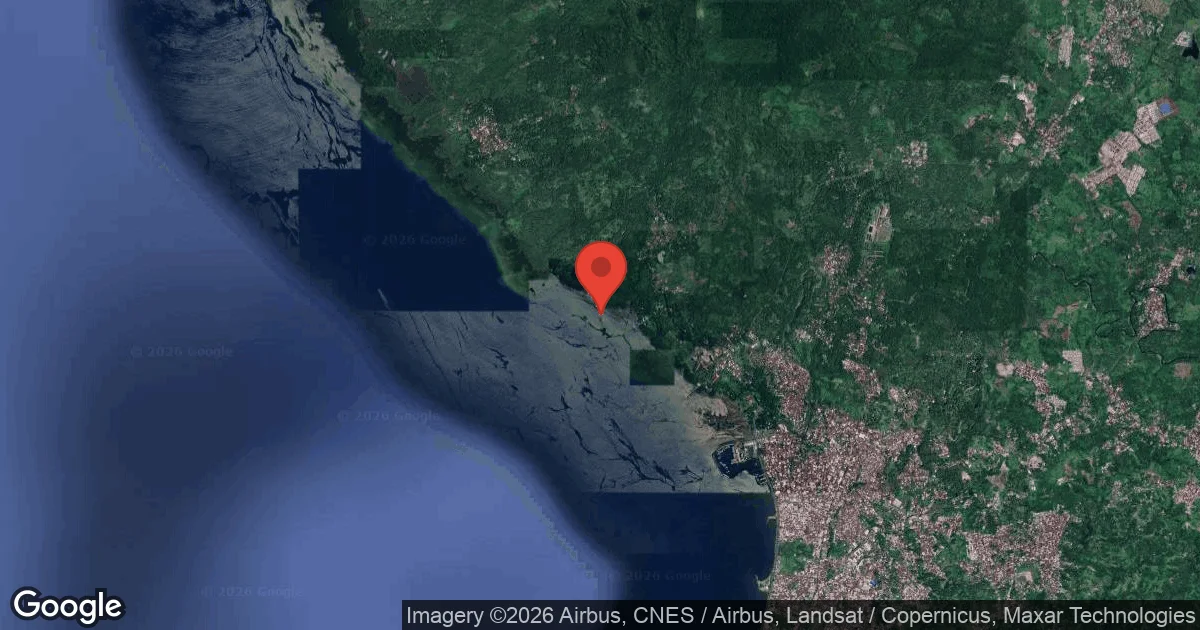
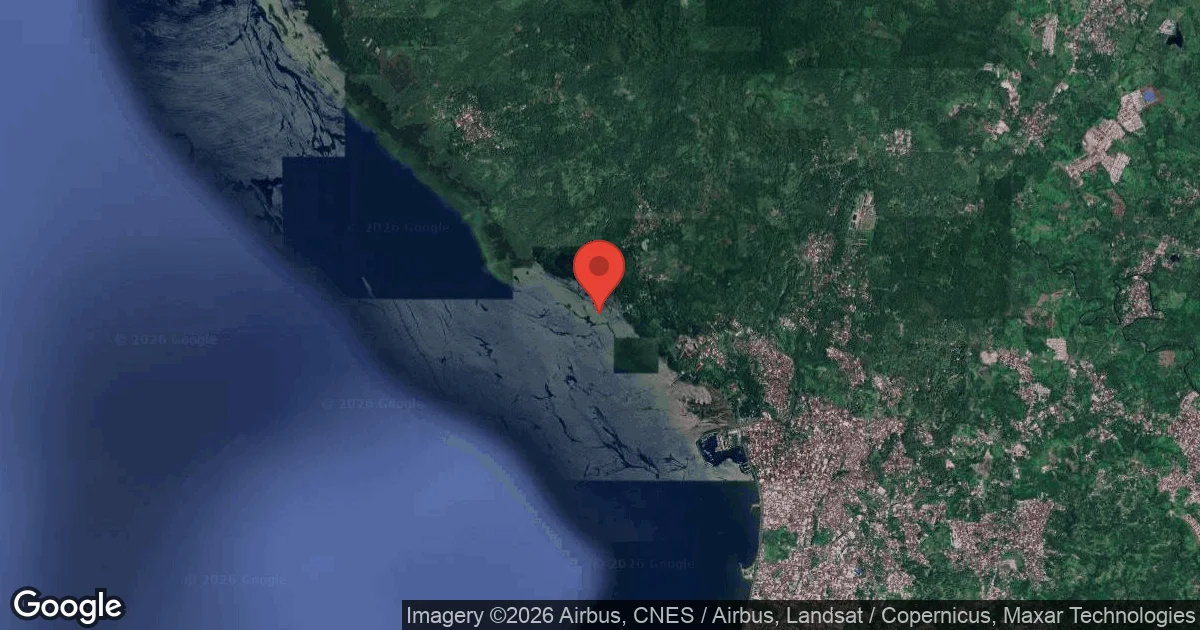
Dive Site Location & Key Facts
Dive Site Overview
A steep wall defines the topography of Bunaken Timur, presenting divers with a dramatic vertical landscape. Descending along this impressive feature, you'll encounter vibrant reef life clinging to its surfaces.
Numerous small caves and cracks punctuate the wall, providing intricate habitats for various marine creatures and invertebrates. Divers typically explore a recreational depth range between 10 to 25 m (33 to 82 ft), though deeper sections are accessible with appropriate certifications. Situated within the prolific Coral Triangle, Bunaken Timur is part of the National Park.
Exploring the wall's contours reveals an abundance of beautiful corals and sponges, creating a richly textured environment. Below the surface, water clarity frequently exceeds 30 m (100 ft) on favorable days, allowing for excellent visibility.
While some sections present gentle conditions, currents can vary, and strong flows occasionally sweep along the wall, offering opportunities for exhilarating drift dives. This dynamic environment supports a diverse ecosystem, appealing for both wide-angle exploration and macro photography.
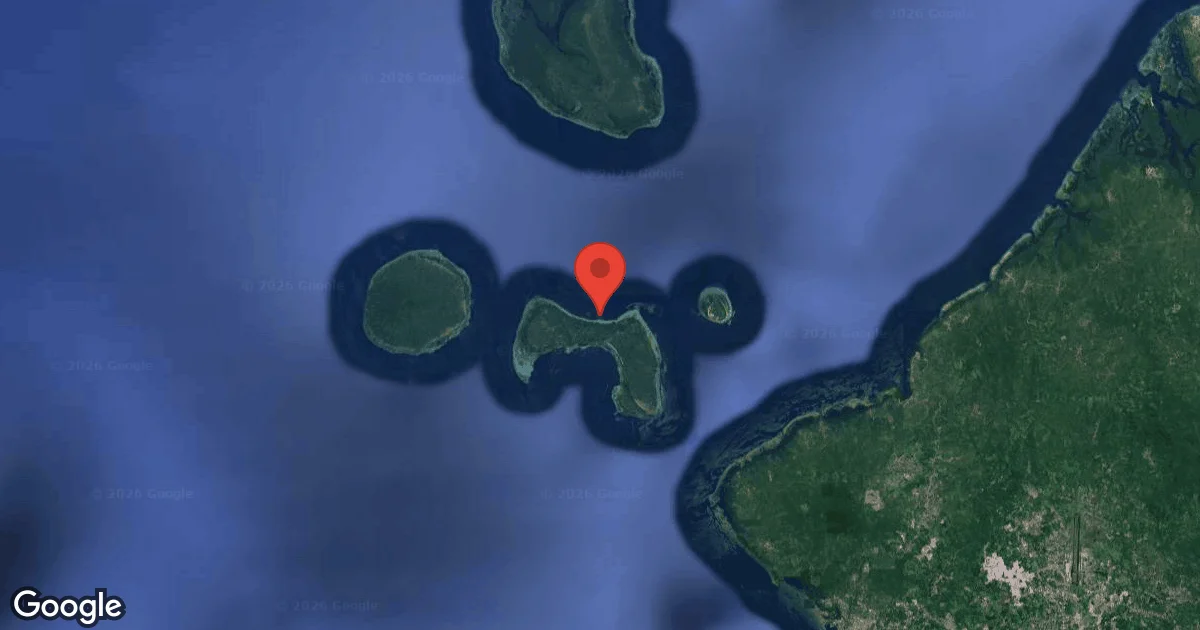
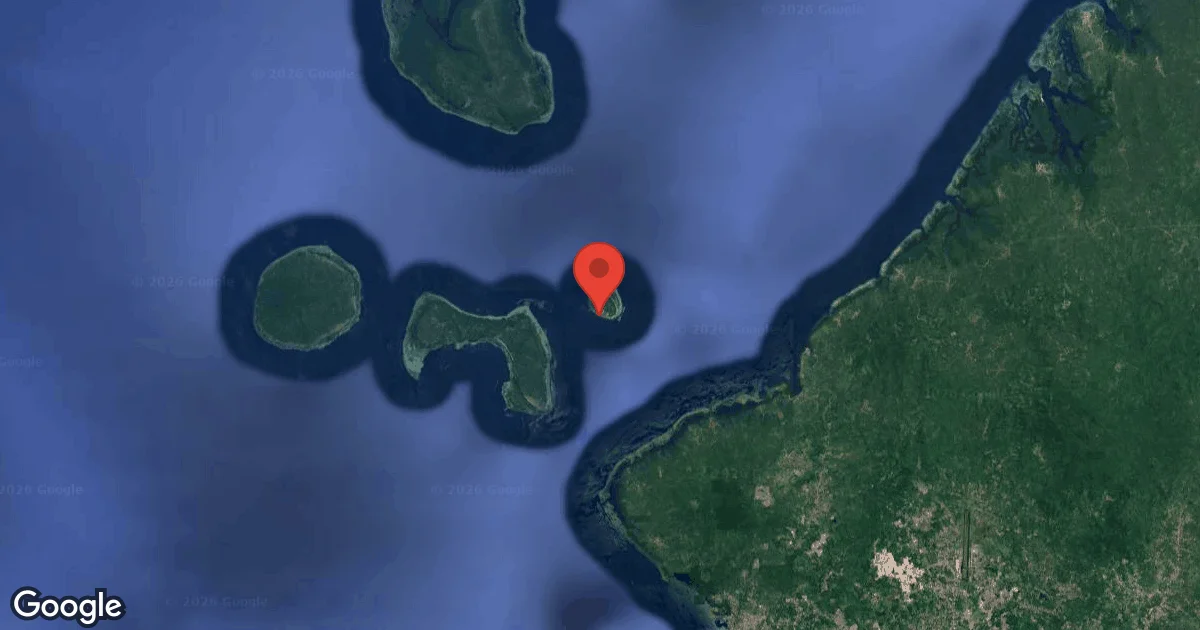
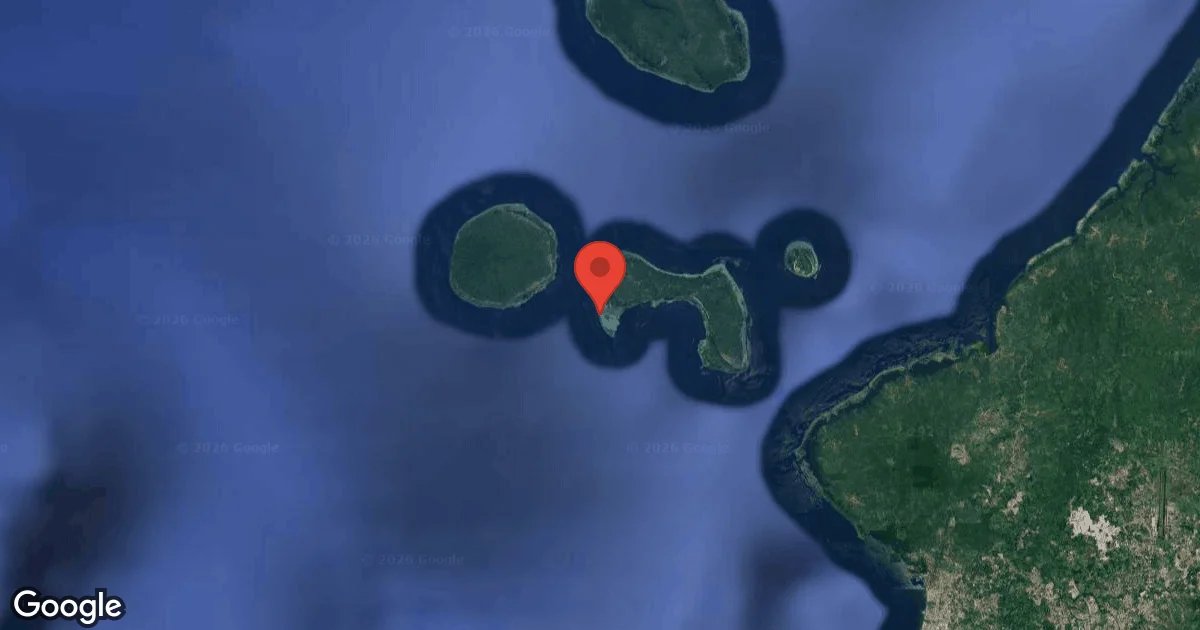
Accessing Bunaken Timur is usually done by boat from surrounding resorts in the Bunaken islands or Manado.
Conditions are Excellent
07:00 - 14:00
Optimal conditions expected
Current conditions near Timur show 25° air, 30° sea temperature, 0.2 m waves, and 14 km/h wind. Forecast data is refreshed regularly to ensure accuracy.
Best Time to Dive
Optimal visibility is a key factor when considering a dive at Bunaken Timur, and conditions here frequently allow for impressive underwater clarity. Diving is accessible year-round, yet certain periods offer statistically better conditions for an enhanced experience. From April through November, dive scores are consistently rated "Excellent," largely due to reduced wave heights averaging 0.1 to 0.3 m (0.3 to 1.0 ft) and lower rainfall, typically ranging from 4 to 10 mm. This period corresponds with calmer seas and less runoff, contributing to exceptional underwater views, often exceeding 30 m (100 ft). Air temperatures remain warm throughout the year, hovering around 26.5-27.5°C (80-82°F) across all months. While water temperature isn't consistently reported, it generally stays warm in this tropical region, comfortable for most divers. December to March, while still rated "Good" for diving, sees slightly increased average wave heights up to 0.5 m (1.6 ft) and higher rainfall between 10 to 12.5 mm. Despite this, diving remains feasible, but visibility might vary compared to the drier season. Planning your trip during the April-November window generally maximizes your chances for the clearest water and smoothest boat rides.
PEAK SEASON SCORE
Scores combine air & water temps, waves, wind & rainfall for overall conditions.
BEST MONTHS TO DIVE
Monthly records compiled from satellite and marine observation nodes over the last 3 years. Data provided by Open-Meteo and MET Norway.
Dive Experience & Conditions
Descending into Bunaken Timur, divers are immediately enveloped by the vastness of its vertical reef system. An expansive visibility often marks the initial sensory experience, where deep blue water extends, revealing an intricate tapestry of corals and sponges below. Exploring the steep wall involves a continuous visual feast; sunlight filters down, illuminating vibrant soft corals in shallower sections. Deeper along the wall, the atmosphere becomes more subdued, often revealing resting reef sharks or cruising turtles. Currents present a dynamic element, varying from gentle drifts to swift flows that can propel divers along the wall, transforming the dive into a thrilling drift experience. This constant movement influences marine life behavior, often bringing larger pelagics into view. Peering into the numerous cracks and small caves dotting the wall, a world of macro life unfolds. Waters are consistently warm, characteristic of the equatorial Coral Triangle, though specific temperatures are not consistently reported. Catering to advanced divers, especially when currents are stronger, its diverse terrain also welcomes those comfortable with wall diving.
Dive Difficulty & Safety Guidelines
Navigating potential currents is a primary consideration when diving Bunaken Timur, as conditions can range from mild to strong, especially along the vertical wall. Divers should always consult with local guides regarding predicted current strength and direction for the day's dive. Stronger currents facilitate drift dives but require careful buoyancy control and an understanding of appropriate entry and exit strategies.
Always carry an audible signaling device and a surface marker buoy (SMB) for safety, particularly when drifting. The dive site is located within Bunaken National Park, emphasizing adherence to marine park regulations.
These guidelines are crucial for protecting the delicate coral ecosystems and marine inhabitants. Avoid touching corals or disturbing marine life; responsible diving practices help preserve the site for future exploration.
Maintaining proper depth and bottom time limits is also essential, given the site's maximum recreational depth of around 25 m (82 ft). Deeper sections of the wall should only be explored by divers certified for such profiles.
Recommended Equipment
- Dive Computer
This gear list is based on verified equipment signals for Timur, Indonesia. Always confirm final gear choices with your dive operator, guide, or liveaboard.
Recommended Dive Suit
Thermal protection such as dive skin or rash guard is commonly used for water temperatures in this range.
Divers entering the water at Timur today can expect temperatures near 30°C (85°F) beneath the surface. Surface air temperatures are resting at 25°C (78°F).
Environmental models indicate a modest warming trend ahead. A warming trend is expected over the next few days.
Due to technical issues with our weather providers, data hasn't been fetched for over 48 hours. The data above reflects the conditions at the time of the last successful fetch.
Emergency & Medical Support
Essential information to help you plan your dive trip to Timur.

Hyperbaric chambers are a critical part of dive safety infrastructure. Availability varies significantly by region, and not all dive areas have immediate access.
Before diving, it's recommended to:
- confirm nearest medical facilities
- check emergency procedures with local dive operators
- ensure dive insurance covers evacuation if required
Divers Alert Network
Diving emergency assistance available through DAN World.
+1-919-684-9111- 24/7 emergency hotline
- Diving medical assistance
- Evacuation coordination
Emergency contacts are provided for reference. Always verify local emergency services before diving.
Marine Life at Timur
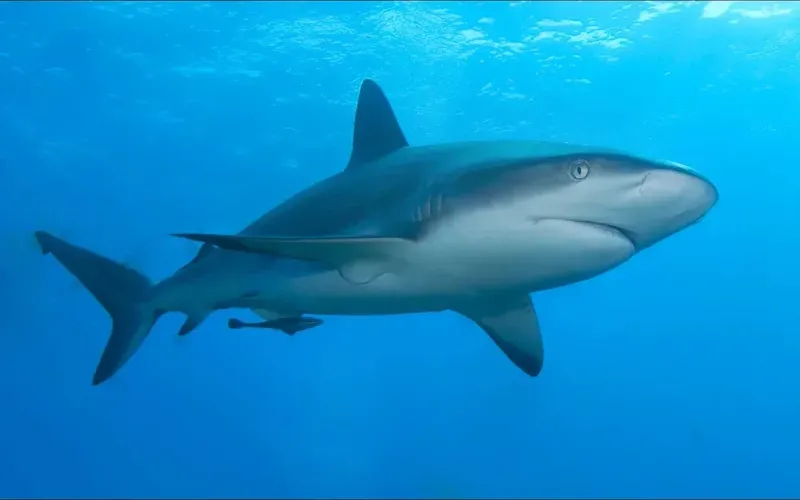
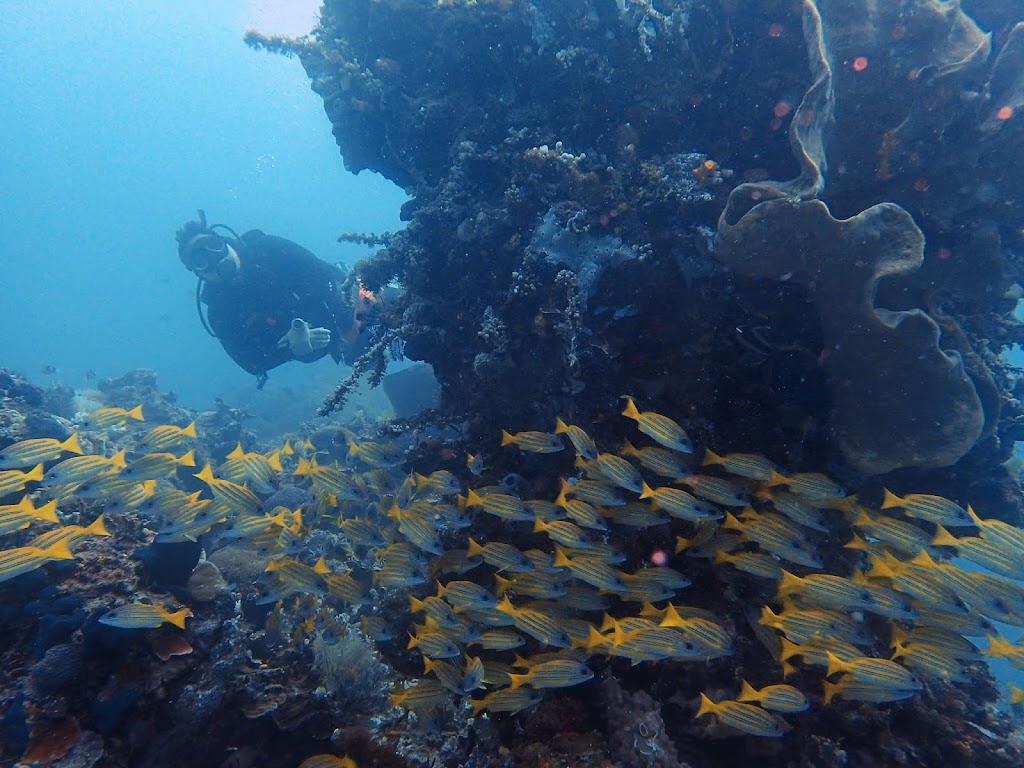
Marine life patterns at Bunaken Timur are diverse, reflecting its position within the Coral Triangle. Around the steep wall, divers often encounter various reef sharks, including whitetip and blacktip reef sharks, especially in deeper areas.
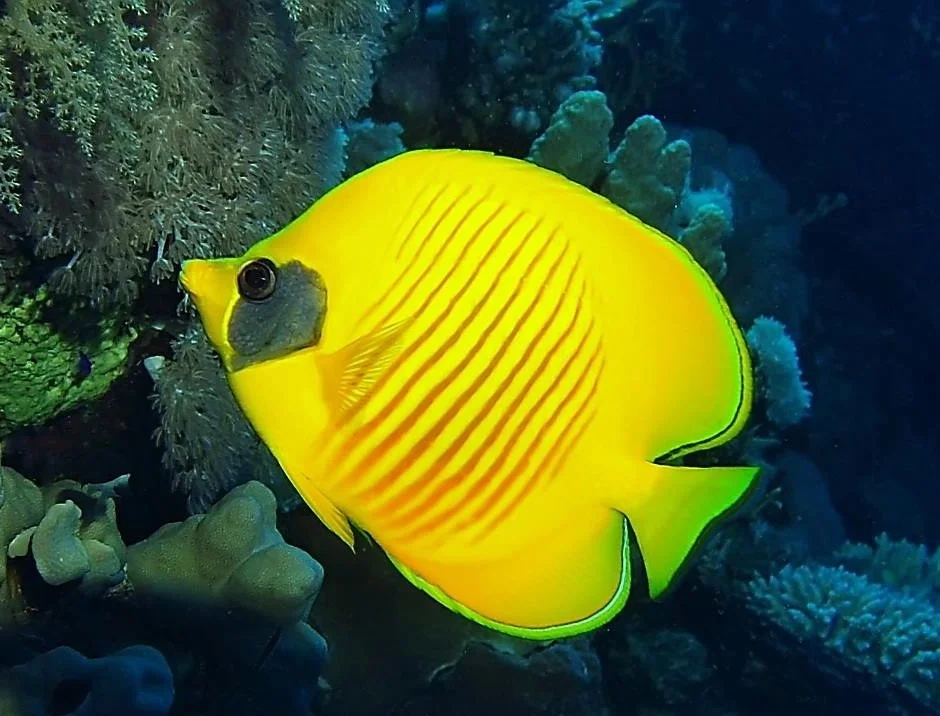
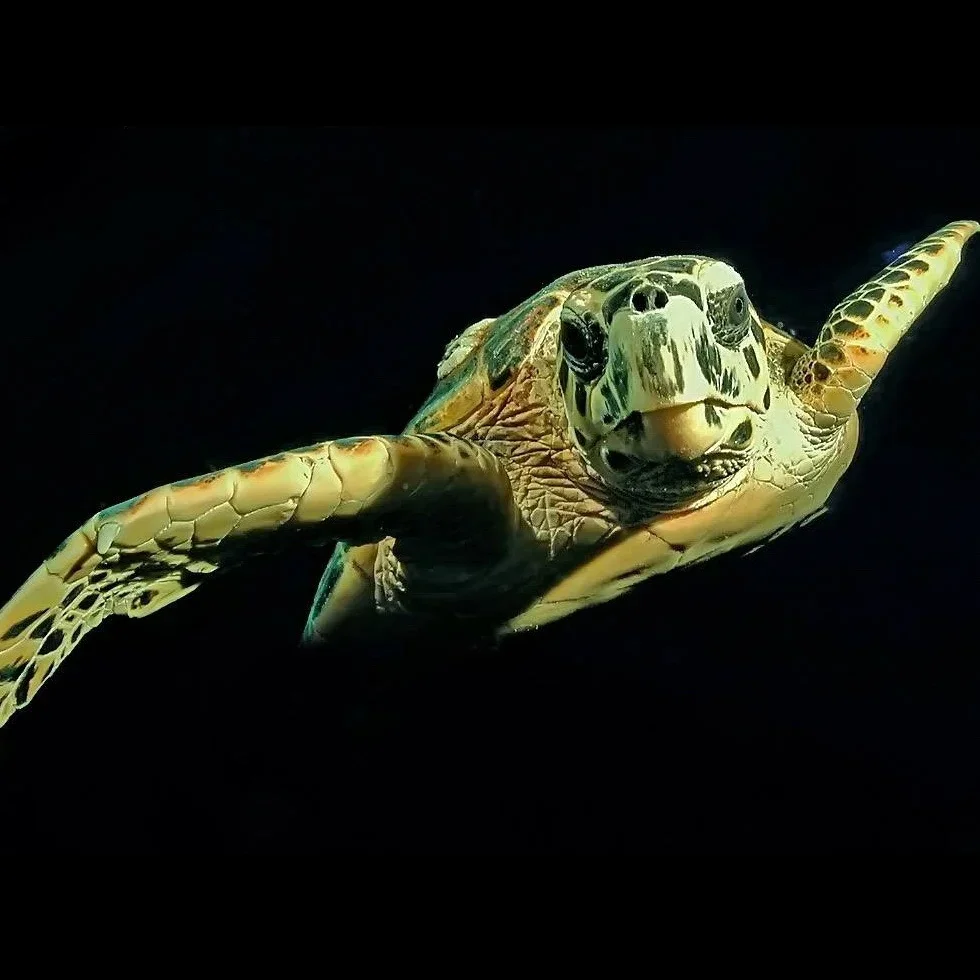
Green and hawksbill turtles are frequent residents, observed gracefully navigating the coral-laden slopes. The vibrant reef structure supports schools of butterflyfish, parrotfish, and surgeonfish, constantly foraging on the corals.
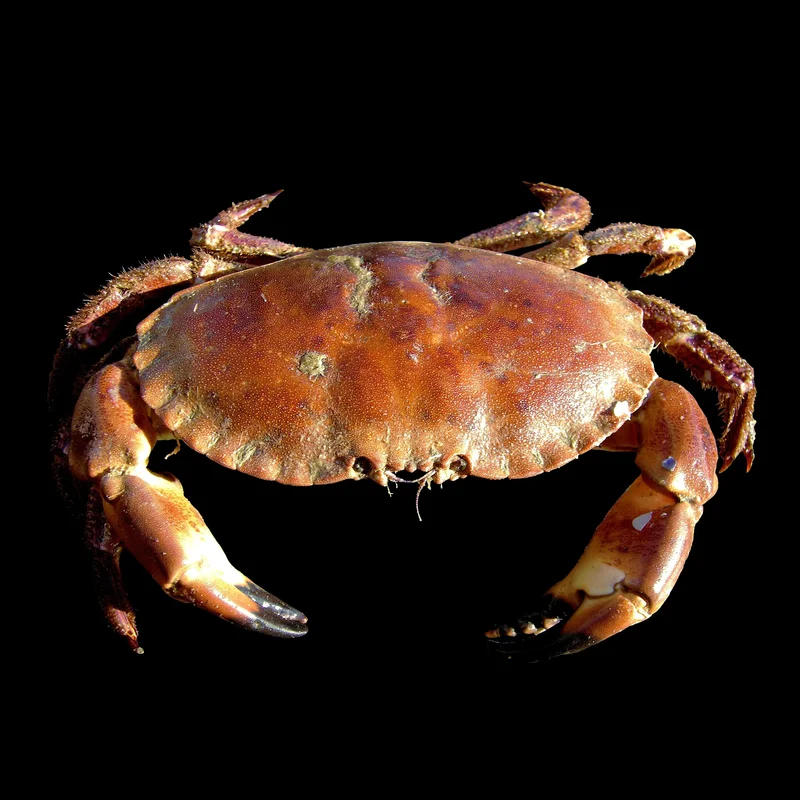
Peering into the numerous cracks and small caves often reveals a treasure trove for macro enthusiasts. Here, photographers can find intricate invertebrates, nudibranchs, shrimps, and crabs. Keep an eye out for pygmy seahorses, though they require a keen eye to spot.
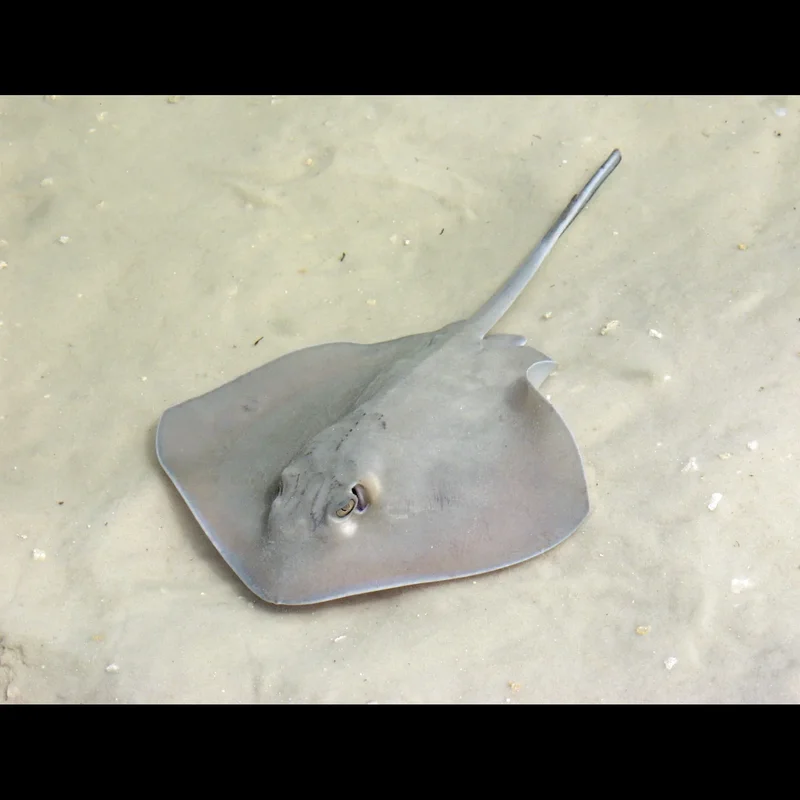
Occasional sightings of eagle rays, stingrays, and even Napoleon fish add to the site's rich biodiversity.
Dive Sites Near Timur
View all dive sites in IndonesiaDiscover more underwater gems in this area.
Dive Centers Near Timur
Today: 07:00 - 22:00
Nearest Airports
Nearest airports to help plan travel to this dive area.
Search Flights
Check available flights and routes on Expedia, using the nearby airports listed in this section.
Search Flights on ExpediaFrequently Asked Questions
Is Bunaken Timur suitable for beginner divers?
While the site is beautiful, its steep wall profile and potential for strong currents make it generally more suitable for advanced divers. Beginners might find the conditions challenging, particularly during periods of higher current flow.
What is the typical visibility like at Bunaken Timur?
Visibility at Bunaken Timur is frequently excellent, often exceeding 30 m (100 ft). Conditions are usually clearest during the dry season, from April to November.
Are there strong currents at Bunaken Timur?
Current conditions at Bunaken Timur can vary significantly; some days are calm, while others feature strong currents. These stronger currents can make for exciting drift dives, but require good buoyancy control.
What types of marine life can I expect to see?
You can expect a rich variety of marine life, from resident green and hawksbill turtles to whitetip and blacktip reef sharks. The site is also excellent for macro life, including nudibranchs, shrimps, and pygmy seahorses in the wall's crevices.
What's the best time of year to dive Bunaken Timur?
Diving is possible year-round, but the period from April to November typically offers the best conditions. During these months, wave heights are lower, rainfall is minimal, and underwater visibility is generally at its peak.
Can I freedive or snorkel at Bunaken Timur?
Yes, Bunaken Timur is suitable for freediving and snorkeling, particularly in shallower, calmer sections. The vibrant coral life extends to shallower depths, making it enjoyable for surface-level exploration as well.
What is the average water temperature?
Specific water temperature data for Bunaken Timur isn't consistently reported, but being in the Coral Triangle, the waters are generally warm. Divers can expect comfortable conditions, usually not requiring thick wetsuits.
Planning to dive Timur?
Send one inquiry and receive offers directly from the best verified local dive operators.
Conditions are Excellent
07:00 - 14:00
Optimal conditions expected
Current conditions near Timur show 25° air, 30° sea temperature, 0.2 m waves, and 14 km/h wind. Forecast data is refreshed regularly to ensure accuracy.