
Diving at Mandolin (Indonesia)
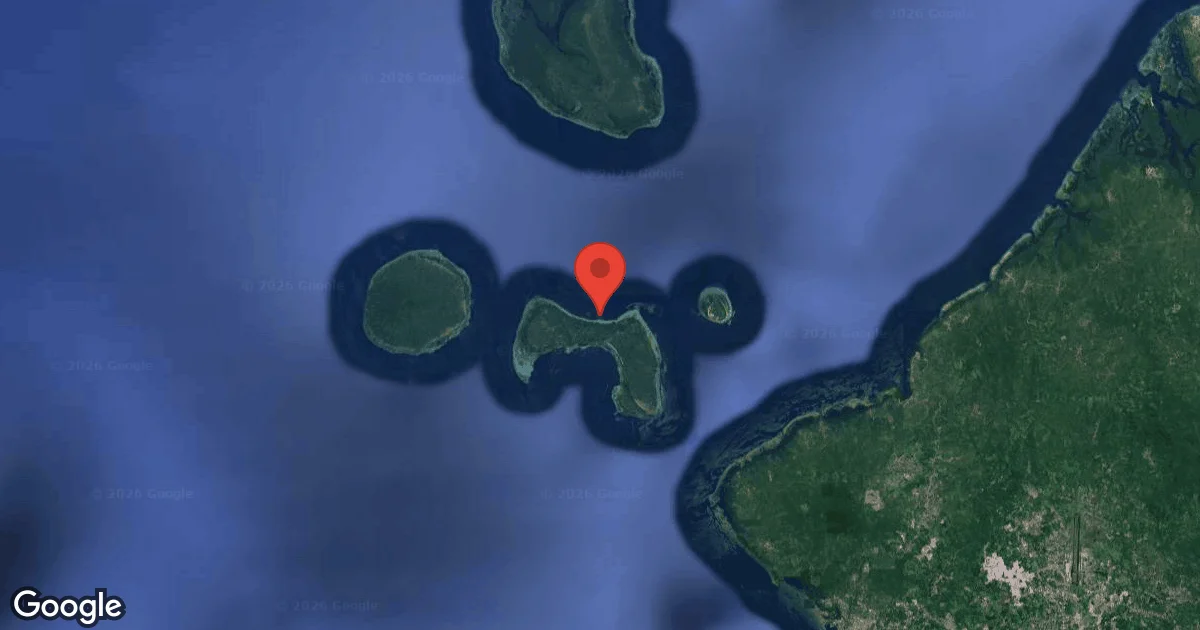
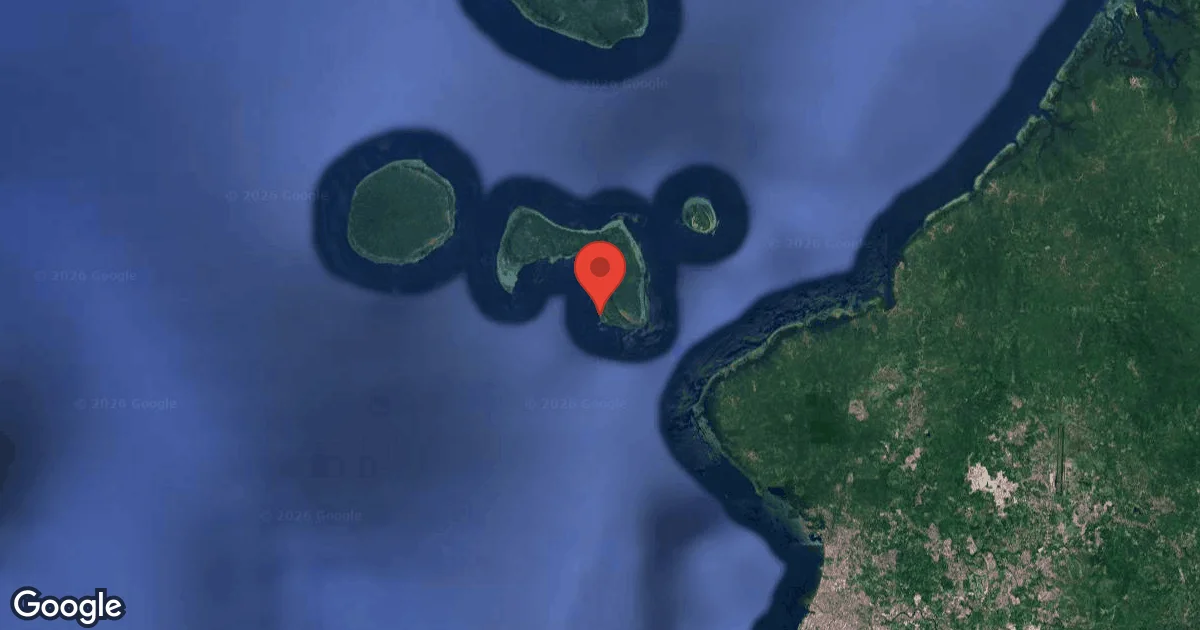
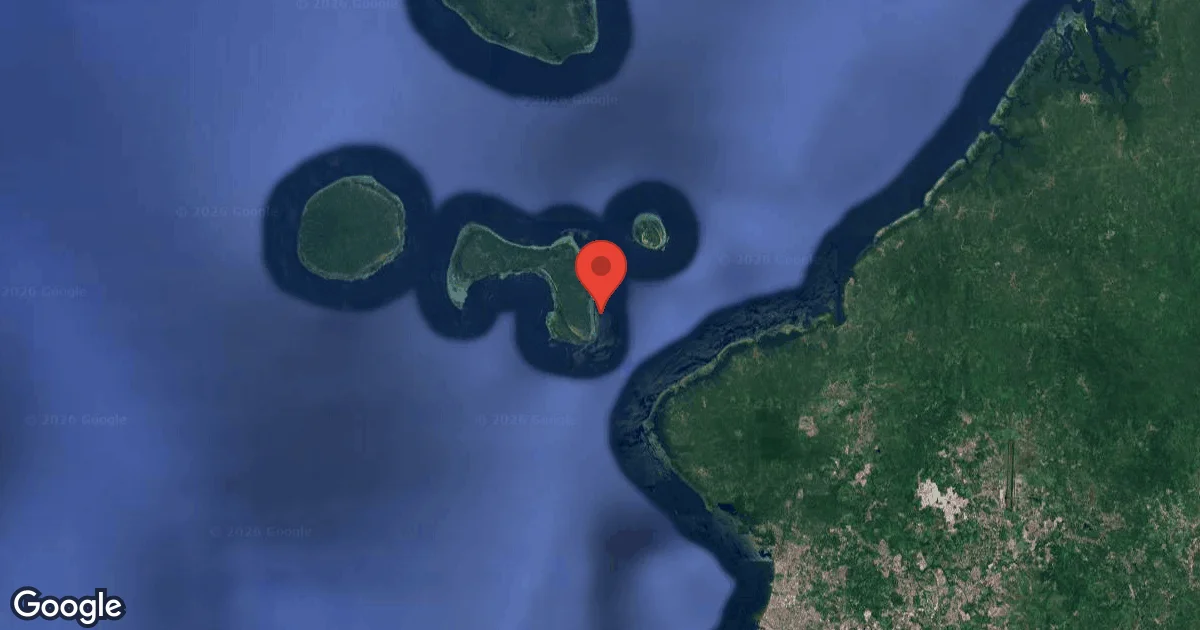
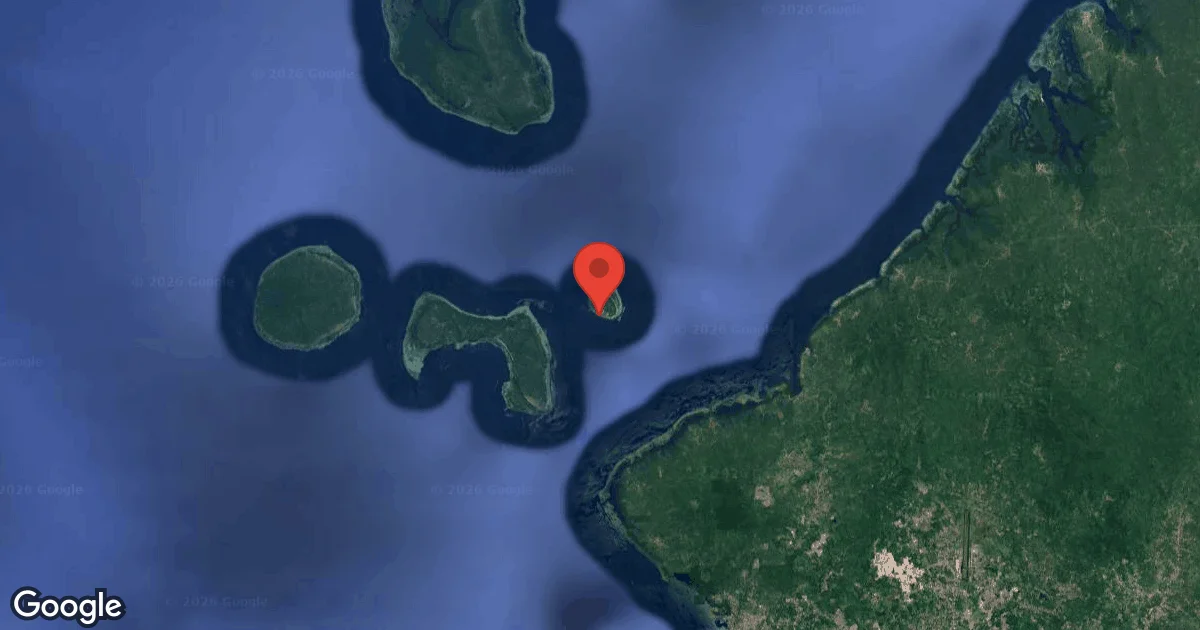
Mandolin, also known as Mandolin Point, offers divers a diverse underwater profile in the strait between Bunaken and Manado Tua. This site blends the dramatic features of vertical walls with extensive reef formations, characteristic of the Bunaken National Park. Divers can explore various depths within recreational limits, moving from vibrant shallower sections to more profound wall descents. It presents a dynamic environment suitable for different dive preferences.
As evening covers Mandolin, the local air temperature is measured at 34°C. The current wave height at the surface is recorded at 0.2 m. These late-day readings characterize the surface conditions for the night.
Dive Site Location & Key Facts
Dive Site Overview
Mandolin, often referred to as Mandolin Point, is situated within the strategic strait connecting Bunaken and Manado Tua, making it an accessible and significant dive locale. This site stands out for its varied topography, combining distinct wall sections with expansive hard coral slopes.
Like many spots in Bunaken National Park, you'll encounter vertical walls here, which often feature numerous cracks and crevices providing shelter for marine life. Beyond these dramatic drop-offs, Mandolin also boasts beautiful hard coral gardens on its shallower slopes. Diving here frequently involves drift conditions, allowing for effortless exploration along these diverse structures.
The environment supports incredible biodiversity and offers consistent visibility, contributing to an immersive experience. Whether you're a novice or an experienced diver, Mandolin's surrounding areas, including its house reef and sections of Bunaken Marine Park, cater to a range of skill levels.
Divers often find the combination of walls and reefs provides a comprehensive look at the region's underwater ecosystems.
Conditions are Excellent
07:00 - 14:00
Optimal conditions expected
Current conditions near Mandolin show 34° air, 30° sea temperature, 0.3 m waves, and 22 km/h wind. Forecast data is refreshed regularly to ensure accuracy.
Best Time to Dive
Water clarity at Mandolin is a consistent draw, with excellent visibility often prevailing year-round. While diving is favorable throughout the year, the months from April to November typically offer the most optimal conditions, marked by high dive scores. Air temperatures during these prime periods average around 28-28.5°C (82-83°F). Wave heights generally remain low, usually below 0.3 meters (1 foot), which further contributes to calm surface conditions and exceptional underwater viewing. Rainfall is also significantly reduced during this extended dry season, especially from July to October, averaging only 1.7 to 3.8 mm. This translates to less runoff and consequently enhanced underwater clarity. September and October are particularly noted as ideal for observing diverse marine life. Despite a slight increase in rainfall and wave activity from December to March, averaging 0.5-0.6 meters (1.6-2 feet) wave heights and air temperatures around 27.5-28°C (82°F), conditions remain good for diving.
PEAK SEASON SCORE
Scores combine air & water temps, waves, wind & rainfall for overall conditions.
BEST MONTHS TO DIVE
Monthly records compiled from satellite and marine observation nodes over the last 3 years. Data provided by Open-Meteo and MET Norway.
Dive Experience & Conditions
Descending into Mandolin offers an engaging sensory experience, encountering its varied underwater landscape. A strong sense of immersion comes from gliding along vertical walls, where currents often create relaxing drift dives. Divers effortlessly survey the wall's many cracks and overhangs as they move along. Transitioning to gentler slopes, vibrant hard coral gardens unfold, revealing intricate patterns and a tapestry of colors. Extensive visibility frequently provides clear views of distant topography and marine activity, enhancing the sense of discovery. While specific water temperatures aren't consistently reported, the region is known for warm, tropical waters, generally ensuring comfortable dive conditions. This allows for prolonged exploration of the coral reef and observing smaller creatures nestled within its structure. Dynamic interplay of current and diverse habitats makes each dive unique, presenting different encounters on every visit.
Dive Difficulty & Safety Guidelines
Being aware of currents is a primary consideration when diving Mandolin, particularly given its location in a strait and the prevalence of drift diving. Divers should always prioritize following their guide's instructions, as local expertise is crucial for navigating specific site conditions. Maintaining excellent buoyancy control is essential to prevent accidental contact with the delicate coral structures and other marine life.
Environmental responsibility is also paramount here. Avoiding any touching of corals or disturbing the ecosystem helps preserve the site's rich biodiversity.
Before entering the water, a thorough dive brief will cover local specifics, including entry and exit procedures and any temporary conditions. Utilizing reef-safe sunscreen is also a critical practice to protect the fragile marine environment. Adhering to these guidelines ensures a safe and sustainable dive.
Recommended Equipment
Current and surface separation risk. Local briefing strongly recommended.
- Dive Computer
- DSMB
- Reel / Spool
This gear list is based on verified equipment signals for Mandolin, Indonesia. Always confirm final gear choices with your dive operator, guide, or liveaboard.
Recommended Dive Suit
Surface temperatures may decrease slightly later in the week. Cooler days are ahead; you might want a warmer option for later in the week. A hood or vest can noticeably improve warmth during longer dives.
Divers who prefer a balanced level of warmth often select dive skin or rash guard in water temperatures like this. A hood or vest is suggested for sensitive divers due to surface winds.
Recent environmental data from Mandolin indicates water temperatures near 30°C (85°F). Surface air temperatures are resting at 34°C (93°F).
Emergency & Medical Support
Essential information to help you plan your dive trip to Mandolin.

Hyperbaric chambers are a critical part of dive safety infrastructure. Availability varies significantly by region, and not all dive areas have immediate access.
Before diving, it's recommended to:
- confirm nearest medical facilities
- check emergency procedures with local dive operators
- ensure dive insurance covers evacuation if required
Divers Alert Network
Diving emergency assistance available through DAN World.
+1-919-684-9111- 24/7 emergency hotline
- Diving medical assistance
- Evacuation coordination
Emergency contacts are provided for reference. Always verify local emergency services before diving.
Marine Life at Mandolin
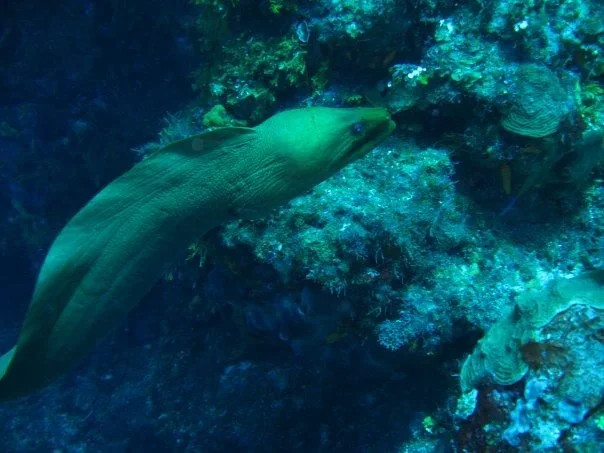
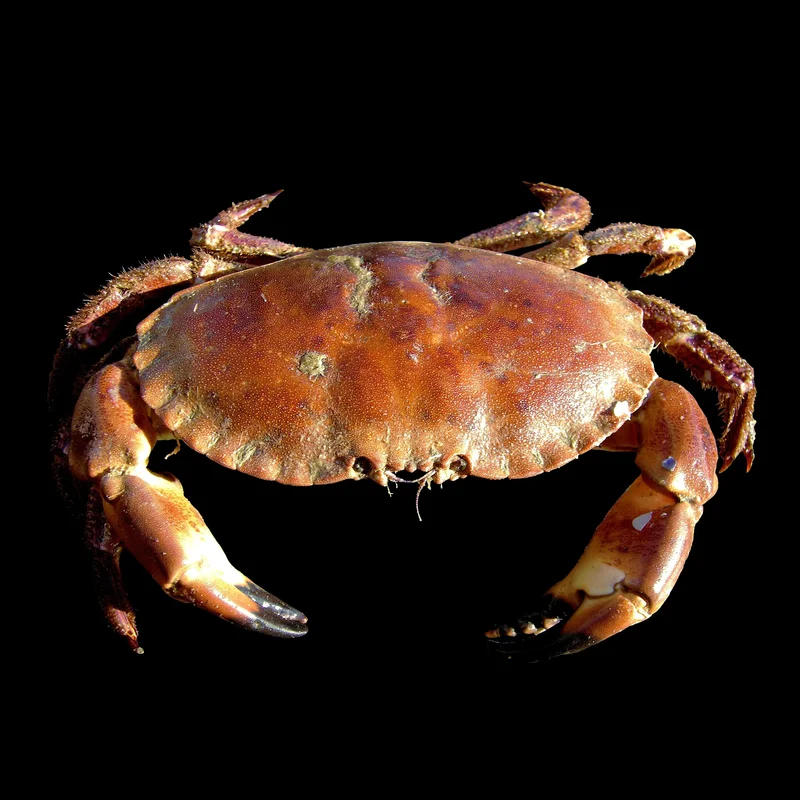
Mandolin’s marine environment is home to diverse life, offering a range of encounters from the macro to the pelagic. Divers frequently spot Moray Eels peeking from crevices within the walls and various Crabs scuttling across the reef.
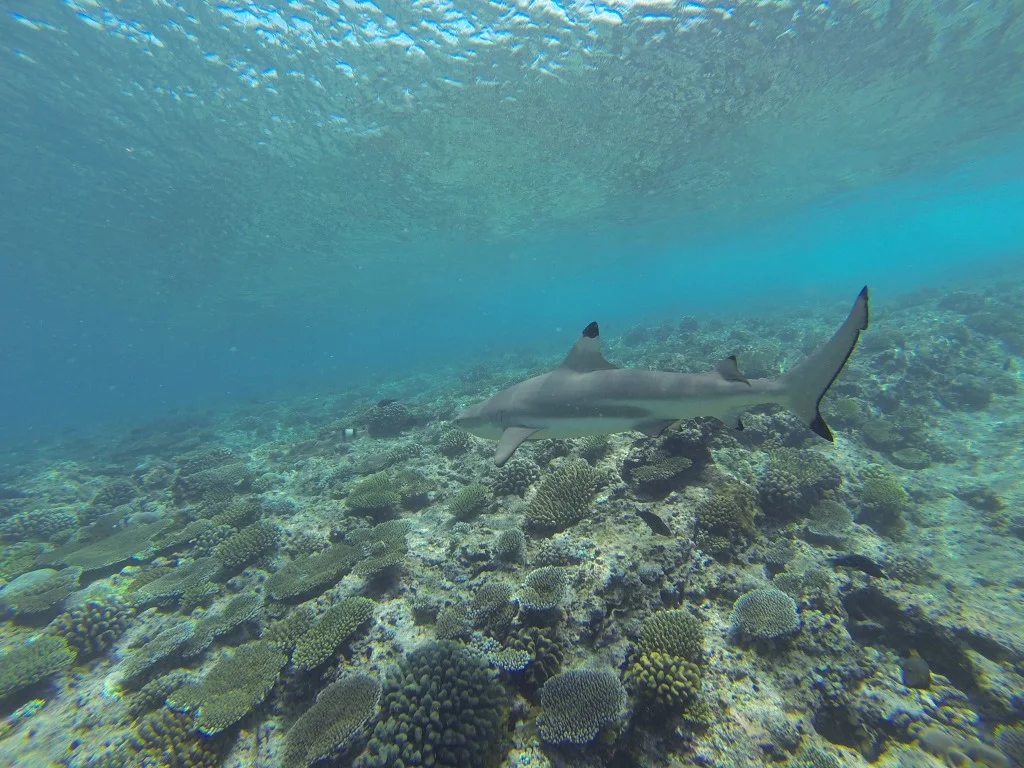
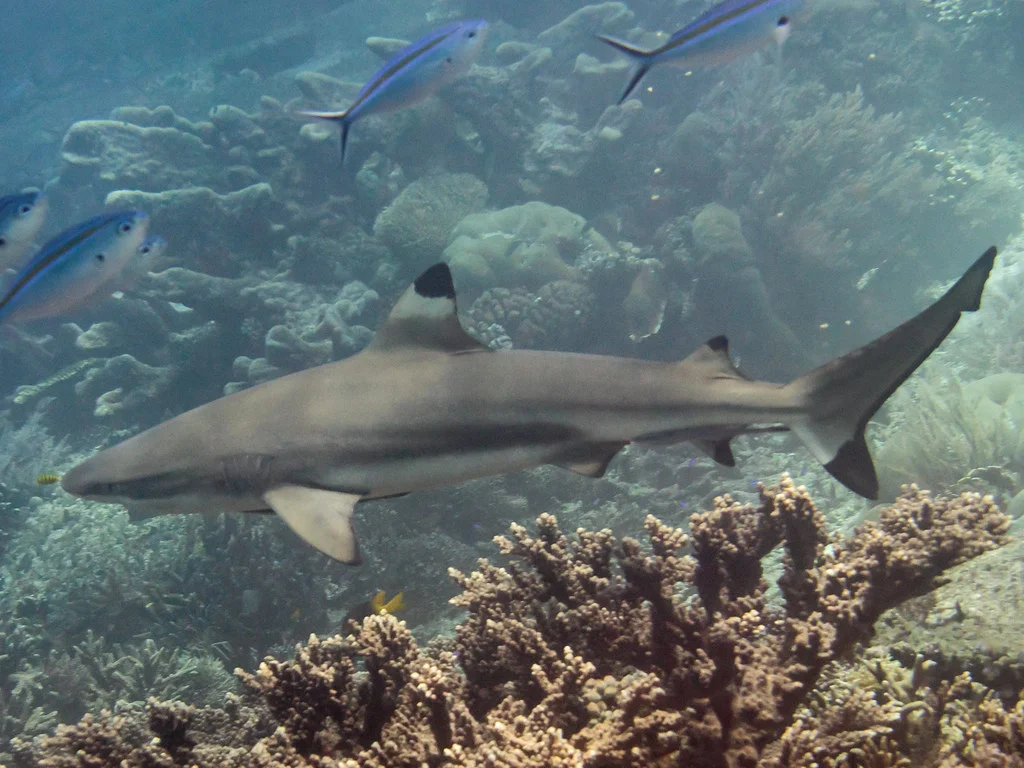
Larger species such as Blacktip reef sharks patrol the area, adding an exciting dimension to the dive. Occasional sightings of Tuna are also reported in the deeper sections.
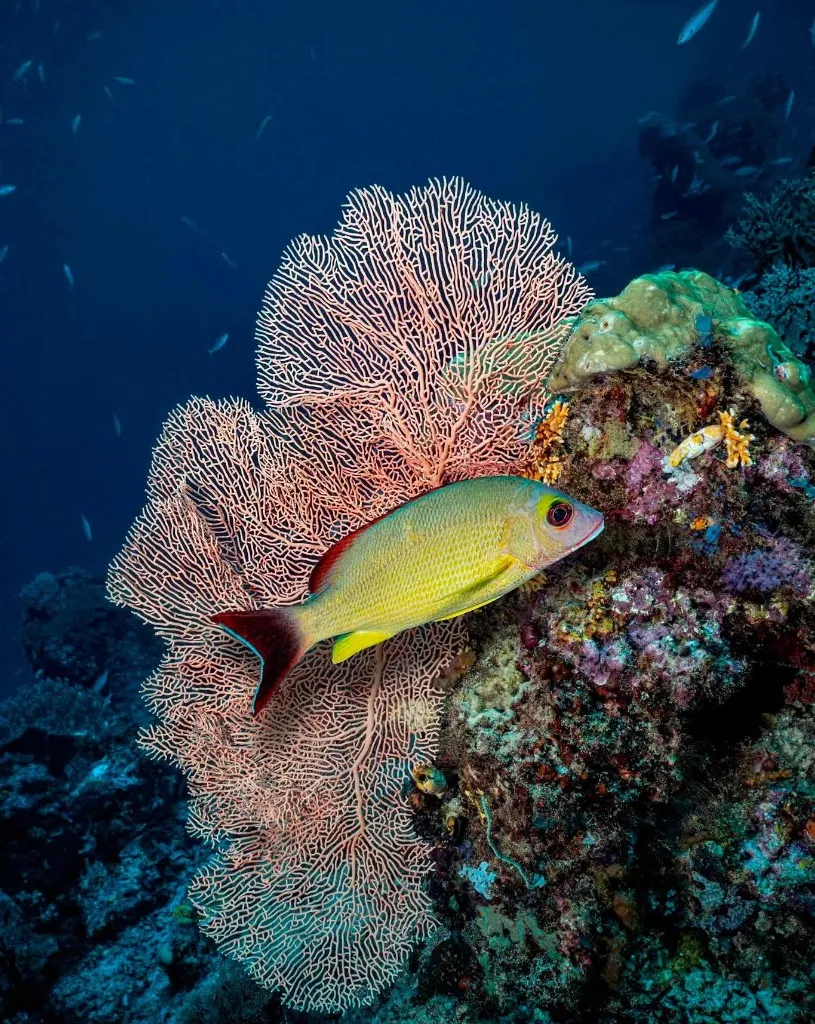
Additionally, the vibrant reef systems support numerous smaller creatures, including a rich variety of nudibranchs and impressive turtle sightings, particularly within the broader Bunaken Marine Park.
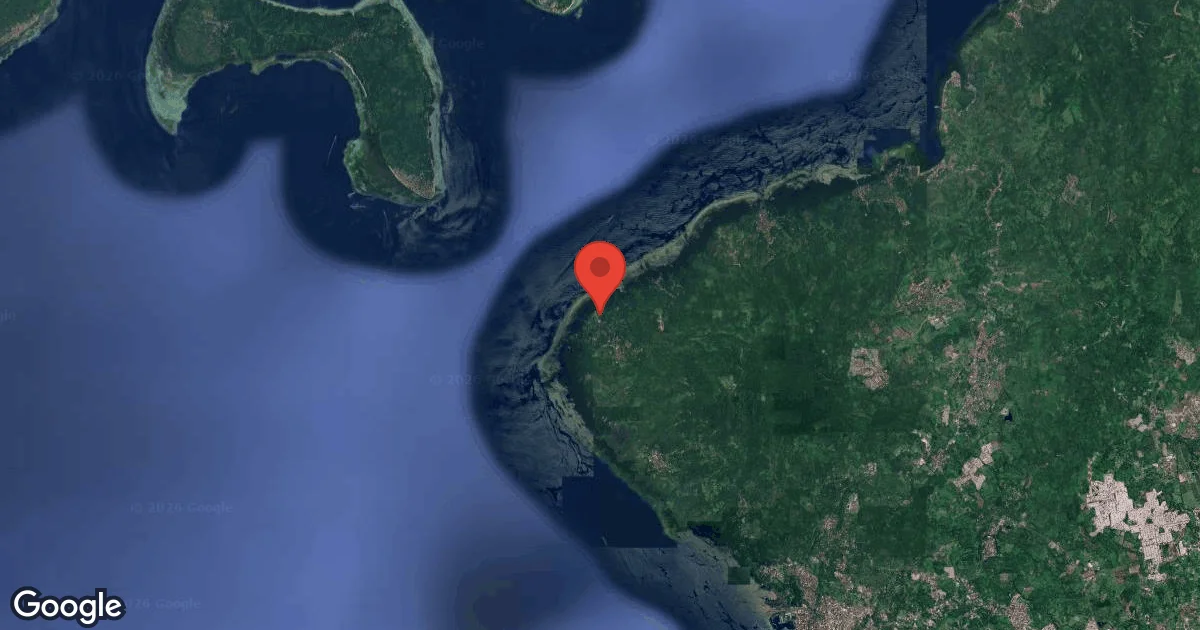
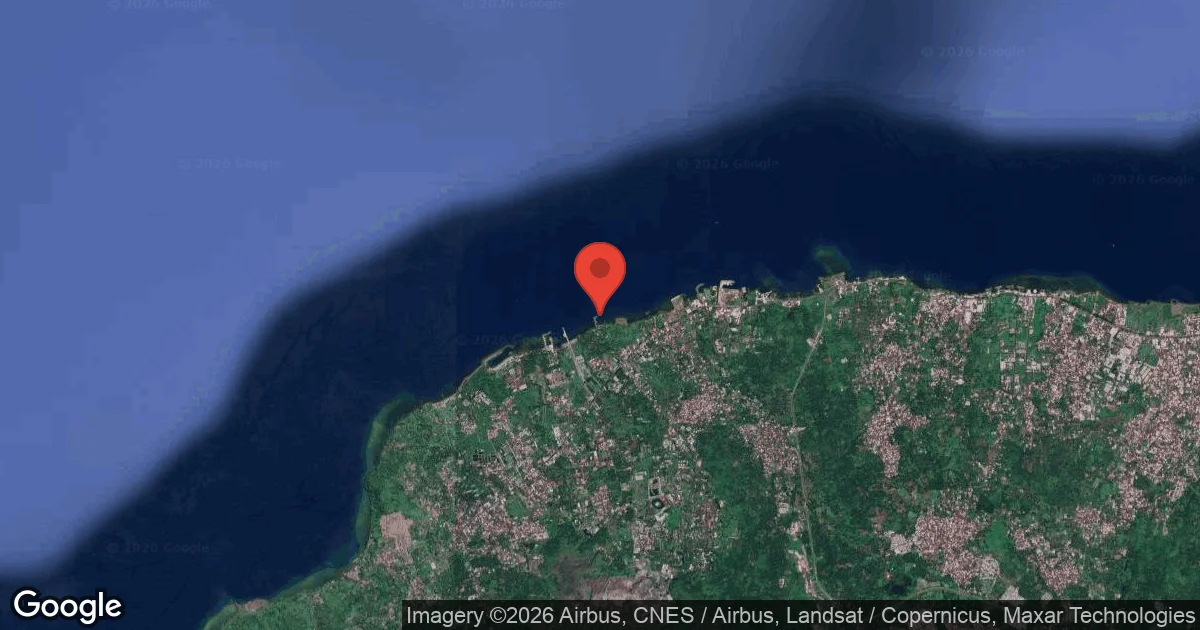
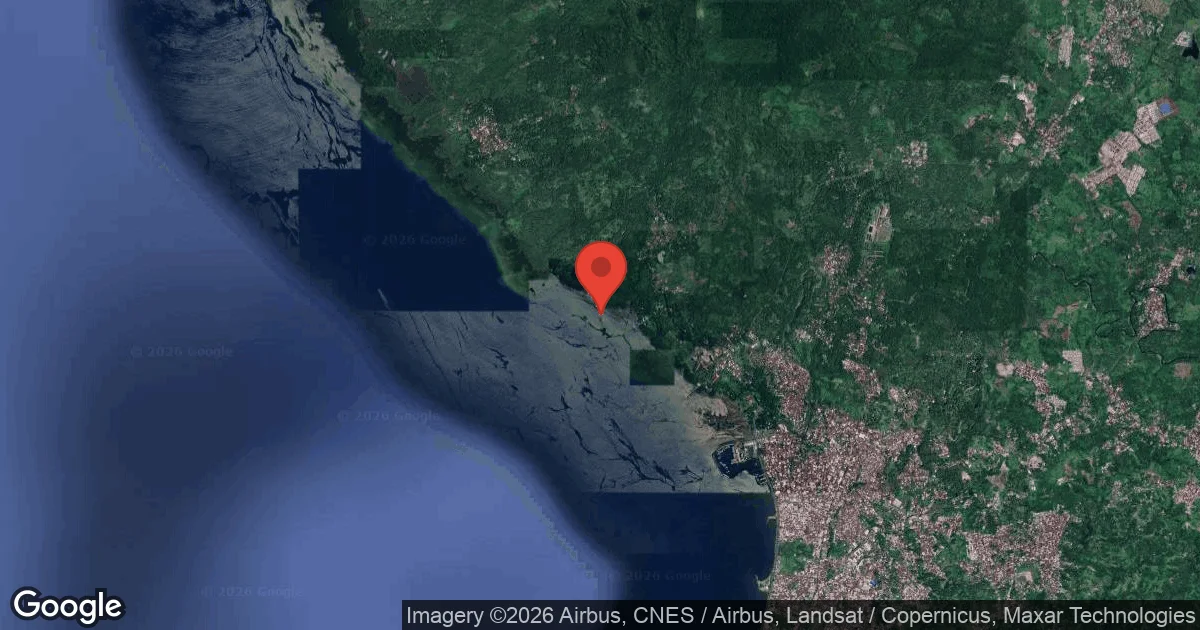
Dive Sites Near Mandolin
View all dive sites in IndonesiaDiscover more underwater gems in this area.
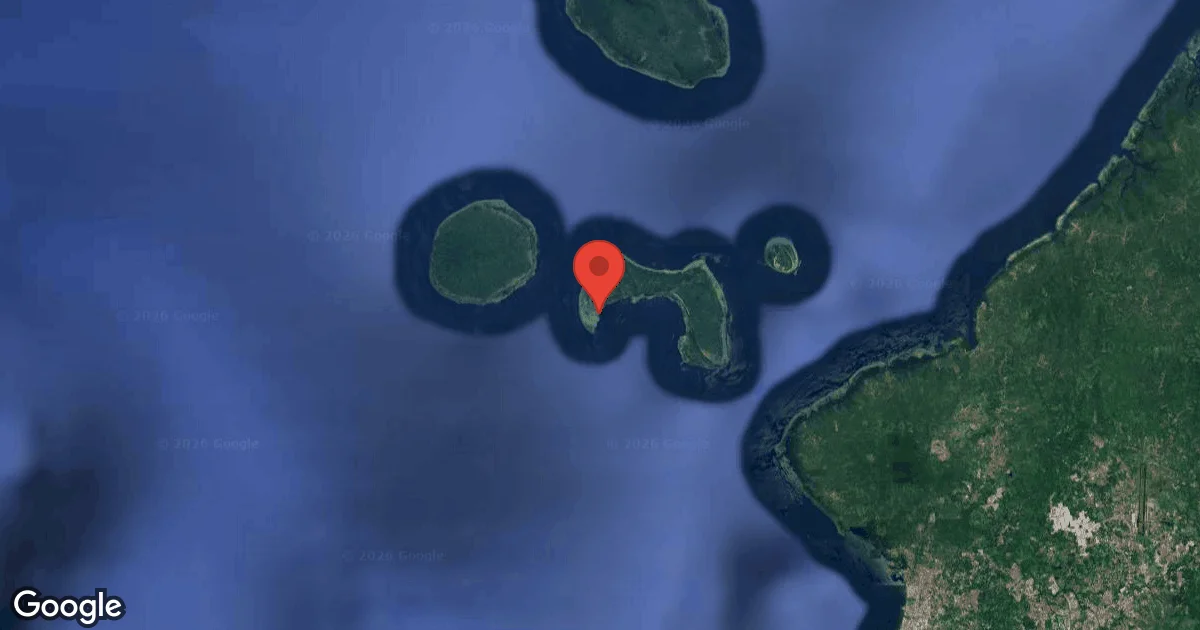
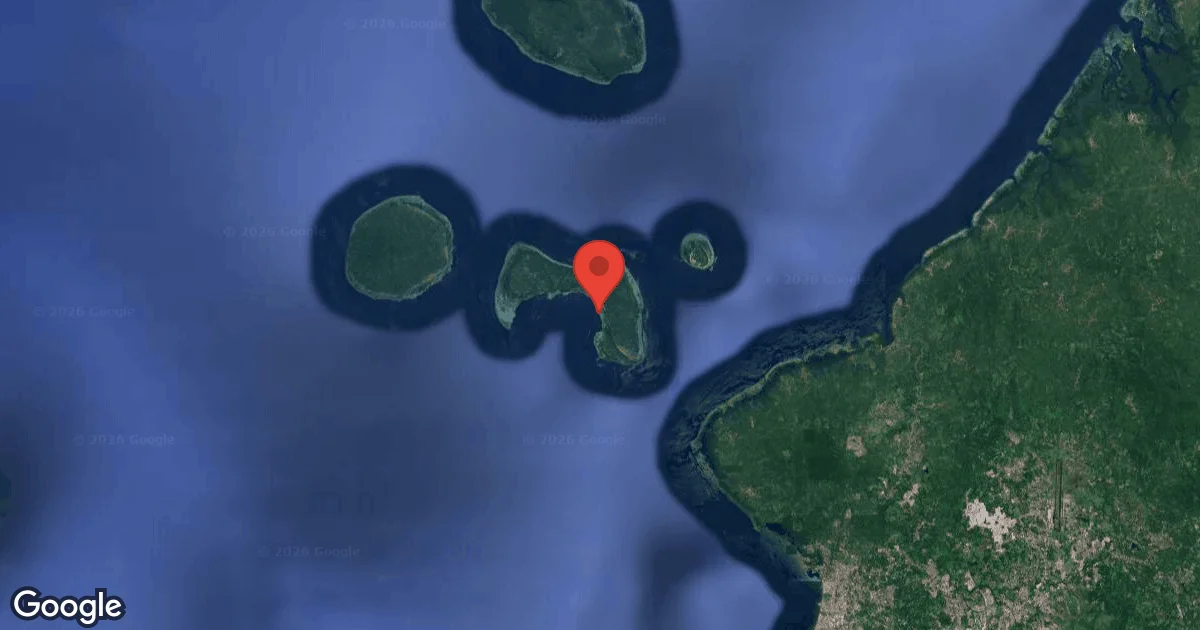
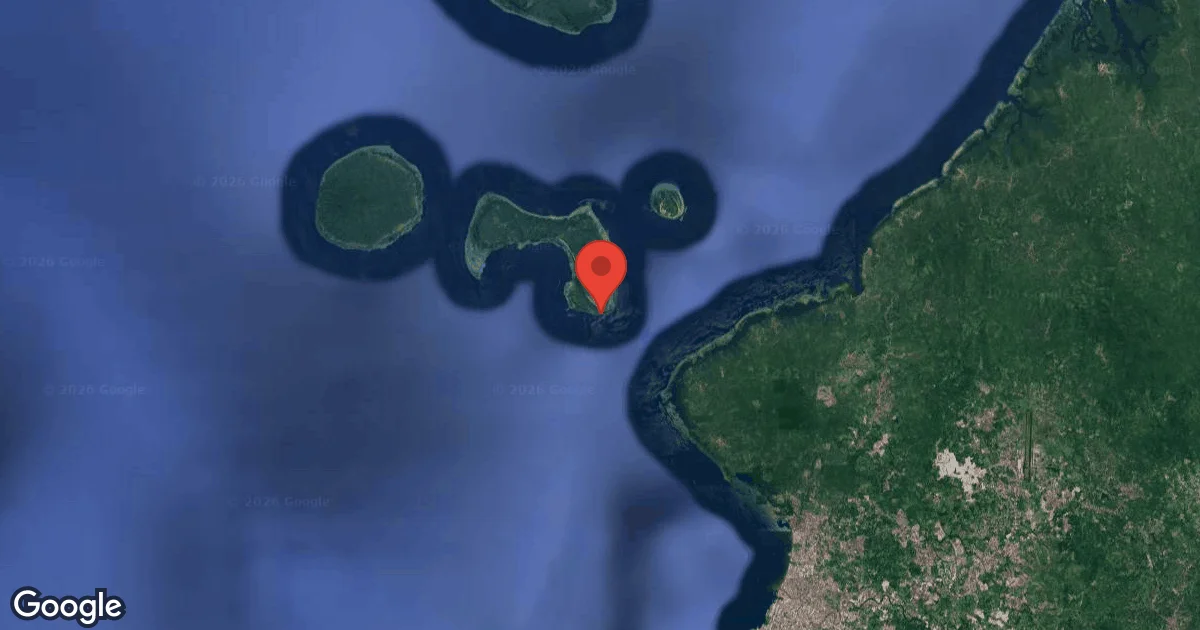
Dive Centers Near Mandolin
Today: 07:00 - 22:00
Nearest Airports
Nearest airports to help plan travel to this dive area.
Search Flights
Check available flights and routes on Expedia, using the nearby airports listed in this section.
Search Flights on ExpediaFrequently Asked Questions
Is Mandolin Reef suitable for beginner divers?
Yes, Mandolin Reef and its surrounding dive sites are suitable for beginners. Dive centers in the area offer various courses and guided dives, especially around the house reef and certain parts of Bunaken Marine Park. This provides a safe and engaging introduction to the underwater world.
What are the best dive sites near Mandolin Reef?
Bunaken Marine Park includes major highlights such as 'Lekuan' and 'Fukui'. A resort's house reef provides excellent opportunities for both diving and snorkeling directly from shore. These locations collectively offer diverse topography and abundant marine life.
How do I get to Mandolin Reef?
Mandolin Reef is typically accessed through Manado, Indonesia. Travelers usually fly into Sam Ratulangi International Airport (MDC) in Manado. From there, you'll arrange a transfer with your resort to reach Mandolin Reef.
What's the best way to travel from Manado to the resort?
The most convenient and scenic method is often a private boat transfer arranged by the resort. This journey from Manado or a nearby port typically takes between 30 to 60 minutes. It ensures a smooth and hassle-free arrival directly to your accommodation.
Do I need to be a certified diver to snorkel?
No, snorkeling does not require any specific certification. It offers a fantastic opportunity for non-divers to explore the vibrant shallow reef areas. Many dive sites around Mandolin are also suitable for snorkelers, allowing everyone to enjoy the marine environment.
Are there any specific safety precautions for diving/snorkeling?
Always adhere to your guide's instructions, maintain good buoyancy control, and avoid touching corals to protect the ecosystem. Be aware of prevailing currents, particularly when drift diving. Using reef-safe sunscreen is also highly recommended to minimize environmental impact.
What kind of food is served at Mandolin Reef?
Resorts near Mandolin Reef often offer diverse international buffets for breakfast, lunch, and dinner. Menus typically change daily, providing a variety of delicious dishes. It's advisable to inform staff of any specific dietary restrictions in advance.
Planning to dive Mandolin?
Send one inquiry and receive offers directly from the best verified local dive operators.
Conditions are Excellent
07:00 - 14:00
Optimal conditions expected
Current conditions near Mandolin show 34° air, 30° sea temperature, 0.3 m waves, and 22 km/h wind. Forecast data is refreshed regularly to ensure accuracy.