
Diving at Molas Shipwreck (Indonesia)
The Molas Shipwreck, an intriguing deep dive off Manado, Sulawesi, Indonesia, presents a technical profile for certified divers. This Dutch cargo vessel, believed to be from WWII, rests on a sandy bottom. Its structures span a significant depth range; the prow begins its descent at 20 m (66 ft), while the deeper aft section, complete with intact propellers, extends to 40 m (131 ft). It's an accessible wreck for those holding appropriate certifications.
Tonight's objective overview for Molas Shipwreck shows an air temperature of 32°C. The measured surface conditions include wave heights around 0.3 m. This environmental data is logged for the close of the day.
Dive Site Location & Key Facts
Dive Site Overview
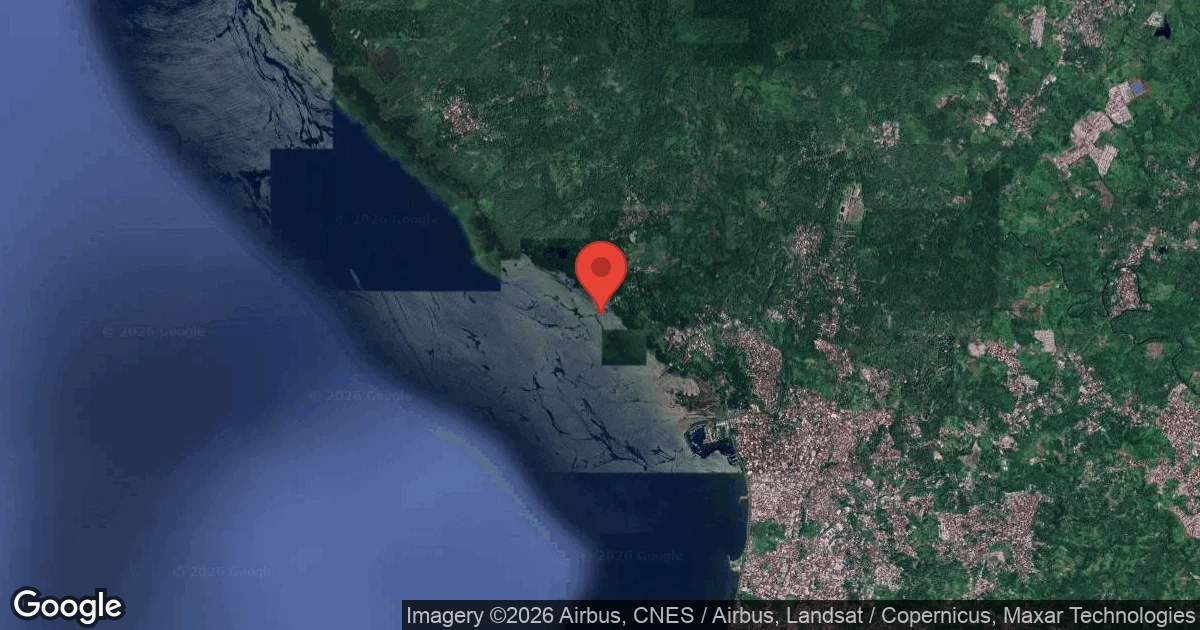
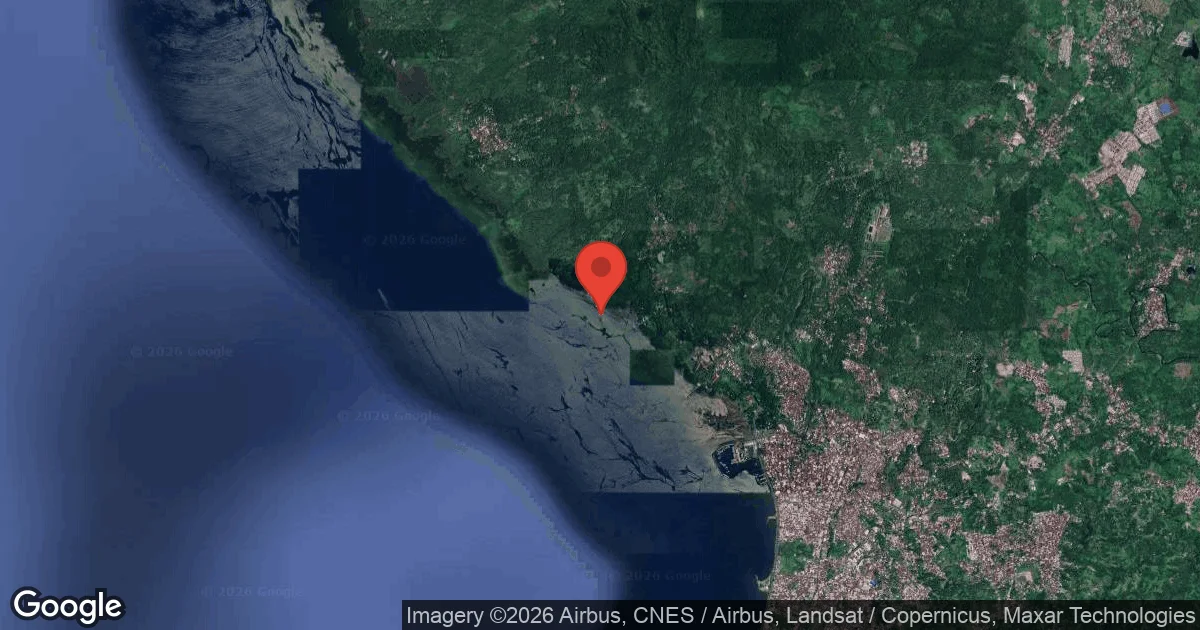
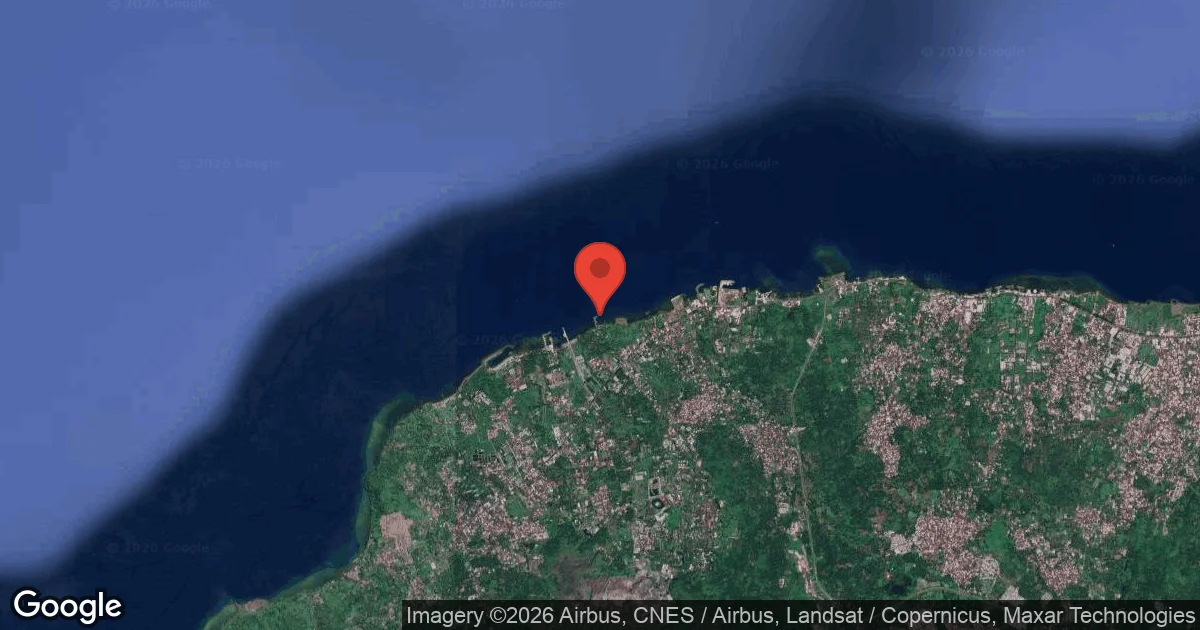
Lying between Bunaken Island and the bustling port of Manado, the Molas Shipwreck serves as a poignant historical marker and a flourishing artificial reef. This Dutch freighter, which sank during World War II, now presents a captivating structure on the seabed of the Celebes Sea.
The main wreck body descends into the sand at a maximum depth of 38 m (125 ft), with its most prominent superstructures rising to within 26 m (85 ft) of the surface. Over decades, the ship has transformed into a vibrant habitat, attracting diverse marine species to its corroded hull and sheltered compartments. Exploring its expanse reveals sections from bow to stern; divers can trace the contours of its past, from the intact propellers in the deeper aft to the more broken forward section.
The site’s clear visibility often enhances the detailed exploration, allowing for appreciation of both the wreck's scale and the marine life that has colonized it. This dive blends significant wreck exploration with active marine observation in a relatively sheltered environment, providing an engaging experience for certified divers.
Conditions are Excellent
07:00 - 14:00
Optimal conditions expected
Current conditions near Molas Shipwreck show 32° air, 29° sea temperature, 0.2 m waves, and 22 km/h wind. Forecast data is refreshed regularly to ensure accuracy.
Best Time to Dive
Diving at the Molas Shipwreck site is consistently favorable throughout the year, with optimal conditions prevailing across all months. Internal system data indicates an 'Excellent' dive score year-round. Air temperatures remain warm and comfortable, typically ranging between 26°C (79°F) and 27°C (81°F). Wave heights are generally minimal, averaging between 0.1 m (0.3 ft) and 0.4 m (1.3 ft), contributing to calm surface conditions ideal for boat entries and exits. While some rainfall occurs, it is generally moderate, averaging from 4.1 mm (0.16 in) to 9.7 mm (0.38 in) monthly, and rarely impacts underwater visibility or dive comfort significantly. These consistent conditions support reliable diving experiences, making Molas Shipwreck a year-round destination.
PEAK SEASON SCORE
Scores combine air & water temps, waves, wind & rainfall for overall conditions.
BEST MONTHS TO DIVE
Monthly records compiled from satellite and marine observation nodes over the last 3 years. Data provided by Open-Meteo and MET Norway.
Dive Experience & Conditions
Exploration of the Molas Shipwreck unfolds as a multi-level deep dive, catering to experienced divers comfortable with extended bottom times. The descent leads to the wreck's deepest sections around 38 m (125 ft), where the propeller remains clearly visible, hinting at the ship's past. Moving along the structure, divers encounter superstructures that culminate at 26 m (85 ft) below the surface, offering ample areas for detailed inspection. While specific water temperature data isn't consistently reported for this exact site, tropical Indonesian waters are reliably warm, generally ranging between 27-30°C (81-86°F). Visibility at the Molas Shipwreck can vary, influenced by local currents and recent weather, but is often clear, allowing good views of the wreck's full scale and its inhabitants.
Dive Difficulty & Safety Guidelines
Given the Molas Shipwreck's depth profile, often descending to 38 m (125 ft), advanced or deep diver certification is highly recommended for safe and thorough exploration. Divers should plan their decompression limits carefully and carry adequate air supply, often utilizing nitrox to extend no-decompression limits where appropriate. Although not consistently strong, currents can be present in the Bunaken National Park area, including near wreck sites.
Maintaining proper buoyancy control is crucial to avoid disturbing the silty bottom or damaging the delicate marine growth on the wreck. It's always advisable to dive with a reputable local guide who understands the specific site conditions and can lead a safe dive plan.
Recommended Equipment
Overhead / entanglement risk. Wreck penetration requires proper training.
- Dive Computer
- Primary & Backup Lights
- Wreck Reel
- Cutting Tool
This gear list is based on verified equipment signals for Molas Shipwreck, Indonesia. Always confirm final gear choices with your dive operator, guide, or liveaboard.
Recommended Dive Suit
Individual comfort in the water can vary significantly from diver to diver, even under the same conditions.
For most recreational dives, dive skin or rash guard should provide comfortable protection. The coming days appear slightly cooler according to the latest forecast. Cooler days are ahead; you might want a warmer option for later in the week. Carrying a secondary suit is common practice among experienced divers.
Current temperature readings suggest that the water at Molas Shipwreck is around 29°C (85°F). Surface air temperatures are resting at 32°C (90°F).
Emergency & Medical Support
Essential information to help you plan your dive trip to Molas Shipwreck.

Hyperbaric chambers are a critical part of dive safety infrastructure. Availability varies significantly by region, and not all dive areas have immediate access.
Before diving, it's recommended to:
- confirm nearest medical facilities
- check emergency procedures with local dive operators
- ensure dive insurance covers evacuation if required
Divers Alert Network
Diving emergency assistance available through DAN World.
+1-919-684-9111- 24/7 emergency hotline
- Diving medical assistance
- Evacuation coordination
Emergency contacts are provided for reference. Always verify local emergency services before diving.
Marine Life at Molas Shipwreck
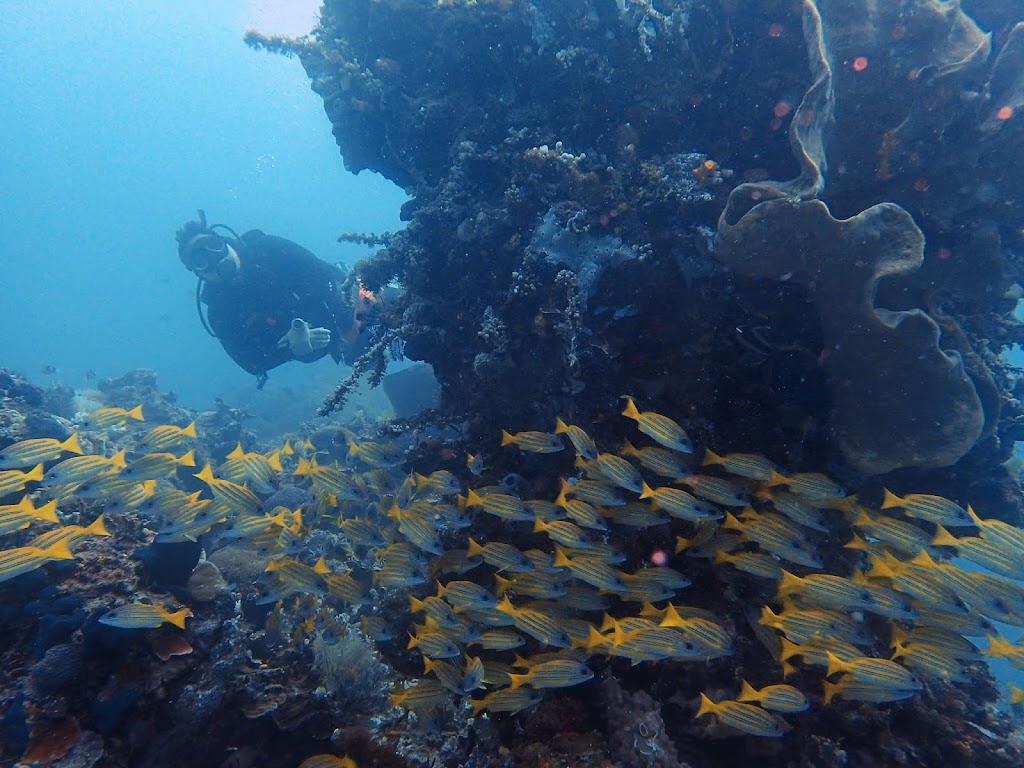
The wreck's structure hosts a rich diversity of marine organisms, inviting close observation. Nudibranchs frequently colonize the superstructures, adding bursts of color to the metallic surfaces.
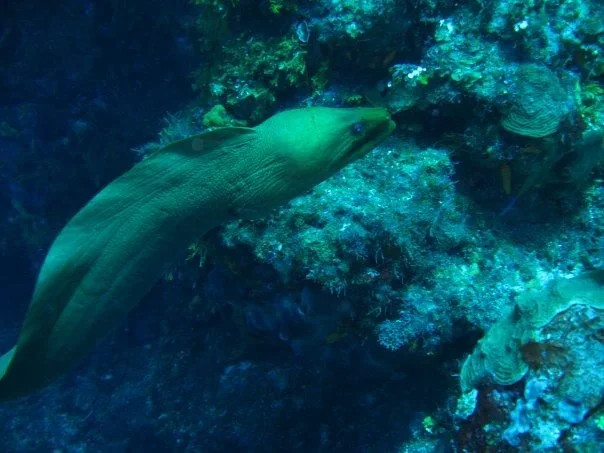
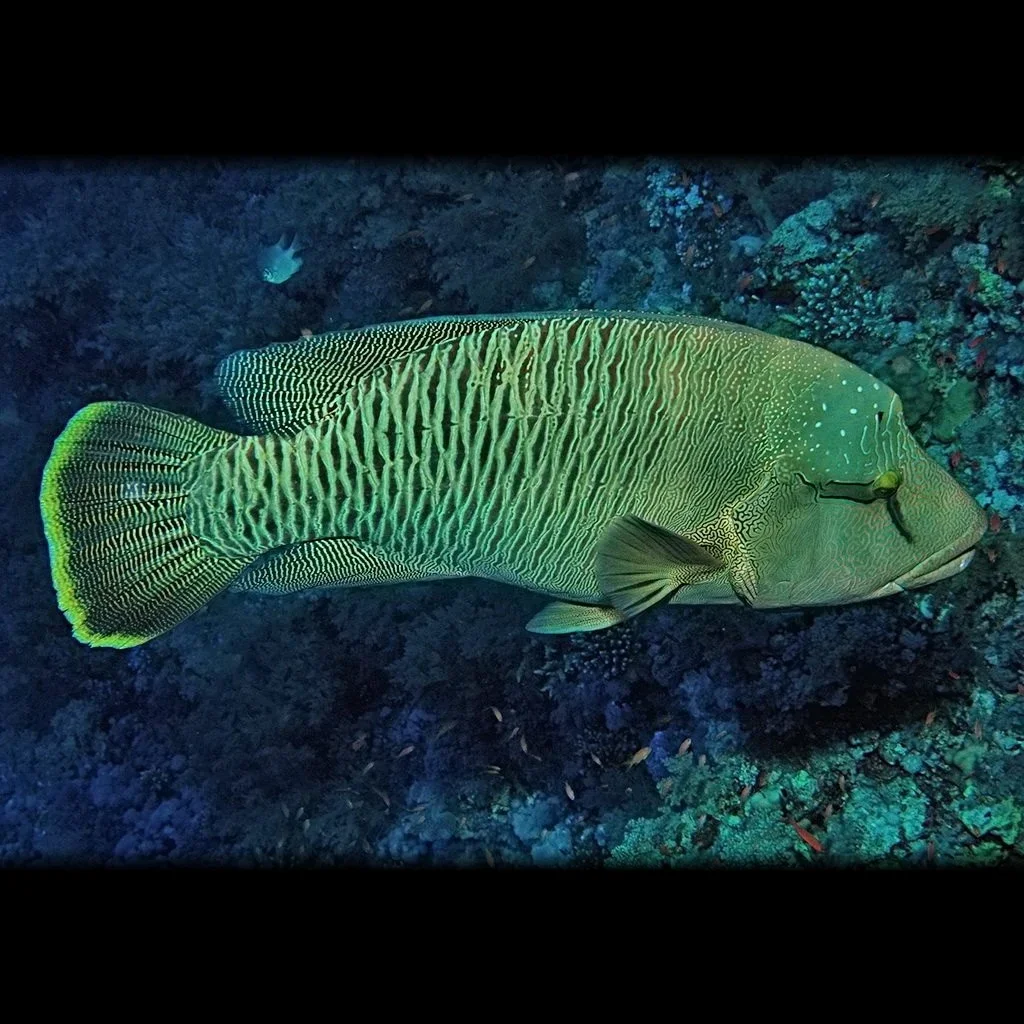
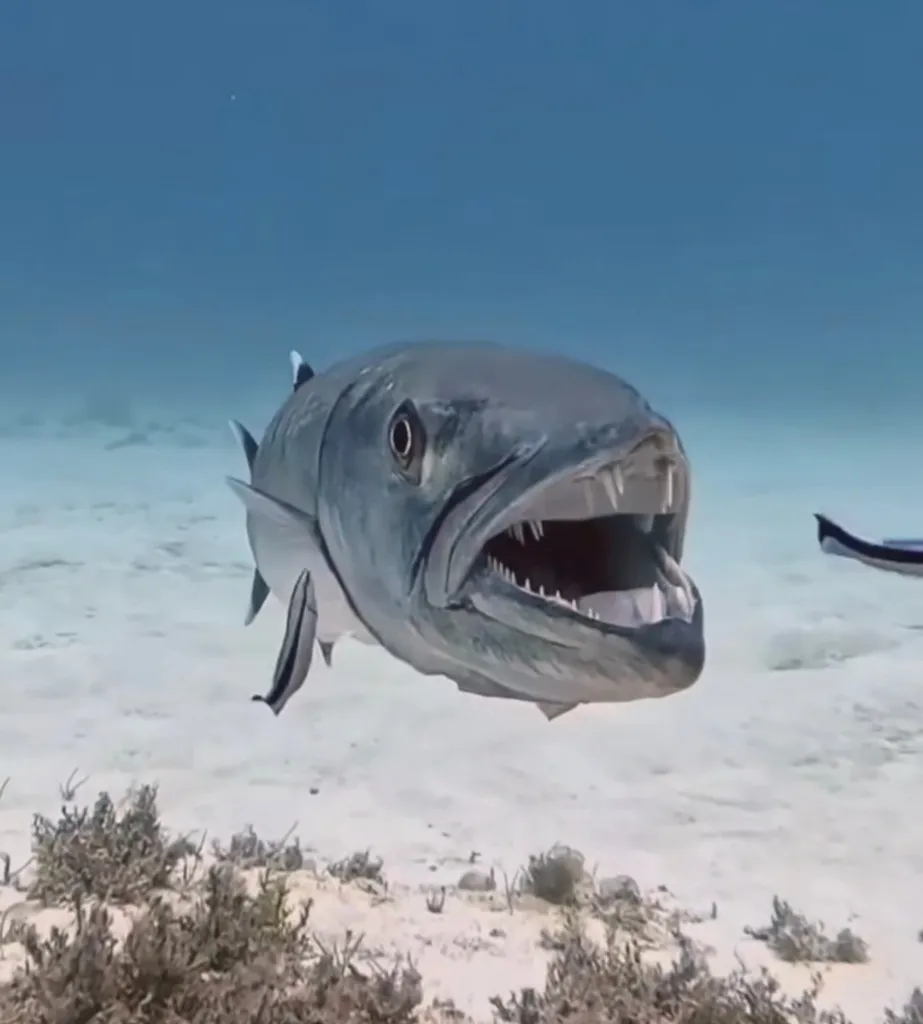
Patrolling barracudas and impressive Napoleon wrasse are commonly spotted cruising the wreck's perimeter. Deeper sections and sand patches around 10 m (33 ft) are known for sightings of elusive ribbon moray eels and the fascinating mantis shrimp.
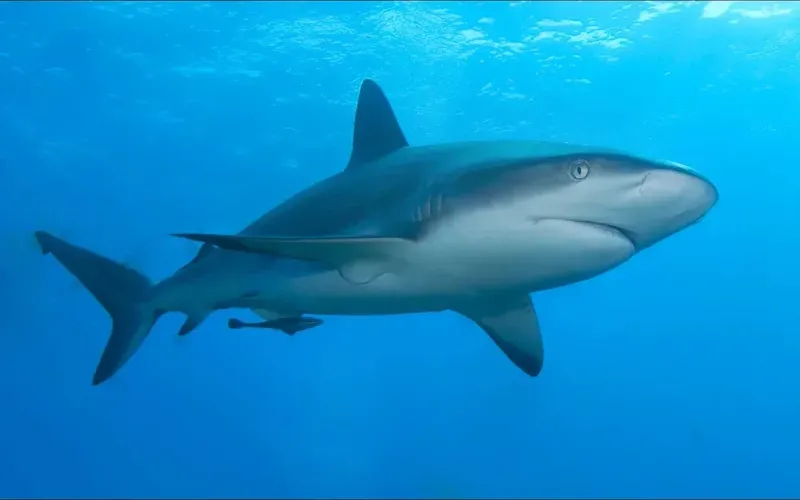
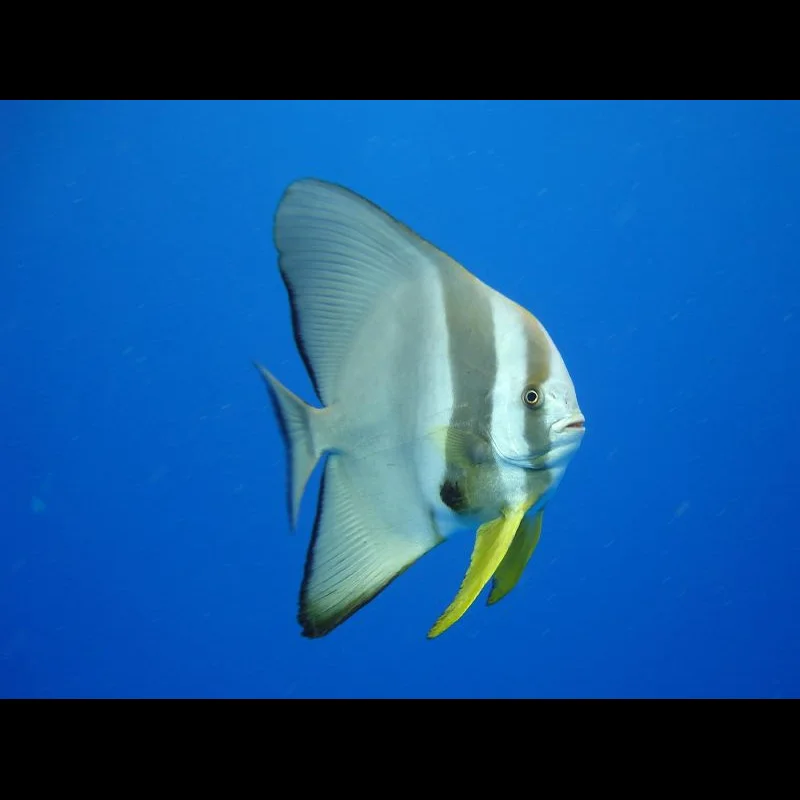
Divers might also encounter schools of batfish, various groupers, and occasional reef sharks navigating the historical remains, making each dive a discovery.
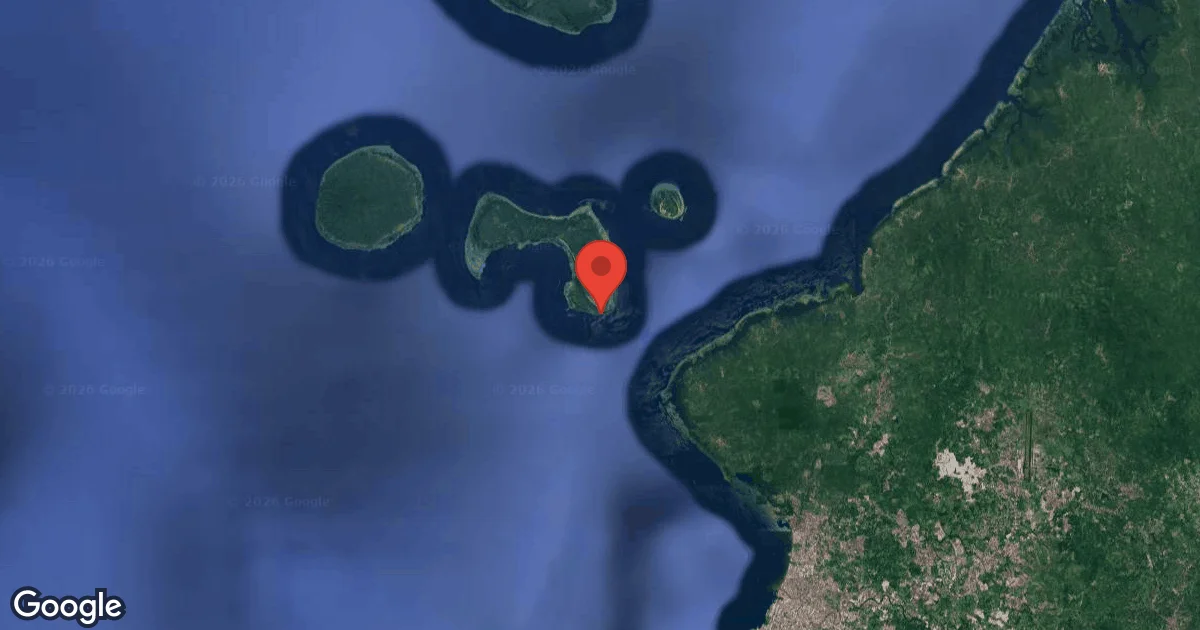
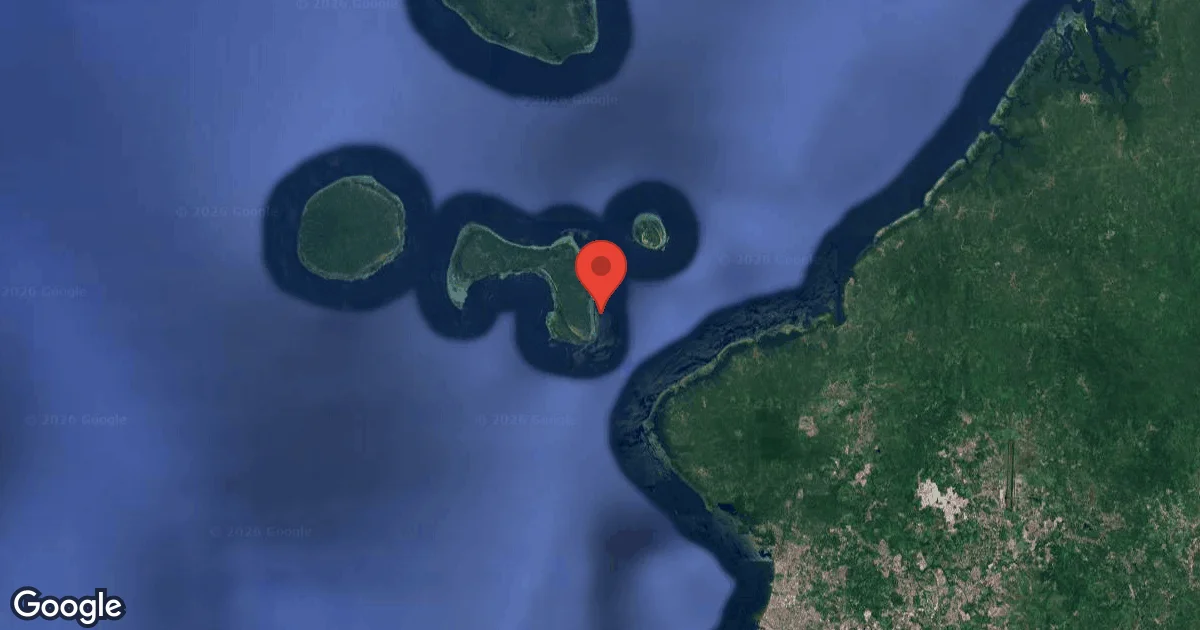
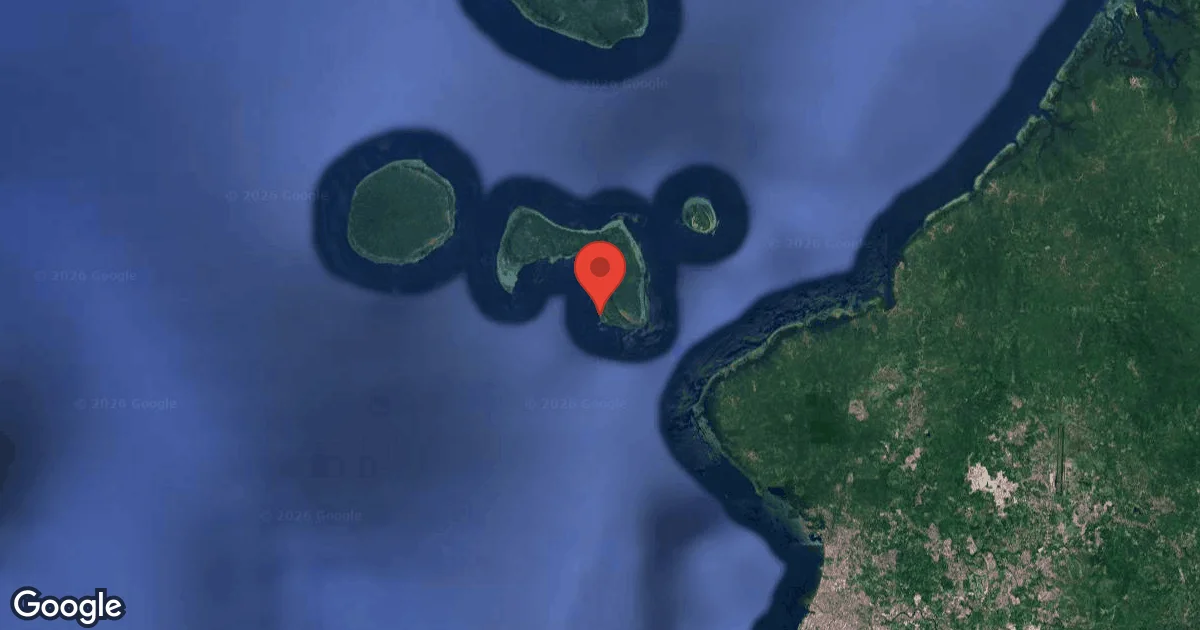
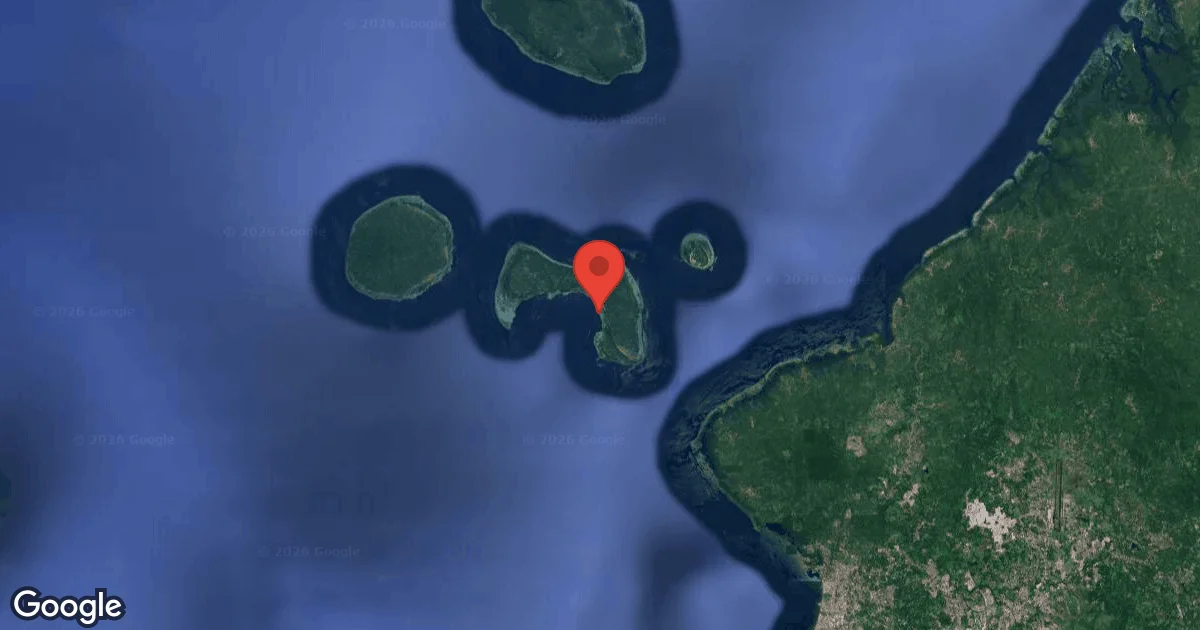
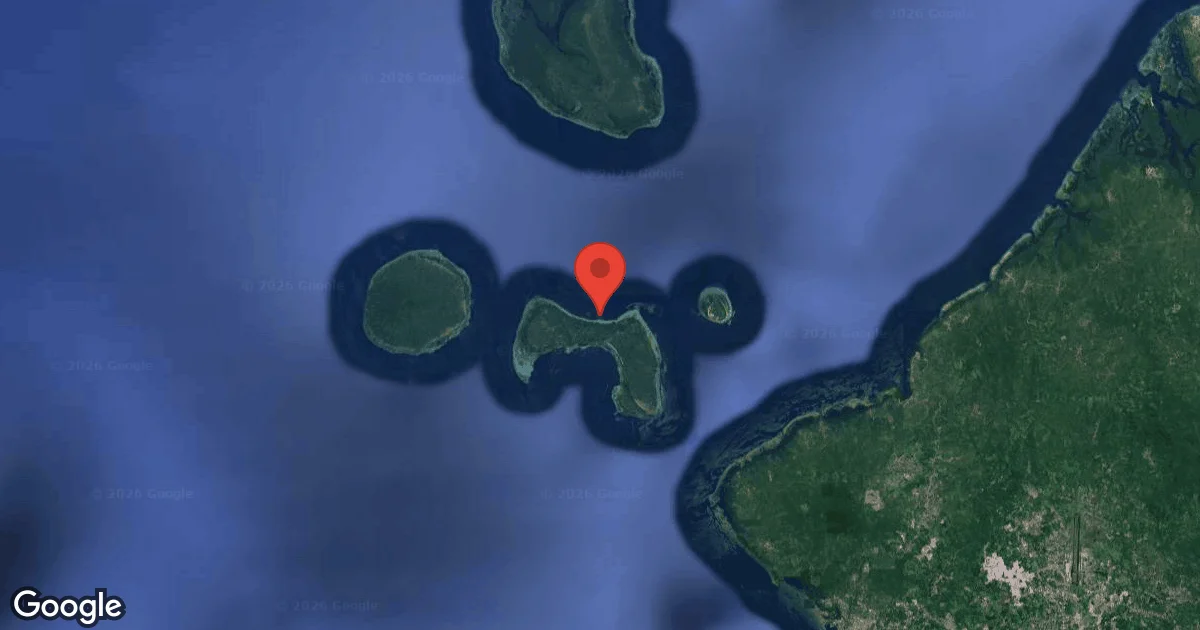
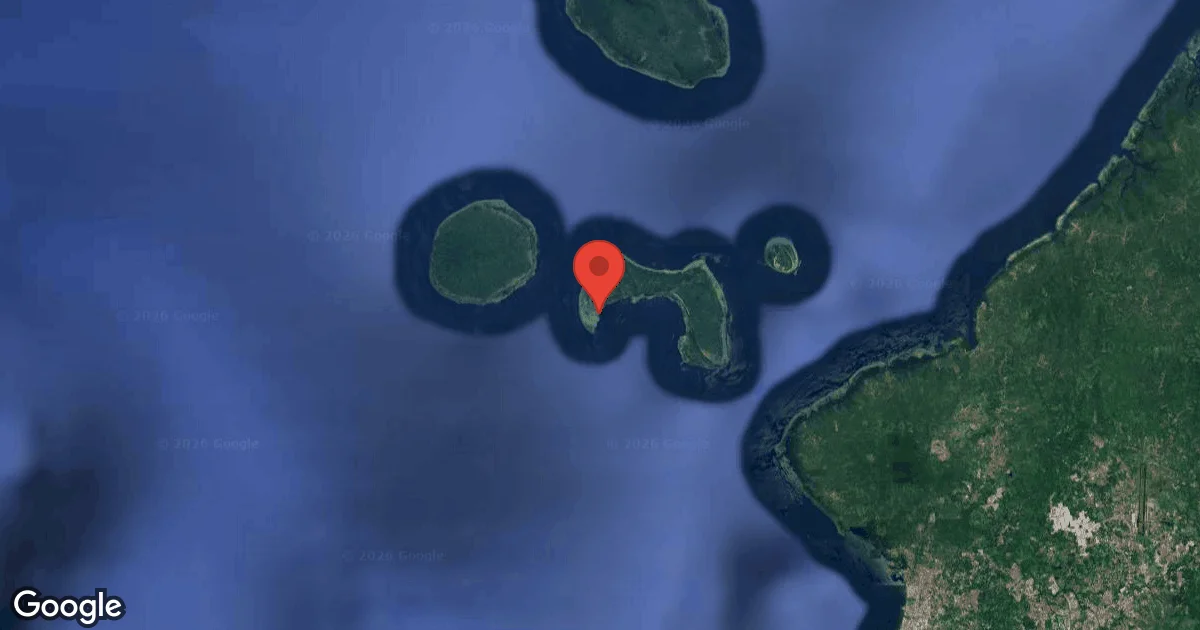
Dive Sites Near Molas Shipwreck
View all dive sites in IndonesiaDiscover more underwater gems in this area.
Dive Centers Near Molas Shipwreck
Today: 07:00 - 22:00
Nearest Airports
Nearest airports to help plan travel to this dive area.
Search Flights
Check available flights and routes on Expedia, using the nearby airports listed in this section.
Search Flights on ExpediaFrequently Asked Questions
What is the maximum depth of the Molas Shipwreck?
The Molas Shipwreck's deepest point is approximately 38 m (125 ft) at the aft section, where its propellers are visible. The prow can be found shallower, around 20 m (66 ft).
What type of vessel is the Molas Shipwreck?
It is a Dutch cargo ship, believed to be from the WWII era. Its purpose was transport, and it now lies on a sandy bottom, serving as an artificial reef.
What marine life can be observed at Molas Shipwreck?
Divers often encounter nudibranchs, barracudas, Napoleon wrasse, ribbon moray eels, and mantis shrimp. Batfish, reef sharks, and groupers are also commonly seen around the wreck's structure.
What skill level is required to dive this site?
Given the significant depth, reaching 38 m (125 ft), an Advanced Open Water certification or specific Deep Diver specialty is highly recommended for a safe and enjoyable experience.
Where is the Molas Shipwreck located?
The wreck is situated in Indonesia, specifically in the Celebes Sea, between Bunaken Island and the port of Manado in Sulawesi. It is part of a region known for its diverse diving opportunities.
Are there strong currents at the Molas Shipwreck?
While currents are not consistently reported as strong, they can be present in the Bunaken National Park area. Divers should be prepared for varying conditions and consult with local dive operators.
Is the wreck still largely intact?
The wreck lies on the sand, and while it's an older vessel, many of its superstructures and key features, including the propellers, remain intact. It offers a substantial structure for exploration.
Planning to dive Molas Shipwreck?
Send one inquiry and receive offers directly from the best verified local dive operators.
Conditions are Excellent
07:00 - 14:00
Optimal conditions expected
Current conditions near Molas Shipwreck show 32° air, 29° sea temperature, 0.2 m waves, and 22 km/h wind. Forecast data is refreshed regularly to ensure accuracy.