
Diving at Waecicu and Sture (Indonesia)
For divers arriving in Labuan Bajo, Waecicu and Sture often serve as an initial introduction to the region's underwater environment. These sites are typically part of local eco-diving programs, offering a tangible starting point for understanding marine conservation efforts. Here, the focus extends beyond typical exploration to include community-driven clean-up initiatives, providing a distinct entry experience into the local dive scene.
Evening condition tracking at Waecicu and Sture features an air temperature of 24.5°C. We have recorded wave heights measuring 0.4 m during this period. These figures outline the environmental parameters currently present.
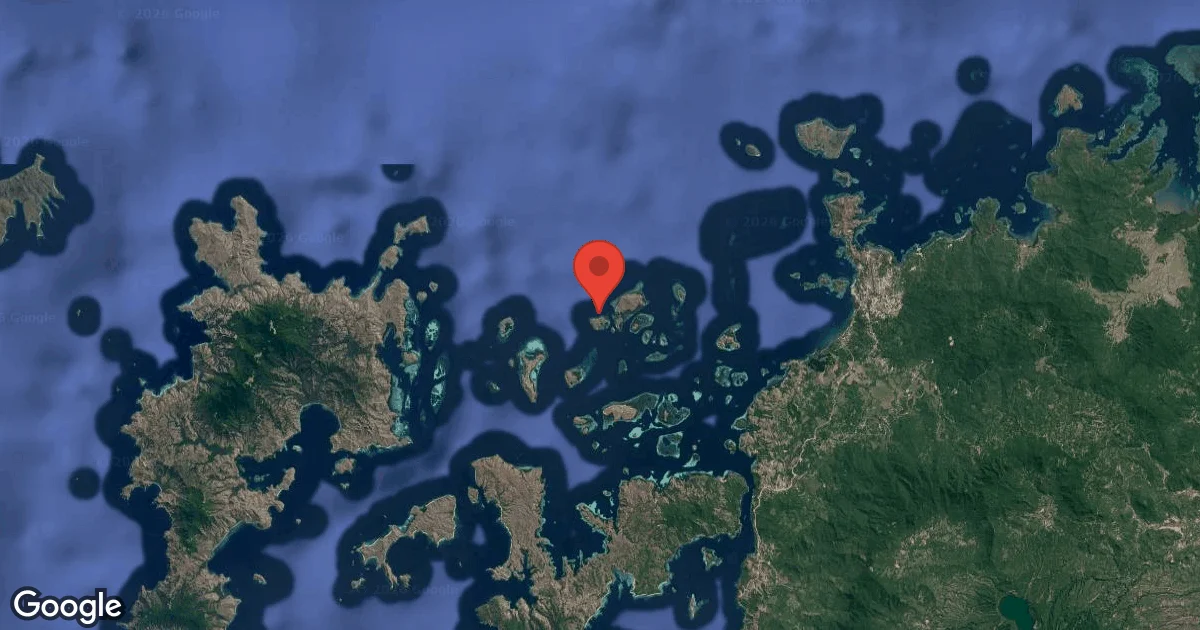
Dive Site Location & Key Facts
Dive Site Overview
Waecicu and Sture occupy a specific role within local eco-diving programs operating close to Labuan Bajo, often serving as the initial immersion for many participants. These locations are key areas for sustained clean-up efforts, actively confronting trash accumulation resulting from mainland runoff and persistent ocean currents.
Diving these sites moves beyond conventional underwater exploration; it consistently offers a tangible opportunity to actively contribute to marine conservation, fostering a distinct connection with the surrounding environment. Both sites prominently display a sandy bottom, characteristic of many coastal areas in the region, with depths typically extending to around 18 m / 59 ft. Their proximity to the coast frequently renders them suitable for introductory dives and certifications.
However, their primary function in the crucial clean-up context provides a truly unique immersion into the tangible human interaction with the natural marine environment. Divers here directly engage with the repercussions of human activity, transforming each visit into a purposeful contribution towards healthier local reefs.
This experience often leaves a lasting impression, underscoring the critical importance of continuous ecological stewardship and heightened awareness.
Conditions are Good
Optimal conditions expected
Current conditions near Waecicu and Sture show 25° air, 28° sea temperature, 0.6 m waves, and 36 km/h wind. Forecast data is refreshed regularly to ensure accuracy.
Best Time to Dive
Planning your dive at Waecicu and Sture means aligning with conditions that enhance the underwater experience. Excellent dive conditions typically run from April through December, offering divers minimal rainfall and clearer skies. Air temperatures during this peak season remain consistently warm, hovering between approximately 26°C and 28°C (79-82°F). Rainfall is significantly reduced, often dropping to as little as 0.5-6.6 mm / 0.02-0.26 inches per month, which generally contributes to better surface conditions and underwater visibility. While specific water temperature data for these sites isn't consistently reported, the region generally experiences warm tropical waters. The months of January through March are considered good for diving, though they see increased rainfall, ranging from 12-19 mm / 0.47-0.75 inches, and slightly higher wave activity compared to the dry season.
PEAK SEASON SCORE
Scores combine air & water temps, waves, wind & rainfall for overall conditions.
BEST MONTHS TO DIVE
Monthly records compiled from satellite and marine observation nodes over the last 3 years. Data provided by Open-Meteo and MET Norway.
Dive Experience & Conditions
The underwater environment at Waecicu and Sture is defined by its coastal characteristics and typically calm demeanor. Diving these sites primarily involves boat entry, leading you into a saltwater environment with depths up to 18 meters. The bottom composition is largely sandy, which can influence visibility depending on surge or currents, though these sites are near the coast and often experience calmer conditions. Current dynamics aren't consistently reported as strong, which commonly makes them suitable for newer divers or those participating in eco-diving activities. Average wave heights are generally low, ranging from 0.2 to 0.6 meters / 0.6 to 2 feet throughout the year. Visibility varies, often influenced by recent rainfall or coastal runoff, which contributes to their role as clean-up sites.
Dive Difficulty & Safety Guidelines
For a safe and impactful dive at Waecicu and Sture, consider their specific context as eco-diving locations. Before entering the water, divers should always consult with local PADI dive professionals who are familiar with the site's present conditions. As these locations are designated clean-up sites, divers might encounter varying amounts of debris, which requires heightened situational awareness.
Maintaining buoyancy control is always essential, particularly when navigating sandy bottoms, to avoid disturbing the seabed and impacting visibility. Always adhere to standard safe diving practices, and ensure your equipment is well-maintained for the saltwater environment.
Recommended Equipment
- Dive Computer
- DSMB
This gear list is based on verified equipment signals for Waecicu and Sture, Indonesia. Always confirm final gear choices with your dive operator, guide, or liveaboard.
Recommended Dive Suit
The latest conditions reported around Waecicu and Sture place the water temperature close to 28°C (83°F). Surface air temperatures are resting at 25°C (76°F).
Many divers choose 2-3mm shorty or light wetsuit when diving in similar conditions. Consider warmer surface protection (like a boat coat) due to brisk winds.
Short-term weather patterns suggest stable conditions for divers visiting the area.
Emergency & Medical Support
Essential information to help you plan your dive trip to Waecicu and Sture.

Hyperbaric chambers are a critical part of dive safety infrastructure. Availability varies significantly by region, and not all dive areas have immediate access.
Before diving, it's recommended to:
- confirm nearest medical facilities
- check emergency procedures with local dive operators
- ensure dive insurance covers evacuation if required
Divers Alert Network
Diving emergency assistance available through DAN World.
+1-919-684-9111- 24/7 emergency hotline
- Diving medical assistance
- Evacuation coordination
Emergency contacts are provided for reference. Always verify local emergency services before diving.
Marine Life at Waecicu and Sture
What often stands out first at Waecicu and Sture are the subtle signs of life adapted to a sandy, coastal ecosystem. Despite their role as clean-up sites, the sandy bottom environment supports various macro life and smaller reef inhabitants.
These are not sites primarily known for large pelagics, but rather for creatures that thrive in or around coastal sediments. Careful observation can reveal species such as various gobies, blennies, and crustaceans that make their homes in this dynamic interface.
Dive Sites Near Waecicu and Sture
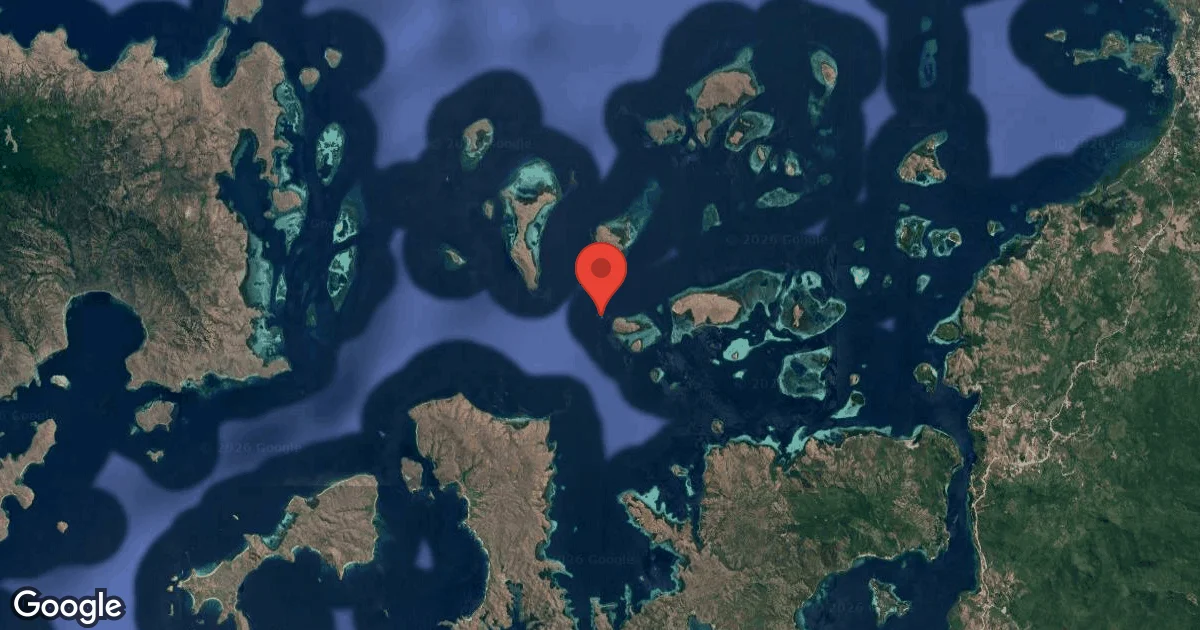
View all dive sites in IndonesiaDiscover more underwater gems in this area.
Dive Centers Near Waecicu and Sture
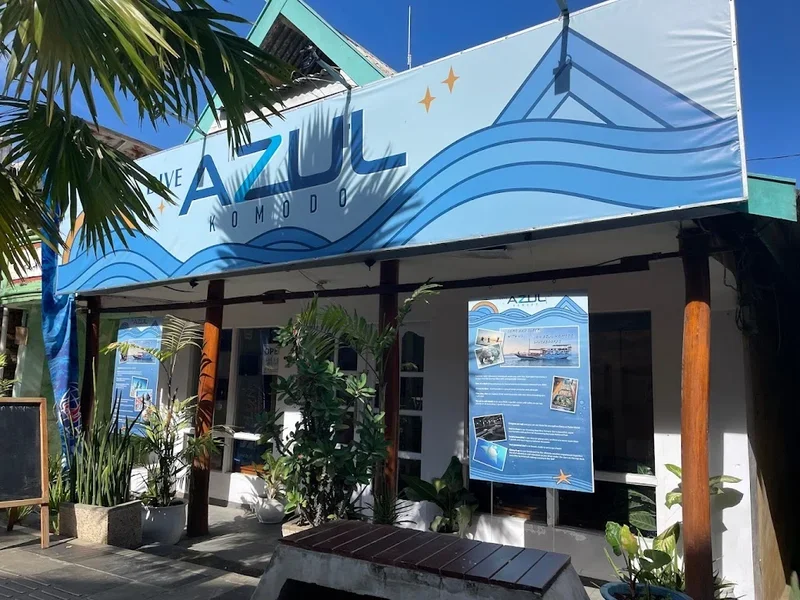
Today: 10:00 - 19:00
Nearest Airports
Nearest airports to help plan travel to this dive area.
Search Flights
Check available flights and routes on Expedia, using the nearby airports listed in this section.
Search Flights on ExpediaFrequently Asked Questions
What makes Waecicu and Sture unique dive sites?
These sites are unique because they are often utilized as part of local eco-diving programs and clean-up initiatives. Divers here contribute to removing trash accumulated from mainland runoff and ocean currents, blending conservation with exploration.
What is the typical maximum depth for diving at these sites?
Dives at Waecicu and Sture generally reach a maximum depth of around 18 meters / 59 feet. This makes them accessible for a wide range of certified divers, including those with less experience.
When is the best time to dive Waecicu and Sture?
The period from April through December offers excellent dive conditions with minimal rainfall and consistently warm air temperatures. While diving is good year-round, January to March sees more rain and slightly higher waves.
What kind of underwater topography can I expect?
The primary underwater topography at Waecicu and Sture is characterized by a sandy bottom. This coastal environment supports specific types of marine life and contributes to the sites' role in ecological clean-up efforts.
Are these dive sites suitable for beginner divers?
Yes, their maximum depth of 18 meters / 59 feet, generally calmer coastal conditions, and role in eco-diving programs often make them suitable for beginner divers. Always check current conditions with local dive professionals.
What marine life is commonly seen at Waecicu and Sture?
The sandy bottom ecosystem at these sites is home to various macro life and smaller reef inhabitants. Look for species like gobies, blennies, and crustaceans, which are well-adapted to this coastal environment.
What influences visibility at these sites?
Visibility at Waecicu and Sture can vary, influenced by factors such as recent rainfall, coastal runoff, and potential sediment disturbance. Conditions are generally clearer during the drier months from April to December.
Planning to dive Waecicu and Sture?
Send one inquiry and receive offers directly from the best verified local dive operators.
Conditions are Good
Optimal conditions expected
Current conditions near Waecicu and Sture show 25° air, 28° sea temperature, 0.6 m waves, and 36 km/h wind. Forecast data is refreshed regularly to ensure accuracy.