
Diving at Yallow Stone Reef (Jordan)
Exploring Yellowstone Reef provides an accessible and visually striking dive experience in Jordan's Red Sea. This site, named for its distinctive yellow seabed and coral formations, caters to divers across all skill levels, from those just starting their certification journey to experienced technical divers. It's a consistently popular choice for its calm conditions and remarkable underwater scenery, making it a memorable location for any dive plan.
Tonight's objective overview for Yallow Stone Reef shows an air temperature of 28.5°C. The measured surface conditions include wave heights around 0.1 m. This environmental data is logged for the close of the day.
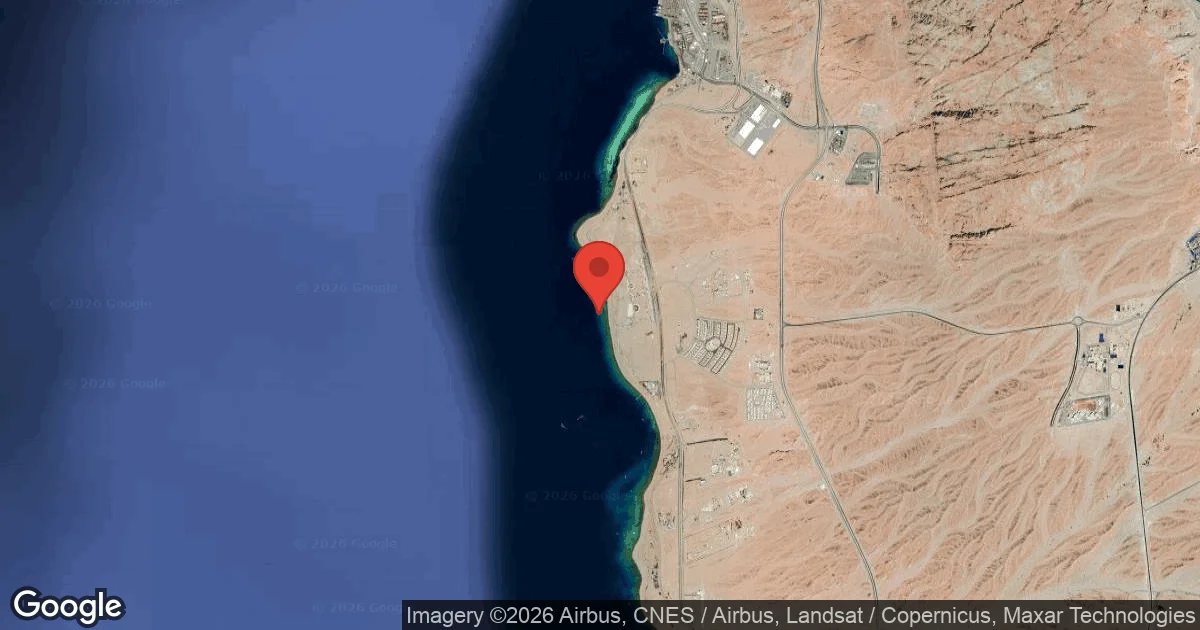
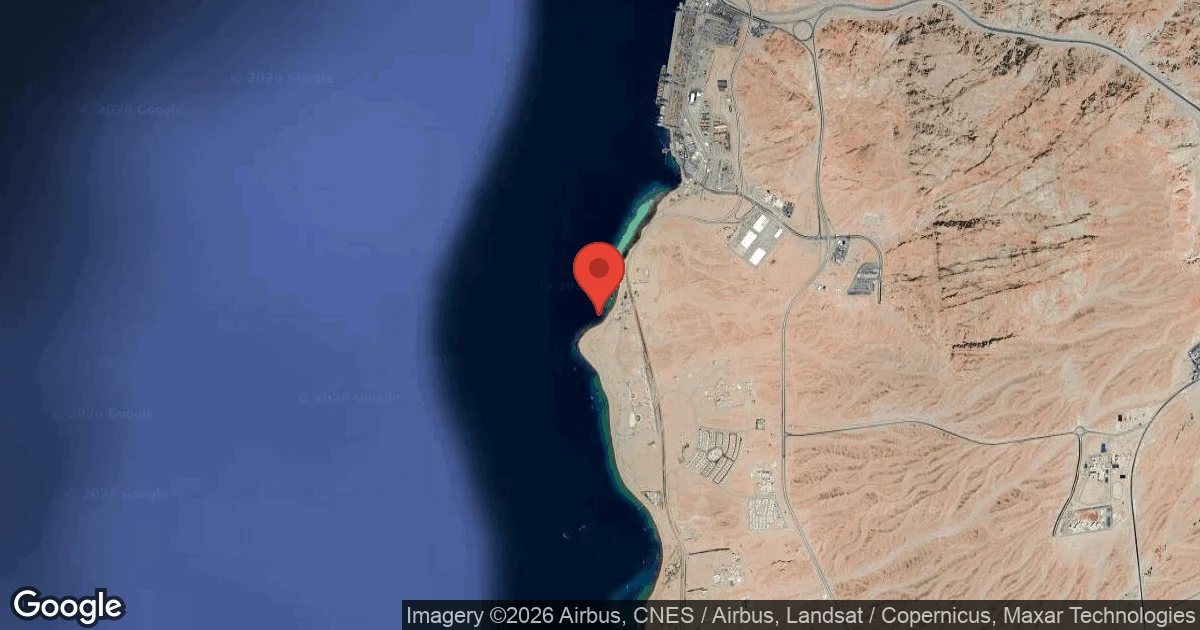
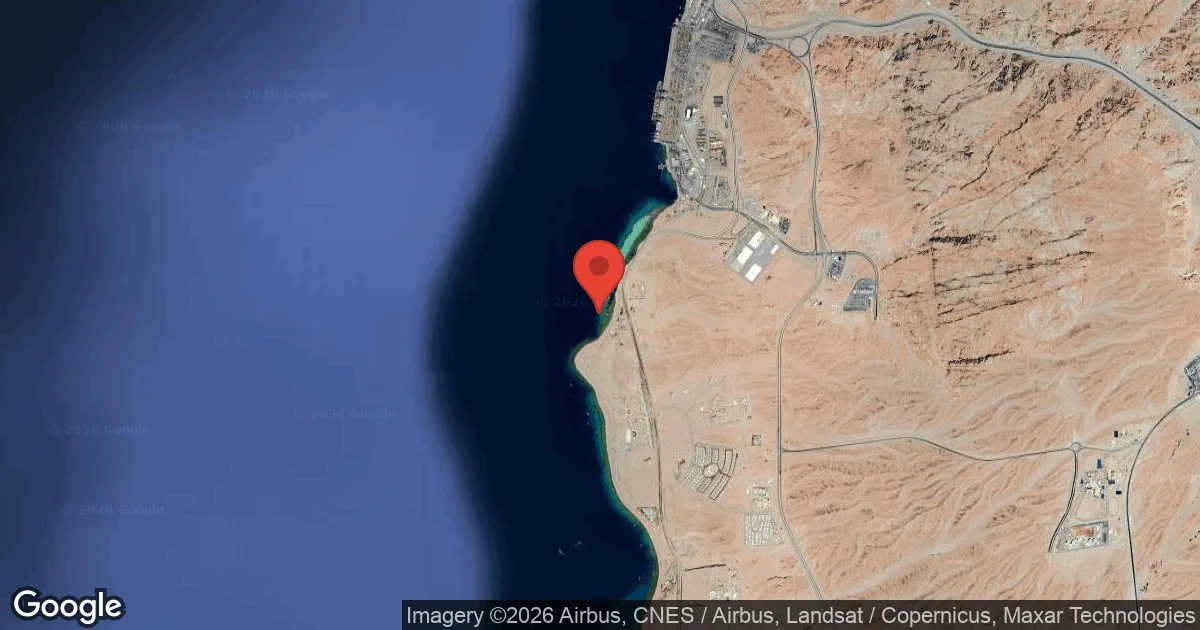
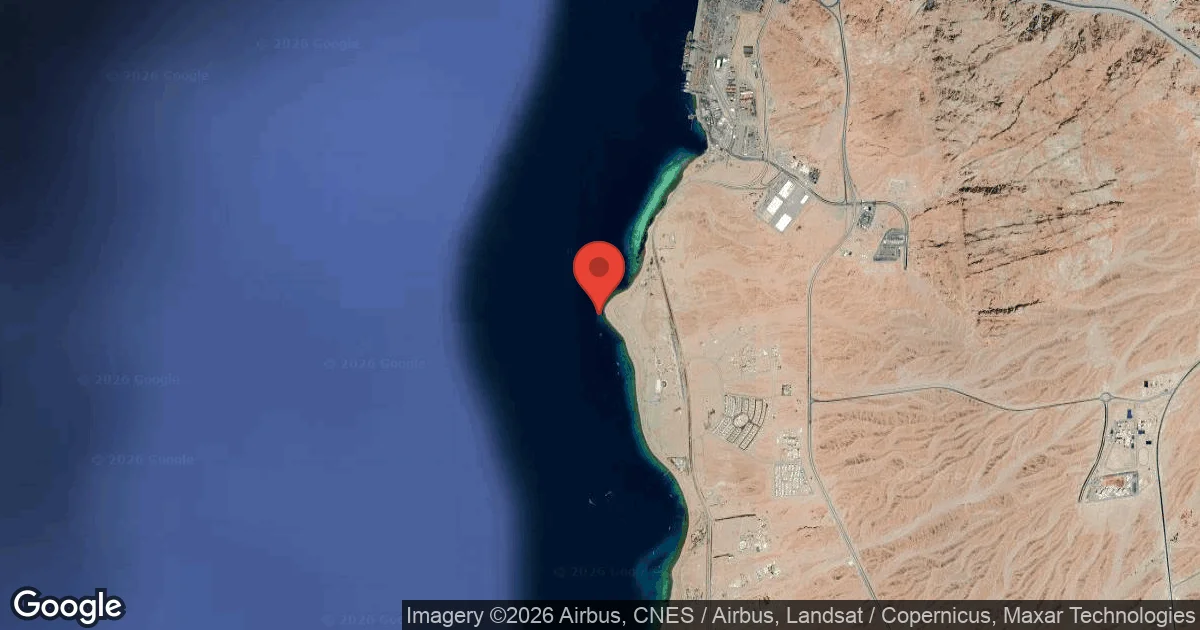
Dive Site Location & Key Facts
Dive Site Overview
The topography of Yellowstone Reef unveils a distinctive underwater landscape, notably its yellow, sulfur-like rocky seabed. This unique characteristic truly sets the site apart from many other Red Sea dive locations, creating a visually striking contrast with the surrounding blue.
Divers begin their exploration on an ancient coral shelf that gently slopes through its shallower zones, providing an accessible entry point. Gradually, the shelf transitions deeper, eventually giving way to steep sides that form a striking mini-wall and intricate canyon system along specific stretches of the reef. Beginning around 18 m (60 ft), these dramatic drop-offs continue down to approximately 30 m (100 ft), offering a distinct change in the dive profile.
Beyond these recreational limits, the site plunges to considerable depths, reaching over 50 m (165 ft) and even up to 90 m (300 ft) in areas designated for technical exploration. Multiple large pinnacles and impressive archways reveal themselves in these profounder zones, often shrouded in a captivating blue hue.
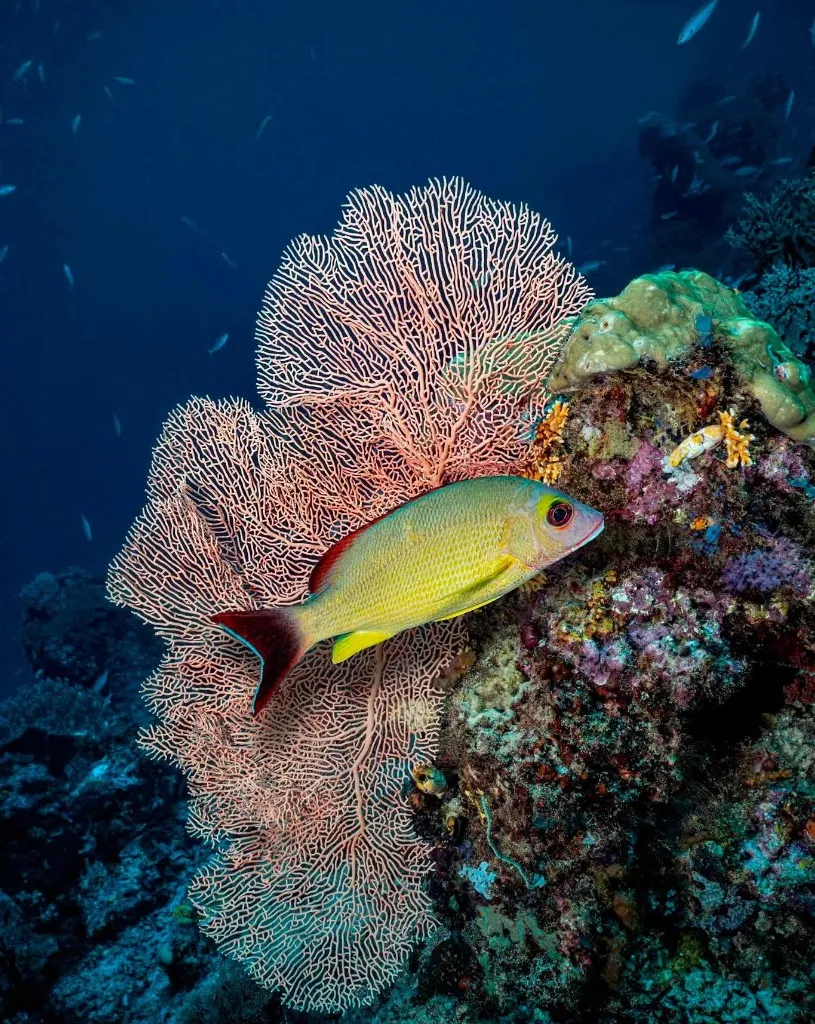
A flatter, multi-colored reef dominates the shallower and mid-depth profiles, yet deeper areas showcase significant sea fans and robust hard corals clinging to the steep surfaces, thriving in the nutrient-rich currents. From sandy bottom areas in the shallows to these vibrant coral structures, the transition adds considerable diversity, appealing to various dive interests, from macro observation to exploring the impressive verticality of the reef.
Conditions are Excellent
07:00 - 14:00
Optimal conditions expected
Current conditions near Yallow Stone Reef show 29° air, 28° sea temperature, 0.4 m waves, and 25 km/h wind. Forecast data is refreshed regularly to ensure accuracy.
Best Time to Dive
Diving conditions at Yellowstone Reef maintain remarkable consistency throughout the year, making it a prime destination anytime. Average air temperatures range from 18.5°C (65°F) in winter to a peak of 34.5°C (94°F) in summer months, ensuring comfortable surface intervals. Minimal rainfall is common, with most months reporting no precipitation at all, aside from minor occurrences during late autumn and winter. Wave heights generally remain low, typically around 0.2-0.3 m (0.7-1 ft), contributing to the site's reputation for calm waters. This predictability means divers can expect excellent visibility and tranquil conditions year-round.
PEAK SEASON SCORE
Scores combine air & water temps, waves, wind & rainfall for overall conditions.
BEST MONTHS TO DIVE
Monthly records compiled from satellite and marine observation nodes over the last 3 years. Data provided by Open-Meteo and MET Norway.
Dive Experience & Conditions
Descending into Yellowstone Reef reveals a site well-suited for a broad spectrum of diving proficiencies. Beginners will find calm conditions and gentle sandy slopes, while advanced and technical divers can explore more profound areas. Depths here span a considerable range, starting at a shallow five meters and extending significantly deeper, with some technical profiles reaching over 90 meters. The site consistently provides easy diving conditions, characterized by minimal currents that greatly enhance the overall underwater experience. Visibility is frequently excellent, often exceeding 20 meters and ranging up to 30 meters. This allows for clear views of the extensive reef system and its diverse marine life. From the more accessible shallow sections to the impressive deeper coral walls, the varied depth profile supports diverse dive planning and skill development.
Dive Difficulty & Safety Guidelines
Navigating Yellowstone Reef requires careful consideration of its varied depth profiles and entry points. Divers using shore entry should exercise caution, particularly due to the potential presence of urchins in shallow areas. Given the site's extensive depth range, from standard recreational limits down to advanced technical levels, meticulous dive planning is essential.
Always adhere strictly to your certification limits, especially when exploring the deeper pinnacles and intricate canyon systems found beyond 30 meters. Maintaining situational awareness of buoyancy and air consumption is crucial, particularly as depth increases and during longer bottom times.
Consulting with local dive operators for the most current conditions and site-specific guidance is always highly recommended, ensuring a safe and enjoyable dive.
Recommended Equipment
Deep dive hazard. Increased narcosis and gas consumption risk.
- Dive Computer
- DSMB
- Primary & Backup Lights
This gear list is based on verified equipment signals for Yallow Stone Reef, Jordan. Always confirm final gear choices with your dive operator, guide, or liveaboard.
Recommended Dive Suit
Experienced divers often bring flexible gear options.
The water around Yallow Stone Reef is currently holding at approximately 28°C (82°F), setting the tone for today's dives. Surface air temperatures are resting at 29°C (84°F). Divers who spend longer periods underwater often choose 2-3mm shorty or light wetsuit.
A warming trend is expected over the next few days. A warming trend is expected over the next few days.
Due to technical issues with our weather providers, data hasn't been fetched for over 48 hours. The data above reflects the conditions at the time of the last successful fetch.
Emergency & Medical Support
Essential information to help you plan your dive trip to Yallow Stone Reef.

Hyperbaric chambers are a critical part of dive safety infrastructure. Availability varies significantly by region, and not all dive areas have immediate access.
Before diving, it's recommended to:
- confirm nearest medical facilities
- check emergency procedures with local dive operators
- ensure dive insurance covers evacuation if required
Divers Alert Network
Diving emergency assistance available through DAN Europe.
+39 0642115685- 24/7 emergency hotline
- Diving medical assistance
- Evacuation coordination
Emergency contacts are provided for reference. Always verify local emergency services before diving.
Marine Life at Yallow Stone Reef
The vibrant underwater landscape supports a rich variety of marine life, making it a dynamic environment for observation. In the grassy areas leading to the reef, divers often spot intriguing sea moths and pipe horses.
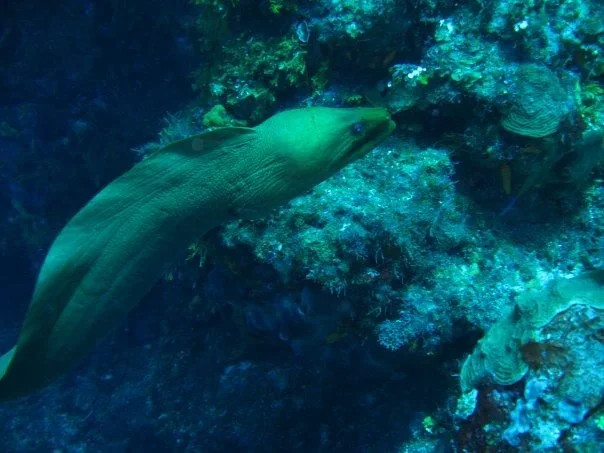
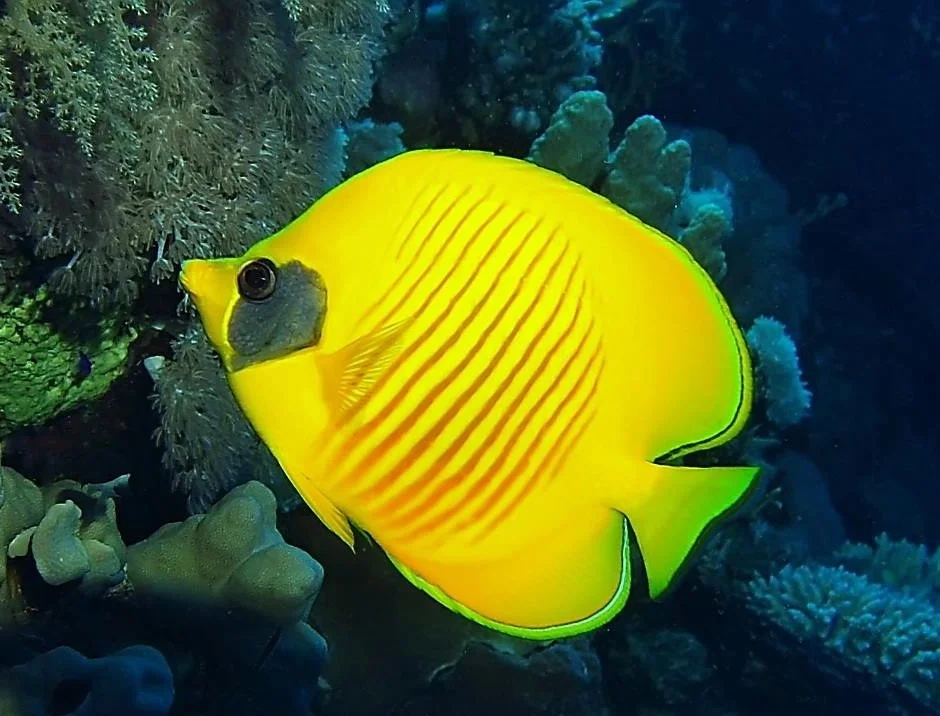
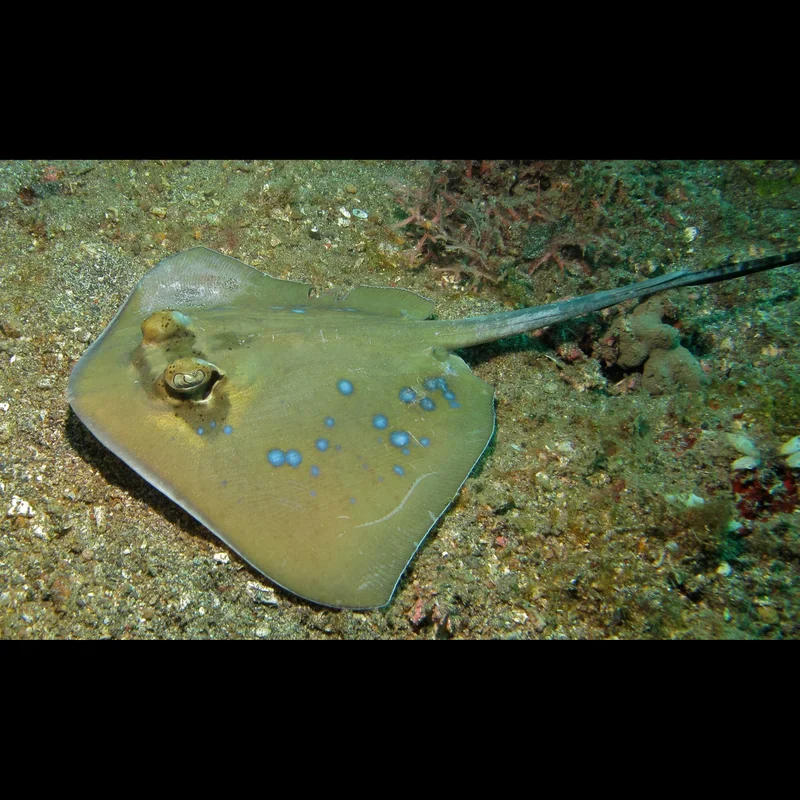
Once on the reef, you might encounter bright yellow and orange coral formations, providing habitat for schools of reef fish like butterflyfish, parrotfish, and snappers. Blue-spotted stingrays and moray eels are common inhabitants.
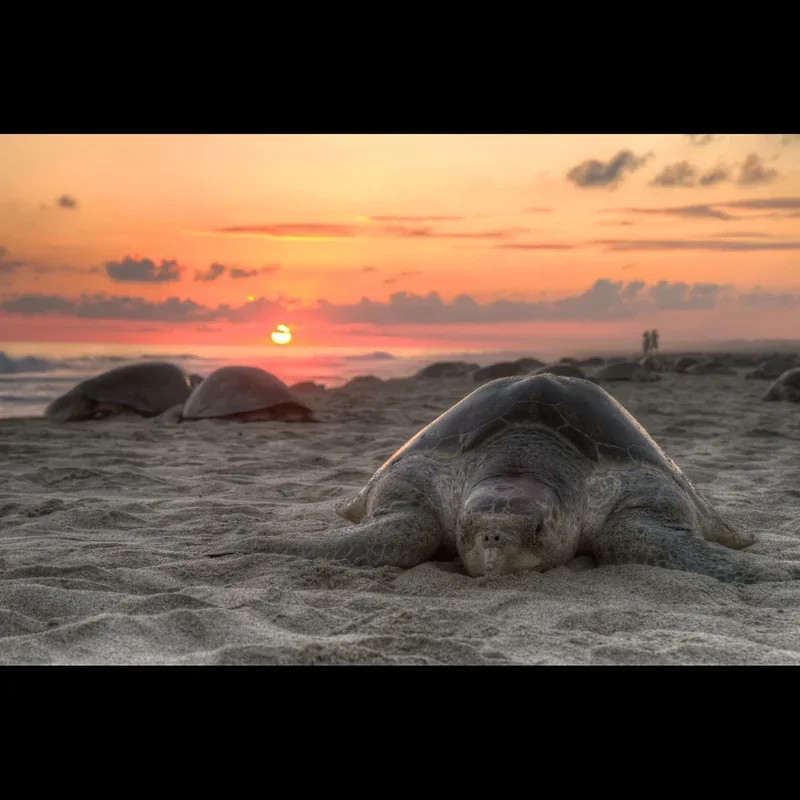
Occasional sightings of torpedo rays and sea turtles add to the excitement. Deeper sections of the reef attract larger species such as napoleonfish and groupers, alongside exquisite black corals and sea fans.
Dive Sites Near Yallow Stone Reef
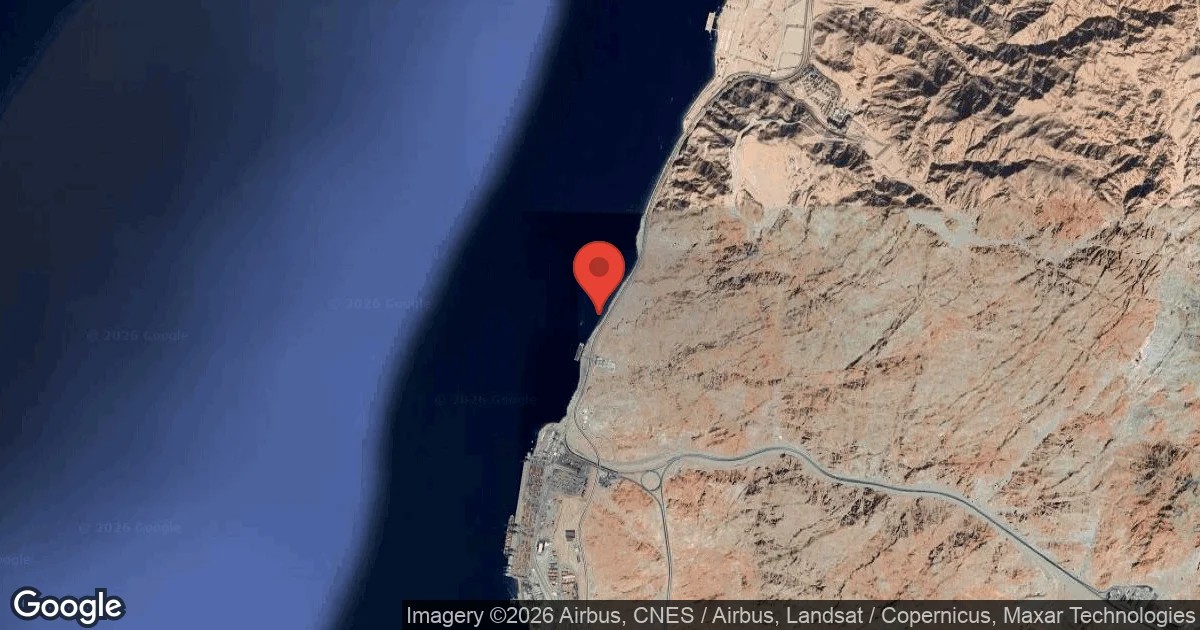
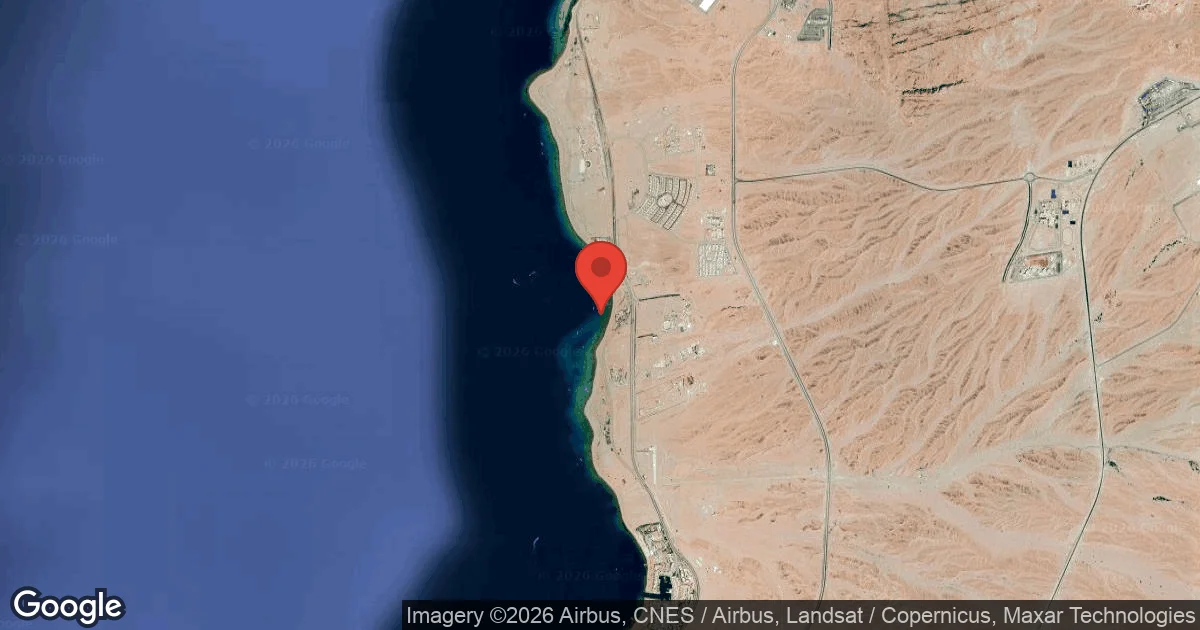
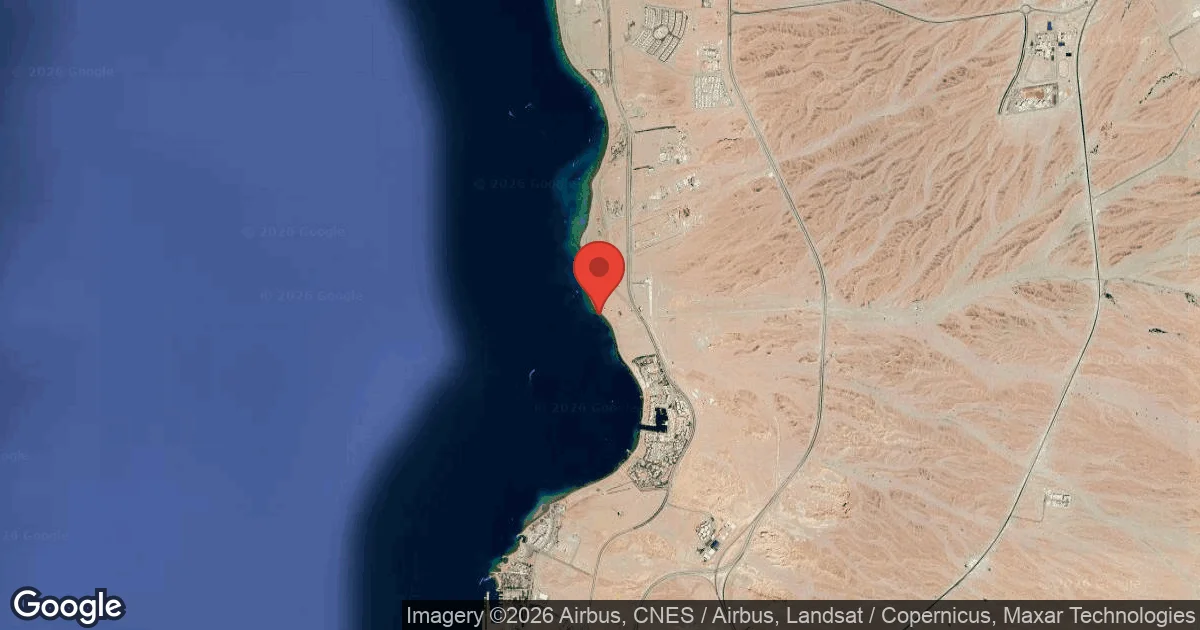
View all dive sites in JordanDiscover more underwater gems in this area.
Dive Centers Near Yallow Stone Reef
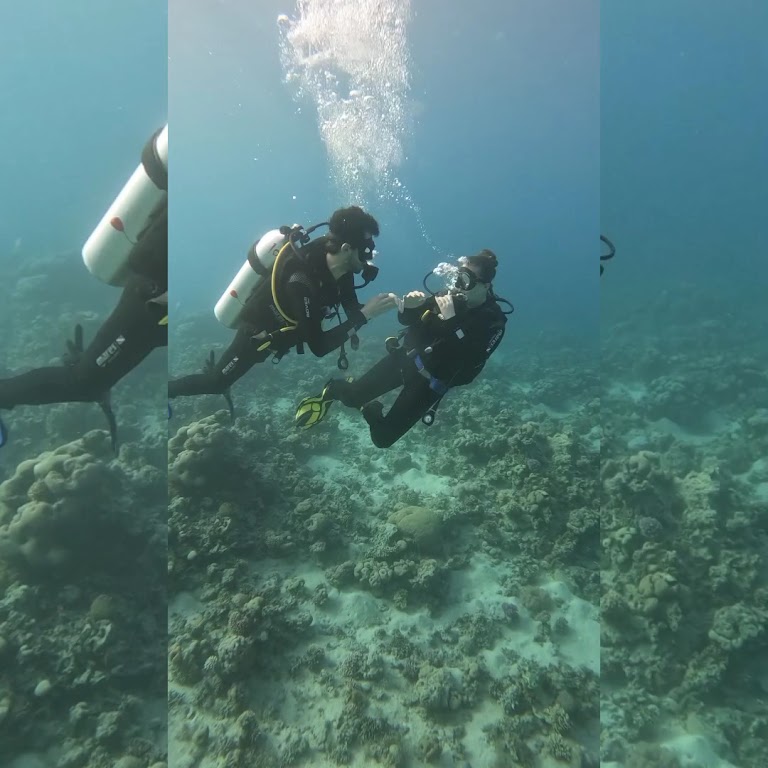
Today: 08:00 - 19:00
Nearest Airports
Nearest airports to help plan travel to this dive area.
Search Flights
Check available flights and routes on Expedia, using the nearby airports listed in this section.
Search Flights on ExpediaFrequently Asked Questions
Why is it called Yellowstone Reef?
Yellowstone Reef takes its name from the distinctive yellow, sulfur-like appearance of its rocky seabed. This unique coloration, combined with vibrant coral growth, creates a visually striking underwater environment.
What is the typical depth range for diving here?
This site accommodates a wide range of diving certifications. Recreational depths generally extend to around 25 meters, beginning from quite shallow areas. For those with appropriate training, the reef plunges significantly deeper, with technical dives exploring beyond 50 meters.
Is Yellowstone Reef suitable for beginners?
Yellowstone Reef is highly suitable for beginners and training dives. Easy access, calm conditions, and generally excellent visibility make it an ideal environment for new divers to gain confidence.
What kind of marine life can I expect to see?
Divers can expect a diverse array of marine life. This includes sea moths, pipe horses in grassy areas, and numerous reef fish such as butterflyfish, parrotfish, and snappers on the corals. Blue-spotted stingrays and moray eels are also common.
How is the visibility and current at Yellowstone Reef?
Visibility at Yellowstone Reef is consistently very good, frequently exceeding 20 meters and often reaching up to 30 meters. Dive conditions are generally calm, characterized by mild or low currents, ensuring a comfortable experience.
Can I go snorkeling at Yellowstone Reef?
While some sources indicate snorkeling is possible, the primary focus of this site's features leans towards diving due to its depth profile. Confirming suitability with a local dive operator before planning a snorkeling trip is always recommended.
Is it accessible by shore or boat?
Accessing Yellowstone Reef is possible from both shore and by boat. Many divers prefer shore entry, though boat trips can offer more direct access to specific reef sections or provide opportunities for combining with other sites.
What makes the topography unique at Yellowstone Reef?
The reef stands out due to its yellow, sulfur-like rocky seabed and ancient coral shelf. Its topography includes a gradual slope in shallower areas that transitions into steep sides, forming distinctive mini-walls and canyons. These dramatic features are particularly noticeable between approximately 18 meters and 30 meters of depth.
Planning to dive Yallow Stone Reef?
Send one inquiry and receive offers directly from the best verified local dive operators.
Conditions are Excellent
07:00 - 14:00
Optimal conditions expected
Current conditions near Yallow Stone Reef show 29° air, 28° sea temperature, 0.4 m waves, and 25 km/h wind. Forecast data is refreshed regularly to ensure accuracy.