
Diving at RED (Kazakhstan)
Kazakhstan presents a dive experience markedly different from typical tropical destinations. Instead of coral reefs and warm seas, divers here navigate cold, high-altitude freshwater environments like Kaiyndy Lake. This unique site, formed by a seismic event, reveals an otherworldly landscape of submerged coniferous trees, offering a truly distinctive contrast to conventional diving. It's an opportunity to explore geological history underwater, presenting a challenging yet profoundly rewarding experience.
The latest environmental reading at RED indicates an air temperature of 15°C. The regional climate in Kazakhstan is aligning with expected historical averages. Prepare your gear according to these specific local conditions.
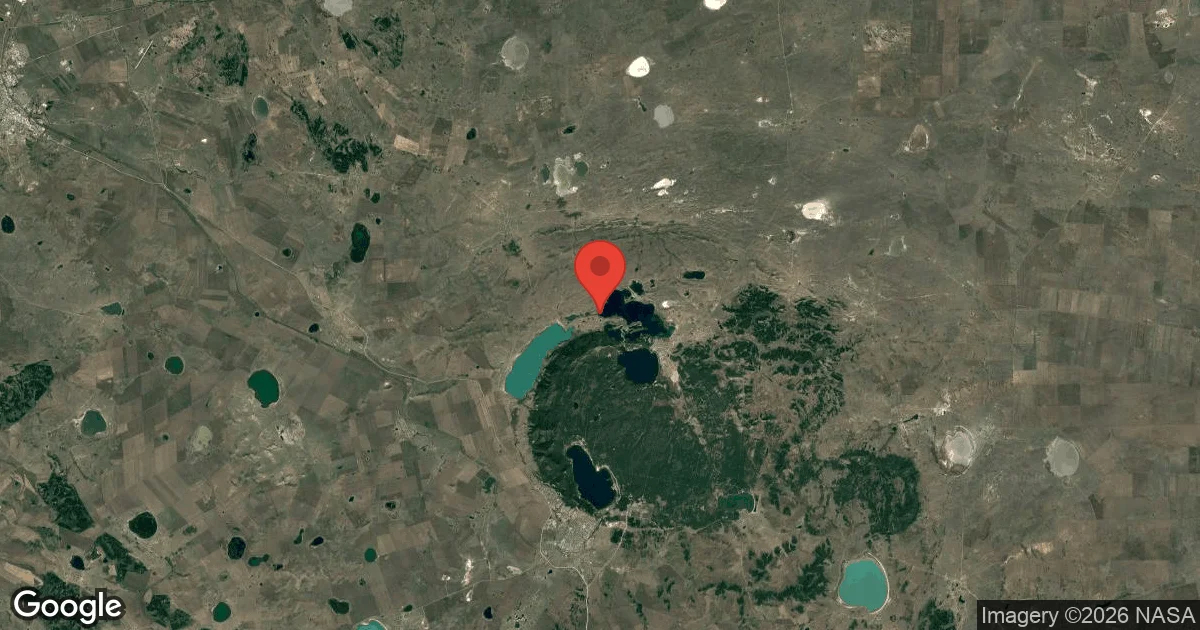
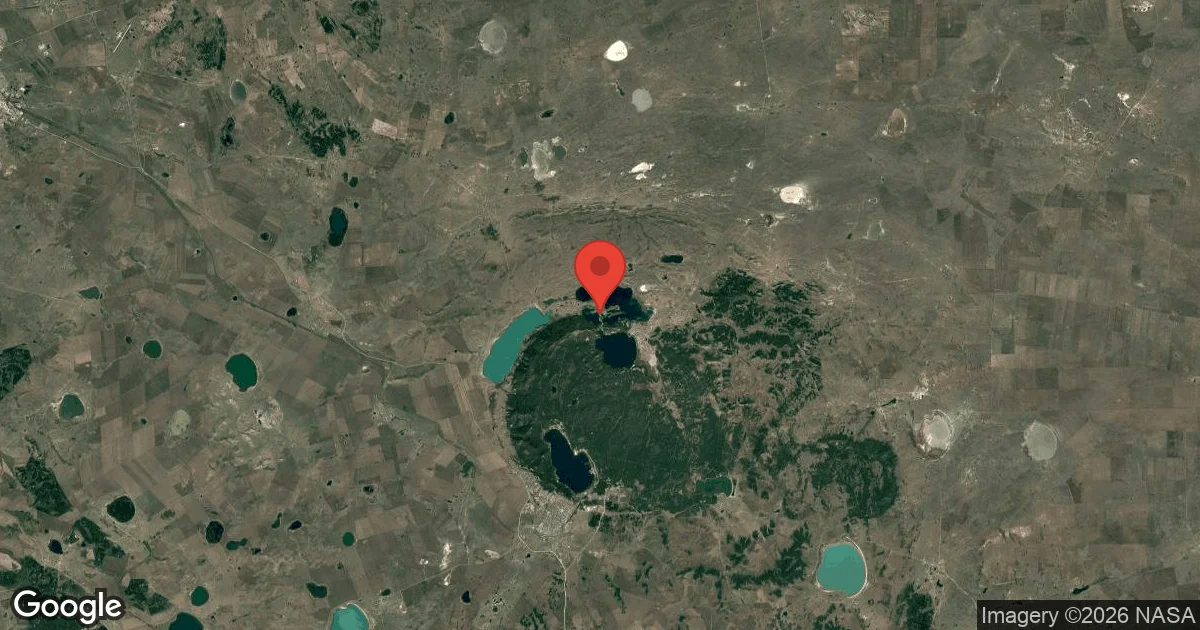
Dive Site Location & Key Facts
Dive Site Overview
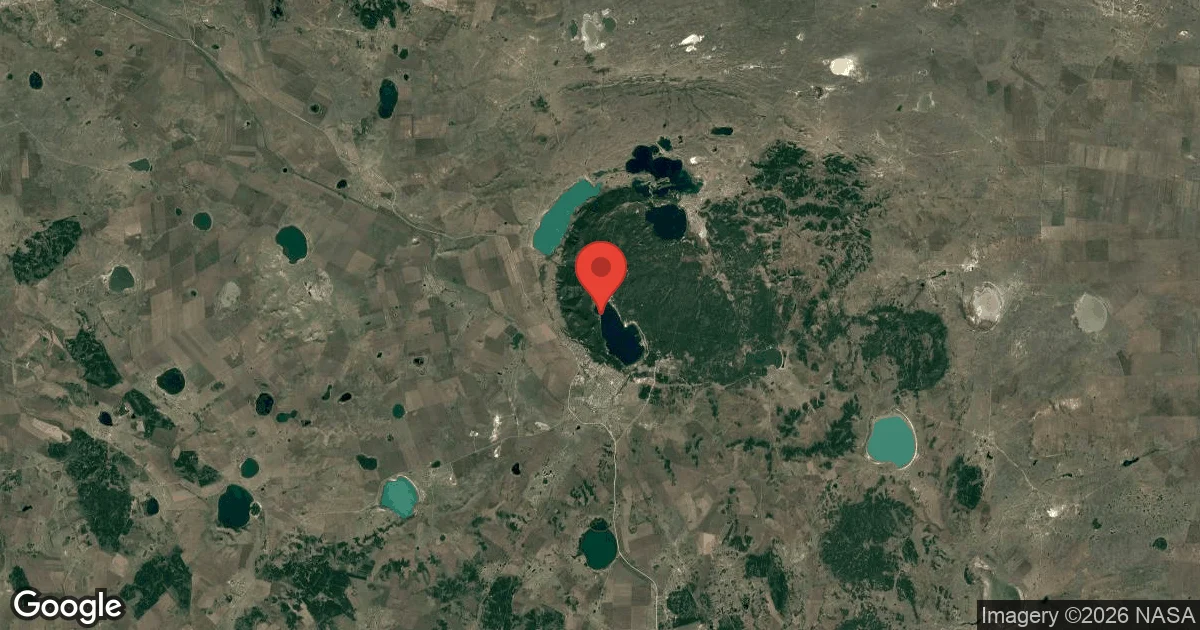
Kaiyndy Lake's topography is uniquely defined by an underwater forest, a direct consequence of a 1911 earthquake. That seismic event triggered landslides, creating a natural dam that subsequently flooded a gorge already filled with coniferous trees.
Today, the preserved tree trunks ascend from the lakebed, many remaining visible above the surface, forming an eerie yet captivating dive environment. The lake reaches a maximum depth of 30 meters / 100 feet, though typical dives often explore shallower sections, averaging between 7-12 meters / 23-39 feet. This freshwater body stretches approximately 400 meters long and rests at a significant altitude, roughly 2,000 to 2,500 meters (6,562 to 8,202 feet) above sea level.
Its consistently cold waters, seldom exceeding 8°C / 46°F even in summer, contribute to the exceptional preservation of the submerged trees. Exploring this site demands robust cold-water gear and careful high-altitude dive planning, making it an unforgettable, if challenging, exploratory dive experience for those prepared for its unique conditions.
Conditions are Excellent
07:00 - 14:00
Optimal conditions expected
Current conditions near RED show 15° air, --° sea temperature, N/A waves, and 10 km/h wind. Forecast data is refreshed regularly to ensure accuracy.
Best Time to Dive
Maintaining good visibility is a primary consideration when planning a dive in Kazakhstan's freshwater sites. Regional climate data suggests air temperatures are most favorable from May through September, often ranging from 12-19°C / 54-66°F. However, average rainfall during these months is slightly higher, reaching 2.0-2.5 mm. Increased precipitation can lead to muddy conditions, directly impacting underwater clarity. Divers generally report visibility varies from 3 to 10 meters, heavily dependent on recent weather and seasonal factors. Therefore, targeting periods outside heavy rain is advisable. The warmest water temperatures, around 6°C / 43°F for Kaiyndy Lake, occur during the summer months, making this a practical, though still cold, window for exploration.
PEAK SEASON SCORE
Scores combine air & water temps, waves, wind & rainfall for overall conditions.
BEST MONTHS TO DIVE
Monthly records compiled from satellite and marine observation nodes over the last 3 years. Data provided by Open-Meteo and MET Norway.
Dive Experience & Conditions
Diving conditions at Kaiyndy Lake demand a specific skill set and rigorous preparation, primarily due to its cold, high-altitude nature. Water temperatures consistently hover around 5-8°C / 41-46°F, necessitating robust thermal protection. The lake's elevation, approximately 2000-2500 meters (6,562-8,202 feet) above sea level, directly impacts human physiology, affecting blood pressure and oxygen consumption. Consequently, careful dive planning and a conservative profile are essential to mitigate altitude-related risks. While strong currents aren't a concern in these tranquil freshwater environments, thermal stratification might be encountered. For example, at other regional sites such as 2Mira Lake, a distinct thermocline is noted around 9-10 meters during warmer months. Navigating the submerged tree trunks in Kaiyndy Lake's potentially low visibility requires exceptional buoyancy control and strong directional awareness. It offers a truly challenging yet rewarding experience for prepared divers.
Dive Difficulty & Safety Guidelines
High-altitude diving poses a significant hazard, necessitating specific training and physical preparedness. Reduced atmospheric pressure means the body processes gases differently, impacting blood pressure and oxygen consumption. It's mandatory for divers to hold both Advanced Diver and Dry Suit Diving certifications to participate in these dives, confirming the necessary experience and specialized gear handling.
Divers must also be in excellent physical condition and acknowledge full responsibility for their own safety. Bringing your own dry suit is essential; rentals aren't available on site due to sanitary reasons.
Recommended Equipment
- Dive Computer
- Hard-soled Dive Boots
This gear list is based on verified equipment signals for RED, Kazakhstan. Always confirm final gear choices with your dive operator, guide, or liveaboard.
Recommended Dive Suit
Based on regional estimates and current weather, the likely required exposure protection is a 5mm or thicker wetsuit. Note that local currents and upwellings can alter this. A hood or vest is suggested for sensitive divers due to surface winds. A thermal robe or jacket is recommended between dives.
Because recent water temperature readings are not available for RED, the guidance below is based mainly on current air conditions and seasonal expectations. Current surface air temperatures are roughly 15°C (59°F).
Due to unpredictable weather patterns, conditions may change rapidly.
Due to technical issues with our weather providers, live updates are temporarily delayed. The data above reflects the conditions at the time of the last successful fetch.
Emergency & Medical Support
Essential information to help you plan your dive trip to RED.

Hyperbaric chambers are a critical part of dive safety infrastructure. Availability varies significantly by region, and not all dive areas have immediate access.
Before diving, it's recommended to:
- confirm nearest medical facilities
- check emergency procedures with local dive operators
- ensure dive insurance covers evacuation if required
Divers Alert Network
Diving emergency assistance available through DAN World.
+1-919-684-9111- 24/7 emergency hotline
- Diving medical assistance
- Evacuation coordination
Emergency contacts are provided for reference. Always verify local emergency services before diving.
Marine Life at RED
An exploration of the underwater landscape at Kaiyndy Lake primarily reveals its ghostly forest of submerged coniferous trees. These unique formations create an awe-inspiring, silent world.
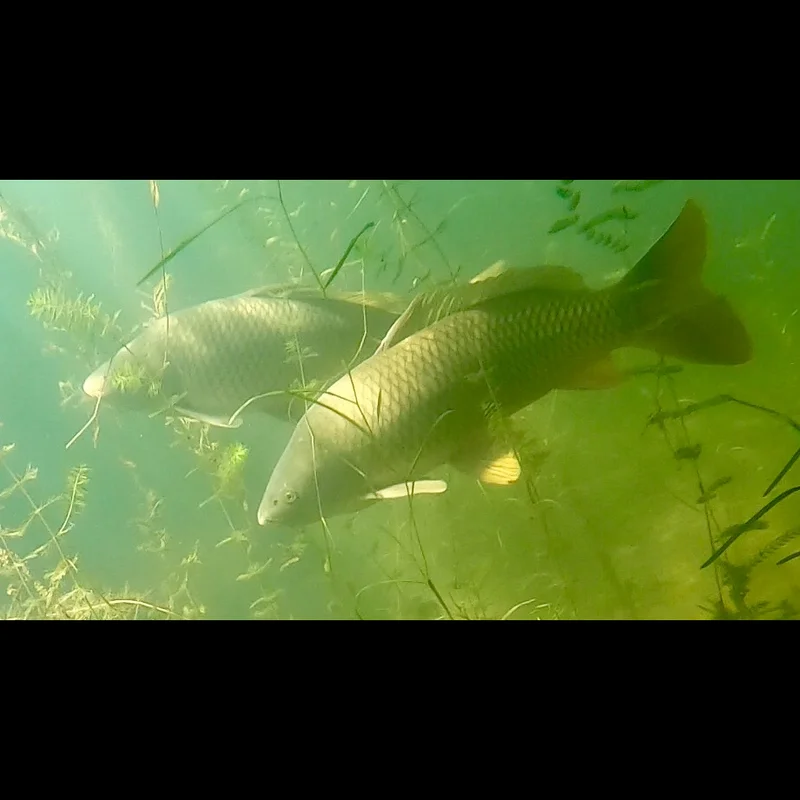
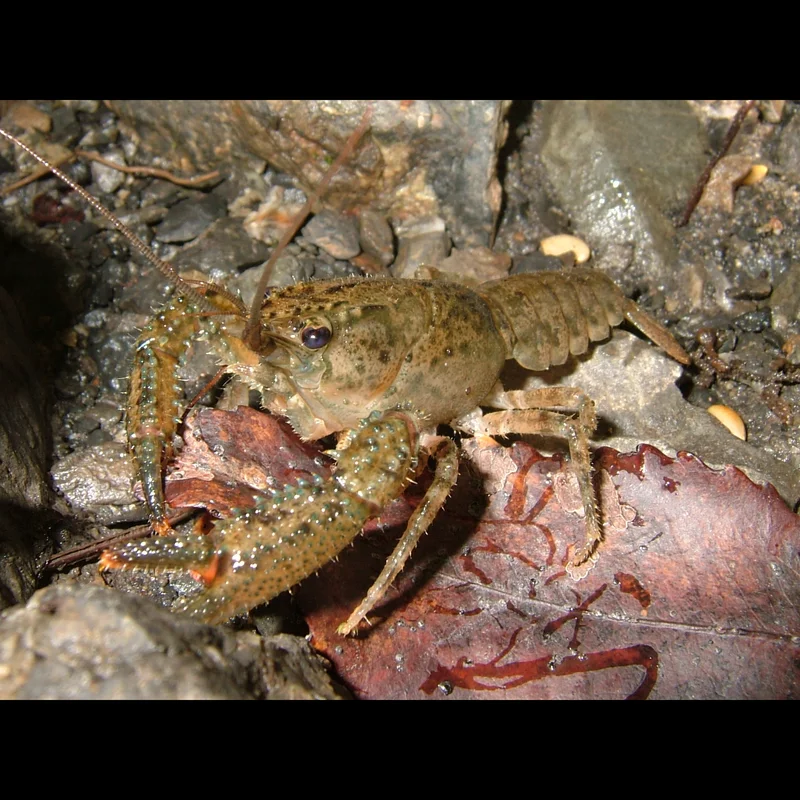
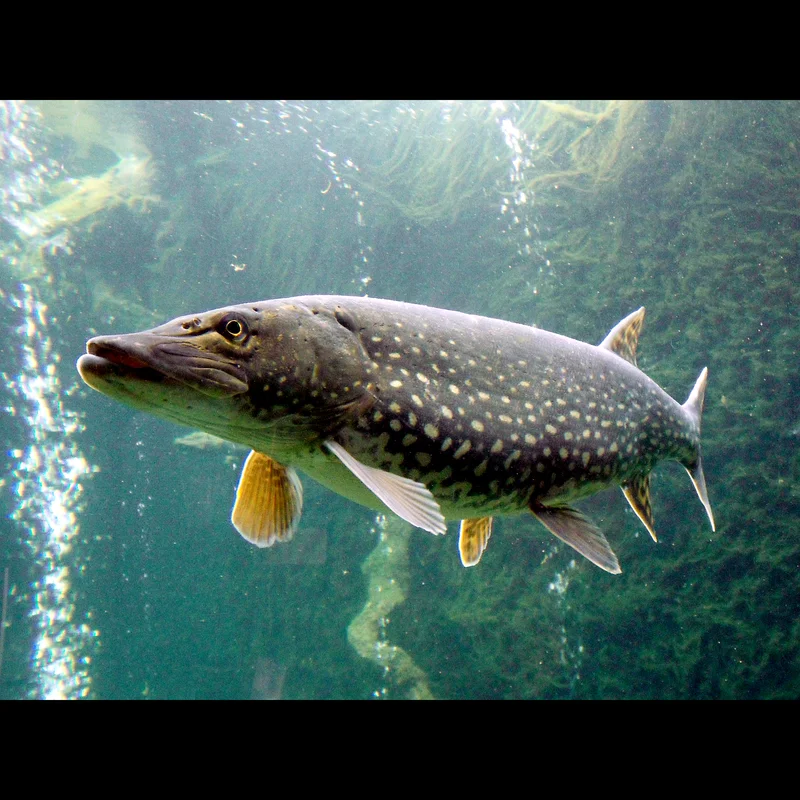
While not a coral reef, Kazakhstan's freshwater sites, such as 2Mira Lake, also host diverse aquatic life. Divers might encounter fish like carp and pike, along with various crustaceans, including crayfish.
Algae frequently covers portions of the lakebed down to depths of about 5-7 meters at some sites, adding to the freshwater vegetation.
Dive Sites Near RED
View all dive sites in KazakhstanDiscover more underwater gems in this area.
Dive Centers Near RED
No Dive Centers Local To RED
Are you a dive center visiting this location? Get listed to reach divers.
Nearest Airports
Nearest airports to help plan travel to this dive area.
Search Flights
Check available flights and routes on Expedia, using the nearby airports listed in this section.
Search Flights on ExpediaFrequently Asked Questions
What certifications are required for diving in Kaiyndy Lake?
Divers must hold both Advanced Diver and Dry Suit Diving certifications. These are mandatory to ensure you possess the necessary experience and are proficient in managing specialized equipment for the challenging conditions.
What are the typical water temperatures in Kaiyndy Lake?
The water in Kaiyndy Lake is consistently cold, typically ranging from 5-8°C / 41-46°F. Even during summer months, the highest reported temperature is around 6°C / 43°F.
How does the high altitude affect diving in Kaiyndy Lake?
Kaiyndy Lake lies at an elevation of 2000-2500 meters / 6562-8202 feet above sea level. This high altitude directly affects human blood pressure and oxygen consumption, requiring specific dive planning, conservative depth and bottom time limits, and excellent physical condition.
What is the typical visibility like in these freshwater sites?
Visibility varies depending on seasonal conditions and recent rainfall, often ranging from 3 to 10 meters. After heavy rains, the water can become muddy, further reducing clarity.
What unique features can I expect to see underwater?
The most distinctive feature of Kaiyndy Lake is its unique underwater forest, comprised of preserved coniferous tree trunks rising from the lakebed. These create an otherworldly, eerie landscape, a direct result of the lake's geological formation.
Is dive equipment available for rent at the dive sites?
For dry suits, it's explicitly stated that rentals are not available on site for sanitary reasons, so divers must bring their own. Information on other equipment rentals is limited, suggesting divers should plan to bring most of their gear.
Planning to dive RED?
Send one inquiry and receive offers directly from the best verified local dive operators.
Conditions are Excellent
07:00 - 14:00
Optimal conditions expected
Current conditions near RED show 15° air, --° sea temperature, N/A waves, and 10 km/h wind. Forecast data is refreshed regularly to ensure accuracy.